
Reviewed · NAGANO TOURS
From Matsumoto/Nagano: Nakasendo Trail Walking Tour
The best part of this day is the walk between Tsumago and Magome, two old post towns linked by the Nakasendo, Japan’s inland road between Tokyo and Kyoto. You get quiet forest paths, Edo-era cobblestones, wooden houses, and the cool spray of the Odaki and Medaki waterfalls, all without having to arrange awkward local transport yourself.
I like the small-town atmosphere and the way the guide turns a pleasant hike into a lesson in Japanese travel, trade, and village life. I also like the helpful pace: guides such as Shawn, Kim, Joyce, Sijung, and Devon have been praised for answering questions, making photo stops, and keeping groups together. The drawback is simple: you spend roughly five to seven hours on the bus, depending on your starting point, for an 8-kilometer hike.
Key points to know before booking
- Tsumago to Magome: Walk the most scenic and famous section of the Nakasendo Trail between two restored post towns.
- Odaki and Medaki waterfalls: Pause beside twin falls where cool mist gives the hike a welcome lift.
- Moderate effort: The trail includes uphill and downhill sections and requires more than 8 kilometers of walking.
- Long transport day: The drive from Matsumoto to the trail takes about two hours, with a bathroom stop at a roadside service area.
- Useful local guidance: English-speaking guides explain the trail, towns, customs, and points of interest along the way.
- Good value for convenience: At $189 per person, the price covers roundtrip transport and guiding, but not lunch.
Why the Nakasendo Trail still feels special
The Nakasendo once linked what are now Tokyo and Kyoto through Japan’s central mountains. It was a major route during the Edo period, from 1600 to 1868, when officials, merchants, and other travelers moved between the country’s great cities.
Today, much of the commercial traffic is gone. That is the appeal. Instead of walking beside modern roads or railway tracks, you pass through woods, rural lanes, small settlements, and old post towns. The route gives you a sense of how travel worked before Japan’s high-speed trains and broad motorways changed the country.
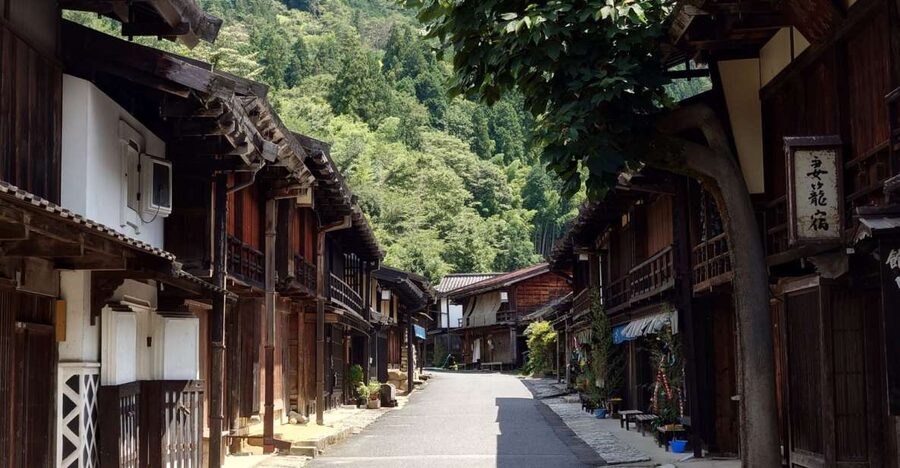
The most appealing stretch is between Tsumago-juku and Magome-juku. These towns served people who needed food, lodging, supplies, and official services along the long road. Their wooden buildings and sloping streets have been carefully maintained, giving you a clear idea of the setting without requiring a museum visit at every turn.
This is not a wild mountain trek. It is a cultural walk with a moderate physical challenge. You get nature, but the old road and the villages give the day its character.
More walking tours in Nagano:
- Food & Cultural Walking Tour around Zenkoji temple in Nagano
★ 5.0 · 58 reviews - Matsumoto Castle Town Walking Tour
★ 4.8 · 58 reviews - Matsumoto Discovery – Half Day Walking Tour
★ 5.0 · 43 reviews
Starting in Matsumoto or Nagano
You can begin at Matsumoto Station, Nagano Station, or Kokusai 21, depending on the option you choose. The exact meeting point changes with the departure arrangement, so check your confirmation carefully and arrive early.
From Matsumoto, the drive to the Kiso Valley takes around two hours. The full coach schedule is long, with about 3 hours and 50 minutes of outward transport and about 3 hours and 20 minutes returning. That sounds excessive until you remember that the Nakasendo towns are not simple side trips from the main train lines.
The bus is the practical reason to book this experience. You do not have to combine trains, local buses, and taxis to reach Tsumago, then work out how to return from Magome. You can sit by the window and watch the scenery change from the city and wider Nagano area to mountain roads and wooded valleys.
A roadside Michi-no-Eki, or Japanese service area, breaks up the outward journey. It gives you a bathroom stop and a chance to buy a snack. I would bring water and a small breakfast item anyway, since lunch is not included and the day has an early, extended start.
Tsumago-juku and its wooden streets
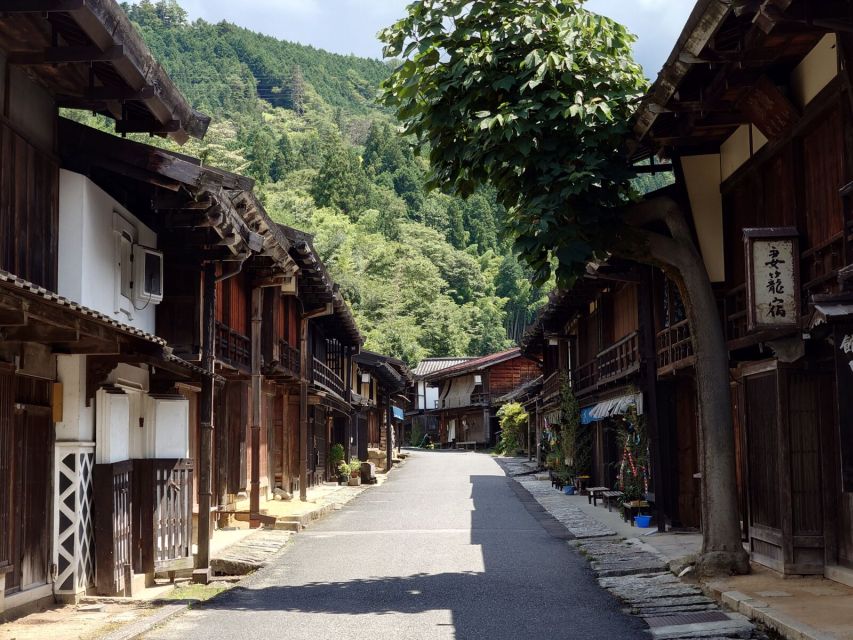
Tsumago is the first major stop, and the tour allows about an hour for a guided visit before the hike. The town is known for its rustic wooden buildings, mountain setting, old inns, small eateries, and souvenir shops.
Your guide leads you through the streets and may take you into one of the public buildings. These interiors help explain how people once lived and worked along the post road. The value is in seeing ordinary details: the arrangement of a traditional house, the relationship between lodging and street, and the way the town served people passing through.
Tsumago is not just a place to take a quick photograph and leave. Give yourself time to notice the slope of the street, the dark timber, the water channels, and the views toward the surrounding hills. The town is compact, so the guided introduction helps you use the limited time well.
The visit also gives you a gentle start before the longer walk. You can use the facilities, adjust your pack, and ask the guide about the route ahead. The day becomes easier when you know how much walking remains and where the main breaks will be.
Eight kilometers from Tsumago to Magome
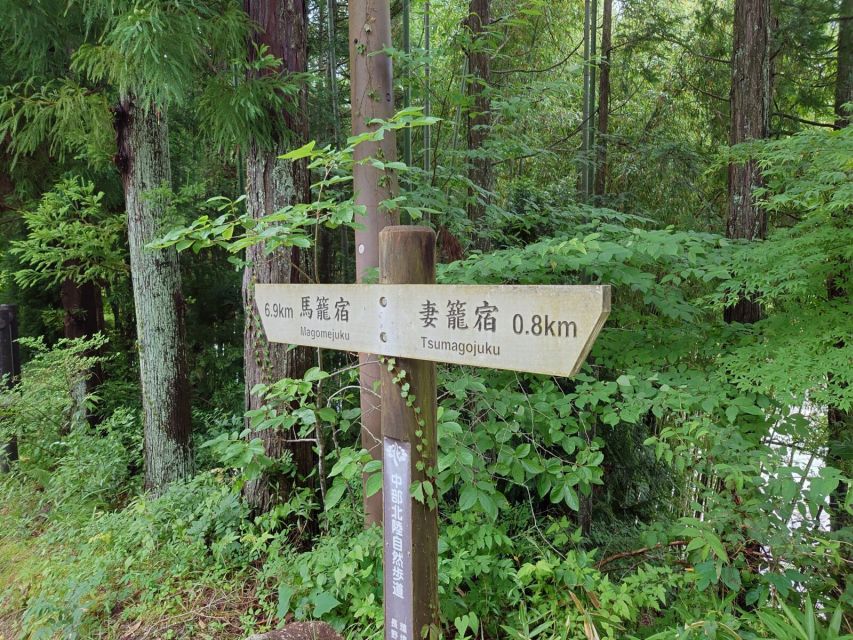
The walk takes about three hours in the scheduled program, though the actual pace depends on the group and the number of stops. The route includes country trails, rural roads, wooded stretches, and sections of stone paving dating from the Edo period.
Do not read 8 kilometers as a flat village stroll. You will face moderate climbs and descents, and one section includes a noticeable uphill effort. Several guides have been praised for stopping after inclines and setting a pace that works for people with different fitness levels.
You should be comfortable walking for several hours in hiking shoes. The route is generally well marked, but the towns and trail access are not especially simple to connect on your own. That is where the guide earns the fee. A good guide helps with direction, timing, cultural context, and the small decisions that keep the day moving.
Look for birds, lizards, and, if you are fortunate, deer or badgers. Wildlife sightings are not guaranteed, so do not book the tour as a wildlife excursion. The appeal is the mixture of natural quiet and human-made details: old paving, small bridges, traditional homes, and water running beside the road.
The route can feel especially fine in spring and autumn, when the weather may be comfortable for walking and the mountain views have more seasonal color. Conditions vary, of course. In bright weather, the sun can be uncomfortable on parts of the trail, so sunglasses and a hat are sensible additions to the required weather-appropriate clothing.
A few more Nagano half-days to weigh up
- 1-Day Snow Monkeys, Zenko-ji Temple & Sake in Nagano
★ 5.0 · 1,020 reviews - Nagano: Snow Monkeys, Zenkoji Temple & Sake Day Trip
★ 4.9 · 833 reviews - From Tokyo: Snow Monkey 1 Day Tour with Beef Sukiyaki Lunch
★ 4.6 · 295 reviews - Tokyo: Snow Monkey & Nagano Customiseable Private Day Tour
★ 4.8 · 138 reviews
Odaki and Medaki waterfalls
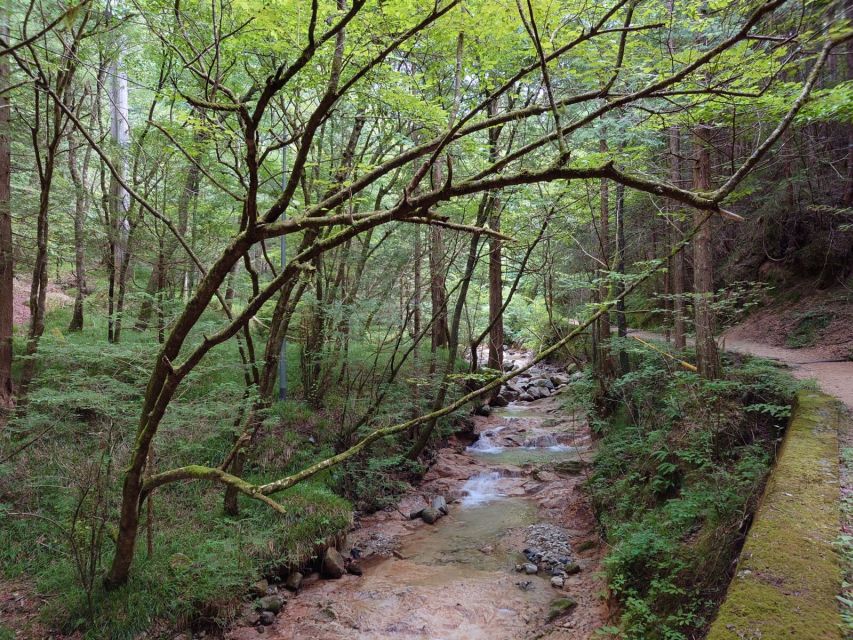
The twin Odaki and Medaki waterfalls are one of the most memorable pauses on the route. They sit side by side, and the sound arrives before the full view. After an uphill section, the cool spray on your face is a welcome change.
You can stop near the falls for a short rest and, depending on the day, use a traditional house along the way for water and relaxation. Some people choose to eat lunch near the waterfall, but you need to bring food or buy something earlier. Lunch is not part of the $189 price.
This pause also connects the modern walk with the old road. People using the Nakasendo centuries ago needed places to rest, find water, and break up the journey. The waterfalls are not simply a scenic photo stop. They show why this route worked as a travel corridor through the mountains.
Bring a refillable bottle, but do not count on a full meal stop in the middle of the trail. A snack in your day pack will make the walking more comfortable, especially if breakfast was early.
Arriving in Magome-juku
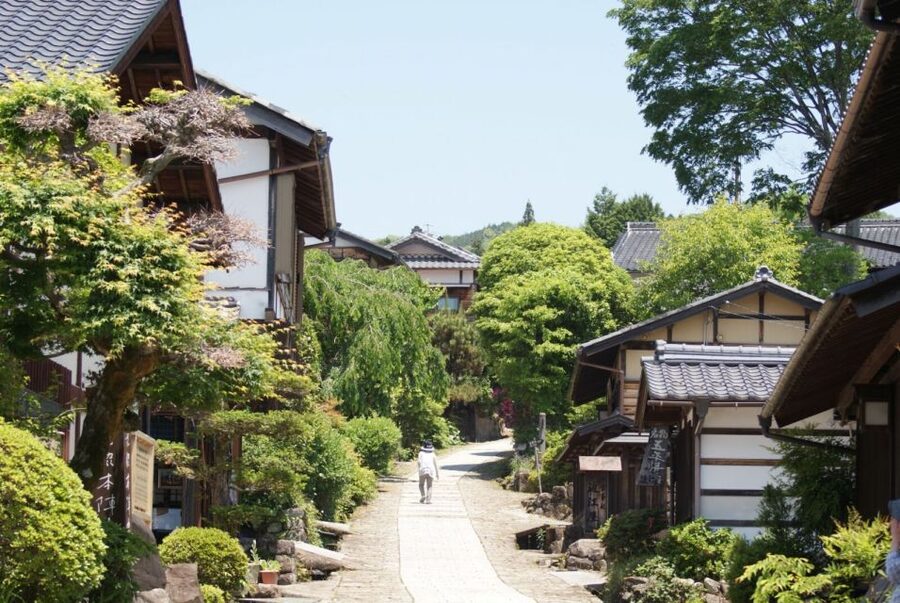
Magome appears as a long, sloping street lined with restored wooden buildings. After the quiet trail, the town feels like a fitting finish rather than a separate attraction.
You have about 40 minutes for free time, shopping, and snacks. That is enough to walk the main street, look at the old houses, and enjoy the mountain views, but it is not a generous amount of time for a slow meal and extensive shopping.
Pay attention to the waterways running beside the street. They once helped power waterwheels, and they remain one of the town’s pleasant details. Small eateries and shops provide a chance to buy a local snack before the return bus.
The timing can work beautifully if you reach Magome late in the day. One group arrived around golden hour, when the light softened the wooden buildings and surrounding hills. That is not guaranteed, but the late-day setting can make the final stretch feel especially rewarding.
Magome is also where you will notice the trade-off of a guided day trip. You get a reliable departure and do not need to solve the onward transport yourself, but your free time is fixed. If you want to explore every shop, sit down for a long meal, or linger for evening photographs, an independent overnight visit would give you more freedom.
What the guide adds to the walk
The guide is more than a person pointing out the route. The best guides connect the trail to present-day Japan and explain what you are seeing as you go.
Shawn has been praised for his friendly manner, historical explanations, photography help, and practical support when plans went wrong after the tour. Kim was singled out for answering many questions along the trail. Joyce was appreciated for her good humor and useful facts, while Kevin handled a group with mixed walking speeds. Sijung was praised for setting a comfortable pace, and Devon for being considerate and helpful with a family traveling with a young baby.
Your guide may be someone else, since staffing changes. Still, these examples show what the guiding style aims to provide: clear information, regular pauses, and attention to the group.
The guides also help you see the difference between a preserved old town and a living rural community. You are not just photographing facades. You are learning why the buildings line the road, how the post towns operated, and how water and geography shaped daily life.
Some groups have been very small, even just two people. That can make the day feel almost private and allows the guide to adjust the walking pace and stops. Group size is not guaranteed, so book this for the route and transport rather than expecting a private tour.
How hard is the hike?
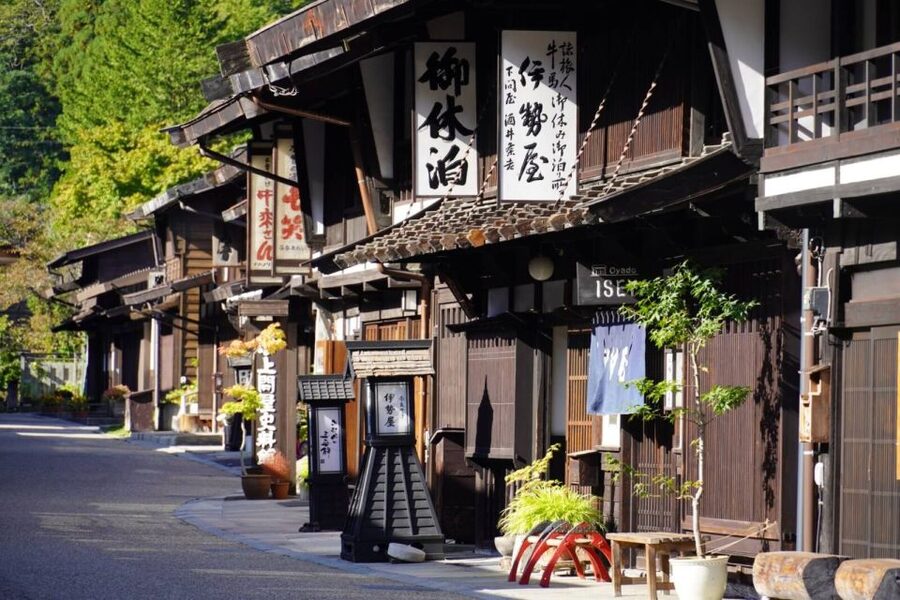
I would rate the hike moderate. The distance is over 8 kilometers, with uphill and downhill sections, and you need to stay on your feet for several hours. It is not suitable for people with mobility impairments, wheelchair users, or children under seven.
You do not need a high level of athletic ability, but you should be comfortable with a day of steady walking. A 76-year-old participant completed the route with a family group, while another family managed it with a baby and guide support. Those examples show that age alone is not the issue. Your comfort with hills, uneven ground, and the distance matters more.
Wear proper hiking shoes. Water, weather-appropriate clothing, and sun protection are sensible. The trail may be comfortable in mild weather, but rain or heat can change the effort required.
The elevation gain is not specified, so you cannot judge the climbs as precisely as you might with a formal hiking map. If you are unsure about your fitness, ask the operator for current trail conditions before booking.
Is $189 a fair price?
At $189 per person, this is not the cheapest way to see the Nakasendo. You pay for the long roundtrip coach journey, an English-speaking guide, and the convenience of visiting two remote post towns in one day.
The value is strongest if you are staying in Matsumoto or Nagano and want to avoid a complicated transport puzzle. Independent travel can give you more time and control, but reaching Tsumago and leaving from Magome requires more planning. The tour removes that work and lets you focus on the walk.
Lunch, snacks, and shopping are extra. The roadside stop and Magome provide chances to buy food, but you should budget for those purchases separately.
The price makes less sense if you dislike long bus rides or want a relaxed village stay. In that case, consider spending a night in the Kiso Valley and walking at your own pace. For a single day from Matsumoto or Nagano, though, the transport is a major part of what you are buying.
Who should book this day trip?
I would recommend it to you if you want a strong taste of rural Japan but have limited time. It works especially well for people who enjoy walking, old towns, mountain scenery, and cultural explanations in English.
It also suits solo visitors and couples who do not want to manage regional transport. Families with older children may manage the distance, but the tour is officially not suitable for children under seven, and the long walk may test younger walkers.
You may want a different plan if you need wheelchair access, have limited mobility, dislike hills, or prefer several hours in each town. This is a walking day first, with sightseeing built around the route.
The tour receives a 4.9 rating from 33 ratings, and transport receives a perfect score from 95 percent of participants. Those numbers support what the day is designed to do: provide dependable transport and a well-paced walk with a personable guide.
Final decision: book it for the route and convenience
Book this tour if you want to walk the classic Tsumago to Magome section without spending your holiday working out local connections. The waterfalls, old stone path, restored houses, and mountain views make this one of the more satisfying day trips from Matsumoto or Nagano.
Skip it if the long bus journey sounds worse than the hike, or if you want a slow overnight experience in the Kiso Valley. Bring water, hiking shoes, a snack, and realistic expectations about the hills. If you do, the Nakasendo gives you a rare day away from Japan’s cities, with enough history and village life to make the effort worthwhile.
FAQ
Where does the tour start?
You can choose a departure from Nagano Station, Kokusai 21, or Matsumoto Station. The exact meeting point depends on the option booked.
Where does the hike take place?
The hike follows the Nakasendo Trail from Tsumago-juku to Magome in the Kiso Valley.
How long is the hike?
The walk is over 8 kilometers, or about 5 miles, with moderate uphill and downhill sections.
How long is the entire activity?
It is a full one-day experience. The scheduled program includes about 3 hours at Tsumago, about 40 minutes in Magome, and several hours of roundtrip coach travel.
Is lunch included?
No. Lunch is not included. You should bring food or plan to buy snacks and food at available stops, including Magome.
Is the tour available in English?
Yes. The activity includes a live English-speaking guide.
What should I bring?
Bring hiking shoes, water, and clothing suitable for the weather.
Can I cancel the booking?
You can cancel up to 24 hours in advance for a full refund. The activity also offers a reserve-now, pay-later option.
Just added around Nagano
- Snow Monkeys, Hokusai & Sake: A Perfect Day in Nagano★ 5.0 · 19 reviews
- 1-Day Tateyama-Kurobe Tour: Walking on the ‘Roof of Japan’★ 5.0 · 20 reviews
- Snow Monkey & Shibu Onsen Afternoon Tour (Depart: Iiyama & Nozwa)★ 5.0 · 54 reviews
- Wasabi Farm Walking Tour & Lunch★ 4.5 · 20 reviews
- Snow Monkey Park, Soba Lunch and Shibu Onsen Tour★ 5.0 · 12 reviews
- Snow Monkey Park & Miso Production Day Tour from Nagano★ 5.0 · 18 reviews
- Ski or Snowboard Lesson in Shiga Kogen (4Hours)★ 5.0 · 34 reviews
- Nagano Spring: 1-Day Cherry Blossoms & Snow Monkeys Guided Tour★ 5.0 · 31 reviews
Nagano Tours, compared.
1-Day Snow Monkeys, Zenko-ji Temple & Sake in Nagano
Read our review →

Snow Monkey 1 Day Tour with Beef Sukiyaki Lunch
Read our review →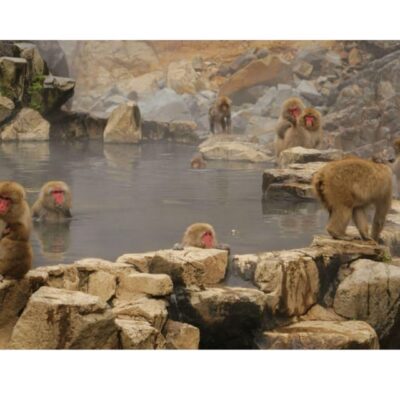
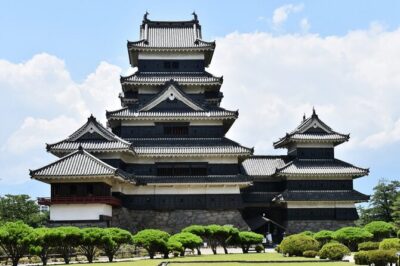
1-Day Tour from Nagano and Matsumoto Kamikochi & Matsumoto Castle
Read our review →
1-Day Snow Monkeys & Snow Fun in Shiga Kogen Tour
Read our review →
Wild Japanese Flying Squirrel Watching Tour in Nagano
Read our review →Browse the lists this tour appears in