
Reviewed · SNOW MONKEY TOURS
From Tokyo: Snow Monkey 1 Day Tour with Beef Sukiyaki Lunch
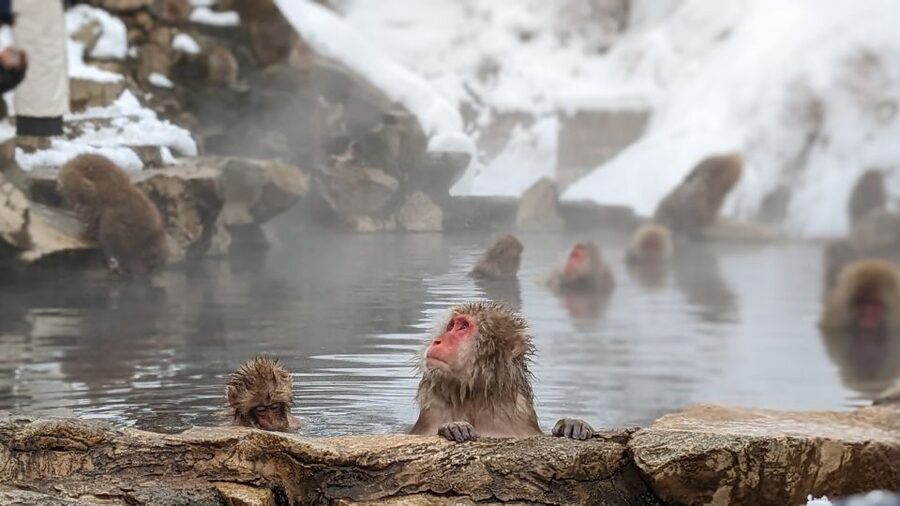
The main event is wonderfully simple: you walk through a snowy forest, reach Jigokudani Monkey Park, and watch Japanese macaques soak in a hot spring. The monkeys often wander close, but they remain wild animals, not pets, so you observe without touching, feeding, or staring at them.
I like the traditional beef sukiyaki lunch and the fact that park admission, transport, and an English-speaking guide are included. I also like the added Kamakura snow hut visit on departures from January 23 to March 1, 2026. The catch is the long coach ride, with up to three and a half hours each way, plus a slippery walk to the park.
Key points at a glance
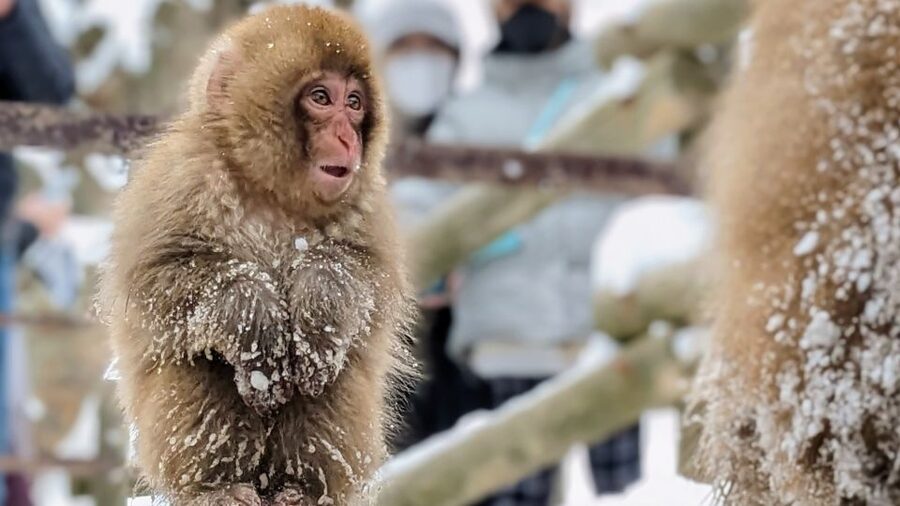
- Hot-spring monkeys in their winter setting: See Japanese macaques in Jigokudani Valley, often with snow around the pools.
- A full day from Shinjuku: The journey can last about 12 hours, with service-area stops along the way.
- Sukiyaki lunch included: Beef is served by default, with pork, vegetarian, and vegan alternatives available if requested in advance.
- A snowy forest walk: The route from the parking area takes more than 30 minutes each way and can be icy or muddy.
- Seasonal Kamakura snow huts: Departures between January 23 and March 1, 2026 include illuminated snow domes.
- Helpful guides make a difference: Guides including Ichiro, Mai, Maki, Kubo, Ken, and Thomas have been praised for humor, clear instructions, and personal help.
Why the snow monkeys are worth the long ride
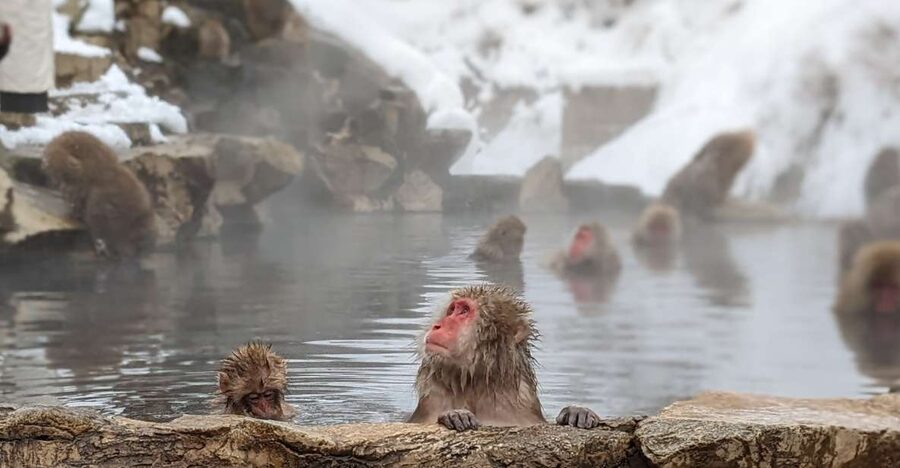
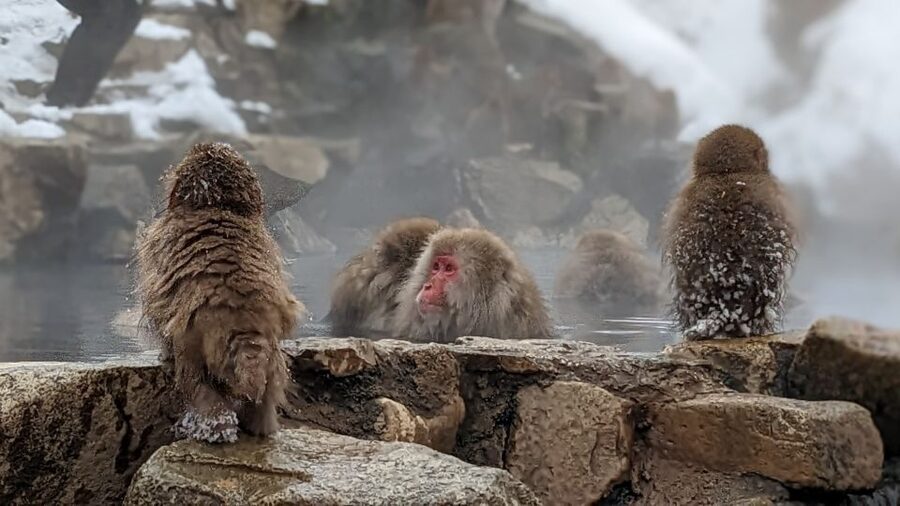
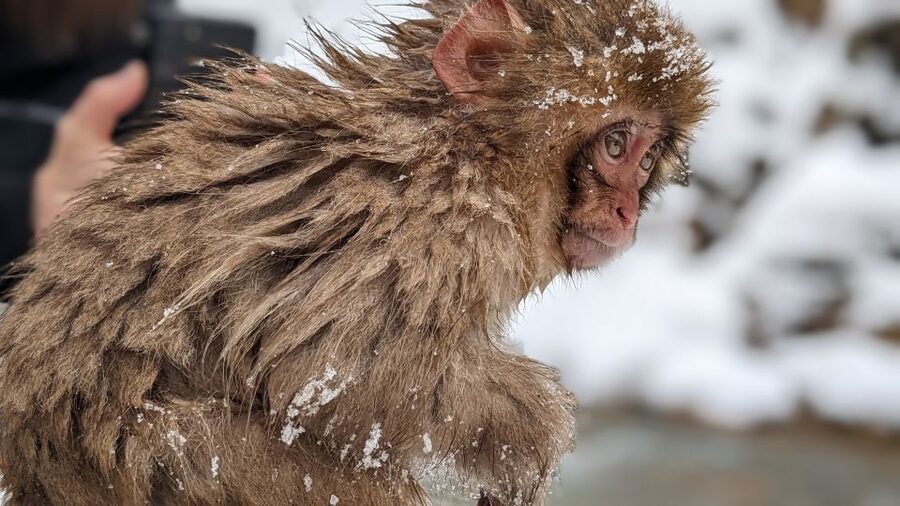
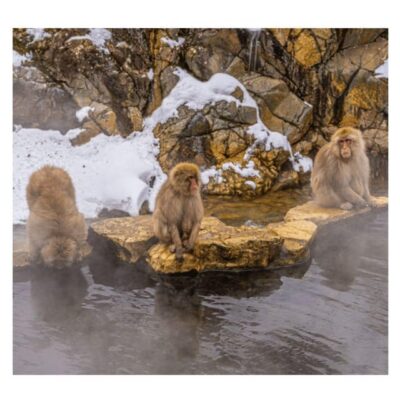
Jigokudani Monkey Park is one of those places where the setting matters as much as the animals. The macaques sit in warm spring water while snow covers the surrounding Jigokudani Valley. Some groom each other, some carry on with family squabbles, and some simply look calm and mildly unimpressed by the cameras nearby.
That close viewing is the special part. The monkeys are used to people, so you can often see them at short range without a barrier between you and the scene. You still need to behave carefully. Do not touch them, feed them, or hold direct eye contact. They can be territorial, and the park rules protect both you and the animals.
I would not book this tour on the assumption that every monkey will be in the water. The macaques do not spend most of their time in the hot springs, and sightings in the pools are not guaranteed. From mid-March onward, warm weather can make them less likely to enter the springs. Snowy days offer the best odds, but nature makes the final call.
More snow monkey trips:
- Tokyo: Snow Monkey & Nagano Customiseable Private Day Tour
★ 4.8 · 138 reviews - Snow Monkey & Shibu Onsen Afternoon Tour (Depart: Iiyama & Nozwa)
★ 5.0 · 54 reviews - Nagano/Tokyo: Snow Monkey and Zenkoji Temple Private Tour
★ 4.8 · 54 reviews
The Shinjuku meeting point and the early start
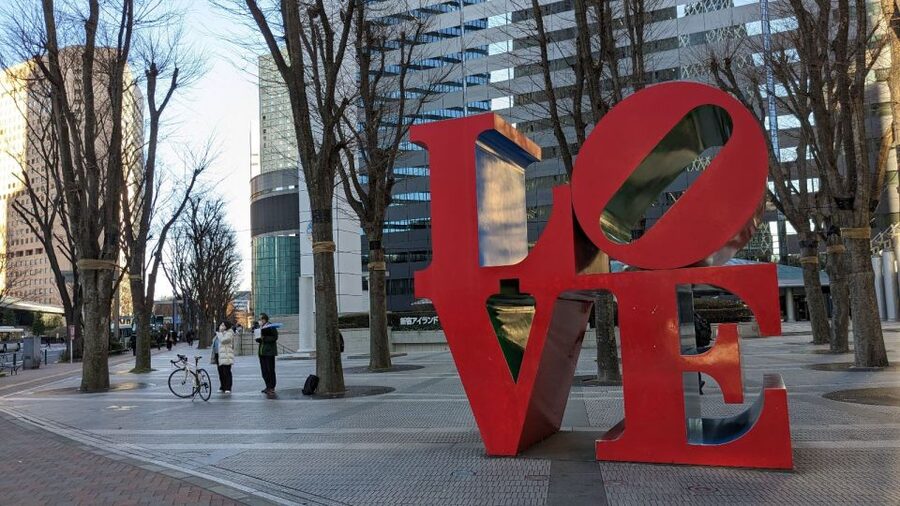
The meeting point is by the Nishi Shinjuku LOVE sculpture outside the Shinjuku i-Land building. This is central, but you should still allow extra time to find it. Shinjuku is a maze of large buildings, underground passages, and busy roads, and one traveler nearly missed the coach after taking the wrong road to the pickup area.
The tour does not wait for late arrivals, and there is no refund if you miss the departure. I would arrive early, identify the sculpture and building the day before if possible, and keep the meeting instructions easy to reach on your phone.
Pickup and drop-off are provided at the meeting point, not at your hotel. There are no custom hotel pickups in central Tokyo, and the tour finishes at Tokyo Mode Gakuen. That arrangement works well if you are staying near Shinjuku, but it adds planning if your accommodation is elsewhere.
Three and a half hours north to Nagano
The coach trip is the trade-off. The journey to the Nagano Prefecture can take up to three and a half hours, and the return can take about the same. Traffic on the way back to Tokyo may stretch the day further. Past departures have lasted around 12 hours, with one day running from roughly 7:45 in the morning to 9:00 at night.
There are usually two or three stops at service areas on the route. These breaks give you time for the toilet, drinks, snacks, and a little shopping. They help, but they do not change the basic fact that you will spend a large part of the day seated.
Coach size depends on group numbers. It may be a medium or small vehicle. One passenger found a smaller bus less comfortable, especially because the seats did not recline. If you need plenty of legroom or dislike long road journeys, this is the part to consider carefully.
I like that the guide can turn the drive into part of the day with commentary, jokes, and practical updates. Guides have included Ichiro, Mai, Maki, Kubo, Ken, and Thomas, and the strongest guide experiences included clear organization, local tips, humor, and patient help on the difficult walking section. One guide even prepared songs for the bus in case of delays.
Still, guide style can vary. If your guide gives less commentary during the long drive, bring a book or tablet and treat the coach as transport rather than entertainment. Seatbelts are required by Japanese law, so wear yours throughout the journey.
Sukiyaki lunch at Shinshu Fruitsland
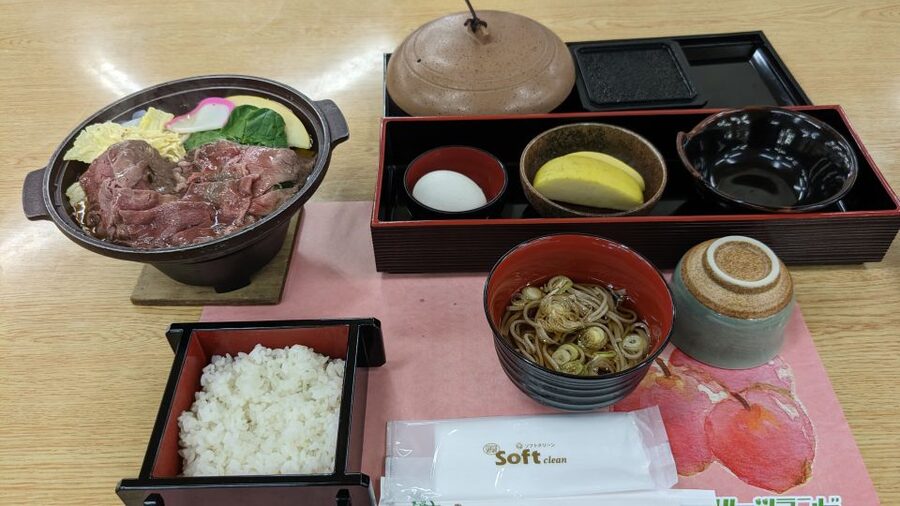
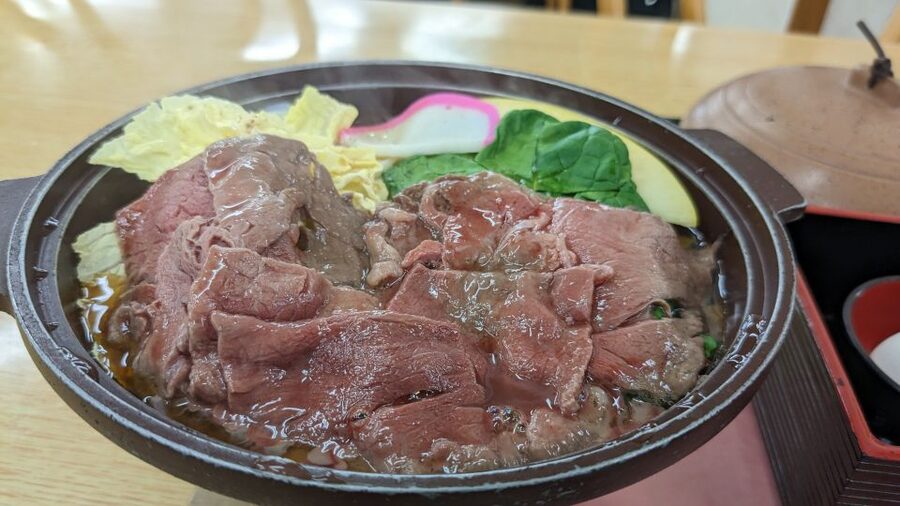
After about three hours on the road, you stop at Shinshu Fruitsland for a one-hour lunch. The meal is beef sukiyaki, a Japanese hot-pot dish in which thin beef and vegetables are cooked in a sweet-savory broth. It is a warming choice before the snowy walk.
The lunch has been described as good and satisfying, though not elaborate. That is a fair way to view it. You are not booking a gourmet meal, but a hot Japanese lunch included in a long day of transport. It breaks up the ride and gives you a proper meal before the main visit.
Beef is the default, so contact the operator when booking if you want another option. Pork is available, as are vegetarian meals that include egg and dairy, and vegan meals that are fully plant-based. Fish and chicken are not available. Drinks are not included.
The stop is about 30 minutes from Jigokudani Monkey Park, making the timing practical. You eat, regroup, and continue a short distance to the mountain area instead of adding another long transfer after lunch.
More lunch stops in Nagano:
- Wasabi Farm Walking Tour & Lunch
★ 4.5 · 20 reviews - Snow Monkey Park, Soba Lunch and Shibu Onsen Tour
★ 5.0 · 12 reviews - Bike Tour Exploring North Kyoto plus Lunch
★ 5.0 · 1,087 reviews - Tokyo: Mt.Fuji & Lake Kawaguchiko 1-Day Bus Tour w/Optional Lunch
★ 4.5 · 839 reviews
The walk into Jigokudani Monkey Park
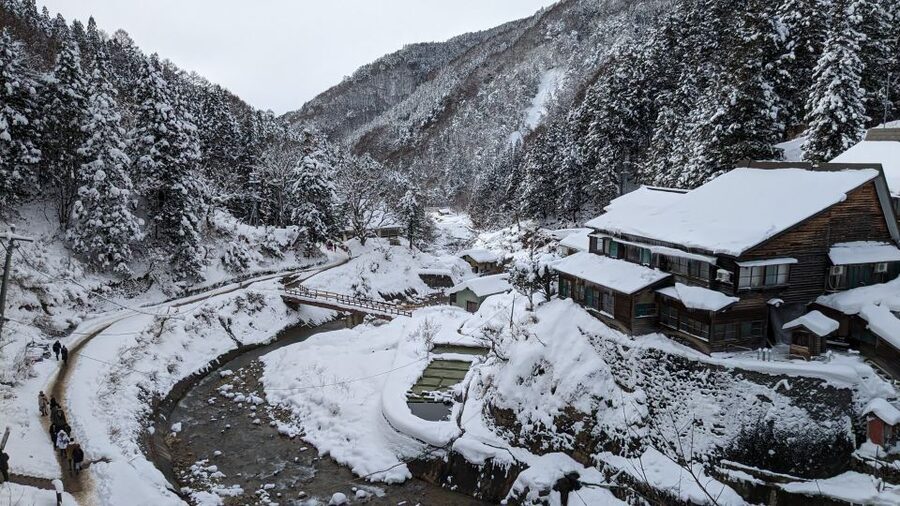
The coach cannot take you directly to the hot springs. From the parking area, you walk for more than 30 minutes to reach the park, then make the same trip back. The path runs through a forest and can be snowy, muddy, wet, or covered with hard ice.
This walk is more demanding than the description of moderate walking may suggest. Several people found it manageable with proper boots, while others described the icy sections as dangerous. One person using a cane received close help from the guide and reached the monkeys, but the route still required real effort.
Wear snow boots or another sturdy pair of non-slip shoes. Warm, waterproof trousers are a smart choice, especially if you expect snow or mud. Optional crampons are sold on the bus, though they are not included in the tour price. Ask about them before you start the walk if the path looks slick.
The forest route is not just an obstacle. In winter, it creates a gradual change from city streets to a quiet mountain setting. Snow on the trees and the valley views add to the sense of arrival. Just keep your pace sensible and do not rush for the sake of more time at the pools.
Two hours with the macaques
The scheduled visit at the park lasts about two hours. That gives you time to walk around the viewing area, watch different groups, and take photographs. The monkeys may pass close by, sit at the edge of the spring, or disappear into another part of the park.
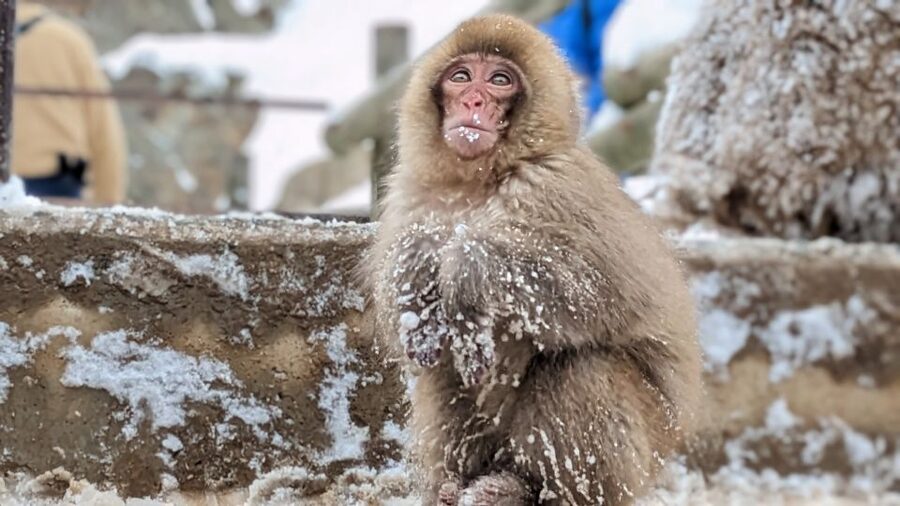
The best photographs often come from patience rather than constant snapping. Watch the animals for a few minutes and you may see grooming, young monkeys playing, or a macaque settling into the water. Keep your hands to yourself and avoid direct eye contact. The park rules are simple, and following them helps keep the encounter respectful.
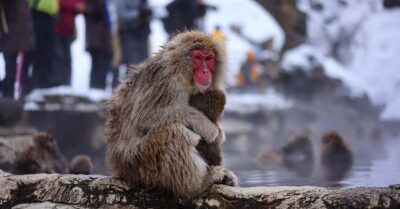
Snow is a major part of the appeal. In January and February, the setting can look like the classic image many people have in mind: pale snow, steaming water, dark rocks, and macaques with frosted fur. March can still be excellent, particularly during cold or snowy weather, but warm days may produce fewer spring sightings.
You are not guaranteed to see monkeys in the hot springs, or even to see the exact behavior you want. There are no refunds if you do not see them. That matters because the tour price is tied to access and transport, not to a wildlife guarantee.
Kamakura snow huts from January 23 to March 1
If you travel between January 23 and March 1, 2026, the day also includes Kamakura no Sato, the Kamakura snow hut village. Illuminated snow domes create a striking evening-style winter scene and give the return journey an extra feature beyond the monkey park.
The snow huts are not the main reason to book this trip, but they help justify the long drive during the winter window. One passenger considered the igloo-style village a highlight, while another found it pleasant but less impressive than the monkeys. That is the right expectation: enjoy it as a seasonal bonus, not as an equal replacement for Jigokudani.
The entry fee is included during the stated dates. Outside that period, the snow hut visit is not part of the experience, so check your travel date before booking.
Is $151 good value for this day trip?
At $151 per person, this is not a cheap Tokyo outing. It is, however, a practical way to reach a remote mountain park without arranging several trains, local buses, park admission, and lunch yourself.
The price includes round-trip coach transport from Shinjuku, the Jigokudani Monkey Park entry fee, lunch, and an English-speaking guide. During the winter dates, it also includes the Kamakura snow hut entry fee. Drinks and optional crampons cost extra.
The value is strongest if you want a simple all-in-one day and do not want to navigate the trip independently. A private car would cost far more, while public transport requires careful connections and separate planning. The value is weaker if you dislike long bus rides or prefer to spend several hours at one site without a fixed schedule.
I also think the guide service has real value here. The difficult part is not only finding Jigokudani. It is handling the departure point, winter roads, service stops, lunch timing, parking, and the walk to the park. Good guides such as Mai, Maki, Ichiro, and Kubo have helped make those details easier, though the quality of commentary may vary by departure.
Who should book this tour?
This trip suits you if seeing the snow monkeys is high on your Japan wish list and you have only one free day from Tokyo. It also works well for solo visitors, since the tour accepts bookings from one person onward and provides a ready-made group.
You should be comfortable with a full day away from Tokyo, several hours on a coach, and more than an hour of walking in winter conditions. Children and adults who enjoy wildlife and snowy scenery may find it memorable, but anyone with limited mobility should think carefully about the uneven, icy route. The tour is not suitable for wheelchair users or pregnant women.
The experience is especially strong in January and February, when snow is more likely and the monkeys are more likely to use the hot springs. Late March can still work, but your chances depend more heavily on the weather. If the snow huts matter to you, travel within the January 23 to March 1, 2026 period.
Practical advice before you leave Tokyo
- Wear waterproof snow boots or sturdy non-slip shoes. Ordinary city sneakers are a poor choice on ice.
- Bring warm layers, waterproof trousers, and gloves.
- Arrive early at the LOVE sculpture. Do not rely on finding the meeting point at the last minute.
- Request pork, vegetarian, or vegan sukiyaki when you reserve.
- Bring water and snacks for the coach, since drinks are not included.
- Expect traffic on the return to Tokyo and avoid scheduling an important evening booking.
- Keep your seatbelt fastened and take all rubbish with you when leaving the bus.
- Do not plan on touching, feeding, or staring at the macaques.
- Consider optional crampons if the guide advises that the path is icy.
- Keep expectations realistic: monkeys in the hot springs are not guaranteed.
Should you book this snow monkey tour?
Book it if you want the easiest organized route from Tokyo to Jigokudani and accept that convenience comes with a long day on the road. The monkeys, snowy forest, sukiyaki lunch, and seasonal snow huts make a strong package, especially in midwinter.
Skip it if you want a relaxed pace, dislike buses, need guaranteed wildlife sightings, or are not prepared for a slippery uphill walk. For most visitors with one Tokyo free day and a serious interest in the macaques, the $151 cost is reasonable. Bring the right shoes, start early, and judge the tour by the whole day, not just the two hours at the springs.
FAQ
Where does the tour depart from?
Meet the guide by the Nishi Shinjuku LOVE sculpture outside the Shinjuku i-Land building.
Where does the tour finish?
The tour finishes at Tokyo Mode Gakuen in central Tokyo.
How long does the day take?
The tour lasts one full day. Past schedules have taken about 12 hours, with the coach journey taking up to three and a half hours each way.
Is hotel pickup included?
No. Pickup and drop-off are provided at the stated meeting point in Shinjuku, not at individual hotels.
Is lunch included?
Yes. Beef sukiyaki lunch at Shinshu Fruitsland is included.
Can I request a different lunch?
Yes. You can request pork, vegetarian, or vegan food by messaging the operator when you make your reservation. Fish and chicken are not available.
Are drinks included with lunch?
No. Drinks are not included.
Are the snow monkeys guaranteed to be in the hot springs?
No. The monkeys may not enter the springs, and sightings in the water are not guaranteed. From mid-March, warmer weather can make spring visits less likely.
How long is the walk to Jigokudani Monkey Park?
It takes more than 30 minutes to walk from the parking area to the park, followed by the return walk. Snow, mud, and ice can make the route difficult.
Is the Kamakura snow hut visit included?
Yes, for tours running from January 23 to March 1, 2026. The entry fee is included during that period.
More Winter Activities in Nagano
- (Spring Only) 1-Day Snow Walls of Tateyama-Kurobe Alpine Route Tour
★ 5.0 · 75 reviews - Private Nagano 1-Day Tour:Snow Monkeys,Zenko-ji,Obuse,Sake,Onsen
★ 5.0 · 71 reviews - 1 Day Tour: Snow Monkeys & Snow Fun in Shiga Kogen
★ 5.0 · 52 reviews - Nagano: 1-Day Snow Monkey & Cherry Blossom Tour in Spring
★ 4.8 · 51 reviews
More 1-Day Tours in Nagano
- 1-Day Snow Monkeys, Zenko-ji Temple & Sake in Nagano
★ 5.0 · 1,020 reviews - Nagano: Snow Monkeys, Zenkoji Temple & Sake Day Trip
★ 4.9 · 833 reviews - 1-Day Tour from Nagano and Matsumoto Kamikochi & Matsumoto Castle
★ 5.0 · 105 reviews - 1-Day Snow Monkeys & Snow Fun in Shiga Kogen Tour
★ 5.0 · 94 reviews
Just added around Nagano
- Snow Monkeys, Hokusai & Sake: A Perfect Day in Nagano★ 5.0 · 19 reviews
- 1-Day Tateyama-Kurobe Tour: Walking on the ‘Roof of Japan’★ 5.0 · 20 reviews
- Snow Monkey & Shibu Onsen Afternoon Tour (Depart: Iiyama & Nozwa)★ 5.0 · 54 reviews
- Wasabi Farm Walking Tour & Lunch★ 4.5 · 20 reviews
- Snow Monkey Park, Soba Lunch and Shibu Onsen Tour★ 5.0 · 12 reviews
- Snow Monkey Park & Miso Production Day Tour from Nagano★ 5.0 · 18 reviews
- Ski or Snowboard Lesson in Shiga Kogen (4Hours)★ 5.0 · 34 reviews
- Nagano Spring: 1-Day Cherry Blossoms & Snow Monkeys Guided Tour★ 5.0 · 31 reviews
Snow Monkey Tours, compared.

Hokkaido Seasonal: Lake Toya & Noboribetsu Jigokudani Valley
Read our review →
Nagano Tokyo: Snow Monkey Private Day Tour Hotel Pick & Drop
Read our review →
Afternoon Bamboo Forest and Monkey Park Bike Tour
Read our review →
Snow Monkey & Shibu Onsen Afternoon Tour (Depart: Iiyama & Nozwa)
Read our review →Browse the lists this tour appears in