
Reviewed · TOKYO TOURS
Tokyo: Mt.Fuji & Lake Kawaguchiko 1-Day Bus Tour w/Optional Lunch
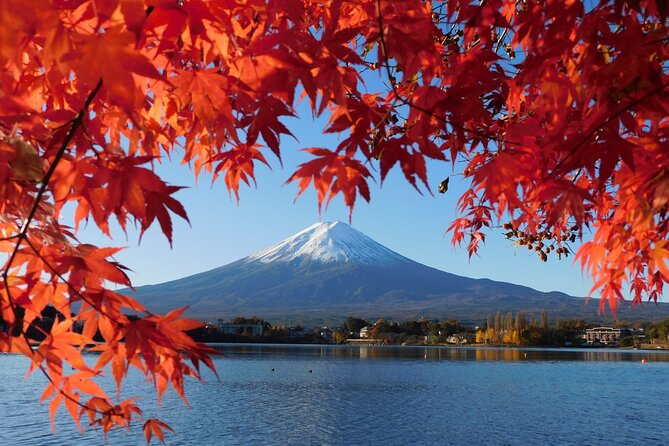
Mt. Fuji is the star, but this day trip earns its keep by showing you several sides of the mountain. You climb to the famous Chureito Pagoda viewpoint, walk beside Lake Kawaguchiko, photograph seasonal flowers at Oishi Park, and finish in a recreated thatched-roof village beside Lake Saiko.
I like the central Shinjuku departure and the fact that you can leave the train maps behind for a day. I also like the range of viewpoints: the pagoda gives you the classic postcard angle, while the lakeside stops show Fuji in a quieter setting. The main drawback is simple: this is a long bus day, and Mt. Fuji may hide behind clouds even when the rest of the outing runs well.
Key points before you book
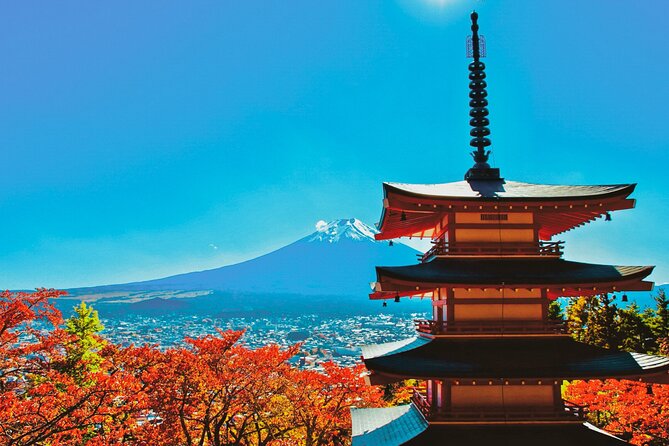
- 398 steps lead to the Chureito viewpoint, so bring shoes you can walk and climb in comfortably.
- Four major sightseeing stops cover a pagoda, lake, flower park, and traditional village.
- Lunch is optional, with choices available when you book, including Japanese dishes and Kobe beef options.
- The group can reach up to 94 people, so expect an organized coach excursion rather than a small private outing.
- Guides including Mitsuko, Chen, Eric, and Omar are praised for warmth, clear explanations, and practical photo tips.
- The tour returns to Shinjuku, but traffic can make the nine to ten hour schedule run late.
Why this Mt. Fuji day trip works from Tokyo
At $77.96 per person, this is priced as a practical sightseeing day rather than a luxury excursion. You are paying for an air-conditioned vehicle, live commentary, the long round trip from Tokyo, and admission to Saiko Iyashi no Sato Nenba. Lunch costs extra unless you select the lunch option.
That price makes sense if you want to see several Fuji-area sights without arranging separate trains, buses, and local connections. The Fuji Five Lakes area is not impossible to reach on your own, but moving between Chureito Pagoda, Lake Kawaguchiko, Oishi Park, and Lake Saiko takes planning. The bus handles that work.
The tradeoff is control. You will follow a fixed timetable, share the vehicle with a large group, and have limited time at each stop. If you prefer slow meals, long walks, or waiting patiently for the perfect cloud-free photograph, an independent visit may suit you better.
The day lasts about nine to ten hours. That includes the drive from Tokyo, sightseeing, and the return trip. The route is designed to get you back to Shinjuku around dinner time, but you should not schedule a restaurant reservation, cruise departure, or other fixed activity immediately afterward.
More Mt Fuji Tours in Tokyo
- Mt Fuji and Hakone 1-Day Bus Tour Return by Bullet Train
★ 5.0 · 26,383 reviews - Mt Fuji & Hakone Cruise, Drum Show Bullet Train 1 Day from Tokyo
★ 4.0 · 7,413 reviews - Tokyo Mt Fuji 5th St & Hakone Cruise Bus Tour w/Bullet Train
★ 4.4 · 5,024 reviews
Meeting the bus in Shinjuku
You make your own way to the Shinjuku Post Office in the Shinjuku Station West Exit area. The address is 1-chōme-8-8 Nishishinjuku, Shinjuku City. Look for the guide holding the pictured flag, confirm your name, and arrive at least ten minutes early.
This detail matters. The bus leaves on time and cannot wait for late arrivals. You must also use the correct meeting point and QR code for your selected departure. The only return point is Shinjuku, not Shinagawa.
There is no hotel pickup or drop-off. That keeps the price down, but it means you need to allow time to reach the meeting point through one of Tokyo’s busiest station areas. I would arrive with enough room to find the west exit, locate the post office, and check in without a last-minute dash.
The vehicle is air-conditioned, and the tour includes live commentary. Depending on the number of participants, English and Chinese commentary may be provided on the same bus. The maximum group size is 94 people, so the guide’s instructions and meeting times are important.
Chureito Pagoda and the 398-step climb
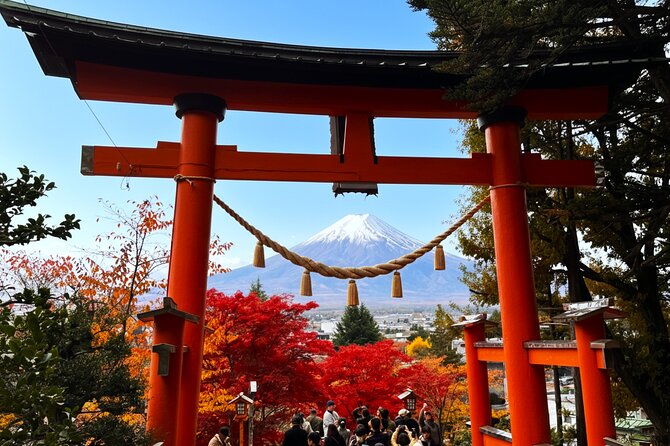
The first major stop is Arakurayama Sengen Park, home to the Chureito Pagoda view. This is the image many people have in mind when they picture Japan: a five-story red-and-white pagoda, Mt. Fuji behind it, and cherry blossoms in spring.
The viewpoint sits above the park, and reaching it requires climbing 398 steps. The tour allows about an hour here. That is enough time for the climb, photographs, and a brief look around, but it is not a leisurely mountain walk.
I consider this the most physically demanding part of the day. The stairs are the key issue, not distance. If you have a moderate level of fitness, the climb should be manageable at a steady pace, but you may want to take it slowly. Wear practical shoes, especially in wet or cold weather.
At the top, the view can be extraordinary when Fuji is clear. The pagoda gives the mountain a strong foreground, while the city and surrounding hills stretch below. In cloudy conditions, you may see only the lower slopes or no mountain at all. The park still has its shrine setting and seasonal appeal, but you should treat a full Fuji view as a bonus, not a promise.
The stop is connected with Shinkura Fuji Sengen Shrine, founded in 750 AD. The shrine adds cultural context to what might otherwise feel like a photo stop. The nearby Niikurayama Asama Park Observation Deck is also reached by the same general stair climb and offers a high viewpoint over the area.
Lake Kawaguchiko and the Craft Park stop
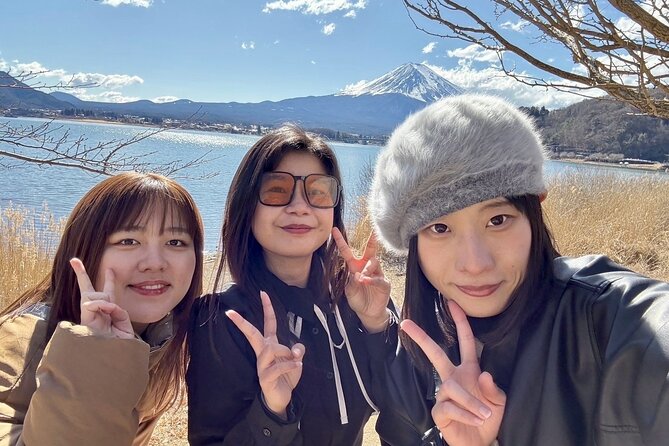
The route next heads to Lake Kawaguchiko, one of the best-known lakes in the Fuji area. At the Kawaguchiko Craft Park, you have time to walk near the water and choose lunch if you have included it in your booking.
The lakeshore changes the mood of the trip. After the stairs and crowds around the pagoda, the lake gives you open views and a chance to slow down. On a clear day, Mt. Fuji may appear reflected in the water. On a cloudy day, the lake remains pleasant, but the mountain backdrop may be missing.
The craft setting also gives the stop more purpose than a simple roadside break. The surrounding area connects with local arts and traditional work. Nearby attractions include the Oishi Tsumugi Traditional Craft Museum, where you can see silk fabrics made using techniques passed down from the Edo period, although the exact time available for those nearby sights depends on the tour schedule.
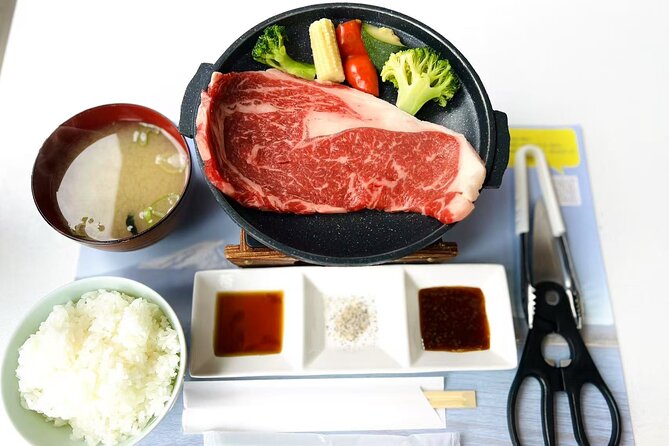
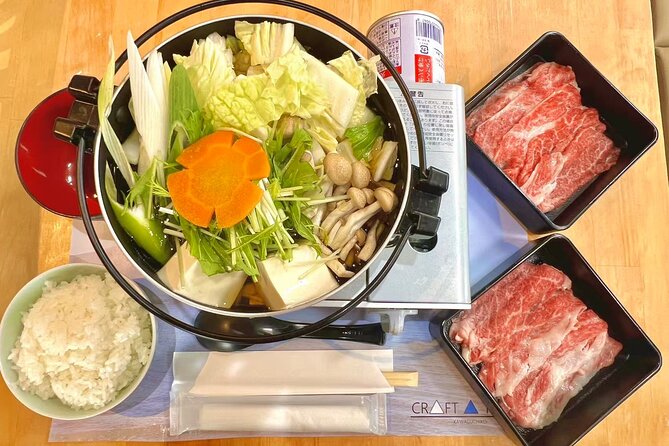
Lunch is optional, and this choice affects how the stop feels. Some meals include Japanese dishes, while other options include Kobe beef. I would consider adding lunch if you want a set meal without spending your free time hunting for a restaurant. Portions may feel modest to some people, so anyone with a large appetite may want to plan for a snack later.
If you skip the included lunch, you pay for food yourself. That gives you more freedom, but you also need to watch the clock. This is a group tour, and the bus will not hold the schedule for a slow meal.
More lunch stops in Tokyo:
- Tokyo: Sumo Experience and Chanko Nabe Lunch
★ 4.8 · 257 reviews - Tokyo: 1 Day Bus Tour with Meiji-Jingu,Odaiba,lunch&Skytree
★ 4.6 · 156 reviews - Tokyo: Family Sumo Workshop & Live Wrestling Show with Lunch
★ 4.9 · 99 reviews - From Tokyo: Nikko Toshogu Day tour with Traditional Lunch
★ 3.9 · 72 reviews
Oishi Park for flowers and Fuji photographs
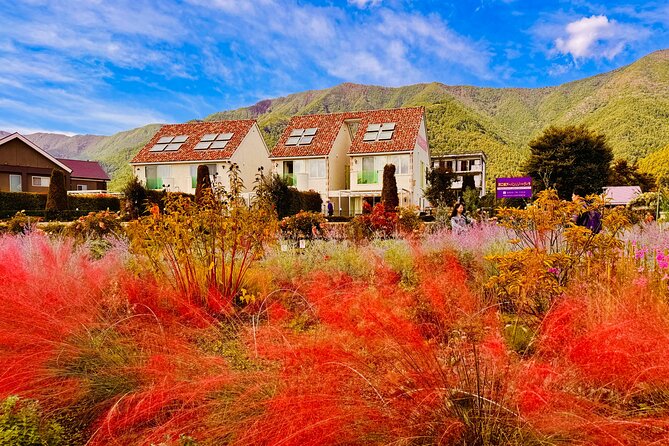
Oishi Park is a short but photogenic stop on the northern side of Lake Kawaguchiko. The tour allows about 30 minutes, which is enough to walk part of the lakeside path, photograph the flowers, and look for a clear view of Mt. Fuji.
The park’s flowers change with the seasons, so the view is not identical throughout the year. The main appeal is the combination of color in the foreground, water nearby, and Fuji in the distance. If the mountain is visible, this can be one of the day’s best places for a clean, wide photograph.
You may also find the Kawaguchiko Natural Living Center and Fuji Oishi Hana Terrace in the area. The shopping area follows low-rise building rules intended to protect the view of the mountain and lake. The Natural Living Center carries blueberry-related gifts and other souvenirs.
Thirty minutes goes quickly. I would decide before getting off the bus if your priority is flowers, photos, or shopping. Trying to do all three may leave you rushing back to the meeting point.
The park is also a good reminder of the tour’s main limitation. You see several attractive places, but each one comes with a fixed time. The variety is useful for a first visit, yet none of the stops is designed for a long, unhurried walk.
Saiko Iyashi no Sato Nenba’s thatched roofs
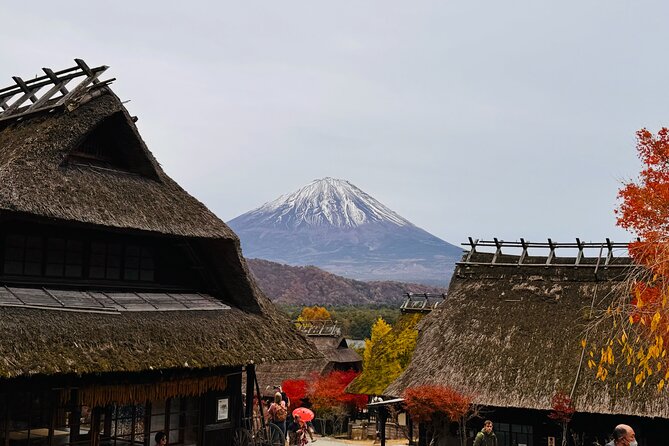
The final sightseeing stop is Saiko Iyashi no Sato Nenba, a reconstructed traditional village on the shore of Lake Saiko. Admission is included, and the scheduled visit lasts about an hour.
The village’s thatched-roof houses give you a glimpse of older rural Japan. It feels different from the pagoda and lake parks, which is why I like having it at the end of the route. You get a change of pace, a more human-scale setting, and a chance to browse traditional gifts and snacks.
This stop also provides another angle toward Mt. Fuji and the surrounding area. Even when clouds cover the peak, the village itself remains worth seeing. The buildings, lake setting, and mountain-area culture give the day more depth than a series of viewpoints alone.
The village has a recreated quality, so you should not expect an untouched historic settlement. It is arranged for visitors, with shops and clear paths. Still, it offers a useful look at traditional building styles and makes a pleasant final stop before the return drive.
What the guides add to the day
The guide can make or break a coach tour, and this experience has received especially strong praise for its staff. Mitsuko is noted for her energy, kindness, and attention to detail. Chen is praised for clear English and Chinese commentary, good timing, and thoughtful help with photographs.
Eric is described as attentive and well informed about Mt. Fuji’s history. Omar is singled out for humor, practical advice, and an ability to explain where to take the best pictures. These guides are not guaranteed for every departure, but their names give you a sense of the standard guests have experienced.
A good guide matters here because the day has many moving parts. You need clear instructions about when to return to the bus, where to meet, and how much time remains. Live commentary also helps connect the shrine, pagoda, lakes, crafts, and village into one story rather than four unrelated stops.
The strongest personal touches come through small acts: taking a solo visitor’s photograph, suggesting a less expensive ice cream, or adjusting the order of activities around the weather. Those details can make a large-group outing feel more manageable.
Weather, seasons, and the Fuji gamble
Mt. Fuji visibility is never guaranteed. The mountain can be covered by clouds even when the roads are clear and the parks are enjoyable. If seeing the summit is the only reason you want to book, this risk should be front and center.
Clear conditions have produced full views of the mountain from several angles, including the pagoda, lake, flower park, and village. Cloudy days can still show the base of Fuji and offer attractive scenery, but the famous peak may disappear.
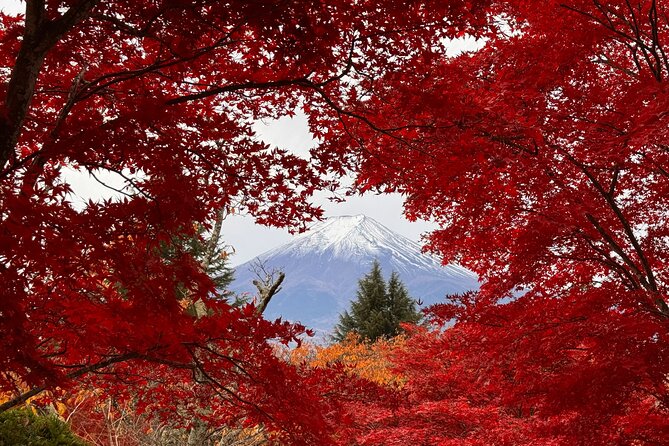
Spring brings the possibility of cherry blossoms around Chureito Pagoda. November brings an itinerary adjustment aimed at autumn color, including a maple corridor with more than 400 trees near Lake Kawaguchiko. Other times of year bring different flowers at Oishi Park.
The tour runs in poor weather and difficult traffic unless the operator tells you otherwise. The schedule can change without notice, and the return may be delayed. December 14 can bring extra traffic because of the Mt. Fuji Marathon near the route.
For the best chance at views, I would choose a date with a favorable forecast if your schedule allows. Even then, leave your expectations flexible. Fuji is famous partly because it does not always appear on command.
Luggage, fitness, and who should book
One piece of luggage per person is allowed, provided it fits comfortably in the vehicle. Trunk luggage must not exceed 155 centimeters when height, width, and depth are added together. You cannot access stored luggage between stops, so keep valuables and anything you need during the day with you.
You should have a moderate level of physical fitness. The 398 stairs are the clearest challenge, but the day also involves getting on and off the bus, walking around parks, and keeping to departure times.
I think this tour suits:
- First-time visitors who want an easy introduction to the Fuji area.
- Families looking for a simple day with several different sights.
- Solo visitors who value organized transport and help with photographs.
- Anyone short on time in Tokyo.
- People who want lunch and sightseeing arranged in one booking.
I would hesitate if you dislike large groups, fixed schedules, or long coach rides. Independent visitors who want to hike, linger at the lake, or visit several museums should build their own Fuji-area itinerary instead.
Should you book this Mt. Fuji tour?
Book it if you want maximum variety with minimum transport planning. For $77.96, the combination of central Tokyo transfers, a clean air-conditioned bus, live commentary, several viewpoints, and included admission at the traditional village is solid value. Adding lunch can make the day easier, especially if you prefer not to search for food during a timed stop.
Do not book it expecting a quiet private outing or a guaranteed Fuji photograph. The group may be large, the schedule can feel rushed, and traffic can delay your return. But if you accept those limits, this is a sensible way to see Chureito Pagoda, Lake Kawaguchiko, Oishi Park, and Saiko Iyashi no Sato Nenba in one full day.
Free cancellation is available up to 24 hours before the start time. If you cancel later or arrive at the wrong meeting point, a refund is not provided.
FAQ
How long does the tour last?
The experience lasts approximately nine to ten hours, including transportation from Tokyo and the return to Shinjuku.
Where does the tour start and finish?
It starts and ends at the Shinjuku Post Office in the Shinjuku Station West Exit area. Shinjuku is the only available drop-off location.
Is hotel pickup included?
No. You must make your own way to the meeting point in Shinjuku. Hotel pickup and drop-off are not included.
Is lunch included?
Lunch is included only if you select the lunch option when booking. If you do not select it, lunch is at your own expense.
How difficult is the Chureito Pagoda stop?
You must climb 398 steps to reach the observation area near the pagoda. A moderate level of physical fitness is recommended.
Can I be sure I will see Mt. Fuji?
No. Visibility depends on weather and cannot be guaranteed. The tour operates unless the local operator notifies you otherwise.
How large can the tour group be?
The tour can have a maximum of 94 participants. English and Chinese commentary may be given on the same bus, depending on the group.
Can I cancel for a refund?
You can cancel at least 24 hours before the local start time for a full refund. Cancellations or changes made less than 24 hours before departure are not accepted for a refund.
More 1-Day Tours in Tokyo
- 1-Day Tokyo Bus Tour
★ 5.0 · 14,250 reviews - Tokyo: DisneySea 1-Day Passport
★ 4.5 · 2,726 reviews - Tokyo Disneyland 1-Day Passport
★ 4.6 · 2,512 reviews - Tokyo Customized Private Tour (Must See Places in 1 Day)
★ 5.0 · 1,499 reviews
Just added around Tokyo
- Private Arrival Transfer : Narita International Airport to Central Tokyo City★ 4.5 · 12 reviews
- Narita Airport(NRT): Private Transfer to Tokyo/Yokohama 1-9pax★ 5.0 · 47 reviews
- Private Transfer from Narita Airport to Yokohama Port and City★ 4.5 · 17 reviews
- [Narita Airport Terminals 1, 2] 40-60km Sawara Itako Historic Bike Tour★ 5.0 · 13 reviews
- 3 Day Japan Highlights Tour: Tokyo, Mt.Fuji, Nara, Kyoto, Osaka★ 5.0 · 22 reviews
- Small Town in the Big City: Tasting Tokyo’s Kichijoji★ 5.0 · 195 reviews
- Small Town in the Big City: Tasting Tokyo’s Kichijoji★ 5.0 · 16 reviews
- The 10 Tastings of Tokyo With Locals: Private Street Food Tour★ 5.0 · 48 reviews
Tokyo Tours, compared.
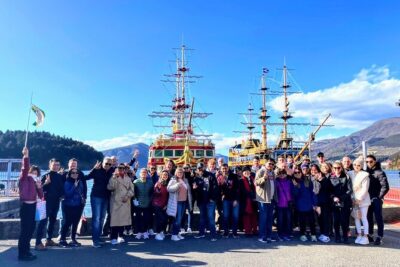
Mt Fuji and Hakone 1-Day Bus Tour Return by Bullet Train
Read our review →
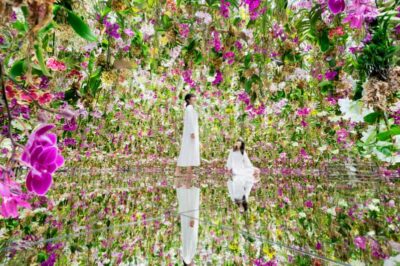
teamLab Planets TOKYO Digital Art Museum Entry Ticket
Read our review →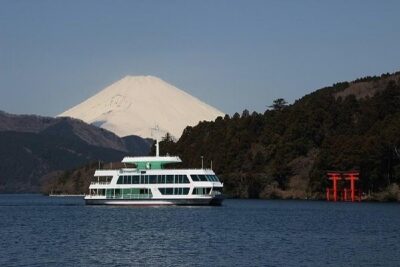
Mt Fuji & Hakone Cruise, Drum Show Bullet Train 1 Day from Tokyo
Read our review →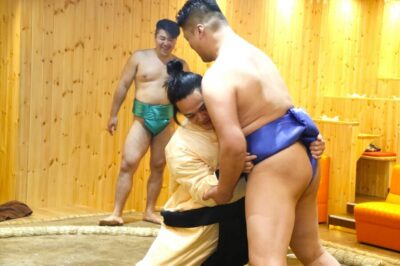
Sumo Show Experience with Chicken Hot Pot and a Photo
Read our review →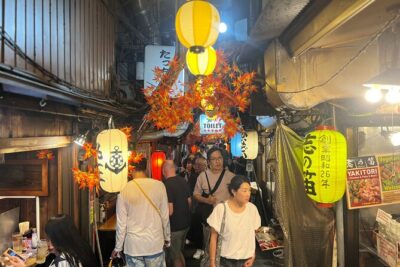
Shinjuku Food Tour (13 Dishes at 4 Local Eateries)
Read our review →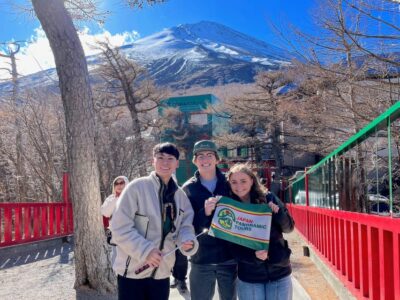
Tokyo Mt Fuji 5th St & Hakone Cruise Bus Tour w/Bullet Train
Read our review →
Flagship 2-Hours Official Street Go-Kart Tour – Tokyo Bay Shop
Read our review →Browse the lists this tour appears in