
Reviewed · TOKYO TOURS
Small Town in the Big City: Tasting Tokyo’s Kichijoji
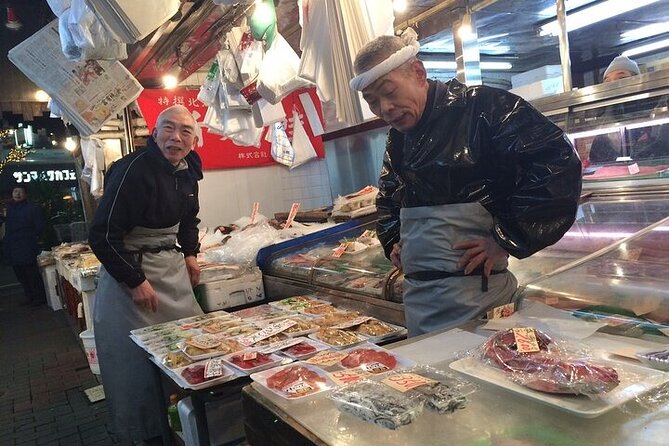
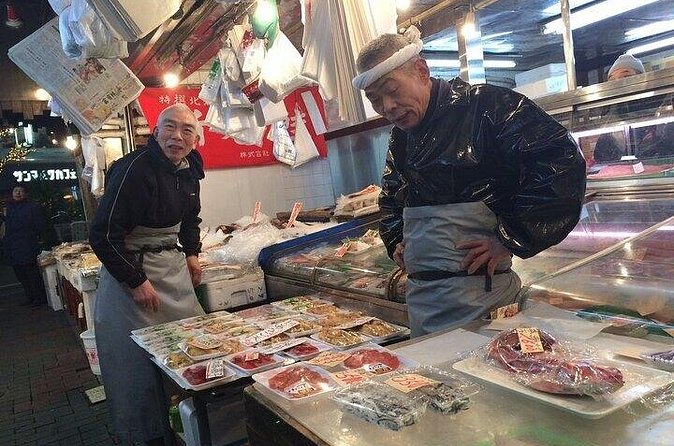
Kichijoji gives you a useful answer to a common Tokyo question: where can you see ordinary neighborhood life while eating very well? This six-hour walk moves from a department-store food hall to sushi, yakitori, octopus balls, senbei, and other local specialties, with the food explaining the culture as you go.
I like the small group of no more than six and the way the route mixes polished food halls with old family businesses. I also like that guides such as Ken, Michelle, Elly, and Diana are praised for clear English, strong local contacts, and an easy way with both food and conversation.
The main caution is the price: $195 per person is a serious spend for a food tour. Six hours on foot may also feel long if you prefer a quick tasting stroll, and the operator has occasionally canceled bookings when arrangements did not hold, so leave some flexibility in your Tokyo schedule.
Key points at a glance
- A full six-hour look at Kichijoji: This is not a quick snack crawl. You spend much of the day learning how a Tokyo neighborhood eats.
- Food hall to family workshop: The route links a department-store depachika with street stalls, sushi, yakitori, and a three-generation senbei maker.
- Up to six people: The small group makes it easier to ask questions and share a table or counter.
- Guides make the difference: Ken, Michelle, Elly, and Diana are singled out for warm hosting, strong English, and close ties with the food businesses.
- Meals and drinks are included: Lunch, snacks, tea or coffee, and alcoholic drinks are part of the package.
- A neighborhood beyond the usual Tokyo circuit: Kichijoji and Inokashira Onshi Park offer a slower, more local-feeling side of Musashino.
Why Kichijoji is a smart place for a Tokyo food tour
Tokyo can overwhelm you with choices. One street may offer ramen, sushi, fried food, sweets, and convenience-store snacks, all within a few minutes of one another. Without local help, it is easy to eat well and still miss the meaning behind what you are eating.
Kichijoji gives this tour a clear focus. Instead of racing across several districts, you stay in one neighborhood and watch its food culture change from polished department-store displays to narrow shopping streets and long-running family shops.
That focus is the real strength. You are not simply collecting dishes. You are seeing how Japanese food works at several levels: carefully arranged produce in a depachika, quick food bought from a street counter, food prepared at a standing or compact restaurant, and traditional snacks made by hand.
The setting also matters. Kichijoji is in Musashino, west of central Tokyo, and the tour includes Inokashira Onshi Park. The supplied details do not promise a major sightseeing circuit, so you should not book this as a general Tokyo highlights tour. Book it for a close look at one part of the city.
More food tours in Tokyo:
- Tokyo: Shinjuku Food Tour (13 Dishes at 4 Local Eateries)
★ 5.0 · 6,603 reviews - Tokyo Tsukiji Fish Market Food and Culture Walking Tour
★ 5.0 · 3,184 reviews - Tokyo: Shinjuku Food Tour (15 Dishes and 4 Eateries)
★ 4.9 · 2,033 reviews
Starting at the depachika near Kichijoji Station
The tour begins at Kichijoji Station, at 1 Chome-6 Kichijoji Minamicho. From there, the first major food experience is a depachika, the basement food hall found in many Japanese department stores.
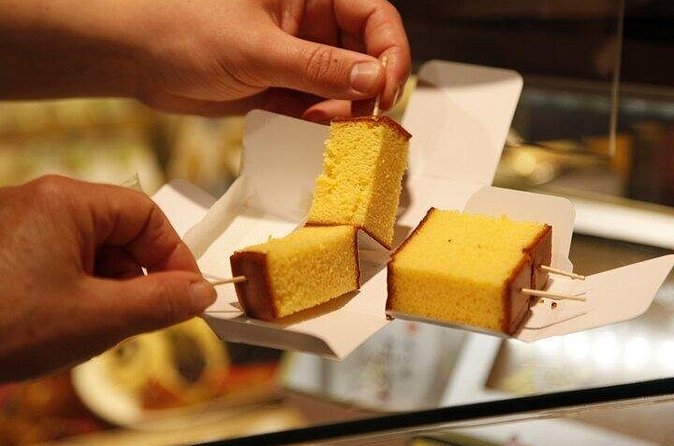
A depachika is a useful first stop because it shows both sides of Japanese eating. You can expect displays of traditional products such as highly prized pickles beside newer snack trends and beautifully presented fruit. Even if you already know Japanese food, the presentation tells you something about care, seasonality, gifting, and daily shopping.
The route then reaches a sushi bar favored by local customers. That detail is important. This is not described as a formal sushi lesson or a luxury dining booking. It is a chance to see how a neighborhood sushi counter fits into everyday life, with the guide explaining what you are served and how it relates to Japanese cuisine.
I like this opening because it gives you a visual vocabulary before the walking begins. You see ingredients and prepared foods in a controlled setting, then encounter them in smaller restaurants and shops later in the day.
One practical point: the food hall may tempt you to start eating before the tour has properly begun. Resist that urge. Lunch, snacks, coffee or tea, and alcoholic drinks are included, and the day is built around several tastings. Arriving hungry, but not faint with hunger, is the sensible plan.
Kichijoji’s shotengai and the everyday food of Tokyo
From the food hall, the route heads into Kichijoji’s shotengai shopping street. A shotengai is a local shopping street, usually lined with businesses that serve daily needs. Here, food is less polished and more immediate than in the department store.
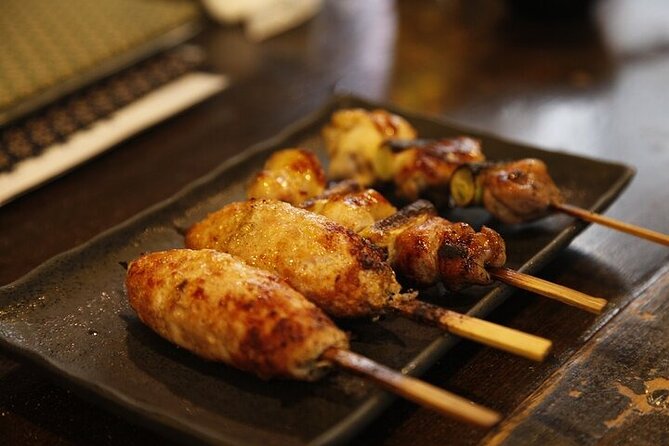
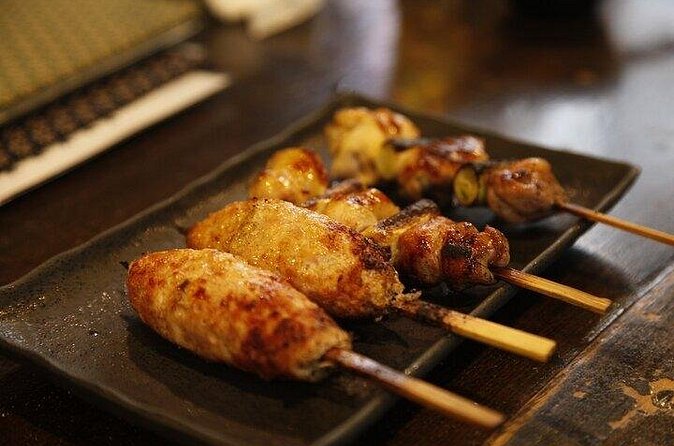
You will learn basic points about Japanese cuisine while trying foods prepared at street level. The supplied route specifically includes yakitori skewers and octopus balls. Yakitori offers a direct look at the Japanese habit of grilling small portions to order, while octopus balls show the appeal of hot, casual street food.
These stops help make the tour useful for the rest of your trip. A guide can explain what to look for, how to approach a small counter, and how different foods fit into the rhythm of the neighborhood. You may not remember every ingredient, but you will leave with better instincts about what to try when you are on your own.
The street section is also where the tour seems most connected to local life. You are not being moved from one famous attraction to another. You are walking among people shopping for ordinary needs, with food vendors and small businesses doing the work they have done for years.
Do keep the walking in mind. The tour covers a lot of ground over roughly six hours, although one participant specifically described the route as easy to cover. Comfortable shoes will make the day more enjoyable. Private transportation is not included, so the experience is a walking tour rather than a chauffeured food outing.
The family senbei maker and the value of food traditions
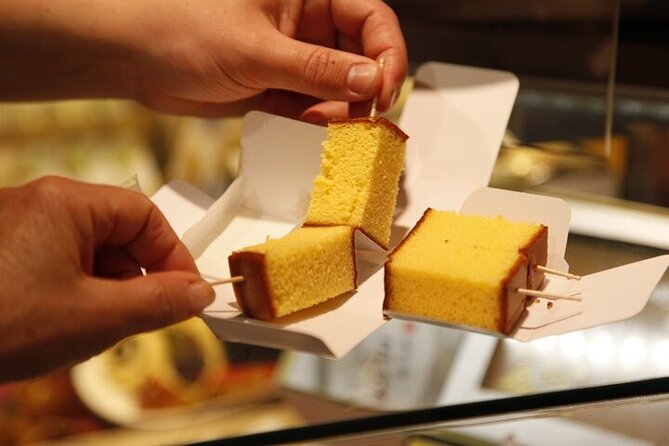
One of the most distinctive stops is a senbei maker run by three generations of the same family. Senbei are Japanese rice crackers, and a family workshop gives the tour a human scale that a standard restaurant meal cannot provide.
The important part is not only the snack. It is the chance to meet people who have kept an artisanal food business going across generations. The guide can connect the product to local habits, craftsmanship, and the way traditional foods survive in a modern city.
This is also where the tour earns some of its higher price. You can buy rice crackers in many places, but a small family business with a direct connection to the guide offers access that you might not arrange by yourself. Several guides are described as having warm relationships with the owners of the establishments they visit, which should make these encounters feel more natural than a simple transaction.
The exact tasting sequence can vary, so do not expect a fixed menu printed in advance. The route promises a mix of stops rather than a single standardized meal. That is a plus if you enjoy discovery, but a drawback if you need to know every dish before booking.
A few more Tokyo half-days to weigh up
- Mt Fuji and Hakone 1-Day Bus Tour Return by Bullet Train
★ 5.0 · 26,383 reviews - 1-Day Tokyo Bus Tour
★ 5.0 · 14,250 reviews - Tokyo: TOKYO SKYTREE® Admission ticket
★ 4.5 · 11,192 reviews - Tokyo: teamLab Planets TOKYO Digital Art Museum Entry Ticket
★ 4.6 · 9,779 reviews
Inokashira Onshi Park adds breathing room
Inokashira Onshi Park is part of the Kichijoji route and gives the long food walk a change of pace. The supplied information does not list a detailed park program, so think of it as part of the neighborhood setting rather than a separate guided attraction with a long sightseeing presentation.
That pause matters. Six hours of tasting can become tiring if every minute is spent at a counter. A park setting lets you reset, listen, and place the food stops within the wider neighborhood.
The tour description places Kichijoji and the park within a broader portrait of local Tokyo life. You get food, shopping streets, small businesses, and a public green space rather than a narrow restaurant crawl. For me, that mix is more useful than simply visiting a string of highly rated eateries.
If you are booking for a first visit to Tokyo, you might prefer to schedule this after seeing the major central districts. If you already know the main sights, Kichijoji makes a strong change of scene. The tour is especially helpful when you want to understand how people eat and shop away from the headline attractions.
What the guides add to the experience
The guide is central to this tour. Food alone cannot justify six hours or explain why one shop matters more than another. The strongest accounts describe guides who are engaged, organized, and comfortable checking that everyone is keeping up and enjoying the pace.
Ken is repeatedly praised for his preparation, easy manner, and close familiarity with the venues. Michelle is described as energetic, personable, and especially good at connecting food with stories about culture and life in Tokyo. Elly is noted for excellent English and an ability to make the day feel personal. Diana is praised for warmth and for her rapport with the owners of the businesses visited.
You should not assume you will receive a particular guide unless the booking specifically confirms it. Still, these names give you a useful picture of the hosting style to expect: conversation, explanation, and introductions rather than a lecture delivered while you stand at the back of a crowd.
The maximum group size is six. That is a major advantage in Japan, where some food shops have tight spaces and limited seating. A small group also allows you to ask about ingredients, customs, and ordering without feeling that you are holding up thirty people.
How much food is included?
Meals, lunch, snacks, alcoholic drinks, and coffee or tea are included. The tour is designed around tasting several foods, not ordering one large restaurant meal and ending there.
The portions appear to be managed sensibly. One account praised the fact that the group ate wonderfully without eating excessively, which is exactly what you want on a long food walk. You should arrive ready to sample rather than expecting a giant all-you-can-eat lunch.
The range is the point. Sushi, yakitori, octopus balls, senbei, department-store foods, and other local specialties give you different textures, settings, and customs. You may also encounter foods you would not select on your own, including puffer fish, according to one family’s experience.
Alcohol is included, but pacing still matters. If you drink at several stops, the walk can feel longer. You can enjoy the social side without treating every beverage as a challenge.
Dietary details are not provided, so contact the operator before booking if you have allergies, strict dietary rules, or concerns about particular ingredients. Do not rely on being able to make changes at the last minute.
Is $195 a fair price?
At $195 per person, this is not a budget food walk. You are paying for about six hours, a small group, multiple tastings, lunch, drinks, a guide, and access to businesses that may be hard to find or approach without Japanese language skills.
The value is strongest if you care about context and introductions. If you only want to sample inexpensive street food, you can spend much less by exploring Kichijoji on your own. If you want a well-organized route with explanations, a local food network, and a fuller sense of the neighborhood, the price becomes easier to defend.
The small group also changes the calculation. With no more than six people, the guide can keep the day moving without losing the personal side of the experience. That is particularly useful at compact counters and family-run shops.
I would compare this cost with the price of a private guide, several self-guided meals, and the risk of choosing the wrong places. The tour will not be the best value for every budget, but it can be good value for a food-focused visitor who wants one substantial day of help.
Timing, meeting point, and practical planning
The tour lasts approximately six hours and begins at Kichijoji Station. It ends back at the meeting point, which simplifies the rest of your day. You do not need to arrange a separate ride from a distant final restaurant.
The mobile ticket is convenient, and confirmation is received at booking. The meeting point is near public transportation, but private transportation is not included. Plan your route to Kichijoji before the start time and allow enough margin to find the station exit and meeting location.
Most people can participate, but the length and walking deserve attention. The tour is not designed as a short seated tasting. If you have mobility concerns, ask the operator for current route details before paying, since the provided information does not spell out distances, step-free access, or seating at every stop.
Book ahead if your Tokyo dates are fixed. The experience averages 31 days of advance booking, and a minimum group size is required. The cancellation terms allow a full refund when you cancel at least 24 hours before the local start time. If the operator cancels because the minimum is not met, you are offered another date or experience, or a full refund.
There is one planning wrinkle. At least one booking attempt was canceled more than once and at an inconvenient time. That does not erase the strong food experience, but I would avoid placing this on the day before an important flight or time-sensitive connection.
Who should book this Kichijoji food walk?
This tour suits you if you enjoy trying unfamiliar foods, asking questions, and walking through a neighborhood at a steady pace. It is a good match for couples, families, and small groups who want more than a list of restaurant names.
It is also well suited to repeat visitors who have already seen central Tokyo. Kichijoji offers a different rhythm, and the food stops give you a reason to spend a full day there.
You may want to skip it if your budget is tight, you dislike long walking days, or you want a predictable menu with exact dishes listed in advance. It is also not the right choice if you are looking for a broad tour of Tokyo’s famous landmarks.
Should you book it?
I would book this tour for the access and the neighborhood focus, not simply for the food. Sushi and yakitori are easy to find in Tokyo, but a small group led by someone who knows the shop owners can help you understand why the food matters.
The strongest reasons to go are the family-run senbei stop, the mix of depachika and street food, the park setting, and the guides’ personal approach. The main reasons to hesitate are the $195 cost, the six-hour commitment, and the possibility of booking changes.
If you want one carefully arranged day of eating and local conversation, Kichijoji is a strong choice. If you prefer to snack cheaply and follow your own appetite, save the money and explore the neighborhood independently.
FAQ
Where does the tour begin?
The tour begins at Kichijoji Station, at 1 Chome-6 Kichijoji Minamicho, Musashino, Tokyo 180-0003, Japan.
Where does the tour end?
The activity ends back at the meeting point.
How long does the experience last?
The tour lasts approximately six hours.
How many people can join the tour?
The maximum group size is six travelers.
What foods are included?
The route includes tastings such as sushi, yakitori skewers, octopus balls, senbei, and other Japanese foods. The exact selection can vary.
Are meals and drinks included?
Yes. Meals, lunch, snacks, coffee or tea, and alcoholic beverages are included.
Is private transportation included?
No. Private transportation is not included.
Is the tour near public transportation?
Yes. The experience is near public transportation and begins at Kichijoji Station.
When will I receive booking confirmation?
Confirmation is received at the time of booking.
What is the cancellation policy?
You can cancel at least 24 hours before the local start time for a full refund. Changes or cancellations made less than 24 hours before the start time are not accepted for a refund.
Just added around Tokyo
- Private Arrival Transfer : Narita International Airport to Central Tokyo City★ 4.5 · 12 reviews
- Narita Airport(NRT): Private Transfer to Tokyo/Yokohama 1-9pax★ 5.0 · 47 reviews
- Private Transfer from Narita Airport to Yokohama Port and City★ 4.5 · 17 reviews
- [Narita Airport Terminals 1, 2] 40-60km Sawara Itako Historic Bike Tour★ 5.0 · 13 reviews
- 3 Day Japan Highlights Tour: Tokyo, Mt.Fuji, Nara, Kyoto, Osaka★ 5.0 · 22 reviews
- The 10 Tastings of Tokyo With Locals: Private Street Food Tour★ 5.0 · 48 reviews
- Small Town in the Big City: Tasting Tokyo’s Kichijoji★ 5.0 · 195 reviews
- Explore Kichijoji: Walk Through One of Tokyo’s Beloved Districts★ 5.0 · 21 reviews
Tokyo Tours, compared.

Mt Fuji and Hakone 1-Day Bus Tour Return by Bullet Train
Read our review →

teamLab Planets TOKYO Digital Art Museum Entry Ticket
Read our review →
Mt Fuji & Hakone Cruise, Drum Show Bullet Train 1 Day from Tokyo
Read our review →
Sumo Show Experience with Chicken Hot Pot and a Photo
Read our review →
Shinjuku Food Tour (13 Dishes at 4 Local Eateries)
Read our review →
Tokyo Mt Fuji 5th St & Hakone Cruise Bus Tour w/Bullet Train
Read our review →
Flagship 2-Hours Official Street Go-Kart Tour – Tokyo Bay Shop
Read our review →Browse the lists this tour appears in