
Reviewed · TSUKIJI FISH MARKET TOURS
Tokyo Tsukiji Fish Market Food and Culture Walking Tour
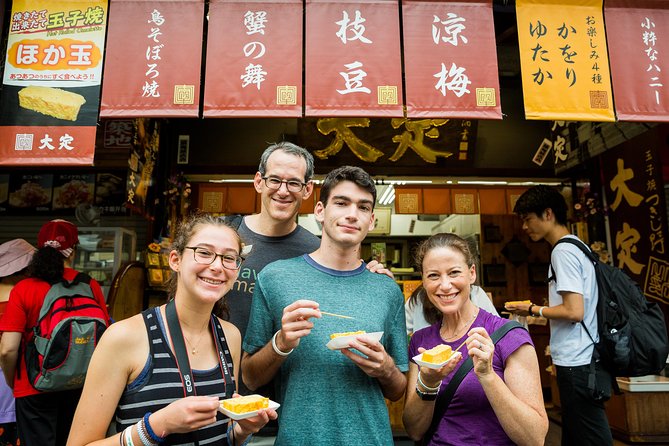
Tsukiji is less about one grand market hall than a maze of narrow lanes, food stalls, wholesalers, and kitchen shops. This three-hour walk gives you a guide to the maze and a chance to taste Wagyu beef, fresh seafood, sushi, fish cakes, Japanese omelette, fruit, dashi soup, and green tea along the way. You may also see uni packed in neat boxes, massive tuna being cut, and pufferfish in tanks.
I like two things right away: the tour begins at the striking Tsukiji Honganji Temple, and the guide adds useful context instead of simply pointing at food. Guides such as Kiyo, Naz, Shoko, Masa, Take, and Nick have helped visitors understand ingredients, customs, market etiquette, and ways to use Japanese foods at home.
The main catch is that this is the outer Tsukiji Market, not the old inner wholesale market. If you expect an extended visit to the famous tuna auction or a quiet, sit-down tasting menu, you may be disappointed. It is also not suitable for vegetarians, people avoiding fish, or anyone with dietary restrictions the operator cannot accommodate.
Key points before you book
- Start at Tsukiji Honganji Temple: Meet at the front main gate, not the back entrance shown by some map directions.
- Eat as you walk: Tastings can include Wagyu, tuna, fish cakes, Japanese omelette, fruit, dashi soup, green tea, and either sushi or a seafood bowl.
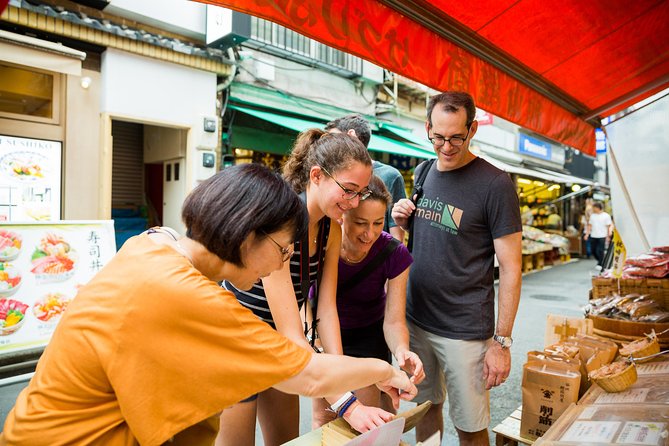
- See the market through local eyes: Your guide explains how chefs shop, how ingredients are used, and what you might miss on your own.
- Expect a three-hour walking tour: Comfortable shoes matter, and the market’s crowded lanes require a moderate level of fitness.
- Check the day carefully: The Uogashi wholesale section is closed Wednesdays, Sundays, and some holidays, which changes the food stops.
- Know the limits: Vegetarian, halal, gluten-free, allergy-related, and fish-free diets cannot be accommodated.
Starting at Tsukiji Honganji Temple
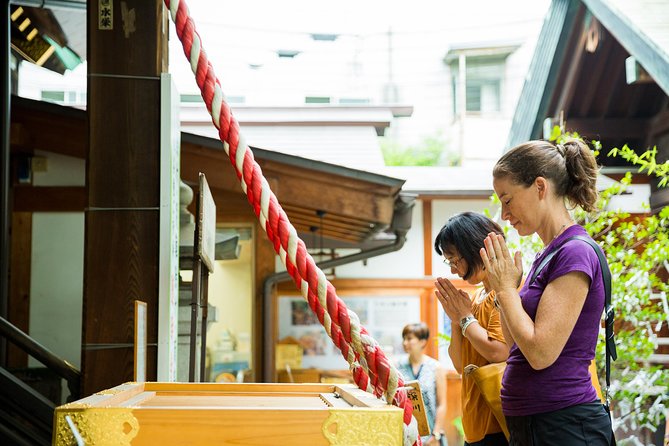
Your meeting point is the main gate of Tsukiji Honganji Temple at 3-chōme-15-1 Tsukiji. This is a useful place to begin, since the temple gives you a calm visual marker before you enter the market’s tighter streets.
Pay close attention to the meeting instructions. The tour leaves at the scheduled time and cannot wait for late arrivals. Some map apps direct people to the rear side of the temple, so head for the front main gate. Arrive early enough to find it without rushing.
The temple itself adds a worthwhile cultural note to the morning. One guide, Kiyo, explained the unusual building and the ideas that shaped it, while other guides have used the temple as a gentle introduction to local customs and Tokyo’s past. This is not a temple tour, but the opening stop helps place the market in its neighborhood instead of treating it as an isolated food court.
More fish market mornings:
- Tokyo: Tsukiji Fish Market Food and Walking tour
★ 5.0 · 1,724 reviews - Tokyo: Tsukiji Fish Market Guided Walking Tour
★ 4.9 · 1,397 reviews - Tokyo Sushi Making Class in Tsukiji with Professional Chef
★ 5.0 · 1,177 reviews
Tsukiji Jogai Market, the outer market’s main lanes
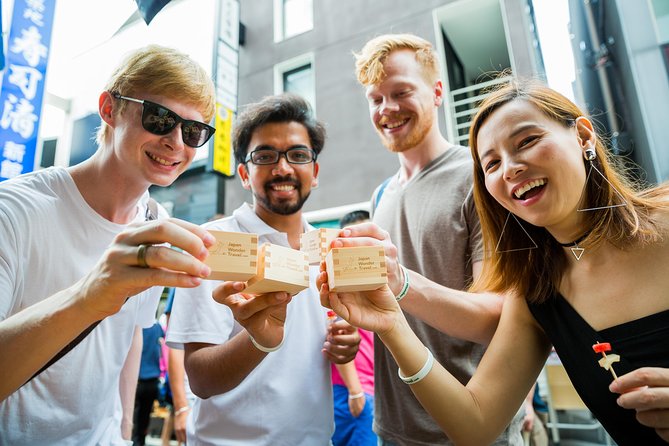
The first major portion lasts about 90 minutes. Tsukiji Jogai Market is the outer market, a collection of shops and stalls that remained active after the main wholesale operation moved to Toyosu.
This is the part of Tsukiji where your senses do most of the work. You pass seafood counters, produce sellers, snack stalls, kitchen shops, and compact places serving food. Your guide explains why Japanese cooks value particular cuts, how seafood is sold, and why top chefs still come to this area for ingredients.
You might see boxes of sea urchin, tanks holding pufferfish, or vendors working on huge bluefin tuna. The sights are interesting even if you are not an avid seafood eater, though the tour clearly favors people who enjoy fish and are willing to try unfamiliar dishes.
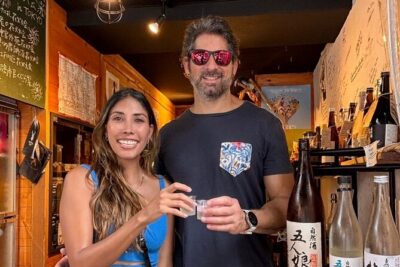
Early tastings can include dashi soup and green tea. These modest samples matter because they show how much Japanese cooking depends on stock, seasoning, texture, and freshness. The guide may also introduce foods that are easy to walk past when you do not know what they are or how they are normally eaten.
The market can feel confusing on your own. A local guide helps you move through it without stopping every few steps to decode menus or decide which stall is worth your time. That practical help is one of the strongest reasons to pay for the tour.
Food stops that turn a walk into lunch
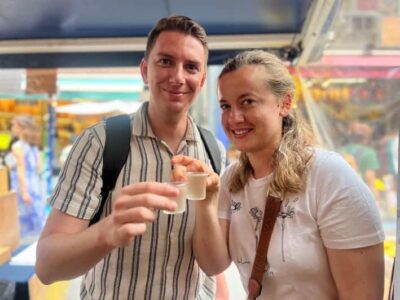
The food is served in a series of samples rather than one large meal at the beginning. You may taste high-grade Wagyu beef on a skewer, tuna or other seafood, fish cakes, Japanese omelette, seasonal fruit, and other market items.
The Wagyu skewer gives the tour a change of pace from seafood. The fish cakes and omelette show two familiar Japanese market foods that do not always appear on a first-time visitor’s list. Seasonal fruit provides a sweet pause, and the dashi and tea help you notice flavors beyond raw fish.
The exact selection can vary. On Wednesdays, Sundays, and other market closing days, some stalls are shut, so Japanese omelette, fish cake, and fruit may not be available. The final dish is also assigned according to the day and time: you receive either sushi or a seafood bowl.
That variability is worth accepting, but you should not arrive expecting a fixed tasting menu. One account of the tour described a generous spread of tuna, Wagyu, fish cakes, fruit, and omelette, while another felt the experience involved more looking and talking than eating. I would have a light breakfast or snack first, but not a full meal. The tour includes lunch and snacks, yet the amount of food can depend on the market day and the individual stops.
The old Tsukiji Market and the changing market story
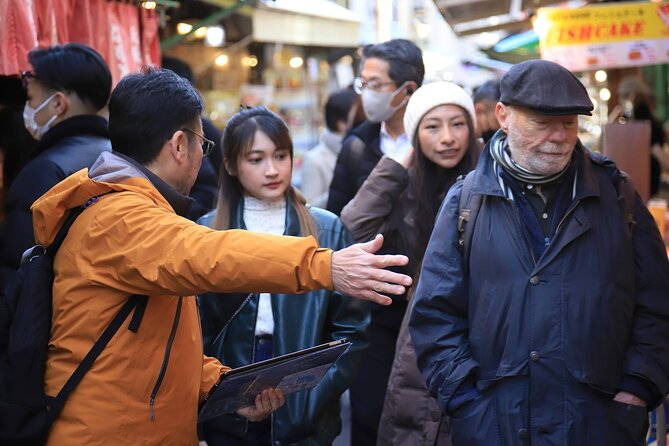
A shorter section of the route is described as the old Tsukiji Market, with about 30 minutes set aside for food touring. The value here is not only what you eat. It is learning how Tsukiji changed after the wholesale market moved elsewhere.
The name Tsukiji Fish Market can create a false picture. The original wholesale market is no longer operating in the outer market area, and the tour does not take you into the former inner market as it once existed. One visitor expected more of the wholesale operation and found that difference disappointing.
Your guide can help make sense of what remains. You see the retail and food-serving side of Tsukiji, where local shoppers, cooks, and small businesses still buy ingredients. That is a different experience from watching the tuna auction, but it is more useful if your goal is to understand everyday food culture.
The best guides connect the stalls to ordinary Japanese cooking. Shoko, for example, has helped people understand how she uses market foods and spices in her own kitchen, as well as how to select items to take home. This turns a shop visit into practical advice rather than a parade of unfamiliar products.
More food tours in Tokyo:
- Tokyo: Shinjuku Food Tour (13 Dishes at 4 Local Eateries)
★ 5.0 · 6,603 reviews - Tokyo: Shinjuku Food Tour (15 Dishes and 4 Eateries)
★ 4.9 · 2,033 reviews - Best of Shinjuku: Izakaya Food Tour (4 Stops, 14+ Tastings)
★ 5.0 · 1,863 reviews - Eat and Drink Like a Local: Tokyo Ueno Food Tour-Taverns&Ramen
★ 5.0 · 957 reviews
Kitchen tools and useful shopping time
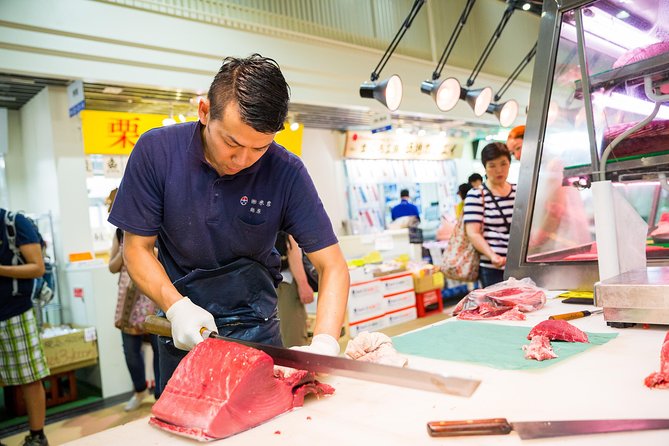
If you need a kitchen tool, the route may include a stop at one of Tsukiji’s cooking supply shops. This is a nice addition for anyone who wants a practical souvenir instead of another keychain.
The shopping portion can also benefit from a small group. When only a few people are on the tour, it is easier to hear the guide and pause at a stall without losing the group. Some guides have allowed time for personal shopping, and Mike even accompanied a group to an additional shop after the scheduled tour had ended.
Do not count on that extra flexibility every time. The advertised group limit is 20 people, and a full group will move differently from a private or four-person outing. Still, the tour’s design leaves room for questions about ingredients and purchases, especially when the guide is attentive to the group’s interests.
Tsukiji Uogashi, the mini wholesale market
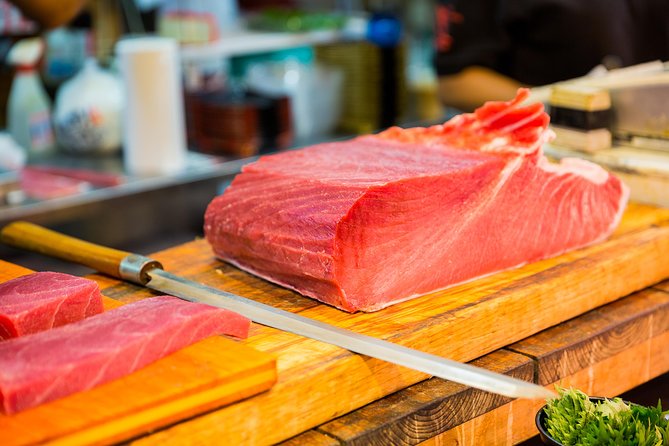
The route also passes Tsukiji Uogashi, a smaller wholesale market area with many kinds of fresh fish. The planned time here is about 30 minutes.
This stop helps correct the common idea that all of Tsukiji disappeared when the main wholesale market moved. You can still see a working seafood district, with shops focused on ingredients rather than sightseeing alone. The scale is smaller than the old inner market, but the stop gives you a closer look at how fish reaches restaurants and home kitchens.
There is an important scheduling warning. Uogashi is closed on Wednesdays, Sundays, and holidays or other designated market closing days. On those dates, the route changes, and some of the planned food samples cannot be served.
For that reason, I would check the date before booking if the wholesale aspect is your main reason for going. If food tasting and local explanations matter more, the tour can still work on a day when this section is unavailable, but expectations should be adjusted.
Finishing with sushi or a seafood bowl
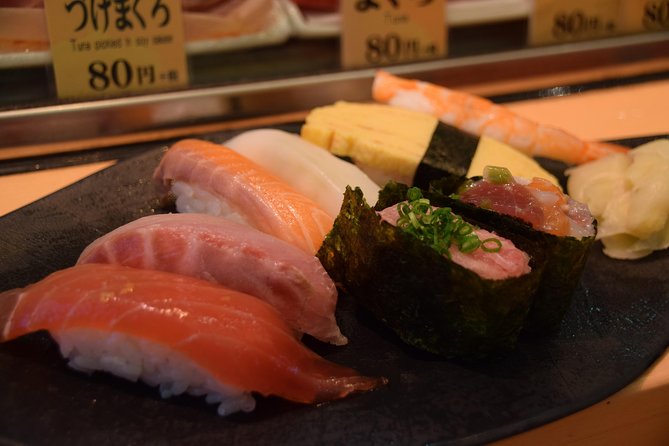
The tour ends with a serving of sushi or a seafood bowl, with the choice depending on the day and time. This is the most substantial food stop and gives the walk a clear finish.
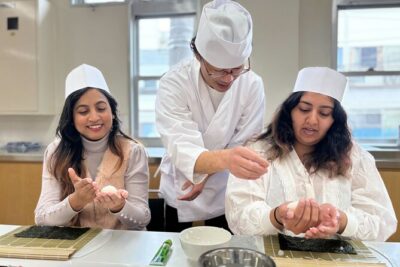
Some guides arrange a meal with a preparation demonstration. One memorable version included watching fish being prepared and making sushi. Another ended with sashimi prepared at Moritaya, where the quality of the fish and careful presentation made the final meal the highlight.
Those details may not occur on every departure, so treat them as possible features rather than guarantees. The confirmed promise is a final serving of sushi or a seafood bowl, plus the earlier tastings.
If you have never tried sushi, the tour can be a friendly setting for taking that first step. One participant who had never eaten sushi found eel and squid especially approachable. Your guide can explain what you are eating, which makes an unfamiliar piece less intimidating.
What the guides add
The guide can make or break a market tour. The route itself is public, but the useful part is knowing where to pause, what to taste, and how to understand what you are seeing.
The strongest guide experiences described here combine clear English, local food knowledge, humor, and cultural explanation. Masa has been praised for a calm manner and patience. Take has explained food traditions alongside a good range of samples. Nick has connected tastings with nearby urban landmarks and Japanese culinary customs.
Other named guides, including Naz, Miky, Kayoko, Joy, Hanako, Mari, Hedeki, Shibuya, KK, Shoko, Sean, Yuki, and Yuko, have each been singled out for friendly service, local guidance, or strong food recommendations. That is a long list, and it suggests that the operator has many capable guides, though your experience will still depend on the person leading your departure.
There have also been weaker departures. A slow pace, long waits, or a guide who seems young and unsure can reduce the value. One person felt the final restaurant resembled a tourist-oriented stop and disliked having little choice at the end. I would book this for access and explanation, not because every guide will deliver the same personality or every meal will feel equally special.
Is $99.49 a fair price?
At $99.49 per person, this is not the cheapest way to eat around Tsukiji. You can walk through the outer market without paying an admission fee and buy individual snacks as you go.
The price pays for more than the food. It covers a three-hour route, a local guide, help with crowded lanes, cultural background, a planned set of tastings, and lunch. It also reduces the risk of spending your morning guessing which stalls are worth your time.
I think the value is strongest for a first visit to Tokyo, especially if you want food explained rather than simply purchased. It is also useful for people who feel overwhelmed by Japanese menus or who want to learn how ingredients are used.
The value is weaker if you are already comfortable ordering at markets, prefer to choose every dish yourself, or expect a large all-you-can-eat meal. The tour does not include transportation to the meeting point, extra food or drinks, or personal purchases. At the current price, I would view it as a guided introduction with lunch, not a bargain meal.
Timing, shoes, and dietary limits
You should wear comfortable walking shoes. The tour lasts about three hours, includes market lanes and several stops, and requires moderate physical fitness.
The operator does not accommodate vegetarian, halal, gluten-free, or allergy-related requests. If you cannot eat fish, you cannot join this tour. The food is central to the experience, not an optional extra.
The minimum drinking age is 20. If you are under 20, another drink is provided instead. Since the tour finishes at the original meeting point, you can continue exploring Tsukiji or nearby Tokyo areas afterward, but your transportation beyond the tour is your own responsibility.
Free cancellation is available up to 24 hours before the start time. Cancel later, arrive late, or request a last-minute change, and you should expect no refund.
Who should book this Tsukiji walk?
I would recommend it to first-time Tokyo visitors who want a clear introduction to Japanese seafood, market manners, and everyday ingredients. It also suits adventurous eaters, couples, and small groups who prefer a guide to wandering without a plan.
Families with older relatives should consider the walking requirement, though a patient guide and small group can make the pace manageable. People who want kitchen tools, food souvenirs, or suggestions for using Japanese ingredients at home may get extra value from the shopping portion.
I would skip it if you are vegetarian, allergic to the listed foods, unable to eat fish, or mainly interested in the former wholesale market and tuna auction. I would also skip it if you want complete control over every purchase and meal.
Should you book it?
Book this tour if you want Tsukiji explained as a living food district, with a useful mix of market sights, tastings, and local context. The best departures can leave you with a full stomach, new ingredients to look for, and enough confidence to return on your own.
Before paying, confirm the market day and understand that the route visits the outer market and Tsukiji Uogashi, not the old inner wholesale market. If you accept changing tastings, fish-focused food, and a walking-heavy morning, $99.49 is a reasonable price for a guided start to Tokyo’s food culture.
FAQ
Where does the Tsukiji food tour begin?
Meet your guide at the main gate of Tsukiji Honganji Temple, at 3-chōme-15-1 Tsukiji, Chuo City, Tokyo 104-8435.
Where does the tour end?
The activity ends back at the meeting point near Tsukiji Honganji Temple.
How long does the tour last?
The tour lasts approximately three hours.
Is lunch included?
Yes. Lunch and snacks are included. The final meal is either sushi or a seafood bowl, depending on the day and time.
What food might I taste?
Possible tastings include Wagyu beef skewers, seafood, sushi, a seafood bowl, fish cakes, Japanese omelette, seasonal fruit, dashi soup, green tea, and other market foods.
Can vegetarians or people with food allergies join?
No. Vegetarian, halal, gluten-free, allergy-related, and other dietary requests cannot be accommodated. You also cannot join if you cannot eat fish.
Is the old wholesale fish market included?
The tour visits the outer Tsukiji Market and Tsukiji Uogashi, a smaller wholesale market area. It does not provide a visit to the former main wholesale market.
Is Tsukiji Uogashi open every day?
No. The Uogashi wholesale market is closed on Wednesdays, Sundays, holidays, and other designated market closing days. Some tastings are also unavailable on those days.
What should I wear?
Wear comfortable walking shoes. The tour requires walking through market areas and a moderate level of physical fitness.
More Shopping in Tokyo
- Tokyo: Tsukiji Fish Market Sushi Making Class with Pro Chef
★ 4.9 · 506 reviews - Tokyo Food Tour Taste Fresh Delights at Tsukiji Market
★ 5.0 · 429 reviews - Tokyo Tsukiji Fish Market Tour and Sushi Making Lesson
★ 5.0 · 390 reviews - Tsukiji Fish Market: Street Food & Culture Walking Tour
★ 4.8 · 259 reviews
More Markets in Tokyo
- Tsukiji Fish Market Guided Tour and Sushi Making with Pro Chef
★ 5.0 · 775 reviews - Tokyo: Tsukiji Fish Market Food and Culture Walking Tour
★ 4.7 · 757 reviews - Tsukiji Fish Market: Street Food & Culture Walking Tour
★ 5.0 · 669 reviews - Tsukiji Fish Market Small-Group Food Walking Tour
★ 5.0 · 621 reviews
Just added around Tokyo
- Private Arrival Transfer : Narita International Airport to Central Tokyo City★ 4.5 · 12 reviews
- Narita Airport(NRT): Private Transfer to Tokyo/Yokohama 1-9pax★ 5.0 · 47 reviews
- Private Transfer from Narita Airport to Yokohama Port and City★ 4.5 · 17 reviews
- [Narita Airport Terminals 1, 2] 40-60km Sawara Itako Historic Bike Tour★ 5.0 · 13 reviews
- 3 Day Japan Highlights Tour: Tokyo, Mt.Fuji, Nara, Kyoto, Osaka★ 5.0 · 22 reviews
- Small Town in the Big City: Tasting Tokyo’s Kichijoji★ 5.0 · 195 reviews
- Small Town in the Big City: Tasting Tokyo’s Kichijoji★ 5.0 · 16 reviews
- The 10 Tastings of Tokyo With Locals: Private Street Food Tour★ 5.0 · 48 reviews
Tsukiji Fish Market Tours, compared.
Tokyo Sushi Making Class in Tsukiji with Professional Chef
Read our review →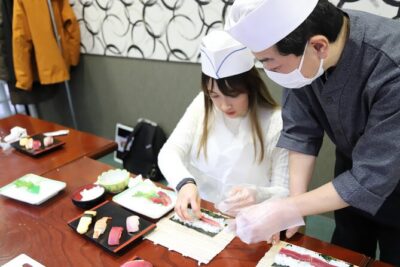
Tsukiji Fish Market Guided Tour and Sushi Making with Pro Chef
Read our review →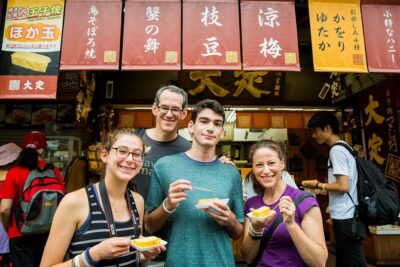
Tsukiji Fish Market Food and Culture Walking Tour
Read our review →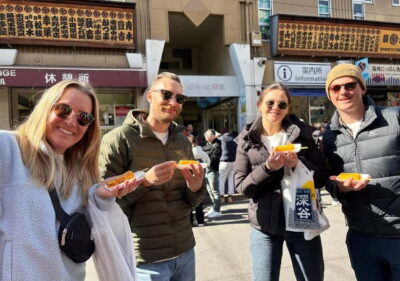
Tsukiji Fish Market: Street Food & Culture Walking Tour
Read our review →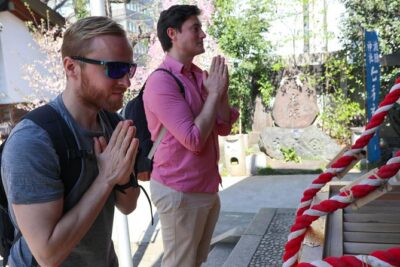
Tsukiji Fish Market Small-Group Food Walking Tour
Read our review →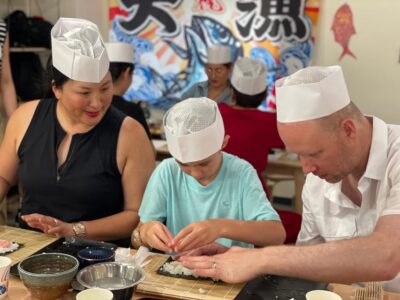
Tsukiji Fish Market Sushi Making Class with Pro Chef
Read our review →Browse the lists this tour appears in