
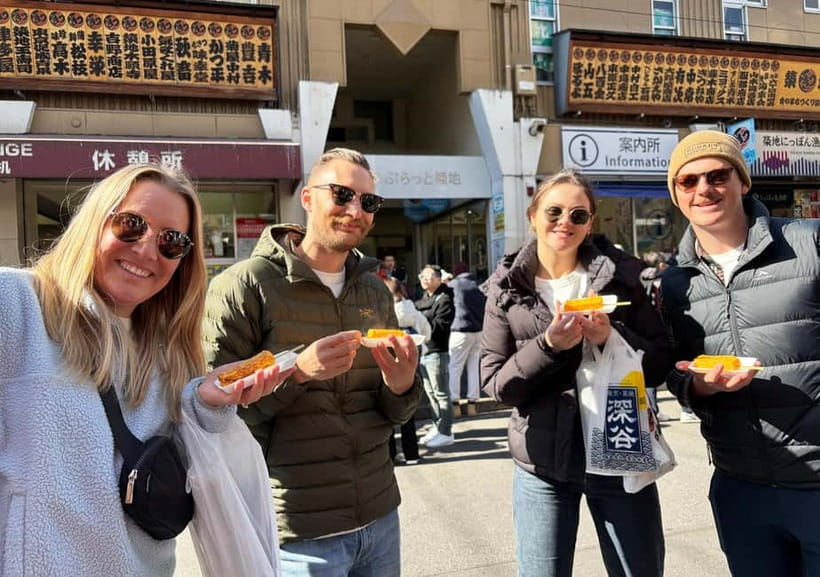
Reviewed · TSUKIJI FISH MARKET TOURS
Tsukiji Fish Market: Street Food & Culture Walking Tour
Tsukiji is best understood with something in your hand and a guide beside you. This two-hour food walk starts at the impressive Tsukiji Hongwanji Temple, then moves into lanes packed with seafood, grilled specialties, Japanese sweets, spices, and kitchen goods. The market is famous, but the useful part is knowing what to taste and how to approach it.
I like the special fresh-wasabi set, which gives simple seafood and sushi a sharper, more fragrant kick. I also like the freedom to spend as much or as little as you wish on extra bites, while your guide points you toward good-value choices such as tuna, wagyu, grilled scallops, eel, fish cake, and dumplings.
The main caution is the calendar. On Wednesdays, Sundays, and national holidays, roughly half the Outer Market shops may be closed. The tour still runs, but you will see fewer vendors and may miss some preparation demonstrations.
Quick points before you book
- Fresh wasabi changes the tasting: Your guide provides a special wasabi set, a small but memorable way to notice how fresh wasabi differs from the familiar paste.
- The temple gives the market context: Tsukiji Hongwanji is not just a meeting place. Its architecture and rituals introduce the area’s religious and culinary traditions.
- Expect many small food choices: Tuna sushi, wagyu, eel, grilled scallops, octopus, fish cake, omelet, dumplings, and other foods may feature, depending on the day.
- Guides tailor the walk: Guides such as George, Kawa, Mao, Tomo, Chihiro, and Daichi are praised for explaining ingredients, answering questions, and adjusting recommendations.
- Bring cash: Food purchases and tastings in the market require cash, so do not rely only on a credit card.
- Small groups are available: A smaller group can make it easier to ask questions, move through tight lanes, and choose foods at your own pace.
Starting at Tsukiji Hongwanji Temple
The tour begins at Tsukiji Hongwanji Temple, usually the most sensible place to meet and finish. The meeting point can vary by booking option, so check your confirmation carefully. The listed location is near 35.66661467955698, 139.77199430835137.
You spend about 20 minutes here with your guide. That is enough time to notice the temple’s unusual design, carvings, and calm interior without turning the food walk into a full religious tour. Your guide also explains the proper purification procedure before entering, a useful detail if this is your first visit to a Japanese temple.
I like this opening because it prevents Tsukiji from feeling like a row of snack stalls with a famous name attached. The temple connects the neighborhood to older customs and gives you a few things to watch for later: respect for ingredients, careful preparation, and the quiet rituals that sit alongside Tokyo’s busy food trade.
The temple is also a practical meeting point. It is easy to recognize, and finishing here means you do not have to find your way through the market while still trying to locate your guide. The tour uses the same general area for its starting and ending points, although the exact option may differ.
More Food Tours in Tokyo
- Tokyo: Shinjuku Food Tour (13 Dishes at 4 Local Eateries)
★ 5.0 · 6,603 reviews - Tokyo: Shinjuku Food Tour (15 Dishes and 4 Eateries)
★ 4.9 · 2,033 reviews - Best of Shinjuku: Izakaya Food Tour (4 Stops, 14+ Tastings)
★ 5.0 · 1,863 reviews
Entering the Tsukiji Outer Market
After the temple, the tour spends about 80 minutes in the Tsukiji Outer Market. This is the main event. The inner wholesale market and its famous tuna auctions moved to Toyosu, but Tsukiji’s Outer Market continues to serve shoppers, cooks, restaurants, and curious visitors.
You will see rows of small shops selling seafood, dried goods, spices, pickles, cooking tools, sweets, and other Japanese ingredients. The market can be crowded, and lanes are not designed for long pauses in the middle, so your guide’s role matters. Instead of wandering past every stall, you get help deciding which foods are worth your limited time and appetite.
The guide may explain how an ingredient is used, how it is prepared, or why a preservation method changes its flavor. Drying, salting, fermenting, and other traditional methods are important here because they concentrate umami and allow seafood and vegetables to last longer. These are not just technical details. They explain why a small piece of preserved food can taste so strong.
Guides are also useful when a Japanese label gives you no clue what you are looking at. Rita’s guide helped identify ingredients and cooking methods, while other guides explained which foods to buy and which places to skip. That kind of advice is hard to gain from a quick solo walk, especially if you do not read Japanese.
What you may taste at Tsukiji
Food is included as part of the guided market visit, but the tour is not presented as one fixed tasting menu. You will have opportunities to choose additional foods and spend as much or as little as you want. That makes the price easier to understand: you are paying for orientation, explanations, and guided tasting rather than a large prearranged meal.
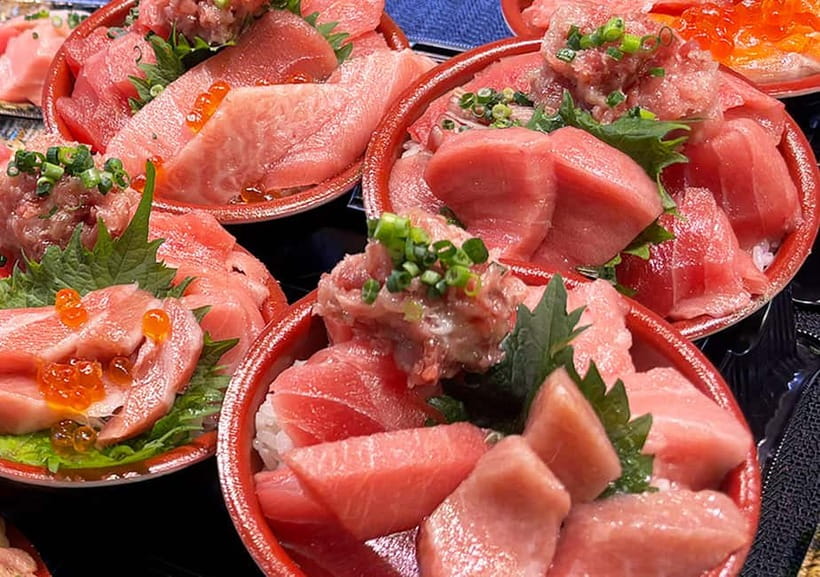
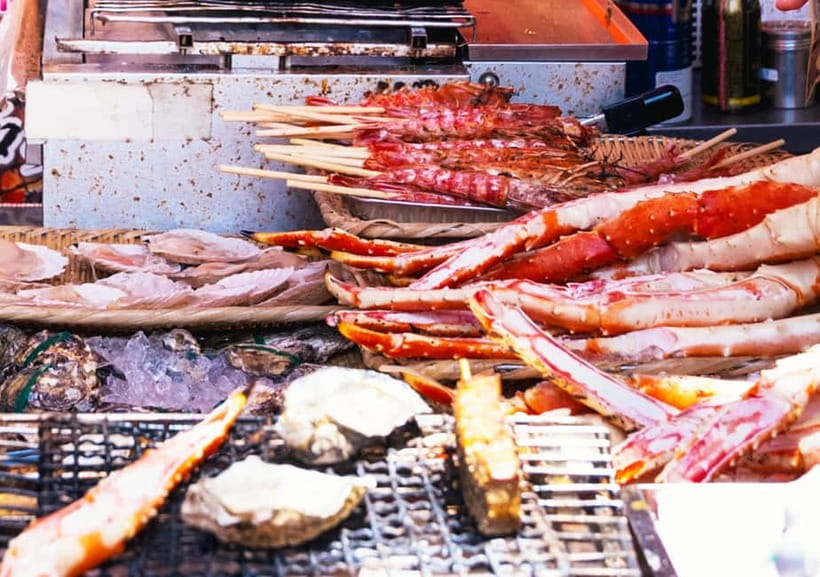
Common examples from the food stops include fresh tuna sushi, sashimi, grilled scallops, eel, wagyu beef, skewered octopus, fish cake, Japanese omelet, dumplings, and other traditional snacks. The exact lineup depends on what shops are open and what is available that day.
The fresh tuna and seafood are natural highlights. A fish-cutting demonstration has been part of several tours, and it helps connect the polished slice of sushi in front of you with the knife work behind it. If you enjoy food technique, this may be one of the most interesting parts of the visit.
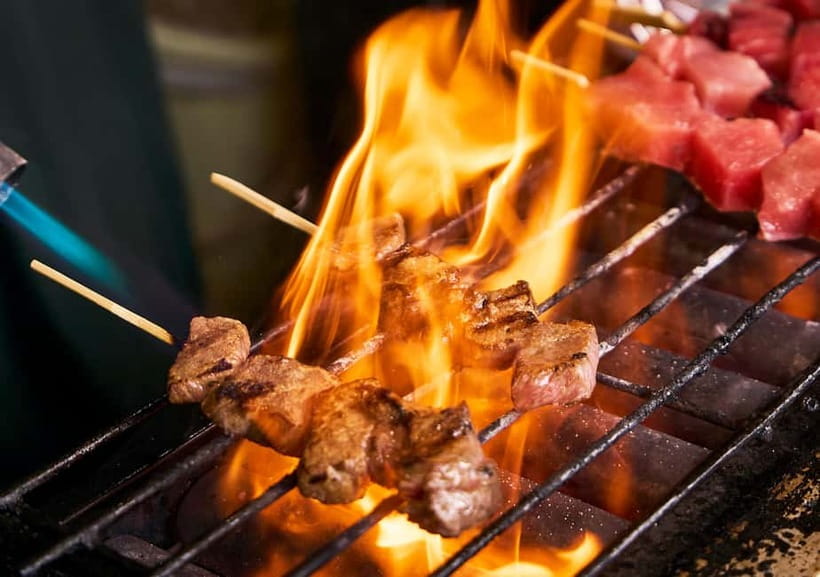
Wagyu offers a different lesson. A small grilled sirloin skewer shows how the market is not only about raw fish. Japanese food culture here includes careful sourcing, portion control, grilling, and serving food hot while you stand nearby.
Then there is the wasabi. The guide’s special wasabi set is a thoughtful extra, and fresh-ground wasabi has a cleaner aroma and less blunt heat than the common green paste served outside Japan. Try it with seafood first, then notice how it changes the flavor rather than simply making it hotter.
You should pace yourself. It is easy to buy something at every stop, and the small samples add up quickly. Several tours have left people full by the end, so I would save room for foods you are less likely to find elsewhere.
Why a guide helps in a market like this
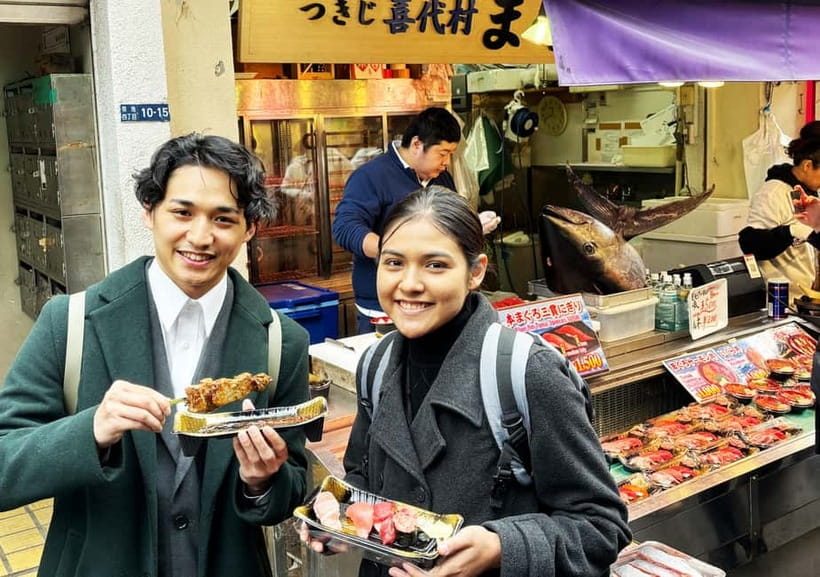
You can walk through Tsukiji on your own, and the market is open to independent visitors. The question is what you would miss. A guide can explain unfamiliar foods, translate the practical meaning of labels, identify cooking methods, and steer you toward reasonable choices.
George is repeatedly praised for clear English, food recommendations, and strong knowledge of the neighborhood. Kawa is noted for answering questions carefully and adapting suggestions to individual preferences. Mao, Tomo, Chihiro, Daichi, Kenny, Naoto, Ayaka, and other guides are also associated with friendly explanations and personal attention.
One useful detail is that a guide may handle the ordering process while you look around. On one tour, Naoto waited in food lines while the group explored nearby stalls. That is not something I would assume happens on every departure, but it shows the practical advantage of a small group and an attentive guide.
The best guides do more than point at food. They explain what to try first, warn you when a flavor may be strong, and help you feel comfortable ordering something unfamiliar. That is especially useful for first-time sushi eaters or anyone unsure about raw seafood.
This is also a good place to ask questions. You can ask how an item is preserved, what part of the fish you are eating, how a food is normally served, or what makes one preparation different from another. The tour turns a quick snack into a small lesson without requiring you to sit through a formal cooking class.
More fish market mornings:
- Tokyo Tsukiji Fish Market Food and Culture Walking Tour
★ 5.0 · 3,184 reviews - Tokyo: Tsukiji Fish Market Food and Walking tour
★ 5.0 · 1,724 reviews - Tokyo: Tsukiji Fish Market Guided Walking Tour
★ 4.9 · 1,397 reviews - Tokyo Sushi Making Class in Tsukiji with Professional Chef
★ 5.0 · 1,177 reviews
Timing, closures, and the feel of the walk
The tour lasts two hours, with roughly 20 minutes at the temple, 80 minutes in the market, and another 20 minutes for the guided market route and return. That is a compact schedule. You will see a useful slice of Tsukiji, but you will not inspect every lane or shop.
For the fullest version, avoid Wednesdays, Sundays, and national holidays if your schedule allows. About half of the Outer Market shops may be closed on those days. A tour can still operate, and some businesses remain open, but the atmosphere and food choices will not be the same.
Market conditions also mean that no two departures are perfectly identical. The available seafood, open vendors, queues, and demonstrations can change. Consider that a normal part of visiting a working market rather than a reason to expect a fixed menu.
Wear comfortable shoes and carry cash. You may be standing while eating, moving through crowded lanes, and stopping often. The activity is listed as wheelchair accessible, and small-group options are available, but the market’s narrow, busy spaces may still make movement slower for some visitors.
English-language guiding is provided. The guides’ ability to explain food and culture is one of the tour’s strongest practical features, particularly if this is your first day in Tokyo and you want help making sense of Japanese market customs.
Is $22 good value?
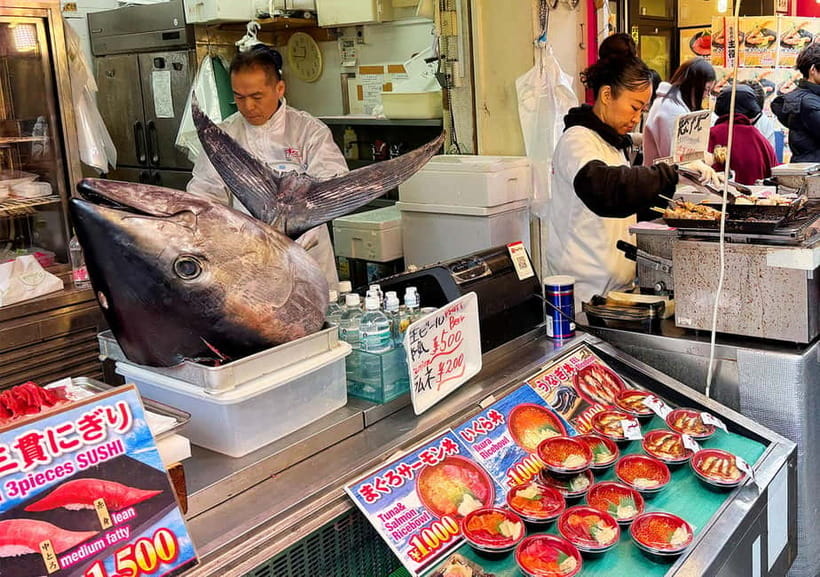
At $22 per person, this is an inexpensive way to get a guided introduction to one of Tokyo’s best-known food districts. You are not paying for a lavish meal, and extra purchases are your responsibility. You are paying for a local escort, temple visit, market orientation, cultural explanation, and included tasting opportunities.
I see the value most clearly if you are new to Tokyo. A solo visit may cost less, but you could spend your first hour deciding where to go, hesitating over unfamiliar foods, or buying something simply because it looks popular. The guide can shorten that learning curve.
The value is also good for anyone who wants to try several foods without committing to a full restaurant meal. You can sample tuna, wagyu, grilled seafood, and snacks in small portions, then buy more of what you like. That flexible approach is better than a fixed menu if your group has different tastes.
The value is weaker if you are already comfortable reading Japanese menus, know Tsukiji well, or prefer to explore completely alone. One participant noted that a little research could let you do the walk independently. That is fair. The tour’s benefit is not exclusive access. It is the judgment, translation, and food guidance that help you use your time well.
Who will enjoy this Tsukiji tour most?
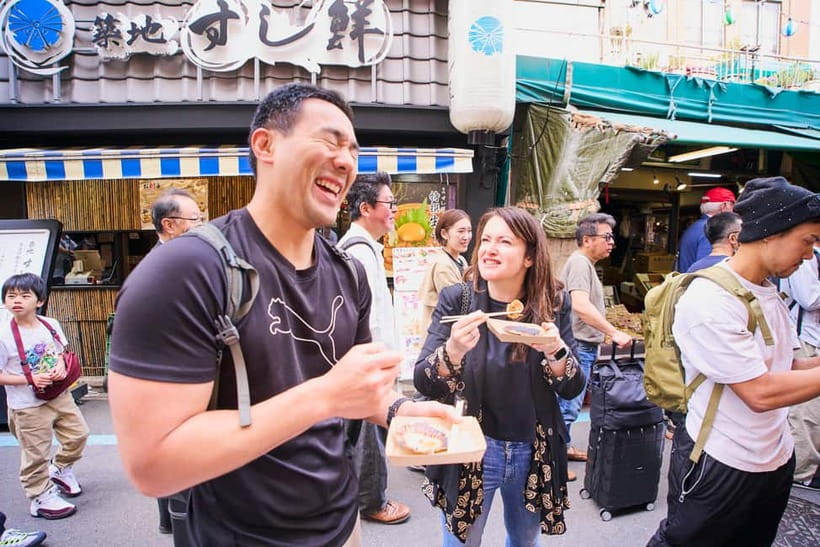
I would recommend it to first-time Tokyo visitors, food-focused travelers, and anyone who wants a gentle introduction to Japanese ingredients. It suits curious eaters who want to try raw seafood, grilled foods, preserved products, and market snacks without planning every stop in advance.
It is also a strong choice for families or mixed groups. One person can explore the stalls while another asks questions, and the guide can suggest foods based on comfort level. The casual format makes it easier to skip anything you do not want to eat.
The tour may not suit you if you want a long, quiet temple visit, a formal cooking lesson, or a guaranteed list of specific dishes. It is a short walking tour in an active market, not an organized sit-down meal.
Book early in your Tokyo schedule if possible. The practical advice can help you return later on your own for souvenirs, kitchen goods, or a longer meal. Several people found the guide’s recommendations useful beyond the two-hour tour, which is one of the better reasons to place it near the start of your stay.
Small details that make the tour work
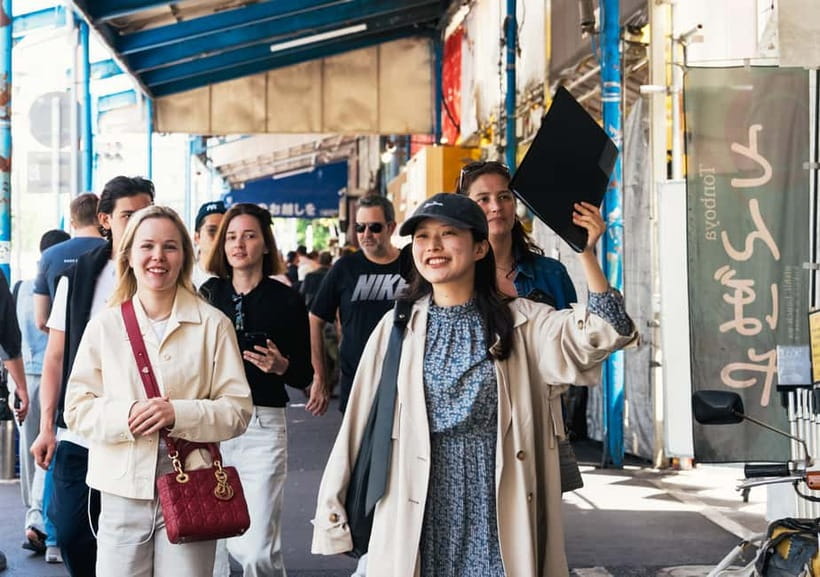
A good food walk depends on more than the headline dishes. Simple touches make a difference in a crowded market, and guides have been praised for carrying napkins and wipes, taking photos, finding shade in hot weather, and paying attention to food preferences.
Those details matter because Tsukiji is hands-on. You may be eating while standing, handling small portions, or trying something messy. Having wipes available keeps the experience pleasant, especially for families.
The guides also help make the tour feel personal. Some departures are intimate enough that you may be traveling solo with the guide or in a very small group. That gives you more time to ask questions, though group size can vary by booking.
The activity is flexible rather than rigid. You can try unfamiliar food, but you are not forced to buy every recommendation. You can spend more on a favorite item or keep costs down by sticking with the included tasting and modest portions.
Should you book it?
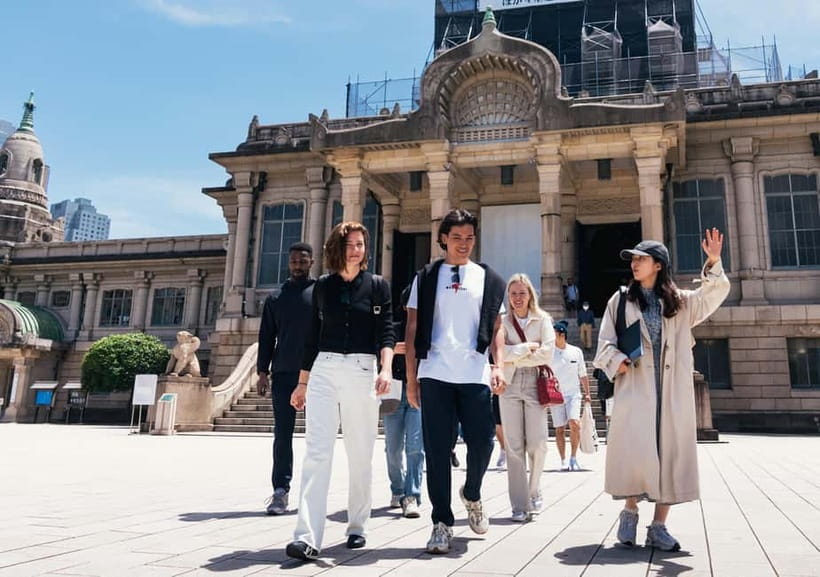
Book this Tsukiji Fish Market tour if you want food guidance with cultural context, especially on a first Tokyo visit. The temple opening, fresh wasabi, market tastings, food preparation explanations, and advice from guides such as George, Kawa, Mao, Tomo, and Chihiro add real value to a place you can technically visit alone.
Skip it if you already know Tsukiji well and prefer to set your own route. Also check the date before booking. If your only available day is Wednesday, Sunday, or a national holiday, expect a quieter market with fewer open shops.
For $22, the tour is a sensible introduction rather than a full culinary expedition. Bring cash, arrive ready to walk and sample, and keep your expectations flexible. You should come away with a better idea of what Japanese market food tastes like, how it is prepared, and where you may want to return.
FAQ
Where does the Tsukiji Fish Market tour meet?
The meeting point may vary depending on the option booked. The listed location is Tsukiji Hongwanji Temple, at approximately 35.66661467955698, 139.77199430835137.
How long does the tour last?
The tour lasts two hours. The schedule includes about 20 minutes at Tsukiji Hongwanji Temple, around 80 minutes in the Outer Market with food tasting, and about 20 additional minutes of guided market exploration.
What language is the tour offered in?
The live tour guide speaks English.
Is food included?
Food tasting is included during the Outer Market visit. You may also buy additional food from the market, and the amount you spend is up to you.
What foods might I try?
Possible foods include tuna, sushi, sashimi, wagyu, grilled scallops, eel, octopus, fish cake, omelet, dumplings, and other traditional Japanese street foods. The exact selection can vary.
Is fresh wasabi included?
The guide provides a special wasabi set, and fresh-ground wasabi may be available as part of the tasting experience.
What should I bring?
Bring cash for food purchases and other items you may want to buy in the market.
Can I take the tour on a Sunday or Wednesday?
Yes, tours are still possible on Wednesdays, Sundays, and national holidays. However, about half of the Outer Market shops may be closed, so the experience can differ from a normal market day.
Is the tour wheelchair accessible?
The activity is listed as wheelchair accessible. Small-group options are also available.
More Shopping in Tokyo
- Tokyo: Tsukiji Fish Market Sushi Making Class with Pro Chef
★ 4.9 · 506 reviews - Tokyo Food Tour Taste Fresh Delights at Tsukiji Market
★ 5.0 · 429 reviews - Tokyo Tsukiji Fish Market Tour and Sushi Making Lesson
★ 5.0 · 390 reviews - Tokyo Washoku 4-hour Cooking Class: From Market to Table
★ 5.0 · 253 reviews
More Markets in Tokyo
- Tsukiji Fish Market Guided Tour and Sushi Making with Pro Chef
★ 5.0 · 775 reviews - Tokyo: Tsukiji Fish Market Food and Culture Walking Tour
★ 4.7 · 757 reviews - Tsukiji Fish Market: Street Food & Culture Walking Tour
★ 5.0 · 669 reviews - Tsukiji Fish Market Small-Group Food Walking Tour
★ 5.0 · 621 reviews
Just added around Tokyo
- Private Arrival Transfer : Narita International Airport to Central Tokyo City★ 4.5 · 12 reviews
- Narita Airport(NRT): Private Transfer to Tokyo/Yokohama 1-9pax★ 5.0 · 47 reviews
- Private Transfer from Narita Airport to Yokohama Port and City★ 4.5 · 17 reviews
- [Narita Airport Terminals 1, 2] 40-60km Sawara Itako Historic Bike Tour★ 5.0 · 13 reviews
- 3 Day Japan Highlights Tour: Tokyo, Mt.Fuji, Nara, Kyoto, Osaka★ 5.0 · 22 reviews
- Small Town in the Big City: Tasting Tokyo’s Kichijoji★ 5.0 · 195 reviews
- Small Town in the Big City: Tasting Tokyo’s Kichijoji★ 5.0 · 16 reviews
- The 10 Tastings of Tokyo With Locals: Private Street Food Tour★ 5.0 · 48 reviews
Tsukiji Fish Market Tours, compared.
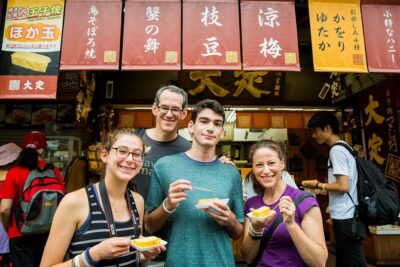
Tokyo Tsukiji Fish Market Food and Culture Walking Tour
Read our review →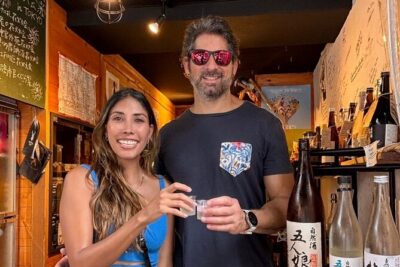
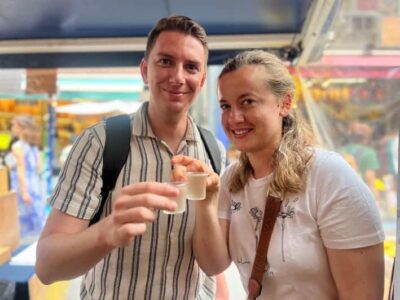
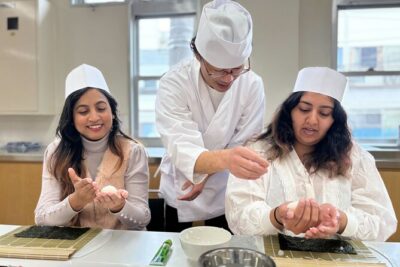
Tokyo Sushi Making Class in Tsukiji with Professional Chef
Read our review →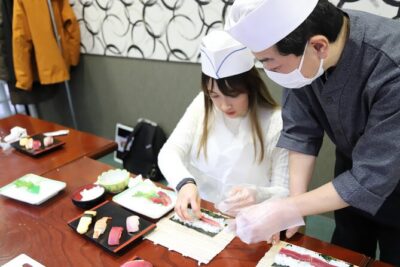
Tsukiji Fish Market Guided Tour and Sushi Making with Pro Chef
Read our review →Tsukiji Fish Market Food and Culture Walking Tour
Read our review →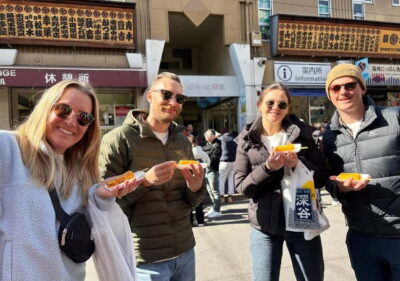
Tsukiji Fish Market: Street Food & Culture Walking Tour
Read our review →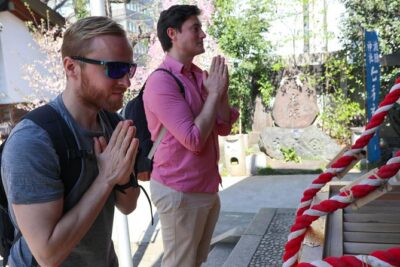
Tsukiji Fish Market Small-Group Food Walking Tour
Read our review →Browse the lists this tour appears in