
Reviewed · TSUKIJI FISH MARKET TOURS
Tokyo: Tsukiji Fish Market Food and Walking tour
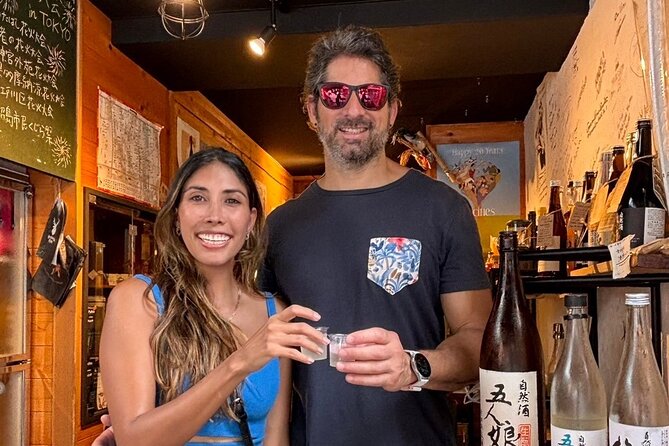
Tsukiji is easiest to enjoy when someone else handles the first round of navigation. This two-hour walk takes you from Tsukiji Hongwanji Temple into the market streets, where you can sample seafood, sushi, fruit, Japanese omelets, fried fish cakes, and other local bites without being tied to a fixed menu.
I like the freedom to choose only the foods you actually want, and I like the small-group format, capped at 10 people. Guides such as Rie, Haydn, Jim, Minori, Shino, and Yayoi are praised for steering people toward good stalls and away from overpriced tourist choices.
The main catch is simple: the $30 tour fee does not include food or drinks. You need extra yen, and the temple stop may feel like time taken from the market if your only goal is eating.
Key points to know before booking
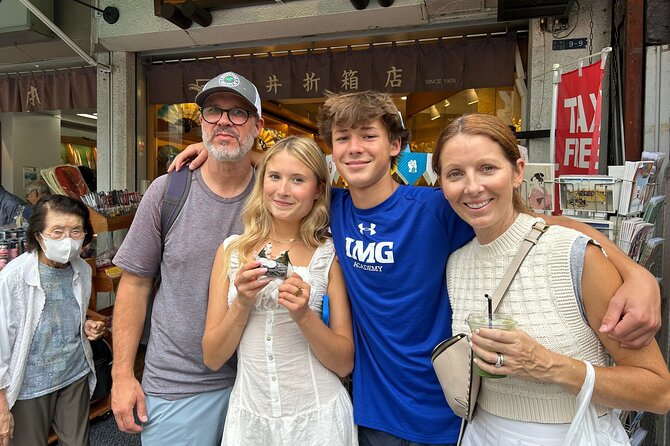
- Your food budget is separate: You choose and pay for each dish, so bring Japanese yen in addition to the tour price.
- The tour starts at a temple: Tsukiji Hongwanji takes about 30 minutes before the food portion begins.
- The market walk is flexible: The pace and stops can respond to what your group wants to see and taste.
- You get help with market navigation: A guide can point out worthwhile stalls, explain ingredients, and help you avoid poor-value purchases.
- Expect a compact, active outing: The tour lasts about two hours and involves walking and standing in busy market areas.
- It suits curious eaters: You might try sea urchin, eel, wagyu beef, sushi, fresh fruit, tamagoyaki, or fried fish cakes, but you choose what to buy.
Why Tsukiji works better with a guide
Tsukiji is not one tidy indoor market with a simple entrance and exit. It is a collection of food shops, seafood counters, specialty stores, and narrow market lanes around the former wholesale market area. You can walk through it independently, but knowing which stalls are worth your time and how to order can be harder.
That is where this tour earns its keep. The guide takes you through the area at a manageable pace and explains what you are looking at as you go. You are not handed a preselected tray of food. Instead, the group decides what looks appealing, and you pay for the items you personally order.
I especially like this arrangement for mixed groups. One person can try sea urchin while another sticks to fruit or an omelet. Someone interested in Japanese ingredients can ask questions, while a less adventurous eater can keep things familiar. The setup gives you more control than a fixed tasting tour.
The guides also add a useful local filter. Rie is praised for identifying good-value products and steering people away from tourist traps. Haydn is noted for having a strong rapport with vendors and for helping people judge what is worth buying. Other guides, including Jim, Nicholas, Minori, Sayaka, Shino, Yayoi, and Joe, are described as friendly, energetic, and helpful with food and cultural questions.
Guide quality can vary from one departure to the next, as it does on any guide-led activity. Still, the repeated praise for specific guides is a good sign, especially because Tsukiji can feel confusing when you first arrive.
More fish market mornings:
- Tokyo Tsukiji Fish Market Food and Culture Walking Tour
★ 5.0 · 3,184 reviews - Tokyo: Tsukiji Fish Market Guided Walking Tour
★ 4.9 · 1,397 reviews - Tokyo Sushi Making Class in Tsukiji with Professional Chef
★ 5.0 · 1,177 reviews
Starting at Tsukiji Hongwanji Temple
The meeting point is the Starbucks near Tsukiji Station, at Tsukiji 2-chome 12-8, in the Daiko Building. From there, the tour begins at Tsukiji Hongwanji Temple, a striking Buddhist temple with unusual architecture for Tokyo.
You spend about 30 minutes here with your English-speaking Japanese guide. The stop gives you a brief introduction to the neighborhood before the food stalls take over your attention. It also adds a cultural layer that a food-only walk would miss.
Haydn is singled out for explaining the temple well, and Shino is praised for making the cultural side enjoyable along with the food. The temple is a peaceful change of pace before the noise and close quarters of the market.
Still, be clear about the itinerary. This is not two full hours inside the food market. Roughly half an hour is devoted to the temple, about one hour to Tsukiji Fish Market, and another half hour to Tsukiji Jogai Market.
That arrangement will suit you if you like some context and local culture. If you have only a short window in Tokyo and want nonstop eating, the first stop may feel unnecessary. One person specifically found the temple interesting but would have preferred more time at the market.
Entering Tsukiji Fish Market
The central portion lasts about an hour and focuses on Tsukiji Fish Market. Your guide explains the area’s connection to Tokyo’s seafood trade, including its former role as a place associated with famous tuna auctions.
The value here is not simply being shown a street on a map. Your guide can explain the ingredients used in sushi and other Japanese dishes, identify unfamiliar seafood, and help you decide how to spend your food budget. The market becomes easier to read when someone tells you what you are seeing.
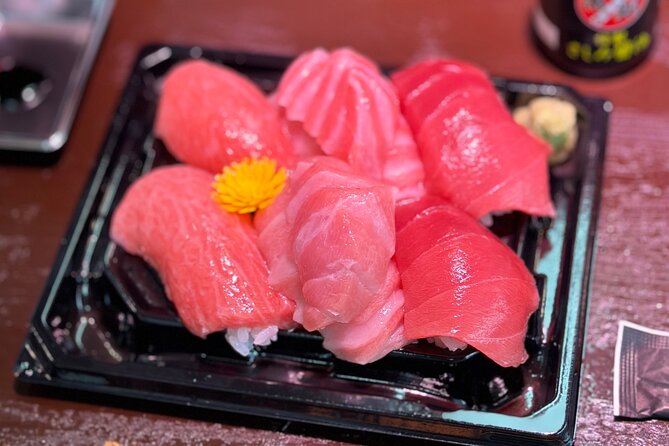
The food selection is broad. Depending on the group’s choices and the stalls open during the visit, you might find fresh seafood, sushi, fruit, Japanese omelets, fried fish cakes, eel, sea urchin, or wagyu beef. The tour does not promise a particular set of dishes, which is both its strength and its limitation.
I like the freedom to order according to appetite. You can sample several small items rather than commit to one large meal. You can also skip anything that does not appeal to you.
The tradeoff is that your food experience depends on your decisions and your spending. The guide can recommend places, but the tour fee covers guiding, not lunch. Set aside extra money for the stalls, and bring cash because food purchases are paid separately. A practical target mentioned by past participants is about 10,000 Japanese yen for sampling, though your total will depend on how much you buy.
This is also a place where manners matter. Market lanes can be tight, and the food shops are working businesses, not just photo sets. Stay with the group, follow your guide’s directions, and avoid blocking entrances while you eat or take pictures.
Walking through Tsukiji Jogai Market
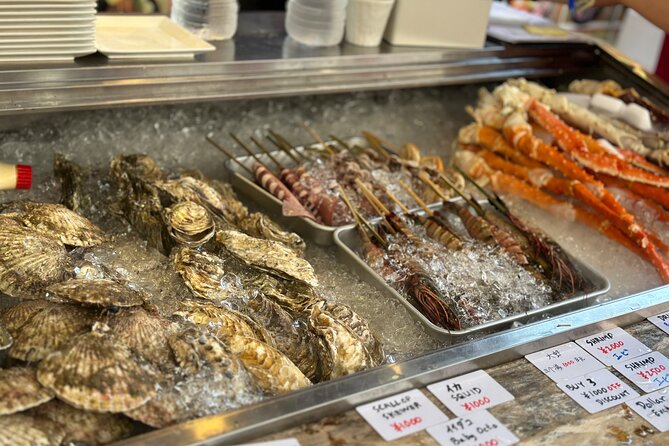
The final market segment takes about 30 minutes in Tsukiji Jogai Market, the outer market area filled with seafood shops, food counters, and stores selling Japanese ingredients.
This part is particularly useful if you want to see how food is presented beyond a single restaurant meal. Your guide can point out products used in home cooking and sushi, explain local snacks, and show you where the group can stop for quick tastes.
The word jogai refers to the outer market, so this section is distinct from the former wholesale market area. That distinction matters because the experience is built around walking through shops and street-food counters, not watching a wholesale auction. The famous tuna auctions associated with Tsukiji are part of the market’s past, while this tour concentrates on the food streets and their ongoing commercial life.
The 30-minute timing keeps the outing focused, but it can also feel short. If you discover several stalls you like, you may wish for more time to browse. The flexible pace helps, since the guide can respond to the group, but a large amount of shopping or a long sit-down meal does not fit neatly into the schedule.
More food tours in Tokyo:
- Tokyo: Shinjuku Food Tour (13 Dishes at 4 Local Eateries)
★ 5.0 · 6,603 reviews - Tokyo: Shinjuku Food Tour (15 Dishes and 4 Eateries)
★ 4.9 · 2,033 reviews - Best of Shinjuku: Izakaya Food Tour (4 Stops, 14+ Tastings)
★ 5.0 · 1,863 reviews - Eat and Drink Like a Local: Tokyo Ueno Food Tour-Taverns&Ramen
★ 5.0 · 957 reviews
What you actually eat, and what you pay
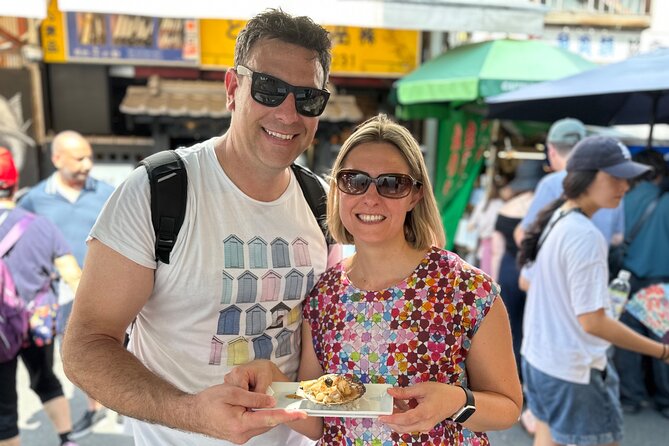
The no-set-menu format is the most important detail to understand. You do not pay $30 and receive a defined sequence of tastings. The $30 covers the guided experience, while each dish or drink is your own expense.
That can make the tour a good value for cautious eaters. You are not paying for foods you dislike, and you can spend more on one special item or less by choosing only a few tastes. It is also useful for families or couples with different appetites.
For a serious food sampler, the cost can rise quickly. Seafood, wagyu, sushi, and sea urchin are not all equal in price, and market vendors may accept cash rather than cards. Bring enough yen so the group does not have to wait while you search for an ATM.
I would treat the tour fee as a navigation and interpretation charge, not as the price of breakfast. That is still fair value if you would otherwise waste time choosing stalls or feel uneasy ordering unfamiliar foods. It is less attractive if you already know Tsukiji well and mainly want an inexpensive meal.
The food itself is the main event, but the guide’s advice adds value. Rie is praised for recommending good flavors at better prices, while Nicholas, Minori, and Yayoi are noted for helping groups choose where to stop. Shino’s experience as a chef is also mentioned as an advantage when selecting and explaining food.
Pace, group size, and practical comfort
The maximum group size is 10 people, which is small enough for a guide to keep an eye on everyone in crowded lanes. A smaller group also makes it easier to ask questions and agree on the next stop.
The tour takes about two hours and is not described as especially strenuous, but you will walk and stand. Comfortable shoes are sensible. The route includes a temple and two market areas, so it is better suited to people who enjoy moving from stall to stall than to anyone seeking a seated food tour.
The flexible schedule is helpful when the group has different interests. You might spend more time discussing an ingredient, stop for an extra sample, or move along if a stall is too crowded. The same flexibility means the exact experience is not identical on every departure.
The tour ends back at the Starbucks meeting point. That makes it easy to continue sightseeing in Tokyo afterward, and the nearby public transportation is useful for the next part of your day.
Confirmation arrives at booking, and service animals are allowed. Most people can participate, but remember that market paths may be crowded and that the outing involves standing.
Who should book the Tsukiji walk
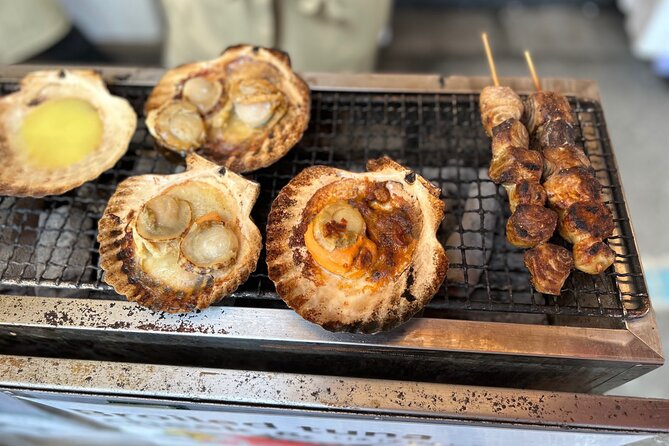
I would recommend this tour to a first-time Tokyo visitor who wants an easy introduction to Japanese market food. It is also a strong choice if you are curious about seafood but do not know the names, prices, or customs well enough to order with confidence.
Families can benefit from the flexible food choices. Children or selective eaters do not have to accept a fixed menu, and adults can try more unusual items. The small group size also gives a guide a better chance to answer individual questions.
Food-focused visitors should decide how much independence they want. If your aim is to spend several hours browsing every shop, this tour may move too quickly. If your aim is to get oriented, taste several things, and learn what deserves a second visit, two hours is a useful introduction.
The tour is less suitable for anyone expecting access to a tuna auction or a behind-the-scenes wholesale operation. It visits the market area tied to Tsukiji’s food culture, but the actual experience is a guided walk through market streets, shops, and food counters.
It is also not the best fit if you want all food included in one upfront price. The separate payment system is clear and flexible, but you need to plan for it.
My call: book it if you want a guided first taste
I would book this experience if I were new to Tsukiji and wanted help making sense of the market. The strongest reasons are the small group, the flexible food choices, and the guide’s ability to recommend worthwhile stalls and explain Japanese ingredients.
Bring cash, arrive ready to walk, and think of the temple as part of the cultural setting rather than an unwanted detour. If you want only a market meal, explore on your own. If you want a friendly guide to get you oriented, introduce you to foods such as eel or sea urchin, and help you avoid poor-value choices, the $30 fee is reasonable.
Free cancellation is available up to 24 hours before the start time for a full refund. Changes or cancellations inside that window are not accepted for a refund.
FAQ
How much does the Tsukiji food and walking tour cost?
The tour costs $30 per person. Food and drinks are not included, so you pay separately for anything you choose to eat or drink.
How long does the experience last?
The tour lasts approximately two hours. The planned timing is about 30 minutes at Tsukiji Hongwanji Temple, one hour at Tsukiji Fish Market, and 30 minutes at Tsukiji Jogai Market.
Where does the tour meet?
The meeting point is Starbucks Coffee near Tsukiji Station, at Japan, 104-0045 Tokyo, Chuo City, Tsukiji, 2-chome 12-8, Daiko Building 1F.
Where does the tour end?
The activity ends back at the meeting point near Tsukiji Station.
Is food included in the tour price?
No. You choose the dishes you want and pay for them separately. Food and drinks are listed as not included.
How many people can join the tour?
The activity has a maximum of 10 participants.
Does the tour include Tsukiji Hongwanji Temple?
Yes. The tour includes entry to Tsukiji Hongwanji Temple and spends about 30 minutes there with the guide.
What kinds of food might I try?
The tour may include fresh seafood, fruit, Japanese omelets, fried fish cakes, sushi, eel, sea urchin, wagyu beef, and other market foods. You choose which items to purchase.
Can I cancel for a full refund?
Yes, if you cancel at least 24 hours before the experience start time. Cancellations or changes made less than 24 hours before the start time are not accepted for a refund.
More Shopping in Tokyo
- Tokyo: Tsukiji Fish Market Sushi Making Class with Pro Chef
★ 4.9 · 506 reviews - Tokyo Food Tour Taste Fresh Delights at Tsukiji Market
★ 5.0 · 429 reviews - Tokyo Tsukiji Fish Market Tour and Sushi Making Lesson
★ 5.0 · 390 reviews - Tsukiji Fish Market: Street Food & Culture Walking Tour
★ 4.8 · 259 reviews
More Markets in Tokyo
- Tsukiji Fish Market Guided Tour and Sushi Making with Pro Chef
★ 5.0 · 775 reviews - Tokyo: Tsukiji Fish Market Food and Culture Walking Tour
★ 4.7 · 757 reviews - Tsukiji Fish Market: Street Food & Culture Walking Tour
★ 5.0 · 669 reviews - Tsukiji Fish Market Small-Group Food Walking Tour
★ 5.0 · 621 reviews
Just added around Tokyo
- Private Arrival Transfer : Narita International Airport to Central Tokyo City★ 4.5 · 12 reviews
- Narita Airport(NRT): Private Transfer to Tokyo/Yokohama 1-9pax★ 5.0 · 47 reviews
- Private Transfer from Narita Airport to Yokohama Port and City★ 4.5 · 17 reviews
- [Narita Airport Terminals 1, 2] 40-60km Sawara Itako Historic Bike Tour★ 5.0 · 13 reviews
- 3 Day Japan Highlights Tour: Tokyo, Mt.Fuji, Nara, Kyoto, Osaka★ 5.0 · 22 reviews
- Small Town in the Big City: Tasting Tokyo’s Kichijoji★ 5.0 · 195 reviews
- Small Town in the Big City: Tasting Tokyo’s Kichijoji★ 5.0 · 16 reviews
- The 10 Tastings of Tokyo With Locals: Private Street Food Tour★ 5.0 · 48 reviews
Tsukiji Fish Market Tours, compared.
Tokyo Tsukiji Fish Market Food and Culture Walking Tour
Read our review →
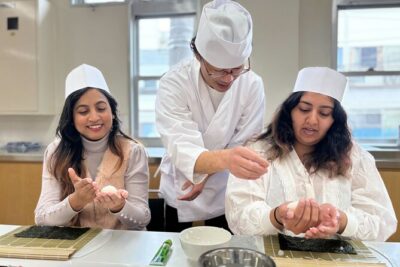
Tokyo Sushi Making Class in Tsukiji with Professional Chef
Read our review →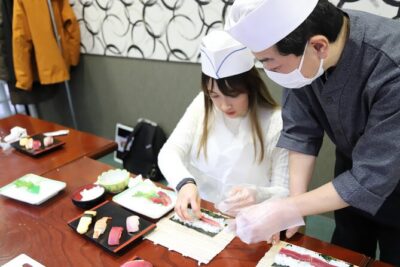
Tsukiji Fish Market Guided Tour and Sushi Making with Pro Chef
Read our review →Tsukiji Fish Market Food and Culture Walking Tour
Read our review →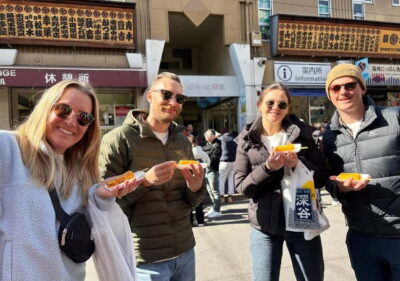
Tsukiji Fish Market: Street Food & Culture Walking Tour
Read our review →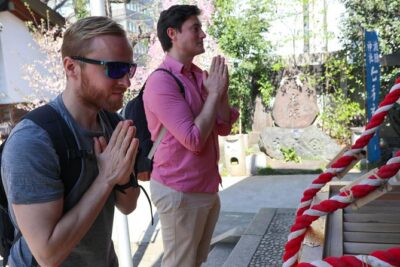
Tsukiji Fish Market Small-Group Food Walking Tour
Read our review →
Tsukiji Fish Market Sushi Making Class with Pro Chef
Read our review →Browse the lists this tour appears in