
Reviewed · TOKYO TOURS
Eat and Drink Like a Local: Tokyo Ueno Food Tour-Taverns&Ramen
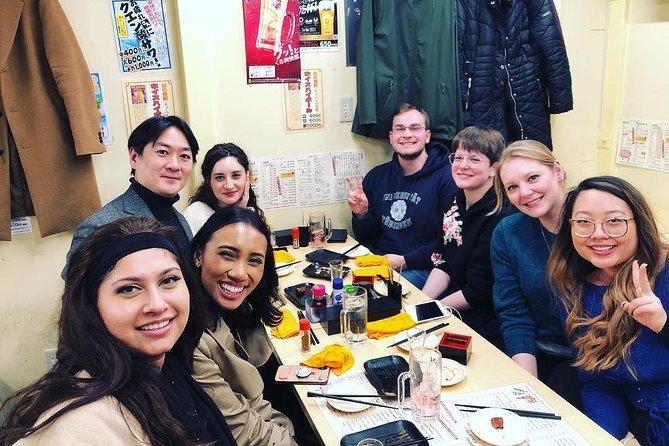
Ueno after dark is not polished Tokyo for show. It is the Tokyo of narrow streets, standing bars, noisy train lines, quick meals, and izakaya where you may hesitate before walking in alone. This three-hour tour takes you straight into that world, with guide Aki, also listed as Akira, explaining what you are eating and handling the Japanese for you.
I especially like the four-stop food progression, which moves from small dishes and drinks to a proper bowl of ramen. I also like the small group, capped at 10 people, because a guide can answer questions, adjust for dietary needs, and keep the evening social without turning it into a herd.
The main caution is the food style. Some dishes may be unfamiliar, and one stop can include mystery meats or preparations that push cautious eaters. This is not a fine-dining meal or a gentle introduction built only around sushi and tempura. You should arrive hungry, curious, and ready to try things.
Key points at a glance
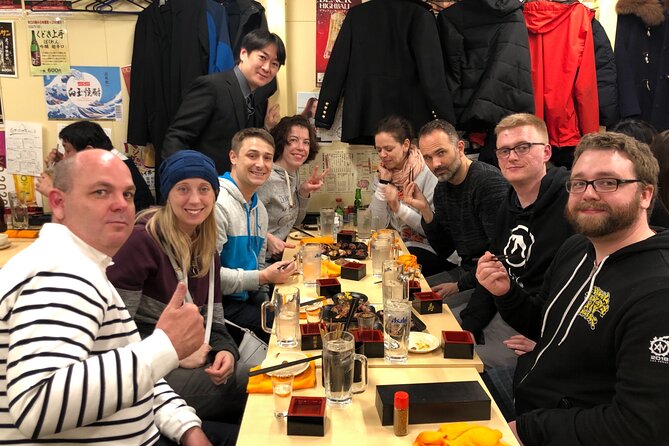
- Four food and drink stops: Expect sashimi, skewered meat, grilled dishes, Japanese drinks, izakaya fare, and ramen.
- Ueno and Okachimachi after dark: The route passes through Ameya Yokocho and local restaurant streets rather than staying in a single dining room.
- English guidance and translation: Aki or Akira explains dishes, ordering customs, train connections, and Japanese drinking culture.
- Small group format: The maximum is 10 people, with some departures feeling much smaller.
- Food and drinks included: The price covers tastings and drinks at the stops, making it easier to try items without ordering blindly.
- Best for adventurous first-time visitors: You get a useful start in Tokyo’s food scene, but the menu may not suit picky eaters.
What this Ueno food tour is really about
This is a walking food tour, but food is only half the point. The other half is confidence.
Japanese restaurants can feel intimidating when you cannot read the menu or understand the ordering system. Small bars may have limited seating, unfamiliar rules, and no obvious welcome sign for a first-time visitor. A guide who knows the area changes the whole experience. You can focus on the food while Aki explains what is happening around you.
The route also gives you a quick lesson in everyday Tokyo. You hear about Ueno Park, Ueno Zoo, the city’s train system, and the local drinking culture. These details help you read the neighborhood instead of simply passing through it.
The group size matters here. Ten people is small enough for conversation, though the actual group may be smaller. One couple described having the guide almost to themselves, while another group of four shared the evening with two other couples. That range gives you a fair idea of the social side: you may dine with strangers, but the format is designed to get people talking.
More Food Tours in Tokyo
- Tokyo: Shinjuku Food Tour (13 Dishes at 4 Local Eateries)
★ 5.0 · 6,603 reviews - Tokyo: Shinjuku Food Tour (15 Dishes and 4 Eateries)
★ 4.9 · 2,033 reviews - Best of Shinjuku: Izakaya Food Tour (4 Stops, 14+ Tastings)
★ 5.0 · 1,863 reviews
Meeting in front of atré Ueno
The tour begins at the Starbucks Coffee inside atré Ueno, at 7-1 Ueno on the first floor. This is a practical meeting point near public transportation, but Ueno Station is a busy place with several exits and connected areas. Give yourself time to find the correct Starbucks rather than arriving at the last minute.
The opening introduction covers Tokyo, Ueno Park, and Ueno Zoo. This is not a long history lecture. It is a short orientation that gives the evening some shape before the group heads into the restaurant streets.
An early welcome drink may appear, including pear-infused sake on some departures. That is a fun way to begin, but remember that the evening includes several drinks. If you drink alcohol, pace yourself. Non-drinkers are also welcome, and the food remains a central part of the tour.
Stop one in Ueno: four dishes and a first taste of local dining
The first restaurant stop serves four dishes in about 30 minutes. The guide explains what you are eating, how the dishes fit into Japanese cooking, and what to notice at the table.
The menu can include sashimi, grilled fish, skewered meat, miso soup, stews, or other small plates. Exact dishes are not fixed in the information provided, so you should expect variety rather than a guaranteed menu. That flexibility is common in neighborhood dining and lets the guide work with what is available.
This is a useful first stop because you are not asked to order alone. You can watch how dishes arrive, how people share them, and how drinks are paired. If you have never eaten in an izakaya, the explanation can be more valuable than a printed menu.
The portion count also helps explain the price. You are not paying for one restaurant meal. You are paying for several tastings, drinks, translation, and a guide who has selected places you might not feel comfortable entering on your own.
Walking through Ameya Yokocho
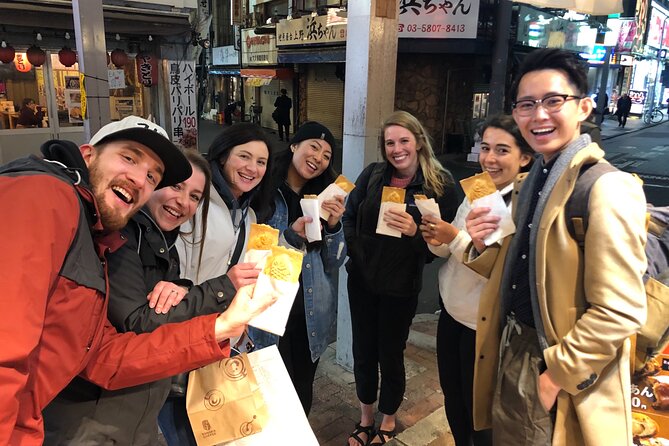
Between stops, the group walks through Ameya Yokocho, the market street beside Ueno Station. The route connects the food stops, but it also gives you a look at one of Ueno’s best-known commercial areas.
This part of the evening adds welcome movement after the first meal. You may see shops, food stalls, bars, and the tight mix of old and modern Tokyo that makes Ueno feel different from the grander districts.
The walking is not presented as a major sightseeing tour. Think of it as a guided neighborhood walk between meals. You should wear comfortable shoes, especially if you plan to continue exploring after the tour.
Same base, a completely different sort of day:
- Mt Fuji and Hakone 1-Day Bus Tour Return by Bullet Train
★ 5.0 · 26,383 reviews - 1-Day Tokyo Bus Tour
★ 5.0 · 14,250 reviews - Tokyo: TOKYO SKYTREE® Admission ticket
★ 4.5 · 11,192 reviews - Tokyo: teamLab Planets TOKYO Digital Art Museum Entry Ticket
★ 4.6 · 9,779 reviews
Stop two on Okachimachi Ekimae Street
The second stop takes place around Okachimachi Ekimae Street, another restaurant area close to the Ueno district. Here, the guide explains the dishes and the drinking culture of the Okachimachi izakaya scene.
An izakaya is more than a Japanese pub. It is a place for conversation, shared plates, and drinks ordered alongside food. You may sample grilled items, seafood, skewers, or other dishes that are meant to be enjoyed gradually rather than eaten as one large course.
This stop is where the tour’s local angle becomes most useful. You learn not only what a dish is called, but also how a Japanese tavern works. You can ask about ingredients, preparation, table manners, and the role of alcohol in a typical evening out.
One important expectation: the food may be adventurous. Some groups have enjoyed unusual pork or other mystery-meat options, while others have found certain dishes difficult to eat. If you have firm limits, tell the guide early and clearly. Several accounts describe careful handling of vegetarian needs and food restrictions, including checking options ahead of time.
A short lesson on Tokyo’s train system
The walk also includes an explanation of Tokyo’s train system. This may sound like a small detail, but it is useful on your first days in the city.
Ueno and Okachimachi are tied closely to major rail lines, and the area can feel confusing when station names, exits, and lines overlap. A local explanation gives you practical context for moving around Tokyo later.
Do not expect a full transport lesson. The value is in connecting the neighborhood to the wider city. You learn why the area is busy, how people reach it, and how rail travel shapes daily life in Tokyo.
Stop three: the Japanese tavern experience
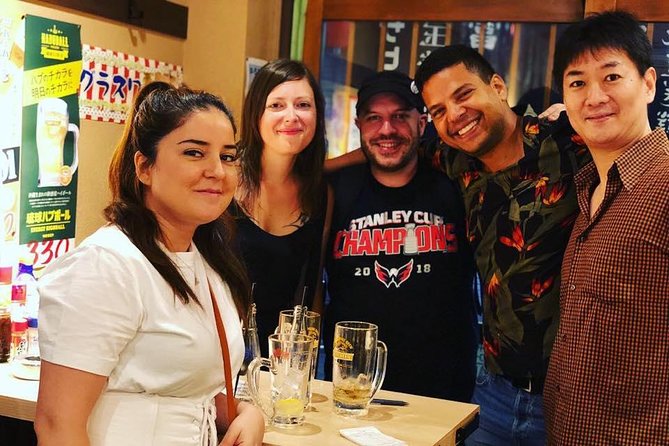
The third stop is another Ueno-area tavern, where the guide focuses on Japanese alcoholic drinks and food. This is the point where the evening feels most like a local night out.
You may try sake and other Japanese drinks, with the guide explaining how they differ and how they pair with the food. The experience is not designed as a formal tasting class. It is more relaxed and social, with time for questions and conversation.
You should feel free to ask about every dish. The guide explains what is ordered, and the format allows you to ask about ingredients or customs as the plates arrive. That direct contact is one of the tour’s strongest features.
The standing-bar element is also important. Standing bars are efficient, casual places where people stop for a drink or a quick bite. They are not built around lingering over a long meal. For a first-time visitor, having someone show you how the place works removes much of the awkwardness.
The tour can include plenty of alcohol, so this is not ideal if you want a dry evening. Non-drinkers can still enjoy the food, and one group specifically included people who did not drink. Still, you should tell the provider about your preferences before the tour so suitable alternatives can be considered.
Stop four near Okachimachi Panda Hiroba: ramen to finish
The final stop is a ramen shop near Okachimachi Panda Hiroba. After the smaller dishes, ramen gives the evening a satisfying finish.
The guide explains how to order and how to eat ramen. That may include practical tips about the ticket machine or ordering process, though the exact method can vary by shop. You do not need to worry about managing the process alone.
Ramen is often the most familiar dish on this tour, but the experience still goes beyond simply sitting down with a bowl. You learn how a quick noodle meal fits into Japanese dining culture and how to behave in a compact ramen shop.
Many people consider this the strongest food stop, and the portions across the evening are described as plentiful. Do not eat a heavy meal before meeting the group. A small snack earlier in the day is sensible, but you want plenty of room by the time you reach the ramen shop.
The tour ends at 5-27 Ueno, near the Okachimachi area. That location leaves you well placed for more food, drinks, or a straightforward train ride elsewhere in Tokyo.
What you eat, and how adventurous you need to be
The advertised food includes sashimi, skewered meat, grilled fish, and ramen, with other izakaya dishes added along the way. You may also encounter stews, soup, snacks, or less familiar cuts of meat.
The menu is part of the point. This tour aims to show you food you might not order by yourself, not simply repeat the Japanese dishes most common overseas. That can lead to memorable discoveries, but it can also produce a few plates you do not enjoy.
I would not book this if you only want sushi, ramen, and safe choices. I would book it if you like trying a dish first and asking questions afterward. The guide can explain the food, but he cannot guarantee that every flavor or texture will suit you.
Vegetarians and people with dietary restrictions should contact the provider in advance. The guide has accommodated special requests and has called restaurants ahead to check for suitable options. That is encouraging, but you should not rely on last-minute changes for serious allergies.
The guide makes the difference
Aki, also identified as Akira Wada in the tour information, receives repeated praise for his energy, humor, organization, and English. He has hospitality experience and explains both the food and the larger setting.
His role is not limited to carrying the group from one restaurant to another. He orders the dishes, translates, explains how to eat them, answers questions, and keeps the conversation moving. He may also take photos for the group.
Another guide named Shota has led at least one departure, so the exact host may vary. The important feature is the guided format, but if having Aki specifically is essential to you, confirm the guide when booking.
English quality appears strong overall, though one account described difficulty understanding much of the guide’s explanation. That seems to be an exception, but it is fair to mention. If you do not understand something, ask the guide to repeat it. The tour works best when you take part in the conversation.
Is $95.21 a fair price?
At $95.21 per person, this is not a cheap way to grab dinner in Tokyo. You could eat ramen and visit an izakaya for less if you already know where to go and feel comfortable ordering in Japanese.
But that is not the full comparison. The price includes several food stops, drinks, translation, neighborhood guidance, and the time spent arranging a route through local bars. You also avoid the risk of ordering a full plate of something you cannot identify or entering a place with no English support.
The value is strongest for a first or second night in Tokyo. You get a practical introduction to Ueno, learn the basics of izakaya dining, and leave with more confidence to choose restaurants on your own.
The value is weaker if your only goal is a high-end food experience. This is everyday tavern food, not Michelin dining. The atmosphere, variety, and access matter more than luxury ingredients or formal service.
Who should book this evening?
I would recommend it to first-time Tokyo visitors, curious eaters, solo visitors who want company, and couples who do not want to spend their first night guessing at menus. It also suits people who enjoy drinks and want a guided night rather than a daytime museum visit.
Families with older children may enjoy the food and cultural side, but the tavern setting and alcohol focus may not suit every family. Picky eaters should think carefully before booking.
The tour is also a good choice if you want to understand Tokyo beyond famous sights. Ueno Park and Ueno Zoo appear in the introduction, but the heart of the evening is the working neighborhood around the stations.
You get a maximum group size of 10, mobile ticketing, confirmation at booking, and a location close to public transportation. Most people can participate, but the route includes walking and several restaurant changes, so comfortable shoes are wise.
Free cancellation is available up to 24 hours before the start time. Inside that window, refunds are not available and changes are not accepted.
Should you book the Ueno food tour?
Book it if you want a lively, guided introduction to Japanese taverns, local drinks, unfamiliar dishes, and ramen, all in one evening. The strongest reasons are the small group, the translation help, and the guide’s ability to make local restaurants feel approachable.
Skip it if you want a quiet fine-dining meal, a fixed menu, or only familiar Japanese food. This tour asks you to be open-minded.
For most first-time visitors who arrive hungry and willing to experiment, it is a useful way to begin eating around Tokyo. You get a neighborhood, several meals, and enough practical advice to keep exploring after the guide says goodbye.
FAQ
How long does the Tokyo Ueno food tour last?
The tour lasts approximately three hours.
Where does the tour begin?
It begins at Starbucks Coffee inside atré Ueno, at 7-1 Ueno, Taito City, Tokyo 110-0005, on the first floor.
Where does the tour end?
The tour ends at 5-27 Ueno, Taito City, Tokyo 110-0005, in the Okachimachi area.
How many people can join the tour?
The maximum group size is 10 people.
Are food tastings included?
Yes. Food tastings are included at the tour stops.
Are drinks included?
Yes. Drinks are included, including Japanese alcoholic drinks. Non-drinkers can also take part in the food tour.
What food can I expect?
The experience includes dishes such as sashimi, skewered meat, grilled fish, izakaya food, and ramen. The exact menu may vary.
Can dietary restrictions be accommodated?
The guide has accommodated dietary needs and vegetarian requests, including checking with restaurants ahead of time. Contact the provider before the tour with your specific requirements.
What is the cancellation policy?
You can cancel at least 24 hours before the start time for a full refund. Cancellations or changes made within 24 hours are not refunded or accepted.
Just added around Tokyo
- Private Transfer from Narita Airport to Yokohama Port and City★ 4.5 · 17 reviews
- Private Arrival Transfer : Narita International Airport to Central Tokyo City★ 4.5 · 12 reviews
- Narita Airport(NRT): Private Transfer to Tokyo/Yokohama 1-9pax★ 5.0 · 47 reviews
- [Narita Airport Terminals 1, 2] 40-60km Sawara Itako Historic Bike Tour★ 5.0 · 13 reviews
- 3 Day Japan Highlights Tour: Tokyo, Mt.Fuji, Nara, Kyoto, Osaka★ 5.0 · 22 reviews
- Small Town in the Big City: Tasting Tokyo’s Kichijoji★ 5.0 · 195 reviews
- Small Town in the Big City: Tasting Tokyo’s Kichijoji★ 5.0 · 16 reviews
- The 10 Tastings of Tokyo With Locals: Private Street Food Tour★ 5.0 · 48 reviews
Tokyo Tours, compared.
Mt Fuji and Hakone 1-Day Bus Tour Return by Bullet Train
Read our review →
teamLab Planets TOKYO Digital Art Museum Entry Ticket
Read our review →
Mt Fuji & Hakone Cruise, Drum Show Bullet Train 1 Day from Tokyo
Read our review →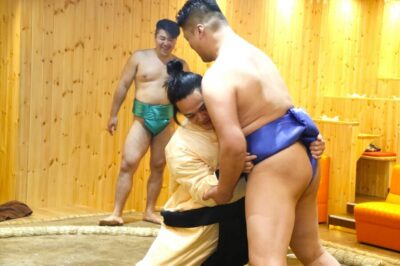
Sumo Show Experience with Chicken Hot Pot and a Photo
Read our review →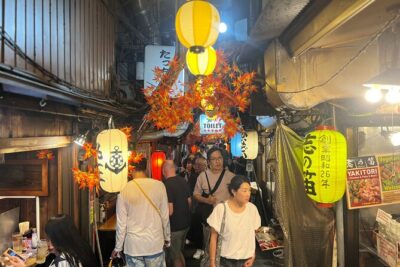
Shinjuku Food Tour (13 Dishes at 4 Local Eateries)
Read our review →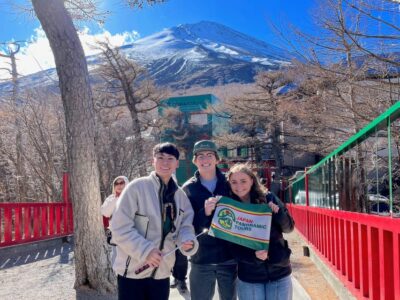
Tokyo Mt Fuji 5th St & Hakone Cruise Bus Tour w/Bullet Train
Read our review →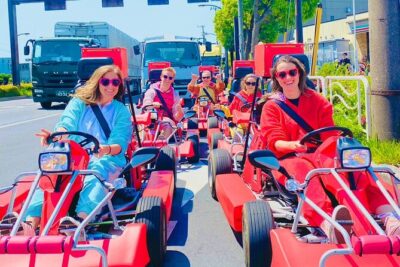
Flagship 2-Hours Official Street Go-Kart Tour – Tokyo Bay Shop
Read our review →Browse the lists this tour appears in