
Reviewed · TSUKIJI FISH MARKET TOURS
Tokyo Tsukiji Fish Market Tour and Sushi Making Lesson
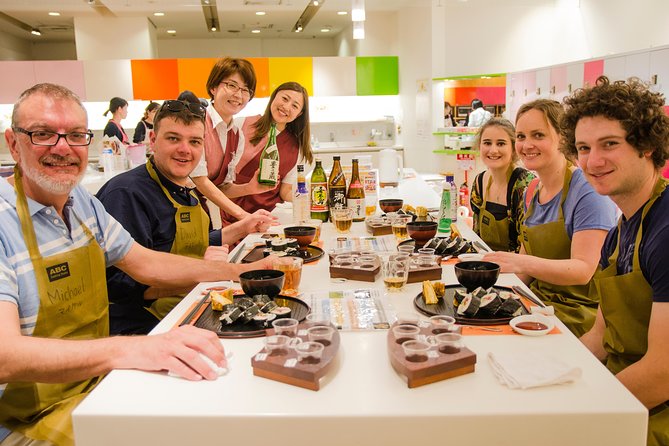
Tsukiji is best understood with a local guide beside you. The market’s narrow lanes can feel like a food maze, but guides such as Akiko, Lucy, Miho, Yoko, Nobu, and Shitomi have helped visitors find tastings, identify unfamiliar ingredients, and handle the language gap. After the walk, you take a short ride to a bright ABC Cooking Studio and make a Japanese meal.
I like the small maximum of six people, which gives you room to ask questions and work directly with the instructor. I also like the practical menu: sushi, tamagoyaki, miso soup, and other simple dishes you can try again at home.
The main caution is value. At $99.49, this is not a bargain market stroll, and the cooking lesson can feel basic if you already make sushi. The market walk and class are connected by transport, but the studio is not right beside Tsukiji.
Key points at a glance
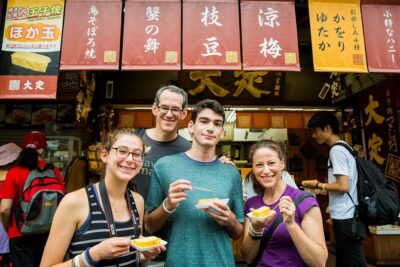
- Taste your way through Tsukiji Outer Market: Look for dried seafood, tamagoyaki, mochi, beans, and other local foods as your guide leads you through the lanes.
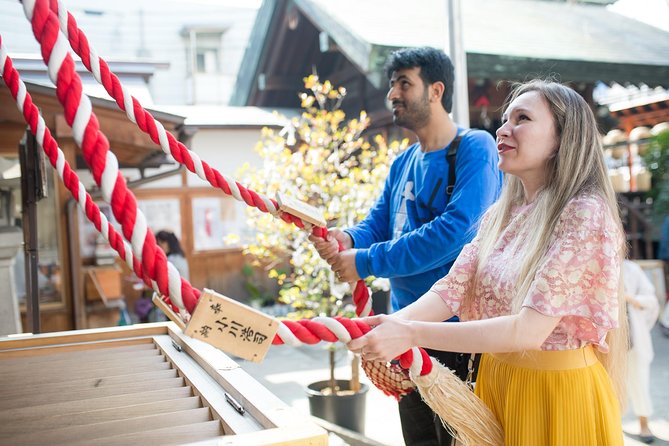
- See Tsukiji Hongwanji Temple: The short opening stop gives you a look at an unusual temple with South Asian and Indian design influences.
- Make a complete Japanese meal: The lesson typically covers rolled sushi, nigiri, tamagoyaki, miso soup, and side dishes.
- Get English help in a confusing market: Your guide explains foods, translates where needed, and points out places you might miss alone.
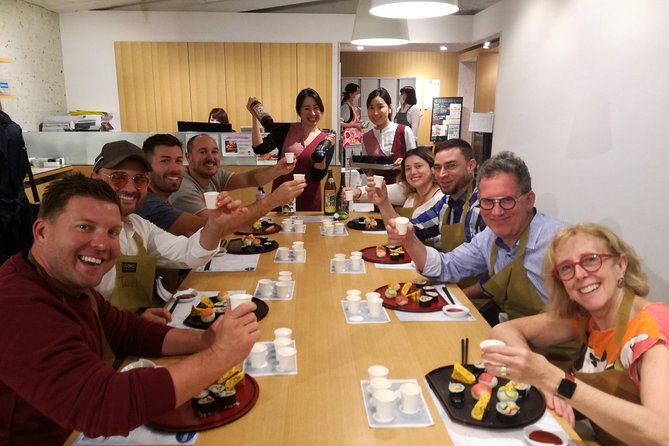
- Eat what you prepare: Lunch includes your finished dishes, with wine, plum sake, or soft drinks available.
- Keep the group personal: The tour runs with at least two people and has a maximum of six.
Starting at Tsukiji Hongwanji Temple
The meeting point is outside Tsukiji Hongwanji Temple, at 3-chōme-15-1 Tsukiji in Chuo City. This is a sensible place to begin because it is close to public transportation and gives you a clear landmark before you enter the market lanes.
The temple deserves a few minutes, even though the main activity is food. Its exterior has South Asian and Indian design touches, while the interior has a different Buddhist character. The stop lasts about five minutes, so think of it as a useful orientation point rather than a full temple visit.
I would arrive ready to walk and with your hands free. No strollers or luggage are allowed, and the tour moves through crowded shopping areas. You also need to meet the minimum age and height rules: participants must be at least nine years old and 4.2 feet, or 130 centimeters, tall.
More Sushi Making Classes in Tokyo
- Sushi Making Tokyo Roll and Authentic Japanese Sushi Class
★ 5.0 · 3,971 reviews - Tokyo: Roll and Authentic Sushi Making Class in Asakusa
★ 4.9 · 1,957 reviews - Tokyo: Sushi Making Class in a Happi Coat near a Famous Spot
★ 4.9 · 1,377 reviews
Finding the real Tsukiji in the outer market
The first substantial stop lasts about an hour, although the operator notes that the market portion may sometimes run closer to 70 minutes. You walk through Tsukiji Outer Market, the public shopping district that remains after the former wholesale market moved to Toyosu.
This distinction matters. You are not visiting the wholesale tuna auction, and watching the auction is specifically excluded. Instead, you see the retail side of Tsukiji, where small shops sell seafood, produce, dried goods, kitchen items, and ready-to-eat snacks.
That is still a strong Tokyo food experience. The lanes can be packed with displays of giant tuna, sea urchin, octopus, dried seafood, and other ingredients that may be unfamiliar. With an English-speaking guide, you can ask what something is, how it is used, and if it is worth trying before you buy it.
The best part is the guidance on where to sample. Guides including Akiko, Lucy, Miho, Yoko, Nobu, and Shitomi have been praised for showing visitors favorite stalls and helping them taste foods without wasting time. Depending on the day and season, you might encounter tamagoyaki served on a stick, dried scallops, beans, small dried crab, strawberry-filled red bean mochi, or other market foods.
You pay for your own market purchases if you choose to buy anything, since personal shopping is not listed as included. Still, the guide’s help has real value here. Tsukiji is easy enough to enter alone, but it is harder to know which unfamiliar item is worth your time, how to communicate with a vendor, or how to fit the market into a short morning.
Keep breakfast light. You will have lunch later, but the market is also the most tempting part of the tour for spontaneous eating. Several foods are offered in small portions, and you may want room to try them.
What the market walk does well, and where it is limited
I like the balance between seeing ingredients and tasting them. This is not just a photo stop. You get a quick look at the foods that shape Japanese cooking, then carry that awareness into the class.
The guide also helps the market feel less confusing. The lanes are close together, the displays change from shop to shop, and food names are not always obvious. An English-speaking guide can make the difference between walking past a stall and understanding why it matters.
Still, you should set your expectations correctly. This is a guided introduction, not a long food crawl or a private shopping trip. The schedule allows roughly an hour, and some of your time goes toward moving the group along. If you want to spend half a morning eating through Tsukiji, visit on your own at another time.
The market and cooking ingredients are not necessarily purchased together. The food you see and sample in Tsukiji may not be the exact food used later in class. That separation disappointed some participants who expected to shop for the ingredients they would prepare.
Taking transport to ABC Cooking Studio
After Tsukiji, transportation to the cooking studio is included. The route may involve a short bus ride, and the studio is in a different location from the temple and market. Some visitors have enjoyed walking through the Ginza area on the way, but the essential point is that you should allow for a change of setting.
ABC Cooking Studio is part of a large Japanese cooking-school network, with more than 90 studios in Japan and more than 150 locations across the wider region. The setting is modern, spacious, clean, and organized rather than rustic. That makes this lesson easy to follow, especially if you are cooking with children or have never handled sushi rice and tamagoyaki before.
An apron is provided, and drinking water is included. You do not need to bring cooking equipment. Since this is a working school, expect a structured lesson with an instructor showing each step rather than an open-ended kitchen session.
More sushi classes in Tokyo:
- Tokyo Sushi Making Class in Tsukiji with Professional Chef
★ 5.0 · 1,177 reviews - Tsukiji Fish Market Guided Tour and Sushi Making with Pro Chef
★ 5.0 · 775 reviews - Tokyo: Tsukiji Fish Market Sushi Making Class with Pro Chef
★ 4.9 · 506 reviews - Tokyo: Sushi Making Class
★ 4.9 · 390 reviews
Making sushi, tamagoyaki, and miso soup
The cooking portion lasts about 90 minutes. The exact recipes can change with the season, ingredient availability, and arrival status, so the photographs should not be treated as a fixed menu.
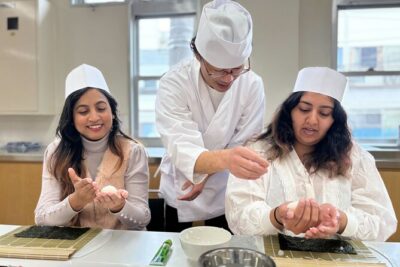
The typical lesson includes a sushi roll and tamagoyaki, the Japanese rolled omelet. Depending on the day, you may also make nigiri sushi, miso soup, stock, and side dishes. Some sessions include several styles of rolled sushi, while others may include sashimi or a broader sushi plate.
Tamagoyaki is often the most useful skill to take home. It looks simple, but creating the neat layers takes practice, and the class gives you a chance to handle the pan under supervision. One young participant became so interested in making it again that a tamagoyaki pan was wanted for home use.
The sushi work is hands-on, though the amount of individual practice can vary. You may shape rice, prepare fillings, roll maki, and assemble nigiri. If you have never made sushi, the lesson should give you a clear starting point. If you already prepare sushi regularly, the basic steps may not hold your attention for long.
The instructors are described as patient, friendly, and clear, with names such as Miwako, Miwa, Masayo, Hiromi, and Hiroko associated with different classes. English ability may vary between guide and cooking instructor, so do not expect a detailed lecture on every aspect of sushi culture. The focus is learning the techniques and eating the results.
Lunch makes the lesson feel complete
At the end, you sit down and eat what you prepared. That simple finish matters. You are not just practicing a few isolated motions, then leaving with a small sample. The lesson is built around making enough food for a lunch, usually with sushi, omelet, soup, and sides.
Drinks include your choice of wine, plum sake, or soft drinks, according to the tour information. Drinking water is also provided at the studio. The meal gives you time to see how the separate pieces fit together and to decide which recipes you would actually repeat at home.
The food portion is not a high-end sushi tasting. You are paying for instruction, market access, translation, transport, and a meal, not for a chef’s omakase. That distinction helps explain the price and also clarifies why some people find the tour worthwhile while others feel they did not make enough food for the cost.
Is $99.49 a fair price?
At $99.49 per person, the price is reasonable if you want a guided market introduction plus a cooking lesson in one morning. The fee covers the English-speaking guide, transport between Tsukiji and the studio, apron use, water, instruction, and the meal you prepare.
The value is strongest for first-time visitors to Tokyo, families, and people who want help navigating Japanese food. A guide can point out tastings, explain ingredients, and translate questions. You also avoid arranging separate transportation between the market and cooking school.
The value is weaker if you already know Tsukiji well or regularly make sushi at home. You can visit the outer market independently, and the cooking class is described by some participants as basic. The lesson is designed to make Japanese cooking approachable, not to train an experienced sushi chef.
A group of six is the maximum, with a minimum of two needed for the tour to operate. A small group can make the fee feel more worthwhile because you have a better chance to ask questions and receive direct help. If you book with friends or two families, put everyone on one reservation if you want to stay together. Separate bookings may not automatically be combined.
Who will enjoy this morning most?
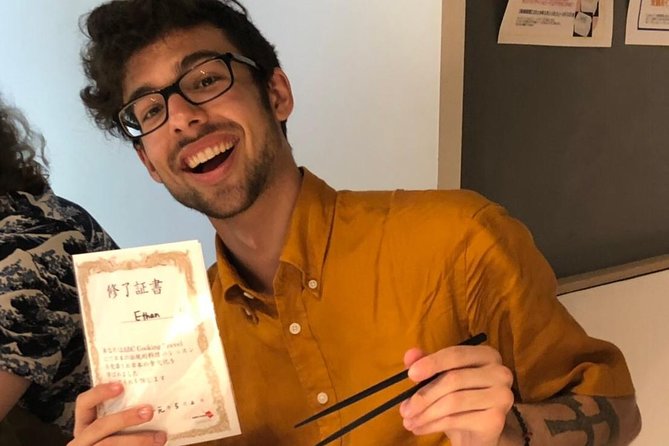
I would choose this tour for a family with older children, a couple who likes food, or a first-time Tokyo visitor who wants a guided introduction without spending a full day in a kitchen. The minimum age is nine, and the sushi-making format has worked well for children, teens, and adults cooking together.
It also suits people who want something more active than a tasting tour. You walk, sample, prepare food, and eat lunch. The small group size helps keep the pace personal without making the activity feel like a private class.
I would be more cautious if your main goal is the tuna auction, a long market breakfast, or advanced sushi instruction. The auction is not included, the market visit is limited, and the recipes focus on home-style techniques.
Weather and scheduling can also matter. The activity requires good weather, and poor conditions may lead to a new date or a full refund. If the minimum number of participants is not met, the operator may offer another date or experience, or provide a full refund.
Practical advice before you book
Wear comfortable shoes and arrive with no luggage. You will be walking through market lanes, then moving to another location for class.
Plan on about three hours from the temple meeting point to the end of the cooking session. The activity ends somewhere different from where it starts, so do not arrange a tight appointment at the temple afterward.
Tell the operator if you need alternate ingredients. Substitutions can be requested, but the menu changes with the season and available supplies. If you have food allergies or strong dislikes, raise the issue before the activity rather than waiting until class begins.
The operator may take photographs during the activity and use them on its website, social media, or advertisements. If that concerns you, ask about the photo policy at the start.
Free cancellation is available up to 24 hours before the local start time. Cancellations or changes made inside that window are not accepted for a refund.
Should you book this Tsukiji and sushi class?
Book it if you want a friendly, efficient introduction to Tokyo food, especially if you are new to Tsukiji or new to sushi making. The strongest combination is the guide-led market walk, useful tastings, and a practical class where you eat the dishes you prepare.
Skip it if you want the tuna auction, a serious sushi workshop, or a long market feast. For most beginners, though, the mix of market, transport, cooking, and lunch offers a pleasant half-day at a fair but not cheap price. The high 4.9 rating from 390 reviews and 97 percent recommendation reflect its main strengths: personable guides, patient instructors, and a fun class that can send you home ready to try tamagoyaki and sushi in your own kitchen.
FAQ
Where does the tour begin?
The tour begins outside Tsukiji Hongwanji Temple at 3-chōme-15-1 Tsukiji, Chuo City, Tokyo 104-8435, Japan.
How long does the experience last?
The full experience lasts approximately three hours. The temple stop takes about five minutes, the market visit about one hour, and the cooking lesson about 90 minutes.
Does the tour visit the tuna auction?
No. Tuna auction watching is not included. The activity visits Tsukiji Outer Market, the shopping and tasting area.
Is the guide English-speaking?
Yes. An English-speaking guide leads the market portion and helps with explanations and language barriers.
What foods will I make?
The typical menu includes a sushi roll and tamagoyaki. Depending on the season and ingredients, you may also make nigiri sushi, miso soup, stock, and side dishes.
Is lunch included?
Yes. You eat the food you prepare during the class. The listed drink choices are wine, plum sake, or soft drinks, and drinking water is provided at the studio.
How many people can join the tour?
The activity has a maximum of six participants. At least two guests are required for the tour to operate.
Are children allowed?
Children can participate if they are at least nine years old and at least 4.2 feet, or 130 centimeters, tall.
Can I cancel for a full refund?
You can cancel at least 24 hours before the experience start time for a full refund. If bad weather or an insufficient number of participants forces cancellation, you are offered another date or a full refund.
More Markets in Tokyo
- Tsukiji Fish Market: Street Food & Culture Walking Tour
★ 5.0 · 669 reviews - Tsukiji Fish Market Small-Group Food Walking Tour
★ 5.0 · 621 reviews - Tokyo Food Tour Taste Fresh Delights at Tsukiji Market
★ 5.0 · 429 reviews - Tsukiji Fish Market: Street Food & Culture Walking Tour
★ 4.8 · 259 reviews
More Fish Market Tours
- Tokyo Tsukiji Fish Market Food and Culture Walking Tour
★ 5.0 · 3,184 reviews - Tokyo: Tsukiji Fish Market Food and Walking tour
★ 5.0 · 1,724 reviews - Tokyo: Tsukiji Fish Market Guided Walking Tour
★ 4.9 · 1,397 reviews - Tokyo: Tsukiji Fish Market Food and Culture Walking Tour
★ 4.7 · 757 reviews
Just added around Tokyo
- Private Arrival Transfer : Narita International Airport to Central Tokyo City★ 4.5 · 12 reviews
- Narita Airport(NRT): Private Transfer to Tokyo/Yokohama 1-9pax★ 5.0 · 47 reviews
- Private Transfer from Narita Airport to Yokohama Port and City★ 4.5 · 17 reviews
- [Narita Airport Terminals 1, 2] 40-60km Sawara Itako Historic Bike Tour★ 5.0 · 13 reviews
- 3 Day Japan Highlights Tour: Tokyo, Mt.Fuji, Nara, Kyoto, Osaka★ 5.0 · 22 reviews
- Small Town in the Big City: Tasting Tokyo’s Kichijoji★ 5.0 · 195 reviews
- Small Town in the Big City: Tasting Tokyo’s Kichijoji★ 5.0 · 16 reviews
- The 10 Tastings of Tokyo With Locals: Private Street Food Tour★ 5.0 · 48 reviews
Tsukiji Fish Market Tours, compared.
Tokyo Tsukiji Fish Market Food and Culture Walking Tour
Read our review →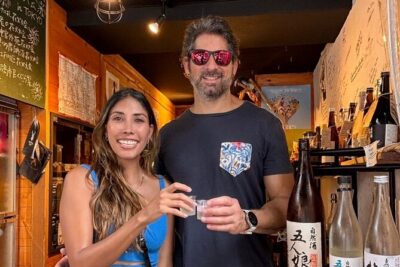
Tokyo Sushi Making Class in Tsukiji with Professional Chef
Read our review →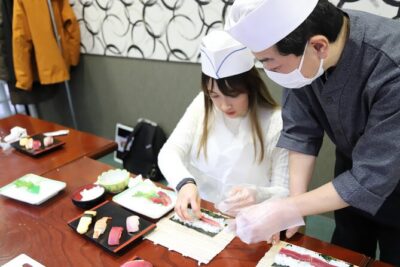
Tsukiji Fish Market Guided Tour and Sushi Making with Pro Chef
Read our review →Tsukiji Fish Market Food and Culture Walking Tour
Read our review →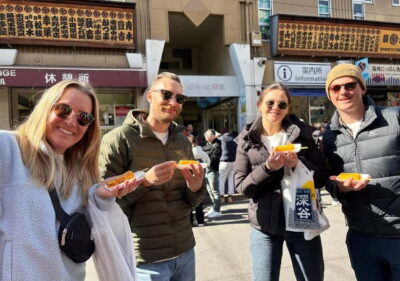
Tsukiji Fish Market: Street Food & Culture Walking Tour
Read our review →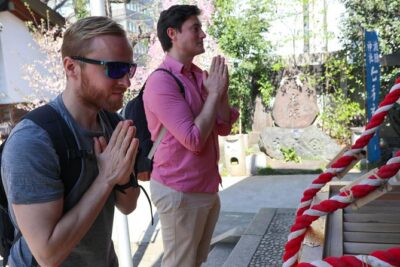
Tsukiji Fish Market Small-Group Food Walking Tour
Read our review →Browse the lists this tour appears in