
Reviewed · TOKYO TOURS
Tokyo: Roll and Authentic Sushi Making Class in Asakusa
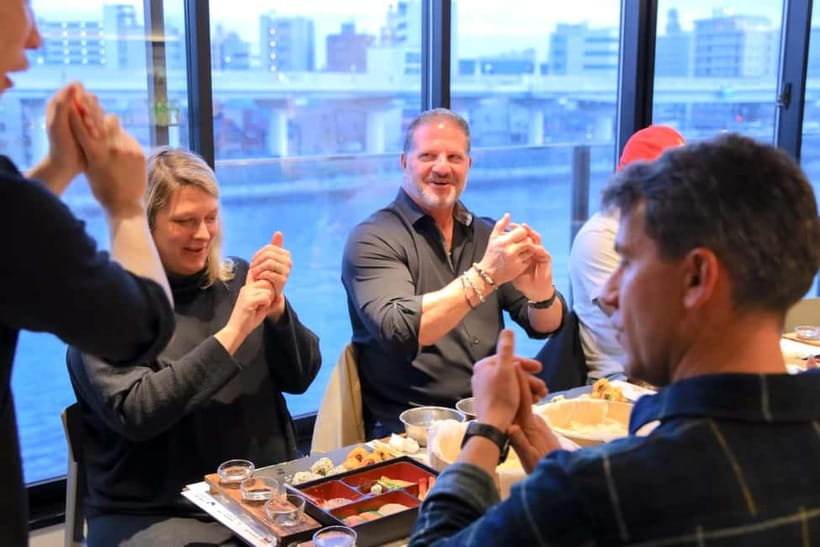
The best part of this Asakusa class is that you do not just watch someone prepare sushi. You make both maki rolls and nigiri, then eat what you shaped yourself. The lesson begins with a light quiz on sushi’s past, so you get a little Japanese food culture along with the practical work.
I like the friendly English-speaking instructors, who use humor, demonstrations, and patient corrections to help first-timers. I also like the setting: you are only about three minutes from Asakusa Station and close to Sensoji Temple and Tokyo Skytree. The one thing to consider is the pace. The advertised session lasts 100 minutes, but some classes can feel brisk, especially when the room is full.
Key points at a glance
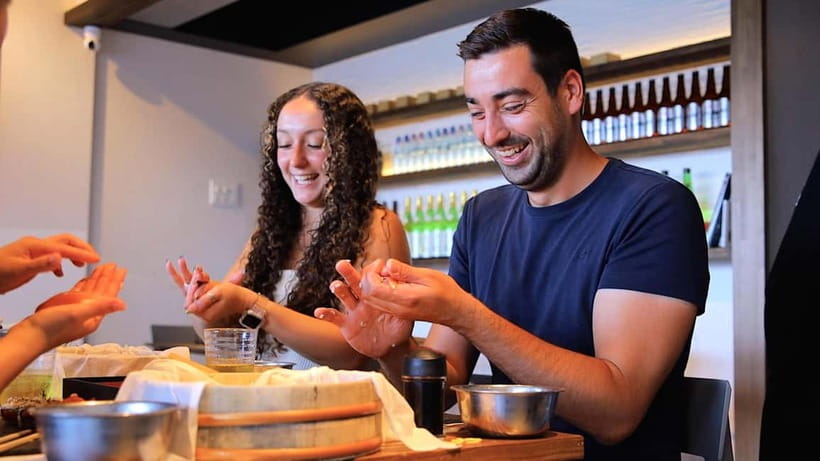
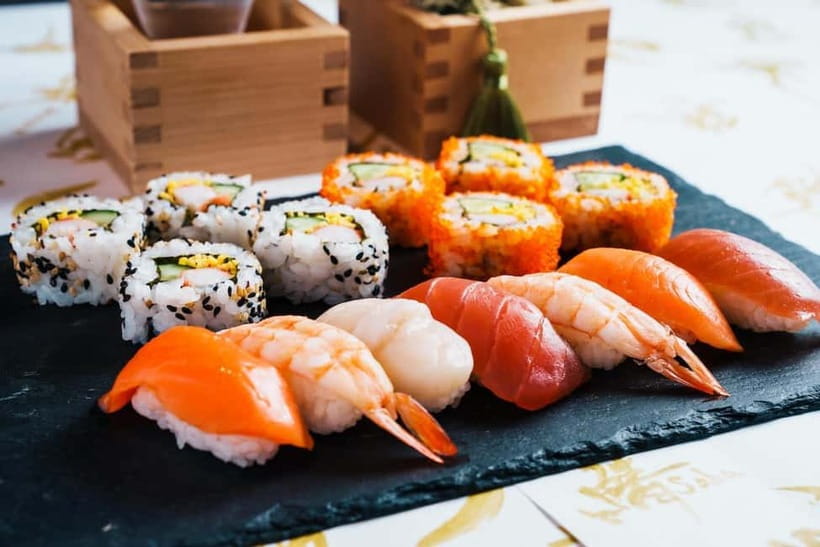
- Two classic forms of sushi: Prepare both rolled maki and hand-shaped nigiri.
- A playful history lesson: Learn how sushi developed through an interactive quiz rather than a long lecture.
- Strong teaching team: Instructors including Hitomi, Moe, Jun, Kaori, Ken, and others keep the class lively and easy to follow.
- Fresh, filling meal: The ingredients are included, and you eat the sushi you make.
- Excellent Asakusa location: The meeting point is a short walk from Asakusa Station, near Sensoji Temple.
- Dietary planning required: Vegan, vegetarian, gluten-free, halal, and allergy-friendly menu changes are available if requested during booking.
Starting near Sensoji Temple in Asakusa
This experience begins in one of Tokyo’s most useful sightseeing neighborhoods. Asakusa gives you old Tokyo atmosphere, Sensoji Temple, traditional streets, and a clear view toward Tokyo Skytree. The class location is about three minutes from Asakusa Station, which makes it easy to fit into a day of sightseeing without a long cross-city journey.
The location matters because the class works best as part of a larger Asakusa outing. You can visit Sensoji before or after, then walk to the sushi lesson without spending precious Tokyo time on transfers. If you are planning to see Skytree too, the class can serve as a food-focused stop between major sights.
The meeting point is described as easy to find, including directly across from Sensoji Temple. You do not get hotel pickup, so you need to make your own way there. That is a minor inconvenience, but in central Tokyo it is also normal, and the short distance from the station keeps the logistics simple.
More Sushi Making Classes in Tokyo
- Sushi Making Tokyo Roll and Authentic Japanese Sushi Class
★ 5.0 · 3,971 reviews - Tokyo: Sushi Making Class in a Happi Coat near a Famous Spot
★ 4.9 · 1,377 reviews - Tokyo Sushi Making Class in Tsukiji with Professional Chef
★ 5.0 · 1,177 reviews
A quiz that turns sushi history into a game
The opening lesson covers sushi history through an interactive quiz. This is a smart choice for a short cooking class. Instead of asking you to sit through a formal talk, the instructors use questions, humor, and audience participation to explain how sushi has changed over time.
You will learn about the difference between traditional and more modern forms of sushi. The quiz also gives useful context for the two dishes you are about to prepare. Maki and nigiri are not simply two shapes of the same food, and understanding that distinction makes the hands-on part more interesting.
The teaching style is energetic. Names that come up among the instructors include Jun, Hitomi, Moe, Kaori, Ken, and Hide. The exact teaching team may vary, but the pattern is consistent: one person leads the explanation while other helpers move around the room, offer tips, and help you keep up.
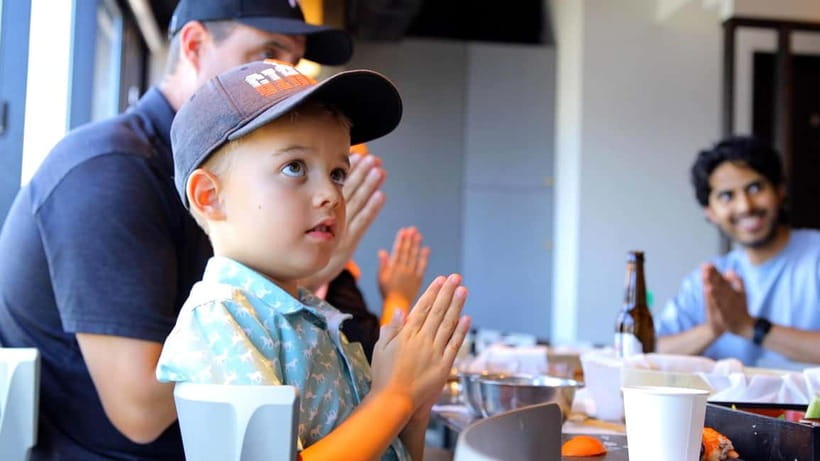
I like this format for families and mixed groups because nobody needs prior sushi knowledge. Children and teenagers can take part in the quiz, while adults get a quick lesson in Japanese food culture. The class is lighthearted rather than solemn, so do not expect the quiet, formal mood of a traditional sushi counter.
Making maki rolls without needing kitchen experience
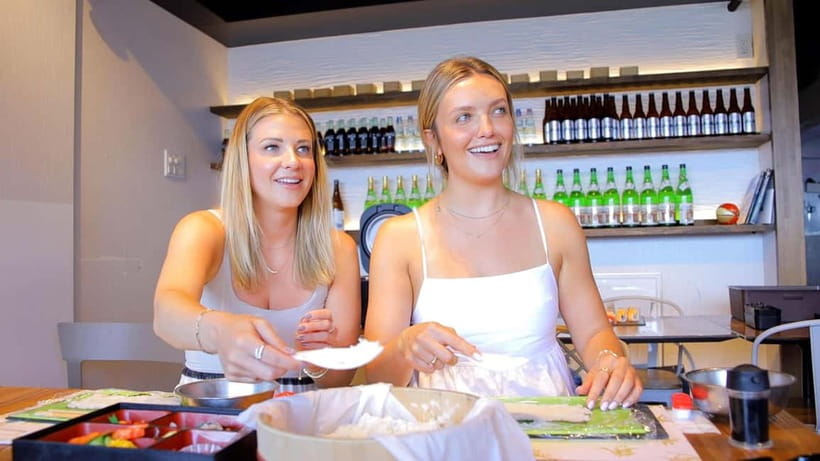
The first major hands-on task is maki sushi, the rolled style most familiar to many people outside Japan. You work with rice and fillings, arrange the ingredients, and roll everything together. The instructors demonstrate the process and then guide you through your own attempt.
Making a neat roll is harder than it looks. The rice needs to be spread evenly, the fillings need to stay in place, and the roll needs enough pressure to hold its shape without being crushed. This is where the helpers matter. They show you the movements, correct small mistakes, and help you produce something that looks good enough to photograph before you eat it.
The class uses physical examples and clear directions, which helps when spoken instructions alone are not enough. You can watch the method, copy it, and then make adjustments as you go. That hands-on rhythm is better than a demonstration where you never touch the ingredients.
You should expect some uneven rolls. That is part of the fun, and the instructors do not require professional results. The payoff comes when you cut the roll and see the pattern inside. Even a slightly crooked maki can taste excellent.
Shaping authentic Japanese nigiri
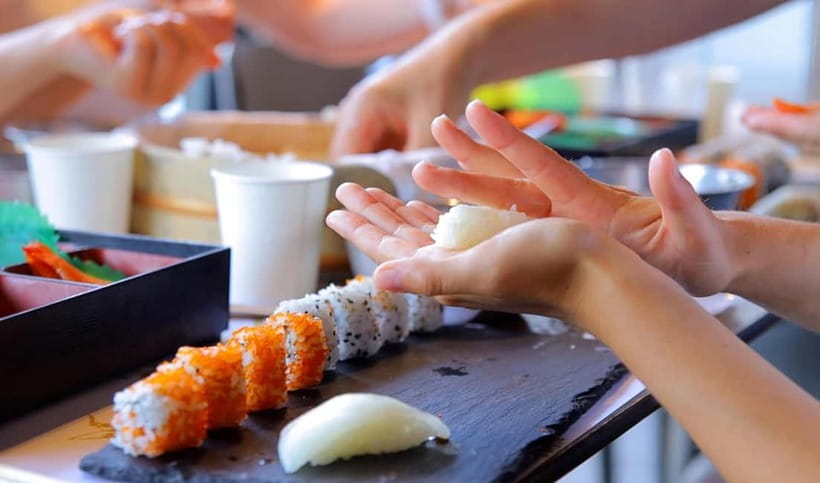
Next comes nigiri, the compact style made by shaping rice and placing a topping over it. This is a different skill from rolling maki. The rice has to be formed gently, and the finished piece should hold together while still feeling light rather than tightly packed.
The instructors explain the process step by step, then let you practice. This is where patience helps. Several people describe the class as easy to follow but slightly more difficult than it first appears, especially when trying to make sushi look polished.
The lesson is not designed to turn you into a professional sushi chef in one sitting. It gives you a useful introduction to the basic movements and proportions. You leave with a better understanding of why skilled sushi chefs make the work look effortless.
The ingredient quality is an important part of the experience. The fish and other components are described as fresh and high quality, and the final meal is a major reason the class feels worthwhile. You are not making a decorative sample and then leaving for lunch. You eat a substantial amount of the maki and nigiri you prepared.
More sushi classes in Tokyo:
- Tsukiji Fish Market Guided Tour and Sushi Making with Pro Chef
★ 5.0 · 775 reviews - Tokyo: Tsukiji Fish Market Sushi Making Class with Pro Chef
★ 4.9 · 506 reviews - Tokyo: Sushi Making Class
★ 4.9 · 390 reviews - Tokyo Tsukiji Fish Market Tour and Sushi Making Lesson
★ 5.0 · 390 reviews
Eating your own sushi at the end
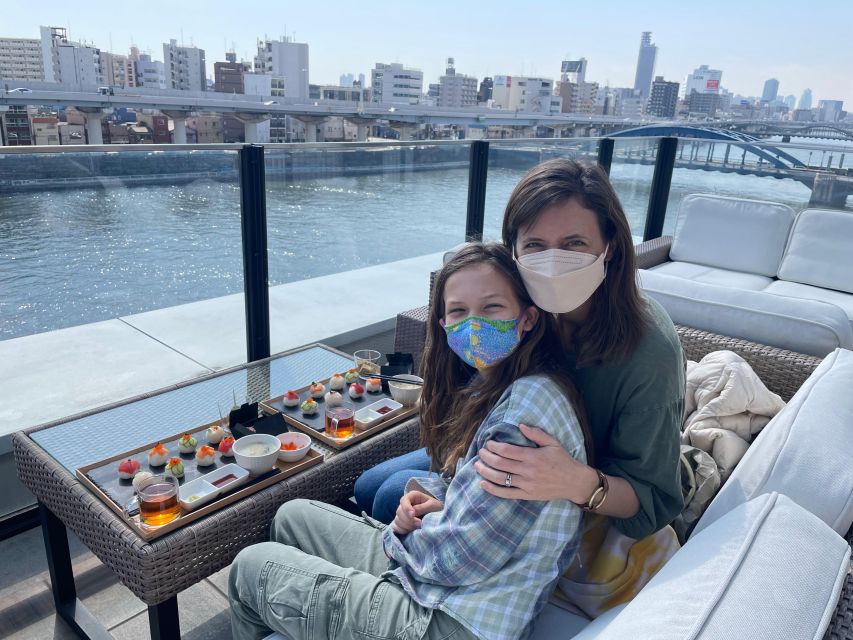
The meal at the end is the class’s most satisfying moment. You have handled the ingredients, struggled with the rolling, shaped the nigiri, and then get to taste the result. That simple connection between effort and food makes the activity memorable.
Several details make this more than a quick photo opportunity. The food is included in the $58 price, and the portions are generally described as enough to fill you. One person wanted a little more rice, so very hungry diners should not assume this will replace a large restaurant dinner. Still, most people should leave well fed, especially because you are eating both types of sushi.
Sake flights and beer may also be available, according to one recent account. Treat those as optional additions rather than part of the advertised package, since the included items are the cooking class, ingredients, and instructor.
I would schedule this class around lunchtime or in the afternoon. It works well as a meal and an activity at once, and you can continue exploring Asakusa afterward. If you are visiting with children, the food-making keeps them involved better than a long restaurant meal might.
Why the instructors make a difference
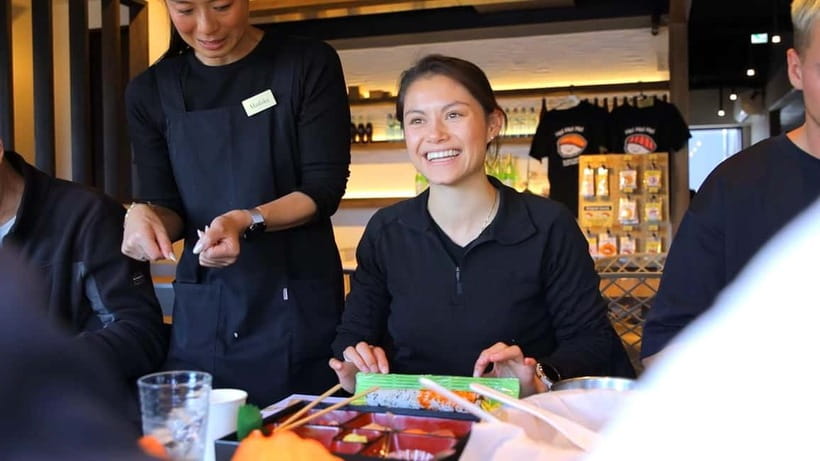
The strongest feature here is the teaching style. Instructors such as Hitomi, Moe, Jun, Kaori, Ken, and Hide are repeatedly described as cheerful, patient, funny, and encouraging. That matters because sushi preparation has several small steps, and a rushed or unclear explanation would quickly make the class frustrating.
The lead presenter keeps the group moving, while assistants help individuals at the tables. Solo participants are welcome, and the group format makes it easy to meet people without forcing awkward conversation. One solo participant found the atmosphere comfortable, while an early session with fewer people allowed for especially close attention.
The English instruction is another practical advantage. You do not need to know Japanese to follow the class. Demonstrations, examples, and hands-on help support the spoken explanations, which is useful for children and for anyone who finds cooking vocabulary difficult in a second language.
The tone is intentionally lively. You may encounter clapping, jokes, and a strong sense of group participation. Most people will enjoy that energy, but one person found it a little more tourist-oriented than traditionally Japanese. I think that is a fair warning. This is an accessible cultural activity made for international visitors, not an apprenticeship at a quiet sushi restaurant.
Is $58 a fair Tokyo price?
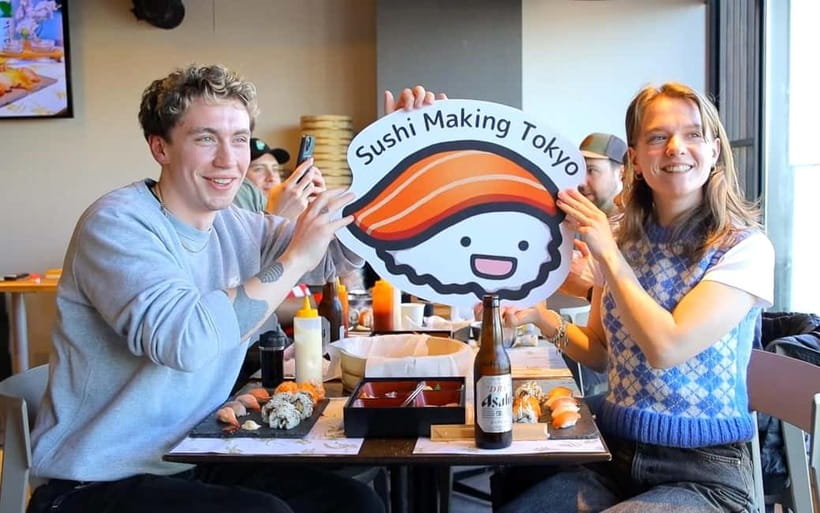
At $58 per person, this is not the cheapest way to eat sushi in Tokyo. You can find a simple sushi meal for less, especially away from central sightseeing districts. But that comparison misses what you are paying for.
The price includes instruction, ingredients, and the meal you make. You also receive a short cultural lesson, English guidance, a structured activity, and a convenient location near major sights. If you value an experience you can share with a partner, family, or friends, the price is easier to justify.
The class is especially good value for people who might otherwise book a separate food tour and lunch. Here, the meal is part of the activity, and you get the added satisfaction of making it yourself. It is also a useful choice on a rainy day, when an indoor activity gives your sightseeing schedule some balance.
I would think twice if you only want the best possible sushi meal. A specialist restaurant is the better choice for that. Book this class when you want food, instruction, and a social activity in one package.
Timing, group pace, and what to plan around it
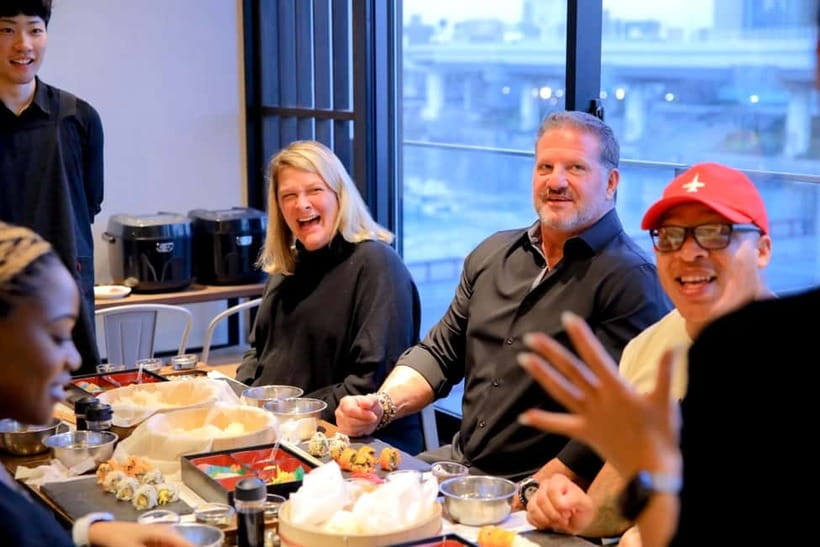
The stated duration is 100 minutes. That is enough time for the quiz, demonstrations, two kinds of sushi, and eating, but it is not a relaxed half-day workshop.
Accounts of the length vary, with some describing around 80 minutes and others closer to two hours. The difference may come from class flow, group size, or extra time at the meal. I would keep your schedule flexible and avoid placing a tightly timed attraction immediately afterward.
The class can feel slightly rushed when everyone is working at once. If you want the most personal attention, an earlier starting time may help. One person found an early session quieter and almost like a private lesson. That is not guaranteed, but it is a useful scheduling idea.
You should also arrive ready to participate. This is not a sit-back demonstration. You will be touching ingredients, following instructions, and making several pieces of sushi in a limited period. The more closely you watch the first demonstration, the easier the rest becomes.
Dietary requests need advance planning
The menu can be changed for vegan, vegetarian, gluten-free, halal, and allergy needs. Meat, nuts, fruits, and dairy are not used in the standard ingredient list provided for this activity.
You must request a menu change when you reserve. The staff cannot respond to same-day requests, and they do not accept detailed ingredient specifications beyond the listed dietary categories. If you have a serious allergy, read those limits carefully before paying and contact the provider during the reservation process.
Vegetarian diners have been accommodated successfully, which makes this a practical choice for mixed groups. One person can take a vegetarian version while others prepare the regular menu. Still, do not wait until the morning of the class to mention it.
The activity is wheelchair accessible. Hotel transfers are not included, so you will need to arrange transportation to the central Asakusa meeting point.
Who will enjoy this class most?
I would recommend it first to families, couples, solo visitors, and groups of friends who want a shared activity rather than another meal at a table. Children and teenagers can take part, and the instructors’ humor keeps the lesson from feeling like school.
It also suits first-time visitors who want a manageable introduction to Japanese food customs. You learn the basic difference between maki and nigiri, hear some background on sushi, and get to practice rather than simply watch.
Solo participants should not feel out of place. The group setup encourages interaction, and the instructors help create a welcoming atmosphere. If you prefer a quiet, highly traditional meal, though, the upbeat presentation may not be your style.
I would also choose it for a rainy afternoon in Tokyo, a family day near Sensoji, or a final-day activity that leaves you with a skill you can try at home. One person left eager to make sushi again, which is perhaps the best measure of a cooking class.
Booking details worth knowing
The price is $58 per person, and the class lasts 100 minutes according to the activity details. Cooking instruction, ingredients, and an instructor are included. Hotel pickup and drop-off are not.
The meeting point is about three minutes from Asakusa Station. English is the listed teaching language, and the activity is wheelchair accessible. You can cancel up to 24 hours before the start for a full refund, and the reserve-now, pay-later option lets you hold a place without paying immediately.
Because dietary changes must be arranged in advance, this is one of the first things I would handle when booking. I would also allow extra time before the class to find the meeting point, particularly if you are navigating Asakusa for the first time.
Should you book the Asakusa sushi class?
Book it if you want a friendly, hands-on introduction to sushi with a meal included. The combination of maki, nigiri, fresh ingredients, English instruction, and a central Asakusa location gives you a lot for 100 minutes.
Choose another option if you want an intimate, traditional sushi-counter experience or a slow professional cooking workshop. This class is lively and designed for broad appeal, with humor and group participation rather than formal ceremony.
For most visitors, I see it as a strong Tokyo activity, especially with children, teenagers, or anyone who likes learning by doing. The pace is the only real caution. If you can accept a little bustle at the table and prepare your dietary requests early, this is a tasty and memorable way to spend part of an Asakusa day.
FAQ
Where does the sushi class meet?
The meeting point is about three minutes from Asakusa Station, close to Sensoji Temple and Tokyo Skytree.
How long does the activity last?
The stated duration is 100 minutes. Some participants describe sessions lasting around 80 minutes to two hours, so keep your schedule flexible.
What types of sushi will I make?
You will make two types: maki sushi, which is rolled sushi, and nigiri sushi, which is hand-shaped rice with a topping.
Is the class taught in English?
Yes. English-speaking instructors lead the activity, and English is the listed teaching language.
Is food included in the price?
Yes. The cooking class, ingredients, and instructor are included, and you eat the sushi you prepare.
Can the menu accommodate dietary needs?
Yes. Vegan, vegetarian, gluten-free, halal, and allergy-related menu changes are available when requested during reservation. Same-day changes are not accepted.
Can I cancel the booking?
You can cancel up to 24 hours in advance for a full refund. A reserve-now, pay-later option is also available.
More Workshops in Tokyo
- Tokyo Shinjuku Chopsticks Making Class
★ 5.0 · 1,763 reviews - Chopstick Making Workshop in Ginza
★ 4.8 · 1,366 reviews - Ramen & Gyoza Cooking Class in Tokyo with Local Supermarket Visit
★ 5.0 · 823 reviews - Matcha Making Class in Tokyo with Authentic Japanese Sweets Set
★ 5.0 · 744 reviews
Just added around Tokyo
- Private Arrival Transfer : Narita International Airport to Central Tokyo City★ 4.5 · 12 reviews
- Narita Airport(NRT): Private Transfer to Tokyo/Yokohama 1-9pax★ 5.0 · 47 reviews
- Private Transfer from Narita Airport to Yokohama Port and City★ 4.5 · 17 reviews
- [Narita Airport Terminals 1, 2] 40-60km Sawara Itako Historic Bike Tour★ 5.0 · 13 reviews
- 3 Day Japan Highlights Tour: Tokyo, Mt.Fuji, Nara, Kyoto, Osaka★ 5.0 · 22 reviews
- Small Town in the Big City: Tasting Tokyo’s Kichijoji★ 5.0 · 195 reviews
- Small Town in the Big City: Tasting Tokyo’s Kichijoji★ 5.0 · 16 reviews
- The 10 Tastings of Tokyo With Locals: Private Street Food Tour★ 5.0 · 48 reviews
Tokyo Tours, compared.

Mt Fuji and Hakone 1-Day Bus Tour Return by Bullet Train
Read our review →

teamLab Planets TOKYO Digital Art Museum Entry Ticket
Read our review →
Mt Fuji & Hakone Cruise, Drum Show Bullet Train 1 Day from Tokyo
Read our review →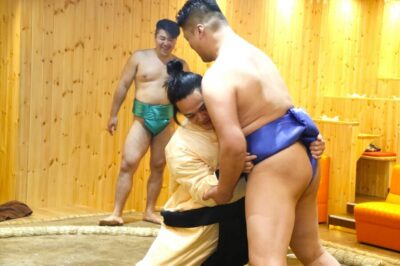
Sumo Show Experience with Chicken Hot Pot and a Photo
Read our review →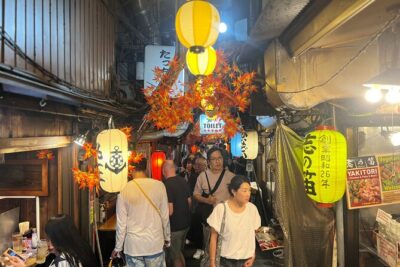
Shinjuku Food Tour (13 Dishes at 4 Local Eateries)
Read our review →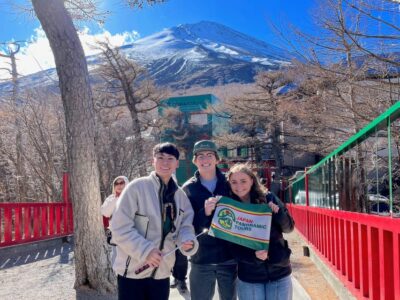
Tokyo Mt Fuji 5th St & Hakone Cruise Bus Tour w/Bullet Train
Read our review →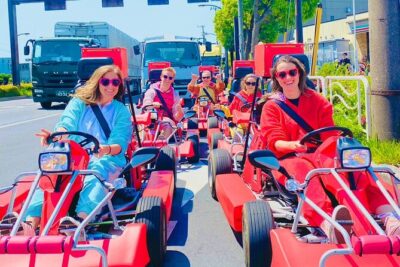
Flagship 2-Hours Official Street Go-Kart Tour – Tokyo Bay Shop
Read our review →Browse the lists this tour appears in