
Reviewed · TOKYO TOURS
Tokyo: Sushi Making Class
Sushi becomes much less mysterious when you make several kinds in one sitting. At Cooking Sun Tokyo, you learn the rice, fillings, rolling, and hand-shaping behind nigiri, inari, hosomaki, and California rolls, then eat the results with miso soup.
I like the small group of up to nine, which leaves room for patient, step-by-step help. I also like the cultural detail woven into the cooking, from dashi and seasonings to the background of each dish. The main consideration is that fish comes pre-sliced, so this is a sushi assembly and preparation class, not a lesson in cutting raw fish.
Key points at a glance
- Four sushi styles in one class: Make hand-pressed nigiri, sweet tofu pouch inari, thin hosomaki rolls, and California rolls.
- Rice gets proper attention: Learn how sushi rice is prepared, one of the most useful skills to take home.
- More than sushi: Prepare tamagoyaki and miso soup while learning about dashi and Japanese seasonings.
- English-speaking instruction: Demonstrations and clear explanations make the class suitable for first-time cooks.
- A residential Tokyo setting: Find Cooking Sun Tokyo on the second floor of a beige building in Shinanomachi, Shinjuku.
- Good dietary flexibility: Allergies, gluten-free diets, vegetarian preferences, and religious restrictions can be accommodated when reported during booking.
Why this three-hour class works so well
Many sushi classes focus on one simple roll, take little more than an hour, and send you on your way. This one gives you an afternoon to understand several forms of sushi and the supporting dishes that make a Japanese meal feel complete.
The pace matters. You watch a demonstration, try the technique yourself, and get help before moving on. That format keeps the class friendly for beginners while still giving experienced home cooks useful tips.
I especially value the attention given to sushi rice. Rice is the quiet foundation of good sushi, and it is easy to treat it as an afterthought. Here, you learn how it is prepared before working with the toppings and fillings.
The class also places sushi in a wider Japanese food setting. You learn about dashi, traditional seasonings, miso soup, and tamagoyaki rather than treating sushi as a collection of decorative rolls. That makes the afternoon feel like a Japanese cooking lesson, not just a craft activity.
More Sushi Making Classes in Tokyo
- Sushi Making Tokyo Roll and Authentic Japanese Sushi Class
★ 5.0 · 3,971 reviews - Tokyo: Roll and Authentic Sushi Making Class in Asakusa
★ 4.9 · 1,957 reviews - Tokyo: Sushi Making Class in a Happi Coat near a Famous Spot
★ 4.9 · 1,377 reviews
Finding Cooking Sun Tokyo in Shinanomachi
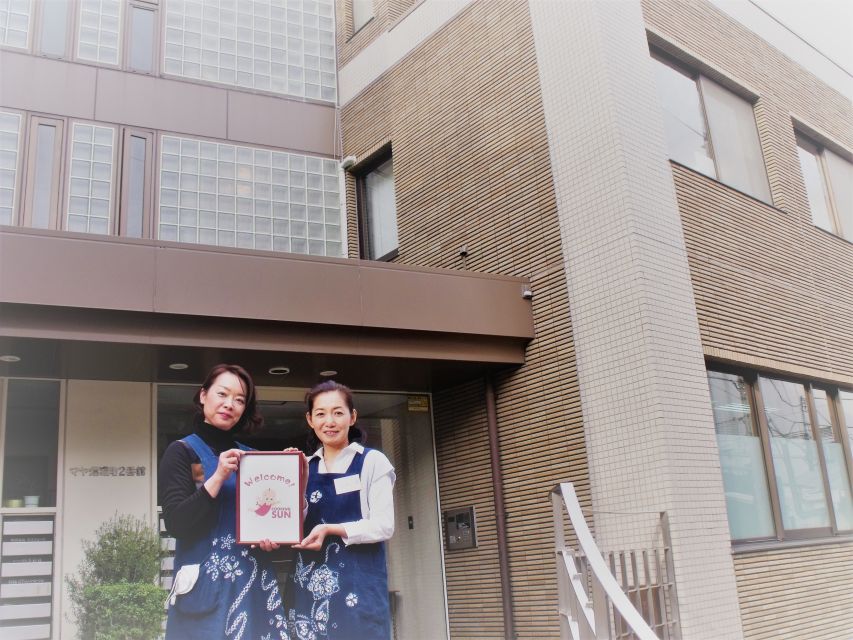
The studio sits in a residential part of Shinjuku rather than inside a large tourist complex. That gives the experience a local neighborhood feel, but it also means you need to take the directions seriously.
With Wi-Fi, search Google Maps for Cooking Sun Tokyo, using the address Shinanomachi 18-39, Shinjuku-ku, Tokyo. The building is beige and the studio is on the second floor. At street level, you will see two doors. Use the door on the right and press 314 on the intercom.
Do not assume you can spot a large cooking-school sign from the street. The location can be easy to miss, so check the detailed directions before leaving your hotel. If you do not have Wi-Fi, prepare the route in advance.
If you arrive by a privately arranged car, ask the driver not to wait outside the building. This is a quiet residential neighborhood. A nearby coin-operated parking lot is the proper place for a driver to wait.
The lack of hotel pickup is worth noting. You arrange your own transportation, and you should allow extra time to locate the entrance. Once inside, the residential setting becomes part of the charm rather than a problem.
Starting with dashi, seasonings, and Japanese food basics
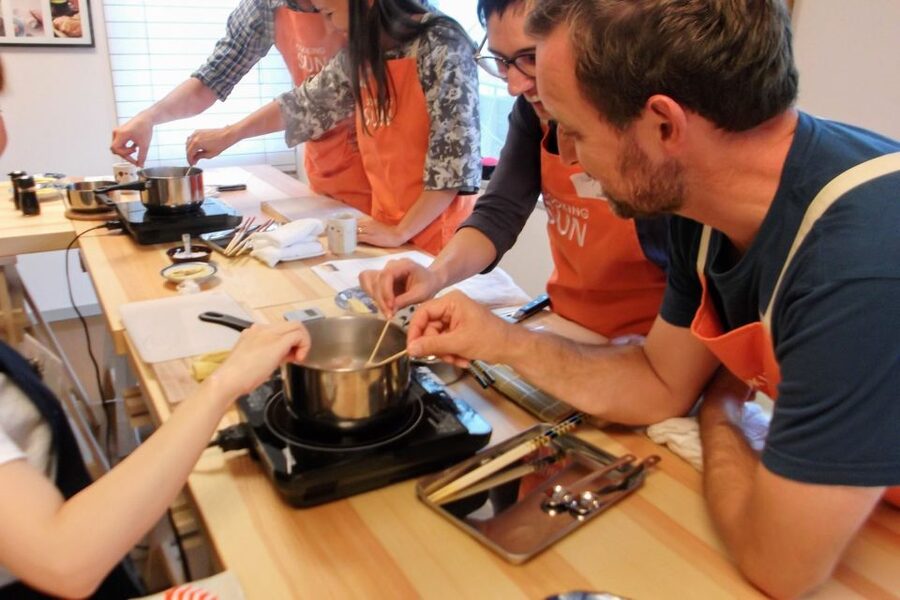
The class begins with an introduction to key Japanese ingredients. Dashi, the soup stock used in many Japanese dishes, gets attention alongside traditional seasonings and miso soup.
This opening section gives you useful context before the hands-on work starts. You begin to understand why Japanese cooking can taste layered even when the ingredient list looks short. It also helps you recognize the difference between the flavor of the rice, the seasoning in the fillings, and the savory base of the soup.
The instructors add cultural and language information during the lesson. That can include the background of the dishes and the meaning of particular food terms. The result is a broader picture of Japanese food culture without turning the class into a formal lecture.
English is the teaching language, and the instruction is aimed at people with no prior sushi experience. The cooking is explained in stages, so you do not need to arrive knowing the difference between nigiri and hosomaki.
Tamagoyaki brings a different kind of challenge
Before the sushi assembly, you try tamagoyaki, the rolled Japanese omelet. It looks simple, but the technique asks for control and patience as you build the omelet in layers.
This is a smart part of the class because it breaks up the rice and rolling work. You handle a cooked dish with a different texture and learn another common Japanese kitchen skill.
The instructors demonstrate each step, then let you try. If your omelet is not perfect, the point is to understand the movement and seasoning rather than produce a restaurant display piece. That relaxed approach helps first-time cooks stay comfortable.
More sushi classes in Tokyo:
- Tokyo Sushi Making Class in Tsukiji with Professional Chef
★ 5.0 · 1,177 reviews - Tsukiji Fish Market Guided Tour and Sushi Making with Pro Chef
★ 5.0 · 775 reviews - Tokyo: Tsukiji Fish Market Sushi Making Class with Pro Chef
★ 4.9 · 506 reviews - Tokyo Tsukiji Fish Market Tour and Sushi Making Lesson
★ 5.0 · 390 reviews
Preparing sushi rice and toppings
The rice preparation is one of the most important stages. You learn the proper method for making sushi rice, then prepare toppings and fillings such as shrimp before assembling the different types of sushi.
The class uses pre-sliced fish, so you do not learn how to break down or cut raw fish. This is a clear limitation for anyone hoping to study knife work or professional sushi preparation.
It is also a practical choice for a beginner class. You can concentrate on rice texture, portioning, shaping, and rolling without adding a separate raw-fish lesson. If your main goal is to make sushi at home, these are the skills you are most likely to use right away.
The ingredients and utensils are supplied, and an apron and towel are available to rent. You do not need to arrive with cooking equipment or special supplies.
Making nigiri, inari, hosomaki, and California rolls
The main cooking section covers four distinct sushi styles. Each one teaches a different technique.
Nigiri is hand-pressed sushi. You learn to form the rice and place the topping neatly without crushing the grains. It is a small but useful lesson in pressure and portion size.
Inari uses a sweet tofu pouch filled with rice. Its shape is more forgiving than nigiri, and the sweet-savory flavor gives you a pleasant contrast to the fish-based pieces.
Hosomaki, or thin rolls, require control with the nori and rice. You learn how much filling to use and how to roll firmly enough to hold the shape without squeezing everything out.
The class also includes a California roll, a familiar style for many first-time sushi makers. It provides a useful bridge between the sushi you may already know and the Japanese techniques behind it.
You are encouraged to experiment after learning the basics. Local ingredients can inspire your own combinations, though the exact selection of ingredients can vary. The important lesson is that sushi is not limited to one fixed formula.
The instructors demonstrate the process before you begin, then circulate to help. That balance has been a major strength of the class. You get enough time to work with your own hands, but you are not left guessing when a roll splits or the rice sticks.
A generous meal at the end
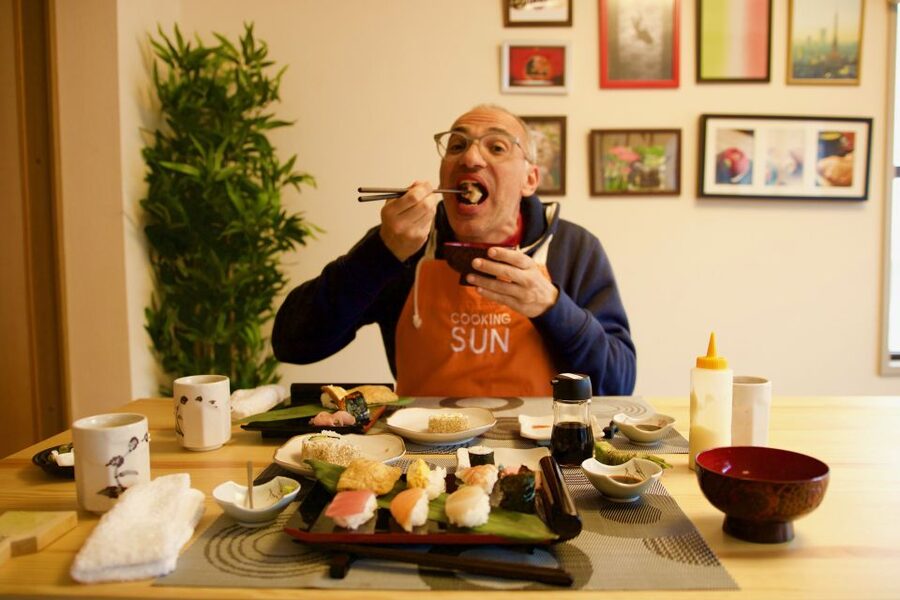
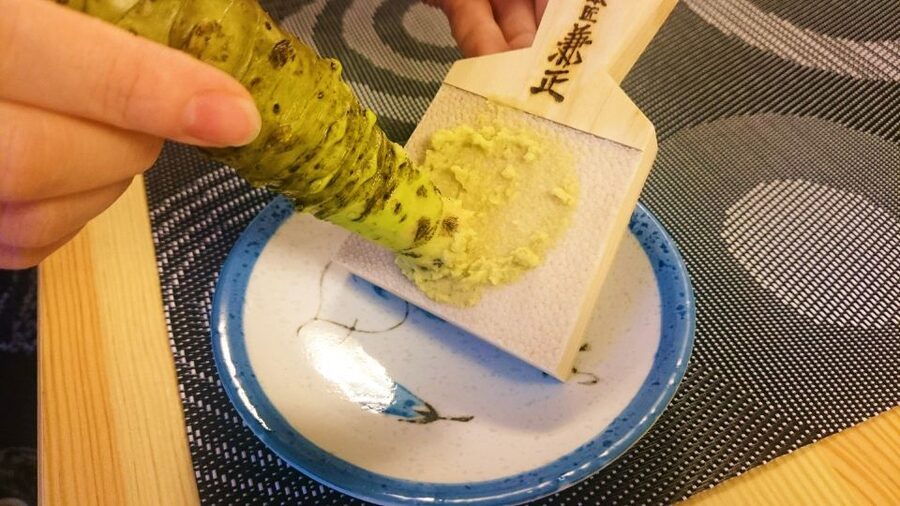
The final meal is part of the value. You sit down and eat the sushi you have made, along with miso soup, fresh wasabi, and pickled ginger.
The portion can be substantial. Plan to arrive ready to eat, since you may finish with enough food to count as a full meal. Several people have found they did not need dinner afterward, so you may want to schedule the class as your main afternoon meal rather than squeezing it between lunch and dinner.
Eating together also changes the mood. You are not simply taking a finished product home. You see the complete result of the work, compare shapes and techniques, and enjoy the food while the instructions are still fresh in your mind.
Tea or sake is not listed as part of the experience, so do not book this expecting a drinks pairing. The focus is firmly on cooking and eating the sushi.
Small groups make the instruction personal
The maximum group size is nine. In practice, smaller sessions can feel almost private, especially when only a few people are booked.
That size suits the class well. Sushi involves small movements, and you benefit from having an instructor close by when shaping rice or rolling nori. A crowded room would make the hands-on element less useful.
The instructors are English-speaking and have been praised for clear explanations, patience, and a warm manner. Named instructors have included Mika, Miki, Yuko, Aya, Koyotama, and Yuki, though the teaching team can vary by date.
The class also works well for families. Children have been welcomed with patience, including a seven-year-old sushi fan and a toddler. Teenagers can take part rather than simply watch, and adults who cook regularly still have room to learn new techniques.
The small group is particularly helpful if you have food restrictions. The kitchen can substitute ingredients for allergies, celiac disease, gluten-free diets, vegetarian preferences, religious restrictions, and other dietary needs. Tell the provider when you book, not when you arrive.
What the $67 price really includes
At $67 per person, this is not the cheapest food activity in Tokyo. The price makes more sense when you count the three-hour duration, the instructor’s time, all ingredients and utensils, apron and towel rental, the meal, and the recipes you take home.
You also make several dishes rather than one basic roll. That gives you more practice and a better chance of remembering the techniques later.
The recipes are a useful extra. You can recreate the sushi and related dishes after your trip, and one participant had already made the food again at home. That turns the experience into something more lasting than a meal you eat once.
Compared with a short, crowded workshop, the longer format offers better room for questions and correction. If you only want to make one roll for a photograph, you can spend less elsewhere. If you want instruction, food, and a cultural lesson in one afternoon, the price is fair.
A full meal also helps the calculation. Sushi in Tokyo can quickly become expensive, especially when ordering several styles. Here, you pay for the lesson and produce your own generous plate at the end.
Who should book this sushi class
This is a strong choice for first-time sushi makers. The class begins with the basics, uses clear demonstrations, and provides help throughout. You do not need cooking experience.
It also suits families, couples, solo visitors, and small groups of friends. The social setting gives solo participants a natural way to meet people, while families get an activity that children can take part in directly.
Home cooks should not dismiss it as too basic. The rice, tamagoyaki, ingredient explanations, and shaping methods offer useful detail even if you have rolled sushi before.
You may want a different experience if your main aim is raw-fish knife work. Since the fish is pre-sliced, this class does not teach fish cutting. It also is not designed as a high-end sushi tasting or a sake event.
Give yourself extra time to reach the studio. The only real logistical nuisance is finding the residential entrance, and rushing through that part could start the afternoon badly.
Booking details to keep in mind
The experience lasts three hours, with starting times depending on availability. It is taught in English and limited to nine participants.
Recipes, ingredients, utensils, and towel and apron rental are included. Hotel pickup and transportation are not included.
You can cancel up to 24 hours before the activity for a full refund. A reserve-now, pay-later option is also available, which helps if your Tokyo schedule is still changing.
Dietary requirements must be provided at booking. The provider is willing to substitute ingredients, but advance notice is the sensible way to make sure the kitchen is prepared.
Should you book Cooking Sun Tokyo?
I would book this class if you want to do more than eat sushi in Tokyo. The combination of four sushi styles, rice instruction, tamagoyaki, miso soup, cultural background, and a full meal gives you plenty for three hours.
The strongest reasons to choose it are the small group, the patient English instruction, and the chance to repeat the recipes at home. Families and people with dietary restrictions also have good reason to consider it, provided they communicate their needs early.
Skip it if you want a lesson in cutting whole fish, a formal chef-training session, or a food-and-drink pairing. For an approachable, useful, and filling afternoon in a local Shinjuku neighborhood, the $67 cost is well justified.
FAQ
How long is the Tokyo sushi-making class?
The class lasts three hours. Starting times depend on availability.
How many people can join the class?
The group is limited to nine participants.
Is the class taught in English?
Yes. English-speaking instructors lead the class and provide the demonstrations and guidance.
What types of sushi will I make?
You will learn to make nigiri, inari, thin hosomaki rolls, and California rolls.
Does the class teach how to cut raw fish?
No. The fish used in the class is pre-sliced, and raw-fish cutting is not included.
Is a meal included?
Yes. You eat the sushi you make with miso soup, fresh wasabi, and pickled ginger.
Can dietary restrictions be accommodated?
Yes. Ingredients can be substituted for allergies, gluten-free diets, vegetarian preferences, religious dietary restrictions, and other needs. You must provide the details when booking.
Where is Cooking Sun Tokyo located?
The studio is at Shinanomachi 18-39, Shinjuku-ku, Tokyo, on the second floor of a beige residential building. Use the right-side entrance and press 314 on the intercom.
More Workshops in Tokyo
- Tokyo Shinjuku Chopsticks Making Class
★ 5.0 · 1,763 reviews - Chopstick Making Workshop in Ginza
★ 4.8 · 1,366 reviews - Ramen & Gyoza Cooking Class in Tokyo with Local Supermarket Visit
★ 5.0 · 823 reviews - Matcha Making Class in Tokyo with Authentic Japanese Sweets Set
★ 5.0 · 744 reviews
Just added around Tokyo
- Private Arrival Transfer : Narita International Airport to Central Tokyo City★ 4.5 · 12 reviews
- Narita Airport(NRT): Private Transfer to Tokyo/Yokohama 1-9pax★ 5.0 · 47 reviews
- Private Transfer from Narita Airport to Yokohama Port and City★ 4.5 · 17 reviews
- [Narita Airport Terminals 1, 2] 40-60km Sawara Itako Historic Bike Tour★ 5.0 · 13 reviews
- 3 Day Japan Highlights Tour: Tokyo, Mt.Fuji, Nara, Kyoto, Osaka★ 5.0 · 22 reviews
- Small Town in the Big City: Tasting Tokyo’s Kichijoji★ 5.0 · 195 reviews
- Small Town in the Big City: Tasting Tokyo’s Kichijoji★ 5.0 · 16 reviews
- The 10 Tastings of Tokyo With Locals: Private Street Food Tour★ 5.0 · 48 reviews
Tokyo Tours, compared.

Mt Fuji and Hakone 1-Day Bus Tour Return by Bullet Train
Read our review →

teamLab Planets TOKYO Digital Art Museum Entry Ticket
Read our review →
Mt Fuji & Hakone Cruise, Drum Show Bullet Train 1 Day from Tokyo
Read our review →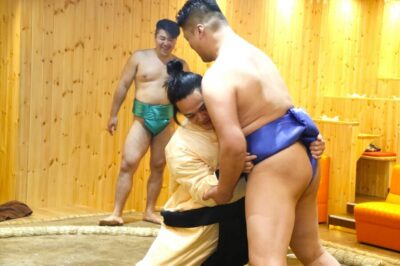
Sumo Show Experience with Chicken Hot Pot and a Photo
Read our review →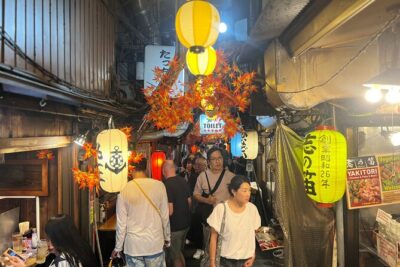
Shinjuku Food Tour (13 Dishes at 4 Local Eateries)
Read our review →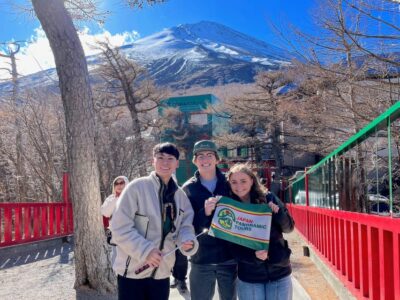
Tokyo Mt Fuji 5th St & Hakone Cruise Bus Tour w/Bullet Train
Read our review →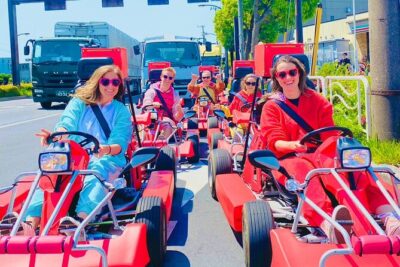
Flagship 2-Hours Official Street Go-Kart Tour – Tokyo Bay Shop
Read our review →Browse the lists this tour appears in