
Reviewed · TOKYO TOURS
Tokyo: Sushi Making Class in a Happi Coat near a Famous Spot
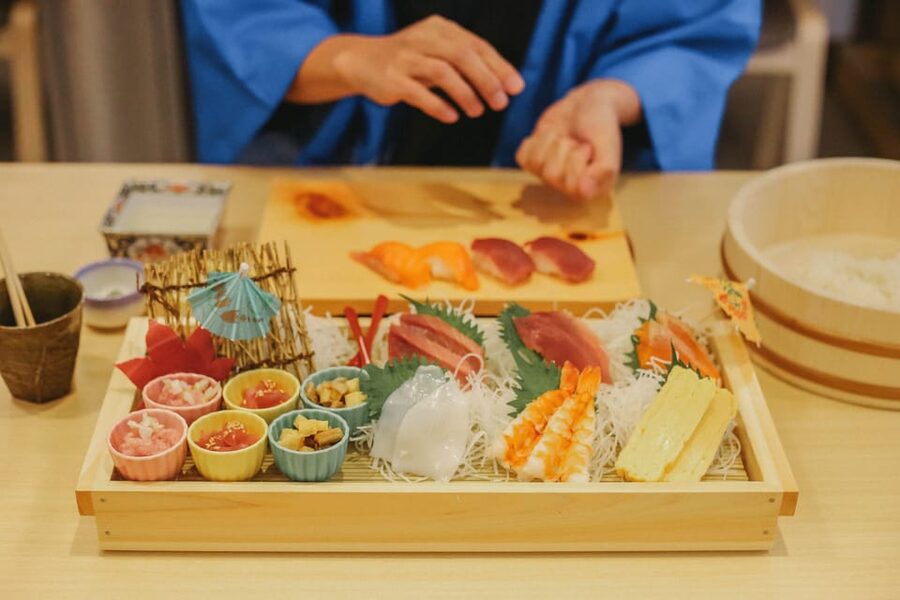
Tokyo’s SUSHI GARYU class turns sushi from a restaurant spectacle into something you can actually make. In 90 minutes, you learn the basics of nigiri and maki, then eat your own work while dressed in a traditional happi coat. I like the clear, patient teaching, with chefs such as Hide, Mikoto, Ami, and Masa praised for making beginners feel at ease. I also like that the food doubles as a proper lunch, not just a small tasting. The main consideration is that the meeting point can vary by booking option, and busy sessions may seat you with other people.
This is a cheerful, practical pick for couples, families, solo visitors, and anyone who wants more than a photo of sushi in Tokyo. The class is social and hands-on, though the short format means you learn useful foundations rather than the full craft of a professional sushi chef.
Key points to know before you book
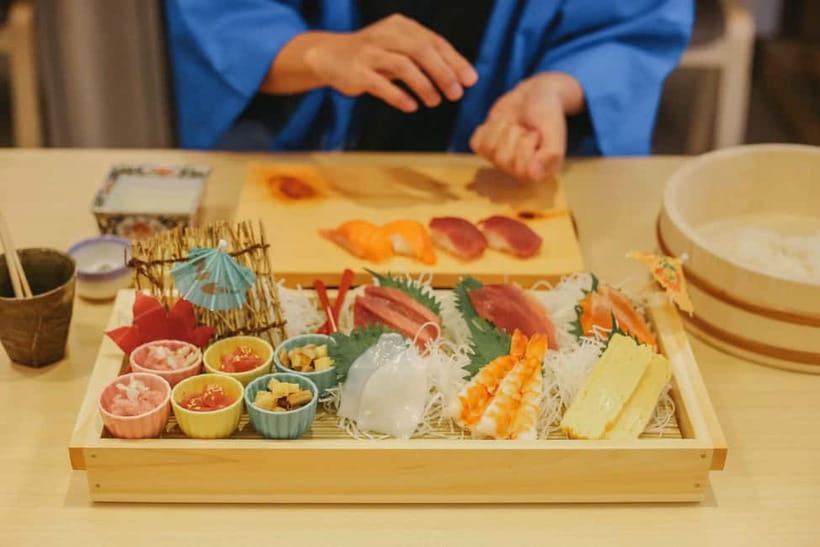
- You make and eat your own sushi: The class includes hands-on preparation followed by a meal of the nigiri and rolls you create.
- Tuna and salmon are part of the lesson: These familiar ingredients make the class approachable for first-time sushi makers.
- The happi coat is part of the fun: You can wear a Japanese-style chef coat and use the setting for memorable photos.
- English instruction is available: Classes are taught in English and Japanese, with several comments praising the clear English explanations.
- It works well for families: Children over four are charged according to the listed child fee, while younger children may share a dish.
- Dietary needs require advance notice: Vegetarian, vegan, and gluten-free choices are available if requested before the day of the class.
What the 90-minute sushi class is really like
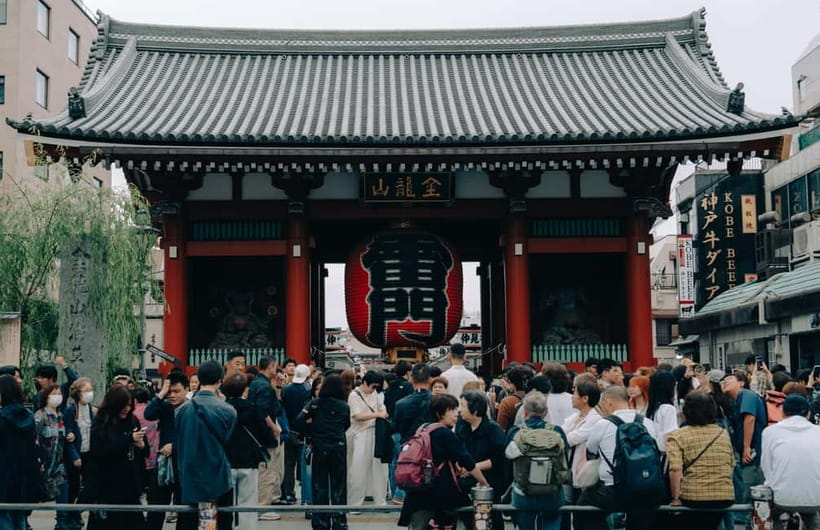
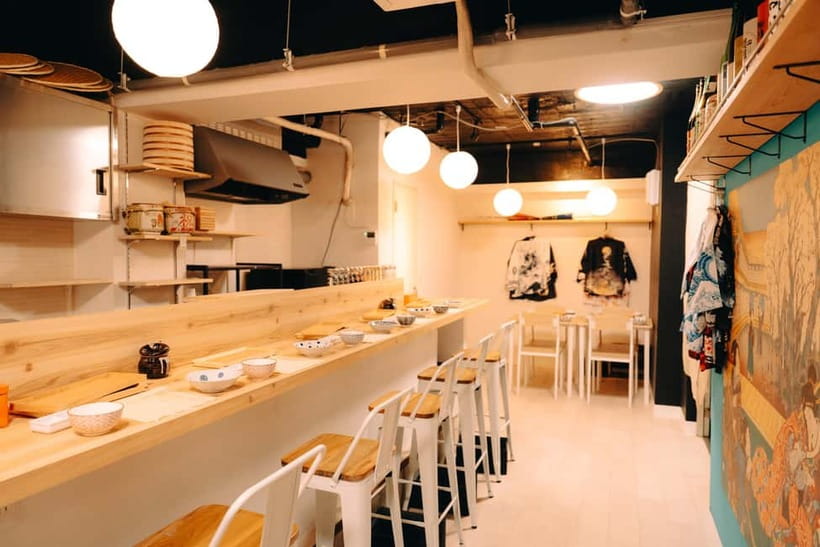
The experience begins in a Japanese-style setting at SUSHI GARYU. The exact meeting point depends on the option you choose, so check your booking details closely rather than assuming every session starts at the same door.
Once you arrive, the tone is casual and friendly. Ingredients and equipment are prepared before the lesson begins, which saves time and lets you get straight to the useful part: watching the chef work, then trying it yourself.
The class is designed for beginners. You do not need prior knife skills or sushi-making experience. The instructor shows each step at a manageable pace, then gives you time to copy the technique. If your rice is too loose or your shaping is not quite right on the first attempt, help is available.
That matters in a class like this. Sushi looks simple because the final pieces are small and neat. In practice, rice texture, hand pressure, filling size, and presentation all affect the result. A patient instructor keeps the lesson from becoming a race to keep up.
More Sushi Making Classes in Tokyo
- Sushi Making Tokyo Roll and Authentic Japanese Sushi Class
★ 5.0 · 3,971 reviews - Tokyo: Roll and Authentic Sushi Making Class in Asakusa
★ 4.9 · 1,957 reviews - Tokyo Sushi Making Class in Tsukiji with Professional Chef
★ 5.0 · 1,177 reviews
Learning nigiri with tuna and salmon
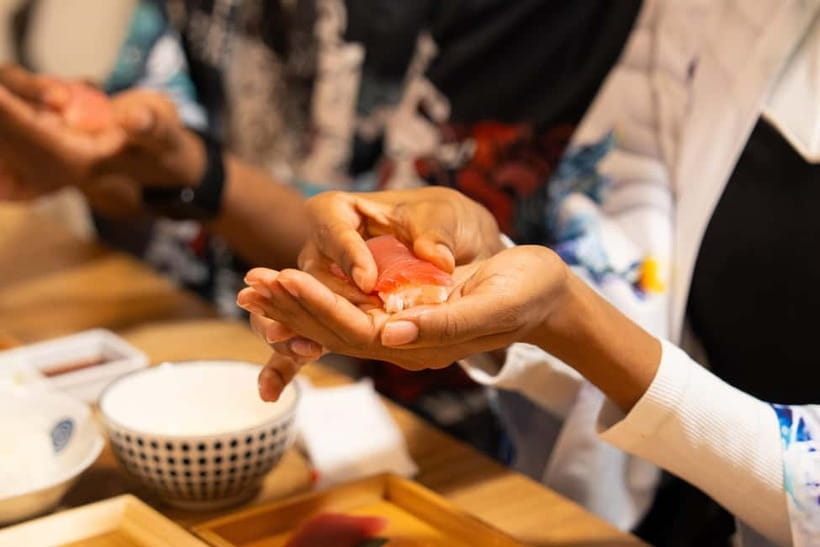
Nigiri is the central skill here. You shape seasoned rice by hand and place a piece of fish on top, creating the compact form found at sushi counters across Japan.
Tuna and salmon are especially sensible teaching ingredients. They are familiar, easy to recognize, and popular with many first-time sushi makers. The point is not to memorize a complicated menu. You learn the basic hand movements and proportions that let you repeat the process at home.
The instructors explain the work from start to finish, and several named teachers receive particular praise for their patience and humor. Chef Hide is described as skilled, funny, and good at explaining the cultural side of sushi. Mikoto is praised as a warm teacher, while Ami is noted for making both maki and nigiri easy to understand. Other sessions feature Kohji, Mitsuko, Mizuki, Masa, Mai, Miwa, Emi, and Rikuri.
The instructor may vary, but the pattern is clear: you should expect direct help rather than a demonstration viewed from across a room. Some sessions are small enough to feel almost private. One reported setup had five people per host, with another instructor handling a separate group.
That small-group feel is one of the class’s strongest features. You have room to ask questions about technique, Japanese food customs, or ingredients. At quieter times, a booking may even function like a private lesson, though you should not count on that every time.
Making maki and other sushi forms
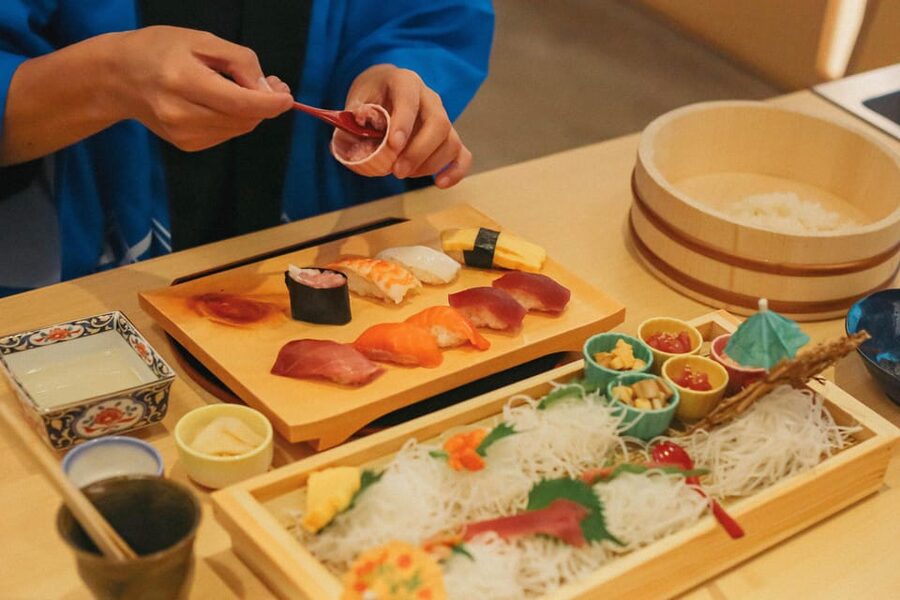
The experience is described primarily around nigiri, but the class also includes maki, and some sessions cover additional rolls. Maki is sushi rolled with seaweed, rice, and fillings, so it gives you a different challenge from nigiri.
With nigiri, your hands shape each piece. With maki, you must spread rice evenly, position the filling, and roll with enough pressure to hold the shape without crushing it. Learning both styles gives you a better feel for why homemade sushi can be harder than it looks.
The class is not limited to watching the chef. You make the pieces yourself, receive corrections, and continue until the method begins to feel natural. Several people leave feeling confident enough to try the process at home, which is a good measure of practical value.
Do keep expectations sensible. Ninety minutes is enough for an introduction and a generous meal, but not enough to cover advanced fish cutting, rice preparation in depth, or the years of training behind a working sushi chef. Think of this as a useful first lesson, not professional certification.
The happi coat and the photo-friendly setting
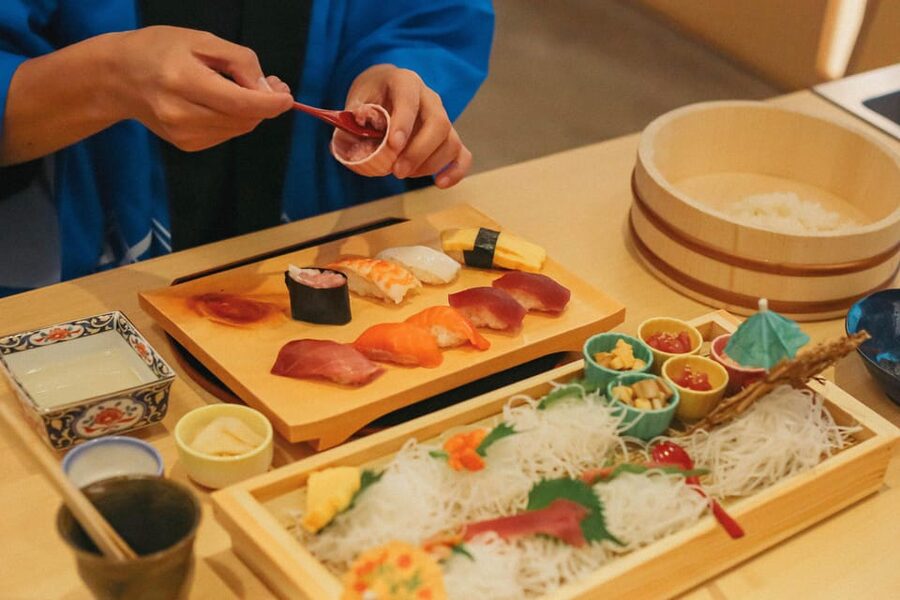
The happi coat adds a light cultural touch without making the class feel formal. This traditional Japanese-style coat has wide, tube-like sleeves and is often associated with festivals, workshops, and food preparation. Putting one on helps you feel part of the scene, and it makes the class photos more distinctive than the usual Tokyo snapshot.
Photos and short videos may be taken during the activity, and the setting includes props and picture spots. That is useful for couples and families, especially if you want a shared keepsake rather than a meal that disappears as soon as it is eaten.
The coat is not the reason to book, but it adds charm. The real value is still the hands-on food lesson. If you dislike staged photos or prefer a quiet restaurant meal, this part may feel more playful than necessary. For most people, though, it gives the class a clear sense of occasion.
More sushi classes in Tokyo:
- Tsukiji Fish Market Guided Tour and Sushi Making with Pro Chef
★ 5.0 · 775 reviews - Tokyo: Tsukiji Fish Market Sushi Making Class with Pro Chef
★ 4.9 · 506 reviews - Tokyo: Sushi Making Class
★ 4.9 · 390 reviews - Tokyo Tsukiji Fish Market Tour and Sushi Making Lesson
★ 5.0 · 390 reviews
Eating the sushi you make
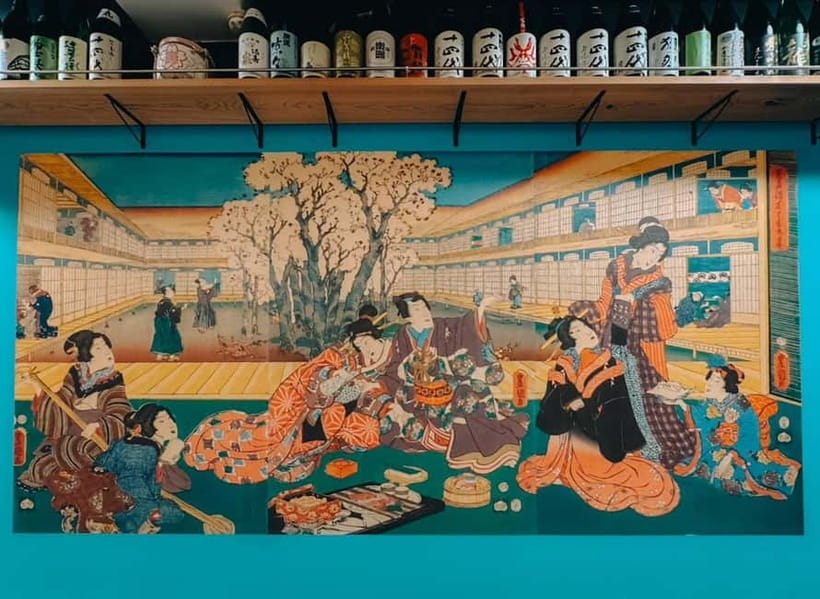
After the instruction and practice, you eat the sushi you prepared. This is more satisfying than a simple tasting because you can see the direct result of the lesson.
The portions are described as generous, with enough sushi to leave some people full. That changes the price calculation. At $42 per person, you are paying for instruction, ingredients, a cultural activity, and a meal. Compared with booking a separate sushi lunch plus an attraction, the class offers solid value.
The food quality also matters. The ingredients are described as fresh, and the finished sushi is repeatedly praised as tasty. Still, the flavor of your meal will depend partly on your own technique. That is part of the appeal. A slightly uneven piece can taste especially good when you made it yourself.
The class may also offer sake for an extra purchase. This is not included in the $42 price, so treat it as an optional add-on rather than part of the package.
Why the cultural details add value
Sushi is not simply fish placed on rice. The class gives you a basic look at the care involved in preparing and presenting it, along with explanations of Japanese customs and culinary methods.
That cultural context is useful because it helps you notice more on your next meal in Japan. You may pay closer attention to the balance between rice and topping, the shape of a roll, or the way a chef handles ingredients. The lesson gives you a little vocabulary and confidence without turning the session into a lecture.
The social side is also strong. Guides answer questions about Japanese culture and can offer general food or sightseeing suggestions. One class became a relaxed exchange about Japanese life and the participants’ own cultures after the cooking was finished.
If you are visiting with a partner, this makes a good shared activity. You are both learning something, working with your hands, and sitting down to eat at the end. It also suits families because the process is easy to follow and children can take part, subject to the age and child-fee rules.
Group size, language, and the pace of the lesson
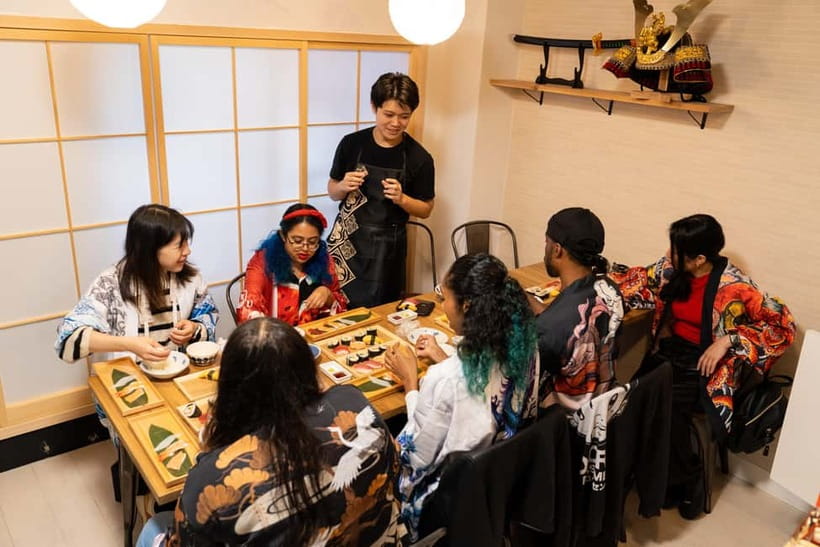
Instruction is offered in English and Japanese. English ability varies by instructor, but several sessions are specifically praised for fluent or excellent English and clear explanations.
The class feels more personal when numbers are low. In a busy session, you may share a table with other customers. That can be a plus if you enjoy conversation and meeting people, but it is worth knowing if you expected a private lesson.
The pace is active but not punishing. You watch, copy, ask questions, and eat within an hour and a half. That makes it easy to fit between sightseeing plans, although you should allow extra time to find the meeting point, particularly because the location varies by option.
Late arrival can be awkward in any hands-on class. One person who arrived late on a rainy day still received a warm welcome, but arriving on time is the safer plan. You do not want to miss the first explanation and then struggle with the rest of the lesson.
Dietary requests and age rules
Vegetarian, vegan, and gluten-free versions are available, but you must request them in advance by message. A request made on the day may not be possible.
The same advice applies to food allergies. Tell the provider before the class, and be specific. Sushi ingredients can vary, so do not assume that a general dietary note will cover every concern.
Children over four are charged according to the applicable child fee. Children under four may share a dish, according to the stated rules. The activity is beginner-friendly, but an adult should judge whether a young child can sit through the explanations and handle the food preparation safely.
Cancellation, payment, and planning around Tokyo

You can cancel up to 24 hours before the activity for a full refund. A reserve-now, pay-later option is also offered, which helps if your Tokyo schedule is still shifting.
Starting times vary, so check availability for your date. The 90-minute duration makes this easier to place in a day that includes a nearby temple, market, or other famous Tokyo sight. One person used the class during a short stop in Tokyo, then walked through a temple and markets afterward.
Because the meeting point can change with the option booked, confirm the address before leaving your hotel. The class is described as being near a famous spot, but the supplied details do not identify that spot by name. Do not build a tight connection around an assumed location.
Who should book SUSHI GARYU
I would choose this class if you want a meal with a practical skill attached. It is especially good for:
- First-time sushi makers who want clear, guided instruction
- Couples looking for a relaxed date activity
- Families with children old enough to follow a short lesson
- Solo visitors who enjoy small-group cooking and conversation
- Food lovers who want to understand sushi beyond eating it
- People with a short Tokyo schedule who need a compact activity
I would look elsewhere if you want a long professional cooking course, a formal tasting menu, or a quiet restaurant experience. The happi coats, photos, group seating, and friendly conversation give the class an upbeat feel. That is part of its charm, but it will not suit someone seeking a highly serious chef-training session.
Is this Tokyo sushi class worth $42?
At $42, the value is strong. You receive a 90-minute cooking class, ingredients, an instructor, the sushi you prepare, and the chance to wear a happi coat. Since the final food can amount to a full lunch, the cost compares well with paying separately for a meal and a short cultural attraction.
The high rating of 4.9 from 1,377 reviews also fits the consistent strengths of the experience: kind instructors, easy-to-follow demonstrations, fresh ingredients, generous portions, and a welcoming setting. The most repeated praise goes to the teachers, not just the food. That is important, because a poor instructor can make sushi preparation frustrating for a beginner.
My main caution is practical rather than artistic. Check the meeting point, send dietary requests early, and allow for shared seating. If you do that, SUSHI GARYU offers an enjoyable way to spend part of a Tokyo day, with a skill you can try again when you get home.
FAQ
How long does the sushi-making class last?
The class lasts 90 minutes.
How much does the experience cost?
The listed price is $42 per person.
What types of sushi will I learn to make?
You will learn to make nigiri sushi, and the class also includes maki and other rolls in some sessions.
Which fish are used in the class?
Tuna and salmon are among the popular ingredients used for the nigiri lesson.
Is the class suitable for beginners?
Yes. The workshop is designed for beginners, with step-by-step instruction from a sushi chef.
Is instruction available in English?
Yes. The activity is taught in English and Japanese.
Can I request a vegetarian or vegan option?
Yes. Vegetarian and vegan options are available if you request them in advance by message.
Can I request gluten-free food?
Yes. Gluten-free options are available with advance notice. A same-day request may not be possible.
Are food allergies accommodated?
You should tell the provider about any food allergies in advance by message.
Can children join the class?
Children over four are charged according to the listed child fee. A child under four may share a dish, according to the stated information.
Is the meeting point always the same?
No. The meeting point may vary depending on the option you book, so check your booking details.
Can I cancel for a refund?
Yes. You can cancel up to 24 hours in advance for a full refund.
Do I have to pay when I book?
A reserve-now, pay-later option is available, so you can book without paying immediately.
More Workshops in Tokyo
- Tokyo Shinjuku Chopsticks Making Class
★ 5.0 · 1,763 reviews - Chopstick Making Workshop in Ginza
★ 4.8 · 1,366 reviews - Ramen & Gyoza Cooking Class in Tokyo with Local Supermarket Visit
★ 5.0 · 823 reviews - Matcha Making Class in Tokyo with Authentic Japanese Sweets Set
★ 5.0 · 744 reviews
Just added around Tokyo
- Private Arrival Transfer : Narita International Airport to Central Tokyo City★ 4.5 · 12 reviews
- Narita Airport(NRT): Private Transfer to Tokyo/Yokohama 1-9pax★ 5.0 · 47 reviews
- Private Transfer from Narita Airport to Yokohama Port and City★ 4.5 · 17 reviews
- [Narita Airport Terminals 1, 2] 40-60km Sawara Itako Historic Bike Tour★ 5.0 · 13 reviews
- 3 Day Japan Highlights Tour: Tokyo, Mt.Fuji, Nara, Kyoto, Osaka★ 5.0 · 22 reviews
- Small Town in the Big City: Tasting Tokyo’s Kichijoji★ 5.0 · 195 reviews
- Small Town in the Big City: Tasting Tokyo’s Kichijoji★ 5.0 · 16 reviews
- The 10 Tastings of Tokyo With Locals: Private Street Food Tour★ 5.0 · 48 reviews
Tokyo Tours, compared.

Mt Fuji and Hakone 1-Day Bus Tour Return by Bullet Train
Read our review →

teamLab Planets TOKYO Digital Art Museum Entry Ticket
Read our review →
Mt Fuji & Hakone Cruise, Drum Show Bullet Train 1 Day from Tokyo
Read our review →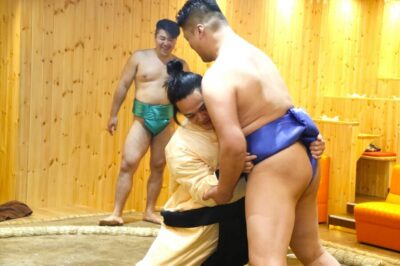
Sumo Show Experience with Chicken Hot Pot and a Photo
Read our review →
Shinjuku Food Tour (13 Dishes at 4 Local Eateries)
Read our review →
Tokyo Mt Fuji 5th St & Hakone Cruise Bus Tour w/Bullet Train
Read our review →
Flagship 2-Hours Official Street Go-Kart Tour – Tokyo Bay Shop
Read our review →Browse the lists this tour appears in