
Reviewed · TOKYO TOURS
Tokyo: Sumo Experience and Chanko Nabe Lunch
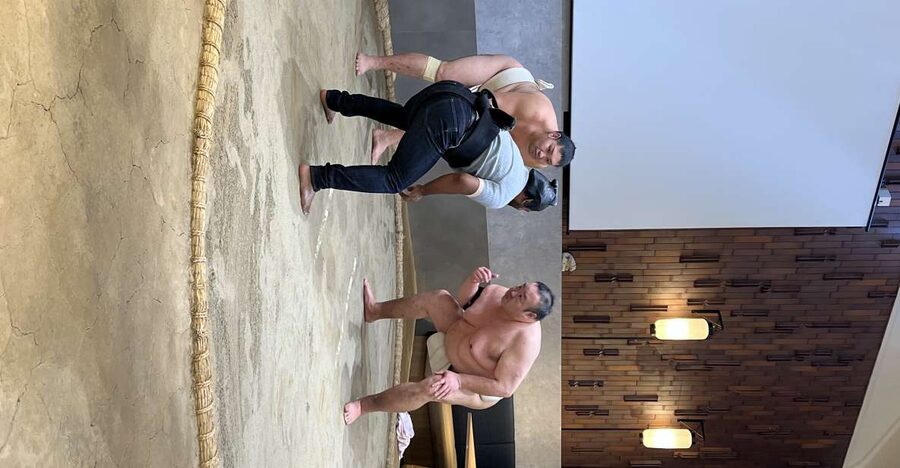
Sumo is more than two large men pushing each other out of a ring. In this lively two-hour session, former professional wrestlers explain the rules, rituals, training, and sheer force behind Japan’s national sport, then invite audience members into the ring for playful bouts and photos.
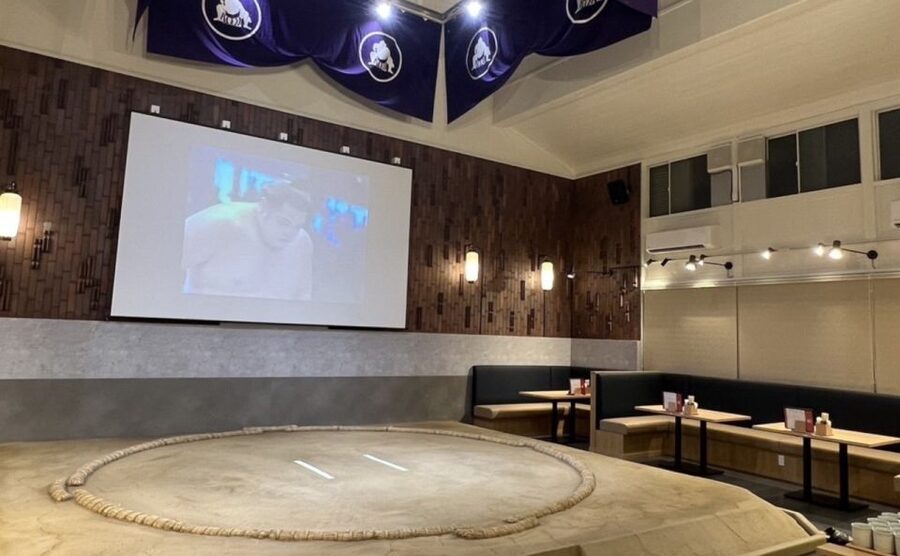
I like the small-group format, limited to six, and the chance to hear English explanations from people who actually competed. I also like that lunch is part of the experience: the wrestlers prepare chanko nabe, the hearty hot pot traditionally linked with stamina. The main consideration is that the event has a fixed 1 PM start, and not everyone is guaranteed a turn in the wrestler costume or ring.
Key points
- Former professionals explain sumo in English: Learn the basic rules and rituals from people with firsthand experience.
- A playful ring-side challenge: Audience members may be invited to wear a sumo costume and try a bout.
- Chanko nabe is included: Share a Japanese-style hot pot prepared by the wrestlers.
- Choose between two Tokyo areas: Mondays are in Asakusa, Thursdays are in Ryogoku.
- Small and accessible: The group is limited to six participants, and the activity is wheelchair accessible.
- Plan around the clock: Doors open before the 1 PM start, and the experience finishes back at the meeting point.
Why this sumo session works for first-time visitors
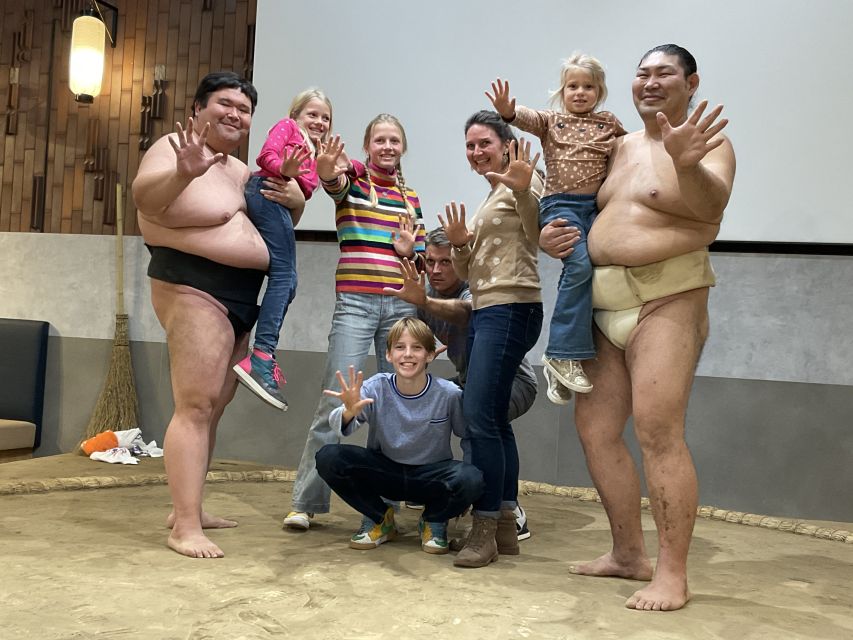
I like this experience because it answers the questions that often come up when you first watch sumo. Why do wrestlers throw salt? What is the point of the stomping? How is a winner decided? What happens before the actual push and grapple?
Those details can be hard to pick up from a tournament broadcast. Here, former professional wrestlers explain the customs in English and show how the sport works at close range. The demonstrations are designed to be funny and easy to follow, but they also give you a sense of the strength and discipline involved.
The tone is playful rather than formal. That matters if you are bringing children or relatives who know little about sumo. Families with children as young as six have found the wrestlers welcoming and engaging, while adults can still learn something useful about training and competition.
You should think of this as a cultural workshop with lunch, not a full professional tournament. You will not be watching an official match between active grand champions. Instead, you get conversation, demonstrations, audience participation, and a meal in an intimate setting.
More Sumo Experiences in Tokyo
- Tokyo: Sumo Show Experience with Chicken Hot Pot and a Photo
★ 4.8 · 6,678 reviews - Tokyo: Sumo Show and Dining Experience
★ 4.8 · 2,742 reviews - the SUMO show
★ 5.0 · 1,960 reviews
Meeting former wrestlers in Asakusa or Ryogoku
The location changes by day. On Mondays, the session takes place in Asakusa, an area known for its traditional sights. On Thursdays, it is held in Ryogoku, Tokyo’s best-known sumo district. Your voucher supplies the exact meeting place and a map, so do not rely on a generic neighborhood name alone.
This is a useful arrangement for planning your day. A Monday session in Asakusa can fit with sightseeing in the area, while a Thursday session in Ryogoku pairs naturally with the neighborhood’s sumo identity. The activity ends at the same meeting point, and hotel pickup or drop-off is not included.
The group size is listed as six participants, which should make it easier to hear the English explanations and ask questions. Some feedback describes a larger room with several tables, so the exact seating arrangement may vary. Even so, the format is built around close interaction rather than a distant stage show.
Arrive before the 1 PM start. The supplied timing says the door opens at 12:40, though the booking information displays 12:40 AM in one place, which is clearly inconsistent with a 1 PM afternoon activity. Check your voucher for the final arrival instruction and do not cut it close. This session starts on time.
Learning the rules, rituals, and rhythm of sumo
The first part gives you the foundation needed to understand what you are seeing. Sumo has a long tradition, but the rituals can look mysterious when nobody explains them. The instructors cover the meaning behind the pre-match actions as well as the practical rules of the bout.
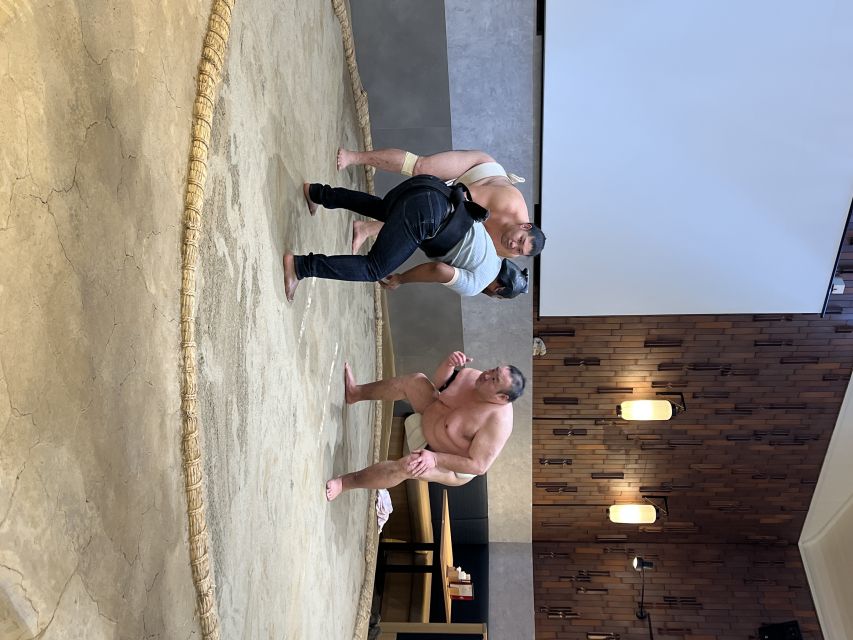
You will see how a match is set up, how wrestlers prepare, and how a contest is won. The demonstrations help turn abstract rules into something physical. Rather than hearing a long lecture, you watch the movement and then see how the wrestlers use their bodies.
The explanations are in English. That makes this a strong choice if you want more than photographs and a quick cultural note. The instructors are not simply presenting a memorized script. They are former professionals, and the experience is built around their own understanding of the sport.
One session was led by wrestlers identified as Audrey and Jumbo, praised for their English, showmanship, humor, and ability to explain the sport. Names and instructors can change, so treat those as examples rather than a promise of the exact lineup on your date.
The best part is the balance. Sumo is presented with respect, but the session does not become stiff or overly serious. You learn why the rituals matter, then laugh as the instructors demonstrate the sport’s more physical side.
The playful bout and costume demonstration
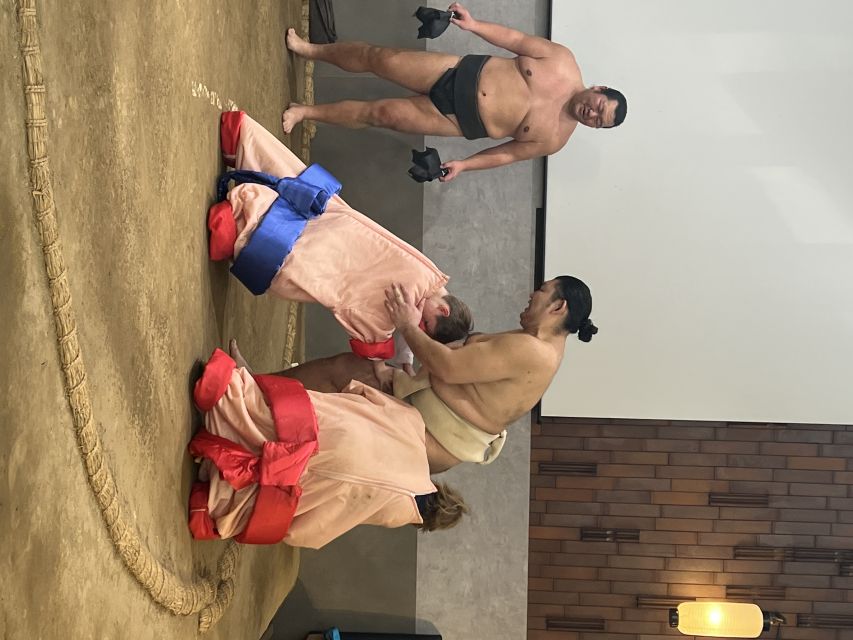
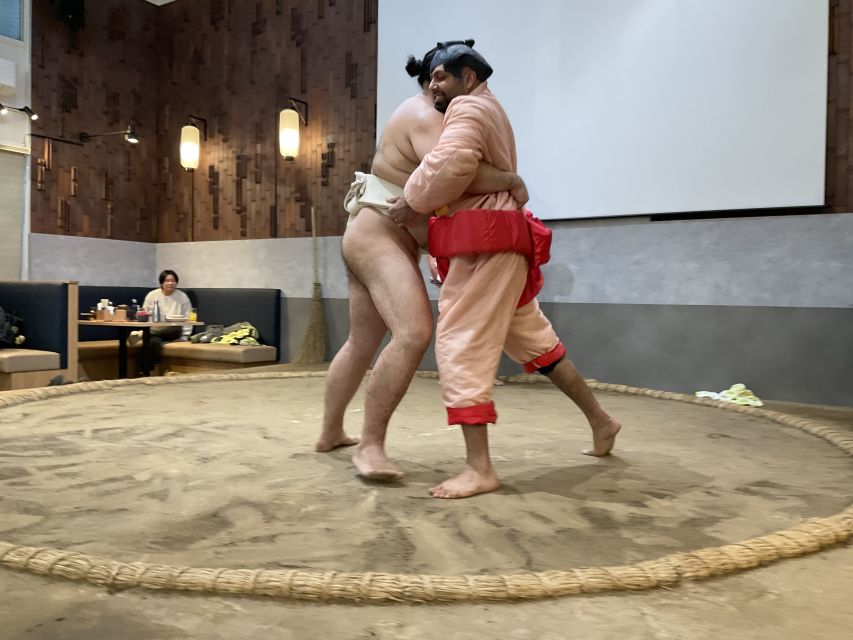
At some point, audience members may be invited to put on a sumo wrestler costume and help with a demonstration. This is one of the most memorable parts of the experience, but participation is not guaranteed for every person.
That distinction is important. If you are booking because a particular child or adult must get into the ring, this activity cannot promise that outcome. Selection depends on the session and the people present. The information says some participants may be picked voluntarily, while other feedback describes broad opportunities for people who wanted to try.
If you do take part, expect a playful demonstration rather than a serious contest. The retired wrestlers control the pace and keep it safe and humorous. Even a strong adult may be surprised by the difference in balance and power. One large participant weighing 105 kilograms described feeling like a child against the wrestlers’ strength.
You do not need to be athletic to enjoy this part. Much of the fun comes from seeing the technique up close and watching the contrast between a professional’s controlled movement and a first-timer’s effort. Children can find it especially entertaining, but the instructors also make room for adults and plenty of photographs.
The photo time is a real benefit. Sumo costumes, the ring, and the wrestlers make for a far more distinctive souvenir than a standard posed group picture. Bring a phone or camera, and listen for instructions about when photographs are allowed.
More sumo mornings and shows:
- Tokyo Shinjuku Sumo Show & Experience with Photo
★ 5.0 · 1,750 reviews - Tokyo: Sumo Show and Experience in Shinjuku
★ 4.8 · 1,001 reviews - Tokyo: Sumo Tournament Tour with Chair Seat Tickets
★ 4.6 · 753 reviews - Tokyo:Luxury Sumo Show Experience & Japanese cuisine & Drink
★ 4.7 · 577 reviews
Chanko nabe, the lunch prepared by wrestlers
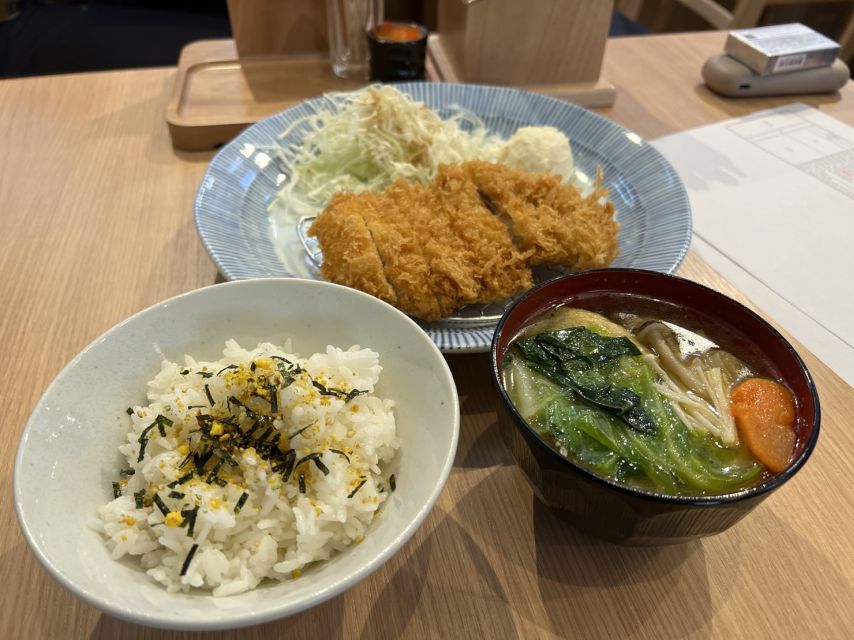
After the demonstrations, you sit down for chanko nabe, a Japanese-style hot pot traditionally associated with sumo wrestlers and stamina. The wrestlers prepare it themselves, so lunch is tied directly to the subject of the session rather than added as an unrelated meal.
The dish is served hot and plentiful. Descriptions of the meal include a three-course lunch, drinks, and dessert, although the precise menu can vary. The consistent point is that food is included in the listed price, and the meal is widely praised for its flavor and generous portions.
Chanko nabe is a practical dish for this setting. It is communal, warm, and easy to share while the conversation continues. You get a taste of a food connected with the wrestlers’ daily world, not simply a generic Japanese lunch selected for tourists.
Vegetarian and Halal meals can be requested, but you must note the requirement when booking or contact the provider by email at least two days before the date. Do not wait until you sit down to mention a dietary need. The information provided does not list every ingredient or guarantee that all requests can be met, so early notice is essential.
The hot pot also gives the session a relaxed second half. After the physical demonstrations and laughter, you have time to eat, ask questions, and take in the atmosphere. If you prefer a quiet, formal meal, the interactive format may feel busy. If you like meals that connect to local culture, it adds real value.
What the $95 price includes
At $95 per person, this is not a cheap lunch, but lunch is only one part of what you are paying for. The fee includes entrance, participation, and the chanko nabe meal. It also covers access to former professionals, English instruction, demonstrations, and the interactive ring segment.
That combination makes the price easier to justify than a restaurant meal followed by a short photo stop. You receive instruction from people with direct experience, a cultural explanation, a performance, audience participation, and food in about two hours.
The value is strongest if you want an easy introduction to sumo without navigating a tournament schedule. Official sumo tournaments take place at specific times and can require more planning. This session gives you a guaranteed activity at a fixed afternoon time, though it does not replace the atmosphere of watching a formal tournament.
The price is less appealing if you only want to see a real match or if you already understand sumo well. You are paying for access and explanation as much as for the meal. For a first visit to Japan, that mix makes sense. For a dedicated sumo fan, it depends on how much you value meeting retired wrestlers and trying the sport yourself.
The pace, group size, and accessibility
The advertised duration is two hours. That is long enough to cover the basics, watch demonstrations, participate, and eat without taking over your entire afternoon.
A small group limited to six is a major advantage on paper. You should have a better chance of hearing the instructors, following the demonstrations, and asking a question than you would at a large bus tour. At the same time, the room may contain multiple tables or more people connected with the session, so do not assume the entire venue will feel like a private lesson.
The experience is wheelchair accessible. Since the listing does not provide detailed information about ring access, seating layout, or restroom arrangements, contact the provider if you need a specific accommodation beyond general wheelchair access.
There is no hotel transfer. You make your own way to the meeting point, using the map on the voucher. Allow extra time, particularly if you are unfamiliar with Tokyo or are traveling with children. Arriving early is better than trying to find the entrance during the final minutes before the 1 PM start.
Cancellation is free up to 10 days in advance for a full refund. That is a reasonably clear policy, but the deadline is not close to the activity date. Check the exact terms attached to your booking before committing.
Who will enjoy this most
I would recommend this for families, first-time visitors to Japan, and anyone who wants a cultural activity with plenty of humor. The format works well for mixed-age groups because the explanations are educational while the costume demonstration and playful wrestling keep the energy up.
It also suits visitors who are curious about Japanese customs but do not want a long museum lecture. You get history and ritual in a physical, social setting. The meal gives you another way to connect with the subject.
This is especially useful if you are staying in or near Asakusa or Ryogoku on the appropriate day. Since the location changes by weekday, check the schedule before building your day around it. Mondays are in Asakusa, and Thursdays are in Ryogoku.
I would hesitate to recommend it to someone seeking a serious athletic event. The wrestlers are retired, the bouts are playful, and the emphasis is on participation and explanation. It is also not ideal if you need a guaranteed turn in the ring, since volunteers are selected rather than promised.
Practical tips before you book
- Arrive early: The activity begins at 1 PM and starts on time. Use the voucher map and allow time to find the door.
- Plan your neighborhood: Book the Monday Asakusa session or Thursday Ryogoku session based on your sightseeing plans.
- State dietary needs early: Vegetarian and Halal requests should be made during booking or at least two days ahead by email.
- Keep your camera ready: There is time for photographs with the wrestlers, especially after the demonstrations.
- Dress for movement: You may be invited to participate, so comfortable clothing is sensible even though no athletic skill is required.
- Set expectations: You are learning from retired professionals, not attending an official tournament match.
Should you book the Tokyo sumo experience?
Book it if you want an approachable, funny, and hands-on introduction to sumo. The strongest reasons are the English explanations from former professionals, the chance to see the sport at close range, and the included chanko nabe lunch prepared by the wrestlers.
The activity earns its price through the personal contact and the amount packed into two hours. It is not just a meal, and it is not just a staged demonstration. You learn the rules and rituals, see the physical skill, and may get into the ring yourself.
Skip it if your priority is watching active wrestlers compete in a formal tournament, or if you need a guaranteed participant slot. For most families and first-time visitors, though, this is a practical way to make sumo understandable, memorable, and pleasantly funny.
FAQ
Where does the sumo experience take place?
On Mondays, it takes place in Asakusa. On Thursdays, it takes place in Ryogoku. The exact meeting location and map are sent with your voucher.
What time does the activity begin?
The activity starts at 1 PM and runs for about two hours. The door opens before the start, so arrive early and check your voucher for the final arrival instructions.
Is the experience conducted in English?
Yes. The instructors provide the explanations in English.
Is lunch included?
Yes. Entrance, participation, and lunch are included. The meal is chanko nabe, a Japanese-style hot pot prepared by the wrestlers. Drinks and dessert are also described as part of some lunch arrangements, though the exact menu can vary.
Can I request a vegetarian or Halal meal?
Yes, you can request a vegetarian or Halal meal. Note the requirement in your reservation or contact the provider by email at least two days before the activity.
Is everyone guaranteed a chance to wrestle?
No. Some audience members may be selected to wear a sumo costume and help with a demonstration. Participation is voluntary and not guaranteed for every person.
More Lunch Stops in Tokyo
- Tokyo: Mt.Fuji & Lake Kawaguchiko 1-Day Bus Tour w/Optional Lunch
★ 4.5 · 839 reviews - Tokyo: 1 Day Bus Tour with Meiji-Jingu,Odaiba,lunch&Skytree
★ 4.6 · 156 reviews - Tokyo: Family Sumo Workshop & Live Wrestling Show with Lunch
★ 4.9 · 99 reviews - From Tokyo: Nikko Toshogu Day tour with Traditional Lunch
★ 3.9 · 72 reviews
Just added around Tokyo
- Private Arrival Transfer : Narita International Airport to Central Tokyo City★ 4.5 · 12 reviews
- Narita Airport(NRT): Private Transfer to Tokyo/Yokohama 1-9pax★ 5.0 · 47 reviews
- Private Transfer from Narita Airport to Yokohama Port and City★ 4.5 · 17 reviews
- [Narita Airport Terminals 1, 2] 40-60km Sawara Itako Historic Bike Tour★ 5.0 · 13 reviews
- 3 Day Japan Highlights Tour: Tokyo, Mt.Fuji, Nara, Kyoto, Osaka★ 5.0 · 22 reviews
- Small Town in the Big City: Tasting Tokyo’s Kichijoji★ 5.0 · 195 reviews
- Small Town in the Big City: Tasting Tokyo’s Kichijoji★ 5.0 · 16 reviews
- The 10 Tastings of Tokyo With Locals: Private Street Food Tour★ 5.0 · 48 reviews
Tokyo Tours, compared.

Mt Fuji and Hakone 1-Day Bus Tour Return by Bullet Train
Read our review →
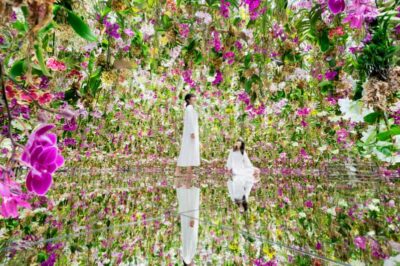
teamLab Planets TOKYO Digital Art Museum Entry Ticket
Read our review →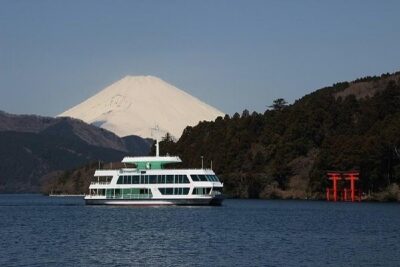
Mt Fuji & Hakone Cruise, Drum Show Bullet Train 1 Day from Tokyo
Read our review →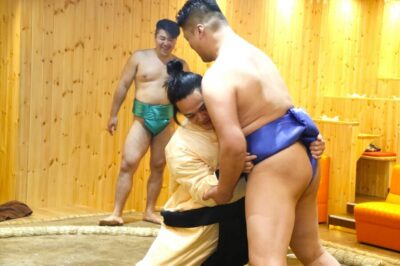
Sumo Show Experience with Chicken Hot Pot and a Photo
Read our review →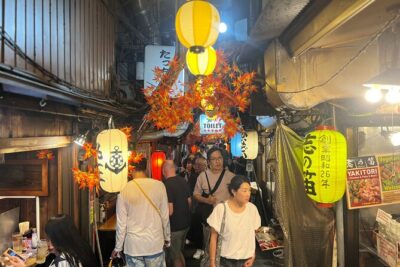
Shinjuku Food Tour (13 Dishes at 4 Local Eateries)
Read our review →
Tokyo Mt Fuji 5th St & Hakone Cruise Bus Tour w/Bullet Train
Read our review →
Flagship 2-Hours Official Street Go-Kart Tour – Tokyo Bay Shop
Read our review →Browse the lists this tour appears in