
Reviewed · TOKYO TOURS
Tokyo: Sumo Show and Experience in Shinjuku
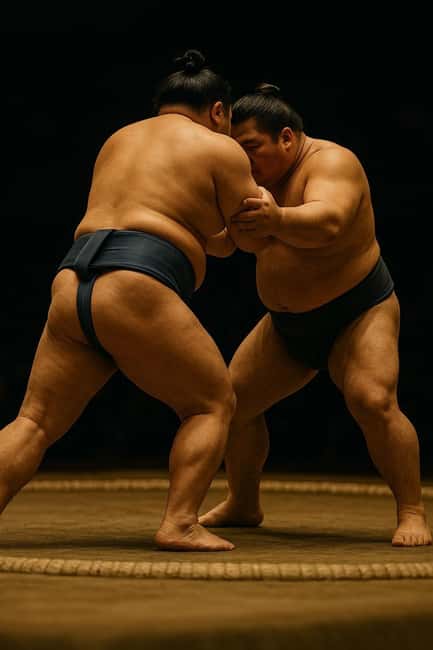
The best part of this Shinjuku show is that you do not simply watch sumo from a distance. You see the foot stomps, salt throwing, training moves, and live sparring up close, then some audience members get to step into the dohyo and test their strength against a wrestler.
I like two things especially: the English explanation makes a difficult sport easy to follow, and the wrestlers treat the crowd with good humor. Hosts such as Paula, Dai, and Ari keep the pace lively. The main limitation is clear: this is an exhibition show, not a tournament, so anyone expecting official competition should adjust their expectations.
Key points to know before you book
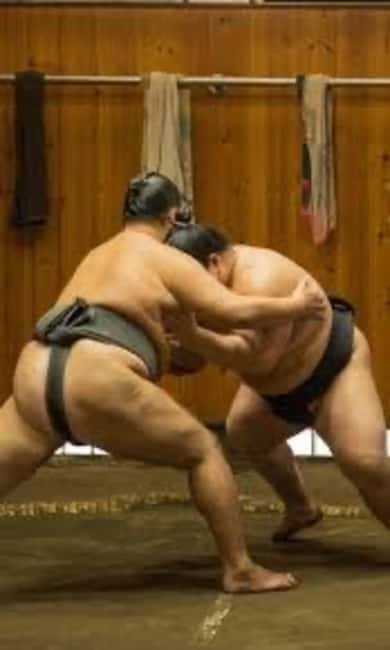
- A 90-minute introduction to sumo: You get an organized mix of history, rules, rituals, demonstrations, and exhibition matches.
- English-speaking hosts explain the action: Paula, Dai, Ari, and other hosts have guided sessions with humor and crowd interaction.
- Audience participation is a real feature: You may be invited to wear a sumo outfit and challenge one of the wrestlers.
- The show is family-friendly: Children and adults can follow the explanations, laugh at the demonstrations, and enjoy the short matches.
- The meeting point is easy to miss: Enter the front of the Sekisaku Building beside Daiso and go to the second floor.
- The $69 price buys more than a performance: It combines a cultural lesson, live sport, photos and interaction, though no meal is included.
What this Shinjuku sumo show actually is
Sumo can look simple at first. Two large wrestlers face each other, push, pull, and try to force one another out of a circular ring. But the sport has a precise set of rituals, techniques, rules, and signals that are easy to miss if you only watch a tournament on television.
This experience gives you the basics before asking you to follow the action. The English-speaking MC explains the customs, the purpose of the foot stomping known as shiko, the salt throwing, and the movements used in training and competition.
That structure matters. You are not dropped into a match with no context. The host explains what you are seeing, then the wrestlers demonstrate it. By the time the exhibition bouts begin, you have a better idea of why a brief clash can involve so much preparation and strategy.
The show takes place in central Shinjuku, making it easy to pair with an afternoon or evening in the district. It lasts 90 minutes, so it fits more neatly into a Tokyo day than a full trip to a major tournament.
More Sumo Experiences in Tokyo
- Tokyo: Sumo Show Experience with Chicken Hot Pot and a Photo
★ 4.8 · 6,678 reviews - Tokyo: Sumo Show and Dining Experience
★ 4.8 · 2,742 reviews - the SUMO show
★ 5.0 · 1,960 reviews
The opening: rituals, rules, and a friendly welcome
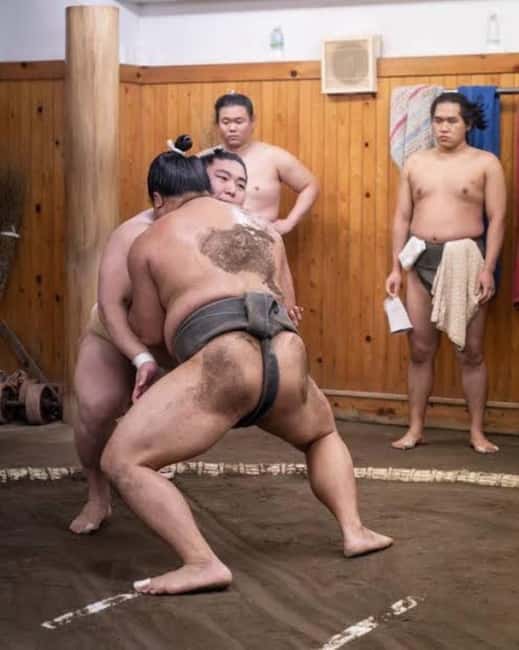
The session begins with an introduction to sumo and its customs. A bottled water welcome drink is included. Some sessions may offer another drink, but bottled water is the listed inclusion, so do not book this as a dinner event.
The atmosphere is designed to be friendly rather than solemn. Staff may greet you before the presentation, and the hosts use humor to draw the room into the subject. That helps if you know little about sumo or worry that the rules will be hard to understand.
The presenters have different styles. Paula is repeatedly praised for her energy and jokes. Dai is described as engaging and good at answering questions. Ari has also been singled out for keeping the room focused. The exact host can vary, but the important point is that the program is built around a live English presentation, not a recorded audio track.
You will hear about sumo’s customs and professional discipline, along with some Japanese words and phrases. The goal is not to turn you into an expert in an hour and a half. It is to give you enough background to understand the spectacle and respect the work behind it.
The demonstrations: seeing technique instead of just size
The wrestlers then show the movements used in sumo. This is where the experience becomes more useful than a simple stage performance. You can see how much control and timing are required, rather than judging the sport only by body size.
Demonstrations may cover different techniques, training movements, and fouls. The host explains what is allowed and what is not. That distinction gives you a better sense of sumo as a rule-based sport, not just a contest of brute force.
The foot stomping is particularly striking. Sumo rituals can seem theatrical when you first see them, but the explanation helps connect each movement to the sport’s tradition and discipline. Salt throwing adds another memorable visual moment, while the wrestlers’ physical preparation shows how demanding the sport can be.
I would pay close attention during this part. The demonstrations move quickly, and the humor can draw your eye toward the performers rather than the details. If you are curious about a particular move, this is also the best time to ask questions.
The live sparring matches
The show includes professional sumo wrestling matches and exhibition bouts. These are genuine physical performances by rikishi, but they are presented for the audience rather than as official tournament contests.
That difference is the key thing to understand before booking. You will see real sumo techniques and powerful clashes, but you will not see a tournament ranking or a full day of official bouts. The program is closer to an educational performance with live sport than to attending a major competition.
For a first introduction, that format works well. You can watch two wrestlers demonstrate the craft without needing to understand the full tournament system. The MC provides the frame, points out what is happening, and keeps the match accessible to people who have never watched sumo before.
The matches are also mixed with humor and crowd interaction. The wrestlers are not distant figures on a stage. They engage with the room and help create the relaxed tone that makes the event work for families and first-time viewers.
If you already follow professional sumo closely, you may find the show too basic or too short for a repeat visit. One participant described it as worth doing once, but not something they would do again. That is a fair assessment for serious fans. For most visitors, the first-time value is the main attraction.
More sumo mornings and shows:
- Tokyo Shinjuku Sumo Show & Experience with Photo
★ 5.0 · 1,750 reviews - Tokyo: Sumo Tournament Tour with Chair Seat Tickets
★ 4.6 · 753 reviews - Tokyo:Luxury Sumo Show Experience & Japanese cuisine & Drink
★ 4.7 · 577 reviews - Tokyo: Sumo Morning Practice Viewing Tour
★ 4.8 · 570 reviews
The ring challenge: the most memorable part
After the demonstrations and matches, audience members may be invited to put on a traditional sumo outfit and enter the ring. You then challenge one of the wrestlers in a playful bout.
This is not a serious test of your athletic ability. The size and training gap are obvious, and you are not expected to defeat a professional. The joke is in the attempt, the dramatic effort, and the wrestler’s good-natured handling of the challenge.
The activity can be a highlight for children. One family specifically enjoyed seeing a child enter the dohyo, while other families found the audience bouts funny from the sidelines. Adults can join too, though you should only volunteer if you are comfortable with a physical, public activity.
The outfit adds to the fun and makes the moment feel more distinct from an ordinary photo opportunity. You get to take part in a central feature of sumo culture, even if only in a light, theatrical way.
Not everyone will enter the ring. Participation depends on volunteering and the way the session unfolds. If you prefer to watch, you can still enjoy the spectacle as audience members face the wrestlers. The crowd often becomes part of the entertainment at this point.
Why the English guide makes a difference
The English presentation is one of the strongest reasons to choose this event. Sumo has customs that are not obvious from visual cues alone. Without explanation, the salt, stomping, bowing, ring movements, and short bouts can blur together.
A good MC turns those details into a story you can follow. Paula’s humor and crowd work have been especially popular, while Dai’s explanations and willingness to answer questions suit visitors who want more background. The host names are not guaranteed, but the activity is conducted in English.
The best sessions balance information with laughter. Too much history would make the 90 minutes feel like a lecture. Too little explanation would reduce the event to a photo opportunity. Here, the format moves from background to demonstrations to matches, then to audience participation.
I also like that the presentation explains the wrestlers’ discipline and training. It encourages you to look past the novelty of the outfits and understand the work required to perform at this level. Several aspects of the sport become more impressive once you know what to watch for.
Who will get the most from this experience
This is a strong choice for a first visit to Japan if you want a cultural activity that is easy to understand and does not take half a day. It suits couples, families, groups of friends, and solo visitors who enjoy audience participation.
You will probably like it most if:
- You have never watched sumo and want a clear introduction.
- You want an indoor activity in Shinjuku.
- You enjoy live demonstrations more than a quiet museum visit.
- You are happy to laugh, ask questions, or volunteer.
- You are traveling with children who need an active presentation.
- You want to understand sumo before attending an official tournament.
It may be less suitable if you want a formal, traditional event with the silence and ceremony of a tournament. It is also not ideal if you dislike crowd participation or physical challenges. You can decline the ring bout, but the show’s energy depends partly on people joining in.
One useful strategy is to book this before attending a professional competition. The explanations can help you follow the rituals, rules, and techniques when you later watch an official match.
Is $69 good value?
At $69 per person, this is not the cheapest way to spend 90 minutes in Tokyo. You are paying for a hosted cultural performance, professional wrestlers, a live English explanation, and the chance to enter the ring. Food is not included, so budget separately if you want a meal before or after.
The value is strongest for first-time sumo viewers. A tournament ticket alone may give you more wrestling, but it does not necessarily explain every custom in a way that is easy for an international audience to follow. This show gives you a compact introduction with direct contact and audience involvement.
The value is also good for families. A child who might lose interest during a long cultural lecture can watch demonstrations, see matches, and possibly wear the outfit. Adults get the background, while children get the physical comedy and excitement.
For a dedicated sumo follower, the calculation is different. You may prefer to spend the money on an official competition or another cultural event. The show is best viewed as an accessible introduction and a personal encounter, not as a substitute for tournament day.
Getting to the building and arriving on time
The meeting point is on the second floor of the Sekisaku Building in Shinjuku. Use the front entrance facing the main door next to Daiso. This detail matters because entering from another side may not lead you to the correct reception point.
Arrive early. The show follows a fixed schedule, and late entry may not be accepted at the front desk. That is not a minor concern here because the opening explanation sets up everything that follows.
Keep the meeting point instructions with you rather than relying on a vague search for the building. Shinjuku has a lot of signs, shops, and entrances competing for your attention. Finding the correct front door before the start will make the experience calmer.
Starting times vary, so check availability when you book. The activity lasts 90 minutes, which leaves room to plan a meal, shopping, or another Shinjuku stop afterward.
Free cancellation is available up to 24 hours in advance for a full refund, and you can reserve now and pay later. Those options help if your Tokyo plans are still shifting.
My final call: should you book it?
Book this Shinjuku sumo experience if you want an entertaining introduction, clear English guidance, and a chance to get close to the performers. The strongest elements are the explanations, the live demonstrations, and the playful ring challenges. Hosts such as Paula and Dai add warmth, while the wrestlers bring real physical skill to the show.
Do not book it expecting a tournament. You will see exhibition matches, not official competition, and serious sumo fans may find one visit enough. For a first-timer, though, the format makes the sport far easier to understand and gives you a memorable Tokyo story beyond the usual temples and observation decks.
FAQ
Where does the Tokyo sumo show take place?
The experience takes place at the Sekisaku Building in Shinjuku, on the second floor.
How do I enter the building?
Entry is through the front of the building, facing the main door next to Daiso.
How long does the activity last?
The experience lasts 90 minutes.
Is the show conducted in English?
Yes. An English-speaking live guide or MC explains the sumo rituals, rules, history, and techniques.
Is this an official sumo tournament?
No. The activity is an exhibition show and is specifically not a tournament.
Can I enter the ring and wrestle a sumo wrestler?
You have the chance to wear a traditional sumo outfit and challenge a sumo wrestler. Audience participation is part of the experience, but entry into the ring is not guaranteed for every participant.
Is food included?
No. Food is not included. A bottled water welcome drink is included.
What is included in the ticket?
The ticket includes professional sumo wrestling matches, an English-speaking MC, bottled water, the opportunity to wear a traditional sumo outfit, and the chance to challenge a sumo wrestler.
Can I cancel my booking?
Yes. You can cancel up to 24 hours in advance for a full refund. You can also reserve now and pay later.
More Shows in Tokyo
- Mt Fuji & Hakone Cruise, Drum Show Bullet Train 1 Day from Tokyo
★ 4.0 · 7,413 reviews - Tokyo: Samurai Restaurant Show Ticket with 2 Drinks
★ 4.5 · 1,307 reviews - Mt Fuji & Hakone Cruise, Drum Show Bus 1 Day from Tokyo
★ 4.0 · 1,287 reviews - Tokyo Bay Yakatabune Dinner/Day Cruise with Japan Show and Drinks
★ 4.5 · 473 reviews
Just added around Tokyo
- Private Arrival Transfer : Narita International Airport to Central Tokyo City★ 4.5 · 12 reviews
- Narita Airport(NRT): Private Transfer to Tokyo/Yokohama 1-9pax★ 5.0 · 47 reviews
- Private Transfer from Narita Airport to Yokohama Port and City★ 4.5 · 17 reviews
- [Narita Airport Terminals 1, 2] 40-60km Sawara Itako Historic Bike Tour★ 5.0 · 13 reviews
- 3 Day Japan Highlights Tour: Tokyo, Mt.Fuji, Nara, Kyoto, Osaka★ 5.0 · 22 reviews
- Small Town in the Big City: Tasting Tokyo’s Kichijoji★ 5.0 · 195 reviews
- Small Town in the Big City: Tasting Tokyo’s Kichijoji★ 5.0 · 16 reviews
- The 10 Tastings of Tokyo With Locals: Private Street Food Tour★ 5.0 · 48 reviews
Tokyo Tours, compared.

Mt Fuji and Hakone 1-Day Bus Tour Return by Bullet Train
Read our review →
teamLab Planets TOKYO Digital Art Museum Entry Ticket
Read our review →
Mt Fuji & Hakone Cruise, Drum Show Bullet Train 1 Day from Tokyo
Read our review →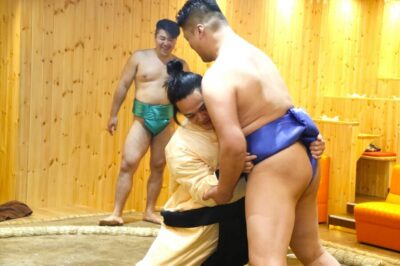
Sumo Show Experience with Chicken Hot Pot and a Photo
Read our review →
Shinjuku Food Tour (13 Dishes at 4 Local Eateries)
Read our review →
Tokyo Mt Fuji 5th St & Hakone Cruise Bus Tour w/Bullet Train
Read our review →
Flagship 2-Hours Official Street Go-Kart Tour – Tokyo Bay Shop
Read our review →Browse the lists this tour appears in