
Reviewed · TOKYO TOURS
Tokyo: Sumo Morning Practice Viewing Tour
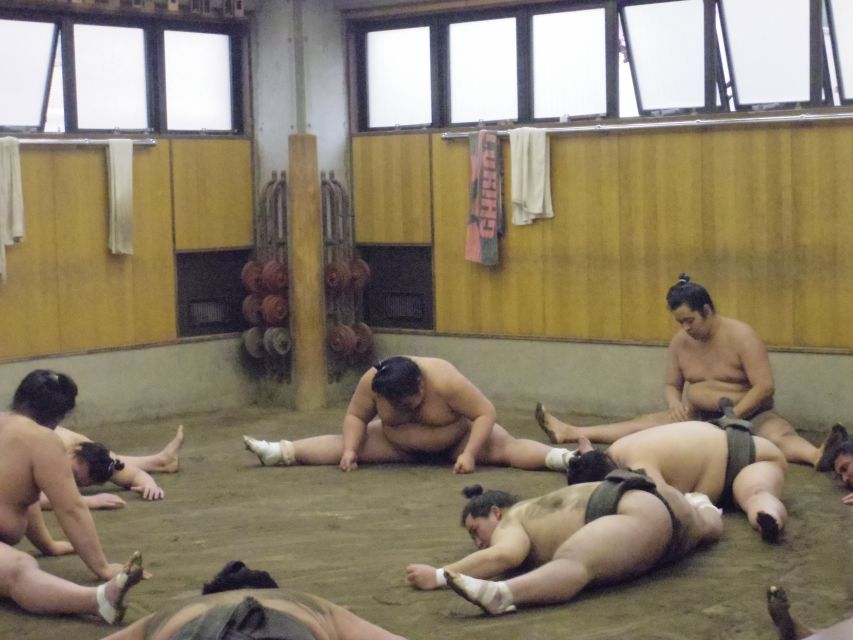
Tokyo’s sumo stables are working homes and training halls, not tourist attractions. This tour gives you a rare seat inside one, where wrestlers practice their pushes, throws, footwork, and brutal-looking collisions only a few feet away. The sound and force of a bout can surprise you.
I like the close-up view, which shows that sumo is a demanding sport rather than a staged cultural show. I also like the guides’ practical explanations. Yuko, Noriko, Mako, Kaz, and Oku San have helped visitors understand what they are watching without filling every quiet moment with chatter.
The main drawback is that you must sit still and stay silent until practice ends, usually between 9:00 and 10:00 in the morning. The timing can shift, seating is often assigned by arrival order, and the experience is not suitable for children under 11 or people with mobility impairments.
Key points to know before booking
- You enter a real working stable: This is where wrestlers live and train, not a performance space built for sightseeing.
- Practice lasts about 60 to 90 minutes: You watch the session through to the end, even if the activity runs longer than expected.
- Silence matters: Keep your phone on silent, stay seated, and do not move around during the training.
- Ryogoku adds useful context: The stable is in Tokyo’s sumo district, near the National Sumo Arena and other stables.
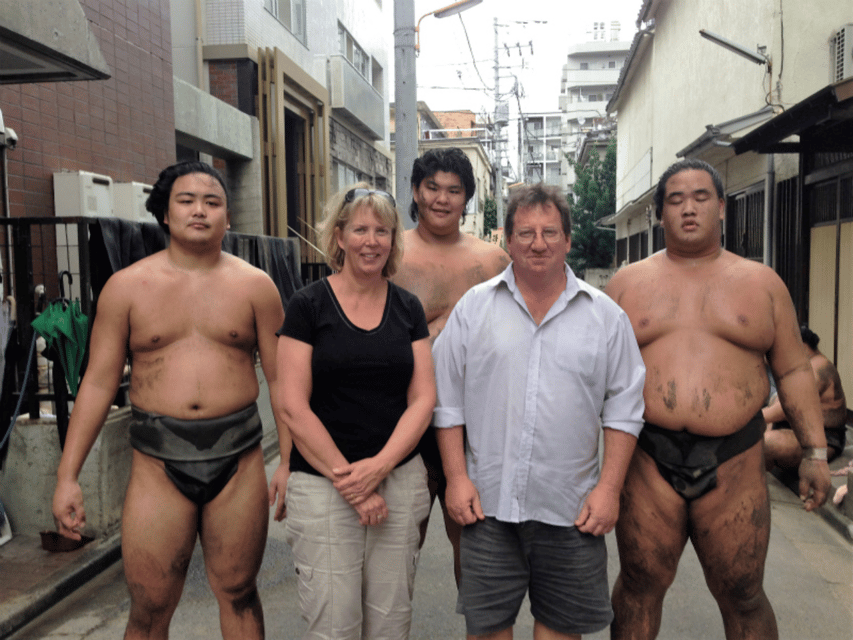
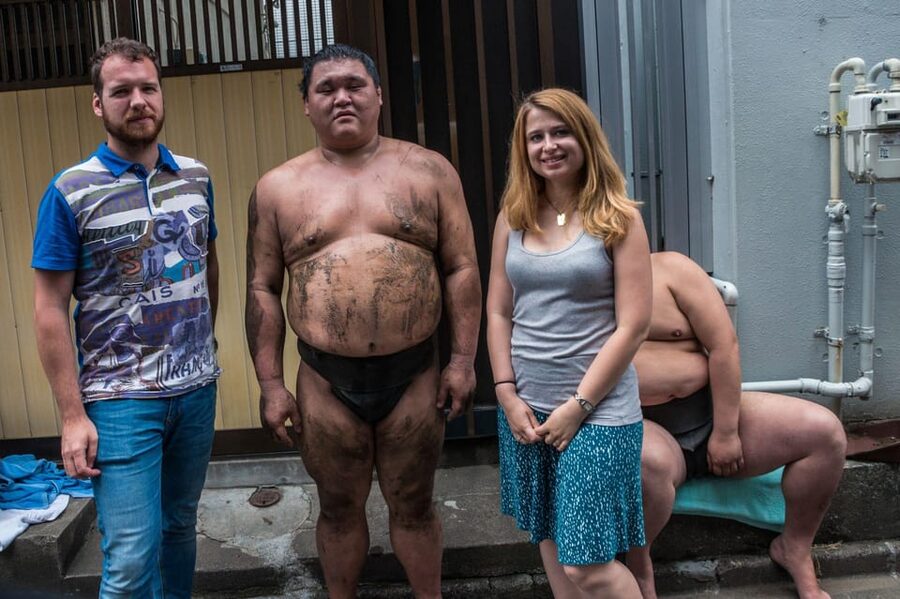
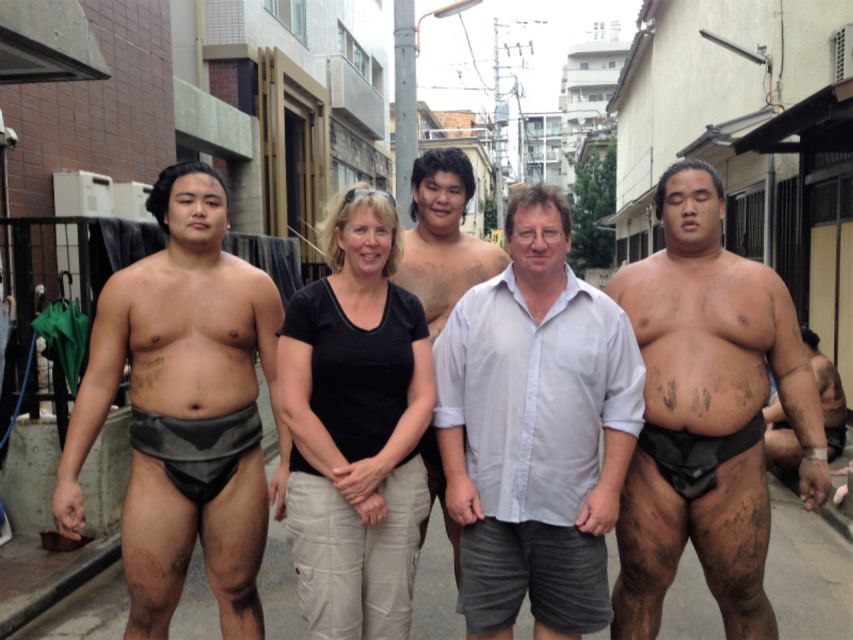
- Photos with wrestlers are possible: This depends on the day, the stable’s schedule, and the wrestlers’ availability.
- The $81 price buys access, not a show: You are paying for rare entry, a guide, interpretation, and a small-scale cultural experience.
Why a sumo stable is different from a tournament
A tournament is the polished public face of sumo. You see the ring, the formal entrances, the judges, and bouts that count toward a wrestler’s record. At a stable, you see the work behind that display.
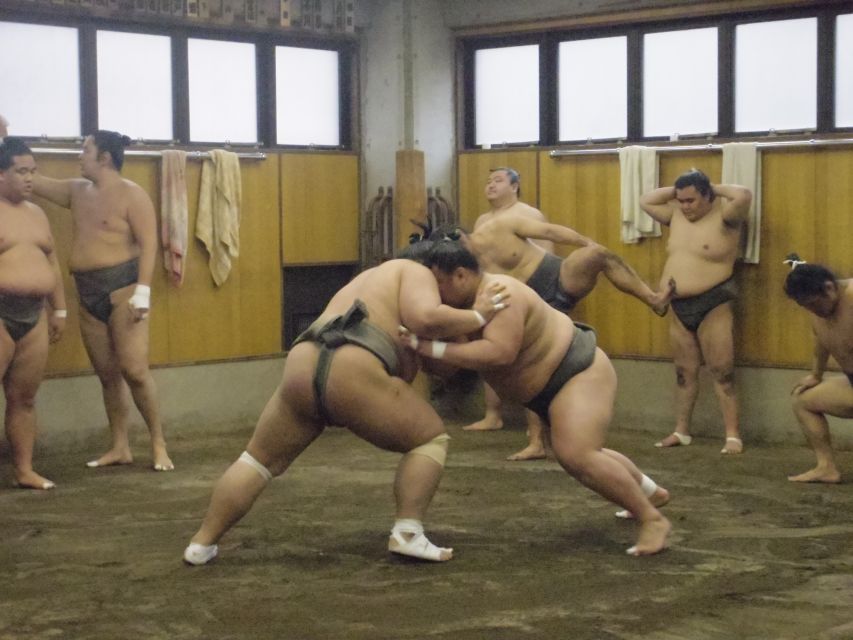
Morning practice can include stretching, basic drills, repeated shoving exercises, and practice bouts. The wrestlers do not perform for the group. They train under the eye of the stable master and coaches, repeating movements that require balance, timing, power, and concentration.
That difference matters. A tournament can be easier for a first-time viewer because the action is organized and the atmosphere is lively. A stable visit gives you more insight into the daily discipline behind the sport. You may see wrestlers working through routines that look repetitive at first, then notice how small changes in stance or timing affect each clash.
The sport itself is based on Shinto beliefs. In a bout, a wrestler tries to force his opponent outside the ring or make any part of his opponent’s body, other than the soles of the feet, touch the ground. The basic rule is simple. The physical and technical details are not.
More Sumo Experiences in Tokyo
- Tokyo: Sumo Show Experience with Chicken Hot Pot and a Photo
★ 4.8 · 6,678 reviews - Tokyo: Sumo Show and Dining Experience
★ 4.8 · 2,742 reviews - the SUMO show
★ 5.0 · 1,960 reviews
The walk to the stable in Ryogoku
The tour begins with an explanation of sumo and instructions for respectful behavior. The guide then takes you toward the stable, a walk listed at about 15 minutes. Depending on the booking option, you might also take a train after meeting the guide.
Your meeting point can vary, so read the booking details closely and arrive early. One useful tip from the experience is to allow extra time to find the exact spot. A visitor had difficulty locating the meeting point, while arriving early made the problem manageable.
Ryogoku is the right setting for this activity. It is Tokyo’s sumo neighborhood, close to the National Sumo Arena and home to several stables. The walk helps place the practice in its local setting, and guides sometimes point out nearby sumo-related places along the way.
Do not expect a long neighborhood tour. The main purpose is to reach practice on time. Still, the short walk gives you a sense that sumo is part of the area’s daily life, not simply something displayed inside an arena during tournament weeks.
What happens during the 60 to 90 minutes of practice
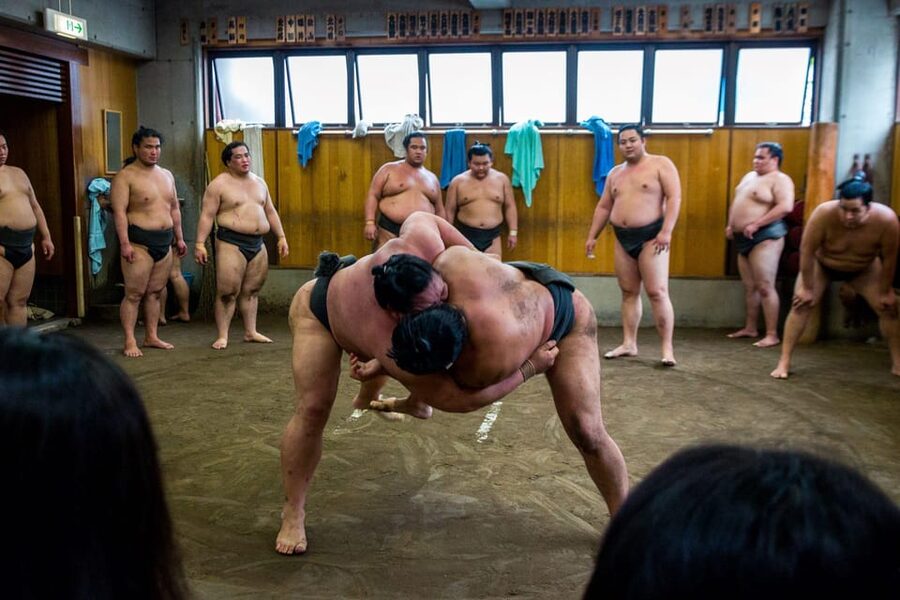
Once inside, you take your seat and watch the training. The session can last about an hour, but the exact length depends on the day’s schedule. You must remain until practice is finished, generally around 9:00 to 10:00 AM.
The stable is a place of work, so the group does not wander around. You cannot stand up, shift seats during practice, or chat freely. Phones must be silent. Hats, sunglasses, food, and drinks are not allowed, and flash photography and video recording are prohibited.
These rules may feel strict if you are used to a typical sightseeing activity. They are also part of what makes the visit possible. The wrestlers are preparing for competition, and your group is being allowed into a private training space. A quiet room gives you a far better sense of their focus than a noisy presentation would.
Guides handle the explanations in ways that fit the setting. Some pass written information or notes to the group during training. Others quietly identify wrestlers and explain a drill or technique. This is useful because the group must stay quiet, but it creates one practical issue: you may have trouble hearing spoken explanations during a loud bout.
The action can be startling. When two large wrestlers collide, the impact is sudden and heavy. Training bouts are short, intense, and leave little room for a mistake. You may also see quieter exercises and repeated drills, so the session is not nonstop action from beginning to end.
If you enjoy martial arts, sport, or the details of physical technique, you will likely appreciate the routine. You can watch how wrestlers set their feet, use their weight, brace against an opponent, and try to gain an advantage in a few seconds. If you need constant action, the quiet stretches may test your patience.
Seating, group size, and the best view
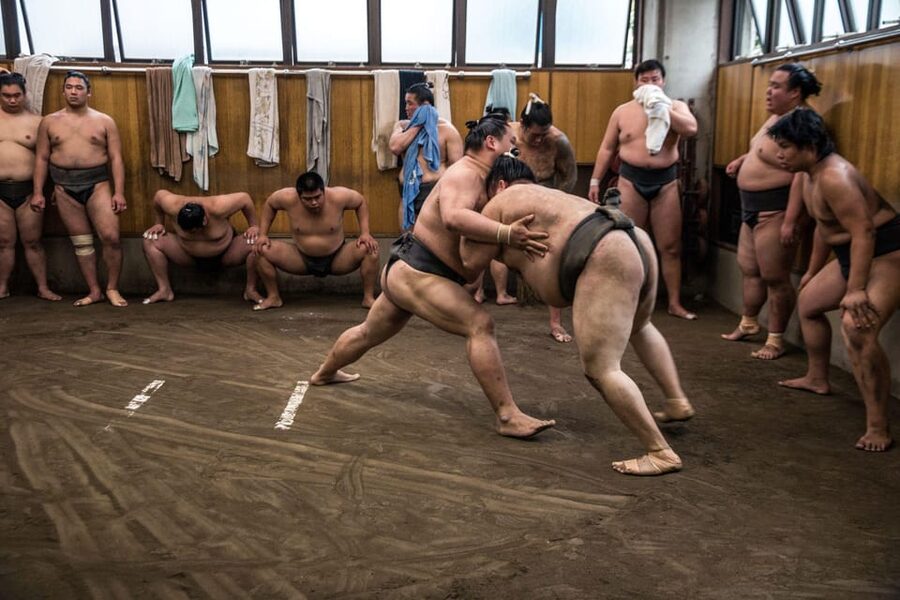
Seating is generally arranged according to arrival at the stable. Arrive early if a front-row position matters to you. A few people have had an excellent view from the first row, while others have found that an earlier group occupied the best seats.
This is worth considering at $81. The experience is intimate, but intimacy also means limited seating. You are not buying a reserved arena seat with a guaranteed view from a particular angle. Your position can affect your photographs and how clearly you see the wrestlers’ footwork.
Groups can vary in size. One experience had only a single participant, while another had around 30 people. The guides are used to managing groups, but a larger gathering can feel less personal and may make it harder to hear quiet explanations.
The stable itself is not presented as a visitor center. Expect a close, practical viewing area rather than comfortable theater seating. You need to be able to sit respectfully on the floor or in the available seating for an extended period. This is one reason the activity is not suitable for people with mobility impairments.
More sumo mornings and shows:
- Tokyo Shinjuku Sumo Show & Experience with Photo
★ 5.0 · 1,750 reviews - Tokyo: Sumo Show and Experience in Shinjuku
★ 4.8 · 1,001 reviews - Tokyo: Sumo Tournament Tour with Chair Seat Tickets
★ 4.6 · 753 reviews - Tokyo:Luxury Sumo Show Experience & Japanese cuisine & Drink
★ 4.7 · 577 reviews
Meeting the stable master and wrestlers
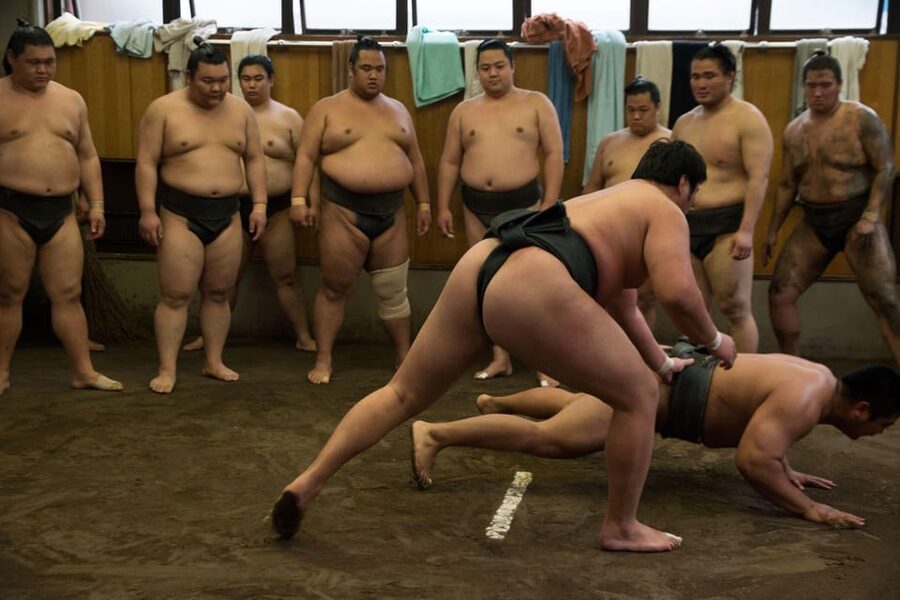
Interaction after practice depends on the stable’s schedule and the people working that day. Some sessions include a question-and-answer opportunity with the stable master or coach. In at least one case, the stable master was a former wrestler and answered questions about training and daily life.
This can be one of the most valuable parts of the morning. A guide can explain the broad rules and customs, but someone connected directly to the stable can add a different perspective. You might learn more about the wrestlers’ routine, the demands of training, or how the sport changes as competitors move up the ranks.
The stable master may not be available every time, so treat this as a possibility rather than a guaranteed feature. The same applies to photos. Some groups have taken pictures with two wrestlers after practice, while other days may not allow it.
If photographs are offered, follow the guide’s instructions and keep the moment brief. You are visiting a place where the wrestlers need to continue their daily work. The chance for a picture is a welcome extra, not the main reason to book.
The guides make the quiet viewing work
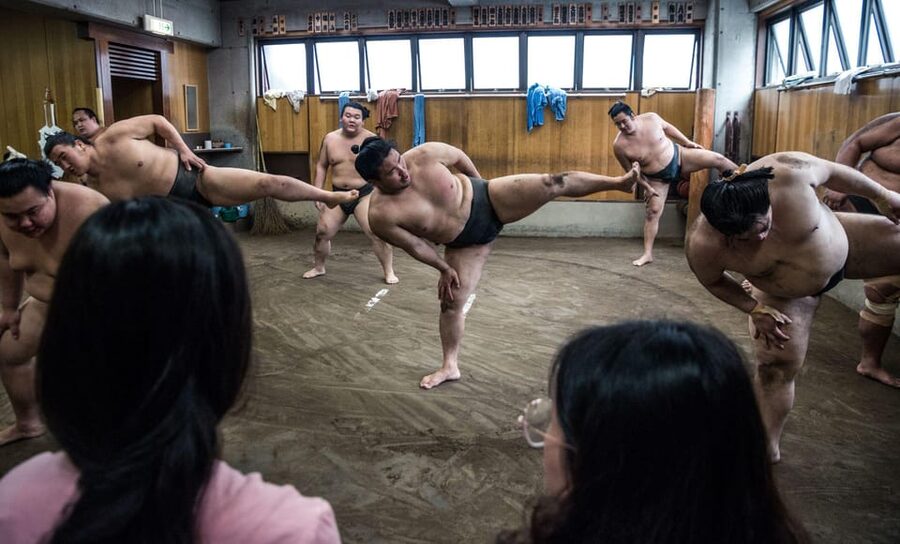
An English-speaking licensed guide accompanies the tour. The guide’s role is more important here than on a simple walk because you need help interpreting a highly ritualized sport without interrupting the practice.
Several guides have been singled out for their clear explanations and good organization. Yuko has been praised for identifying wrestlers and sharing information quietly. Noriko has explained the history and rules before practice and added stories about the surrounding area. Oku San has been valued for keeping the group together and explaining what to do on the way to the stable.
Other guides named during the experience include Mako, Kaz, Taku, Nobu, Miwako, Tad, and Daigo. The guide assigned to your date will depend on the schedule, so you should not book expecting one particular person unless the operator confirms it.
A good guide here does not talk constantly. The best rhythm is a short explanation before practice, quiet notes or handouts during the session, and answers afterward. You are there to watch the wrestlers, not to listen to a lecture while the important action happens in front of you.
Is $81 a fair price?
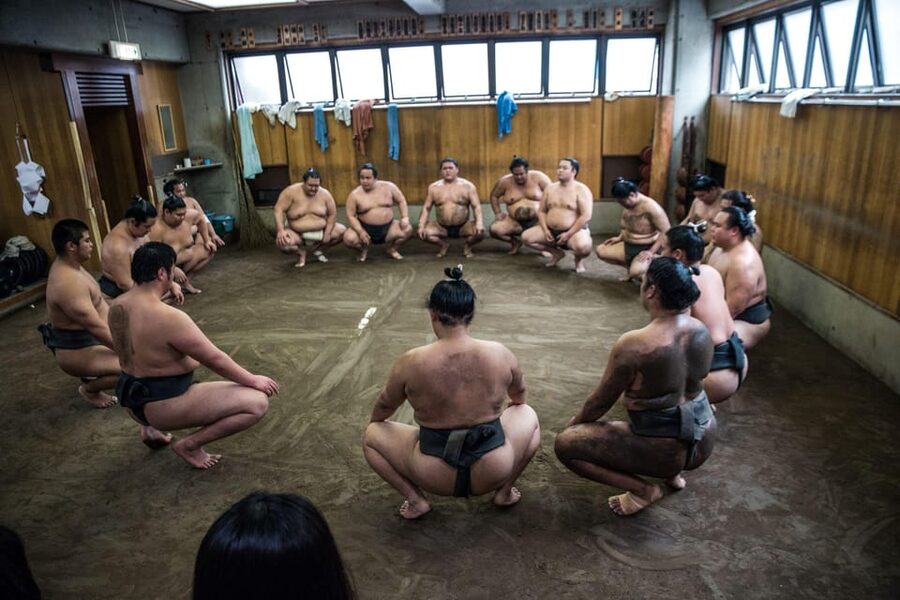
At $81 per person, this is not a cheap morning activity. You are paying more than you would for a museum ticket or a walk through Ryogoku. The price needs to be judged by access.
Sumo stables are not normally open to the general public. Access has traditionally been limited, including access connected with sponsors. Even Japanese residents may not have an easy way to enter a stable and watch a normal practice session. The guide also handles the language barrier, explains the customs, and gets you to the correct place.
I think the price is reasonable if you value rare access and serious cultural experiences. It is less appealing if you mainly want a photo, a short demonstration, or a guaranteed chance to see famous wrestlers. The tour is not a theatrical sumo dinner show, and that is both its strength and its limitation.
You also need to accept uncertainty. The stable you visit can vary. The practice schedule can change. A photo may not be possible. The ending location can differ from the meeting place, and the session may be shorter or longer than expected.
Free cancellation up to 24 hours before the activity and the option to reserve now and pay later make the booking easier to fit into a changing Tokyo schedule. Still, do not place an important appointment immediately afterward. Give yourself a buffer.
How to prepare for the morning
Plan to arrive early. This helps you find the meeting point and may improve your seating position. It also keeps the group from arriving late at a working stable.
Wear modest clothing. Choose something comfortable enough for sitting still, but avoid treating the visit like a casual stop at a sports bar. You should be prepared for a quiet, respectful setting.
Leave food and drinks behind. Do not bring a plan to snack during practice. Keep your phone silent and your camera ready without using flash. Video recording is not allowed, so prepare to remember the action without filming it.
You must stay through the end of practice. This is not a drop-in viewing where you can leave after 20 minutes and return later. Once you leave the stable, re-entry is not permitted.
If you have a morning train, meal reservation, or other commitment, tell the operator in advance and allow extra time. The published duration is 90 minutes to two hours, and the practice itself can run about 60 to 90 minutes.
Who will enjoy this most
I would recommend the tour to adults and older children who can sit quietly and appreciate the detail of training. It suits people interested in Japanese customs, martial arts, professional sport, photography, and experiences that take place behind ordinary tourist routes.
It is especially useful if you cannot attend a tournament. Tournament tickets can be difficult to arrange, and the competition schedule may not match your trip. A morning at a stable gives you a direct look at the sport and can make a later tournament visit easier to understand.
You do not need prior sumo knowledge. The guide explains the basic rules, history, and customs. You only need curiosity and enough patience to watch practice without expecting a show built around you.
I would skip it if you cannot sit on the floor or remain still for a long time. I would also avoid booking it for a child under 11, since the age restriction is clear and the silence requirement may be hard for younger visitors.
Pairing the experience with Ryogoku
The tour ends after practice, and the final location may differ from where you met. Since you are already in Ryogoku, you can continue exploring the sumo district or look for a restaurant serving sumo-style meals.
The activity can also work well before an afternoon tournament at the Ryogoku Arena. Seeing the morning training first gives you a better feel for the wrestlers’ preparation and the techniques you later watch in competition. Just keep enough time between plans because the stable schedule is not fixed to the minute.
Do not expect the tour itself to include a meal, a tournament ticket, or a long sightseeing program. Its focus is narrow: get inside the stable, watch practice, and understand what you are seeing.
Should you book the Tokyo sumo morning practice tour?
Book it if you want an honest look at sumo as a demanding daily discipline, not just a colorful arena event. The close seating, quiet observation, and chance to speak with a guide or stable representative make this a strong choice for a first introduction to the sport.
Think twice if you need guaranteed photographs, guaranteed famous wrestlers, or a fixed end time. You also need to be comfortable with floor seating, modest clothes, strict rules, and no video.
For most adults who can meet those conditions, I think the $81 cost is justified by the access alone. The best part is not a staged bout. It is watching young wrestlers work toward a difficult goal while the stable master and coaches watch every movement. That is a side of Tokyo you will not get from a standard sightseeing route.
FAQ
Where does the sumo morning practice tour take place?
The tour takes place at a real sumo stable in Ryogoku, Tokyo, on Honshu. Ryogoku is known for its sumo arena and sumo-related neighborhood.
How long does the activity last?
The total duration is about 90 minutes to two hours. Morning practice usually lasts 60 to 90 minutes, but the exact length depends on the day.
What time does the tour finish?
You must stay until the end of practice, generally around 9:00 to 10:00 AM. The session may finish a little earlier or later than expected.
Is the tour conducted in English?
Yes. The tour includes a live English-speaking guide.
Can I take photos with the wrestlers?
Photos with wrestlers may be available after practice, depending on the day and the stable’s schedule. They are not guaranteed.
Can I record video during practice?
No. Video recording is not allowed. Flash photography is also prohibited.
Can I leave the stable early and come back?
No. You must stay until practice ends, and there is no re-entry after you leave the stable.
What should I wear?
Wear modest clothing suitable for a working sumo stable. Hats and sunglasses are not allowed.
Can I bring food or drinks?
No. Food and drinks are not allowed inside the stable.
Is the tour suitable for children?
The activity is not suitable for children under 11. You also need to sit quietly and remain still during practice.
Is the tour suitable for people with mobility impairments?
No. The activity is listed as unsuitable for people with mobility impairments, in part because you may need to sit on the floor for an extended period.
Can I cancel the booking?
You can cancel up to 24 hours in advance for a full refund. A reserve-now-and-pay-later option is also available.
More Morning in Tokyo
- Tokyo: Sumo Morning Training Visit
★ 4.4 · 370 reviews - Tokyo: Sumo Morning Practice Tour at Sumida City
★ 4.8 · 308 reviews - Tokyo Sumo Morning Practice Tour at Stable
★ 5.0 · 298 reviews - Tokyo Ryogoku Sumo Morning Practice + Photo Shoot with Wrestlers
★ 4.5 · 277 reviews
Just added around Tokyo
- Private Arrival Transfer : Narita International Airport to Central Tokyo City★ 4.5 · 12 reviews
- Narita Airport(NRT): Private Transfer to Tokyo/Yokohama 1-9pax★ 5.0 · 47 reviews
- Private Transfer from Narita Airport to Yokohama Port and City★ 4.5 · 17 reviews
- [Narita Airport Terminals 1, 2] 40-60km Sawara Itako Historic Bike Tour★ 5.0 · 13 reviews
- 3 Day Japan Highlights Tour: Tokyo, Mt.Fuji, Nara, Kyoto, Osaka★ 5.0 · 22 reviews
- Small Town in the Big City: Tasting Tokyo’s Kichijoji★ 5.0 · 195 reviews
- Small Town in the Big City: Tasting Tokyo’s Kichijoji★ 5.0 · 16 reviews
- The 10 Tastings of Tokyo With Locals: Private Street Food Tour★ 5.0 · 48 reviews
Tokyo Tours, compared.

Mt Fuji and Hakone 1-Day Bus Tour Return by Bullet Train
Read our review →
teamLab Planets TOKYO Digital Art Museum Entry Ticket
Read our review →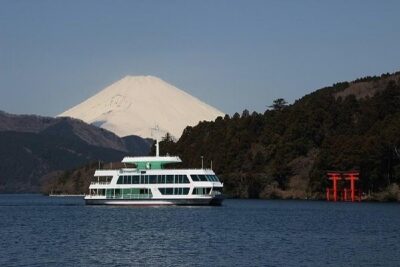
Mt Fuji & Hakone Cruise, Drum Show Bullet Train 1 Day from Tokyo
Read our review →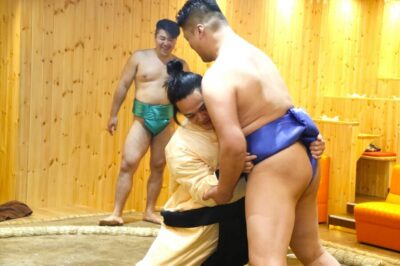
Sumo Show Experience with Chicken Hot Pot and a Photo
Read our review →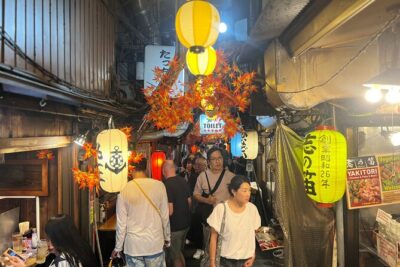
Shinjuku Food Tour (13 Dishes at 4 Local Eateries)
Read our review →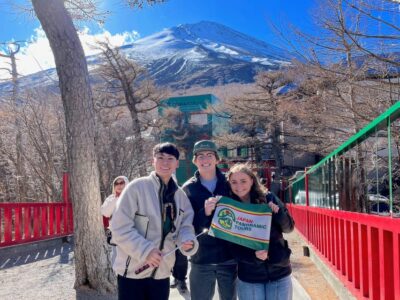
Tokyo Mt Fuji 5th St & Hakone Cruise Bus Tour w/Bullet Train
Read our review →
Flagship 2-Hours Official Street Go-Kart Tour – Tokyo Bay Shop
Read our review →Browse the lists this tour appears in