
Reviewed · KYOTO TOURS
Bike Tour Exploring North Kyoto plus Lunch
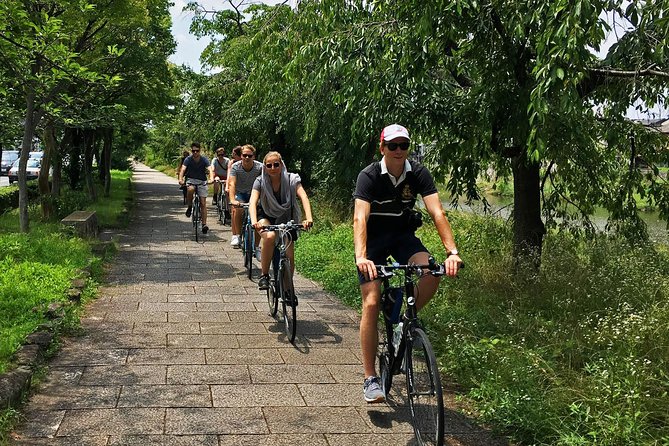
Kyoto makes more sense from a bicycle seat. You move beyond the main roads, slip through quiet lanes, and reach major sights without spending the day squeezed into buses. The route covers about 13 miles, or roughly 24 kilometers, but the riding is spread across six hours with regular stops.
I especially like the small group of no more than eight, which gives guides such as Mayko, Julian, Indra, Quinn, Karl, and Jay room to answer questions and adjust the pace. I also like that lunch and temple admission are included, so the price covers more than a bike and a quick ride past the sights.
The main consideration is the physical side. This is not a gentle sightseeing shuttle: you should be comfortable riding a bike for several hours, and the day can feel demanding in Kyoto’s heat. Rain can also cancel the tour, so keep some flexibility in your schedule.
Key points to know before you book
- About 13 miles of cycling: The riding takes roughly 2.5 hours, spread across a five- to six-hour day with sightseeing breaks.
- North Kyoto’s big sights and quiet corners: Visit Nishi Honganji, Kitano Tenmangu, Kinkakuji, former imperial grounds, and Gion.
- A genuinely small group: The maximum is eight people, making it easier to hear the guide and ride at a sensible pace.
- Lunch is part of the experience: The meal may be noodles, sushi, or another local option, and dietary needs should be given in advance.
- Good bikes and basic gear included: You ride a high-quality Cannondale bicycle, with bottled water and cycling equipment supplied.
- Best for confident riders aged 13 and up: The route is mostly manageable, but you need moderate fitness and comfort on city streets.
Why a bicycle works so well in Kyoto
Kyoto’s famous sights are scattered across the city. A bus can get you from one major stop to another, but it often leaves you seeing the city through glass and waiting in traffic. A bicycle gives you a better sense of how the temples, shopping streets, homes, shrines, and river corridors fit together.
This tour also solves a common Kyoto problem: planning. You do not need to work out which train, bus, or side street connects one sight to the next. Your guide handles the route while explaining what you are seeing, and you can concentrate on riding and looking around.
The route is not a race. The cycling is broken up by temple visits, shrine stops, photo pauses, lunch, and short rests. One account described about 2.5 hours of actual riding during a six-hour day, which is useful when judging the effort.
You may encounter a few gentle rises, including a slight incline toward Kinkakuji. The route is otherwise described as easy to moderate, with a steady pace that can suit people who do not ride often. Still, the distance adds up. If you have not been on a bicycle for years, expect some tired legs by the end.
More bike days around Kyoto:
- Hidden Kyoto E-Biking tour
★ 5.0 · 1,843 reviews - Arashiyama Bamboo Forest & Hidden Gems Bike Tour (Early Bird)
★ 5.0 · 613 reviews - 5 Top Highlights of Kyoto Full Day Bike Tour (E-bike option)
★ 5.0 · 511 reviews
Starting at Cycle Kyoto at 10:00 a.m.
The day begins at Cycle Kyoto, at 7 Higashikujō Nishisannōchō in Minami Ward. You meet the guide and the rest of the group, choose a bike based on your height, and get ready for the ride.
A Cannondale bike is supplied, along with the cycling equipment and bottled water. Helmet use is available, and extra seat padding can be fitted for comfort. These details matter on a long city ride. A poor saddle or badly sized bike can turn an enjoyable day into a test of patience.
The group limit of eight is one of the tour’s strongest practical features. The guide can keep an eye on riders, learn everyone’s name, and adjust the pace without turning the ride into a slow-moving crowd.
You need to be at least 13 years old and comfortable riding a bicycle. The operator asks for moderate physical fitness, which feels fair given the distance and duration. This is not designed for someone who wants only a brief spin between attractions.
Nishi Honganji and Kyoto’s wooden scale
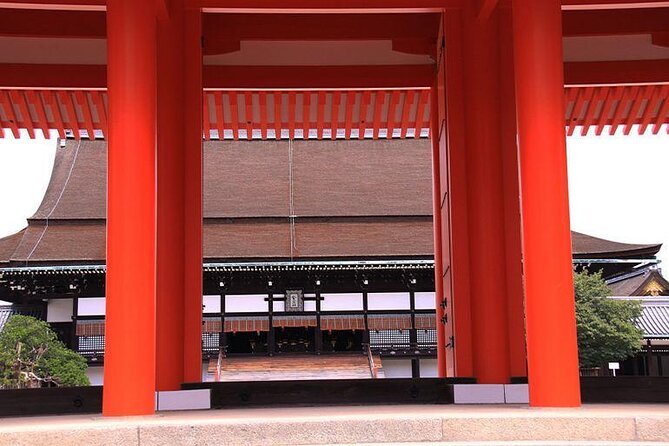
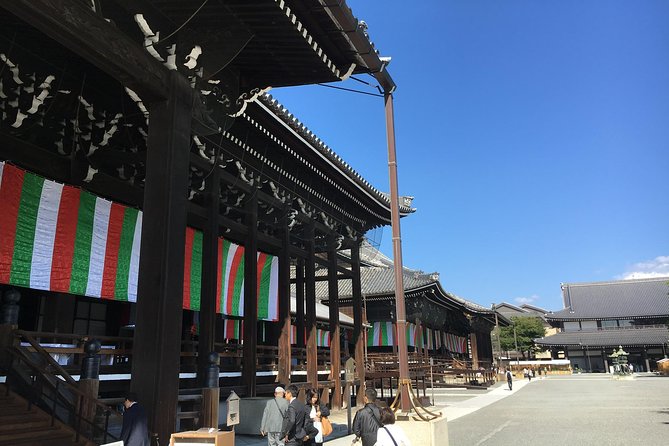
Nishi Honganji is an unusual first stop. It is one of Kyoto’s least visited major religious sites, yet it contains one of the largest wooden buildings in the world. The short visit gives you an early look at a quieter side of Kyoto before the day reaches its most famous attraction.
The value here is the contrast. Kinkakuji draws large crowds and international attention, while Nishi Honganji can feel more spacious and less hurried. Your guide adds context about the religious setting and points out details you might otherwise pass without noticing.
The stop lasts about 15 minutes, so do not expect an extended architectural study. It works best as an introduction to Kyoto’s scale, design, and religious traditions. You see enough to understand why the site matters, then get back on the road.
Kitano Tenmangu, a shrine with local life
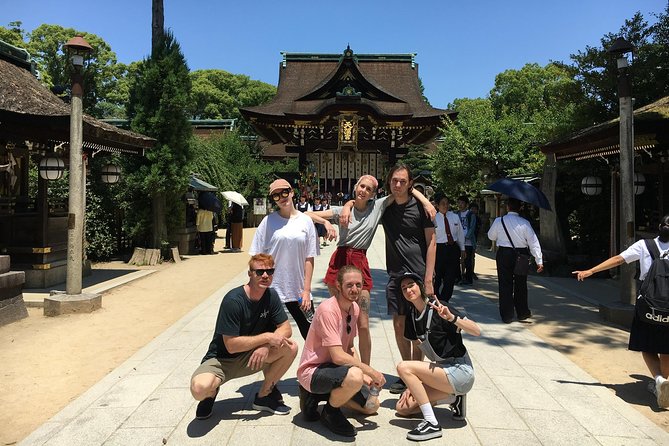
At Kitano Tenmangu Shrine, the tour shifts from a large Buddhist temple setting to an active Shinto shrine. You spend about 20 minutes here, watching local worshippers and taking in the calmer mood of the grounds.
This stop is especially useful if you want help sorting out the difference between Buddhism and Shinto. Guides including Indra and Quinn have been praised for explaining how these traditions developed and how they continue to shape Japanese culture. That kind of explanation gives the buildings and rituals a human context instead of leaving you with only a list of names.
Kitano Tenmangu also offers a chance to observe ordinary religious life. The experience is not limited to a grand entrance gate or a famous view. You can see how people use the shrine, and your guide can explain the customs in a way that is difficult to pick up on your own.
More lunch stops in Kyoto:
- Osaka/Kyoto: Arashiyama, Nara & Fushimi Inari Shrine w/Lunch
★ 4.4 · 754 reviews - Kyoto Zen Meditation & Garden Tour at a Zen Temple with Lunch
★ 5.0 · 441 reviews - 4.5-Hour Kyoto Bike Tour with Lunch and UNESCO Zen Temples
★ 5.0 · 122 reviews - From Kyoto: Nara History Guided Half Day Bus Tour with Lunch
★ 4.8 · 114 reviews
Kinkakuji, Kyoto’s famous Golden Pavilion
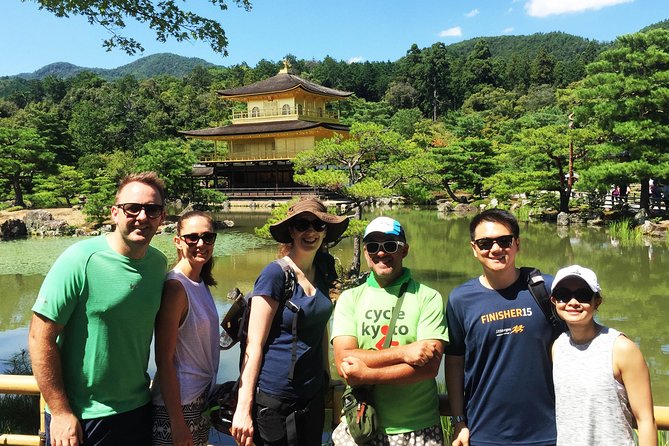
Kinkakuji is the visual centerpiece of the northern route. The Golden Pavilion is one of Japan’s most visited attractions, and the tour includes the entrance fee, a roughly 30-minute visit, and commentary from the guide.
The pavilion is famous for good reason. Its gold-covered exterior reflected in the pond is one of Kyoto’s defining images. It is also the point where the route may feel busiest, so the guide’s explanations help you get more from a short visit rather than simply stopping for a photograph.
You may have time for an ice cream and a brief rest here. That sounds minor, but it is welcome after the earlier riding and before the route continues. The pavilion itself can be crowded, and 30 minutes will not allow a slow, private exploration. Think of this as a well-organized introduction, not a long museum visit.
The slight uphill ride toward Kinkakuji is worth noting. It is not described as a major climb, but it can be noticeable in warm weather. The upside is that riders describe much of the route afterward as downhill or easier, so the timing of the effort works in your favor.
Former imperial grounds and a change of pace
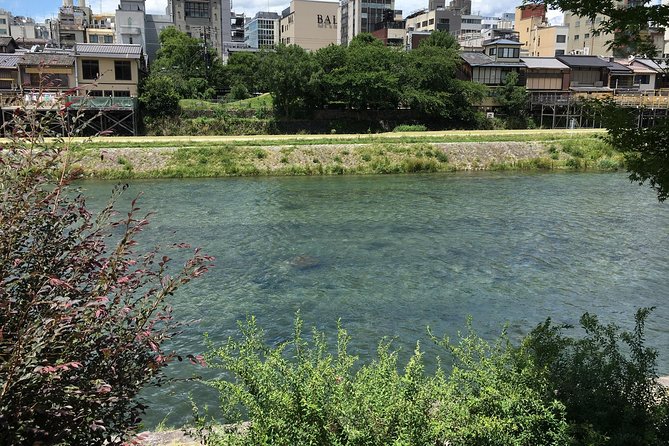
The route also passes through the grounds of the former seat of Japan’s imperial family. The stop gives you a chance to ride through a more open historic setting and hear how the area fit into Kyoto’s past.
The supplied details do not give a fixed stop length or a full description of the grounds, so you should treat this as a flexible part of the day. Your guide may use the setting to connect the imperial court, the city, and the religious sites you have already seen.
This kind of stop is one reason to choose a guided bike route instead of simply ticking off the biggest temples. You get a broader picture of Kyoto, including spaces that may not be at the top of a first-time sightseeing list.
Lunch as part of the cultural experience
Lunch is included, and it is more than a practical refueling break. Past groups have eaten at a traditional noodle restaurant, a sushi bar, or a conveyor-belt sushi restaurant, depending on the day and the venue. One lunch setting was described as a 400-year-old noodle restaurant, while another group had sushi after the planned noodle house was closed.
That variation is worth understanding before booking. The meal is included, but the exact restaurant and menu may change. You should not book expecting one guaranteed dish or one fixed dining room.
The lunch adds real value to the tour. You can try a Japanese meal without spending time choosing a restaurant in the middle of a busy sightseeing day, and the guide can help keep the group moving. Vegetarian options have been arranged when requested, but dietary requirements need to be provided ahead of time.
Extra drinks are not included. Bottled water is supplied, and you should still pay attention to hydration, especially during Kyoto’s hot months. The guides have made a point of keeping riders supplied with water on very warm days, but carrying or buying anything beyond the included bottle is your responsibility.
Riding through Kyoto’s less obvious streets
The most rewarding part may be the movement between the named sights. You ride through back alleys, residential streets, and corners you could easily miss from a bus. The route lets you see Kyoto as a living city, not only as a collection of temples prepared for sightseeing.
That does not mean every minute is scenic. You are cycling in an urban area, so you need to pay attention to traffic, crossings, and other road users. The guide leads the way and focuses on safety, but you still need to ride responsibly and follow instructions.
The route has been described as safe and easy to moderate, even for riders who had not cycled in years. The pace can be adjusted to suit the group, and frequent stops keep the day from becoming a nonstop workout. Still, a rider who is uncomfortable balancing, braking, or riding near traffic may find this stressful.
For families, the age rule matters. Riders must be at least 13, and every participant should already feel at ease on a bicycle. A family with older children and teenagers can find this a great shared day, but it is not a good fit for younger children or anyone who needs a child seat or tandem bike, neither of which is listed.
A brief visit to Gion
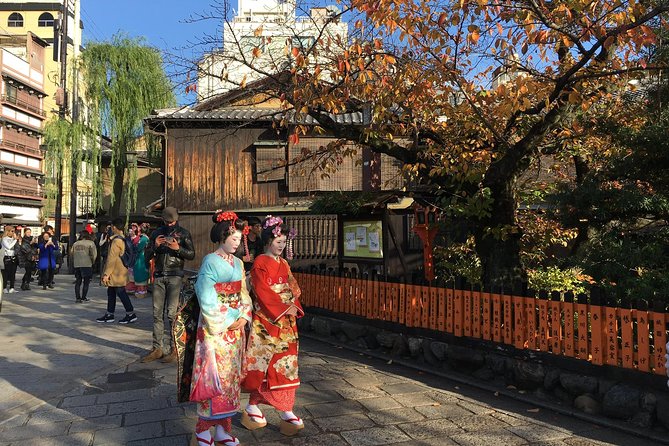
The final named stop is Gion, Kyoto’s famous geisha district. The visit is short, about 10 minutes, but it gives you a look at one of the city’s best-known traditional neighborhoods.
Your guide can explain the difference between a geisha and the popular outside image of the profession, along with how this private world fits into modern Kyoto. You might catch a glimpse of an entertainer, but that is never something to count on. The better reason to stop is to learn how the district works and to see its streets respectfully.
Because the Gion visit is brief, do not expect a full walking tour of the area. If Gion interests you, save time on another day to return on foot and explore at a slower pace. The bike tour gives you an orientation, not a complete evening in the district.
The activity ends back at the Cycle Kyoto meeting point. Returning to the start makes the logistics simple, especially if you have plans later in the day.
Guides make the difference
The route is strong, but the guide shapes the day. Names repeatedly associated with particularly good tours include Mayko, Julian, Indra, Quinn, Karl, and Jay. Each brings a different style, yet the useful qualities are consistent: clear explanations, attention to safety, humor, and a willingness to answer questions.
Mayko has been described as engaging and careful with cultural detail. Julian is known for an easygoing manner and enthusiasm for Kyoto. Indra has explained Buddhism, Shinto, Japanese culture, and the origins of the geisha tradition in a way that connects separate stops.
Quinn has been praised for learning everyone’s name, adjusting the speed to the group, and taking extra care in hot weather. Jay is a strong choice for families, especially because he has kept younger riders involved and made the day feel personal. Karl brings plenty of detail and a lively personality.
The guide may also add small stops or extend the day when conditions allow. One outing ran about an hour longer than expected. That can be a pleasant bonus, but keep your late afternoon flexible rather than scheduling a tight appointment immediately after the ride.
Price, group size, and overall value
The price is $106.12 per person. That is not the cheapest way to move around Kyoto, but it includes a high-quality Cannondale bike, cycling equipment, guidance, bottled water, lunch, and the Kinkakuji admission fee.
You are also paying for route planning and access to local explanation. Hiring a bike on your own would cost less, but you would need to plan a roughly 24-kilometer route, manage navigation, decide which sites to enter, and find lunch while keeping the day on schedule. For a first full day in Kyoto, that planning help can justify the price.
The maximum group size of eight improves the value. You are not joining a large cycling convoy where the guide can offer only broad commentary. A small group also makes it easier to ask about food, temples, local customs, and places to visit later in your trip.
The tour has a 4.9 rating from 1,087 ratings, with 99 percent recommending it. Those figures point to strong consistency, especially around the guides, route, lunch, and sense of discovery. They do not remove the basic limitations: the day is long, weather matters, and you need to be ready to ride.
Free cancellation is available up to 24 hours before the 10:00 a.m. start for a full refund. Changes or cancellations inside that window are not accepted for a refund. The tour can also be canceled for poor weather or if the minimum number of riders is not reached, with a different date or a full refund offered.
Who should book this ride
I would choose this for a first or second full day in Kyoto. The route gives you a useful city orientation, and the guide can point out places to revisit later. One smart strategy is to schedule it near the start of your stay, leaving later days for the temples or neighborhoods that catch your interest.
It suits active couples, solo visitors, groups of friends, and families with teenagers. It is also a good choice if you prefer local streets and conversation to a fixed bus route. Solo riders should find the small group welcoming, and the guides make an effort to include everyone.
I would think twice if you dislike cycling in cities, struggle with several hours of moderate activity, or have a packed schedule that cannot absorb a weather change. Kyoto’s heat can make a manageable route feel much harder, and rain may force a rescheduling.
Should you book Bike Tour Exploring North Kyoto plus Lunch?
Yes, if you are comfortable on a bicycle and want a broad, active introduction to Kyoto. You see major temples and shrines, pass through quieter parts of the city, eat a proper Japanese lunch, and get cultural explanations that turn the route into more than exercise.
Book it early in your Kyoto stay if you can. That gives you time to move the reservation if rain threatens and lets you use the guide’s suggestions for the rest of your visit. Bring a flexible attitude about the lunch venue, allow extra time after the tour, and be ready for a full day in the saddle. For the right rider, this is one of the most efficient and personal ways to get oriented in Kyoto.
FAQ
How long does the Kyoto bike tour last?
The experience lasts approximately five to six hours. The cycling itself has been described as about 2.5 hours, with the rest of the day spent visiting temples, shrines, historic grounds, Gion, and lunch.
What time and where does the tour start?
The tour starts at 10:00 a.m. at Cycle Kyoto, 7 Higashikujō Nishisannōchō, Minami Ward, Kyoto, 601-8003, Japan.
Where does the tour finish?
The activity ends back at the Cycle Kyoto meeting point.
What sights are included?
The route includes Nishi Honganji, Kitano Tenmangu Shrine, Kinkakuji Temple, the grounds of the former seat of Japan’s imperial family, and Gion. Kinkakuji admission is included.
Is lunch included?
Yes. Lunch is included, but the exact venue can vary. Options have included noodles and sushi. Extra drinks are not included.
How fit do I need to be?
You need moderate physical fitness and must be comfortable riding a bike. The route is roughly 13 miles, or about 24 kilometers, spread across the day with sightseeing breaks. Riders must be at least 13 years old.
What happens if it rains?
The experience requires good weather. If the operator cancels because of poor weather, you will be offered another date or a full refund. Free cancellation by you is available up to 24 hours before the start time.
Just added around Kyoto
- Kyoto: Zen Meditation at a Private Temple with a Monk★ 5.0 · 25 reviews
- Kyoto: Gion Geisha District & Sake-in-Hand Walking Tour★ 5.0 · 37 reviews
- Private Pewter Sake Cup Experience with a Kyoto Artisan★ 5.0 · 31 reviews
- Your Private Vacation Photography Session In Kyoto★ 5.0 · 110 reviews
- Private Guided Traditional Buddhist Cooking in Japan★ 5.0 · 16 reviews
- Kyoto Wagashi(Japanese sweets) Cooking Class near Fushimiinari★ 5.0 · 60 reviews
- Traditional Japanese Music show & Experience Tour in Kyoto★ 5.0 · 57 reviews
- Kyoto:Family-Friendly Kimono & Yukata Experience at WARGO★ 5.0 · 147 reviews
Kyoto Tours, compared.
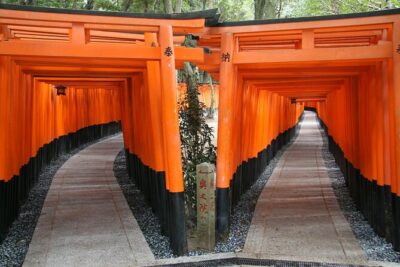
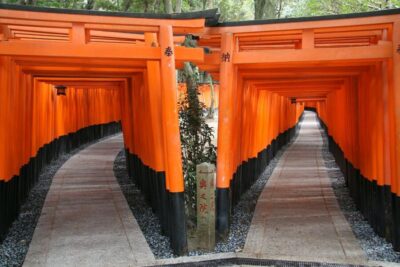
Fushimi Inari, Kinkakuji, Bamboo Grove 1 Day Bus Tour
Read our review →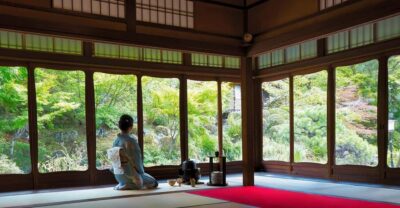
Tea Ceremony in a Traditional Tea House in Kiyomizu
Read our review →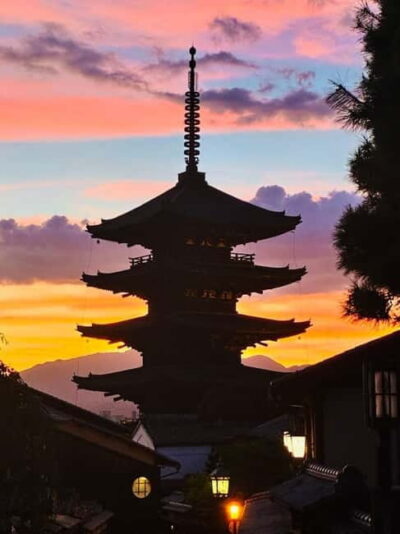
Kyoto Geisha Walking Tour: Gion District & Hidden Gems
Read our review →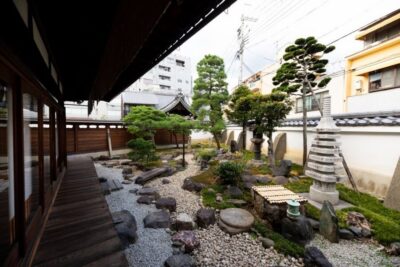
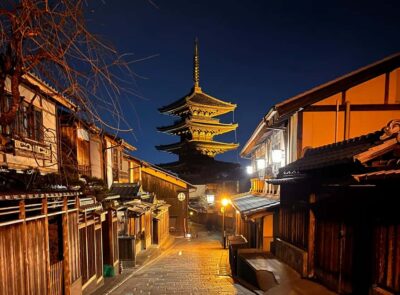
Gion Magical Night Walking Tour with Geisha Trivia
Read our review →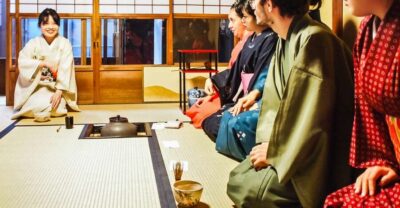
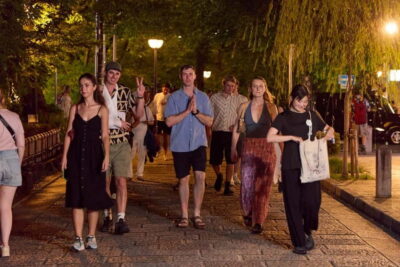
Gion Geisha District Walking Tour – Stories of Geisha
Read our review →Browse the lists this tour appears in