
Reviewed · KYOTO TOURS
Hidden Kyoto E-Biking tour
Kyoto’s best moments often come between the famous sights. This small-group e-bike tour gets you from the golden Kinkakuji to quiet temple lanes, intimate Zen gardens, and parts of northern Kyoto that are awkward to cover on foot. Guides such as Yuta, Michael, Sean, and Henry bring the route to life with stories about Buddhism, Shinto, geisha culture, samurai, and local customs.
I like two things especially: the electric assistance makes hills and warm weather far less taxing, and the route mixes major sights with places you would likely skip on your own. The main consideration is that this is still a bike tour. You need to ride confidently enough for city streets, gentle climbs, descents, and a nearly four-hour outing.
Key points at a glance
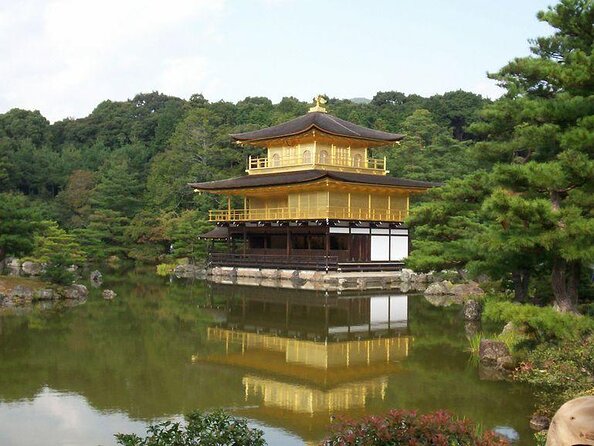
- A rare mix of famous and quiet Kyoto: See Kinkakuji and Kitano Tenmangu, then leave the main tourist routes for peaceful streets and temple grounds.
- Electric bikes make the hills manageable: The bikes require little effort, but you still need basic cycling ability and control.
- A small group keeps the ride personal: The maximum group size is eight, useful when crossing streets or listening at temple stops.
- The guides add cultural context: Yuta is especially praised for clear explanations of Zen Buddhism, temple etiquette, tea, geisha history, and Japanese traditions.
- The route is easy by cycling standards, not effortless: The ride covers roughly 7 to 8 kilometers and includes hills, descents, and several stops.
- A good first-day orientation: You see a broad slice of northern Kyoto and finish with ideas for restaurants, shopping, and further sightseeing.
Why a bicycle works so well in northern Kyoto
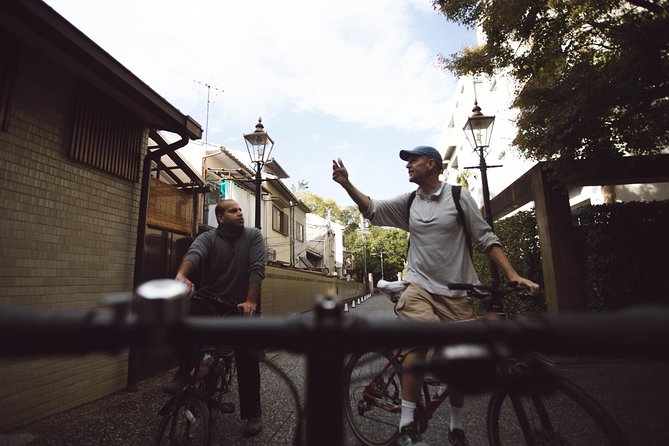
Kyoto’s headline temples are spread across a wide area. You can connect them by bus, but buses are often crowded and slow, especially around Kinkakuji. Walking between them takes time and energy. A bicycle gives you a better sense of the city, because the ride itself becomes part of the sightseeing.
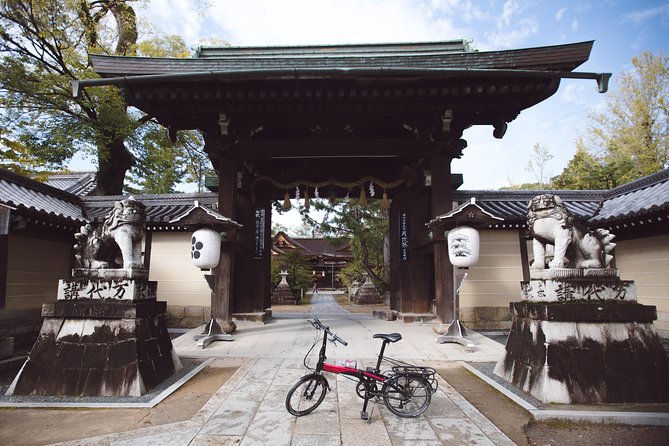
This tour begins at NORU Kyoto Bike Tours in Kamigyō Ward. After a short fitting and riding introduction, you set off with a foldable rental bike, helmet, and water. The route is described as about 7 kilometers in one part of the schedule and 8 kilometers in another, so I would think of it as roughly 7 to 8 kilometers, with the full outing lasting about 3 hours and 45 minutes.
The electric assistance is the key. You still pedal, steer, brake, and watch the road, but the motor takes much of the strain out of uphill sections. That matters on a warm, humid Kyoto morning, and it helps if you have not ridden regularly for years. People in their 60s have found the route manageable, and riders who were nervous about their fitness have completed it comfortably.
You should not mistake an e-bike for a chauffeur. You need to be comfortable riding on streets and handling descents. The guide gives basic training before departure, and the small group makes it easier to stay together, but this is not a sightseeing walk with occasional pedaling.
More bike days around Kyoto:
- Bike Tour Exploring North Kyoto plus Lunch
★ 5.0 · 1,087 reviews - Arashiyama Bamboo Forest & Hidden Gems Bike Tour (Early Bird)
★ 5.0 · 613 reviews - 5 Top Highlights of Kyoto Full Day Bike Tour (E-bike option)
★ 5.0 · 511 reviews
Kinkakuji: start with Kyoto’s famous golden landmark
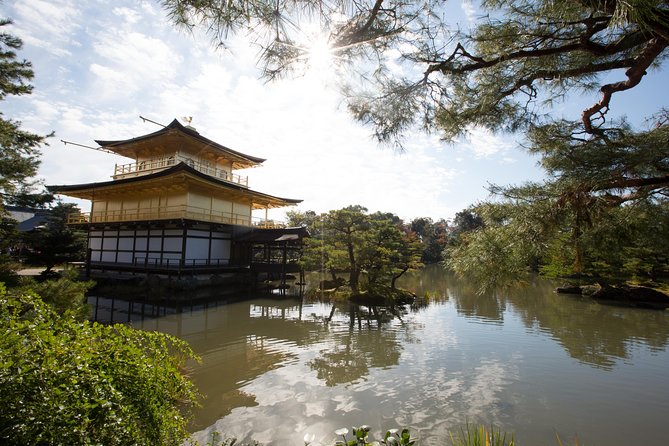
Kinkakuji, the Golden Pavilion, is the tour’s most recognizable stop. Its upper levels are covered in gold leaf, and the building reflects across the pond in the surrounding garden. It is one of Kyoto’s essential sights, but it can also be one of the busiest.
Arriving by bike gives the visit a useful contrast. You see the celebrated image, then move away from the thickest crowds instead of spending the entire morning in a line of buses and tour groups. Your guide can also explain the religious and historical setting, rather than leaving you with only a photograph.
Allow yourself realistic expectations. Kinkakuji is not a quiet secret, and this stop may feel more crowded than the rest of the ride. That is part of the bargain: you get Kyoto’s postcard sight, then spend the rest of the outing in calmer surroundings.
Daitokuji: a temple complex with room to breathe
Daitokuji is not one single temple but a large complex associated with Zen Buddhism. The scale of the grounds helps you understand how religious institutions shaped Kyoto. Instead of rushing through one building, you get a sense of separate subtemples, gates, walls, gardens, and quiet paths.
This is where the guide’s cultural explanations become particularly useful. A good guide can help you notice the difference between a Shinto shrine and a Buddhist temple, explain how Zen ideas appear in garden design, and show you how to behave respectfully at sacred places.
Yuta has been especially effective at making these subjects approachable. His talks cover Zen, Shinto, Buddhism, tea ceremony customs, and everyday etiquette without treating the subject like a lecture. Michael and Sean are also praised for clear storytelling and broad knowledge of Japanese history and culture. The exact guide depends on the departure.
One possible drawback is pacing. The tour includes several stops and plenty of explanation. If you prefer to move quickly and take only a few photographs, a guide who spends time on historical background may feel too talkative. If you like context, this is one of the tour’s best features.
Kitano Tenmangu: a shrine tied to scholarship
Kitano Tenmangu is a major Shinto shrine dedicated to Sugawara no Michizane, a historical figure associated with learning. It is a good place to see how a shrine feels different from a temple: the gates, worship rituals, symbols, and atmosphere follow a different tradition.
The stop also adds variety. After Kinkakuji’s polished fame and Daitokuji’s Zen setting, Kitano Tenmangu gives you another view of Kyoto’s religious life. Your guide can explain customs that might otherwise seem mysterious, including appropriate behavior at shrine and temple grounds.
Cycling between these sites is just as important as the stops. You travel through backstreets and residential areas rather than seeing Kyoto only through the windows of a bus. That in-between time gives you a look at ordinary neighborhoods, low walls, narrow lanes, and the quieter rhythm of the city.
More e-bike rides in Kyoto:
- E-Bike Tours of the highlights of Kyoto!!!
★ 5.0 · 291 reviews - Kyoto: City Secrets eBike Tour
★ 4.9 · 196 reviews - Pedal Adventure Kyoto’s iconic landmarks on an e-bike tour
★ 5.0 · 189 reviews - Kyoto: Hidden Gems E-Bike Tour with Local Japanese Guide
★ 4.9 · 189 reviews
Koto-in: shaded paths and a calmer temple mood
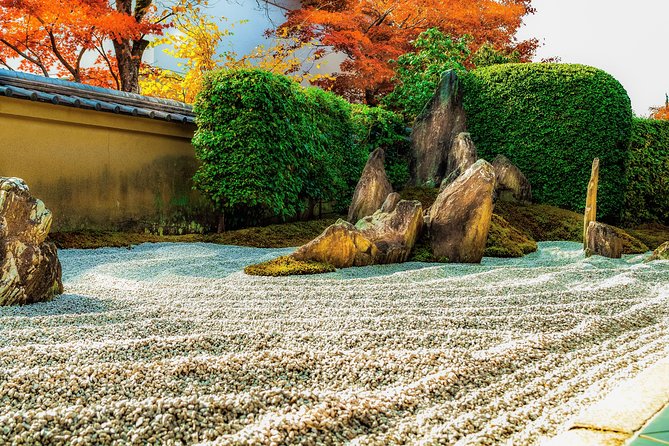
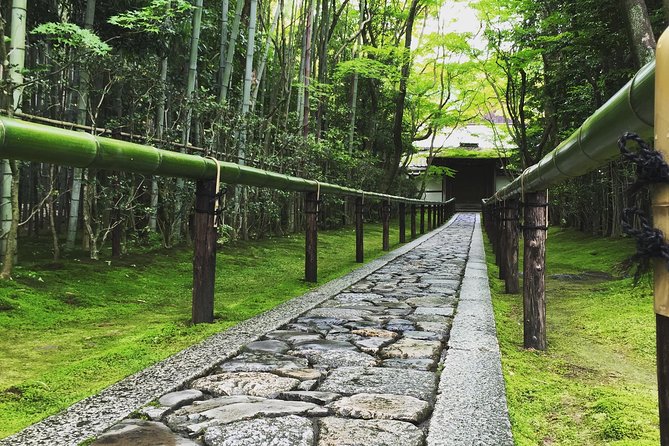
Koto-in is one of the route’s quieter pleasures. It is associated with Daitokuji and is known for its approach through trees, which creates a strong sense of separation from the city. The setting encourages you to slow down and pay attention to the garden and architecture.
This is the sort of place that benefits from a guide who knows when to stop talking. You will get useful background, but you also need a little silence to appreciate the setting. The tour’s appeal is not only collecting temple names. It is learning how Kyoto’s gardens use space, shade, stone, moss, and carefully framed views.
Conditions can change with the season and weather. On a rainy day, the paths may feel especially atmospheric, but you will need suitable clothing. The outing operates in good weather and may be rescheduled or refunded if poor weather causes cancellation.
Zuihoin: a compact Zen garden experience
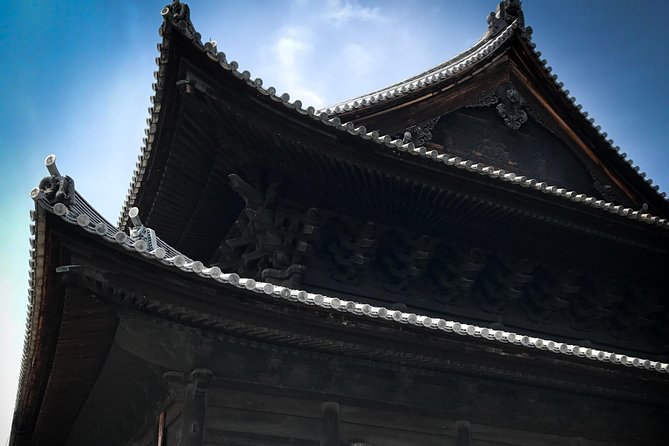
Zuihoin provides another look at Zen garden design. These gardens are not meant to be read like ordinary parks. Their stones, gravel, empty space, and carefully arranged forms invite quiet observation and thought.
The visit is brief enough to fit into a half-day ride, yet it adds depth to the route. You are not simply moving from one major attraction to the next. You are seeing how different temple spaces create different moods, from the spectacle of Kinkakuji to the restraint of a Zen garden.
Some outings also include a charming tea stop with a long local connection, along with an explanation of its story. Treat this as a possible extra rather than a guaranteed feature listed in every schedule. It has been a memorable part of the day for many groups, especially because it adds a small taste of Kyoto beyond formal temple sightseeing.
The guides turn a bike ride into a cultural lesson
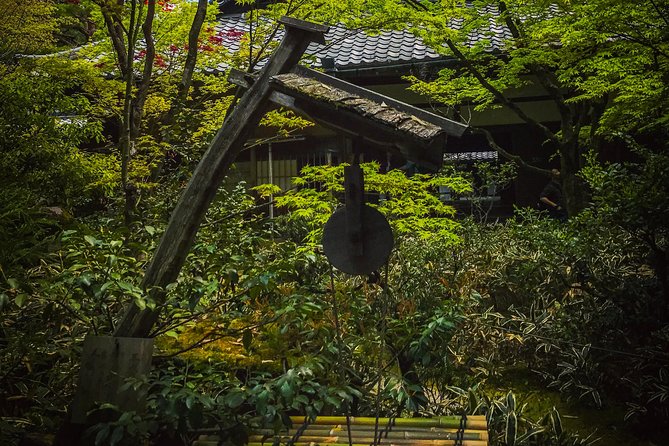
The route would still be pleasant without much commentary, but the guide makes the difference. The strongest guides do more than point toward a gate and name a temple. They explain why the place matters and help you connect it to Japanese customs.
Yuta is often singled out for fluent English and an engaging style. His subjects include Zen Buddhism, Shinto and Buddhist differences, geisha and maiko history, samurai, tea ceremony, and temple etiquette. Michael is also praised as a strong storyteller, with the ability to explain Japanese history in a lively way. Sean is known for thoughtful explanations and practical help in wet or cool weather, while Henry brings long experience in Japan and a clear affection for its culture. Shizuka has led small groups through temples, backstreets, and hillier sections of the route.
The tone can vary by guide. One group found the historical explanations longer than needed, with too much time spent listening instead of exploring. That is worth knowing if you want a fast-moving ride. The schedule includes several cultural stops, so the tour suits you best if you enjoy stories and questions, not just cycling.
What the riding feels like
The ride is designed for people aged 13 and older and is described as easy, safe, and requiring little effort. The e-bikes help with uphill stretches, and the route uses many quieter streets. Still, you should arrive ready to cycle for most of the morning or afternoon.
Expect some hills and fairly steep descents. The motor helps you climb, but it does not remove the need to brake carefully going downhill. The guide stays attentive to the group and can help riders who are less confident, but you should not book if you cannot ride a bicycle.
Rain does not automatically make the outing unpleasant, but it changes the day. Groups have completed the ride in drizzle and rain, and guides may have rain gear available. I would still bring your own raincoat or poncho and weatherproof gloves if rain is forecast. Wet brakes, slick streets, and cooler hands are practical concerns.
The group limit of eight is a real advantage. You are less likely to lose the guide at a crossing, and questions are easier to ask. It also keeps the ride from feeling like a moving parade.
The $116 price and what you receive
At $116 per person, this is not the cheapest way to see Kyoto’s temples. You are paying for a small group, an English-speaking route coordinator, an e-bike, helmet, water, training, and almost four hours of guided time.
The value depends on how you would otherwise get around. If you planned to use several taxis or arrange a private guide, the price compares well. If you are happy with buses, self-guided temple visits, and a map, it may feel expensive. The strongest value comes from the combination of transport and interpretation: the bike connects places efficiently, while the guide explains what you are seeing.
Food and drinks are not included, apart from the provided water, so eat before departure or plan a meal afterward. Guides have offered useful restaurant suggestions, including Kyoto-style ramen and udon, but those recommendations are not part of the paid inclusions.
Departure times are generally 8:30, 9:00, 12:30, and 1:00. Arrive at least 15 minutes early. The tour leaves on time, and missing it means no refund. You return to the NORU shop at the end.
Who should book this Kyoto e-bike tour?
I would choose this outing for a first visit if you want an early orientation to Kyoto. It shows you where several important northern sights are located and gives you ideas for places to revisit later.
It is also excellent for returning visitors who have already seen the usual central temples. The quiet streets, lesser-known temple areas, and Zen gardens provide a different view of Kyoto without requiring a full day away from the city.
Families with teenagers can consider it, provided everyone meets the minimum age of 13 and can ride. It also suits older riders who are comfortable on a bicycle but would rather not face Kyoto’s hills under their own power.
I would skip it if you dislike cycling, want long unstructured time at each temple, or prefer a tour with very little narration. The nearly four-hour duration and several cultural explanations require a certain amount of patience.
Book at least 24 hours ahead if your plans may change. Cancellations made at least 24 hours before the start time receive a full refund. Late cancellations, no-shows, missed departures, and last-minute time changes are not refundable. If poor weather or an insufficient number of participants forces cancellation, you are offered another date or a full refund.
Should you book it?
Book this tour if you want Kyoto to feel like a city, not a checklist. You will see Kinkakuji and Kitano Tenmangu, but the lasting pleasure is often the ride between them, through quieter lanes and temple grounds where the pace drops.
The e-bike removes much of the physical strain, the eight-person limit keeps the group manageable, and guides such as Yuta, Michael, Sean, and Henry add far more cultural detail than a simple bike rental. Just arrive on time, prepare for weather, and be honest about your cycling ability. For curious riders who want famous sights plus a calmer side of Kyoto, the $116 is a fair price.
FAQ
How long is the Hidden Kyoto E-Biking tour?
The outing lasts approximately 3 hours and 45 minutes. The cycling route covers roughly 7 to 8 kilometers, depending on how the distance is measured in the schedule.
What sights are included?
The route includes Kinkakuji Temple, Daitokuji Temple Complex, Kitano Tenmangu Shrine, Koto-in, and Zuihoin. You also ride through quieter Kyoto streets and visit lesser-known temple and garden areas.
Is the electric bike included?
Yes. A rental bike, helmet, and water are included in the price. The guide also provides basic instruction for using the e-bike.
What is the minimum age?
The minimum age is 13. Participants must be able to ride a bicycle.
Where does the tour begin and end?
The tour begins at NORU Kyoto Bike Tours, 429-22 Takigahanachō, Kamigyo Ward, Kyoto, 602-8336, Japan. It ends back at the same meeting point.
What happens if the weather is poor?
The tour requires good weather. If NORU cancels because of poor weather, you are offered a different date or a full refund. You can also cancel for a full refund if you do so at least 24 hours before the scheduled start time.
Just added around Kyoto
- Kyoto: Zen Meditation at a Private Temple with a Monk★ 5.0 · 25 reviews
- Kyoto: Gion Geisha District & Sake-in-Hand Walking Tour★ 5.0 · 37 reviews
- Private Pewter Sake Cup Experience with a Kyoto Artisan★ 5.0 · 31 reviews
- Your Private Vacation Photography Session In Kyoto★ 5.0 · 110 reviews
- Private Guided Traditional Buddhist Cooking in Japan★ 5.0 · 16 reviews
- Kyoto Wagashi(Japanese sweets) Cooking Class near Fushimiinari★ 5.0 · 60 reviews
- Traditional Japanese Music show & Experience Tour in Kyoto★ 5.0 · 57 reviews
- Kyoto:Family-Friendly Kimono & Yukata Experience at WARGO★ 5.0 · 147 reviews
Kyoto Tours, compared.
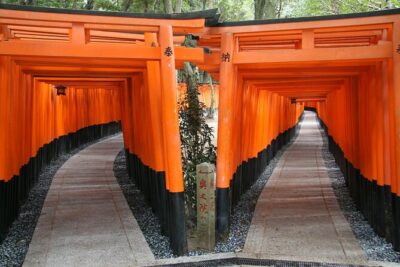
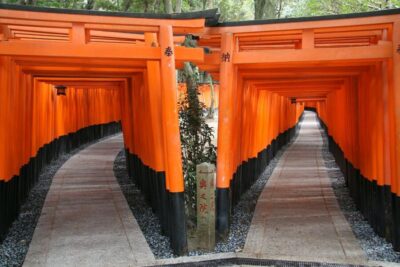
Fushimi Inari, Kinkakuji, Bamboo Grove 1 Day Bus Tour
Read our review →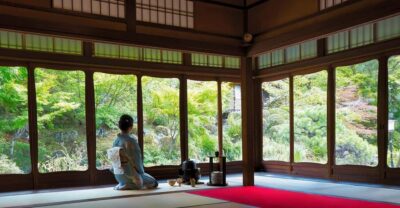
Tea Ceremony in a Traditional Tea House in Kiyomizu
Read our review →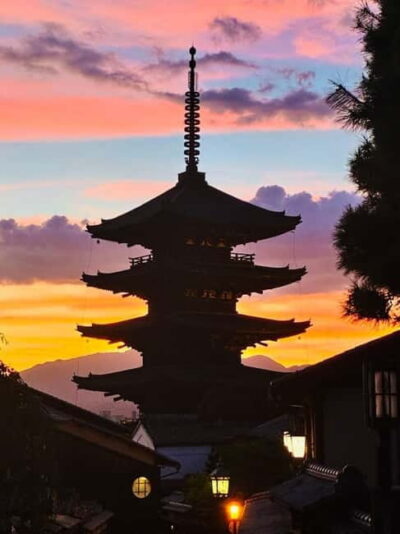
Kyoto Geisha Walking Tour: Gion District & Hidden Gems
Read our review →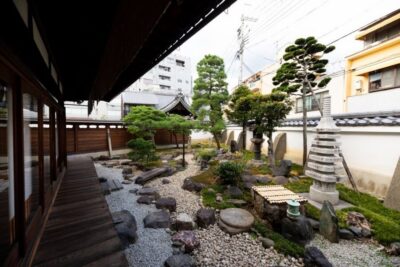
Gion Magical Night Walking Tour with Geisha Trivia
Read our review →
Gion Geisha District Walking Tour – Stories of Geisha
Read our review →Browse the lists this tour appears in