
Reviewed · FUSHIMI INARI TOURS
Osaka/Kyoto: Arashiyama, Nara & Fushimi Inari Shrine w/Lunch
Arashiyama’s bamboo, Nara’s deer, and Fushimi Inari’s endless red gates make this a great first look at Kyoto and Nara. The clever part is the route: you see three major sights without wrestling with trains, transfers, and unfamiliar bus stops, then sit down to Kobe beef or pork shabu-shabu in a traditional Kyoto townhouse.
I like the $61 price, since lunch and transport are included, and I like the guides’ practical help. Gary, Nick, Eric, Mike, and others are repeatedly praised for keeping people together, explaining the day clearly, and finding good photo spots. The tradeoff is time: this is a fast sampler, and Fushimi Inari can feel rushed, especially when the bus parking area is a walk from the shrine.
Key points to know before booking
- Three major sights in one day: Arashiyama, Nara Park with Todai-ji, and Fushimi Inari Shrine.
- Lunch in a 120-year-old Kyo-Machiya: Choose Kobe beef shabu-shabu, pork shabu-shabu, or vegetarian curry rice.
- Around nine hours on the road: The bus makes this easy, but traffic can change the schedule.
- Mostly self-guided stops: Your guide explains the plan and gives advice, then you explore each site independently.
- Wild deer at Nara Park: They are friendly but still wild, so keep your distance and do not bother them.
- Best for a first visit: You will cover the headline sights, but not explore any one area in depth.
Why this day trip works from Osaka or Kyoto
This tour solves a common Japan problem: the sights are close enough to combine, but not always simple to link by public transport in one day. You begin at either Osaka Villa Namba or the Kyoto VIP Lounge, depending on the option you select, then ride in an air-conditioned vehicle between the stops.
That convenience matters most if you are staying in Osaka and want to see Kyoto and Nara without planning several rail journeys. It also suits you if you have only one open day and want the main sights handled in a sensible order.
The tour runs for about nine hours, though traffic and other delays can change the timing. The bus leaves promptly, and the guide has a passenger list tied to the chosen meeting point. Arriving at the wrong place, or arriving late, can mean missing the departure without a refund, so check the exact meeting point before the morning begins.
The ride also gives your guide time to explain Japanese customs, local history, and the plan for the day. Guides such as Nick, Gary, Eric, and Mike are often praised for humor and careful head counts. One guide, Nick, was especially attentive in hot weather, offering cooling wipes, fans, and reminders to refill water bottles. Those small acts matter on a long summer day.
More ways to walk Fushimi Inari:
- Kyoto: Fushimi Inari, Kinkakuji, Bamboo Grove 1 Day Bus Tour
★ 4.8 · 4,316 reviews - Fushimi Inari Hidden Hiking Tour (Private Option Available)
★ 5.0 · 1,750 reviews - Kyoto/Osaka: Nara, Fushimi Inari Taisha, Arashiyama Bus Tour
★ 4.7 · 1,275 reviews
Arashiyama Bamboo Forest: beautiful, brief, and crowded
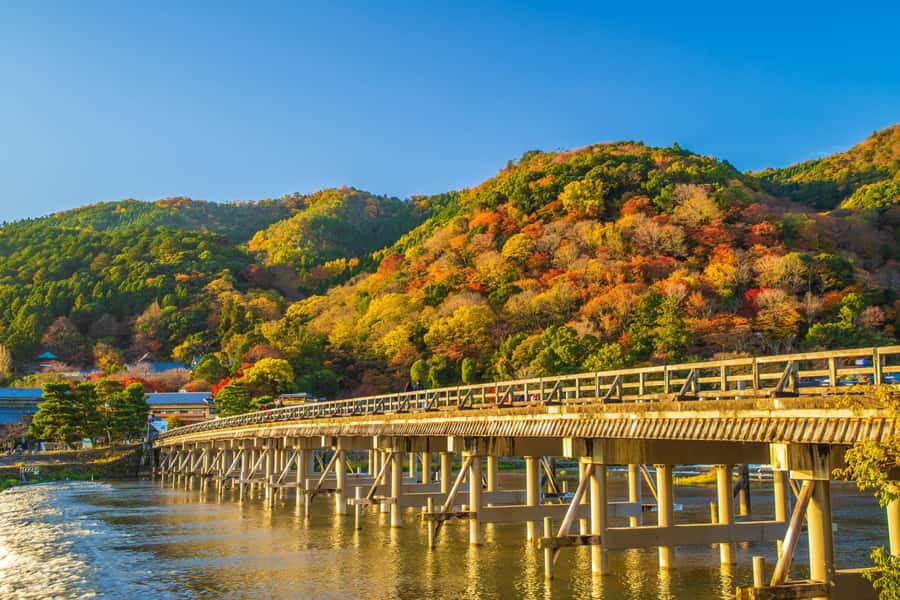
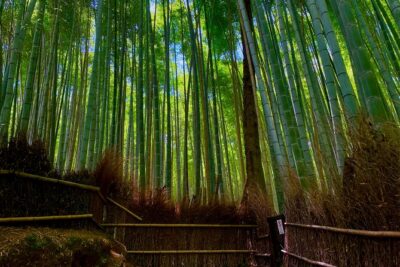
The first major stop is Arashiyama, on Kyoto’s western edge. The famous bamboo grove is made of tall green stalks that rise on both sides of a walking path. When the wind moves through them, the grove feels cool and quiet in a way that is hard to find elsewhere in the city.
You will have time to walk through the bamboo and take the expected photograph beneath the towering stalks. The stop also gives you a look at the surrounding Arashiyama area, though the schedule is designed around the forest rather than a full neighborhood visit.
I would keep your expectations in check. This is not a long, private walk through an empty woodland. Arashiyama is one of Kyoto’s best-known sights, and the path can be crowded. Still, the grove is worth seeing, particularly if this is your first time in Kyoto, and the tour removes the trouble of getting there from Osaka.
Wear shoes you can walk in comfortably. The day includes several stops, paths, temple grounds, and time on your feet. In hot weather, carry water and use the bus as a chance to cool down.
Lunch at Kyoto Wasabi in an old townhouse
Lunch takes place at Kyoto Wasabi, a traditional Kyo-Machiya townhouse that has welcomed diners for more than 120 years. The building is part of the appeal. Instead of eating in a generic roadside restaurant, you get a meal in a setting linked to Kyoto’s older townhouses and food traditions.
The main choice is Kobe beef shabu-shabu. Thinly sliced wagyu is cooked in a hot broth at the table, giving you a hands-on meal and a chance to taste the beef at the level of doneness you prefer. The beef is the premium choice, and it is the lunch most closely tied to the tour’s headline promise.
You can also choose Kyoto pork shabu-shabu, with tender pork and tofu in a seasoned broth. This is a useful option if you want a warm, traditional meal without paying for a beef-focused experience elsewhere. Vegetarians can select curry rice made with vegetables and spices.
The meal is widely appreciated, though one point is worth noting: the serving may feel modest if you have a large appetite. The timing can also be tight on a busy day, so enjoy the lunch rather than expecting a long, leisurely restaurant visit.
Kobe beef aburi sushi is available for an additional on-site order. That cost is not included in the $61 tour price, so decide after you see the included meal and your appetite.
Nara Park and Todai-ji: the day’s most memorable stop
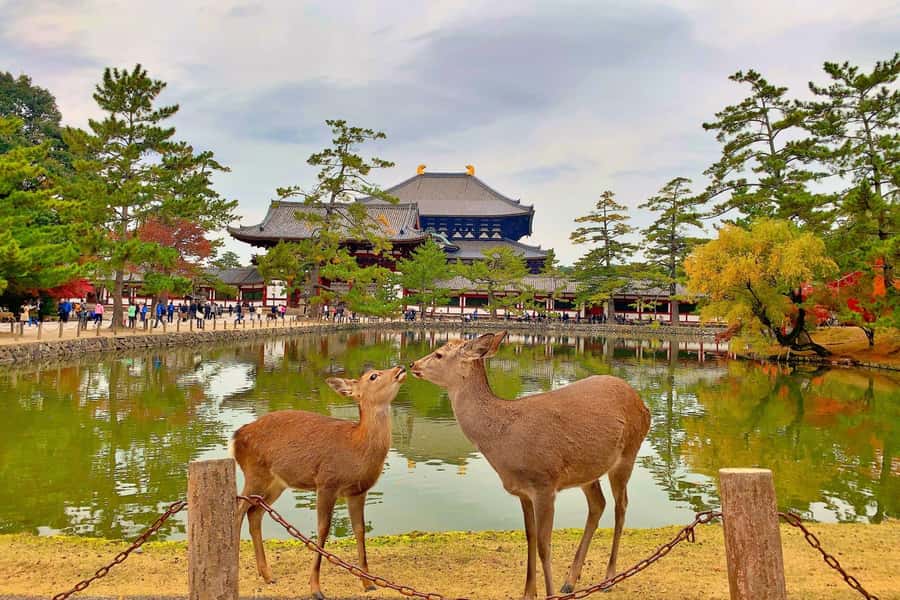
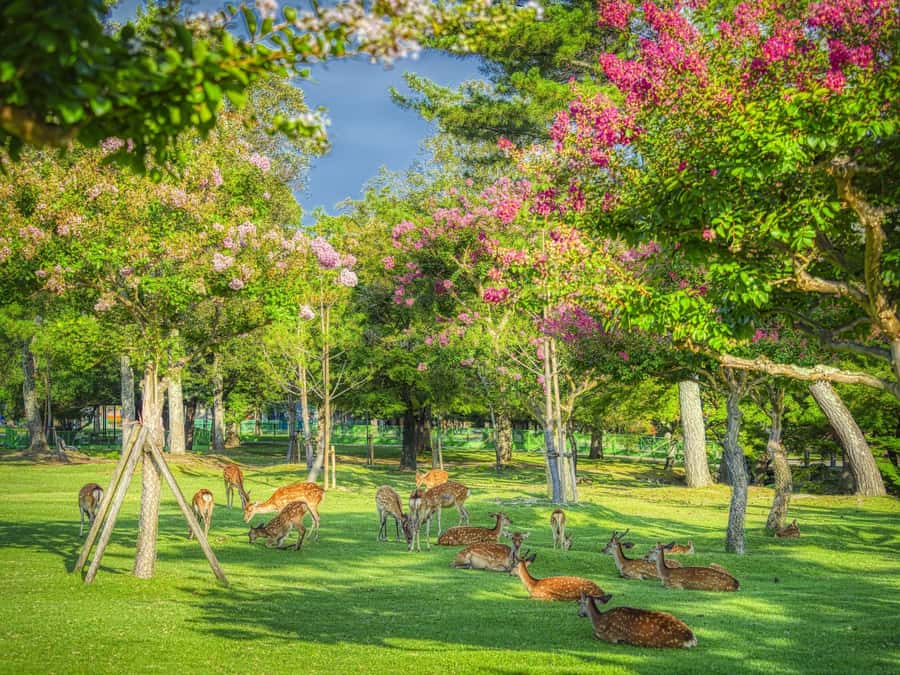
After lunch, the bus continues to Nara, Japan’s ancient capital. Nara Park is famous for its free-roaming deer, which are accustomed to people and often come close. The interaction is memorable because it feels less arranged than a normal animal attraction. You may find deer waiting near paths or wandering through the park as if they own the place.
They are still wild animals. Do not disturb them, chase them, or assume that every deer wants to be touched. Keep food and belongings under control, and pay attention when moving around them. One practical warning from the park: watch where you step. The deer leave reminders of their presence across the paths.
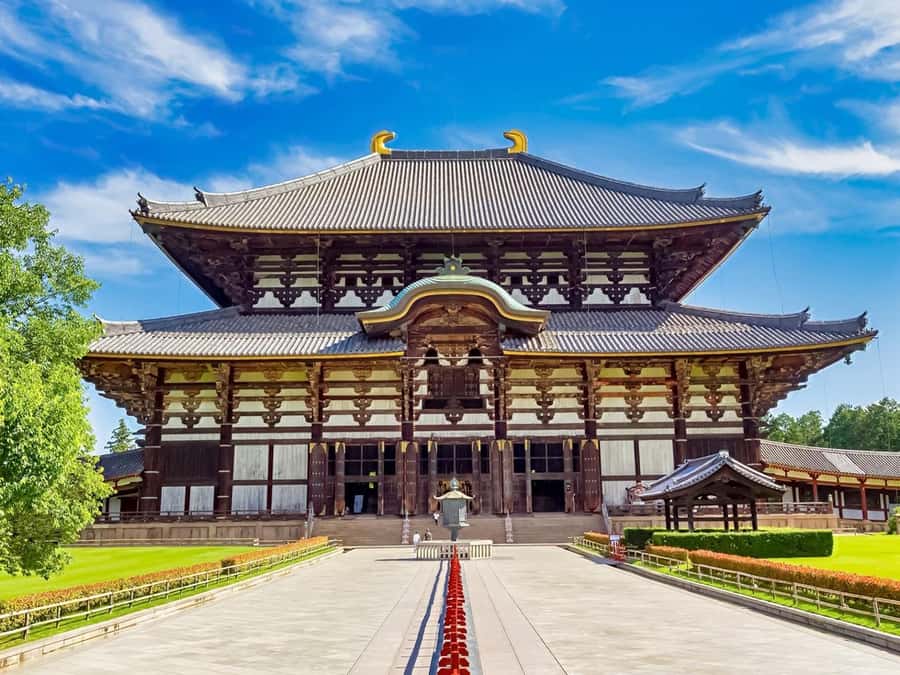
Todai-ji Temple is the major cultural stop in Nara. The temple is a UNESCO World Heritage site and is described as the world’s largest wooden structure. Inside, you see a colossal Buddha statue about 15 meters tall. The scale is the point. Even if you have visited many temples, the size of the hall and statue gives Todai-ji a strong visual impact.
Entrance to Todai-ji is optional and is not included in the tour price. If you want to enter, carry money for the admission fee, though the supplied information does not specify the amount. If you skip the temple interior, you can still spend time around Nara Park and the exterior grounds.
The time allocation here is enough for the main sights, but not for a slow visit to every corner of the temple complex. Families may want more time, especially if children are fascinated by the deer. Solo visitors and people focused on the headline attractions may find the schedule workable.
More Arashiyama and bamboo walks:
- Osaka/Kyoto:Kinkakuji,Arashiyama,FushimiInariShrine,NaraPark
★ 4.1 · 1,596 reviews - Kyoto Arashiyama Walking Tour: Bamboo, Monkeys, Gardens & Secrets
★ 5.0 · 1,216 reviews - Arashiyama Bamboo, Temple, Monkeys, or Secret Sake Brewery
★ 4.8 · 886 reviews - Kyoto: Arashiyama Bamboo Forest, Monkeys, Matcha & Temple Tour
★ 5.0 · 759 reviews
Fushimi Inari’s red gates and the final push
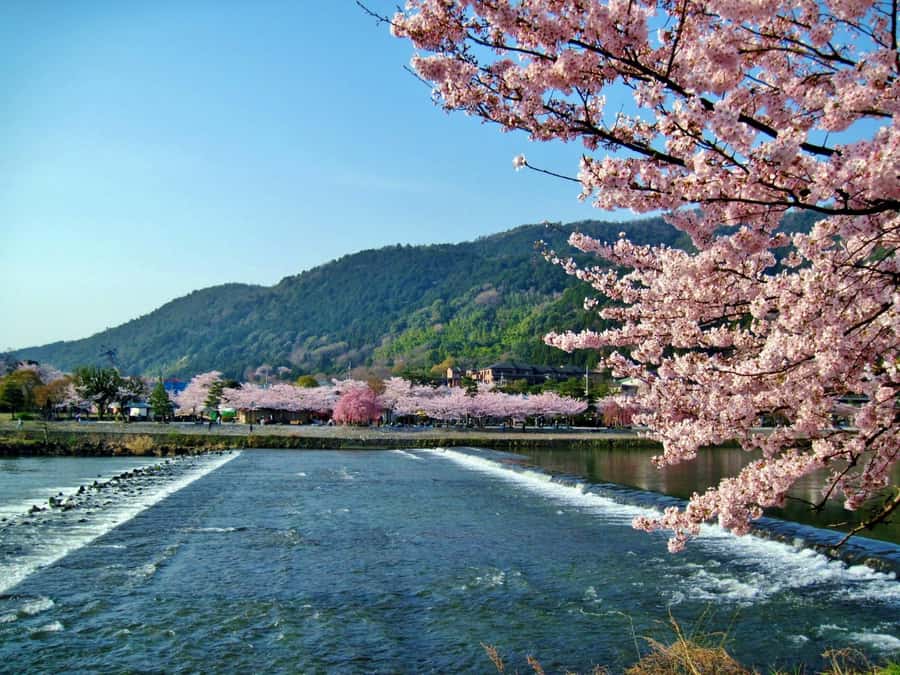
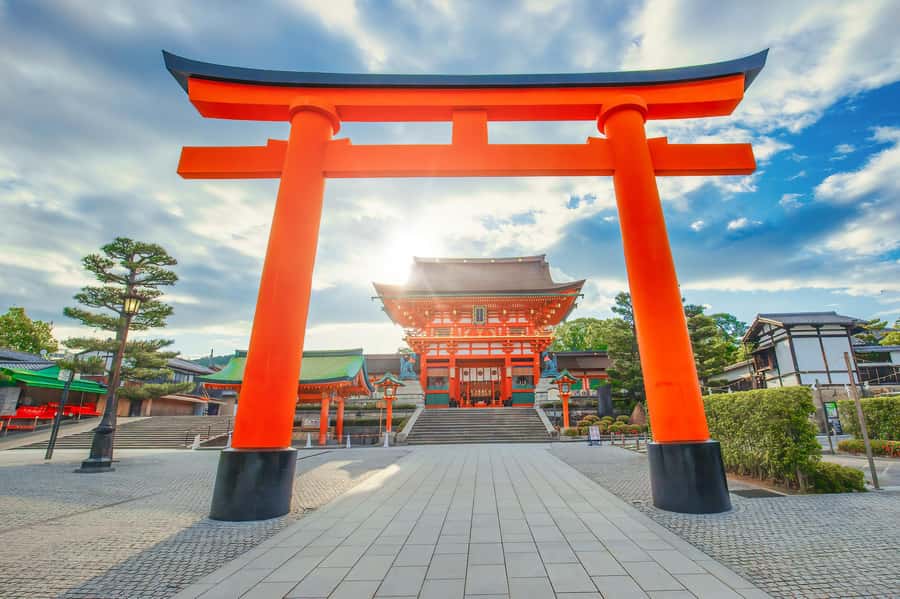
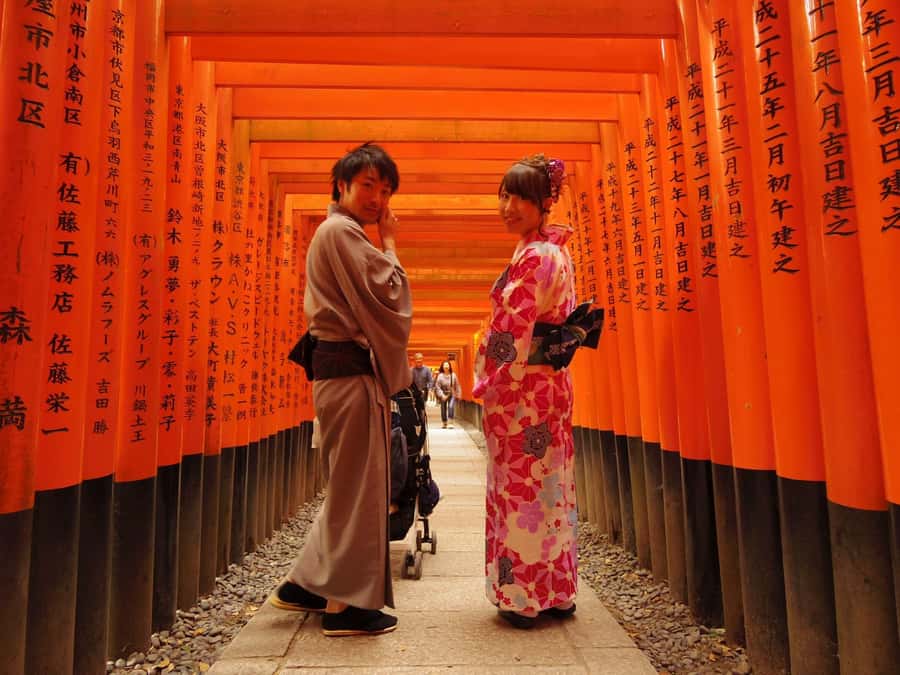
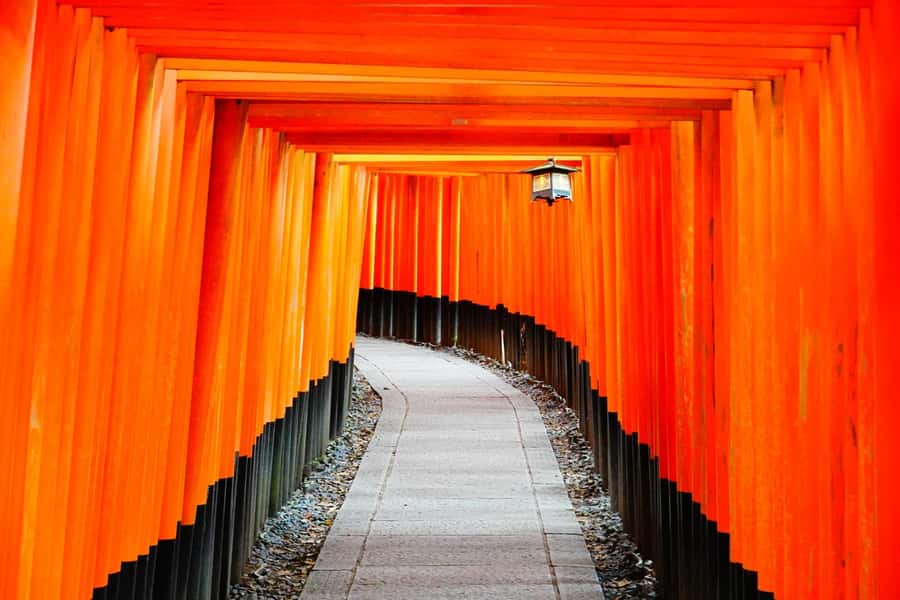
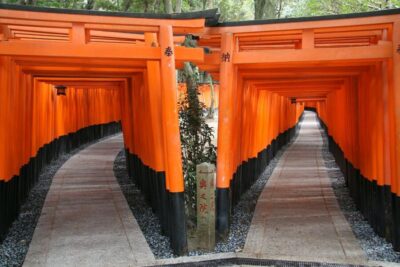
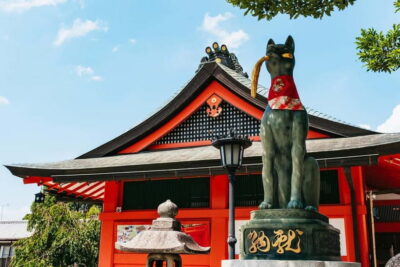
The final major stop is Fushimi Inari Taisha, one of Kyoto’s most recognizable shrines. Its path climbs Mount Inari beneath thousands of vermilion torii gates. The gates create the famous tunnel effect, with smaller shrines and stone markers appearing along the route.
Fushimi Inari is dedicated to Inari Okami, associated with business prosperity, household safety, and success. The shrine is an important cultural property, and the gates are not simply decoration. They reflect offerings connected with hopes for success and protection.
You do not need to climb the entire mountain to appreciate the place. The first section contains the most familiar rows of gates, and you can use your limited time there. Even so, allow for a walk from the bus parking area to the shrine entrance. One hour and 20 minutes may sound generous, but crowds and the distance to the gates can reduce your actual time.
This is the stop most likely to feel rushed. A few people found that an extra 30 or 40 minutes would have made the visit easier. If Fushimi Inari is a personal priority, move with purpose, take photographs early, and note the bus meeting time before heading uphill.
Your guide may explain how to approach the shrine and how to receive blessings. Guides have also helped people find better photo locations and understand local customs. Once you leave the bus, though, you generally explore on your own rather than following a guide through every path.
What the guide actually does
This is a guided transportation day, not a private walking tour at each attraction. On the bus, your English- or Chinese-speaking guide gives background, instructions, timing, and meeting information. At each stop, you are free to explore independently and return to the bus at the stated time.
That arrangement gives you some freedom. You can spend your stop photographing bamboo, watching deer, entering Todai-ji, or walking under the torii gates without staying beside a group. It also means you need to listen carefully before getting off the bus.
The strongest part of the service is organization. Gary is praised for a friendly, attentive style, while Eric is noted for keeping the whole bus accounted for. Mike is often described as helpful and funny, and Nick is praised for cultural explanations, good photo advice, and care in hot weather.
English pronunciation can vary, particularly when commentary is shared between English and Chinese. If you miss a detail, ask the guide to repeat it before the bus departs. The guides are generally willing to answer questions, but the day has a fixed schedule.
Is $61 good value?
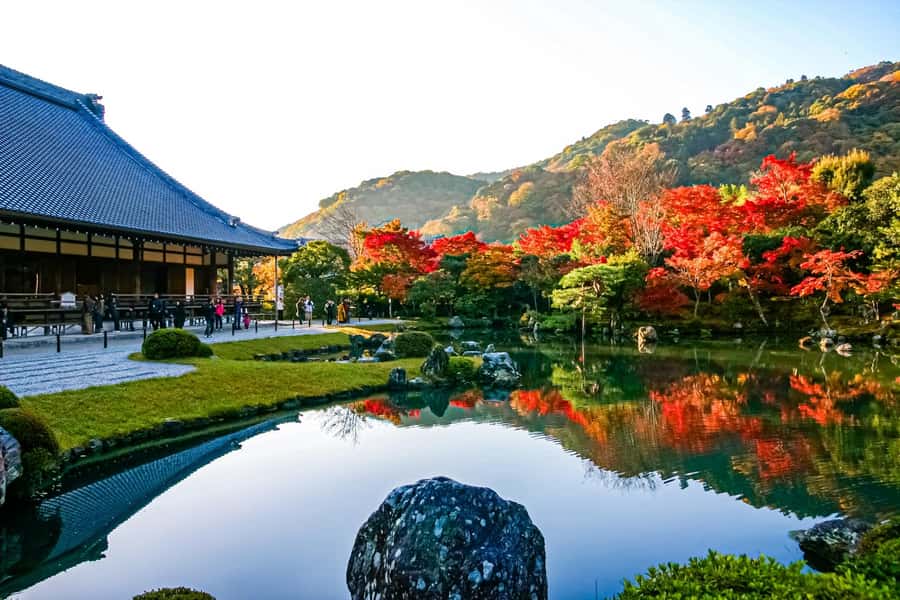
At $61 per person, the tour offers solid value if you want transport, lunch, and three major stops in one day. You would otherwise need to organize the route yourself, pay for separate train or bus journeys, and find lunch. The included air-conditioned vehicle is especially useful during Japan’s hot and humid months.
The value is less about spending a long time at each place and more about covering a wide area without logistical work. You get a taste of western Kyoto, Nara, and southern Kyoto in one outing.
The lunch improves the deal. Kobe beef shabu-shabu can cost much more as a stand-alone meal, while pork and vegetarian options make the package practical for different diets. The optional Todai-ji admission and extra Kobe beef sushi are the main likely add-on costs mentioned for the day.
You should not book this expecting a slow cultural retreat. The route is packed, the bus may be full, and the schedule can tighten because of traffic. You are paying for access and efficiency, not solitude.
Who should take this tour?
I would choose this tour for a first visit, a short stay, or a base in Osaka. It is also a good fit if train connections make you nervous, if you prefer a clear timetable, or if you want a guide to handle directions and group coordination.
Families can enjoy the variety, especially the deer and the large Buddha, though younger children may tire during the walking sections. The air-conditioned bus helps, but summer heat can still be serious. Bring water, sun protection, and comfortable shoes.
Photography-minded visitors will find plenty to work with at all three stops, but should prioritize. Arashiyama and Fushimi Inari can be crowded, and waiting for a clear shot may cost valuable time.
I would choose another plan if you have several days in Kyoto and want to explore each area properly. Arashiyama deserves more than a quick bamboo walk, Nara has more than one temple and park, and Fushimi Inari rewards a longer climb.
Practical details for a smooth day
Confirm your selected start point at least a day ahead, especially if you are unsure about the meeting location. Changes should be requested at least two days before departure for help.
The bus does not wait for late arrivals. Keep the guide’s instructions, meeting time, and bus location easy to find on your phone, and return early rather than trying to fit in one last photograph.
Commentary may be in both English and Chinese depending on group size. The listed contact number may not respond outside weekday business hours of 9:30 a.m. to 6 p.m. Japan time, so solve urgent meeting-point questions before the day begins.
You can cancel up to 24 hours before departure for a full refund. If extreme weather or a natural disaster cancels the tour, a full refund is provided.
Should you book it?
Book this tour if you want an efficient first pass through three essential sights, a filling Japanese lunch, and straightforward transport from Osaka or Kyoto. The guides, especially names such as Gary, Nick, Eric, and Mike, add real value through humor, reminders, cultural pointers, and careful organization.
Skip it if your ideal day means lingering, hiking far up Mount Inari, or studying one temple in detail. For everyone else, the combination of excellent coverage and a low all-in price makes this a sensible way to see the Kyoto and Nara highlights, provided you accept a busy pace.
FAQ
Where does the tour start?
The tour starts at Osaka Villa Namba or the Kyoto VIP Lounge, depending on the option booked. The exact meeting point may vary, so check your booking details carefully.
How long does the tour last?
The tour takes about nine hours. Traffic and unexpected conditions can change the schedule, and additional stops might be made to cover the planned sights.
Is lunch included?
Yes. Lunch is included, with a choice of Kobe beef shabu-shabu, Kyoto pork shabu-shabu, or vegetarian curry rice. Kobe beef aburi sushi can be ordered separately on the day for an additional charge.
Is the Todai-ji entrance fee included?
No. Entrance to Todai-ji is optional and is not included in the tour price.
Are the stops guided?
Your guide provides information and instructions on the bus and at the stops, but you generally explore independently once you leave the vehicle.
Can I return to either Osaka or Kyoto?
Yes. At the end of the day, there is an option to disembark at either Kyoto or Osaka, depending on the tour arrangement.
More Lunch Stops in Kyoto
- Bike Tour Exploring North Kyoto plus Lunch
★ 5.0 · 1,087 reviews - Kyoto Zen Meditation & Garden Tour at a Zen Temple with Lunch
★ 5.0 · 441 reviews - 4.5-Hour Kyoto Bike Tour with Lunch and UNESCO Zen Temples
★ 5.0 · 122 reviews - From Kyoto: Nara History Guided Half Day Bus Tour with Lunch
★ 4.8 · 114 reviews
Just added around Kyoto
- Kyoto: Zen Meditation at a Private Temple with a Monk★ 5.0 · 25 reviews
- Kyoto: Gion Geisha District & Sake-in-Hand Walking Tour★ 5.0 · 37 reviews
- Private Pewter Sake Cup Experience with a Kyoto Artisan★ 5.0 · 31 reviews
- Your Private Vacation Photography Session In Kyoto★ 5.0 · 110 reviews
- Private Guided Traditional Buddhist Cooking in Japan★ 5.0 · 16 reviews
- Kyoto Wagashi(Japanese sweets) Cooking Class near Fushimiinari★ 5.0 · 60 reviews
- Traditional Japanese Music show & Experience Tour in Kyoto★ 5.0 · 57 reviews
- Kyoto:Family-Friendly Kimono & Yukata Experience at WARGO★ 5.0 · 147 reviews
Fushimi Inari Tours, compared.
Fushimi Inari, Kinkakuji, Bamboo Grove 1 Day Bus Tour
Read our review →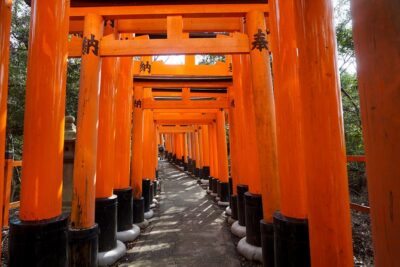
Fushimi Inari Hidden Hiking Tour (Private Option Available)
Read our review →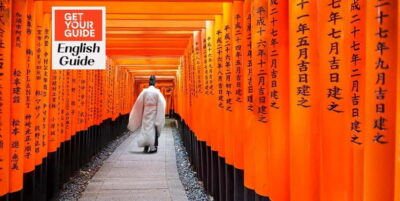
Kyoto/Osaka: Nara, Fushimi Inari Taisha, Arashiyama Bus Tour
Read our review →
Nijo Castle, Kiyomizu & Fushimi Inari Guided Tour
Read our review →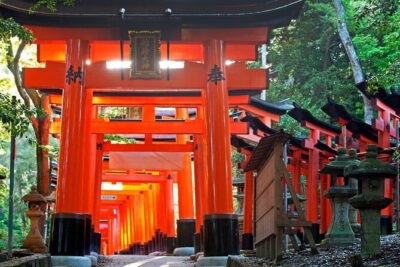
Nijo, Kinkaku-ji, Arashiyama, Kiyomizu & Fushimi Inari
Read our review →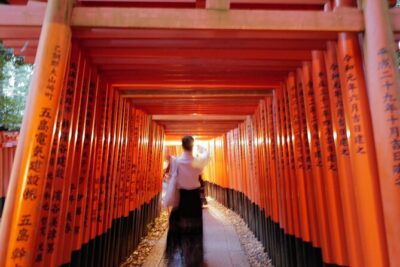
Kyoto Early Bird English Tour: Fushimi-Inari and Arashiyama
Read our review →Browse the lists this tour appears in