
Reviewed · FUSHIMI INARI TOURS
Kyoto: 3-Hour Fushimi Inari Shrine Hidden Hiking Tour
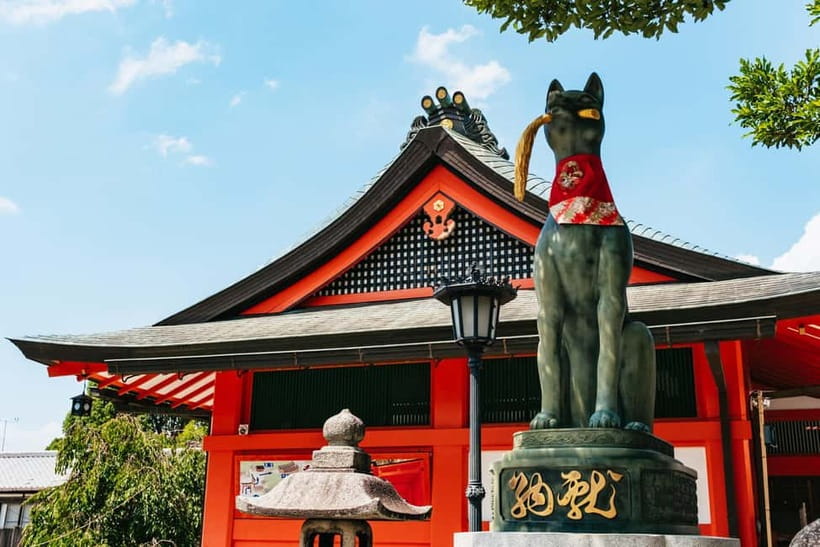
Fushimi Inari is famous for its thousands of vermilion torii gates, but the best part of this tour comes before you reach the crowded front entrance. You walk from Tofukuji Station through quiet lanes, forest trails, bamboo groves, and small altars before joining the main shrine route from the mountain side. That change of approach is the whole point.
I like two things especially: the peaceful back trails, where you may walk for long stretches without seeing other people, and the guides’ practical help with Shinto customs, offerings, and shrine etiquette. Guides such as Hina, Naru, Shiori, and Yukari have also been praised for taking thoughtful photos. The catch is simple: this is a real 7-kilometer hike with stairs, slopes, rocks, and possible mud, not a gentle stroll.
Key points at a glance
- Start at Tofukuji Station: Meet outside Exit 2 at FamilyMart Nakai Tofukuji, then leave the busy station area through a quiet neighborhood.
- Reach Fushimi Inari from behind: The route lets you see the mountain and torii gates before arriving at the shrine’s most photographed areas.
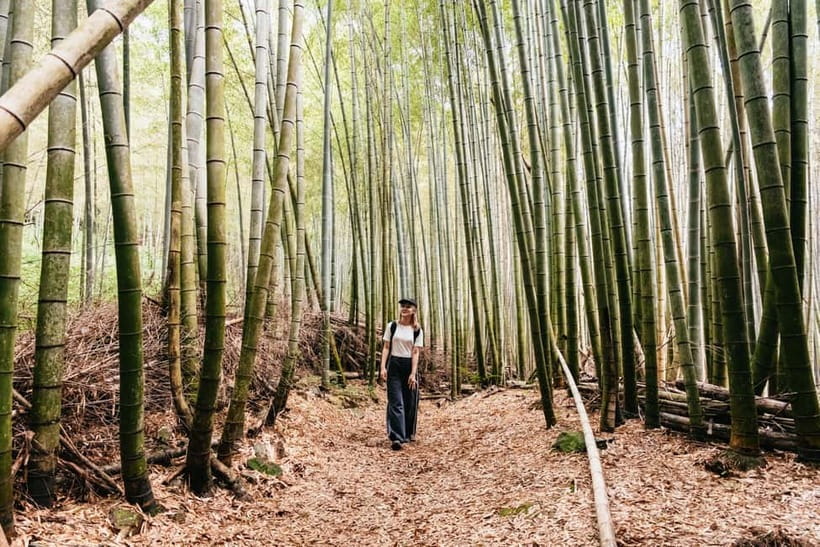
- Walk through two bamboo groves: One appears on the way up, and another comes during the forested descent.
- Expect a proper mountain hike: The path includes unpaved sections, steps, steep bits, and roughly 7 kilometers of walking.
- Small groups keep it personal: Groups are limited to nine people, with private options also available.
- Bring sensible clothing: Long sleeves and long pants help with mosquitoes, bugs, sun, and brush. Leave large luggage behind.
Why this route changes Fushimi Inari
The usual image of Fushimi Inari is a stream of people moving beneath tightly packed orange-red gates. That famous route is worth seeing, but it can feel more like a queue than a mountain walk, especially near the shrine entrance and the first major gates.
This tour flips the experience around. You meet near Tofukuji Station and begin on foot through a quieter part of Kyoto. Small local shrines appear along the way, giving you a slower introduction to the religious setting before the torii gates take over.
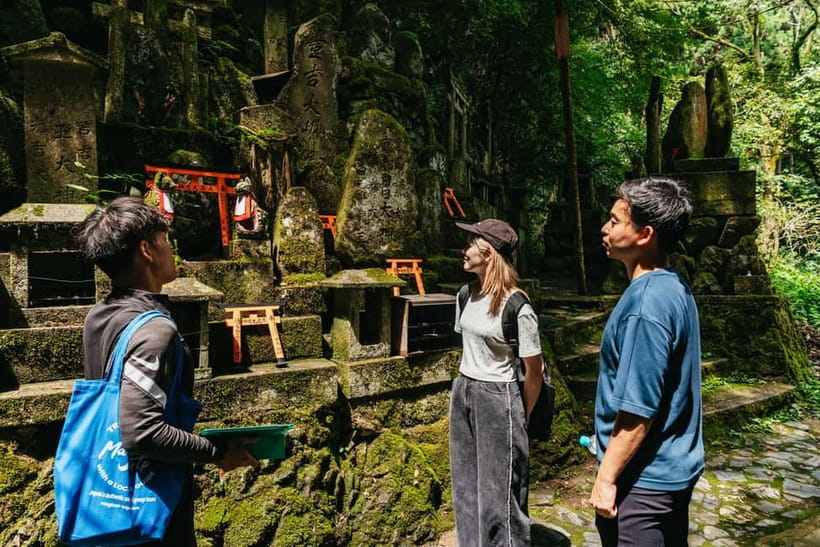
The route then uses forest trails that are not paved like the main approach. You reach bamboo, evergreens, hillside paths, and small altars that are easy to miss when you stay on the standard route. For me, this is the strongest reason to book. You are not simply finding a less crowded photo spot. You are seeing how Fushimi Inari extends beyond the famous gate tunnel.
The tour is conducted in English, and the guide is part pathfinder, part cultural interpreter, and part photographer. Guides named in past bookings include Hina, Naru, Shiori, Yukari, Yuto, Makoto, Matthew, and others. The experience can vary a little with the guide, group, and weather, but the repeated pattern is clear: the human element matters here.
More ways to walk Fushimi Inari:
- Kyoto: Fushimi Inari, Kinkakuji, Bamboo Grove 1 Day Bus Tour
★ 4.8 · 4,316 reviews - Fushimi Inari Hidden Hiking Tour (Private Option Available)
★ 5.0 · 1,750 reviews - Kyoto/Osaka: Nara, Fushimi Inari Taisha, Arashiyama Bus Tour
★ 4.7 · 1,275 reviews
From FamilyMart to Tofukuji Temple
The meeting point is FamilyMart Nakai Tofukuji, outside Exit 2 of Tofukuji Station. This is convenient if you arrive by JR or Keihan train, but pay attention to the train advice. On the Keihan line, use a sub-express, semi-express, or local train. Do not take an express train for this journey.
The tour begins with about ten minutes at Tofukuji Temple. This short visit gives the group a chance to settle in before the longer walk. It also places Fushimi Inari in a wider setting, since you are not rushing straight from a station into the busiest shrine entrance.
Afterward, you walk through a quiet neighborhood toward the mountain. That opening section is not a major sightseeing stop, but it helps set the tone. You see a more ordinary side of Kyoto before the route turns increasingly wooded.
A small group of up to nine people is a useful size for this kind of walk. The guide can stop for questions, adjust the pace, and help with photos without trying to manage a large crowd. Private groups are also available if you want more control over timing and conversation.
The first bamboo grove and secluded forest trail
The first major portion of the walk takes you away from the paved paths. The trail leads toward a bamboo grove, then continues through forest before connecting with the main torii route.
This section is where you gain the most from having a guide. A route through mountain woods is less obvious than following a line of gates, and the guide can point out small shrines, old altars, and side paths that would be easy to pass without noticing. You also avoid spending the first part of the morning or afternoon in the thickest crowd.
The bamboo is not presented as a separate, polished attraction with facilities and signs. It is part of the walk, which makes it feel quieter and more natural. You may find uneven ground, roots, stones, and damp patches, particularly after rain. The lack of pavement is an advantage for atmosphere, but it is also the reason good shoes matter.
The forest offers some protection from direct sun. The tour description says about half the route is under trees, so this can make the walk more comfortable on a bright day. Do not mistake shade for cool weather, though. Kyoto can still feel humid, and the uphill sections take effort.
Mosquitoes and other bugs are possible. Wear long pants and a long-sleeved shirt, as advised, and consider this clothing part of your basic equipment rather than an optional extra.
Climbing Mount Inari through torii gates
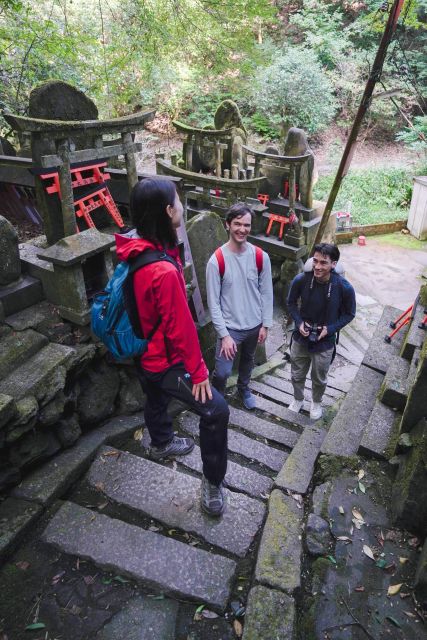
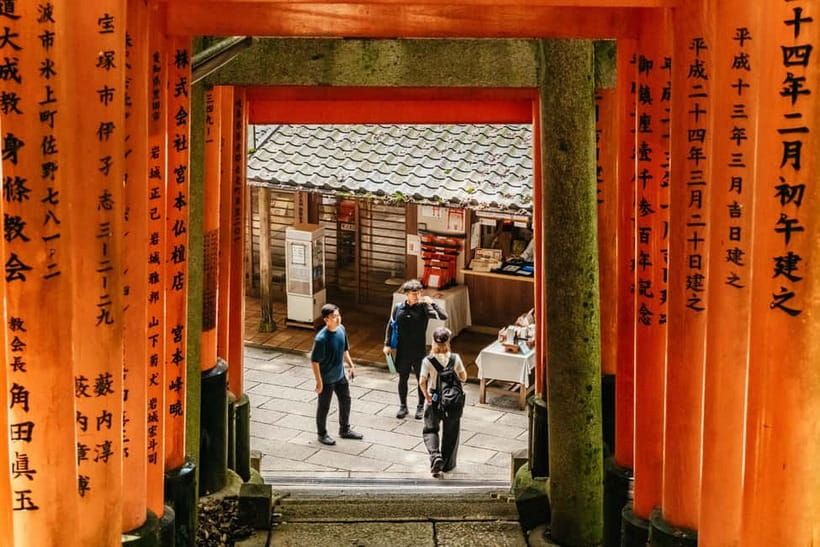
The route eventually joins the famous Fushimi Inari path. Here you get the sight most people came for: rows of vermilion torii gates climbing through the trees.
The gates are donated by individuals and businesses, and the guide can explain their role and the customs connected with the shrine. Several guides have also helped participants understand how to enter a torii respectfully, make offerings, and form wishes. That guidance adds value because Fushimi Inari is not just a scenic corridor. It remains an active Shinto religious site.
The climb is described as moderate, but that word needs context. You will walk for about three hours, cover approximately 7 kilometers, and tackle stairs and slopes. One participant recorded the equivalent of 50 flights climbed, which gives a better sense of the vertical effort than the word moderate does.
You will stop regularly, and extra breaks can be made when needed. Still, you should be in reasonable condition and comfortable walking on uneven surfaces. People with limited mobility, or anyone who is not used to sustained walking, should choose a gentler way to see the shrine.
The main route grows busier as you approach the popular areas. This is not a flaw in the tour. The guide can reduce the crowd exposure for much of the hike, but no route can make the most famous section of Fushimi Inari empty at ordinary visiting times.
More walks and treks around Kyoto:
- Kyoto Hiking Tour: The Nature and Legends of Kurama and Kibune
★ 5.0 · 75 reviews - Kyoto: Hike and Hot Springs in Kurama
★ 5.0 · 49 reviews - Kyoto: Fushimi Inari Hidden Hike (Private)
★ 5.0 · 31 reviews - Kyoto Arashiyama Bamboo Forest Hiking Tour(Hidden Temples)
★ 5.0 · 30 reviews
Altars, viewpoints, and the mountain summit
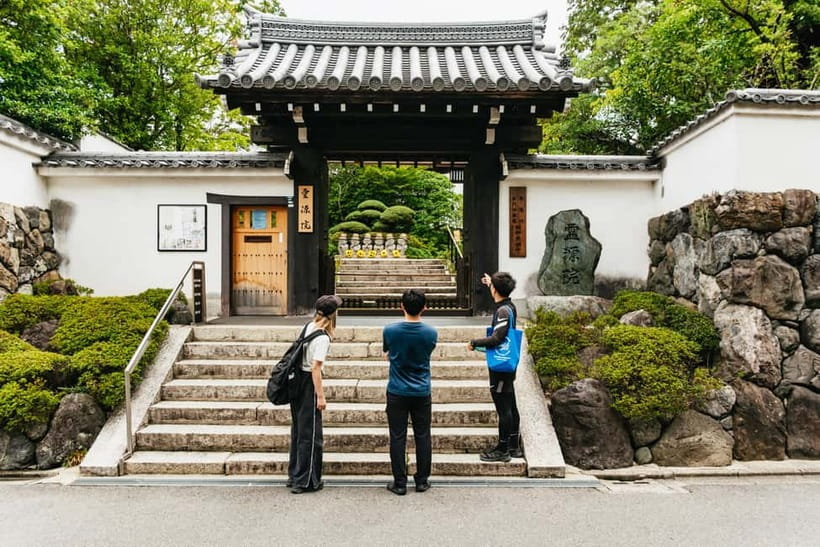
The higher part of Mount Inari is covered with small shrine altars. These are more intimate than the broad entrance area and help show the mountain’s religious character.
The itinerary allows roughly an hour at one viewpoint and another 45 minutes at a second viewpoint. These labels are broad rather than formal attractions, so you should think of them as time for scenery, pauses, explanations, and photos rather than a series of museum-like stops.
At the top, the forest and gates create a very different mood from the lower shrine grounds. You have made a physical climb, and the sense of reaching a high point gives the experience a satisfying shape. The guide can also make the stops more meaningful by explaining what you are seeing instead of leaving you to photograph everything without context.
Photos are included. This is helpful because the route often gives you a better chance to stop without blocking a line of people. Guides such as Naru and Makoto have been praised for taking good pictures, while Nina was noted for photographing each person at several scenic points. You should still be clear about what you want, especially if your group has several people sharing the guide’s time.
The forest descent and the famous finish
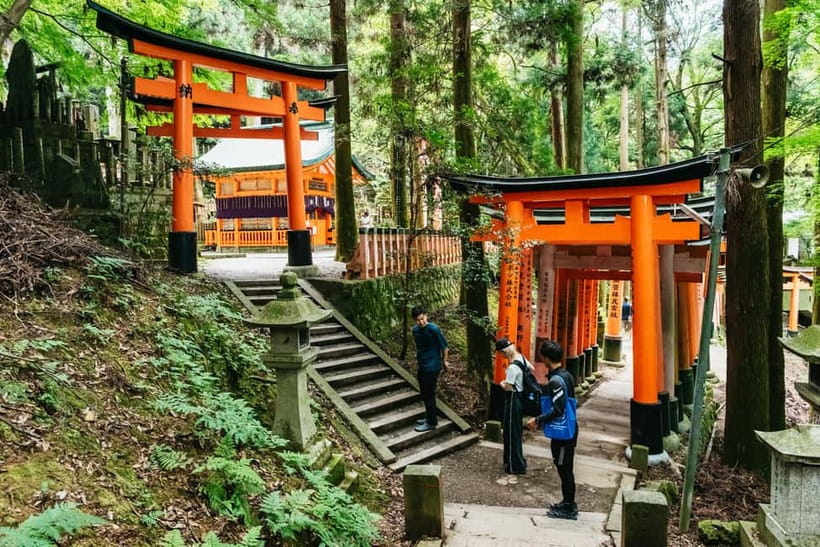
The return route uses a forested trail rather than simply retracing the busy gate path. Along the way, you visit smaller shrines and reach another bamboo grove.
This descent is not automatically easy. Downhill paths can be slippery after rain, and unpaved ground demands attention. One rainy-day outing was described as muddy, while another became difficult because of recent rain. If the forecast is wet, wear shoes with a firm sole and expect a slower pace.
The route eventually brings you toward the most recognizable section of Fushimi Inari, where the torii gates are especially photogenic. This is a smart ending: you experience the calm back trails first, then arrive at the iconic scene with a clearer sense of how the shrine fits into the mountain.
Crowds generally increase as you move down toward the front entrance. The final stretch may feel much busier than the first half. That contrast is useful rather than disappointing. It shows exactly what the tour saves you from, while still giving you time at the place you would likely visit on your own.
The description says the experience finishes at the main shrine at the base, with local street food available afterward, while the itinerary also lists a return to the FamilyMart meeting point. Confirm the exact end point when you book, especially if you have a timed train, restaurant booking, or another activity.
What $72 buys you
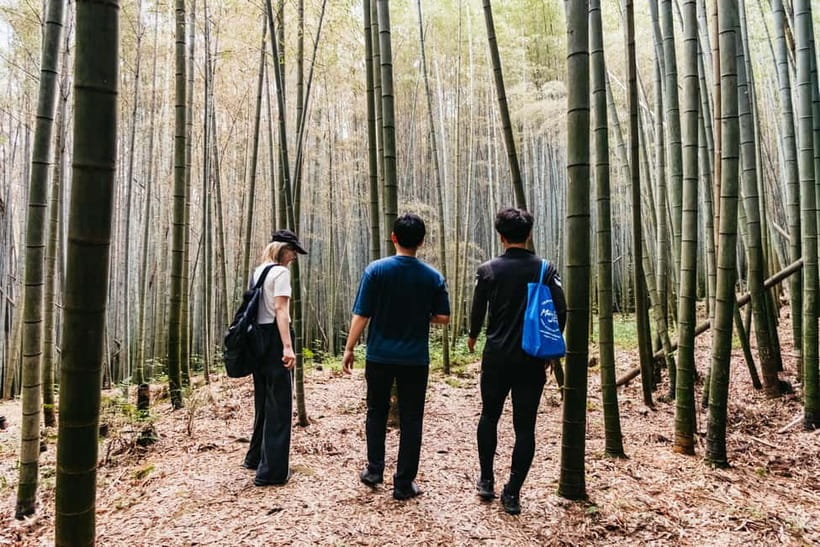
At $72 per person, this is not the cheapest way to walk around Fushimi Inari. You can visit the shrine without paying an entrance fee, follow the public paths, and take your own photos.
The value comes from the route and the time saved. You are paying for a local English-speaking guide who knows how to connect the station area, forest trails, bamboo, altars, torii gates, and shrine entrance into one three-hour walk. You also get photos and the chance to ask questions about Shinto practices while you are standing in the places where those customs matter.
I think the price makes sense if avoiding crowds is a high priority, or if you want more than a quick photo beneath the gates. It is also useful for a first visit, when it can be hard to understand where the quieter trails begin.
The value is weaker if you already know the mountain well, prefer walking alone, or want only the lower shrine grounds. The tour’s main benefit is not a ticket or exclusive access. It is local route knowledge, company, explanations, and a more thoughtful pace.
You can reserve now and pay later, and cancellation is free up to 24 hours before the start time. Date and time changes are also free up to 24 hours ahead, subject to availability. Extreme weather can cancel the hike, and you may cancel because of rain if you are not prepared.
Fitness, clothing, and group comfort
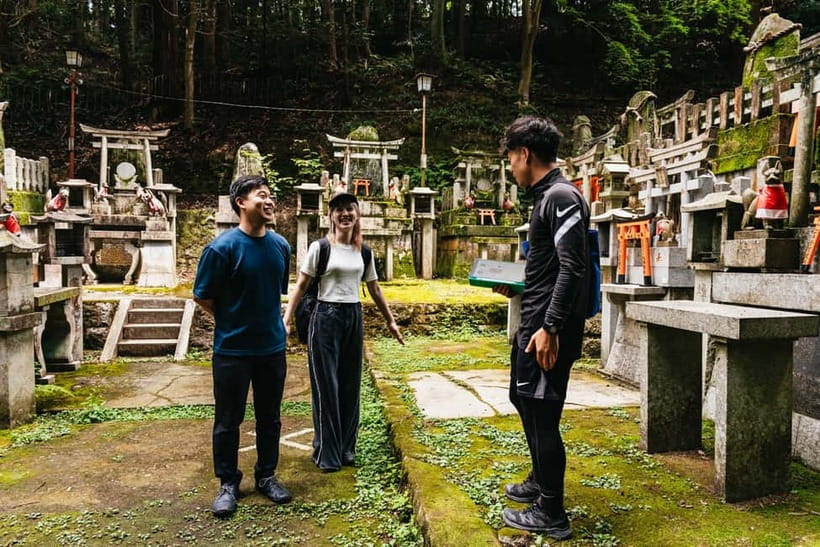
Treat this as a hiking tour. The path is not described as super difficult, but it is not a simple woodland walk either. Stairs, uneven trails, slopes, and about 7 kilometers add up.
I would bring:
- Long pants
- A long-sleeved shirt
- Comfortable walking shoes with good grip
- Water and any snack you want during the hike
- A small day bag rather than a large backpack
Food and drink beyond what you buy yourself are not included. Large bags and luggage are not allowed, so arrange storage before meeting the group.
Children under eight are not suitable for the tour. Children younger than eight would also need permission from a parent or guardian before booking, but the stated suitability limit is under eight. For older children, think about stamina rather than age alone. One family with boys aged 10 and 13 enjoyed the walk, while other feedback makes clear that children still need to manage a genuine uphill hike.
The route is partly shaded, but you should still prepare for heat, humidity, and insects. Rain can turn the unpaved paths muddy and slippery. If you dislike bugs, steep steps, or getting dirty shoes, this may not be your ideal Kyoto morning.
Who should book this Fushimi Inari hike
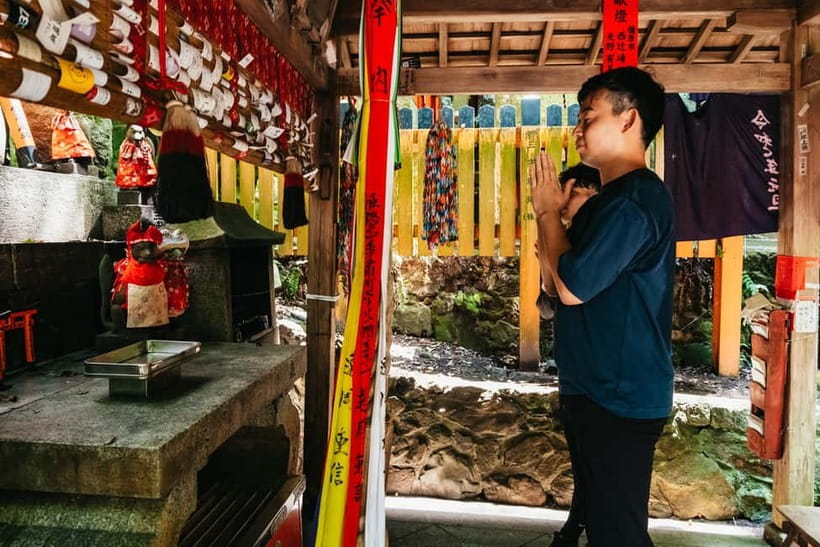
I would choose this tour if you want the shrine’s famous gates but do not want your whole visit to take place in a crowd. It suits people who enjoy walking, nature, photography, and cultural explanation in equal measure.
It is particularly good for:
- First-time visitors who want help with shrine etiquette
- Couples and families who want photos taken during the walk
- Hikers who prefer forest paths to paved sightseeing routes
- People visiting during busy seasons
- Small groups that value conversation with a guide
I would hesitate if you have limited mobility, poor walking fitness, or only want a short visit. The three-hour length also matters. Add time for transport, meeting the guide, possible food afterward, and your next stop.
The quality of the experience depends partly on the guide. Names such as Hina, Naru, Shiori, Yukari, Yuto, and Matthew appear in especially positive accounts, with praise for warmth, cultural explanations, patience, and photography. English ability may vary. One otherwise happy participant found a guide’s English quite limited, so do not assume every guide will offer the same depth of conversation.
Should you book it?
Book this tour if you want to see Fushimi Inari as a sacred mountain rather than just a line of photogenic gates. The quiet approach, bamboo groves, small altars, and forest descent give you a fuller visit, while the finish near the main shrine provides the classic Kyoto images.
Skip it if you want an effortless walk or prefer to explore independently. For everyone else, $72 is a fair price for a small-group route that solves Fushimi Inari’s biggest problem: the crowds. Just wear long trousers, bring sensible shoes, and arrive ready to hike.
FAQ
How long is the Fushimi Inari hidden hiking tour?
The tour lasts three hours and covers approximately 7 kilometers in total.
Where does the tour meet?
Meet outside Exit 2 of Tofukuji Station, next to FamilyMart Nakai Tofukuji.
How do I reach the meeting point by train?
You can use JR rapid or local trains. On the Keihan line, use sub-express, semi-express, or local trains. Do not use Keihan express trains.
Is the tour conducted in English?
Yes. The tour has a live English-speaking guide.
How large is the group?
Small groups can include up to nine people. Private group options are also available.
Is this an easy walk?
No. The route is described as a moderate hike, not a simple walk. It includes stairs, unpaved paths, slopes, and some steep or slippery sections.
What should I wear?
Wear long pants and a long-sleeved shirt. These help with mosquitoes, bugs, brush, and direct sun.
Can I bring luggage?
No. Luggage and large bags are not allowed on the hike.
Is food included?
No. Additional food and drink are not included. You may enjoy local street food after reaching the main shrine area.
What happens if it rains?
The tour can be canceled during extreme weather. You may also cancel because of rain if you are not prepared. For a full refund, cancel at least 24 hours before the starting time.
More 3-Hour Experiences in Kyoto
- 3-Hour Kyoto Insider Sake Brewery Tour with Tastings & Pairings
★ 5.0 · 917 reviews - Kyoto Imperial Palace & Nijo Castle Guided Walking Tour – 3 Hours
★ 4.5 · 106 reviews - 3 Hours Kyoto Insider Sake Experience | Tasting Konteki
★ 5.0 · 24 reviews - Kyoto: Personalize, private tour (3h, 5h, 8h) [W/Car Option]
★ 4.9 · 24 reviews
Just added around Kyoto
- Kyoto: Zen Meditation at a Private Temple with a Monk★ 5.0 · 25 reviews
- Kyoto: Gion Geisha District & Sake-in-Hand Walking Tour★ 5.0 · 37 reviews
- Private Pewter Sake Cup Experience with a Kyoto Artisan★ 5.0 · 31 reviews
- Your Private Vacation Photography Session In Kyoto★ 5.0 · 110 reviews
- Private Guided Traditional Buddhist Cooking in Japan★ 5.0 · 16 reviews
- Kyoto Wagashi(Japanese sweets) Cooking Class near Fushimiinari★ 5.0 · 60 reviews
- Traditional Japanese Music show & Experience Tour in Kyoto★ 5.0 · 57 reviews
- Kyoto:Family-Friendly Kimono & Yukata Experience at WARGO★ 5.0 · 147 reviews
Fushimi Inari Tours, compared.
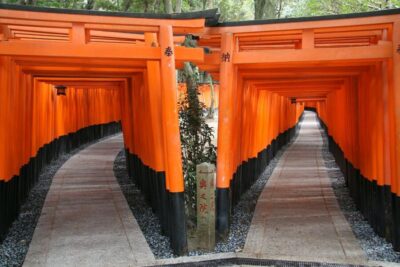
Fushimi Inari, Kinkakuji, Bamboo Grove 1 Day Bus Tour
Read our review →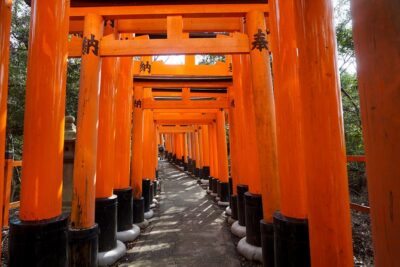
Fushimi Inari Hidden Hiking Tour (Private Option Available)
Read our review →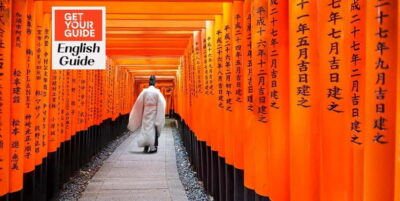
Kyoto/Osaka: Nara, Fushimi Inari Taisha, Arashiyama Bus Tour
Read our review →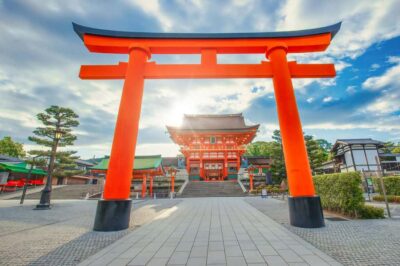
Osaka/Kyoto: Arashiyama, Nara & Fushimi Inari Shrine w/Lunch
Read our review →
Nijo Castle, Kiyomizu & Fushimi Inari Guided Tour
Read our review →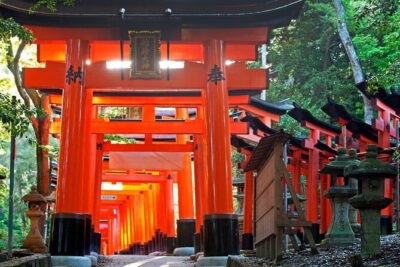
Nijo, Kinkaku-ji, Arashiyama, Kiyomizu & Fushimi Inari
Read our review →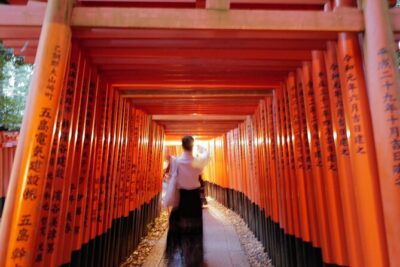

Kyoto Early Bird English Tour: Fushimi-Inari and Arashiyama
Read our review →Browse the lists this tour appears in