
Reviewed · FUSHIMI INARI TOURS
Fushimi Inari Hidden Hiking Tour (Private Option Available)
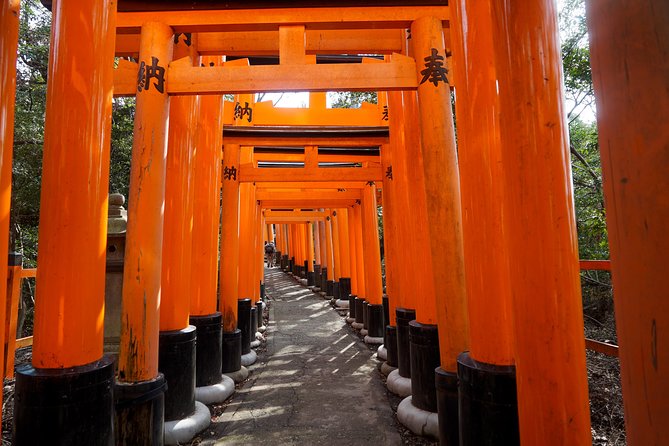
Fushimi Inari is famous for its endless orange torii gates, but the best part of this experience comes before you reach the busiest entrance. You walk through quiet mountain trails, bamboo, and small shrines, then approach the famous gates from above or behind. Guides such as Emi, Naru, Hina, Josh, and Yukari have helped guests make sense of the route and the customs along it.
I like two things right away: the route keeps you away from crowds for much of the hike, and the small group makes it easy to ask questions. Guides also take photos during the walk, and several, including Naru, have been praised for finding especially good spots. The drawback is simple: this is a real hike of about 7 kilometers, with stairs, steep sections, slippery ground, bugs, and heat to contend with.
Key points to know before booking
- A back-route approach to Fushimi Inari: You reach the famous shrine by forest paths instead of simply joining the packed main entrance.
- A natural bamboo forest: The grove is one of the quiet scenic stops before the torii gates.
- A small group capped at seven: You get more time to ask questions and a better chance of moving at your own pace.
- About 7 kilometers in three hours: This is moderate hiking, not a flat stroll through a shrine complex.
- A view toward Fushimi-Momoyama Castle: From high on the mountain, the route opens to a distant castle view.
- Free photos from a certified guide: Food and drinks are not included, so bring water and a snack if you need one.
Why this route is different from a standard Fushimi Inari visit
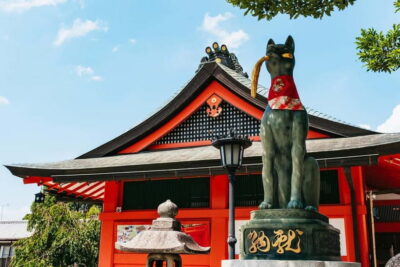
Fushimi Inari-Taisha can feel like two different places. At the main entrance, you find the familiar shrine buildings, orange torii gates, fox images, and a steady flow of people. Higher up, the paths become quieter, and the mountain setting takes over.
This tour is designed to begin in that quieter world. You meet near FamilyMart Nakai Tofukuji, close to the Tofukuji area, and walk toward Fushimi Inari rather than starting directly at the busiest shrine entrance. The exact order can change. Emi, for example, led one early tour in the opposite direction, beginning near the upper end and finishing at the main entrance as crowds were building.
That flexible approach matters. You are not promised an empty shrine, especially at peak foliage season or on a national holiday weekend. Still, the forest route gives you a much better chance of enjoying stretches of peace before reaching the popular gates.
I would book this for the route, not just for a photograph at the shrine entrance. You can visit the main approach on your own. The guide earns the fee by finding paths you might miss, keeping you on course, and explaining what the torii and shrines mean.
More ways to walk Fushimi Inari:
- Kyoto: Fushimi Inari, Kinkakuji, Bamboo Grove 1 Day Bus Tour
★ 4.8 · 4,316 reviews - Kyoto/Osaka: Nara, Fushimi Inari Taisha, Arashiyama Bus Tour
★ 4.7 · 1,275 reviews - Osaka/Kyoto: Arashiyama, Nara & Fushimi Inari Shrine w/Lunch
★ 4.4 · 754 reviews
The walk from Tofukuji through the forest
The outing begins with a walk past Tofukuji and into the Fushimi Inari area. The route is not a simple sidewalk connection. You soon move onto narrow mountain paths, where roots, uneven ground, stairs, and damp surfaces can slow you down.
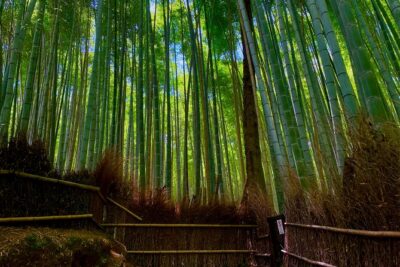
The reward is a more natural side of Kyoto. You pass through a quiet residential area and wooded hills, then enter a natural bamboo forest. This is not the polished, highly visited bamboo setting associated with Arashiyama. It is a smaller woodland stop along a hike, with a calmer feel and fewer people.
The path can be slippery, particularly after rain. One person described a rainy hike that remained worthwhile because the guide added context at the shrines, but wet weather will make the footing harder. Wear shoes with good grip, not smooth-soled sneakers or casual sandals.
The guides generally allow regular pauses. Mat was praised for offering route options based on energy levels, while other guides adjusted their pace for the group. That helps, but you still need a moderate level of fitness. If walking uphill, descending stairs, or covering several miles is difficult for you, this is not the right way to see Fushimi Inari.
The bamboo forest and small Inari shrine
The natural bamboo forest is one of the tour’s most appealing stops because it breaks up the shrine visit. You get a stretch of green woodland and quiet trail before the torii gates begin to dominate the route.
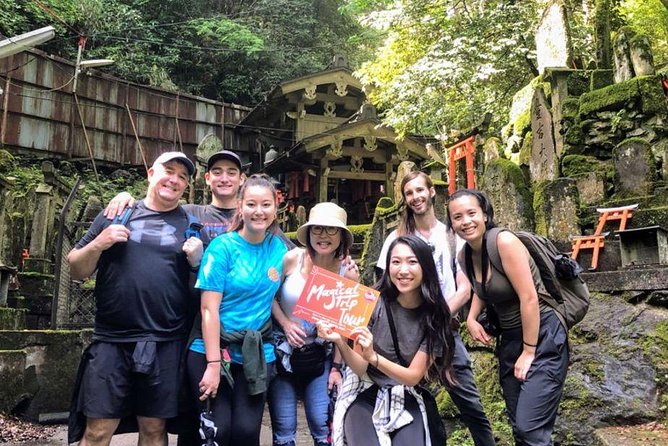
You also visit a small Inari shrine away from the usual tourist path. It gives the walk a sense of discovery without requiring a long detour from the main goal. Guides can point out details you might otherwise pass, including inscriptions and the fox motifs connected with Inari worship.
The cultural explanations are a real part of the value here. Naru, Hina, Yukari, Shin, and others have been praised for explaining Japanese customs, the meaning of the gates, and the religious setting in clear terms. Some guides have read inscriptions for the group, which adds meaning to a row of gates that could otherwise become a blur of orange.
This is also where having a local guide is useful for practical reasons. The forest trails are not the sort of route most visitors would confidently piece together from a quick look at a map. Your guide handles the navigation while you focus on the scenery and questions.
Entering Fushimi Inari through the torii gates
The route eventually brings you to Fushimi Inari-Taisha, one of Kyoto’s most recognizable shrines. The experience of arriving from the back or upper side changes the mood. Instead of beginning with the busiest approach, you encounter the gates after earning your way up through the mountain.
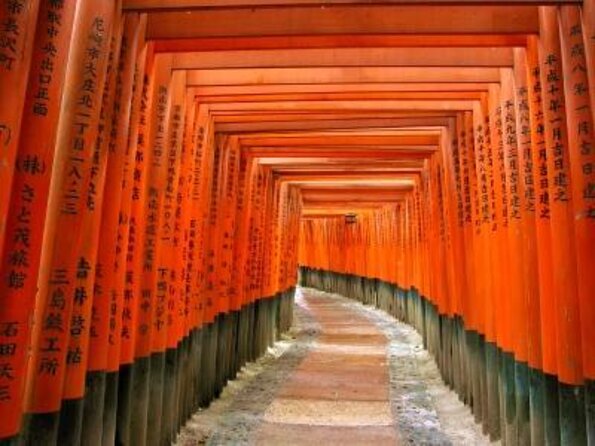
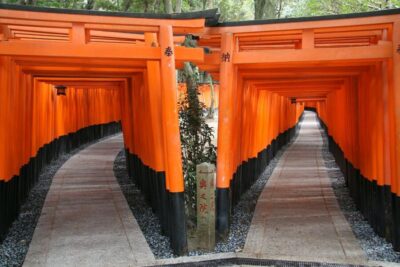
The torii are the visual centerpiece. Their close-set rows create a tunnel effect, and the orange color looks especially strong against the forest. Guides can explain the inscriptions and the religious meaning behind the gates, along with the role of fox imagery at the shrine.
You should still expect people around the shrine areas. The tour reduces crowd exposure, but it does not remove it. As you descend toward the main entrance, the number of people can rise sharply. That contrast is useful in itself. You see why the back route feels so peaceful, and why approaching from the main entrance alone can be less relaxing.
The itinerary lists about 30 minutes at Fushimi Inari with no admission charge. That does not mean the entire shrine experience is only 30 minutes. The full activity lasts about three hours, and much of that time is spent hiking between the meeting point, the mountain trails, and the shrine.
More walks and treks around Kyoto:
- Kyoto: 3-Hour Fushimi Inari Shrine Hidden Hiking Tour
★ 4.9 · 270 reviews - Kyoto Hiking Tour: The Nature and Legends of Kurama and Kibune
★ 5.0 · 75 reviews - Kyoto: Hike and Hot Springs in Kurama
★ 5.0 · 49 reviews - Kyoto: Fushimi Inari Hidden Hike (Private)
★ 5.0 · 31 reviews
The mountain viewpoint and Fushimi-Momoyama Castle
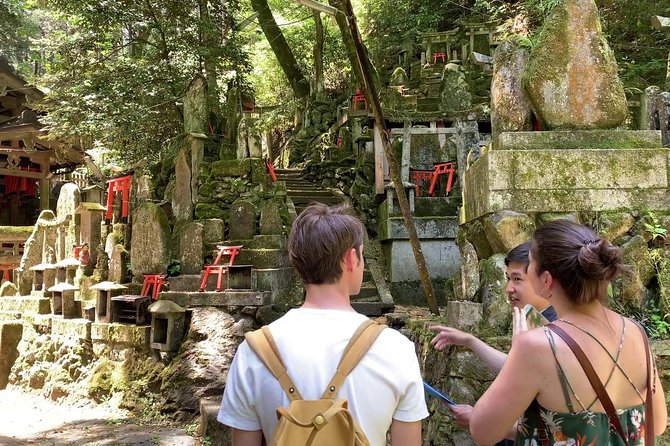
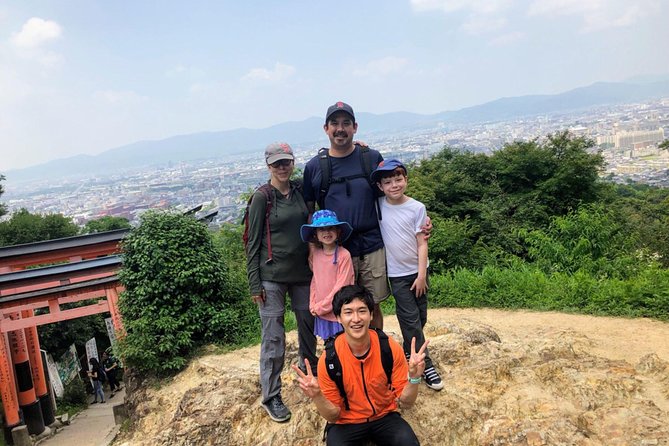
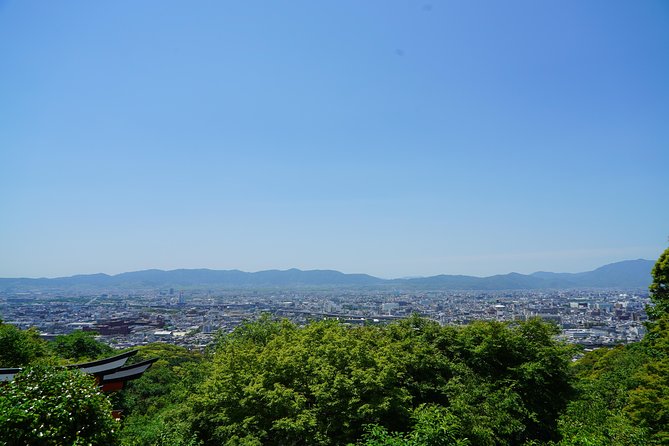
After reaching the upper part of Fushimi Inari, the route includes a view toward Fushimi-Momoyama Castle. The castle was associated with Hideyoshi and later rebuilt by Ieyasu. The route description also connects the rebuilt castle area with peach trees, adding a small historical and seasonal detail to the view.
Do not book this as a castle tour. You see the castle from the mountain rather than touring its grounds. The value is the wider view and the chance to connect the shrine mountain with another important part of Fushimi.
The climb makes the viewpoint feel earned. There are steeper stair sections, and some parts have a more technical feel, especially in hot or wet conditions. Yuko’s group described scrambling along parts of the trail in intense summer humidity, while another group found the walk manageable with a steady pace. Your experience will depend on fitness, weather, and how often you stop.
Guides, photos, and the small-group advantage
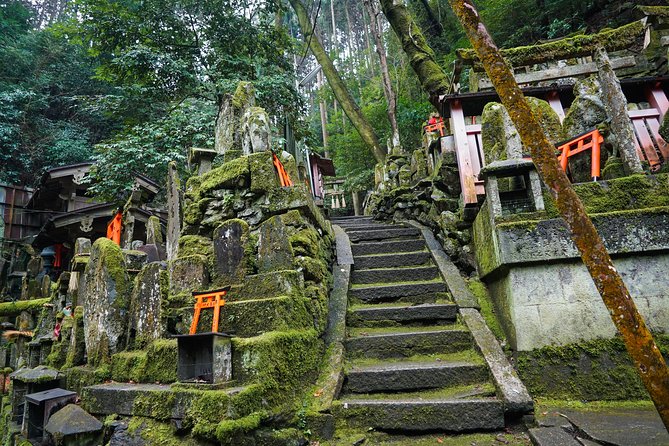
The maximum group size is seven. That is small enough for direct conversation, but large enough that you may meet other visitors from different places. Several people especially enjoyed the social side of the walk, while others happened to have a guide to themselves when the rest of the group did not arrive.
The guide quality is central to this experience. Names connected with especially warm and useful guiding include Emi, Skito, Shin, Yuha, Woohee, Naru, Josh, Mat, Hina, Yuko, Duncan, and Yukari. Your assigned guide may be different, so treat these names as examples of the guiding style rather than a promise of a particular person.
The strongest guides do more than point out the next turn. They explain shrine customs, answer questions, adjust the pace, and help with photos. Naru has been singled out for taking thoughtful family pictures, and Shin and other guides have helped groups find good angles in the bamboo forest and near the gates.
Photos are included, which adds value for couples and families who want more than quick phone snapshots. You should still bring your own phone or camera if photography matters to you. The included photos are a pleasant extra, not a substitute for a dedicated photography session.
Is $63.14 a fair price?
At $63.14 per person, the tour is not the cheapest way to walk through Fushimi Inari. Admission to the shrine is free, and you can reach the area by public transportation. If your plan is simply to see the main torii gates for an hour, save the money and go independently.
The price makes more sense if you value route finding, local explanation, and crowd avoidance. You are paying for about three hours of guiding, a 7-kilometer mountain route, tour photos, and the chance to see bamboo, minor shrines, and views that are easy to skip. A group discount may improve the value, and a private option is available for people who want a more personal outing.
For a couple or family, the guide can also make the visit more efficient. You do not spend time hesitating at trail junctions or trying to work out how the forest paths connect with the shrine. Yukari even helped a couple find the subway after the tour, though extra assistance like that should be viewed as a kindness rather than a formal part of the itinerary.
What to wear and carry for the 7-kilometer hike
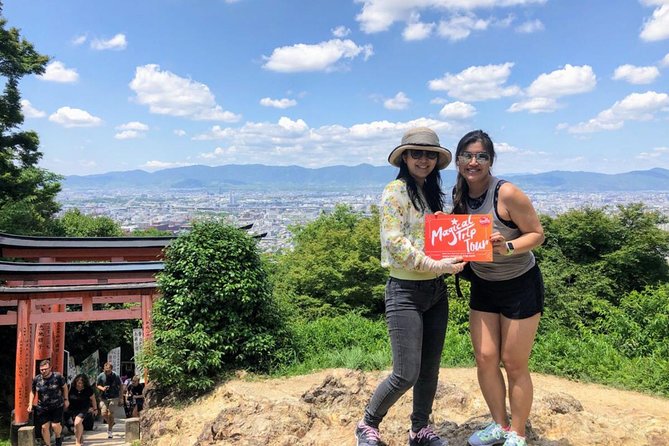
Take the physical warnings seriously. The hike is described as moderate, with regular stops, but it includes uphill walking, stairs, and uneven mountain ground.
Bring or wear:
- Shoes with good grip
- Water, especially in summer
- A hat for hot weather
- Long sleeves and long pants
- Insect repellent
- Rain protection if the forecast is uncertain
Japan’s summer heat and humidity can make the trail feel much harder than the distance suggests. Yuko carried mosquito repellent for one group, but you should not count on that being supplied every time. Bugs and mosquitoes are possible because much of the route runs through the mountain.
Food and drinks are not included. A small snack may be useful, but keep your hands free where possible and follow the guide’s advice about stopping. The tour requires good weather, and poor conditions can lead to a different date or a full refund.
Who should book this Kyoto hike?
I would choose this tour if you want to see Fushimi Inari beyond its postcard view. It suits active couples, families with older children or adults, and anyone who prefers wooded paths to a crowded paved approach.
It is also a good fit if you want cultural context but do not want a long lecture. The guides tend to explain details as you encounter them, from fox symbols to gate inscriptions and shrine customs. That keeps the information connected to what you are seeing.
I would hesitate if you have trouble walking, are out of regular condition, dislike stairs, or want a gentle sightseeing walk. Rain, humidity, and slippery ground can add real difficulty. The private option may be worth checking for your party if pace and route flexibility matter, but the provided details do not state its exact price or conditions.
Should you book the Fushimi Inari Hidden Hiking Tour?
Book it if the idea of approaching Kyoto’s most famous torii gates through bamboo, forest trails, and a small shrine sounds better than walking straight into the main crowd. The strongest reasons are the unusual route, the small group, and the guide’s help with both navigation and cultural details.
Skip it if you only want the shrine entrance and a short, easy walk. At $63.14, the tour is best value for people who want the mountain experience, not just the orange gates. Wear proper shoes, carry water and insect repellent, and let the guide set a sensible pace. With those precautions, this is a thoughtful way to see a quieter side of Fushimi Inari.
FAQ
How long does the Fushimi Inari Hidden Hiking Tour last?
The tour lasts approximately three hours.
How far is the hike?
The total route is approximately 7 kilometers. The walk includes uphill sections, stairs, and uneven mountain paths.
Where does the tour start?
The meeting point is FamilyMart Nakai Tofukuji, at 12-chōme-232 Honmachi, Higashiyama Ward, Kyoto.
Where does the tour end?
The tour ends in front of the main shrine of Fushimi Inari Taisha at 68 Fukakusa Yabunouchichō, Fushimi Ward, Kyoto.
Is admission to Fushimi Inari included?
Admission to Fushimi Inari Taisha is free. No separate admission ticket is required for the shrine.
How many people can join the group?
The activity has a maximum of seven travelers.
Is the tour suitable for someone who does not hike regularly?
The tour requires a moderate level of physical fitness. It is not described as extremely difficult, but it is more demanding than a simple walk and is not recommended for people who have trouble walking or are not in regular condition.
What shoes should I wear?
Wear shoes with good grip because parts of the ground may be slippery.
Should I bring insect repellent and extra water?
Yes. Mosquitoes and other bugs may be present on the mountain, and summer in Japan can be very hot and humid. Long sleeves, long pants, water, and a hat are recommended.
What happens if bad weather cancels the tour?
If the activity is canceled because of poor weather, you will be offered a different date or a full refund. For other cancellations, cancel at least 24 hours before the start time to receive a full refund.
Just added around Kyoto
- Kyoto: Zen Meditation at a Private Temple with a Monk★ 5.0 · 25 reviews
- Kyoto: Gion Geisha District & Sake-in-Hand Walking Tour★ 5.0 · 37 reviews
- Private Pewter Sake Cup Experience with a Kyoto Artisan★ 5.0 · 31 reviews
- Your Private Vacation Photography Session In Kyoto★ 5.0 · 110 reviews
- Private Guided Traditional Buddhist Cooking in Japan★ 5.0 · 16 reviews
- Kyoto Wagashi(Japanese sweets) Cooking Class near Fushimiinari★ 5.0 · 60 reviews
- Traditional Japanese Music show & Experience Tour in Kyoto★ 5.0 · 57 reviews
- Kyoto:Family-Friendly Kimono & Yukata Experience at WARGO★ 5.0 · 147 reviews
Fushimi Inari Tours, compared.
Fushimi Inari, Kinkakuji, Bamboo Grove 1 Day Bus Tour
Read our review →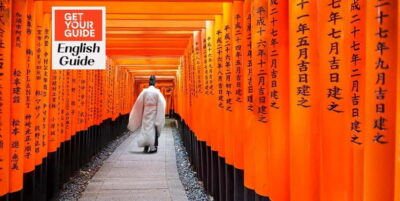
Kyoto/Osaka: Nara, Fushimi Inari Taisha, Arashiyama Bus Tour
Read our review →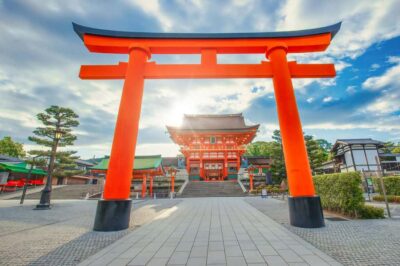
Osaka/Kyoto: Arashiyama, Nara & Fushimi Inari Shrine w/Lunch
Read our review →
Nijo Castle, Kiyomizu & Fushimi Inari Guided Tour
Read our review →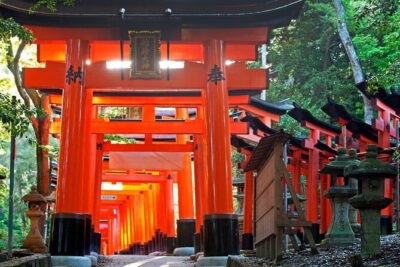
Nijo, Kinkaku-ji, Arashiyama, Kiyomizu & Fushimi Inari
Read our review →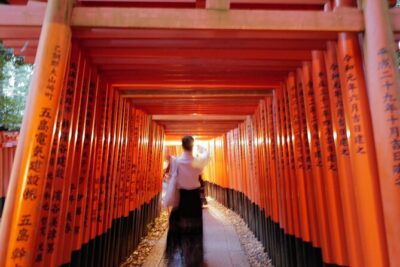
Kyoto Early Bird English Tour: Fushimi-Inari and Arashiyama
Read our review →Browse the lists this tour appears in