

Reviewed · FUSHIMI INARI TOURS
Kyoto: Nijo Castle, Kiyomizu & Fushimi Inari Guided Tour
Kyoto’s biggest challenge is distance. Its famous sights sit across the city, and fitting Arashiyama, Kinkaku-ji, Nijo Castle, Kiyomizu-dera, and Fushimi Inari into one day by public transport takes serious planning. This 11-hour bus tour handles the transfers for you and gives you a broad first look at Kyoto.
I like the early visit to Arashiyama Bamboo Grove, before the day is fully underway, and I like the balance of guided explanations and free time. Guides such as Cesar, Angeles, and Paula have been praised for clear bilingual presentations and careful timing. The tradeoff is simple: this is a long day, and the major sights can still be crowded.
Kyoto’s five big sights in one long day
- Early Arashiyama visit: Spend 70 minutes among the towering bamboo before the heaviest crowds arrive.
- Optional major admissions: Kinkaku-ji, Nijo Castle, and Kiyomizu-dera are included only with the appropriate ticket option.
- A history-packed route: Move from shogun-era power at Nijo Castle to Buddhist temples and Shinto worship at Fushimi Inari.
- Useful free time: Explore each site independently after receiving guidance from the tour leader.
- Comfortable city transfers: Bus rides of about 30 to 40 minutes give you a break between walking stops.
- Strong guide service: English and Spanish guides, including Cesar and Angeles, have earned repeated praise for organization and cultural explanations.
Why this Kyoto tour works for a first visit
At $54 per person, this outing is priced like a practical sightseeing shortcut rather than a luxury experience. You are paying for transportation, a bilingual guide, and a carefully arranged route across Kyoto. That matters because these attractions are not close together.
The route covers both western and eastern Kyoto, then finishes in the south. On your own, you would need to organize trains, buses, walking routes, entrance tickets, and meeting times. The bus removes much of that mental work.
You should still read the ticket details carefully. Admission to Kinkaku-ji, Nijo Castle, and Kiyomizu-dera is included only if you purchase the option with tickets. The base price may not cover those entrances, so compare the final booking choices before you pay.
This is not a slow temple study tour. You receive explanations, then time to look around, take photos, shop, or stop for a drink. That format suits you if you want to see Kyoto’s headline sights in a single day. It is less suitable if you prefer to spend half a day at one temple or wander without a schedule.
The bilingual format can be impressive. Guides including Cesar have switched quickly between English and Spanish, while some guides also use Japanese during the day. That said, you may occasionally need to stand close to hear every word, particularly at crowded sites. Staying near the guide helps.
More ways to walk Fushimi Inari:
- Kyoto: Fushimi Inari, Kinkakuji, Bamboo Grove 1 Day Bus Tour
★ 4.8 · 4,316 reviews - Fushimi Inari Hidden Hiking Tour (Private Option Available)
★ 5.0 · 1,750 reviews - Kyoto/Osaka: Nara, Fushimi Inari Taisha, Arashiyama Bus Tour
★ 4.7 · 1,275 reviews
Starting near Kyoto Station
The meeting point is outside Hotel Keihan Kyoto Grande. You should arrive at least 10 minutes before departure, since the group needs to check in and board on time.
The hotel sits near Kyoto Station, making this a practical departure point for many people staying in central Kyoto. The exact start time varies, so check the schedule when you book. The day can run roughly from morning until early evening, and one published experience described a schedule from about 7 a.m. to 6:30 p.m.
Bring water, sunscreen, a hat, and comfortable shoes. You will have bus rides between stops, but this remains a walking-heavy day with temple approaches, garden paths, shrine trails, and steps.
Arashiyama Bamboo Grove before the crowds
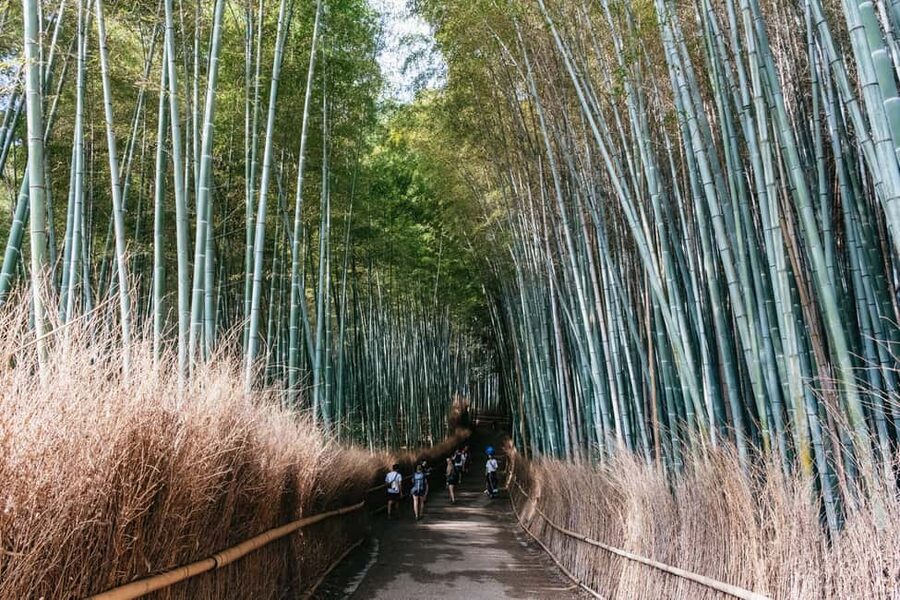
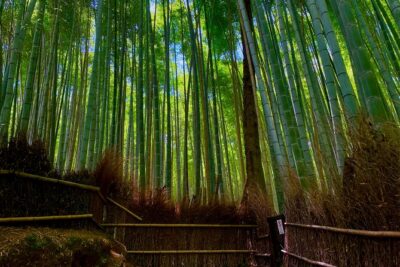
The first stop is Arashiyama, reached after about 40 minutes by bus. You receive 70 minutes of free time, with the bamboo grove as the main attraction.
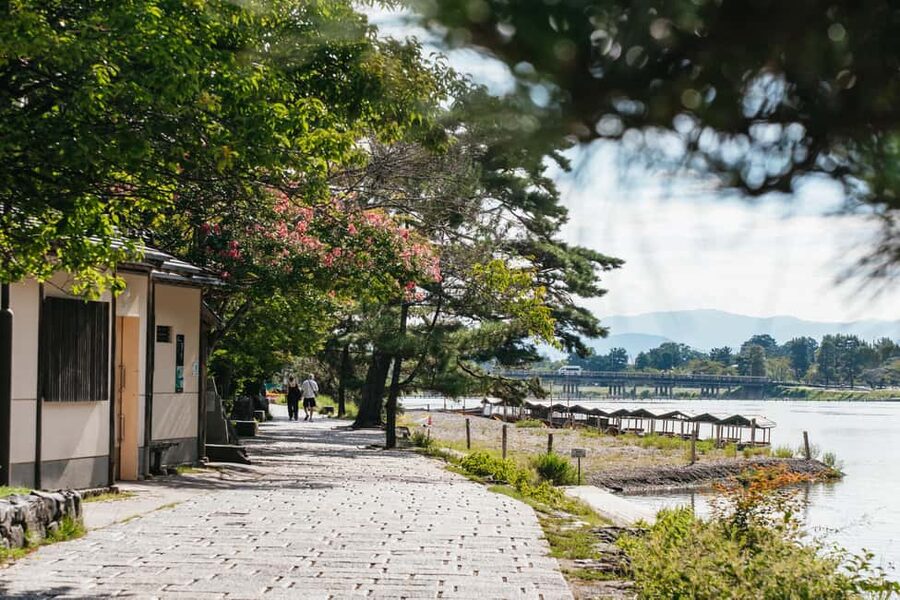
Tall bamboo stalks rise on both sides of the path, creating one of Kyoto’s most recognizable scenes. Early access is valuable here. The grove is famous for photographs, and the narrow route can feel far less peaceful once large numbers of people arrive.
I would use this first stop for photos and a gentle start rather than trying to cover all of Arashiyama. The allotted time is enough to stroll through the main bamboo area, pause for pictures, and return to the meeting point. It is not enough for an extended visit to every sight in the district.
Pay close attention to the return instructions. A busy first stop can be disorienting, especially if you wander into nearby streets and shops. The guide’s organization is important, and guides such as Angeles and Cesar have been praised for making meeting points clear.
Kinkaku-ji and its gold reflection
A 30-minute bus ride brings you to Kinkaku-ji, better known as the Golden Pavilion. You have 45 minutes here.
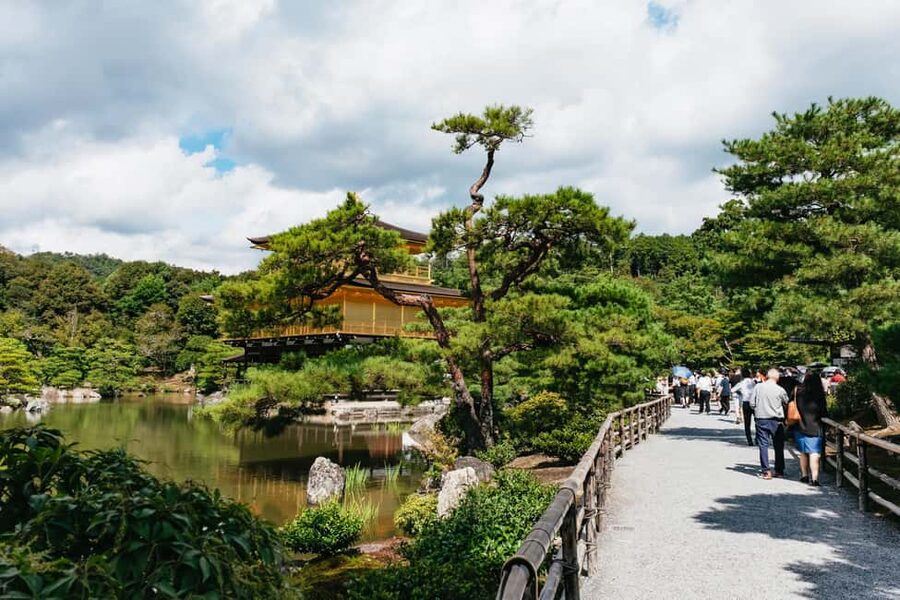
The pavilion’s upper levels are covered in gold leaf and reflect across the pond, with gardens framing the view. This is a short visit, but it gives you time to follow the grounds, see the temple from its main viewpoints, and take photographs.
The main limitation is that Kinkaku-ji is a visual stop more than a long interior visit. You are there for the setting, the architecture, and the garden route. Crowds can gather around the best viewing areas, so patience helps.
Admission is conditional. The Golden Pavilion is included only when you select the ticket option that covers it. If you choose a package without admissions, confirm how entry works before the morning begins.
A few more Kyoto half-days to weigh up
- PERFECT KYOTO 1-Day Bus Tour
★ 5.0 · 13,518 reviews - Kyoto: Tea Ceremony in a Traditional Tea House in Kiyomizu
★ 4.9 · 3,519 reviews - Kyoto Geisha Walking Tour: Gion District & Hidden Gems
★ 4.7 · 3,273 reviews - Kyoto: Tea Ceremony Ju-An at Jotokuji Temple
★ 4.9 · 3,207 reviews
Nijo Castle and the sound of the nightingale floors
After another 30-minute transfer, the tour reaches Nijo Castle. The planned visit lasts about 90 minutes, giving you more time here than at Kinkaku-ji.
Nijo Castle connects Kyoto to the political world of the shoguns. Inside, traditional tatami rooms and formal spaces show how Japan’s ruling class used architecture to control movement and display rank. The castle gardens offer a change of pace after the interior rooms.
The famous nightingale floors are a highlight. Their clever construction produces a birdlike chirp when walked across, serving as a warning system against unwanted intruders. It is an unusual detail that makes the castle easier to understand than a simple parade of old rooms.
Again, admission depends on your selected ticket package. There is also an important contingency: circumstances outside the operator’s control may prevent access to Nijo Castle. If that happens, the substitute stop is Sanjusangen-do Temple.
This part of the route may be one of the most rewarding for anyone interested in Japanese political history. It also requires attention to the group schedule. You have time to explore, but not unlimited time to linger in every room or garden section.
Kiyomizu-dera and Kyoto from the hillside
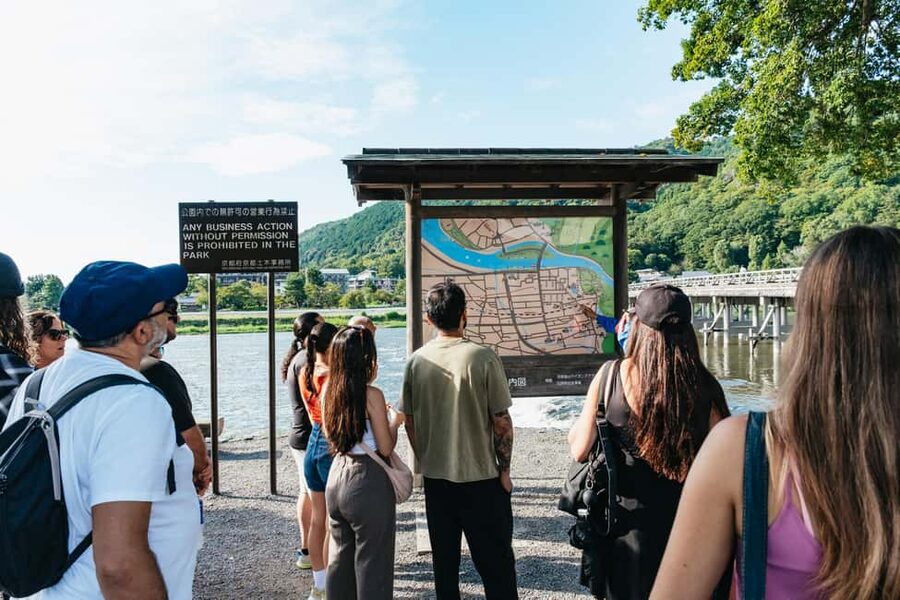
The next 30-minute ride takes you to Kiyomizu-dera, where the schedule allows 2.5 hours for the temple, lunch, and free time.
This is the most flexible stop of the day. Kiyomizu-dera is known for its large wooden stage projecting from the hillside, with broad views over Kyoto. The temple grounds and surrounding lanes also give you a taste of old-style Kyoto, with traditional sweets, souvenirs, crafts, and drinks.
The long pause matters because you need time for several things: reaching the temple, seeing the main structure, walking around the grounds, finding lunch, and returning to the bus meeting point. Unlike a quick photo stop, this portion lets you set your own pace.
Food and drinks are not included, so plan to buy lunch yourself. The provided information does not specify a restaurant arrangement, which means you should treat the stop as independent time rather than a formal meal.
Kiyomizu-dera can be physically demanding. The approach and temple grounds involve walking, and the surrounding streets may be crowded. Wear shoes with good support and carry water, especially in July and August. Hot weather has been a repeated concern, although the air-conditioned bus provides a useful break.
Admission to Kiyomizu-dera is included only with the ticket option that covers it. Check this before booking if you want a fully inclusive day.
Fushimi Inari and the red torii gates
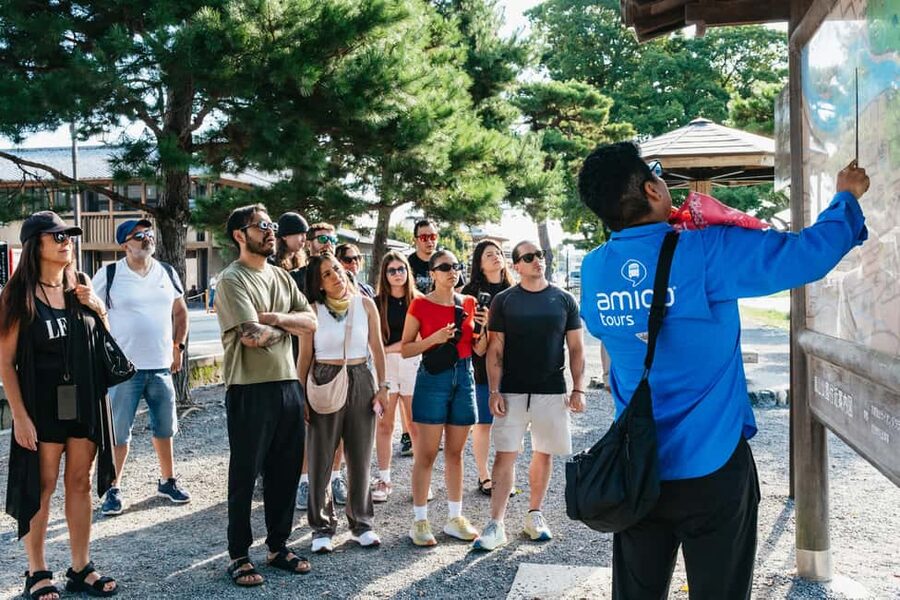
The final major stop is Fushimi Inari Taisha, reached after about 30 minutes on the bus. You get 1.5 hours of free time.
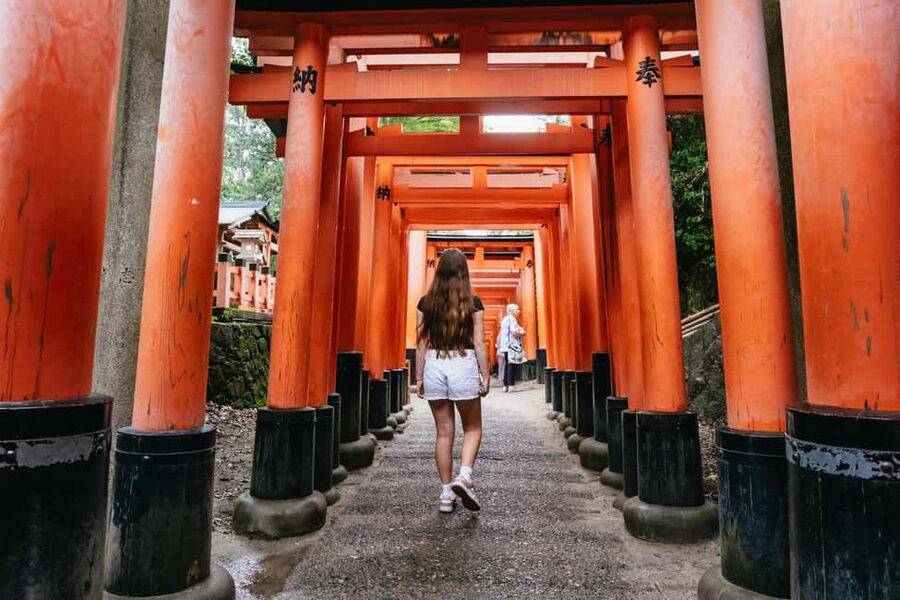
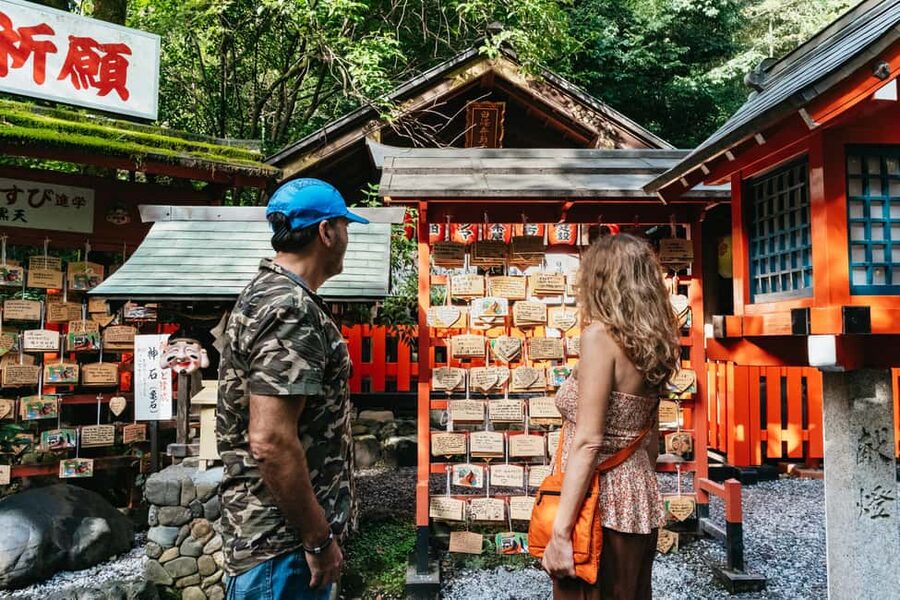
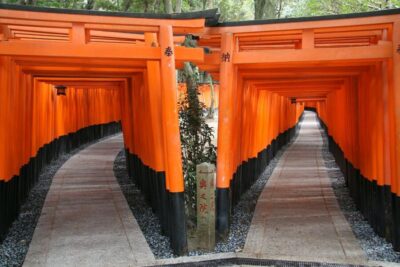
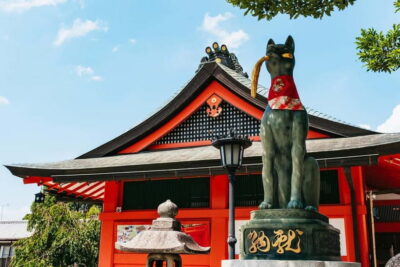
Fushimi Inari is famous for its thousands of vermilion torii gates, which form covered paths up the wooded mountainside. The shrine is dedicated to Inari, a Shinto deity associated with rice and prosperity, and fox figures appear throughout the grounds.
You do not need to walk the entire mountain route to enjoy the visit. The lower section contains the most recognizable gate corridors and is the sensible choice when time is limited. If you walk uphill, keep an eye on the clock, since the path continues much farther than the first photo spots suggest.
This is the last stop, and daylight may be fading depending on the season and departure time. One useful planning tip is to prioritize the torii gates first, then browse the lower shrine area or food stalls if time remains.
The tour ends with drop-off at either Fushimi Inari Taisha or Kyoto Station. That gives you a useful choice. You can remain in the area after the official tour, or return toward the station if you have evening plans.
How the bus and guide affect the day
The bus is the main reason to choose this experience. Transfers take about 30 to 40 minutes, and those intervals give you a chance to sit, cool down, and rest your feet. Several guides and drivers have been praised for smooth timing, safe driving, and clean, comfortable vehicles.
Traffic can still affect the schedule. Kyoto’s popular temple areas become congested, especially during busy seasons, and the itinerary may change because of weather, road closures, traffic, or other conditions on the day.
The guide’s job is not only to explain history. It is also to keep a large group moving through complicated sites. Guides named Cesar, Angeles, Paula, Alex, and others have been singled out for answering questions, helping with photos, giving clear meeting instructions, and making sure people return to the bus on time.
The bilingual setup means explanations are given in English and Spanish. This can lengthen some guided talks compared with a single-language tour, but it makes the experience useful for both language groups. If you need to hear every detail, stay near the guide during walks and talks. At particularly crowded stops, sound can be harder to catch.
Crowds, walking, and the real pace
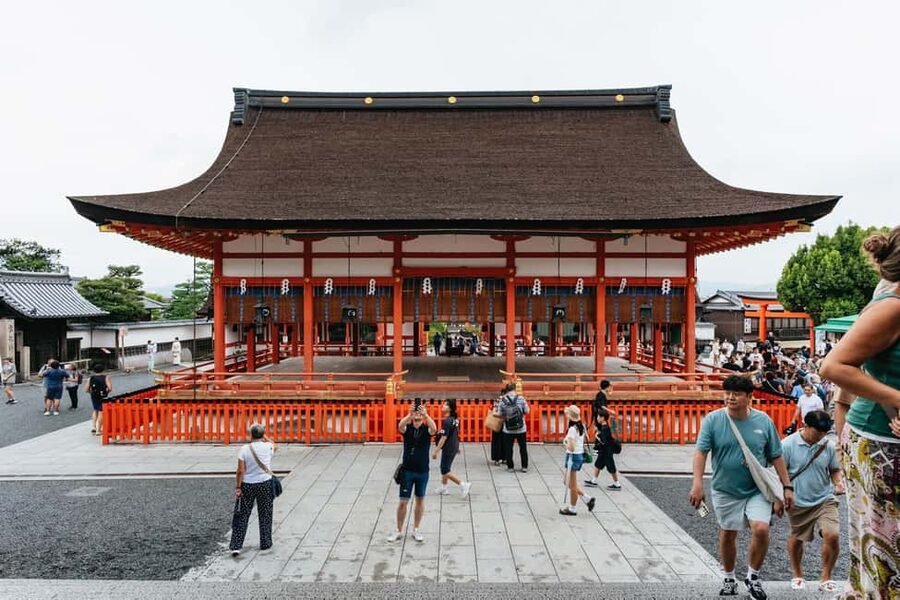
The tour is organized, but it is not crowd-free. Early Arashiyama access can help, yet Kinkaku-ji, Kiyomizu-dera, and Fushimi Inari are among Kyoto’s most visited places. Expect busy paths at popular viewing points.
The pace is usually a mix of guided walks, free exploration, and bus travel. Some people find the timing just right, while others may wish for longer at the final shrine or a quieter visit to one temple. The schedule gives you enough time to see the essential parts, not enough time for complete exploration.
You need a reasonable level of fitness. The activity is not suitable for people with mobility impairments or wheelchair users. Even without steep mountain walking, the day includes extensive time on foot, uneven temple grounds, stairs, and standing in crowded areas.
Weather changes the experience. Summer can be very hot, and rain can affect comfort and the route. Pack sunscreen, a hat, water, and a camera. In cooler months, the long day may feel easier physically, though the popular sights can remain busy.
Is $54 good value?
At $54, the value is strongest if you have only one full day in Kyoto and want to see the major names without managing transport yourself.
You receive:
- Bus transportation from the central meeting point
- An English and Spanish guide
- Visits to five major Kyoto areas
- Free time at each stop
- Optional admission coverage for Kinkaku-ji, Nijo Castle, and Kiyomizu-dera
Food, drinks, and some admissions are not included unless you select the ticket package. That makes the final price more important than the headline figure.
For a first visit, I see the cost as reasonable because private transport between distant districts can save hours of planning. You also get historical context that is easy to miss when walking through a temple on your own.
The value is weaker if you already know Kyoto well, prefer public transport, or want to choose your own stopping times. You may find the fixed schedule restrictive, particularly if one location interests you far more than the others.
Who should book this day tour?
I would choose this tour if you are visiting Kyoto for the first time, have one day available, or want a simple introduction before returning to favorite areas independently.
It also suits solo visitors and families who would rather follow clear instructions than navigate several transport changes. The bus provides rests between walking sections, and the guides’ attention to meeting times can reduce stress.
I would think twice if you dislike crowds, tire easily, use a wheelchair, or want long, quiet visits. The day is full, and the most famous sites are popular for a reason.
Book the ticket option carefully if you want entry to Kinkaku-ji, Nijo Castle, and Kiyomizu-dera. Free cancellation is available up to 24 hours before departure, and you can reserve now and pay later, which helps if your Kyoto plans may shift.
The final call
Book this Kyoto highlights bus tour if your goal is breadth. You will see bamboo, gold-leaf architecture, a shogun’s castle, a hillside temple, and endless red torii gates in one well-managed day.
Do not book it expecting solitude or a slow cultural retreat. This is a practical introduction to Kyoto, with strong guides, useful bus transfers, and enough free time to make the stops feel personal. For many first-time visitors, that is exactly the point.
FAQ
How long does the Kyoto guided tour last?
The tour lasts 11 hours. Starting times vary, so check availability for the date you want.
Where does the tour begin?
Meet outside Hotel Keihan Kyoto Grande. The guide will be holding an Amigo Tours sign.
How early should I arrive?
Arrive at least 10 minutes before departure for check-in.
Which languages are available?
Live guiding is available in English and Spanish.
Is transportation included?
Yes. Transportation from the meeting point is included by bus or coach.
Are the Golden Pavilion, Nijo Castle, and Kiyomizu-dera admission fees included?
Admission to these three sites is included only if you select the option with tickets in advance.
What happens if Nijo Castle cannot be visited?
The tour may replace Nijo Castle with Sanjusangen-do Temple if access is not possible because of circumstances outside the operator’s control.
Is lunch included?
No. Food and drinks are not included. The Kiyomizu-dera stop includes time for lunch and independent exploration.
Is the tour suitable for wheelchair users?
No. The activity is not suitable for wheelchair users or people with mobility impairments.
Just added around Kyoto
- Kyoto: Zen Meditation at a Private Temple with a Monk★ 5.0 · 25 reviews
- Kyoto: Gion Geisha District & Sake-in-Hand Walking Tour★ 5.0 · 37 reviews
- Private Pewter Sake Cup Experience with a Kyoto Artisan★ 5.0 · 31 reviews
- Your Private Vacation Photography Session In Kyoto★ 5.0 · 110 reviews
- Private Guided Traditional Buddhist Cooking in Japan★ 5.0 · 16 reviews
- Kyoto Wagashi(Japanese sweets) Cooking Class near Fushimiinari★ 5.0 · 60 reviews
- Traditional Japanese Music show & Experience Tour in Kyoto★ 5.0 · 57 reviews
- Kyoto:Family-Friendly Kimono & Yukata Experience at WARGO★ 5.0 · 147 reviews
Fushimi Inari Tours, compared.
Fushimi Inari, Kinkakuji, Bamboo Grove 1 Day Bus Tour
Read our review →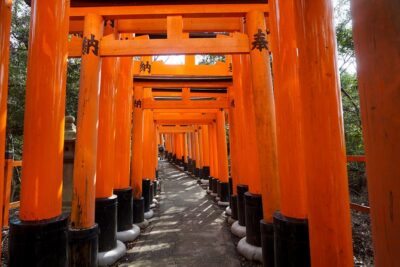
Fushimi Inari Hidden Hiking Tour (Private Option Available)
Read our review →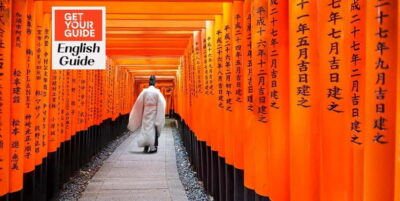
Kyoto/Osaka: Nara, Fushimi Inari Taisha, Arashiyama Bus Tour
Read our review →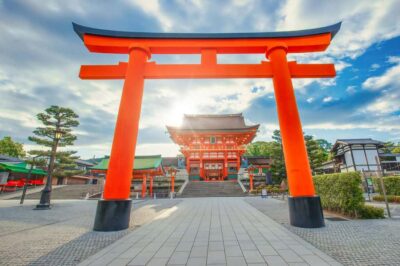
Osaka/Kyoto: Arashiyama, Nara & Fushimi Inari Shrine w/Lunch
Read our review →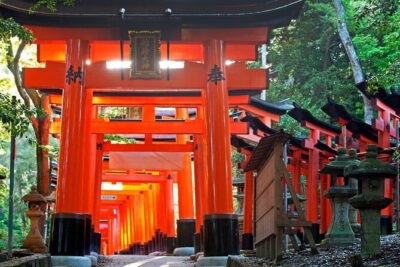
Nijo, Kinkaku-ji, Arashiyama, Kiyomizu & Fushimi Inari
Read our review →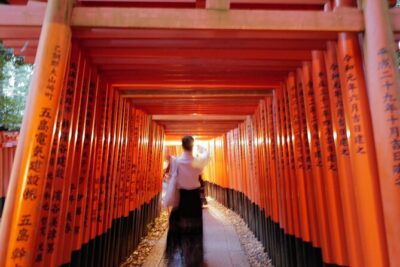
Kyoto Early Bird English Tour: Fushimi-Inari and Arashiyama
Read our review →Browse the lists this tour appears in