
Reviewed · KYOTO TOURS
3-Hour Kyoto Insider Sake Brewery Tour with Tastings & Pairings
Kyoto’s Fushimi district is one of Japan’s best places to learn about sake, and this tour does more than line up glasses. You’ll see how rice, water, yeast, polishing, and brewing choices shape the drink, then taste 10 different sakes with a certified sommelier. I like the practical label-reading tips, and I like that the food pairings show how sake changes with a bite of food. The one catch is that the tour involves a fair amount of alcohol, so eat first and plan your afternoon accordingly.
I also like the small-group format, capped at 12 people, which gives you room to ask questions. Guides including Kyoko, Miyuki, Mai, Momo, Shogo, and Greg have been praised for making technical ideas easy to follow. You’ll need to arrange your own way between the meeting points, and the strict nonrefundable policy means you should check your plans carefully before booking.
Key points to know before booking
- Ten sake styles in one sitting: The tasting is broad enough to help you find your own preferences, not just sample one brewery’s standard pour.
- A real lesson in brewing: You’ll learn how rice selection, polishing, fermentation, and other choices affect aroma, body, sweetness, and acidity.
- Gekkeikan Okura Sake Museum: The museum gives the tasting useful cultural and production context without taking you into an active brewing area.
- Food pairings matter: Traditional otsumami snacks let you compare sake on its own and alongside Japanese flavors.
- Useful take-home skills: A sake cheat sheet and tasting notes help you read labels and order with more confidence later.
- Small, alcohol-focused outing: The group has a maximum of 12, but under-20 participants receive only nonalcoholic drinks.
Why Fushimi is the right place to learn sake
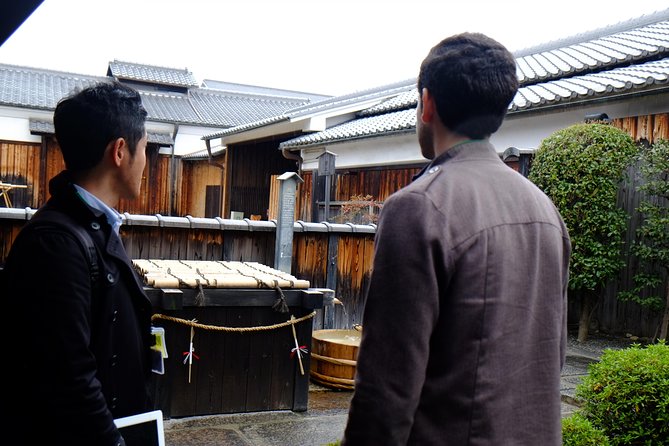
Fushimi is a natural setting for this experience. The tour begins at 697 Motozaimokuchō in Fushimi Ward, then finishes at 271-1 Kurumamachi, also in Fushimi. You are not simply tasting sake in an anonymous bar. The neighborhood connection gives the afternoon a sense of place, with the museum visit tying the drink to Kyoto’s brewing culture.
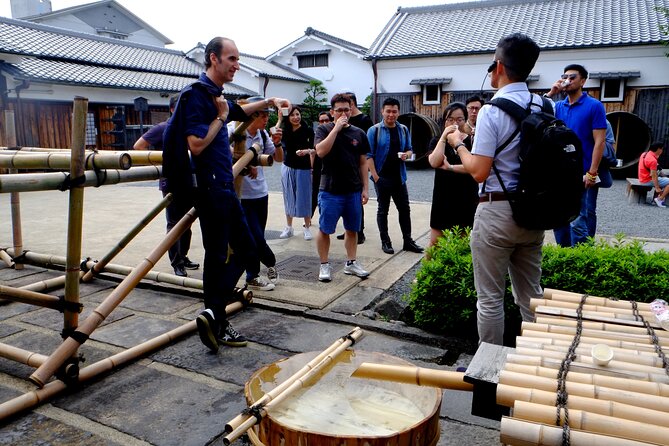
The first stop is the Gekkeikan Okura Sake Museum, a useful introduction to one of Japan’s best-known sake producers. You’ll learn about Gekkeikan’s role in modern sake culture, the ingredients used in brewing, and the choices that shape the final bottle.
I especially like this order. If you began with 10 samples, the differences could blur together. The museum gives you a basic framework first, so the later tasting has something to build on. You can connect what you see in the exhibits to what you smell and taste in the glass.
The museum visit lasts about 90 minutes and includes admission. It is not an entry into a working production floor. Breweries generally keep visitors out of production areas for health and safety reasons, so the brewing process is explained through the museum rather than observed beside active tanks or equipment. That is worth knowing if you are picturing a factory tour.
More Sake Tastings in Kyoto
- Arashiyama Bamboo, Temple, Monkeys, or Secret Sake Brewery
★ 4.8 · 886 reviews - Kyoto: Insider Sake Brewery Tour with Sake and Food Pairing
★ 5.0 · 704 reviews - Kyoto Sake Brewery & Tasting Walking Tour
★ 5.0 · 623 reviews
What you learn at the Gekkeikan Okura Sake Museum
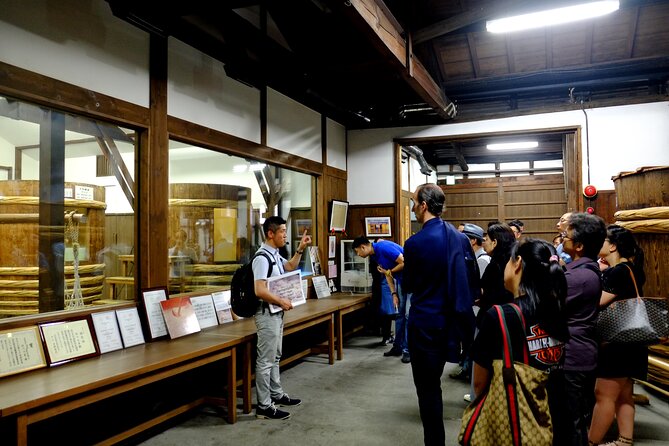
The museum portion covers the sake-making process from rice selection through bottling. You’ll hear how the rice grain is treated, how brewing decisions affect flavor, and why bottles that look similar can taste quite different.
The explanations are designed for beginners, but they can also help anyone who already knows wine or beer. Several parts of the experience connect brewing choices to taste, which makes the subject less abstract. Instead of memorizing a list of Japanese terms, you get a reason to care about them.
You’ll also get cultural background. Sake is not merely a drink served with dinner. It has a long role in Japanese food customs and social life, and the museum places Gekkeikan within that larger story.
At selected points, you taste Gekkeikan sake with context from the sommelier. This is a good bridge between museum information and the main tasting. You begin to notice balance, aroma, and flavor rather than judging every sample by a simple sweet-or-dry scale.
The tasting room turns theory into a useful skill
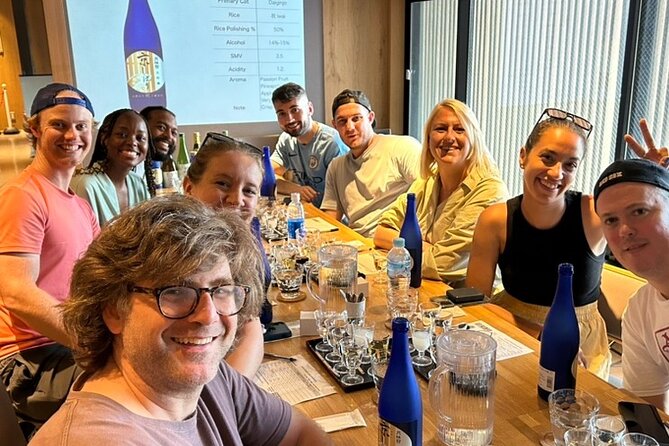
After the museum, the experience continues in a private sake tasting room. The private setting is one of the tour’s strongest features because you can concentrate, ask questions, and taste at a comfortable pace without the noise of a busy public bar.
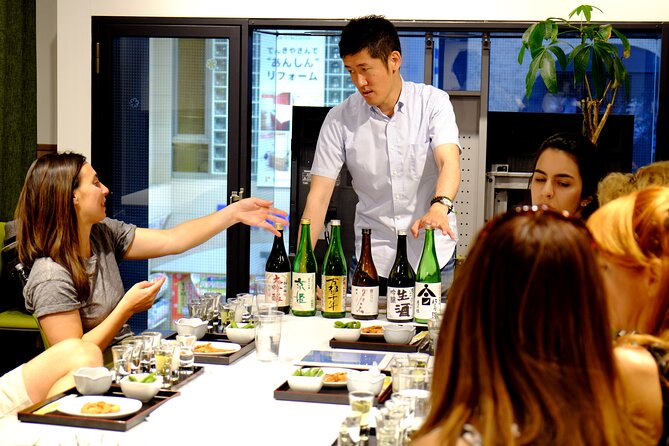
The certified Sake Sommelier guides you through 10 carefully selected sakes. The point is not to declare one bottle the winner. It is to help you identify what you like and understand how to find similar bottles on a menu or shop shelf.
You may compare different flavor profiles, production choices, or categories of sake. The supplied information does not promise a fixed brand list, so the exact pours can vary. That is normal for a tasting designed around learning rather than a permanent flight menu.
The guides explain how professionals look at aroma, flavor, balance, and finish. They also show you how to read sake labels. Several useful terms and kanji can help you make a better choice later, particularly when a restaurant menu gives you little English information.
This is where the tour earns its price. A basic sake tasting can give you several small drinks and a pleasant hour. This experience tries to leave you with a method: notice the style, connect it to the label, taste it with food, and decide if it suits you.
Otsumami pairings show why sake belongs at the table
The food is not just a snack to keep you from drinking on an empty stomach, though that is a useful benefit. Traditional otsumami pairings let you see how food changes the sake in your mouth.
A sake that seems sharp or plain on its own may work better with a savory bite. Another may feel more balanced beside a different flavor. This gives you a practical lesson you can use at izakaya restaurants and Japanese meals throughout your trip.
The pairings are also helpful if you are interested in Japanese cooking. One participant who did not drink much still found the session useful for understanding the alcohol-making process and flavor combinations. You do not need to be a serious drinker to get something from the food side of the program.
A vegetarian snack option is available, but you need to tell your guide on site. If you have other dietary concerns, the information provided only confirms the vegetarian choice, so ask before relying on the food portion.
More sake tastings around Kyoto:
- Private Tea Ceremony and Sake Tasting in Kyoto Samurai House
★ 5.0 · 163 reviews - Advanced Kyoto Insider Sake Tasting Experience
★ 5.0 · 44 reviews - Kyoto: Fushimi Sake Brewery Tour – 18 Tastings in 2.5 Hours
★ 4.7 · 36 reviews - Private Sake Tasting in Central Kyoto with Sake Sommelier
★ 5.0 · 32 reviews
The guides make the technical material approachable
The experience depends heavily on the guide, and the guide roster can vary. Names associated with the tours include Kyoko, Miyuki, Mai, Momo, Shogo, Kotaro, Greg, Sayaka, Mayo, Shojo, Mayuki, and Mae.
The strongest pattern is clear instruction with a relaxed tone. Kyoko and Kotaro have been noted for using slides and props to explain brewing and flavor profiles. Miyuki has been praised for combining humor with practical advice. Mai has led a tasting for just one participant, showing that a small booking can still receive a full session rather than a reduced version.
English ability is described as strong in the supplied feedback, though individual presentation styles will differ. Some guides may spend more time on production details, while others may focus more on ordering, labels, and food matching.
Because the group is limited to 12 people, you should have a better chance to ask about a particular bottle or flavor. A full group can still feel social, but it is not designed as a private tour unless your booking happens to be the only one.
How much time and alcohol should you plan for
The total duration is about three hours, split into roughly 90 minutes at the museum and 90 minutes for the insider tasting experience. It works well as an afternoon activity, but you should have lunch or brunch before arriving.
That advice matters. Ten sake samples, plus the earlier tasting, can add up even if each pour is modest. The tour is about comparison and education, not rushing through drinks, yet you should still treat it as a serious alcohol activity.
Japan’s legal drinking age is 20. Anyone under 20 receives nonalcoholic drinks only. Also, alcohol will not be served to anyone who arrives by car or bicycle, and there is no refund if that prevents you from taking part in the tasting.
That rule makes good sense for safety, but it is an important booking detail. Use public transportation or arrange another way to arrive. Transportation to and from the attractions is not included, and hotel pickup and drop-off are not provided.
A small amount of walking is involved. Comfortable shoes are a good idea, particularly if you are fitting the tour between other Fushimi sights.
Is $84.89 a fair price?
At $84.89 per person, this is not the cheapest way to drink sake in Kyoto. You could buy several bottles or order a flight at a bar for less money, depending on where you go.
The value comes from the instruction and structure. Your fee includes admission to the Gekkeikan Okura Sake Museum, a guided museum visit, 10 selected sakes, food pairings, a private tasting room, and written tasting material. You are paying for a lesson that helps you make better choices later, not simply for the volume in the glasses.
I think the price makes the most sense for a first-time sake drinker, someone who has been confused by Japanese labels, or anyone who wants a focused cultural activity in Kyoto. It is also a good choice if you enjoy wine or beer tastings and want a similar way to think about production and flavor.
The value is weaker if you already know the main sake categories, regularly buy Japanese bottles, or mainly want to visit an active brewery. The production area is not open to visitors, and the museum explains the process instead. For a serious sake enthusiast, an advanced tasting may be more appealing, though this specific tour is built for broad introduction and confidence.
Who will enjoy this Kyoto afternoon most
I would choose this tour for you if you want to understand sake rather than simply sample it. It suits curious beginners, food-focused visitors, and people who want a useful skill for the rest of a Japan trip.
It can also work for someone who rarely drinks. The food pairing, museum displays, and production lesson provide real content beyond alcohol, although the tasting remains the main event. Non-drinkers can attend only if reserved in advance, and they receive nonalcoholic drinks.
The experience is less suitable for anyone avoiding alcohol altogether, since the tour is built around tasting 10 sakes. It is also not a good fit if you want a spontaneous stop. Unreserved visitors, including children and non-drinkers, cannot simply join the group.
The group maximum of 12 keeps the session personal enough for questions. If you prefer a private experience, check the booking details carefully, because the standard format is a small shared group rather than a guaranteed private tour.
Practical planning for the two Fushimi meeting points
Start at 697 Motozaimokuchō, Fushimi Ward, Kyoto, 612-8043. The tour ends at Kyoto Insider Sake Experience, 271-1 Kurumamachi, Fushimi Ward, Kyoto, 612-8365.
Since transportation is not included, confirm the route to the starting point before the day of the tour. You also need to account for getting from the museum portion to the tasting location. The two addresses are both in Fushimi, but you should not assume that a guide or vehicle will carry you between them.
Mobile tickets make entry simple, and confirmation arrives at booking. Still, save the meeting details on your phone and leave enough time to find the first address. A missed start is especially painful here because the experience is nonrefundable.
The tour generally needs good weather and a minimum number of participants. If the operator cancels for poor weather or because the minimum is not reached, you are offered another date or experience, or a full refund. Your own cancellation is different: the experience is nonrefundable and cannot be changed for any reason.
What I would want to know before tasting
The most useful result is not learning a single correct way to drink sake. It is learning your own preference.
You may discover that you like a lighter, fragrant style, a fuller and more savory bottle, or something that works best with food. The guides use comparisons to help you notice these differences, and the tasting notes give you a place to record what you find.
Do not worry about arriving with technical vocabulary. The format is intended for all levels, and the teaching starts with the basics. If you have prior wine or beer experience, you may find the discussion of fermentation, ingredients, and balance familiar, but sake has its own terms and traditions.
Bring questions. The small group and private room are most useful when you ask why one sample tastes different from another or what to look for on a menu. The cheat sheet is more valuable when you connect it to your own tasting notes rather than treating it as a souvenir.
Should you book this sake tour?
Book it if you want a friendly, structured introduction to sake with enough samples to reveal real differences. The combination of the Gekkeikan Okura Sake Museum, 10 guided tastings, otsumami pairings, label instruction, and a small group gives you more lasting value than a simple bar flight.
I would especially recommend it early in your Japan trip. You can use what you learn when ordering sake in Kyoto, Osaka, Tokyo, or elsewhere, and the tasting may save you from choosing bottles by guesswork.
Skip it if you cannot drink alcohol, plan to arrive by car or bicycle, or want an active production-floor tour. Also think twice if your schedule is uncertain, since the booking is nonrefundable.
For most curious visitors, this is a smart Fushimi stop. You leave with a better sense of how sake is made, how food affects it, and how to order a bottle you actually want.
FAQ
Where does the sake tour start?
The tour starts at 697 Motozaimokuchō, Fushimi Ward, Kyoto, 612-8043, Japan.
Where does the experience end?
The tour ends at Kyoto Insider Sake Experience, 271-1 Kurumamachi, Fushimi Ward, Kyoto, 612-8365, Japan.
How long does the tour last?
The experience lasts approximately three hours. The museum visit takes about 90 minutes, followed by about 90 minutes for the guided tasting experience.
How many sakes are included?
The tour includes 10 carefully selected sakes chosen by a certified Sake Sommelier. Selected Gekkeikan sakes are also tasted during the museum visit.
Is food included?
Yes. Traditional otsumami snacks are served as food pairings. A vegetarian snack option is available if you tell your guide on site.
Can people under 20 join the tour?
People under 20 may join only with a reservation, but they are served nonalcoholic drinks. Japan’s legal drinking age is 20.
Can I arrive by car or bicycle?
Alcohol will not be served to anyone who arrives by car or bicycle. Nonalcoholic drinks are available, but there is no refund if you cannot take part in the sake tasting.
Can I cancel or change my booking?
The experience is nonrefundable and cannot be changed for any reason. If the operator cancels because of poor weather or because the minimum number of participants is not reached, you are offered a different date or experience, or a full refund.
More Breweries in Kyoto
- KYOTO Sake Tasting Tour at Local Breweries(tasting fee included)
★ 5.0 · 16 reviews - Japanese Sake Breweries Tour in Kyoto Fushimi
★ 4.3 · 13 reviews - Kyoto Sake Brewery Tour with Lunch
★ 4.5 · 12 reviews - KOBE Sake Tasting Tour at Breweries (tasting fee included)
★ 5.0 · 154 reviews
More Drinks-Led Nights in Kyoto
- Kyoto Night Foodie Tour in Gion (9+ dishes + 6 Sake tastings)
★ 5.0 · 1,762 reviews - Kyoto: Izakaya Bars Guided Walking Tour
★ 4.9 · 815 reviews - Kyoto Bar Hopping Night Tour
★ 5.0 · 613 reviews - Kyoto Local Bar Crawl in Kawaramachi Area
★ 5.0 · 378 reviews
Just added around Kyoto
- Kyoto: Zen Meditation at a Private Temple with a Monk★ 5.0 · 25 reviews
- Kyoto: Gion Geisha District & Sake-in-Hand Walking Tour★ 5.0 · 37 reviews
- Private Pewter Sake Cup Experience with a Kyoto Artisan★ 5.0 · 31 reviews
- Your Private Vacation Photography Session In Kyoto★ 5.0 · 110 reviews
- Private Guided Traditional Buddhist Cooking in Japan★ 5.0 · 16 reviews
- Kyoto Wagashi(Japanese sweets) Cooking Class near Fushimiinari★ 5.0 · 60 reviews
- Traditional Japanese Music show & Experience Tour in Kyoto★ 5.0 · 57 reviews
- Kyoto:Family-Friendly Kimono & Yukata Experience at WARGO★ 5.0 · 147 reviews
Kyoto Tours, compared.
Fushimi Inari, Kinkakuji, Bamboo Grove 1 Day Bus Tour
Read our review →
Tea Ceremony in a Traditional Tea House in Kiyomizu
Read our review →
Kyoto Geisha Walking Tour: Gion District & Hidden Gems
Read our review →
Gion Magical Night Walking Tour with Geisha Trivia
Read our review →
Gion Geisha District Walking Tour – Stories of Geisha
Read our review →Browse the lists this tour appears in