
Reviewed · KYOTO TOURS
Kyoto Sake Brewery Tour with Lunch
Kyoto’s Fushimi district is one of Japan’s best places to understand sake, and this compact tour gives you more than a tasting counter. You’ll compare the feel of a small brewery with the scale of a major producer, then see how rice wine was made at the Gekkeikan Okura Sake Museum, a company with roots reaching back to 1637.
I like the small-to-large brewery comparison, which gives the tour a useful point of reference instead of treating every sake producer as the same. I also like the included seasonal lunch with yakitori and sake, since food helps make sense of the drink far better than tasting alone.
The main caution is that active brewing areas are not open to the group. At $227 per person for about three hours, this is best for people who want a guided introduction, food, and several tastings, not for anyone expecting a long production-floor visit.
Key points at a glance
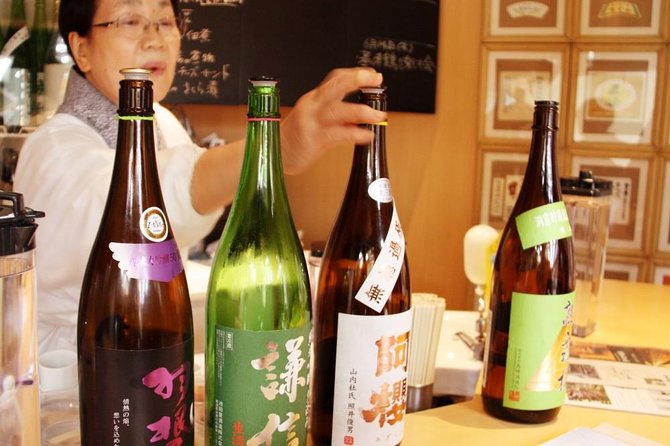
- Two scales of sake production: See how a small brewery differs from a large producer.
- Gekkeikan Okura Sake Museum: Learn traditional brewing methods and view the long history of one of Kyoto’s major sake names.
- Lunch is part of the experience: A seasonal local meal with yakitori is included.
- Small group format: The maximum is 10 people, which should make questions and movement easier.
- Fushimi walking route: The tour begins near Otesuji Shotengai and ends around Fushimi-Momoyama Station.
- Useful for first-time sake drinkers: Tastings and an English-speaking guide help explain a drink that can be confusing at first.
Why Fushimi is a good place to learn about sake
Fushimi is Kyoto’s traditional sake district. That matters because this tour is not simply a tasting arranged in a hotel bar. You are walking through an area tied to sake production, local commerce, temples, and old streets.
The meeting point is in front of the Softbank and Y!mobile shop on Otesuji Shotengai. The tour begins at 11 a.m., so you can reach the area by public transportation without starting at dawn. You will want to arrive early, since the first meeting instruction allows only about five minutes for gathering before the walk begins.
The route includes the Fushimi-Momoyama area and may pass sights such as Chokenji Temple, Fushimi Park, Teradaya, and Daigo-ji. Fushimi Inari Taisha also appears among the planned stops, though the published schedule does not give a separate visit length for every location. Treat these places as part of the walking setting rather than as full temple tours.
That distinction is important. The central subject is sake, not Kyoto’s major shrine and temple circuit. If you want a dedicated Fushimi Inari visit, plan separate time for it.
More Sake Tastings in Kyoto
- 3-Hour Kyoto Insider Sake Brewery Tour with Tastings & Pairings
★ 5.0 · 917 reviews - Arashiyama Bamboo, Temple, Monkeys, or Secret Sake Brewery
★ 4.8 · 886 reviews - Kyoto: Insider Sake Brewery Tour with Sake and Food Pairing
★ 5.0 · 704 reviews
Comparing a small brewery with a large producer
The most useful idea in this experience is the contrast between scale. A small brewery can suggest a more personal, local operation, while a large producer such as Gekkeikan shows how sake production works when the business has operated for generations and serves a wider market.
The point is not to decide that small is always better or large is always better. Instead, you get a clearer sense of how production size affects the way sake is made, presented, and sold. Tastings from different producers give you something concrete to compare.
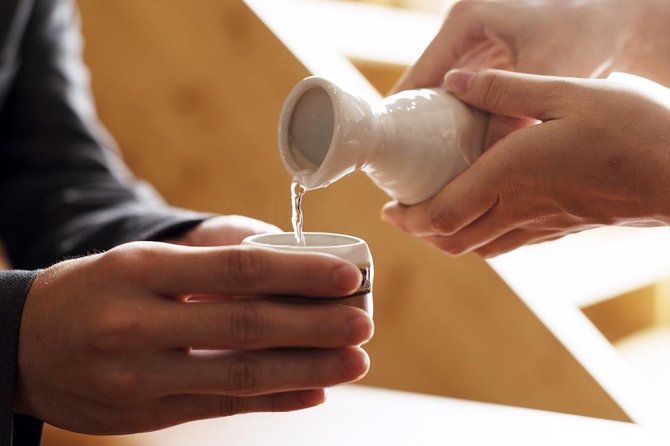
The tour includes several sake tastings, along with other local produce. For someone new to Japanese rice wine, that variety can help separate basic differences in flavor and style. You may begin by noticing only sweet or dry, then start paying attention to aroma, texture, and how the drink works with food.
Your guide provides the explanations in English. One practical note: the brewing process and history may be explained partly with laminated reference sheets. That can be helpful when technical ideas get complicated, but the visual material may feel less natural than a hands-on demonstration. The guide’s explanations will matter a lot, especially if sake is new to you.
What you see at the Gekkeikan Okura Sake Museum
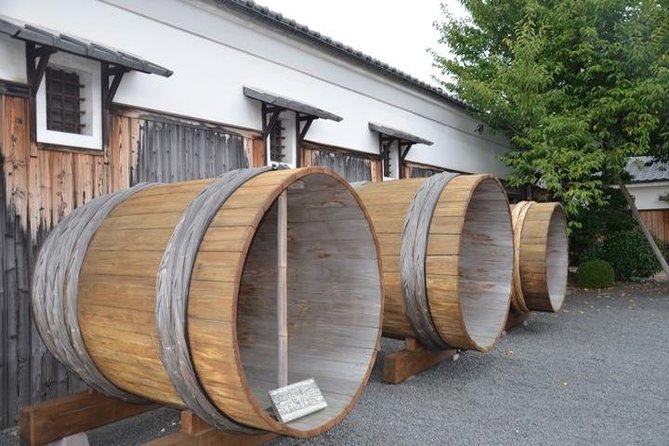
The Gekkeikan Okura Sake Museum is the historical center of the tour. Gekkeikan has been making sake since 1637, so the museum connects the modern drink in your glass with methods used over several centuries.
The museum shows traditional tools and techniques used to make rice wine. You can see how producers approached the work before modern industrial equipment changed the process. The visit lasts about 30 minutes, which is enough for a focused introduction but not enough for an exhaustive museum visit.
I like this stop because it gives the tastings a frame of reference. Without some background, sake can seem like a series of unfamiliar labels. After seeing the tools and learning the basic process, you have a better idea of the labor behind the bottle.
Keep your expectations realistic. The active brewing areas are inaccessible, so you will not walk through a working production floor or watch every stage of current brewing. The museum is about tradition and explanation, while the brewery visits offer a sense of how the businesses differ in scale.
The lunch: yakitori, local flavor, and a reason to pause
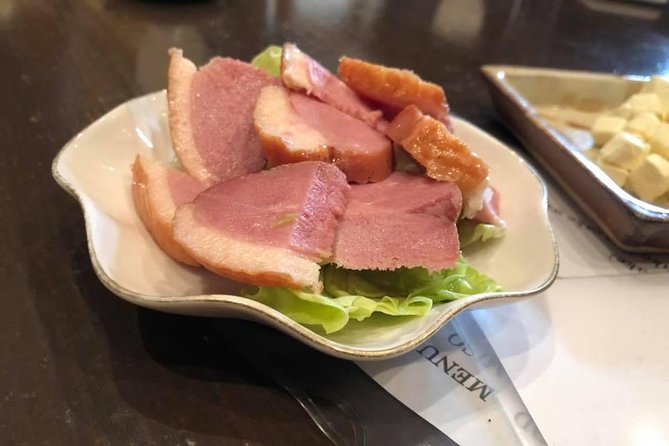
The included lunch is a real advantage. You will eat at a local restaurant, with a seasonal meal built around yakitori and sake. Yakitori, grilled chicken served in small portions, is a natural match for sake because the savory food gives you a way to test how the drink behaves with a meal.
A tasting on an empty stomach can make every sample blur together. Lunch breaks up the technical part of the tour and lets you try sake in a more ordinary setting. You can pay attention to which styles work well with grilled food rather than treating each sample as an isolated sip.
The exact restaurant and menu can change. Restaurant schedules, public holidays, weather, and other conditions may require substitutions. The experience does accommodate vegan, vegetarian, pescetarian, and gluten-free diets, but you should provide those requirements when booking so the restaurant can prepare.
Food and drinks are included only where specified. The local lunch and several sake tastings are included, but extra purchases are not. You may find local shops along the route, so bring room in your budget if you want to buy bottles or other produce.
More sake tastings around Kyoto:
- Kyoto Sake Brewery & Tasting Walking Tour
★ 5.0 · 623 reviews - Private Tea Ceremony and Sake Tasting in Kyoto Samurai House
★ 5.0 · 163 reviews - Advanced Kyoto Insider Sake Tasting Experience
★ 5.0 · 44 reviews - Kyoto: Fushimi Sake Brewery Tour – 18 Tastings in 2.5 Hours
★ 4.7 · 36 reviews
Walking the old Fushimi streets
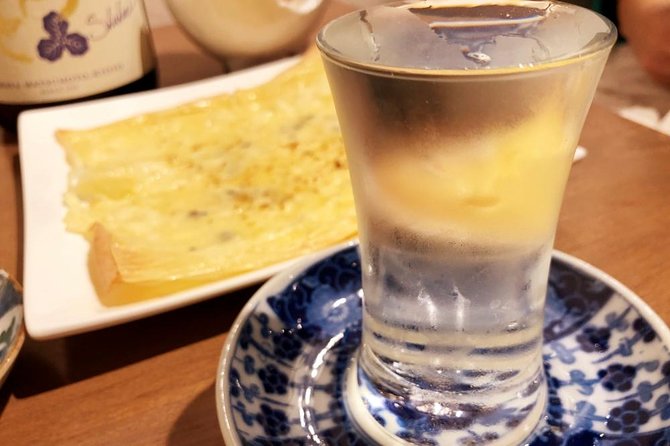
This is a walking tour, not a vehicle-based brewery excursion. You move between the meeting point, the sake-related sites, the restaurant, and the end point near Fushimi-Momoyama Station.
The route adds value because Fushimi is part of the story. You can look at the local shops, see the older streets, and notice how sake production fits into a lived-in neighborhood rather than an isolated visitor attraction. Chokenji Temple, Fushimi Park, and Teradaya add variety to the walk, even though the tour does not promise extended visits at each place.
You should have a moderate level of physical fitness. The supplied details do not give a total walking distance, so do not assume that the three-hour duration means you will be seated most of the time. Comfortable shoes are a sensible choice.
The end point is in the Fushimi-Momoyama Station area, near 4 Chome Ryogaemachi. That is handy if you want to continue exploring Fushimi after lunch and sake. Since hotel pickup and drop-off are not included, you are responsible for reaching the starting point and continuing on after the tour.
Is $227 a fair price?
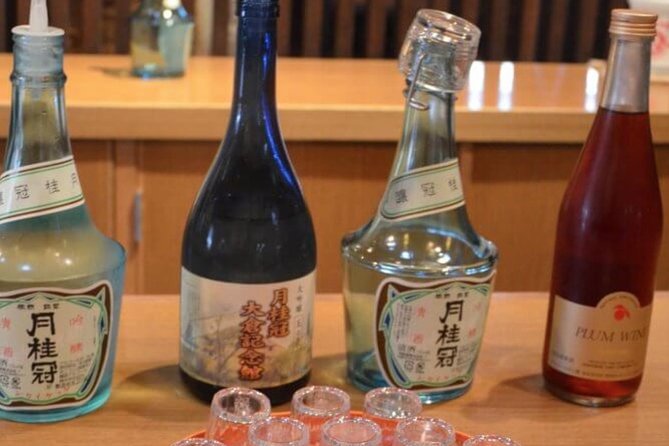
At $227 per person, this is not a cheap sake tasting. The price makes more sense when you count the parts: an English-speaking local guide, several sake tastings, an included restaurant lunch, visits connected to both small and large breweries, and entry to the Gekkeikan Okura Sake Museum.
The tour is also limited to 10 people. A small group can be valuable in a compact brewery or restaurant, and it gives you a better chance to ask about brewing, serving styles, and the differences between the samples. It should feel more personal than a large bus outing.
Still, the three-hour length limits how much you can see. The museum visit is about 30 minutes, active brewing areas are not accessible, and the tour may substitute stops when schedules or weather require it. If you mainly want a few drinks and lunch, you can likely spend less by arranging those on your own.
I would consider the price reasonable for a visitor who wants interpretation and structure, especially someone unfamiliar with sake. I would be more hesitant if you already know sake well or want detailed access to modern brewing facilities. The value comes from the combination of context, food, walking, and tasting, not from the amount of time inside a brewery.
Who will enjoy this experience most
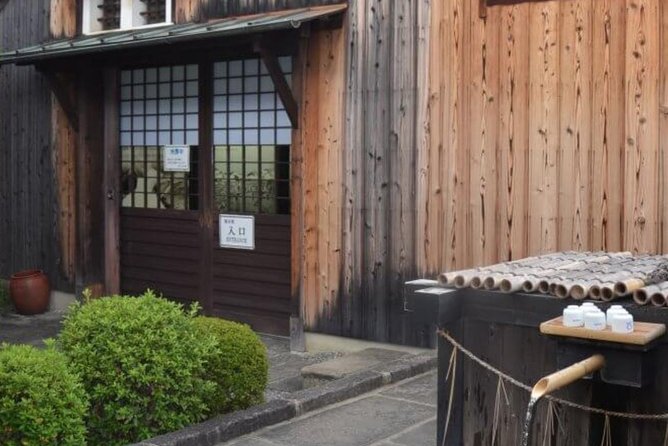
This tour suits a first-time sake drinker who wants someone to explain what is in the glass. It also works well for people who like food-based tours and prefer a small group to a large organized excursion.
You may enjoy it if you want to:
- Learn the basic stages and traditions of sake production
- Compare sake from producers of different sizes
- Pair several samples with a proper local lunch
- See a historic sake museum without spending half a day there
- Walk around Fushimi with an English-speaking guide
- Finish near a station and continue sightseeing independently
It is less suitable if you want to watch active brewing. The production areas are inaccessible, and the tour’s museum and explanation format will not replace a full technical brewery visit.
It is also not suitable for anyone under the minimum drinking age of 21. Since several sake samples are included, that age rule matters even if you plan to drink very little.
Timing, group size, and practical details
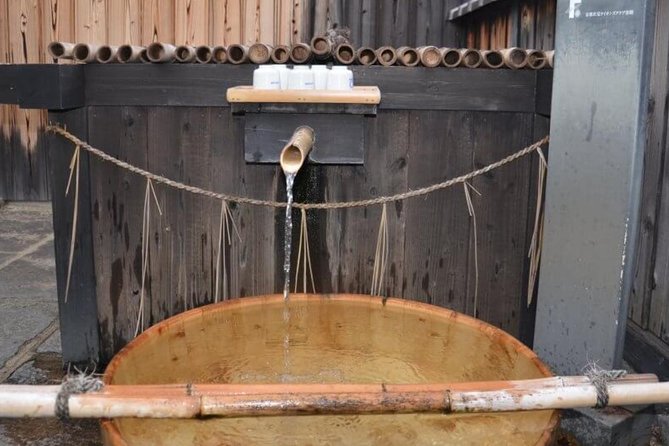
The tour starts at 11 a.m. and lasts about three hours. The meeting point is 4-chōme-291 Ryōgaemachi in Fushimi Ward, in front of Softbank at Otesuji Shotengai. The end point is near Fushimi-Momoyama Station.
A mobile ticket is provided, and booking confirmation is issued at the time of booking. Public transportation is nearby, but transportation costs are not included. You should allow extra time to locate the meeting point, especially if you are unfamiliar with Kyoto’s station exits.
The group maximum is 10 people. Solo participants are asked to email the provider, Arigato Japan KK, before booking. This suggests that solo arrangements may need special handling rather than being automatically confirmed online.
Schedules can change because of restaurant availability, public holidays, weather, or other unexpected problems. The provider may substitute another restaurant or sightseeing stop. The tour also requires good weather and a minimum number of participants. If poor weather or low enrollment cancels the experience, you can choose another date or receive a full refund.
For your own plans, leave some flexibility around this activity. Do not book a tight connection or a fixed appointment immediately after the stated end time.
Dietary needs and sake tasting expectations
Vegan, vegetarian, pescetarian, and gluten-free options are supported. You should still communicate your needs in advance, since the meal takes place at a local restaurant and menu changes may depend on the day.
The tour includes several sake tastings, but the details do not specify the number of pours, bottle brands beyond the Gekkeikan connection, or whether nonalcoholic alternatives are available. If you do not drink alcohol, ask the provider before booking.
For a newcomer, the best approach is to taste slowly and make quick notes. You do not need specialist vocabulary. Notice which sample you prefer with the yakitori, which feels lighter or fuller, and which one you would actually order again. That is more useful than trying to memorize every brewing term.
The guide’s printed material may help with unfamiliar concepts, though the explanations can feel a little formal. Ask questions when a term is unclear. A short tour gives you only a limited amount of time, so direct questions will help you get more from the experience.
Should you book the Kyoto Sake Brewery Tour with Lunch?
Book this tour if you want a compact, guided introduction to Fushimi sake with food included. The brewery-size comparison, Gekkeikan museum, several tastings, and yakitori lunch make a sensible package for first-time sake drinkers.
Think twice if your priority is access to active brewing areas, a long technical workshop, or the lowest possible price. That is not what this experience offers.
For most visitors, the strongest reason to book is the balance of tasting and context. You do not simply sample sake and move on. You see the old tools, walk through the district, compare producers, and try the drink with a local meal. At $227, you are paying for that structure and personal guidance. If that sounds like the right way for you to meet sake, this is a worthwhile three-hour stop in Kyoto.
FAQ
Where does the Kyoto Sake Brewery Tour begin?
The tour begins at 11 a.m. in front of Softbank and Y!mobile on Otesuji Shotengai, at 4-chōme-291 Ryōgaemachi in Fushimi Ward, Kyoto.
Where does the tour end?
The end point is in the Fushimi-Momoyama Station area, near 4 Chome Ryogaemachi in Fushimi Ward.
How long does the tour last?
The tour lasts approximately three hours.
Is lunch included?
Yes. A seasonal local lunch at a restaurant is included, with yakitori paired with sake.
What is included in the tour price?
The price includes several sake tastings, the local restaurant lunch, and an English-speaking local guide. Hotel pickup, hotel drop-off, and transportation costs are not included.
Can people under 21 join the tour?
No. The minimum drinking age for this experience is 21 years old.
More Drinks-Led Nights in Kyoto
- Kyoto Night Foodie Tour in Gion (9+ dishes + 6 Sake tastings)
★ 5.0 · 1,762 reviews - Kyoto: Izakaya Bars Guided Walking Tour
★ 4.9 · 815 reviews - Kyoto Bar Hopping Night Tour
★ 5.0 · 613 reviews - Kyoto Local Bar Crawl in Kawaramachi Area
★ 5.0 · 378 reviews
More Lunch Stops in Kyoto
- Bike Tour Exploring North Kyoto plus Lunch
★ 5.0 · 1,087 reviews - Osaka/Kyoto: Arashiyama, Nara & Fushimi Inari Shrine w/Lunch
★ 4.4 · 754 reviews - Kyoto Zen Meditation & Garden Tour at a Zen Temple with Lunch
★ 5.0 · 441 reviews - 4.5-Hour Kyoto Bike Tour with Lunch and UNESCO Zen Temples
★ 5.0 · 122 reviews
Just added around Kyoto
- Kyoto: Zen Meditation at a Private Temple with a Monk★ 5.0 · 25 reviews
- Kyoto: Gion Geisha District & Sake-in-Hand Walking Tour★ 5.0 · 37 reviews
- Private Pewter Sake Cup Experience with a Kyoto Artisan★ 5.0 · 31 reviews
- Your Private Vacation Photography Session In Kyoto★ 5.0 · 110 reviews
- Private Guided Traditional Buddhist Cooking in Japan★ 5.0 · 16 reviews
- Kyoto Wagashi(Japanese sweets) Cooking Class near Fushimiinari★ 5.0 · 60 reviews
- Kyoto:Family-Friendly Kimono & Yukata Experience at WARGO★ 5.0 · 147 reviews
- Private Cooking Class Udon in Kyoto Japan★ 5.0 · 23 reviews
Kyoto Tours, compared.


Fushimi Inari, Kinkakuji, Bamboo Grove 1 Day Bus Tour
Read our review →
Tea Ceremony in a Traditional Tea House in Kiyomizu
Read our review →
Kyoto Geisha Walking Tour: Gion District & Hidden Gems
Read our review →

Gion Magical Night Walking Tour with Geisha Trivia
Read our review →

Gion Geisha District Walking Tour – Stories of Geisha
Read our review →Browse the lists this tour appears in