
Reviewed · KYOTO TOURS
Private Tea Ceremony and Sake Tasting in Kyoto Samurai House
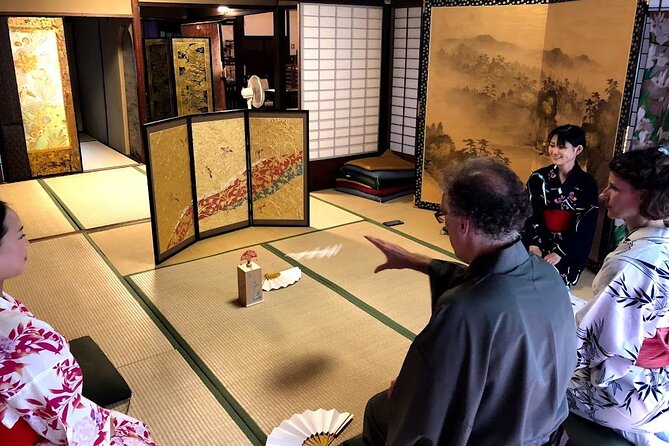
Kyoto’s most memorable cultural moments are often quiet ones. Here, you step into a 300-year-old samurai house for a formal tea ceremony, then trade the calm of matcha for sake, Japanese whisky, or a hands-on tea lesson. The setting is private, so you can ask questions without a roomful of strangers listening in.
I like two things especially: the use of high-grade organic matcha from Uji, Kyoto’s best-known tea-growing area, and the warm, personal welcome from the family connected to the house. The katana and kimono photographs are also a fun bonus. The main drawback is the short 50-minute schedule. If you want to wear a kimono during the ceremony, you need extra time and pay an additional fee.
Key details before you book
- A private tea ceremony in a samurai home: Your party has the historic property to yourselves, making the experience calm and easy to personalize.
- Uji matcha prepared in a traditional tea room: You learn how to receive and make powdered green tea, not simply drink a cup at a café.
- Three tasting choices: Choose hands-on matcha whisking, five sake tastings, or two Japanese whisky tastings. Alcohol is for people aged 20 and older.
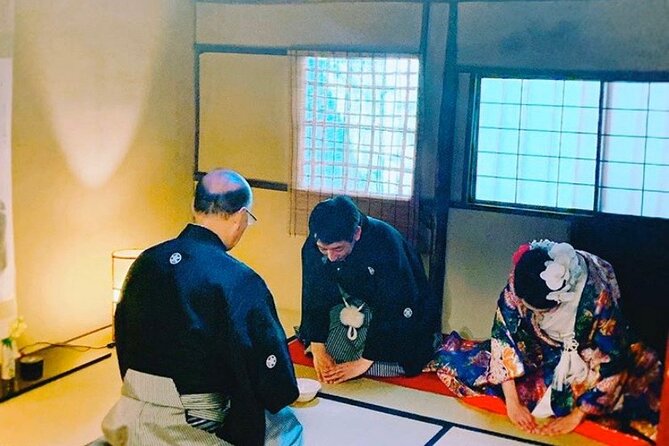
- Photos with Japanese dress and weapons: Women may wear an authentic silk wedding kimono for photos, while participants can pose with samurai robes and a katana.
- An easy Kyoto Station location: The house is about an eight-minute walk from Kyoto Station, useful before a train or after arriving in town.
- A few practical limits: There is only one old toilet, and the experience is not recommended for people weighing more than 120 kilograms.
Entering a 300-year-old samurai house near Kyoto Station
The experience begins at Kyoto Samurai House, at 384 Mongakucho in Kyoto’s Shimogyo Ward. This is not a tea room built for tourists in a modern shopping area. It is a private, old family residence with a connection to a samurai lineage, and the age of the building gives the visit much of its appeal.
That setting changes the mood at once. Kyoto Station is close by, but inside the house the pace slows. You are not being moved from one display to another. You spend the short visit in one historic property, with the hosts explaining the house, the tea ritual, and the customs around both.
The private format matters. If you are a couple, family, or small group of friends, you can ask basic questions without feeling self-conscious. Children can also take part in the cultural side of the visit. The hosts have been especially accommodating to families, including children who enjoyed the samurai clothing and playful sword-themed props.
The house is old, so keep your expectations practical. There is only one old toilet, and you are specifically advised to use the restroom before arrival. This is a small point, but it matters during a compact appointment with several activities packed into less than an hour.
More Sake Tastings in Kyoto
- 3-Hour Kyoto Insider Sake Brewery Tour with Tastings & Pairings
★ 5.0 · 917 reviews - Arashiyama Bamboo, Temple, Monkeys, or Secret Sake Brewery
★ 4.8 · 886 reviews - Kyoto: Insider Sake Brewery Tour with Sake and Food Pairing
★ 5.0 · 704 reviews
A formal tea ceremony with organic Uji matcha
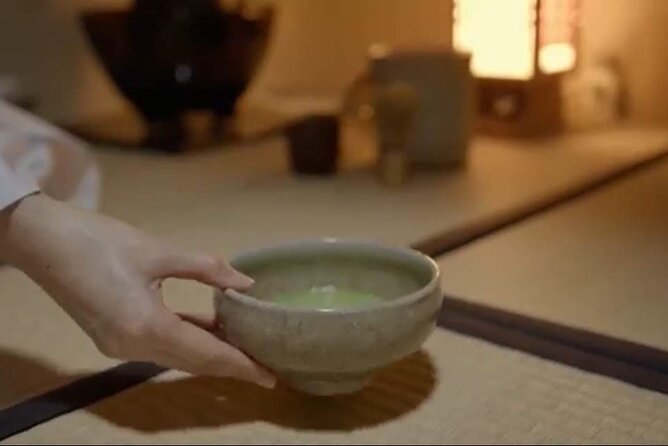
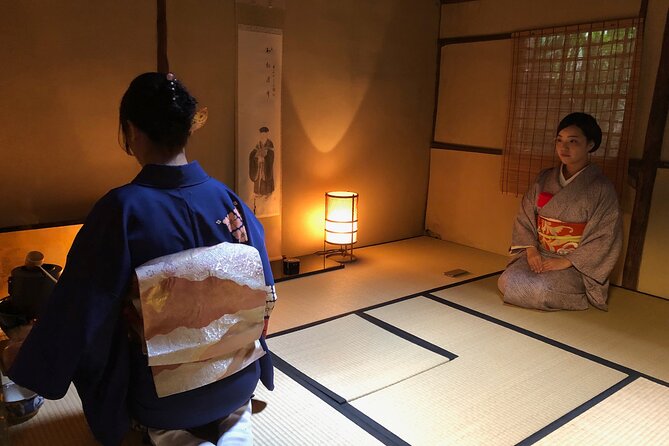
The central part of the visit is the tea ceremony. You sit in a traditional tea room while a tea master explains the movements and meaning behind the ritual. The ceremony is deliberate, quiet, and highly structured. That is the point. You are being asked to notice the bowl, the gestures, the manner of receiving the tea, and the care given to a simple drink.
The tea is high-grade organic matcha sourced locally from Uji. Uji is one of the names most closely linked with Japanese green tea, so this is a better introduction than a generic powdered tea served without context. Matcha has a grassy, concentrated flavor, and the ceremony gives you time to appreciate it rather than gulping it down between sightseeing stops.
You learn how to enjoy matcha in a ceremonial way, including the proper flow of receiving and drinking it. The hosts explain the values behind the way of tea, often called Cha-Do. The focus is not only on flavor. Courtesy, attention, simplicity, and respect are part of the lesson.
The tea master’s long training is another reason this portion feels more substantial than a quick demonstration. Details about the master’s training vary in the descriptions provided, with references to many years of study and experience. The practical takeaway is clear: this is presented as a formal tea ceremony led by an experienced practitioner, not a casual matcha-making class.
Allow yourself to be quiet for a few minutes. You do not need prior knowledge, and you are not expected to perform every movement perfectly. The hosts explain what to do, and the private setting makes it easier to ask why a gesture is made or what a particular item means.
Choosing between matcha, sake, and Japanese whisky
After the ceremony, you choose one of three options. You can whisk your own matcha with a bamboo whisk, taste five servings of sake, or sample two Japanese whiskies. This choice is important because the 50-minute visit is short, and the activity you select shapes the final part of your appointment.
The matcha option is the best fit for children, non-drinkers, and anyone who wants to keep the experience focused on tea. You get to handle the bamboo whisk and prepare your own bowl after watching the formal ceremony. It is a simple hands-on activity, but it helps you understand how much movement goes into producing the fine foam on top of matcha.
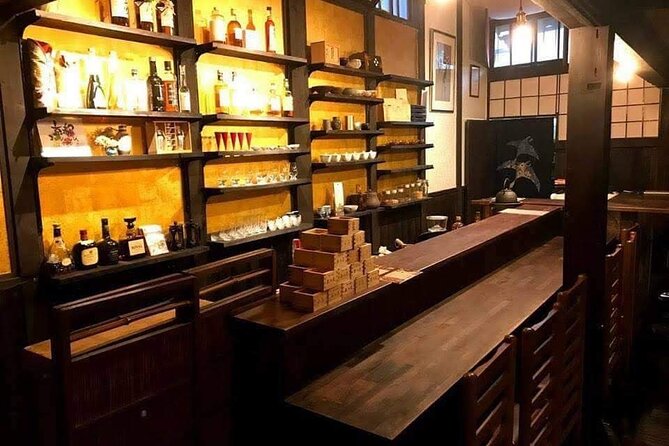
The sake option includes five shots. The tasting is presented with explanations of different flavors and local styles, so it is more useful than simply being handed five small glasses. If you already enjoy sake, this gives you a chance to compare several samples. If you are new to it, the small portions let you explore without committing to a full bottle or large pour.
The Japanese whisky option includes two shots. Some descriptions of the experience also refer to the chance to taste notable Japanese whisky, including Yamazaki. The advertised choice is two whisky tastings, so you should treat any specific bottle as subject to availability rather than a guarantee.
You must be at least 20 years old to receive alcohol. People under 20 take the matcha whisking lesson instead. If your group includes different ages, this can work well because everyone still has a related activity, but you should select the appropriate option when booking.
One practical point: the sake tasting and whisky tasting are not listed as a combined flight. You choose sake or whisky, not both as the standard option. Ask the host if you have a particular preference, but plan around the three stated choices.
Kimono, haori, and katana photographs
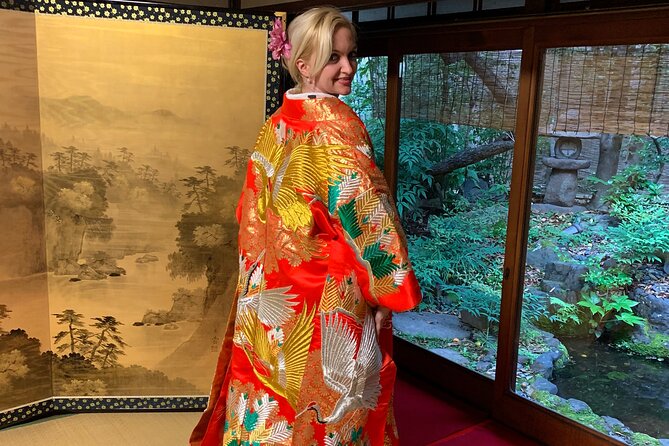
The dress-up photographs give the visit a lighter, more playful second act. You can pose with samurai swords, and men may be dressed in samurai-style clothing or haori. Women can wear an authentic silk wedding kimono. The clothing makes memorable pictures, especially in the old house, where the surroundings fit the subject better than a modern photo studio would.
The photographs are not the same as spending half a day walking around Kyoto in rented clothing. That is actually an advantage for many people. You get the visual memory and the cultural introduction without dealing with long sleeves, crowded streets, or the logistics of returning a rental outfit across town.
The kimono option has limits. Wearing it during the tea ceremony takes an extra 30 minutes and costs extra. It is also limited to one group at the location, while other time slots are reserved for a separate plan booked through the provider’s own website. The standard experience includes the opportunity for photos, but you should confirm the exact clothing arrangement and any added cost before you arrive.
The wedding kimono is for women only, according to the activity information. If men in your party want traditional clothing, the samurai outfit and haori options are the relevant choices. Families have enjoyed dressing children in samurai-style clothing, though the fit and available sizes should be checked in advance if that is essential to your plans.
You are welcome to take photographs during the visit. Some hosts also help direct poses and take pictures for you, which is useful when the whole group wants to appear in the frame. Do not expect a professional photography package unless that is specifically included in your booking. The main value is the setting, the clothing, and the memory of the occasion.
More Samurai and Ninja Experiences in Kyoto
- Kyoto Samurai Experience
★ 5.0 · 1,294 reviews - Kyoto: Kendo and Samurai Experience with Uniform and Gear
★ 4.9 · 815 reviews - Kyoto: Samurai Sword Class by Experts in Traditional Arts
★ 4.9 · 657 reviews - Skip the lines Basic Ticket at SAMURAI NINJA MUSEUM KYOTO
★ 4.5 · 632 reviews
Why the private format is worth the $99 price
At $99, this is not the cheapest way to drink matcha in Kyoto. You can find tea demonstrations at lower prices, and sake tasting alone is widely available. The value here comes from combining several elements in one private appointment: an old samurai residence, a formal tea ceremony, a choice of tasting or tea preparation, and traditional dress for photographs.
For a couple, the privacy is a major part of the price. You can enjoy the ceremony at your own pace and speak directly with the hosts. For a family, the price may make more sense if everyone takes part in the clothing and photo portion, since the visit becomes more than a drink tasting.
The location also helps. An eight-minute walk from Kyoto Station makes this easy to place on a travel day. You might schedule it after arriving by train, before checking into a hotel, or near the end of a sightseeing day in southern Kyoto. You do not need to spend an hour crossing the city for the appointment.
The short duration cuts both ways. Fifty minutes is convenient, but it leaves little room for delays, a long explanation, or an extended clothing session. If you want a slow tea lesson, detailed samurai history, a full sake education, and a long kimono fitting, this experience may feel compressed.
I see it as a strong value for someone who wants one polished cultural encounter rather than a full-day workshop. You pay for access to the house and the attention of the hosts, not just for the liquid in the cup.
What makes the hosts part of the experience
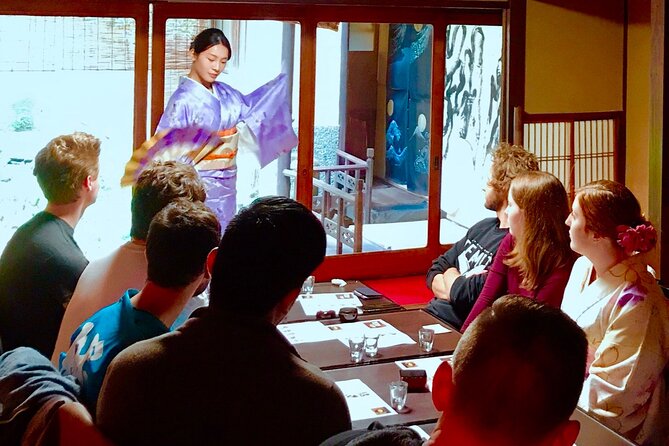
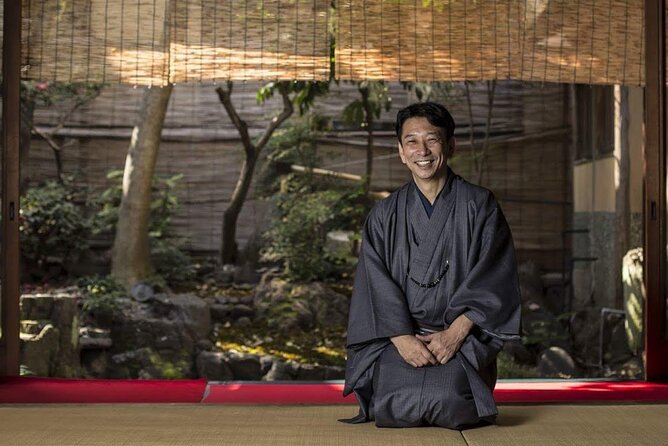
The family welcome is central to the visit. The house remains tied to the family, and the connection to a samurai clan gives the setting a personal quality that a purpose-built attraction cannot easily copy. The hosts explain the house and tea ceremony, answer questions in English, and adapt the visit to the group when possible.
That personal contact is especially useful if Japanese customs are unfamiliar. You can ask why the tea bowl is handled in a certain way, how to use the whisk, or how sake styles differ. The tone is educational without turning the appointment into a lecture.
The hosts have also been praised for making families feel comfortable. Children may not sit silently through every second of a tea ritual, but the clothing, sword poses, and matcha activity give them something active to do. Parents should still explain that the katana is for posing and photographs, not handling roughly.
The experience is best approached with respect for the house. You are entering someone’s historic home, not a theme park set. Follow instructions about shoes, seating, clothing, and the tea room. That small effort helps preserve the calm atmosphere that makes the visit worthwhile.
Who should book this Kyoto experience
I would recommend it most strongly to:
- Couples looking for a quiet, memorable activity near Kyoto Station.
- First-time visitors who want an introduction to tea ceremony without committing to a full-day course.
- Families who need a cultural activity with a visual, hands-on element.
- Sake or Japanese whisky fans who also want a historic setting.
- Visitors interested in samurai history, traditional clothing, and family homes.
- Anyone who prefers a private appointment over a large group demonstration.
It is less suitable if you want a long kimono walk through Kyoto, a large alcohol tasting, or a full academic lesson in Japanese tea. It may also be awkward for anyone with limited mobility or difficulty using an old toilet, since no accessibility details are provided and the property is 300 years old.
The experience requires at least two people. Solo visitors cannot book the standard activity. It is not recommended for people weighing more than 120 kilograms, likely because of the historic property, seating, or clothing limitations. Treat that guidance seriously and contact the provider if you have concerns.
Timing, meeting point, and cancellation caution
The activity begins and ends at Kyoto Samurai House, 384 Mongakucho, Shimogyo Ward, Kyoto 600-8222. It is about an eight-minute walk from Kyoto Station, but allow extra time to find the exact entrance and arrive calm rather than rushing in from a train platform.
Your booking confirmation is issued at the time of booking, and mobile tickets are available. Group discounts may also be offered. Check the final booking terms carefully because the experience is non-refundable and cannot be changed for any reason after purchase.
That strict policy makes timing important. Do not book it in a narrow gap between a train and another reservation. Kyoto Station is close, but trains, luggage, and unfamiliar streets can still eat up your buffer.
Should you book the Kyoto Samurai House tea ceremony?
Book it if you want a private cultural experience with a strong sense of place, especially if you like the idea of combining tea, family history, traditional clothing, and a small tasting in one visit. The old house and personal hosts give the appointment more character than a standard tea demonstration.
The best plan is to decide your tasting choice before arrival, use the restroom at the station, and reserve enough time if you want extra kimono dressing. At $99, the experience is a fair buy for couples and small groups who value privacy and photographs. It is not the right pick for a long formal tea course or an all-day sake study.
For a compact Kyoto itinerary, this is an appealing stop: close to the station, easy to fit into a travel day, and substantial enough to feel like more than a quick photo opportunity.
FAQ
Where does the tea ceremony and tasting take place?
It takes place at Kyoto Samurai House, 384 Mongakucho, Shimogyo Ward, Kyoto 600-8222, Japan. The activity ends at the same meeting point.
How long does the standard experience last?
The experience lasts approximately 50 minutes. Wearing a kimono during the tea ceremony requires an additional 30 minutes and an extra fee.
What tasting choices are available?
You choose one of three options: a matcha whisking lesson, five sake tastings, or two Japanese whisky tastings.
Can people under 20 participate in the alcohol tasting?
No. Alcohol is provided only to people aged 20 and older. Participants under 20 take the matcha whisking lesson after the tea ceremony.
Can I wear a kimono and pose with a samurai sword?
You can take photographs with samurai swords and traditional clothing. Women may wear an authentic silk wedding kimono, while men may use samurai-style clothing or haori. Wearing a kimono during the tea ceremony requires extra time and cost.
Is the experience refundable or changeable?
No. The experience is non-refundable and cannot be changed for any reason. If the provider cancels because the minimum number of participants is not met, you will be offered another date or experience, or receive a full refund.
More Drinks-Led Nights in Kyoto
- Kyoto Night Foodie Tour in Gion (9+ dishes + 6 Sake tastings)
★ 5.0 · 1,762 reviews - Kyoto: Izakaya Bars Guided Walking Tour
★ 4.9 · 815 reviews - Kyoto Sake Brewery & Tasting Walking Tour
★ 5.0 · 623 reviews - Kyoto Bar Hopping Night Tour
★ 5.0 · 613 reviews
More Tea Ceremonies in Kyoto
- Kyoto: Tea Ceremony in a Traditional Tea House in Kiyomizu
★ 4.9 · 3,519 reviews - Kyoto: Tea Ceremony Ju-An at Jotokuji Temple
★ 4.9 · 3,207 reviews - Kyoto: 45-Minute Tea Ceremony Lesson Experience
★ 4.3 · 2,378 reviews - Kyoto: Table-Style Tea Ceremony at a Kyo-Machiya
★ 4.9 · 1,211 reviews
Just added around Kyoto
- Kyoto: Zen Meditation at a Private Temple with a Monk★ 5.0 · 25 reviews
- Kyoto: Gion Geisha District & Sake-in-Hand Walking Tour★ 5.0 · 37 reviews
- Private Pewter Sake Cup Experience with a Kyoto Artisan★ 5.0 · 31 reviews
- Your Private Vacation Photography Session In Kyoto★ 5.0 · 110 reviews
- Private Guided Traditional Buddhist Cooking in Japan★ 5.0 · 16 reviews
- Kyoto Wagashi(Japanese sweets) Cooking Class near Fushimiinari★ 5.0 · 60 reviews
- Traditional Japanese Music show & Experience Tour in Kyoto★ 5.0 · 57 reviews
- Kyoto:Family-Friendly Kimono & Yukata Experience at WARGO★ 5.0 · 147 reviews
Kyoto Tours, compared.


Fushimi Inari, Kinkakuji, Bamboo Grove 1 Day Bus Tour
Read our review →
Tea Ceremony in a Traditional Tea House in Kiyomizu
Read our review →
Kyoto Geisha Walking Tour: Gion District & Hidden Gems
Read our review →

Gion Magical Night Walking Tour with Geisha Trivia
Read our review →
