
Reviewed · KYOTO TOURS
Kyoto: Kendo and Samurai Experience with Uniform and Gear
Kyoto’s most memorable samurai experience may be the one that puts you in a real training space instead of a stage show. Inside a more than 100-year-old machiya, you dress in traditional gear, learn how to hold a sword, practice kendo movements, and finish with a playful sparring session.
I like the setting, which gives the lesson a genuine sense of place, and I like Taka’s teaching style. He mixes samurai history and etiquette with clear demonstrations, humor, and plenty of hands-on practice. The main drawback is location: the old house can be a little hard to find and sits some distance from the station. The dojo can also feel chilly in winter.
Key points to know before you book
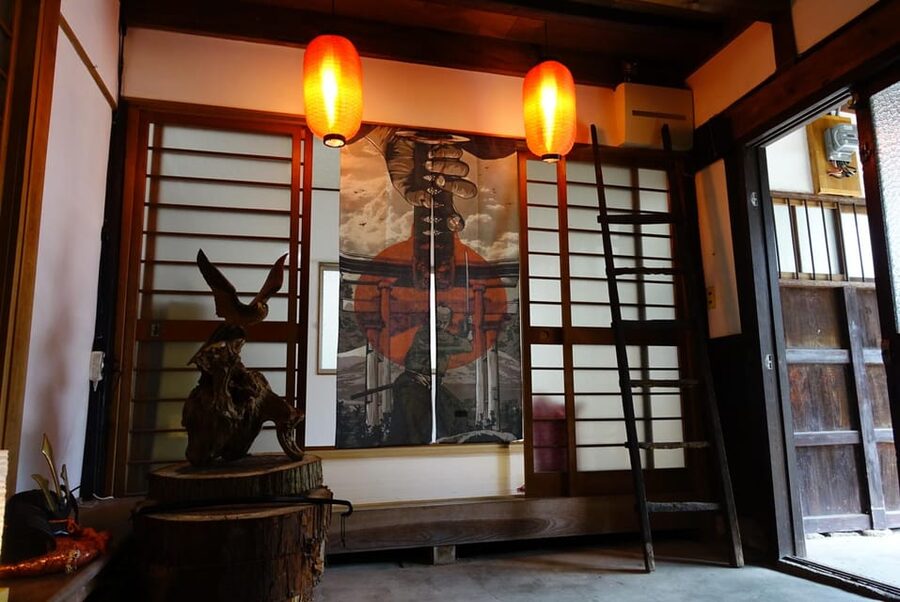
- Train inside a historic Kyoto machiya: The old Japanese house and dojo add atmosphere that a modern studio cannot match.
- Learn from Taka: His warm, funny approach helps first-timers feel comfortable, while his decades of kendo practice add substance to the lesson.
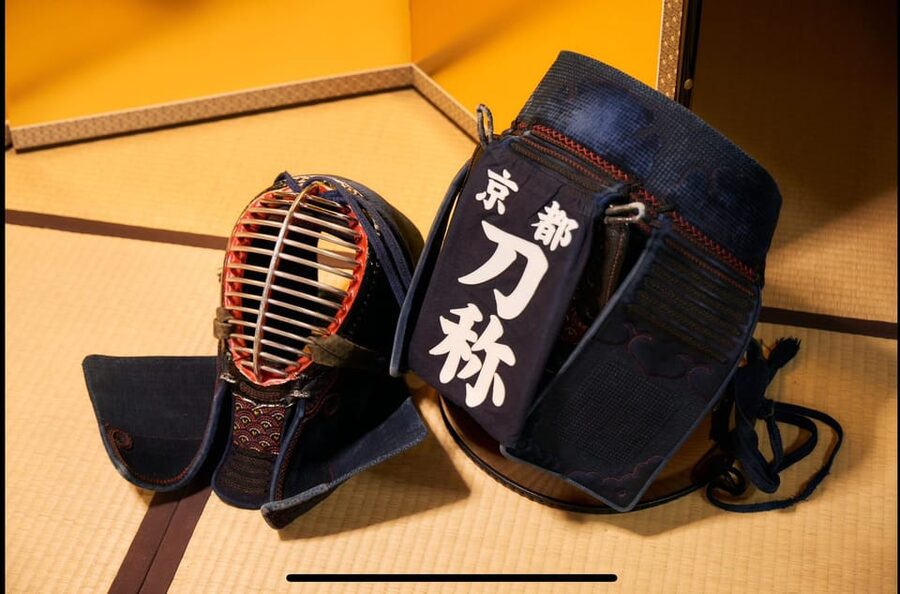
- Put on the full outfit: Uniform, footwear, armor, and training equipment are supplied, so you do not need to prepare anything special.
- Practice before you spar: You learn grip, posture, strikes, blocks, footwork, and etiquette before using safe swords with a partner.
- Take home photo and video memories: The instructor helps record you in samurai clothing during the session.
- Plan carefully for the location and weather: The meeting point is reached through a large gate, and the dojo may be cold during the colder months.
A real dojo, not just a costume photo
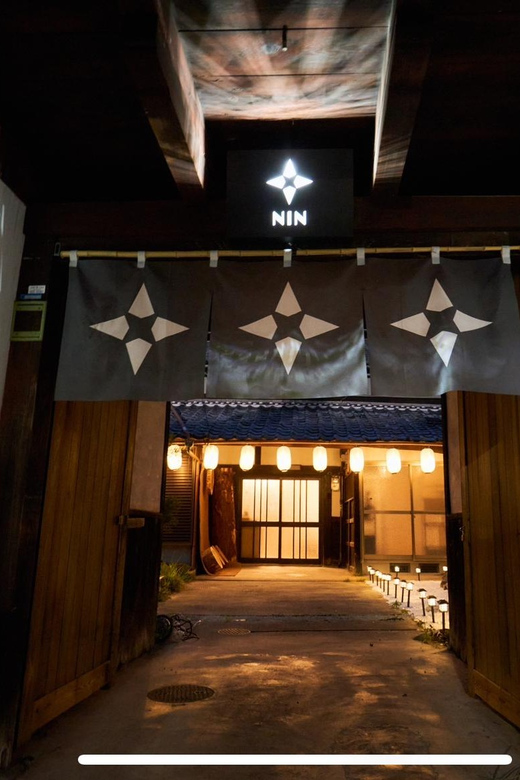
Many samurai-themed activities in Kyoto focus on posing with a sword. This one gives you a lesson to go with the costume. The difference matters. You are not simply handed a robe and sent in front of a backdrop. You learn how the equipment is worn, how to stand, how to hold the sword, and why courtesy and control matter in kendo.
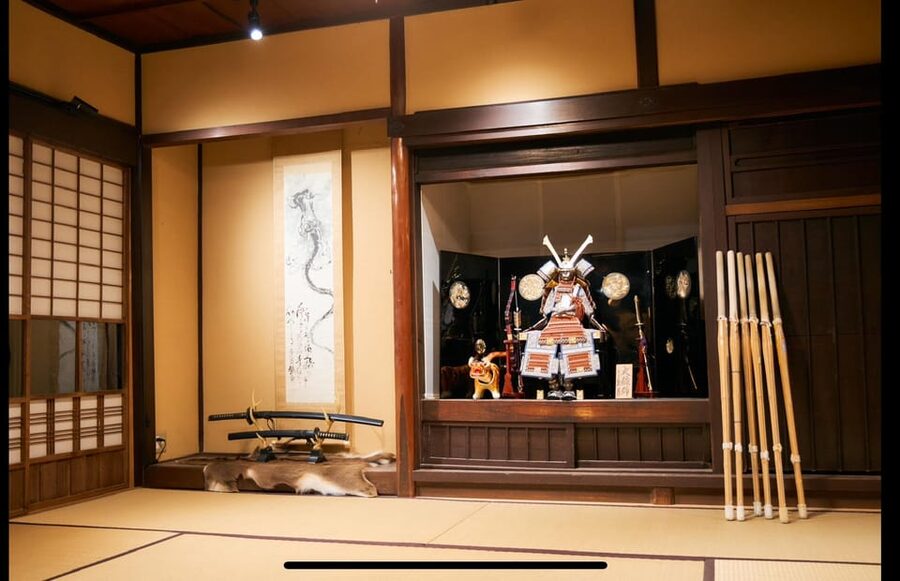
The session takes place in an old Japanese house with a large gate. The building is more than 100 years old, and the training area has the plain, traditional feel of a working dojo. That setting may be part of the charm for you. It also means you should not expect a polished hotel or a modern fitness studio.
One useful point: the room has been described as somewhat dusty and worn. I would treat that as part of the trade-off. You gain age, character, and a traditional atmosphere, but you may notice scuffed surfaces or a less polished interior.
The setting becomes especially atmospheric in cold weather. Snow falling in the courtyard can make the experience feel like a film scene, but the same open-air practice can leave you cold. If you book between late autumn and early spring, wear a warm base layer and thick socks.
More Samurai and Ninja Experiences in Kyoto
- Kyoto Samurai Experience
★ 5.0 · 1,294 reviews - Kyoto: Samurai Sword Class by Experts in Traditional Arts
★ 4.9 · 657 reviews - Skip the lines Basic Ticket at SAMURAI NINJA MUSEUM KYOTO
★ 4.5 · 632 reviews
Meeting Taka and learning the samurai code
The instructor is usually known as Taka, although the name Takato is also used. He teaches in English and is one of the main reasons this activity works so well for first-timers. His style is friendly and energetic, with enough humor to keep the lesson relaxed without turning it into a comedy act.
You begin with an introduction to samurai culture, kendo, and the rules of the space. This is more than a quick safety warning. You learn why respectful movement, correct posture, and control are central to the practice. The sword is not treated as a toy, even though the equipment used for training is designed to be safe.
Taka’s background is a strong asset. The information provided for this experience describes an instructor with more than 50 years of kendo practice, and the class also connects the owner’s family line with samurai ancestry. These details add cultural context, but the value is in how the material is explained. The historical talk is paced alongside the physical work, so you are not sitting through a long lecture before getting to the fun.
The English instruction is clear enough for international visitors. You can ask questions about samurai history, customs, clothing, and sword use as the lesson develops. Taka is also praised for his patience, especially with children and participants who need extra help.
Changing into the uniform and gear
The transformation is an important part of the experience. You are given a uniform, footwear, and training equipment, then shown how to put everything on. The process helps you understand that traditional martial arts involve more than the weapon itself.
Depending on the activity flow, you may handle bamboo swords, foam swords, or carefully selected replica blades. The exact equipment can vary during the lesson, but the emphasis remains on controlled training rather than sharp-sword cutting. You learn the purpose of the clothing and protective gear as you put it on.
This is a practical advantage for visitors. You do not need to rent clothing separately or bring special shoes. The price of $103 per person includes instruction, uniform rental, equipment rental, shoe rental, and gear rental.
The outfit also makes the photo session more worthwhile. You are not taking a quick costume picture before changing back into street clothes. You have time to practice and pose while fully dressed, which gives the instructor more chances to take useful photos and videos.
Learning grip, posture, and basic sword movement
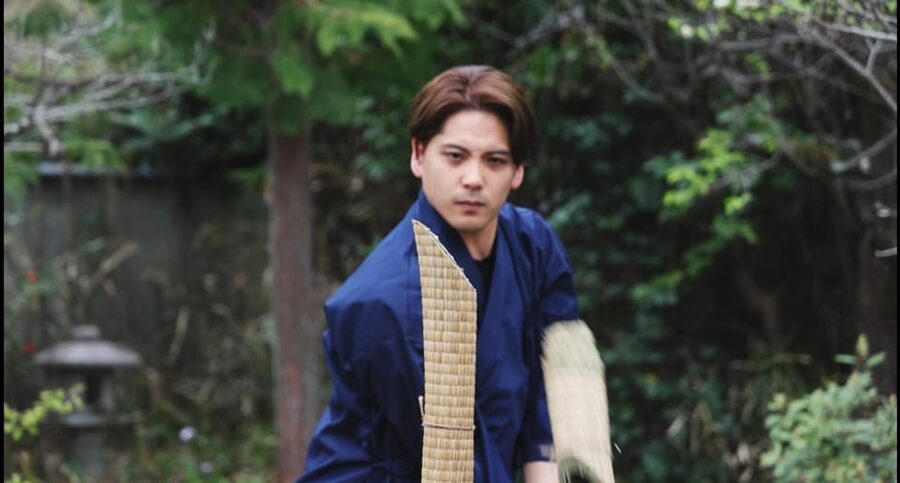
The physical lesson starts with the basics. You learn how to grip the training sword, position your body, and move your feet. These details may seem simple, but they make the difference between waving a sword around and performing a controlled kendo movement.
The instructor demonstrates each action before you try it. You practice strikes, blocks, and footwork, with corrections along the way. No previous kendo or martial arts experience is required. The pace is suitable for curious beginners who want to try something active without committing to a serious training course.
This is also where the activity earns its cultural value. Kendo is not presented as a collection of dramatic movie moves. The emphasis is on discipline, etiquette, precision, and presence. You begin to understand why the sword has symbolic importance in Japanese warrior culture, even during a short two-hour session.
Do not expect to become a trained swordsman in one afternoon. The class gives you a taste of the art and its mindset. You leave with a better sense of how much control and repetition genuine practice requires.
More samurai and ninja sessions in Kyoto:
- Ninja 1-hour Hands-on Lesson by Japanese master in Kyoto -Entry
★ 5.0 · 489 reviews - Kyoto: Ninja Weapon Forging Experience
★ 4.8 · 478 reviews - Kyoto: Samurai Kenbu Traditional Sword Dancing Show
★ 4.5 · 426 reviews - Samurai Training with Modern day Musashi in Kyoto
★ 5.0 · 256 reviews
The part most people look forward to: partner practice
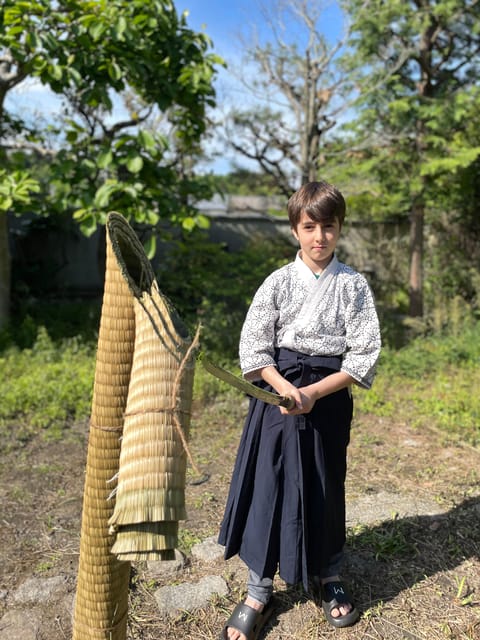
After the foundations, you work with other members of the group. The session can include practice with bamboo or foam swords and a friendly battle or competition near the end. This adds energy to the class without making it feel dangerous.
The sparring is one of the most popular parts of the experience because it turns the earlier instruction into action. You use the movements you have just learned, but the mood remains playful and supervised. The instructor controls the activity and explains how to use the equipment safely.
This portion suits families, couples, friends, and solo visitors. One participant joined alone and still found the session easy to enjoy, while families appreciated the way everyone received a chance to take part. The instructor also makes an effort to keep people included, which matters in a group activity where confidence levels can vary.
The activity is not suitable for children under seven. For older children, the instructor’s patient style can help, but parents should remember that the session includes physical movement and sword practice.
Samurai history without a classroom lecture
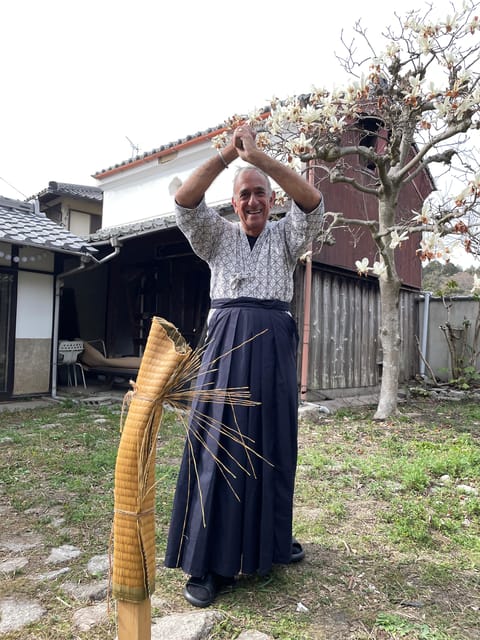
The cultural discussion covers the role of samurai in Japanese history, the origins of kendo, traditional clothing, etiquette, and the philosophy connected with the way of the warrior. The lesson links these subjects to what you are doing with your body, so the information feels useful rather than tacked on.
I especially like this balance. You can ask about the difference between historical samurai practice and modern kendo, then see parts of the answer in the next exercise. The activity also explains customs around clothing and behavior, giving you a better understanding of why the training begins and ends with respect.
The material is kept at an accessible level. You will not receive a university seminar on Japanese military history, and that is probably right for a two-hour introduction. You get enough background to understand the symbols and movements, without losing half the booking to a speech.
A small but important clarification concerns katana cutting. Some people expect to slice tatami mats with a sword. That is not part of this experience, and tatami cutting is no longer offered because it is illegal. If your main goal is blade cutting, choose another activity. If you want history, clothing, basic technique, and safe partner practice, this format is a better match.
Photos and videos that feel earned
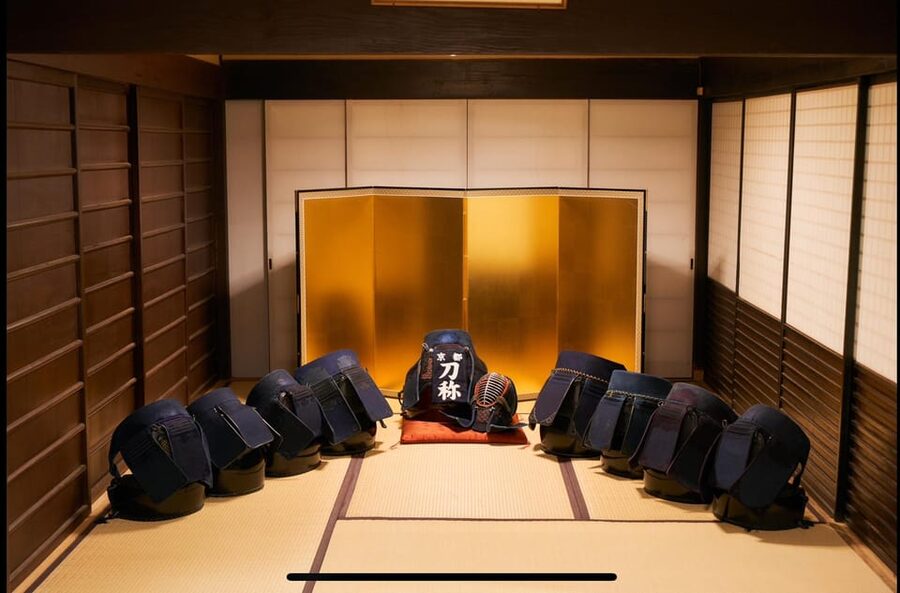
The photo and video session comes after you have learned the basic movements. That timing is smart. You already know how to stand and hold the sword, so the pictures can show an actual pose rather than a random costume stance.
The instructor helps record samurai-style images during the activity. The photos are a useful part of the $103 price, especially if you are looking for a strong family memory or a distinctive souvenir from Kyoto. You should not expect a separate professional photo shoot with extensive lighting and editing, but you do get visual reminders of the session.
The old house also gives the pictures more character than a plain studio wall. You may pose indoors or in the courtyard, depending on the class and conditions. In winter, the courtyard can be particularly atmospheric, though you will want warm clothing before and after the uniformed portion.
Replica swords are not included for purchase. If you want to take one home, they are available separately, so treat that as an optional extra rather than part of the booking.
Is $103 a fair price?
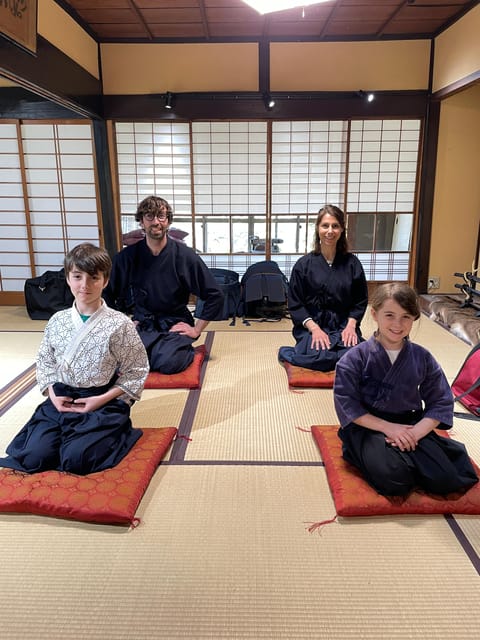
At $103 per person, this is not a budget attraction. The value depends on what you want from your Kyoto activities.
The fee covers two hours of English instruction, uniform, shoes, armor and other equipment, sword practice, cultural explanation, and photos or videos. You are paying for a guided lesson in a historic setting, not simply for access to a costume rack. For someone already interested in samurai culture, the combination makes the price reasonable.
It is also good value if you want an activity that breaks up temple visits. Kyoto offers endless shrines and gardens, but a hands-on martial arts session gives your day a different rhythm. Families and groups may find the shared sparring especially worthwhile.
The price is harder to justify if you only want a quick photograph or if you expect a full day of advanced martial arts instruction. The session is an introduction. Its strength is the mix of history, participation, and atmosphere.
Flexible booking helps with planning. You can reserve now and pay later, and cancellation is free up to 24 hours in advance for a full refund. Check the available start times before committing, since the activity lasts about two hours.
Getting to the old house
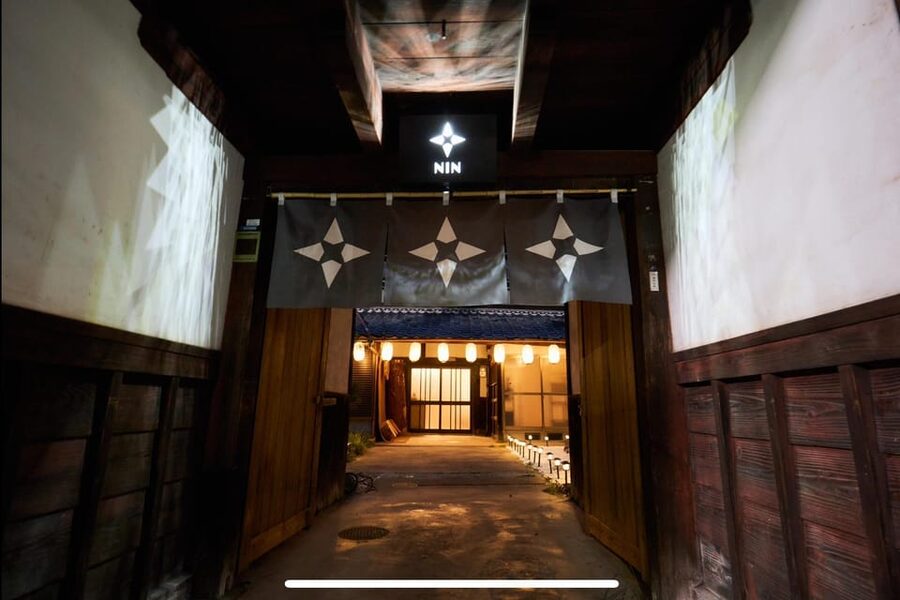
The meeting point is an old Japanese house marked by a large gate. The approach may take you through a residential area and along winding paths, so give yourself extra time. One late arrival disrupted the start of a class, which is a useful warning for anyone planning a tight Kyoto schedule.
The location is described as somewhat far from the station. If you are coming by train, a taxi from the station to the front gate may be the simplest choice. This costs extra, but it reduces the chance of getting lost or arriving flustered in a residential neighborhood.
Do not schedule this immediately before a major timed attraction on the other side of Kyoto. Allow time for the journey in both directions, especially if you are unfamiliar with the area.
Who will enjoy this activity most?
I would recommend it to you if you like Japanese history, want a physical activity, or prefer participating to watching. It works well for families with children aged seven and older, couples, groups of friends, and solo visitors who want an easy way to meet others.
It is also a good choice for visitors who have already seen several temples and want something different. The class gives you a look at Japanese culture through movement, clothing, discipline, and storytelling.
You may want to skip it if you dislike dressing up, have no interest in martial arts, or want sharp-sword cutting. The practice is safe and beginner-friendly, but it is still active. You will stand, move, hold equipment, and work with a partner.
Alcohol and drugs are not allowed. Wear comfortable clothing underneath the supplied uniform, and bring warm layers if the weather is cold.
Should you book the Kyoto kendo and samurai experience?
Book it if you want more than a staged samurai photo. The old dojo, English instruction, full gear, history lesson, basic kendo practice, and friendly sparring create a well-balanced two-hour experience.
Taka is a major part of the appeal. His humor, patience, and long practice help the activity feel welcoming rather than stiff. The location takes extra effort to reach, and the building may look worn, but those are fair compromises for a traditional setting.
For a first encounter with kendo and samurai culture, I think the $103 price is reasonable, especially if you value the included equipment and photos. Arrive early, take a taxi if the route seems confusing, and bring warm socks in winter. If that sounds like your kind of Kyoto afternoon, this is an easy activity to add to your plans.
FAQ
How long does the kendo and samurai experience last?
The activity lasts approximately two hours.
How much does the experience cost?
The listed price is $103 per person.
Is the activity taught in English?
Yes. The instructor teaches in English.
Do I need previous kendo or martial arts experience?
No. The activity is designed for beginners, and the instructor explains the basic movements and safety rules.
What is included in the price?
Instruction, uniform rental, equipment rental, shoe rental, and gear rental are included.
Where does the activity meet?
The meeting point is an old Japanese house with a large gate.
Is the activity suitable for young children?
Children under seven are not permitted to participate.
Can I cut tatami mats with a katana?
No. Tatami cutting is not part of the activity and is no longer offered because it is illegal.
Can I buy a replica sword?
Replica swords are available for purchase, but they are not included in the activity price.
Just added around Kyoto
- Kyoto: Zen Meditation at a Private Temple with a Monk★ 5.0 · 25 reviews
- Kyoto: Gion Geisha District & Sake-in-Hand Walking Tour★ 5.0 · 37 reviews
- Private Pewter Sake Cup Experience with a Kyoto Artisan★ 5.0 · 31 reviews
- Your Private Vacation Photography Session In Kyoto★ 5.0 · 110 reviews
- Private Guided Traditional Buddhist Cooking in Japan★ 5.0 · 16 reviews
- Kyoto Wagashi(Japanese sweets) Cooking Class near Fushimiinari★ 5.0 · 60 reviews
- Private Cooking Class Udon in Kyoto Japan★ 5.0 · 23 reviews
- Traditional Japanese Music show & Experience Tour in Kyoto★ 5.0 · 57 reviews
Kyoto Tours, compared.
Fushimi Inari, Kinkakuji, Bamboo Grove 1 Day Bus Tour
Read our review →
Tea Ceremony in a Traditional Tea House in Kiyomizu
Read our review →
Kyoto Geisha Walking Tour: Gion District & Hidden Gems
Read our review →
Gion Magical Night Walking Tour with Geisha Trivia
Read our review →
Gion Geisha District Walking Tour – Stories of Geisha
Read our review →Browse the lists this tour appears in