
Reviewed · KYOTO TOURS
Ninja 1-hour Hands-on Lesson by Japanese master in Kyoto -Entry
A hidden trap door, a dark floor crossed with spikes, a sword lesson, and a chance to fire blow darts make this more than a costume photo stop. At Kyoto’s NINJA DOJO and STORE, a Japanese sensei guides you through basic ninja movement, meditation, weapons, and stealth ideas in English. The class is hands-on from start to finish, with a maximum of six people.
I like the small group, which gives children and adults room to practice instead of simply watching. I also like the mix of physical activity and cultural context: you learn breathing, walking, and Kuji-In meditation before picking up a sword or throwing shuriken. The main limitation is the short one-hour format. You will have fun and learn the basics, but you will not leave with an in-depth study of ninja history or martial arts.
Key points at a glance
- Six-person maximum: A small class makes it easier to practice each technique and receive help.
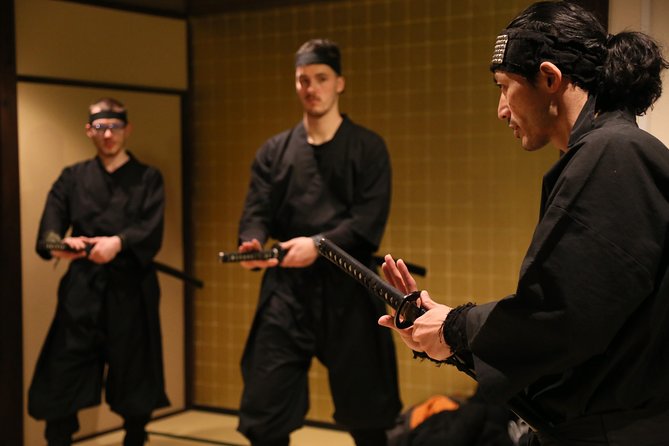
- Real participation: You wear ninja clothing and try sword skills, kunai, shuriken, and a blowgun.
- More than weapons: The lesson covers breathing, walking, meditation, stealth, and a ninja trick house.
- English instruction: A Japanese sensei teaches the lesson in English, with instructors such as Sho and Jack praised for clear, lively teaching.
- Good for families: Children, teenagers, couples, and adults can all take part, and the dojo is air-conditioned.
- Convenient Kyoto location: The activity starts and ends at NINJA DOJO and STORE in Shimogyo Ward.
Entering the Kyoto dojo on Hakurakutencho
The lesson begins at NINJA DOJO and STORE KYOTO, at 528 Hakurakutencho, 2F, in Kyoto’s Shimogyo Ward. It is near public transportation, and the activity returns to the same meeting point when the hour is over.
The location matters because this is a compact indoor activity you can fit between larger Kyoto sights. A morning at temples can leave you hot and tired, while this class gives you an air-conditioned break with something active to do. You do not need to build a whole day around it.
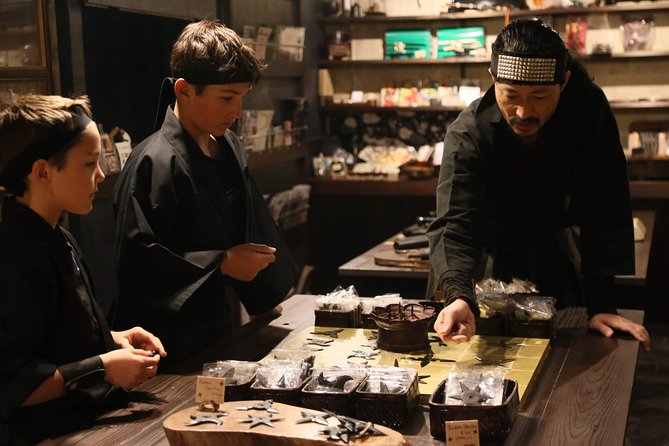
Once inside, you receive ninja clothing to wear during the training. That simple change helps set the mood, especially for children, but it is not the whole point of the experience. The dojo also contains ninja objects and equipment, giving the lesson a visual connection to the subject rather than relying only on dress-up.
You should arrive ready to take part. The class moves quickly, and one hour is not long when it includes meditation, movement, weapons, demonstrations, and practice. A late arrival may reduce your time, although one instructor has accommodated a delayed participant in the past. I would still plan extra time for finding the address and getting upstairs.
More Samurai and Ninja Experiences in Kyoto
- Kyoto Samurai Experience
★ 5.0 · 1,294 reviews - Kyoto: Kendo and Samurai Experience with Uniform and Gear
★ 4.9 · 815 reviews - Kyoto: Samurai Sword Class by Experts in Traditional Arts
★ 4.9 · 657 reviews
First lessons: Kuji-In, breathing, and the ninja walk
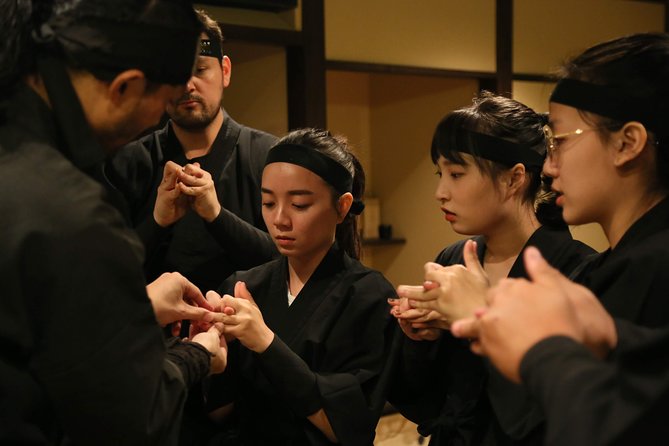
The opening section focuses on how a ninja moves and prepares. You learn basic ninja breathing, then try Kuji-In, a form of ninja meditation included in the lesson. These exercises give the class a useful foundation before the weapons appear.
The breathing and meditation work best when you treat them as more than a quick photo opportunity. They show that the popular image of a ninja is only part of the picture. Staying calm, controlled, quiet, and alert is presented as part of the training.
You also practice ninja walking. This is one of the more memorable parts for families because it turns a simple movement into a skill. The instructor demonstrates how to move quietly and safely, and you copy the technique. The trick is less about speed than control.
Some of the physical work may be surprisingly difficult. One family found even a chopstick toss harder than expected, which is a useful reminder that these activities are not just easy games. The class is beginner-level, though, and the instructors are described as patient and encouraging.
You should not expect a full martial arts course here. The movement section introduces ideas and lets you try them. Its value is in giving you a feel for ninja methods, not in producing polished technique after sixty minutes.
The trick house and its secret spaces
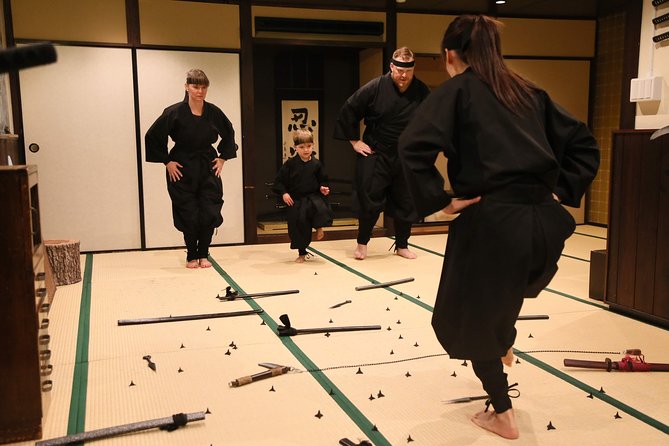
The lesson includes an introduction to a ninja trick house, with gimmicks and traps built into the dojo. You may see secret rooms or trap doors, and one activity involves crossing a dark floor with spikes. The instructor shows you how the ninja walk helps you avoid the danger.
This part adds theatrical fun, but it also fits the lesson’s theme. Ninja stories often focus on hidden routes, surprise, and careful movement. Instead of hearing only about those ideas, you get a simple physical demonstration.
The trick house section is particularly effective with children and younger teenagers. It gives them a clear task and a memorable story to take away. Adults may find it playful rather than historically rigorous. That distinction is worth keeping in mind if you are looking for a serious museum-style presentation.
The equipment is handled under instruction, and the class is set up for beginners. Still, you should listen closely and follow directions. The presence of swords, throwing tools, and blow darts makes attention part of the experience, not just a courtesy.
Sword training with a Japanese sensei
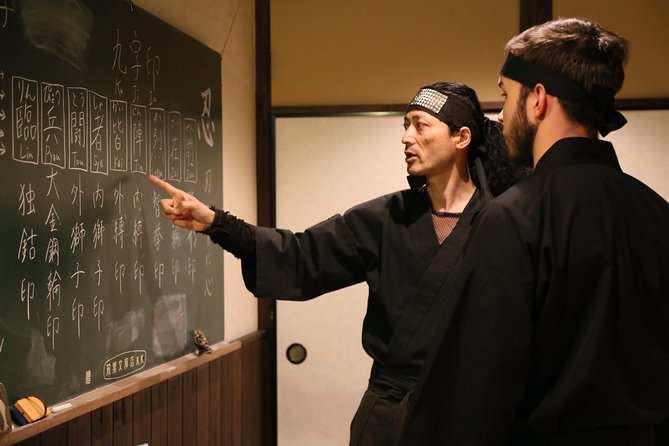
The sword segment begins with a demonstration and moves into basic practice. You learn how to hold and use a ninja sword, then work through simple movements under the instructor’s direction.
This is not a sword-fighting match, and there is no claim that you will master combat skills. The appeal is the chance to handle the sword in a controlled setting while learning a little about how ninja tools were used. The lesson gives you a starting point, not a professional qualification.
The instructors are a major part of the experience. Sho has been praised for explaining ninja history clearly, demonstrating techniques, and keeping a good sense of humor. Jack has also been singled out for making the class lively while explaining the weapons and movements. The exact instructor can vary, so you should not book on the assumption that one named teacher will lead your session.
English instruction is included. That is important here because the lesson depends on timing and safety directions. You need to understand where to stand, how to hold each item, and when to move. The English-speaking Japanese sensei also makes it easier to ask about the purpose of a technique as you go.
The sword portion is likely to be one of the most photographed parts of the hour. Some classes also take photos and videos and share them at no extra cost, though this should be treated as a possibility rather than a guaranteed feature for every session.
More samurai and ninja sessions in Kyoto:
- Skip the lines Basic Ticket at SAMURAI NINJA MUSEUM KYOTO
★ 4.5 · 632 reviews - Kyoto: Ninja Weapon Forging Experience
★ 4.8 · 478 reviews - Kyoto: Samurai Kenbu Traditional Sword Dancing Show
★ 4.5 · 426 reviews - Samurai Training with Modern day Musashi in Kyoto
★ 5.0 · 256 reviews
Kunai, shuriken, and blowgun practice
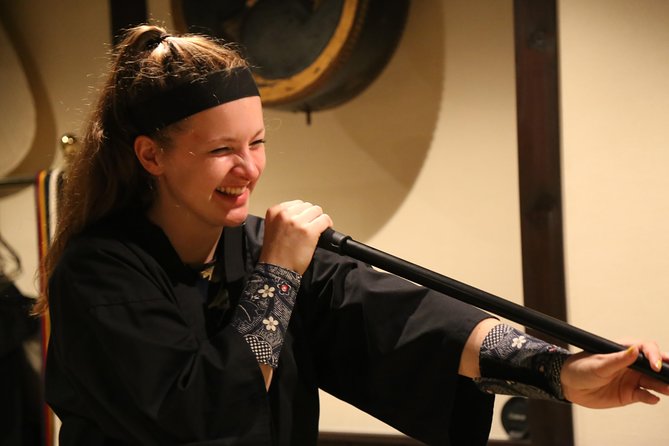
The weapons section covers several classic ninja tools. You try kunai, described here as daggers, shuriken, or ninja stars, and a ninja blowgun with blow darts. The instructor explains the tools and shows you how to use them before you practice against wooden targets.
Throwing shuriken is a clear favorite for many families, but it is not always easy. Your success depends on stance, distance, release, and focus. That makes the activity more satisfying than simply tossing a prop at a target. You get a quick lesson in technique, then a chance to adjust.
The kunai practice adds another type of throw. The blowgun changes the rhythm again, asking you to control your breathing and aim. If you discover that you are unusually good with the blowgun, you will have found your unexpected ninja specialty.
The instructor keeps the process structured and supervised. This is suitable for families with older children, and children as young as seven have taken part successfully according to the supplied experience details. The data does not give a formal minimum age, so if you are booking for a very young child, it is sensible to confirm suitability first.
For adults, the weapons practice is entertaining but brief. You will try several tools rather than spend a long time refining one. That variety is a strength for a first visit, though it can feel fast if you want detailed instruction in a single discipline.
What the one-hour format really gives you
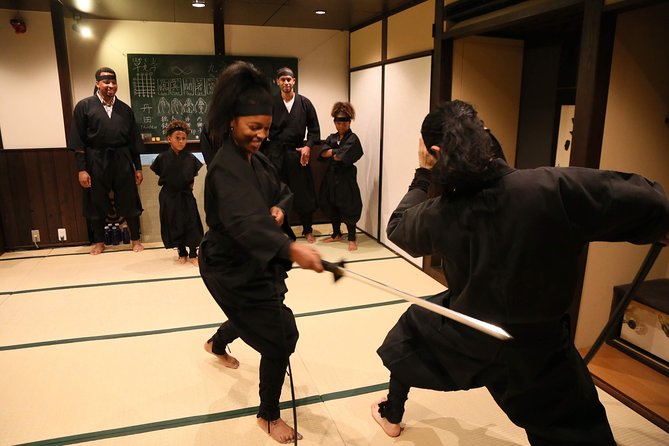
The class packs a lot into sixty minutes. You move from meditation and breathing to walking, the trick house, sword practice, kunai, shuriken, and blow darts. The hour tends to pass quickly because there is little dead time.
That pace is excellent for families who want a memorable activity without giving up half a day of sightseeing. It also suits a couple or a small group of friends looking for something different from temples, gardens, and food stops.
The tradeoff is depth. You receive a lively introduction to ninja training, but only a little historical detail. One adult participant found the activity entertaining and well organized but too high-level for someone seeking a fully authentic study of ninja or samurai culture. That is a fair reading.
The word authentic needs care here. The lesson takes place in a dojo, uses Japanese instruction, includes ninja artifacts, and teaches named movements and tools. At the same time, it is designed as an accessible visitor activity, with costumes, targets, secret spaces, and plenty of photo-friendly moments. I would call it a cultural entertainment experience with real instruction, not a formal historical course.
If your child is fascinated by Naruto, the pop-culture connection may add extra fun. You do not need to know Naruto to enjoy the class, but familiarity may give younger participants a head start with the basic ninja idea.
Who will enjoy this Kyoto activity most
This lesson is a strong fit for families with school-age children and teenagers. The class keeps hands busy, offers a clear sequence of activities, and has enough novelty to hold attention. Several children described it as a highlight of their Japan trip, which makes sense given the chance to dress up, use equipment, and explore the trick house.
It also works well for adults. Couples and friends can enjoy the humor, photos, and friendly competition around the targets. You do not need to be fit or experienced, since this is an entry-level lesson and most people can participate.
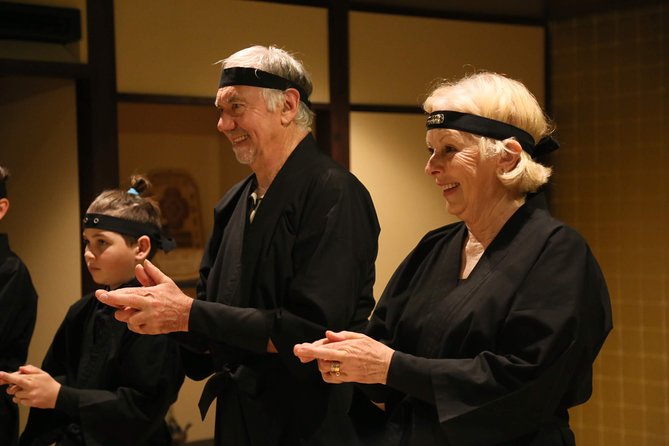
The small group is useful for mixed-age parties. A maximum of six means the instructor can keep an eye on everyone and help with the movements. It also makes the class feel less like a large performance and more like a guided session.
This may not be your best choice if you want a long, academic explanation of ninja history, a serious martial arts qualification, or hours of sword training. The class is broad, fast, and playful. You should book it for a hands-on introduction, not as a replacement for a museum or specialist course.
Service animals are allowed, and the activity is near public transportation. Most people can participate, though the supplied information does not spell out every physical requirement. Since the lesson includes walking, standing, and handling equipment, contact the operator if you have a specific mobility or medical concern.
Is $80.58 a fair price?
At $80.58 per person, this is not a cheap one-hour filler. You are paying for a specialist-led activity, clothing rental, equipment, an English-speaking Japanese sensei, and a very small group rather than a simple photo session.
The value improves if you are traveling with children or teenagers. One hour of focused activity can break up a busy Kyoto schedule, and the class gives your family a shared story rather than another passive stop. The air-conditioned dojo is also welcome during hot weather.
For adults who only want to throw a few stars, the price may feel high for the duration. The lesson includes several activities, but none receives extended practice. You should compare it with the value of other guided cultural activities in your itinerary, especially if your budget is tight.
The strongest reason to pay the price is the group limit. A class of six gives you more practice time than a crowded demonstration and makes it easier to communicate with the instructor. If the session is nearly full, that small-group setting becomes even more important.
Free cancellation is available if you cancel at least 24 hours before the start time. Changes or cancellations within 24 hours are not accepted for a refund. The activity may also be canceled because of poor weather or because the minimum number of participants is not met, in which case you are offered another date or experience, or a full refund.
Practical planning before you book
The meeting point is NINJA DOJO and STORE KYOTO, 528 Hakurakutencho, 2F, Kyoto, Shimogyo Ward, postal code 600-8422. The activity ends back there, so it is easy to plan another nearby stop afterward.
A mobile ticket is included, and confirmation is provided when you book. Food, drinks, and hotel pickup or drop-off are not included, so plan your route and refreshments yourself.
Wear something that allows comfortable movement under the rented ninja clothing. The provided information does not specify a dress code, but loose, practical clothing is a sensible choice for walking practice and weapon exercises.
Book ahead if your schedule is fixed. The experience had been booked more than ten times in the previous week, and the six-person limit can make popular time slots fill quickly. A small party may have a more private feel, while a larger family group should check how the booking handles the six-person maximum.
The weather rule may seem unusual for an indoor dojo. The activity requires good weather, and a poor-weather cancellation can lead to a new date or a full refund. Keep that in mind when placing it beside outdoor plans.
Should you book the Ninja lesson?
Book this experience if you want a lively Kyoto activity that combines costumes, movement, Japanese instruction, and safe practice with several ninja tools. It is especially good for families, teenagers, Naruto fans, couples, and anyone who wants an hour away from shrine and temple sightseeing.
The best parts are the small group, clear English teaching, the range of activities, and the chance to try techniques rather than simply watch a demonstration. Instructors such as Sho and Jack have been praised for humor, patience, and clear explanations, though your teacher may be someone else.
Skip it if you want detailed historical research or serious martial arts training. The class is short and intentionally accessible, with a playful edge. For most visitors, that is exactly the point: you get a memorable, active introduction to ninja culture without committing a full day.
FAQ
How long does the ninja lesson last?
The lesson lasts approximately one hour and covers basic ninja training.
Where does the experience start?
It starts at NINJA DOJO and STORE KYOTO, 528 Hakurakutencho, 2F, in Kyoto’s Shimogyo Ward.
Where does the activity end?
The activity ends back at the same meeting point.
Is the lesson taught in English?
Yes. A Japanese sensei who has trained in ninja arts teaches the lesson in English.
What is included in the price?
The price includes the ninja lesson, admission, and rental of ninja clothing during training.
What activities are included?
The class includes Kuji-In meditation, ninja breathing and walking, an introduction to traps and gimmicks in the ninja trick house, sword demonstrations and practice, kunai training, shuriken training, and blowgun training.
How many people can join the class?
The maximum group size is six participants.
Can I cancel for a full refund?
Yes, if you cancel at least 24 hours before the experience start time. Cancellations or changes made less than 24 hours before the start time are not refunded or accepted.
More 1-Hour Experiences in Kyoto
- 1 Hour Geisha Show in Kyoto
★ 5.0 · 452 reviews - One Hour Geisha Show in Kyoto
★ 5.0 · 64 reviews - One Hour Geisha Show in Gion Kyoto
★ 5.0 · 59 reviews - Kyoto: Hands-on Takoyaki and Okonomiyaki Cooking (1 Hour)
★ 4.7 · 25 reviews
More Workshops in Kyoto
- Kyoto: 45-Minute Tea Ceremony Lesson Experience
★ 4.3 · 2,378 reviews - Ramen Cooking Class at Ramen Factory in Kyoto
★ 5.0 · 1,937 reviews - Kyoto : Chopsticks Making Workshop in Gion with Engraving Option
★ 5.0 · 958 reviews - Kyoto: Ramen Cooking Class at a Ramen Factory with Souvenir
★ 4.9 · 532 reviews
Just added around Kyoto
- Kyoto: Zen Meditation at a Private Temple with a Monk★ 5.0 · 25 reviews
- Kyoto: Gion Geisha District & Sake-in-Hand Walking Tour★ 5.0 · 37 reviews
- Private Pewter Sake Cup Experience with a Kyoto Artisan★ 5.0 · 31 reviews
- Your Private Vacation Photography Session In Kyoto★ 5.0 · 110 reviews
- Kyoto Wagashi(Japanese sweets) Cooking Class near Fushimiinari★ 5.0 · 60 reviews
- Private Guided Traditional Buddhist Cooking in Japan★ 5.0 · 16 reviews
- Traditional Japanese Music show & Experience Tour in Kyoto★ 5.0 · 57 reviews
- Kyoto:Family-Friendly Kimono & Yukata Experience at WARGO★ 5.0 · 147 reviews
Kyoto Tours, compared.
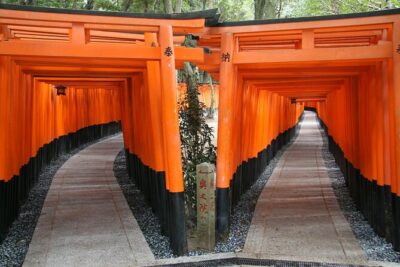
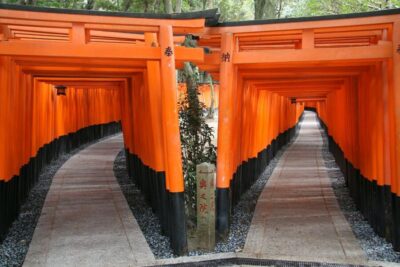
Fushimi Inari, Kinkakuji, Bamboo Grove 1 Day Bus Tour
Read our review →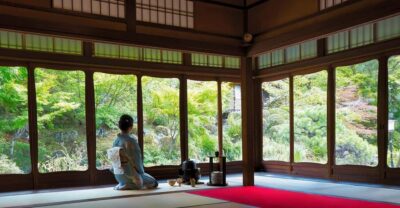
Tea Ceremony in a Traditional Tea House in Kiyomizu
Read our review →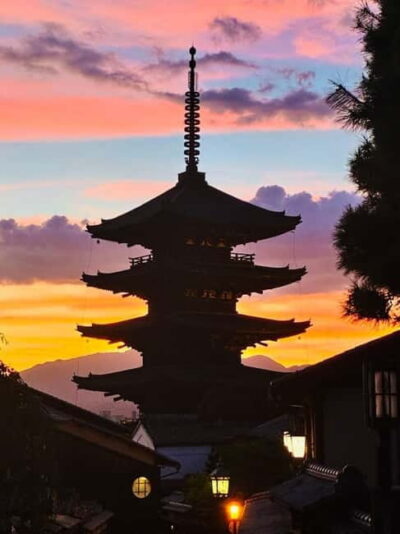
Kyoto Geisha Walking Tour: Gion District & Hidden Gems
Read our review →

Gion Magical Night Walking Tour with Geisha Trivia
Read our review →
Gion Geisha District Walking Tour – Stories of Geisha
Read our review →Browse the lists this tour appears in