
Reviewed · KYOTO TOURS
One Hour Geisha Show in Gion Kyoto
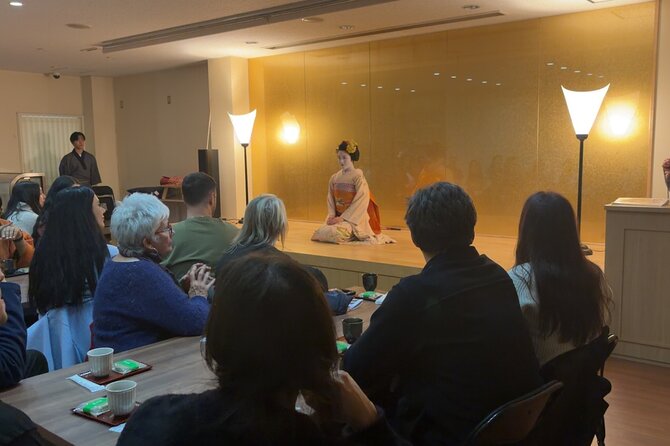
Seeing a maiko perform at close range is the heart of this one-hour Gion show. Instead of hoping to spot a geisha on a Kyoto street, you enter a small performance setting where a real maiko presents traditional dances, answers questions, and shares a Japanese game.
I like the intimate setting, which gives you time to ask questions rather than simply watch from a distance. I also like the useful extras: tea, a light snack, photos at the end, and a chance to see how a Japanese game works. The main consideration is that this is a staged cultural presentation, not a glimpse of maiko life in an ordinary neighborhood setting.
Key points
- A real maiko performance: See an apprentice geisha perform traditional dances at close range.
- More than a dance show: The hour includes a Q&A, a Japanese game, tea, and a light snack.
- A small, personal setting: The format allows time for questions and direct interaction.
- A 4:00 pm start: The show fits neatly before an evening meal or more time in Gion.
- Photos at the end: You have an opportunity to take pictures after the presentation.
- Flexible booking: Group discounts are available, mobile tickets are accepted, and cancellation is free up to 24 hours before the start time.
Meeting a maiko in Gion at 4:00 pm
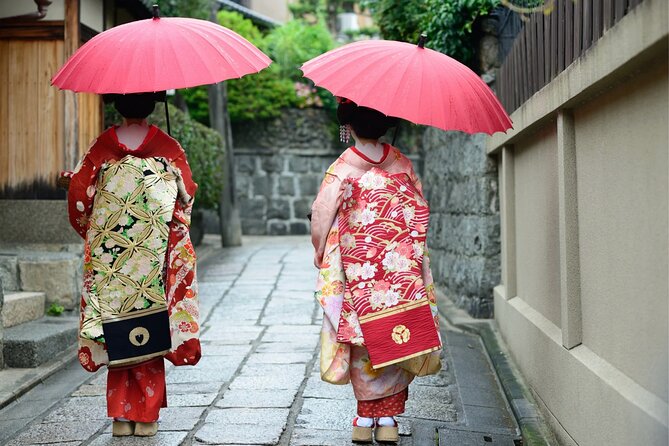
Gion is Kyoto’s best-known district for geisha culture, but seeing a maiko on the street is never something you can count on. This show solves that problem in a straightforward way: you go to a scheduled presentation and meet an apprentice geisha in person.
The meeting point is at 302-2 Daikokucho, Higashiyama Ward, Kyoto, 605-0832. The activity starts at 4:00 pm and finishes back at the same meeting point after about an hour.
That timing works well for a Kyoto day. You can spend the afternoon visiting temples or walking through Gion, then attend the show before dinner. Since the activity ends where it begins, you do not need to arrange a separate ride or navigate to another neighborhood afterward.
The setting is staged, and it is important to understand that from the start. You are not following a maiko through her working day or watching an unplanned street encounter. Instead, you are receiving a focused introduction to a tradition that is often difficult for outsiders to see respectfully and clearly.
More geisha-district evenings:
- Kyoto Geisha Walking Tour: Gion District & Hidden Gems
★ 4.7 · 3,273 reviews - Kyoto: Gion Magical Night Walking Tour with Geisha Trivia
★ 4.9 · 2,393 reviews - Kyoto: Gion Geisha District Walking Tour – Stories of Geisha
★ 4.7 · 2,187 reviews
What happens during the traditional dances
The performance is built around live traditional dance. You watch the maiko at close range, rather than from the back of a large theater, and the short format keeps the presentation easy to follow.
A maiko’s dance is not simply a quick folk demonstration. The costume, controlled movement, gestures, and formal presentation all form part of the visual language. You may not understand every reference, but the live setting lets you notice details that are easy to miss in a filmed performance.
The program can include two dances. Kosome San is one maiko who has appeared in the show, performing two dances before taking questions and playing a game with the audience. The performer may vary, so you should not assume that Kosome San will appear on every date.
The claim that only about 40 maikos remain in Kyoto gives the meeting a sense of rarity. More important for you, the show provides a reliable way to see one without crowding the narrow lanes of Gion or treating a passing performer like a photo opportunity.
Why the Q&A matters
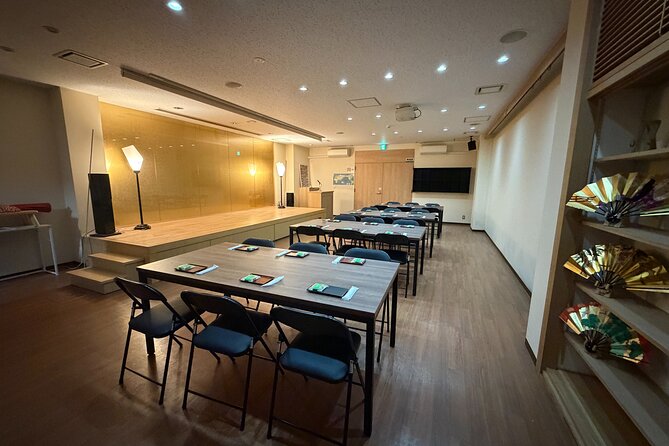
The Q&A is one of the most useful parts of the hour. Geisha culture can look mysterious from the outside, and a dance alone may leave you with plenty of questions but few answers.
Here, you can ask directly about the performance and the maiko tradition. The precise questions you can ask are not specified, but the format gives you time for answers that you would not normally get while walking through Gion.
This direct exchange also helps put the dance in context. You can ask about what you have just seen instead of trying to interpret every costume detail or gesture on your own. One visitor described the setting as private and intimate, with plenty of time for questions, and that is an important distinction from a large stage production.
Keep in mind that an hour is still a short introduction. You will not receive a full education in every part of geisha life. You will, however, come away with a clearer sense of the person behind the performance and a better basis for understanding Gion’s traditions.
Tea, a snack, and a Japanese game
Tea and a light snack are included, adding a small social element to the presentation. This is not a meal, and additional food or drinks cost extra, so plan dinner separately.
The tea is useful in practical terms too. It gives the hour a more relaxed pace and makes the event feel like a cultural meeting rather than a performance you simply watch and leave. If you are looking for a substantial refreshment break, however, this will not replace one.
You also learn how to play a Japanese game. That may sound like a minor extra, but it gives you a chance to take part instead of remaining seated for the entire show. The game adds a lighter moment after the formal dances and gives you another small piece of Japanese culture to carry away.
The combination works well. The dances provide the formal presentation, the questions provide explanation, and the game lets you join in. It is a compact program with several different ways to engage.
More shows in Kyoto:
- Kyoto Gion Cultural Walk & Geisha Show with Dining Options
★ 5.0 · 518 reviews - Kyoto Gion Cultural Walk & Geisha Show with Dining Options
★ 5.0 · 483 reviews - 1 Hour Geisha Show in Kyoto
★ 5.0 · 452 reviews - Kyoto: Samurai Kenbu Traditional Sword Dancing Show
★ 4.5 · 426 reviews
Photos at the end, not throughout the show
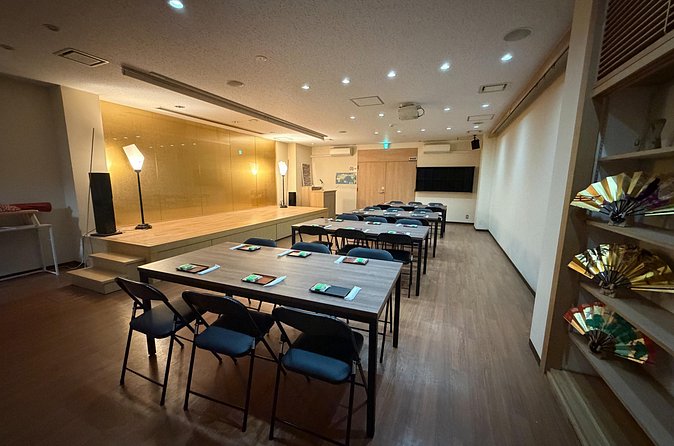
Photos are available at the end of the experience. This is a sensible arrangement. You can pay attention to the dances and conversation first, then take pictures afterward without interrupting the presentation.
The information does not specify exactly how many photos you can take or whether there are limits on posing. You should treat the photo opportunity as a closing part of the event, not as a private portrait session.
That distinction matters in Gion. A respectful photograph taken at an arranged cultural program is very different from chasing a maiko through the streets. If taking pictures is important to you, the end-of-show opportunity gives you a clear, polite moment to do so.
A staged setting with a genuine cultural focus
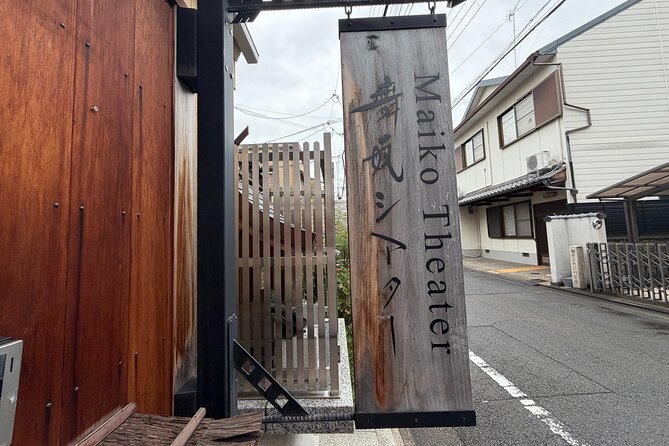
The strongest reason to choose this show is its access. Kyoto’s geisha traditions are not designed as an open-air attraction, and casual street sightings are unpredictable. A scheduled meeting gives you a more dependable and respectful introduction.
The drawback is equally clear: the setting is staged. You are seeing a prepared performance for an audience, not an unscripted slice of daily life. Some people will prefer that controlled format because it allows questions and close viewing. Others may want a less formal encounter and find the presentation too arranged.
I see the staged setting as a fair trade for access, provided you book it for what it is. The show does not pretend to be a full portrait of the geisha world. It offers a short presentation, a chance to meet a maiko, and room to ask questions.
The intimate format seems especially helpful. A large theater show can give you polished entertainment, but it may leave you with little contact with the performer. Here, the smaller arrangement creates time for conversation and makes the hour feel more personal.
Is $79.26 a fair price?
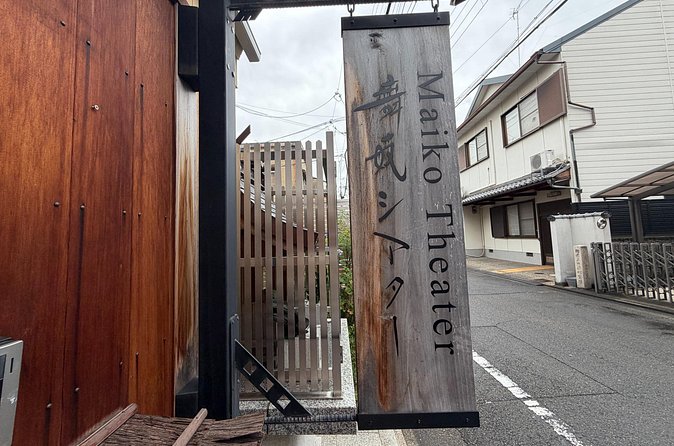
At $79.26 per person, this is not a cheap one-hour activity. You are paying for a specialized cultural presentation in central Kyoto, direct access to a maiko, live dance, tea, a snack, a game, a Q&A, and photos at the end.
The value depends on what you want. If your main goal is a long performance or a full evening of entertainment, the short duration may make the price feel high. If you want a dependable way to meet a maiko and learn about geisha culture without relying on luck, the cost is easier to justify.
The one-hour length is both a limit and an advantage. You do not lose half a day, and you can fit the show around other Kyoto plans. At the same time, there is only so much detail that can fit into 60 minutes, so think of this as an introduction rather than a complete cultural course.
Group discounts may improve the value if you are booking for several people. The standard details do not state the discount amount, so check the total before you pay. A mobile ticket also makes the booking simple to carry, and confirmation is provided when you book.
The activity has been booked more than 10 times in the past week and is rated 4.9 out of 5 from 59 ratings, with a 100 percent recommendation rate. Those figures suggest strong demand, but the useful question is still personal: do you value access and explanation more than a longer, cheaper show?
Who will enjoy this Gion experience?
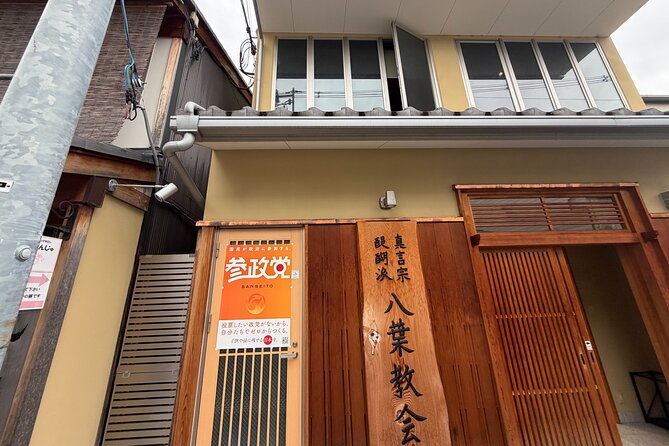
I would suggest this show to first-time visitors who want a clear introduction to Kyoto’s geisha culture. It suits anyone who has wondered what a maiko does but does not want to spend an afternoon guessing where or when one might appear.
It also works well for families and mixed-age groups because the program changes pace. Children may connect with the Japanese game, while adults can focus on the dance and Q&A. The supplied details state that most people can participate, though no specific accessibility features are provided.
Photography-minded visitors should appreciate the arranged photo time. Culture-focused visitors will likely value the chance to ask questions. Couples and small groups may like the personal setting and the fact that the activity does not consume an entire evening.
I would be more cautious if you want a large-scale stage production, a long meal, or a detailed academic lecture. The tea is light, the snack is small, and extra food and drinks are not included. You should also skip this if you are looking for an unplanned street encounter, since the performance takes place in a staged setting.
Planning your visit around the show
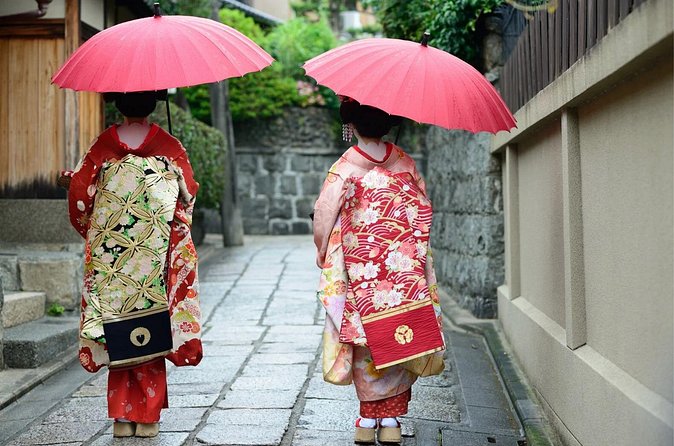
The 4:00 pm start gives you useful flexibility. You can visit Gion earlier in the day, but leave enough time to reach the address at 302-2 Daikokucho. The provided details do not specify a required arrival time, transport directions, or late-arrival rules, so confirm the meeting instructions after booking.
Because the activity returns to its starting point, it is easy to continue with dinner nearby or another evening plan. The experience lasts about one hour, but allow extra time for finding the address and settling in.
A mobile ticket is accepted, and booking confirmation arrives at the time of purchase. Group discounts are available, which may be worth checking if you are traveling with family or friends.
Cancellation is free if you cancel at least 24 hours before the local start time. A cancellation within 24 hours is not refunded, and changes made inside that period are not accepted. That policy is simple, but mark the deadline carefully if your Kyoto schedule is still changing.
How this compares with trying to spot a geisha
Walking through Gion can be atmospheric, but it is not a reliable way to see a maiko. You may see no one, or you may encounter a performer only briefly as she moves between appointments. Trying to photograph someone on the street can also create an uncomfortable situation.
This show gives you a set time, a prepared performance, and a clear chance to listen. You trade away spontaneity, but you gain access, explanation, and a more respectful setting for photographs.
That makes the activity a good choice for a short Kyoto visit. You do not need to build your day around luck. You also do not need to worry that your only glimpse of geisha culture will be a distant figure disappearing around a corner.
Should you book the One Hour Geisha Show?
Book it if you want a reliable, close-up introduction to maiko culture and value conversation as much as performance. The dances, Q&A, Japanese game, tea, snack, and end-of-show photos give the hour more substance than a simple stage display.
The price is easier to defend for first-time visitors, families, and anyone unlikely to return to Kyoto soon. The show also suits a packed schedule because it starts at 4:00 pm and ends at the same meeting point after about an hour.
Skip it if you want an unscripted encounter, a full meal, or a long theatrical program. The staged setting is part of the deal, and the experience is an introduction, not a complete picture of geisha life. For the right visitor, though, it is a respectful and practical way to see a rare Kyoto tradition without leaving the meeting to chance.
FAQ
Where does the One Hour Geisha Show take place?
The meeting point is 302-2 Daikokucho, Higashiyama Ward, Kyoto, 605-0832, Japan, in the Gion area.
What time does the show start?
The activity starts at 4:00 pm local time.
How long does the experience last?
The show lasts approximately one hour.
Is tea included?
Yes. Tea and a light snack are included.
Is additional food included?
No. Additional food and drinks are not included.
Will I see a real maiko?
Yes. The experience includes a live performance by a maiko, who is an apprentice geisha.
Is there time to ask questions?
Yes. A Q&A session is included after the performance.
Can I take photographs?
Yes. There is an opportunity to take photos at the end of the show.
Can I cancel for a full refund?
Yes, if you cancel at least 24 hours before the experience start time. Cancellations made less than 24 hours beforehand are not refunded.
More 1-Hour Experiences in Kyoto
- Ninja 1-hour Hands-on Lesson by Japanese master in Kyoto -Entry
★ 5.0 · 489 reviews - One Hour Geisha Show in Kyoto
★ 5.0 · 64 reviews - Kyoto: Hands-on Takoyaki and Okonomiyaki Cooking (1 Hour)
★ 4.7 · 25 reviews - Ring making experience Completed in about 1 hour!
★ 5.0 · 141 reviews
Just added around Kyoto
- Kyoto: Zen Meditation at a Private Temple with a Monk★ 5.0 · 25 reviews
- Kyoto: Gion Geisha District & Sake-in-Hand Walking Tour★ 5.0 · 37 reviews
- Private Pewter Sake Cup Experience with a Kyoto Artisan★ 5.0 · 31 reviews
- Your Private Vacation Photography Session In Kyoto★ 5.0 · 110 reviews
- Private Guided Traditional Buddhist Cooking in Japan★ 5.0 · 16 reviews
- Kyoto Wagashi(Japanese sweets) Cooking Class near Fushimiinari★ 5.0 · 60 reviews
- Traditional Japanese Music show & Experience Tour in Kyoto★ 5.0 · 57 reviews
- Kyoto:Family-Friendly Kimono & Yukata Experience at WARGO★ 5.0 · 147 reviews
Kyoto Tours, compared.


Fushimi Inari, Kinkakuji, Bamboo Grove 1 Day Bus Tour
Read our review →
Tea Ceremony in a Traditional Tea House in Kiyomizu
Read our review →
Kyoto Geisha Walking Tour: Gion District & Hidden Gems
Read our review →

Gion Magical Night Walking Tour with Geisha Trivia
Read our review →

Gion Geisha District Walking Tour – Stories of Geisha
Read our review →Browse the lists this tour appears in