
Reviewed · KYOTO TOURS
Kyoto Gion Cultural Walk & Geisha Show with Dining Options
Kyoto’s geisha world is easiest to understand after you have walked through the streets where it developed. This experience begins around the Izumo-no-Okuni statue and Minamiza Theater, then leads you through Gion before a 45-minute meeting and show with a maiko, an apprentice geisha. The guide translates, explains customs, and helps separate fact from tourist myth.
I like two things here. First, the small maximum of nine people gives the walk a personal feel, and guides such as Ken, Kenta, and Akari are praised for explaining difficult cultural details in clear terms. Second, the show is not just a dance performance: you can ask questions and gain a direct sense of the maiko’s training and daily world.
The main caution is the dining option. Some people found the meal delicious and generous, while one guest found the portions too small for the price. At $121.37 per person, the experience is best value for the cultural access and guide, not as a bargain dinner.
Key points to know before booking
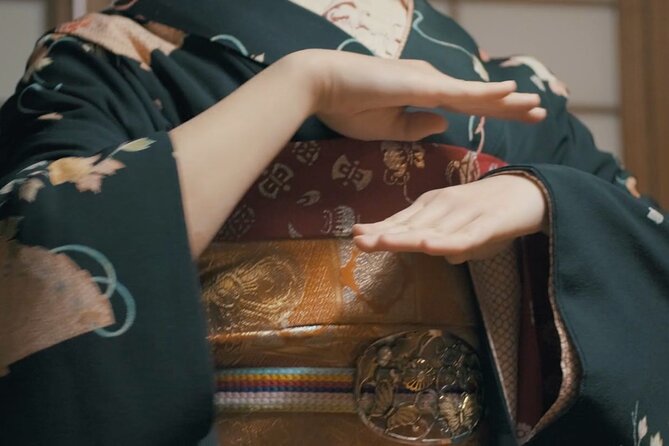
- Meet a maiko in a small group: The experience includes tea, conversation, questions, and one or two songs with an apprentice geisha.
- Walk the real Gion streets first: You visit Gion Shirakawa, Hanamikoji Street, Tatsumi-jinja Shrine, Kennin-ji, and Zenkyoan.
- Get context before the performance: The walk covers Kabuki, Shinto, Zen Buddhism, and the relationship between Kyoto’s theater and geiko culture.
- Expect a strong guide experience: Ken, Kenta, and Akari are frequently praised for warmth, translation, cultural detail, and care with solo participants.
- Plan for three hours on foot: The route includes several stops, uneven walking may be tiring, and the tour is not recommended if you have leg problems.
- Check the food option carefully: The meal can be a pleasant part of the night, but food quantity may not satisfy everyone at this price.
Why the walking introduction matters
A geisha show without context can become a pretty but shallow performance. This tour takes the better route: it gives you the streets, buildings, religions, and theater traditions first, then brings you to the maiko meeting.
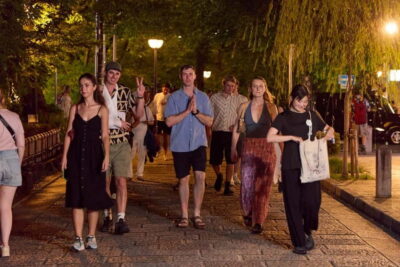
You’ll spend about 1.5 to 2 hours walking through Gion. The guide leads the way, which is useful because the district’s lanes can look similar, and some of its most meaningful places are easy to pass without noticing.
The tone is educational but not stiff. Guides explain that geiko is the Kyoto term commonly translated as geisha, while maiko refers to an apprentice. That distinction matters, since much popular imagery blends the two together.
The guides also work as interpreters during the final meeting. This is a major part of the experience. You are not left trying to ask questions across a language barrier, and the conversation can go beyond a staged greeting.
More geisha-district evenings:
- Kyoto Geisha Walking Tour: Gion District & Hidden Gems
★ 4.7 · 3,273 reviews - Kyoto: Gion Magical Night Walking Tour with Geisha Trivia
★ 4.9 · 2,393 reviews - Kyoto: Gion Geisha District Walking Tour – Stories of Geisha
★ 4.7 · 2,187 reviews
Starting with Izumo-no-Okuni and Kabuki
The first stop is the Statue of Izumo-no-Okuni, where the guide introduces the origins of Kabuki. The surprising point is that Kabuki began with women, even though the modern form is performed by men.
That opening gives you a useful correction to a familiar piece of Japanese theater history. It also sets up one of the tour’s main themes: traditions change over time, and the roles people see today are not always the roles that existed at the start.
You’ll spend about 15 minutes here. Admission is free, and the stop works well as a short orientation before the group moves toward the Minamiza Theater.
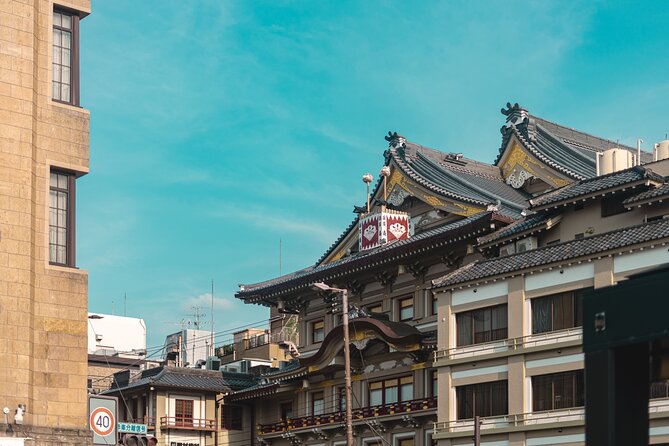
At Minamiza, you look at the architecture of Kyoto’s oldest Kabuki theater and hear about the unusual connection between Kabuki and modern virtual reality. This is a quick 10-minute stop, but it adds a visual anchor to the discussion.
The theater is not simply a photo stop. Its presence helps explain why this part of Kyoto has long drawn performers, patrons, restaurants, and the service culture connected with geiko and maiko.
Gion Shirakawa and the old theater district
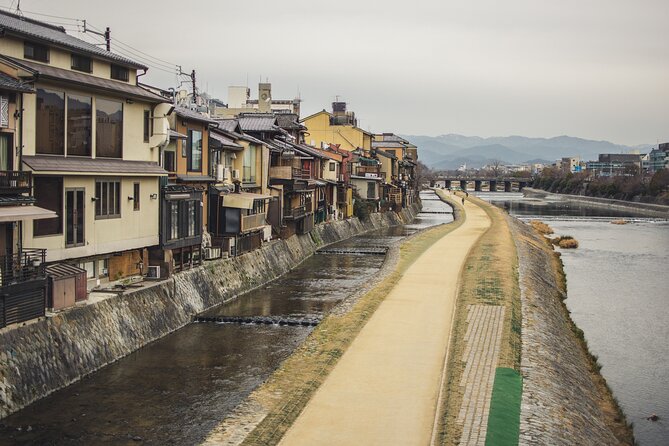
Gion Shirakawa is one of the most attractive sections of the walk. The route follows old-fashioned streets and traditional buildings beside the river, with theaters and former entertainment houses adding to the sense of place.
This is the point where the district can feel most removed from modern Kyoto. You’ll want to slow down, listen to the guide, and pay attention to the architecture rather than treating the walk as a hunt for a costumed person.
The guide explains how the geiko world works and corrects common misunderstandings. That is important here, since Gion is both a living neighborhood and a heavily photographed tourist area.
You should also keep your expectations realistic. A geiko or maiko sighting on the street is not guaranteed. The reliable cultural meeting comes later, at the indoor show.
Tatsumi-jinja Shrine and two sides of Kyoto
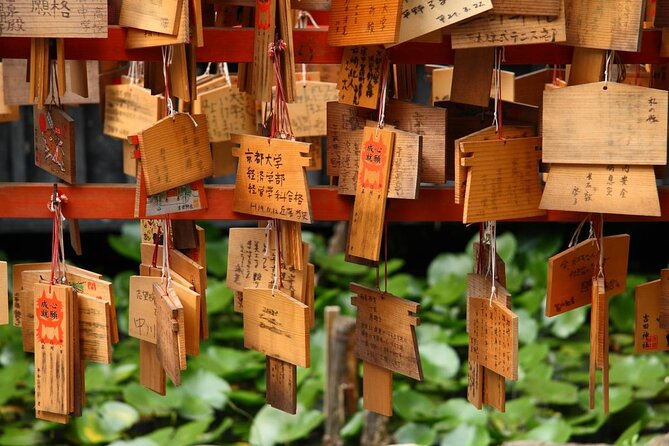
At Tatsumi-jinja, also called Tatsumi Dai-myojin, the subject changes from theater to Shinto. The guide explains Japan’s native religion and the idea that there are eight million gods.
This short stop helps you see how several traditions sit close together in Kyoto. A shrine, a Buddhist temple, a theater, and a geiko district may all be part of the same walk, but they do not represent the same beliefs or customs.
I like this part because it keeps the tour from becoming a narrow portrait of geisha culture. You are learning about the setting that shaped Gion, not just watching a performance detached from its surroundings.
The shrine stop lasts about 15 minutes and is free. As with the other outdoor locations, the experience depends partly on the guide’s explanation. There is no major admission attraction here, so the value is in the interpretation.
More dinners out in Kyoto:
- Kyoto Gion Cultural Walk & Geisha Show with Dining Options
★ 5.0 · 518 reviews - Dinner with Maiko in a Traditional Kyoto Style Restaurant Tour
★ 5.0 · 175 reviews - Kyoto: Geisha Dinner & Gion Cultural Walk
★ 5.0 · 73 reviews - Private Dinner with a Geisha
★ 5.0 · 65 reviews
Hanamikoji Street and the etiquette of looking
Hanamikoji Street is Gion’s main road and another place where you might see geiko or maiko moving between appointments. The guide can explain the district’s working life and the difference between respectful observation and intrusive behavior.
That guidance has real practical value. Gion is not a theme park. People in kimono may be working, commuting, or going to a private appointment. You should avoid blocking the street, chasing anyone, or treating a person as a free photo opportunity.
The stop lasts around 10 minutes. If you happen to see a maiko, consider it a bonus rather than the purpose of the walk. The scheduled meeting later gives you a much better chance to learn directly and ask questions in an appropriate setting.
Kennin-ji and the Zen connection
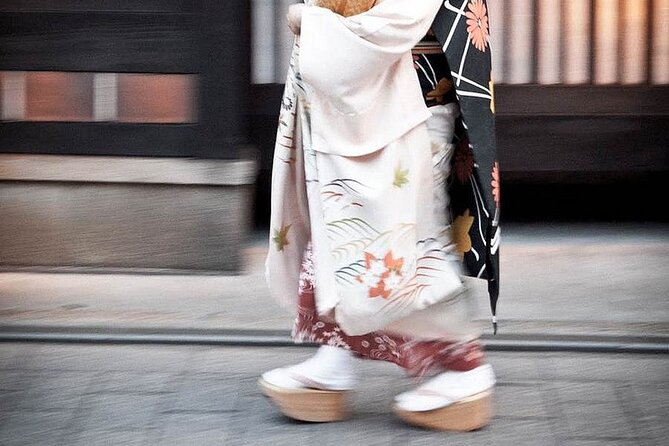
Kennin-ji, founded in 1202, brings Zen Buddhism into the tour. Admission is not included, so the walk may discuss the temple without providing a full temple visit, depending on the route and access that day.
The value here is conceptual. The guide explains what Zen Buddhism is and how it fits into Kyoto’s religious world. You’ll have more context for the temples and shrines you see elsewhere in the city.
Do not expect a long temple touring session from this stop. The listed timing is about 15 minutes, and the whole walking portion must fit within a larger three-hour experience. Think of Kennin-ji as a focused cultural explanation, not a replacement for a separate temple visit.
Zenkyoan and its unusual boar guardians
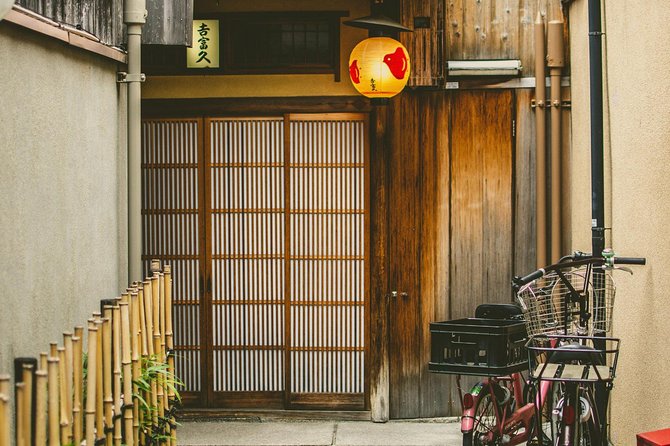
The final listed stop is Zenkyoan, also called Marishitendo, a Kennin-ji subtemple in Gion. It is known for boar guardians and associations with luck and safety.
This is a more unusual detail than the standard Kyoto temple circuit. If you have already seen major temples such as Kiyomizu-dera or Fushimi Inari, a smaller subtemple with distinctive guardians can offer a welcome change of pace.
Like Kennin-ji, admission is not included. The stop lasts about 15 minutes, and the guide’s explanation is the main reason to include it. You are collecting pieces of Kyoto’s religious and cultural life before moving to the evening’s main event.
The 45-minute maiko meeting and show
The walking tour leads to a 45-minute meeting with an apprentice geisha. The maiko performs a dance and one or two songs, and you have time to ask questions.
This is the strongest part of the experience for many people, and I understand why. You are not merely watching from a distant stage. You can hear about the maiko’s world through a guided conversation, with translation provided when needed.
The format also gives the performance meaning. After learning about the districts, traditions, and training, you can notice the costume, movements, music, and manners with a better understanding of what you are seeing.
Several guides are praised for making this portion work smoothly. Ken and Kenta are described as respectful and thoughtful interpreters, while Akari is noted for answering questions, helping with photographs, and making solo participants feel included.
You should remember that this is a short cultural encounter, not an unlimited private conversation. The stated program includes a dance and one or two songs, so the amount of question time can depend on the group.
Tea is part of the meeting. Dining may also be included, depending on the option you book. Some people found the food delicious, high quality, and suitable for dietary restrictions. One person found the meal too small and felt hungry afterward, so I would not book this chiefly for dinner.
What the guides add to the evening
The guide may be Ken, Kenta, or Akari. The strongest feature across the experience is not a particular scripted speech. It is the guide’s ability to explain a complex subject without turning the maiko into a curiosity.
Ken is praised for clear explanations of Gion and geiko culture, as well as for translating during the meeting. Kenta is noted for linking Kabuki and geiko traditions and for taking time with questions.
Akari brings a warm, attentive style. She has helped with photographs, translated during the meal, and made an effort to include solo participants. On one hot or stormy outing, the guide team provided cold cloths, icy drinks, umbrellas, and rain ponchos. Those practical touches matter during a walking tour.
The guides also help you see the difference between a performance made for visitors and a respectful introduction to a living art. That distinction is central to the tour’s value.
Price, meal options, and overall value
At $121.37 per person, this is not a cheap evening activity. You are paying for a three-hour program, a small group capped at nine, a guided walk, translation, cultural explanation, and access to a maiko meeting that would be difficult to arrange on your own.
The price makes more sense if you value personal interpretation and the chance to ask questions. It makes less sense if you want a simple stage show or a large dinner.
The food option deserves careful thought. Some people describe the meal as excellent, family-style, and considerate of dietary restrictions. Others found the amount disappointing for the cost. Since the food details are not fully specified, I would treat dining as an extra feature rather than the main reason to choose this experience.
Tips for the maiko are not included. Keep that additional cost in mind, and follow the guide’s instructions about the proper way to offer it.
Timing, walking, and who should book
The activity lasts about three hours and begins at the Statue of Izumo-no-Okuni in Kawabatacho, Higashiyama Ward. It ends at a different location, so check the end point before making evening plans.
The meeting point is near public transportation, and confirmation arrives when you book. The walking route includes several stops, so comfortable shoes are sensible. The experience is not recommended if you have leg problems.
Weather matters because much of the first portion is outdoors. If poor weather cancels the activity, you can choose another date or receive a full refund. You also receive a full refund if you cancel at least 24 hours before the start time. Cancellations or changes made later are not accepted under the stated policy.
I would recommend this for first-time Kyoto visitors who want cultural explanation along with sightseeing. It also suits repeat visitors who have already seen the major temples and want a more focused evening in Gion.
Solo visitors can book it comfortably, especially with a guide such as Akari who makes a point of including everyone. Families with older children may also enjoy it, provided they can manage the walking and understand that this is a cultural program, not a fast-moving attraction.
Should you book the Gion cultural walk?
Book it if you want to understand geiko and maiko culture, not simply photograph it. The walk gives you useful background, the group is small, and the final meeting offers a rare chance to ask questions through an interpreter.
I would skip it if your main goal is a large, filling dinner or a guaranteed street sighting. For the best value, choose it for the guide, the access, and the cultural setting. The show is the centerpiece, but the walk is what makes the evening make sense.
FAQ
How long does the Kyoto Gion cultural walk and geisha show last?
The experience lasts approximately three hours. The walking portion takes about 1.5 to 2 hours, followed by a 45-minute maiko meeting and show.
What is included in the experience?
The experience includes guided sightseeing in Gion and a 45-minute meeting and show with an apprentice geisha. The maiko performs a dance and one or two songs, and you can ask questions.
Is dinner included?
Dining options are available, but the supplied details do not specify that every booking includes the same meal. Check the option you select. Food has been described as high quality by some participants, while another person found the portion too small for the price.
Where does the tour begin?
The meeting point is at the Statue of Izumo-no-Okuni in Kawabatacho, Higashiyama Ward, Kyoto. The activity ends at a different location.
How many people can join the group?
The maximum group size is nine people. This keeps the walking group small and allows more room for questions during the maiko meeting.
Can I cancel for a refund?
You can cancel at least 24 hours before the experience starts for a full refund. Later cancellations and changes are not accepted. If poor weather or an insufficient minimum group causes cancellation, you are offered another date or a full refund.
More Walking Tours in Kyoto
- Night Walk in Gion: Kyoto’s Geisha District
★ 4.5 · 2,003 reviews - Kyoto Gion Geisha District Walking Tour – The Stories of Geisha
★ 5.0 · 1,441 reviews - Nishiki Market Brunch Walking Tour (7 Tastings + Brunch)
★ 5.0 · 1,355 reviews - Kyoto Arashiyama Walking Tour: Bamboo, Monkeys, Gardens & Secrets
★ 5.0 · 1,216 reviews
More Places to Eat in Kyoto
- Kyoto Evening Gion Food Tour Including Kaiseki Dinner
★ 5.0 · 62 reviews - Kyoto: Maiko Dinner in Traditional Restaurant and Tour
★ 4.8 · 55 reviews - Kyoto: Lunch or Dinner with Maiko
★ 4.2 · 52 reviews - Private Dinner with Maiko and Geiko in Kyoto
★ 5.0 · 28 reviews
Just added around Kyoto
- Kyoto: Zen Meditation at a Private Temple with a Monk★ 5.0 · 25 reviews
- Kyoto: Gion Geisha District & Sake-in-Hand Walking Tour★ 5.0 · 37 reviews
- Private Pewter Sake Cup Experience with a Kyoto Artisan★ 5.0 · 31 reviews
- Your Private Vacation Photography Session In Kyoto★ 5.0 · 110 reviews
- Private Guided Traditional Buddhist Cooking in Japan★ 5.0 · 16 reviews
- Kyoto Wagashi(Japanese sweets) Cooking Class near Fushimiinari★ 5.0 · 60 reviews
- Traditional Japanese Music show & Experience Tour in Kyoto★ 5.0 · 57 reviews
- Kyoto:Family-Friendly Kimono & Yukata Experience at WARGO★ 5.0 · 147 reviews
Kyoto Tours, compared.
Fushimi Inari, Kinkakuji, Bamboo Grove 1 Day Bus Tour
Read our review →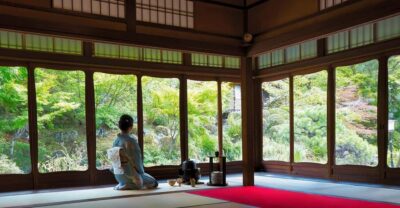
Tea Ceremony in a Traditional Tea House in Kiyomizu
Read our review →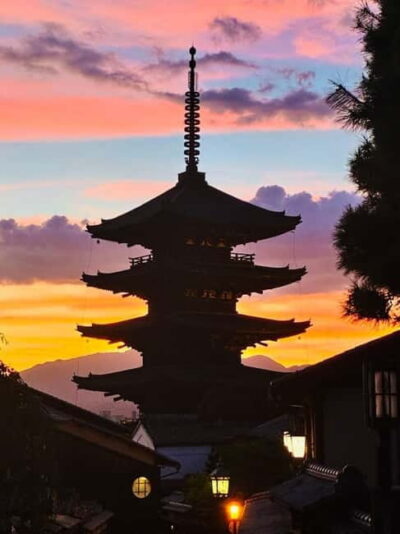
Kyoto Geisha Walking Tour: Gion District & Hidden Gems
Read our review →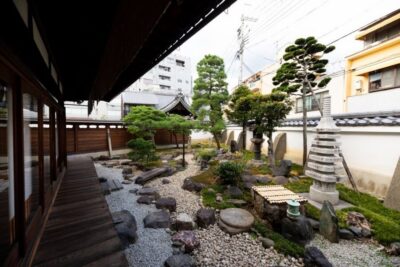
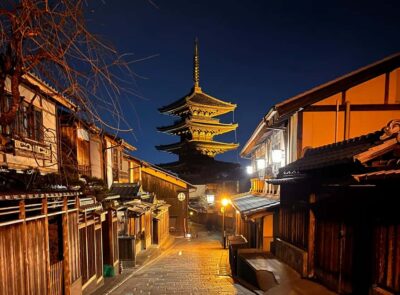
Gion Magical Night Walking Tour with Geisha Trivia
Read our review →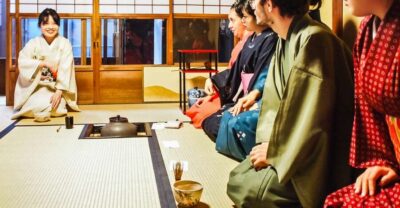
Gion Geisha District Walking Tour – Stories of Geisha
Read our review →Browse the lists this tour appears in