
Reviewed · KYOTO TOURS
Kyoto Gion Cultural Walk & Geisha Show with Dining Options
Kyoto’s geisha districts are easier to admire once you understand what you’re seeing. This small-group tour begins at the Izumo-no-Okuni statue, leads you through Gion’s traditional streets, and ends with a maiko performance and a chance to ask direct questions. The best part is the respectful cultural context, not just the pretty kimono and makeup.
I especially like the eight-person group, which keeps the walk personal, and the clear teaching from guides such as Kenta, Ken, and Akari. I also like that you can choose lunch, afternoon tea, or dinner. The main consideration is that the meal portions may feel light, and the walking route is not suited to people with mobility impairments.
Key points to know before booking
- A rare question-and-answer session: You spend about 50 minutes meeting a maiko, watching her perform one or two songs or dances, and asking about her work and training.
- A choice of three time slots: Pick Japanese lunch at 10:30 a.m., tea at 2:30 p.m., or dinner at 6:30 p.m.
- Gion with useful context: The walk explains geiko and maiko customs, training, schools, shrines, temples, and the present-day entertainment districts.
- A genuinely small group: The tour is limited to eight people, making it easier to hear the guide and ask questions.
- Respect is part of the lesson: Guides explain how to behave around geiko and maiko, helping you avoid the rude sightseeing habits that have troubled Gion.
- Plan light: Large bags and luggage are not allowed, and you should expect a moderate amount of walking.
Why this Gion tour feels different
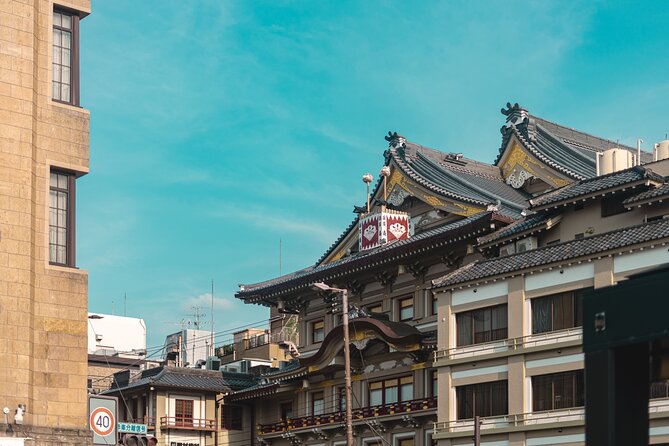
Many people arrive in Gion hoping to spot a geisha and leave with little more than a blurry photograph. That approach misses the point. Gion is a working cultural district, not a stage set, and the value of this experience is learning how its traditions fit into modern Kyoto.
Your guide explains the difference between the terms. Geiko is the local Kyoto word for a fully trained geisha, while maiko is an apprentice geiko. You also learn about the long training process, the arts they study, and the customs that shape their public and private lives.
That background changes the way you look at the district. A quiet lane, a traditional building, or a young woman in formal dress becomes part of a living system rather than a photo opportunity.
The guides are a major part of the experience. Kenta and Ken are praised for clear English, humor, and a strong sense of responsibility toward Kyoto’s geiko community. Akari is noted for her warm, interactive style and her ability to answer detailed questions. The teaching also works to correct common film and pop-culture myths, which is important because the word geisha is often misunderstood outside Japan.
The tour is limited to eight participants. That matters here. You are walking through narrow historic streets, then sitting close to a performer for a question session. A huge group would make both parts less personal.
More geisha-district evenings:
- Kyoto Geisha Walking Tour: Gion District & Hidden Gems
★ 4.7 · 3,273 reviews - Kyoto: Gion Magical Night Walking Tour with Geisha Trivia
★ 4.9 · 2,393 reviews - Kyoto: Gion Geisha District Walking Tour – Stories of Geisha
★ 4.7 · 2,187 reviews
Meeting at the Izumo-no-Okuni statue
The starting point is the statue of Izumo-no-Okuni, near exit 4 of Keihan Gion-Shijo Station. This is a practical meeting place because it sits near the main Gion area and is easy to connect with by train.
Arrive ready to walk. Large bags and luggage are not permitted, so leave your suitcase at your hotel or at a suitable storage point before coming. The activity is also listed as unsuitable for people with mobility impairments. Even though the pace is described as moderate, the route takes place on city streets and includes several hours of standing and walking.
The exact starting time depends on your selected option. The available choices are:
- Lunch with the maiko, beginning at 10:30 a.m.
- Tea break with the maiko, beginning at 2:30 p.m.
- Dinner with the maiko, beginning at 6:30 p.m.
The schedule is described as three hours, while the stated duration is 210 minutes. In practical terms, set aside about three to three and a half hours, especially if you are arranging a train, restaurant booking, or evening plans afterward.
Walking through Gion for 90 minutes
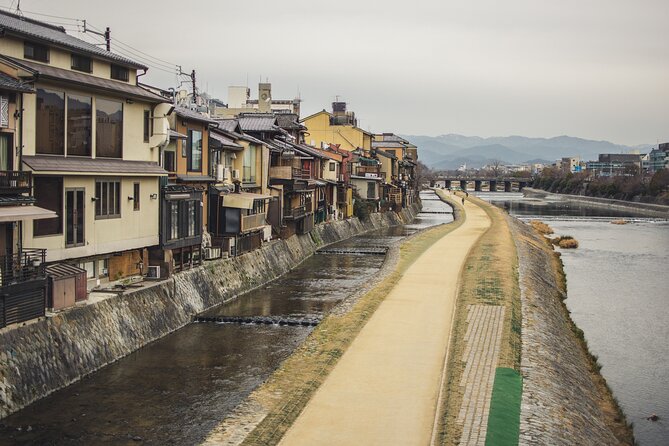
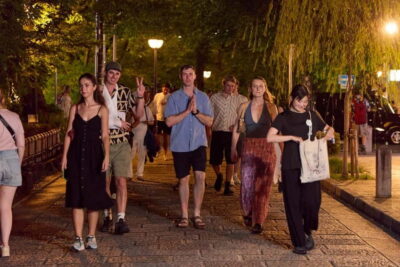
The first half takes you through Gion, Kyoto’s best-known geiko district. Rather than simply pointing out old wooden facades, the guide explains how the entertainment quarter developed and how it functions today.
You learn about the lifestyle, rituals, work, and training associated with geiko and maiko. The route may include important local landmarks such as a shrine, temples, traditional streets, and the school where geiko and maiko study. The walk also connects Gion with the Miyagawa-cho area, another of Kyoto’s traditional entertainment districts.
This part is strongest when you listen for the small distinctions. The guide can explain what you are likely to see, how the districts are organized, and why respectful behavior matters. You are not being promised a chance encounter with a geiko on the street, and that is a good thing. The tour does not depend on chasing or photographing women who are simply trying to get to work.
The guides also help with photographs of the group. That is a useful touch, especially for couples or families who want a picture together without asking strangers. Still, keep your camera away from anyone who has not agreed to be photographed, and follow the guide’s instructions around working performers.
Daylight and evening each have advantages. The lunch and tea departures let you see the streets, signs, and architecture clearly. The dinner departure gives you the atmospheric pleasure of Gion after dark. For a first visit, I would choose daylight if your priority is learning about the district itself. Choose dinner if you care more about mood and a night-time walk.
The walking section lasts about 1.5 hours, though the included description allows 1.5 to 2 hours. Wear comfortable shoes and plan for a steady outing rather than a quick photo stop.
Meeting a maiko at Miyagawasuji
The second half takes place in the Miyagawasuji area, where you meet a maiko for a performance and conversation. This is the moment most people book the tour for, but it works because the walking tour has given you the right frame of reference first.
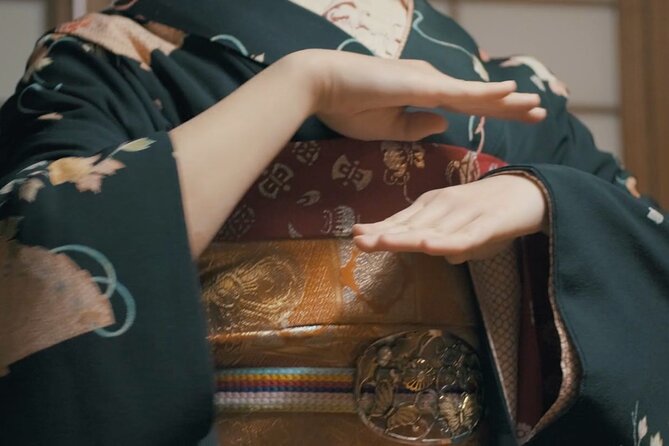
The maiko performs a traditional dance and one or two songs. The choreography is controlled and graceful, with every movement shaped by years of training. You also get to see the details up close: the kimono, hairstyle, makeup, and formal presentation.
After the performance, you have time for questions. This is not a stage speech delivered from a distance. The session is designed for conversation, so you can ask about her routine, training, reasons for entering the profession, and daily life, within the limits of what she wishes to share.
A group game may also be part of the meeting. That adds a lighter note and helps break the stiffness that can come from sitting silently in front of a performer. The maiko is described as patient, polite, interactive, and good-humored, but remember that she is working. Thoughtful questions are better than invasive ones.
Photographs are permitted during the experience, but you should follow the instructions given on the day. The setting may have specific rules about sharing images online. I would treat the photo opportunity as a privilege, ask before taking close-up pictures, and never assume that a beautiful image belongs on social media.
The formal meeting lasts about 50 minutes. That is long enough to see the performance, ask several questions, and appreciate the artistry without turning the encounter into an all-day event.
More dinners out in Kyoto:
- Kyoto Gion Cultural Walk & Geisha Show with Dining Options
★ 5.0 · 483 reviews - Dinner with Maiko in a Traditional Kyoto Style Restaurant Tour
★ 5.0 · 175 reviews - Kyoto: Geisha Dinner & Gion Cultural Walk
★ 5.0 · 73 reviews - Private Dinner with a Geisha
★ 5.0 · 65 reviews
Choosing lunch, tea, or dinner
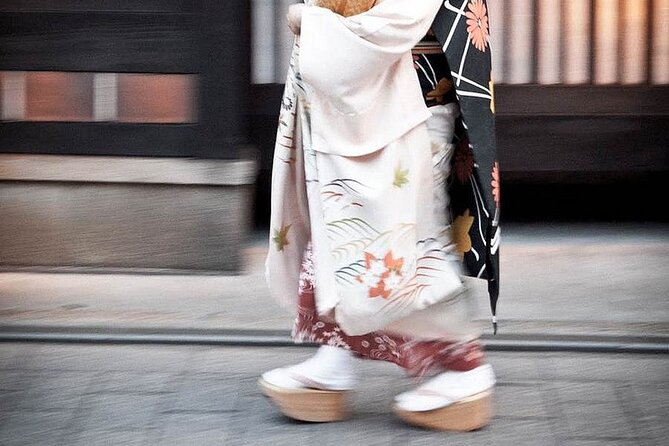
Your meal choice changes the feel of the tour more than you might expect.
The lunch option includes a Japanese lunch plate and begins at 10:30 a.m. This is a good fit if you want to keep your evening free for a temple visit, a restaurant, or a walk along the Kamo River. It also gives you daylight for the Gion portion, which makes it easier to see the architecture and understand the district’s layout.
The tea option begins at 2:30 p.m. and includes a cup of tea. This is the shortest and lightest refreshment choice, making it suitable if you already have restaurant plans or do not want a full meal. Tea also suits the mood of the maiko meeting, though you should not expect it to replace lunch or dinner.
The dinner option begins at 6:30 p.m. and includes eight shared dishes at a local restaurant. The meal is described as kaiseki-style by one participant, with small, carefully arranged courses. Expect variety and presentation rather than large plates. If you have a big appetite, consider eating a little beforehand or planning a late snack.
The food receives strong praise overall, but one useful note is that the meal may not feel filling to everyone. Eight dishes can sound substantial, yet Japanese sharing plates often arrive in modest portions. The strength here is the chance to eat local food in the same setting as the cultural program, not simply to purchase a large dinner.
Drinks are available with the meal, and tea is included in the afternoon choice. Food preferences and allergies are not explained in the supplied details, so check directly before booking if you need special arrangements.
What makes the guides worth having
A walk through Gion can be done independently, but the meaning is easy to miss. The guides add value by explaining what is visible and what is not.
Kenta is repeatedly described as warm, considerate, and passionate about Kyoto’s culture. He is also noted for speaking clear English and for adjusting his pace to the group. Ken brings similar strengths, with an easy conversational manner and strong explanations of the difference between geiko, maiko, and geisha.
Akari’s style is especially interactive. She handles questions well and has helped people with wider Kyoto suggestions. On hot days, she has provided cold drinks, a small but welcome act of care during a sunny walking route.
This matters because the subject can easily become theatrical or superficial. The guide’s job is not only to tell you where geiko work. It is to explain how the profession is viewed locally, how apprentices train, and why public manners affect the people who live and work in Gion.
Is $108 a fair price?
At $108 per person, this is not a cheap walking tour. You are paying for a small group, an English-speaking guide, a 1.5 to 2-hour district walk, a private-style 50-minute meeting with a maiko, a live performance, and your chosen meal or tea.
The value is strongest if you want access and explanation that would be difficult to arrange alone. A self-guided walk costs little, but it will not normally include a structured question session with a maiko or a performance arranged for a group of eight or fewer.
The dinner option offers the most included food, with eight shared dishes. Lunch is likely the most practical choice for a full cultural outing without using your evening. Tea is the lowest-commitment choice if your priority is the performance and conversation rather than dining.
I would consider the price fair for someone who places a high value on cultural access and a well-run small group. It is less compelling if you mainly want a quick street walk, a large dinner, or a performance without background information.
Free cancellation is available up to 24 hours before the activity, and you can reserve now and pay later. Those terms make it easier to fit the experience into a changing Kyoto schedule.
Who should book this experience?
You should consider it if you are curious about Japanese performing arts, want help understanding geiko and maiko traditions, or prefer a guide who can answer questions in English. It also suits first-time visitors who want to see Gion without treating the district as a sightseeing backdrop.
Families with older children may enjoy it because the performance is visual, the question period is direct, and the cultural material gives context to the rest of a Kyoto visit. It is also a strong choice for couples looking for an evening activity with more substance than a restaurant meal alone.
You may want to skip it if you dislike walking, cannot manage narrow city streets and extended standing, or expect a large dinner. It is also not the right choice if your main aim is to photograph geiko in public. This experience is built around learning and respectful conversation, not street spotting.
My verdict on the Gion geiko experience
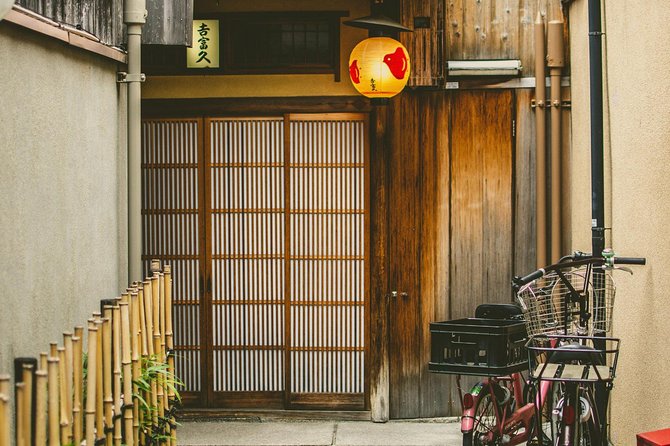
I would book this tour for the combination of a guided Gion walk and a real meeting with a maiko. The performance is memorable, but the best payoff is understanding the person behind the costume and the demanding training behind the art.
Choose lunch for daylight and an open evening, tea for a lighter cultural stop, or dinner for the most atmospheric outing. At $108, it asks more than a basic sightseeing walk, but the small group, strong English-speaking guides, live performance, question session, and included food make it a worthwhile purchase for the right visitor.
FAQ
Where does the tour meet?
Meet in front of the statue of Izumo-no-Okuni near exit 4 of Keihan Gion Shijo Station.
How long does the experience last?
The activity is advertised as three hours, with the stated duration listed as 210 minutes. Allow up to three and a half hours.
What language is the tour conducted in?
The live tour guide service is in English.
How large is the group?
The tour is limited to eight participants.
What meal choices are available?
You can choose Japanese lunch, an afternoon tea break, or dinner with eight shared food dishes.
What is included with the lunch option?
The lunch option includes a Japanese lunch plate and begins at 10:30 a.m.
What is included with the tea option?
The tea option includes one cup of tea and begins at 2:30 p.m.
What is included with the dinner option?
The dinner option includes eight shared dishes and begins at 6:30 p.m.
Can I cancel the booking?
You can cancel up to 24 hours in advance for a full refund. Reserve now and pay later is also available.
More Walking Tours in Kyoto
- Night Walk in Gion: Kyoto’s Geisha District
★ 4.5 · 2,003 reviews - Kyoto Gion Geisha District Walking Tour – The Stories of Geisha
★ 5.0 · 1,441 reviews - Nishiki Market Brunch Walking Tour (7 Tastings + Brunch)
★ 5.0 · 1,355 reviews - Kyoto Arashiyama Walking Tour: Bamboo, Monkeys, Gardens & Secrets
★ 5.0 · 1,216 reviews
More Places to Eat in Kyoto
- Kyoto Evening Gion Food Tour Including Kaiseki Dinner
★ 5.0 · 62 reviews - Kyoto: Maiko Dinner in Traditional Restaurant and Tour
★ 4.8 · 55 reviews - Kyoto: Lunch or Dinner with Maiko
★ 4.2 · 52 reviews - Private Dinner with Maiko and Geiko in Kyoto
★ 5.0 · 28 reviews
Just added around Kyoto
- Kyoto: Zen Meditation at a Private Temple with a Monk★ 5.0 · 25 reviews
- Kyoto: Gion Geisha District & Sake-in-Hand Walking Tour★ 5.0 · 37 reviews
- Private Pewter Sake Cup Experience with a Kyoto Artisan★ 5.0 · 31 reviews
- Your Private Vacation Photography Session In Kyoto★ 5.0 · 110 reviews
- Private Guided Traditional Buddhist Cooking in Japan★ 5.0 · 16 reviews
- Kyoto Wagashi(Japanese sweets) Cooking Class near Fushimiinari★ 5.0 · 60 reviews
- Traditional Japanese Music show & Experience Tour in Kyoto★ 5.0 · 57 reviews
- Kyoto:Family-Friendly Kimono & Yukata Experience at WARGO★ 5.0 · 147 reviews
Kyoto Tours, compared.
Fushimi Inari, Kinkakuji, Bamboo Grove 1 Day Bus Tour
Read our review →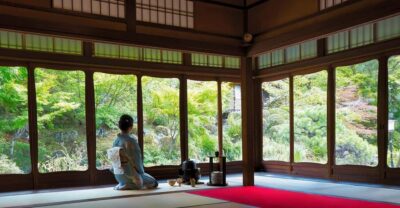
Tea Ceremony in a Traditional Tea House in Kiyomizu
Read our review →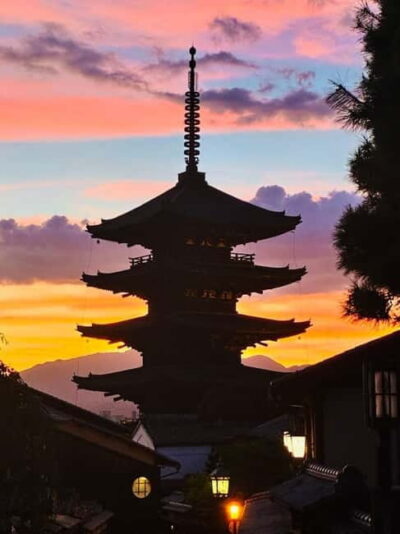
Kyoto Geisha Walking Tour: Gion District & Hidden Gems
Read our review →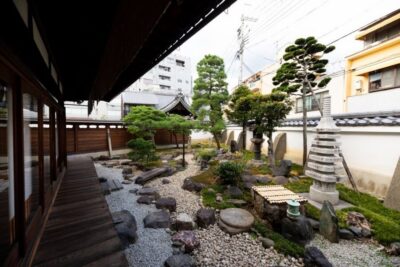
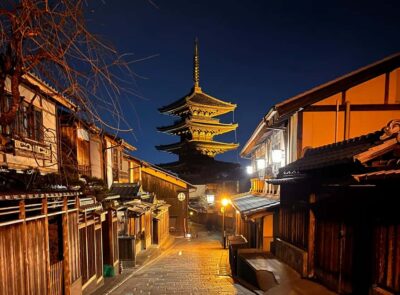
Gion Magical Night Walking Tour with Geisha Trivia
Read our review →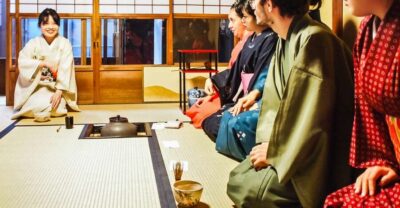
Gion Geisha District Walking Tour – Stories of Geisha
Read our review →Browse the lists this tour appears in