
Reviewed · KYOTO TOURS
Kyoto : Chopsticks Making Workshop in Gion with Engraving Option
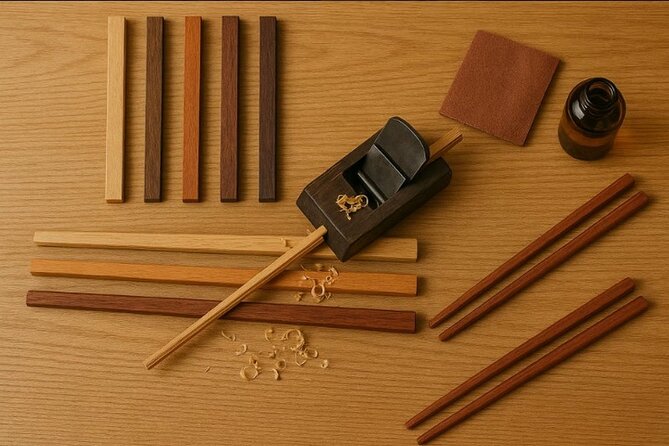
Making chopsticks from a plain wooden blank is the heart of this hands-on Gion workshop. You choose your wood, use a traditional kanna hand plane to shape it, smooth the edges with sandpaper, and finish the pair with natural oil. It is simple work, but it gives you a real feel for Japanese craft rather than just another souvenir from a shop shelf.
I especially like two things here: you make a useful object, not a decorative trinket, and the optional engraving turns it into a personal reminder of Kyoto. The patient English-speaking staff also make the process friendly for first-timers. The main caution is that the workshop can feel brisk and organized for groups, and wood choices may not always match your first preference.
Key points at a glance
- Traditional kanna hand plane: Shape each chopstick by drawing a Japanese hand plane across the raw wood.
- Two wood types included: Choose from the available standard woods, with premium options at an added cost.
- A real finishing process: Sand the surface and edges, then apply natural oil for a smooth, protected finish.
- Optional name engraving: Add your name in Japanese or your own language for a more personal keepsake.
- One-hour format: The compact session fits neatly into a day of sightseeing around Gion.
- Small souvenir, useful memory: You leave with chopsticks you helped make, rather than a mass-produced trinket.
Shaping Raw Wood in the Heart of Gion
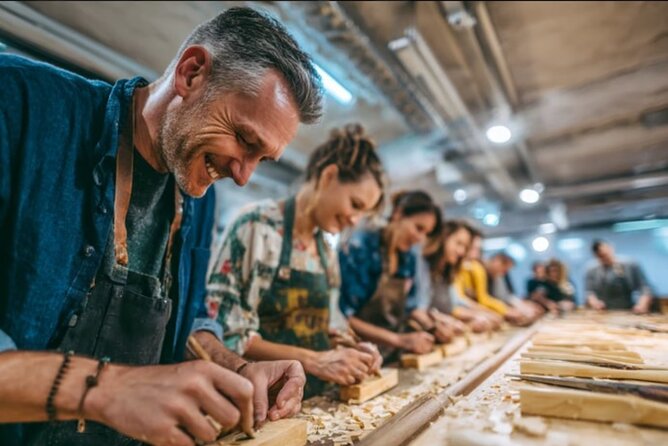
The workshop begins at ZEN Chopsticks Making Workshop on Yasaka Koji South, at machi-71-13 Tamamizu in Kyoto’s Higashiyama Ward. That puts you in Gion, a useful setting for an activity that connects neatly with the area’s traditional streets, craft shops, and old-style architecture.
You start with simple wooden blanks. At this stage, they are not yet elegant chopsticks. Your job is to gradually turn them into a pair with the right length, shape, and feel.
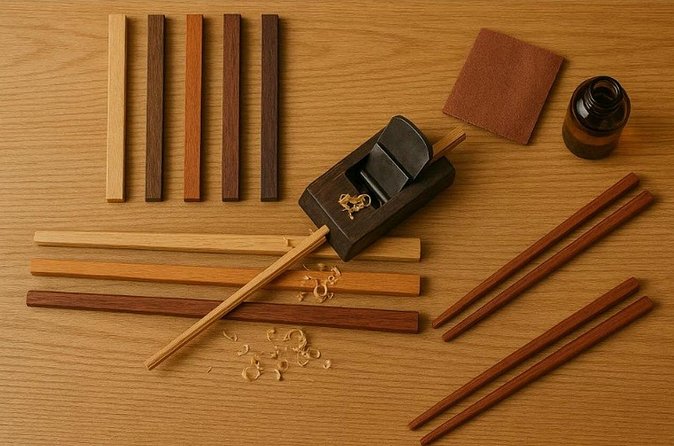
The main tool is a kanna, a Japanese hand plane. Rather than using powered equipment, you work the wood by hand and pay attention to the grain. The motion is controlled and steady. You will feel the tool catch slightly, then glide more cleanly as the shape improves.
That is the most interesting part of the experience. You are not only being shown a finished craft. You are taking part in the repeated, careful steps that give the object its form.
More geisha-district evenings:
- Kyoto Geisha Walking Tour: Gion District & Hidden Gems
★ 4.7 · 3,273 reviews - Kyoto: Gion Magical Night Walking Tour with Geisha Trivia
★ 4.9 · 2,393 reviews - Kyoto: Gion Geisha District Walking Tour – Stories of Geisha
★ 4.7 · 2,187 reviews
Choosing Between Japanese Woods
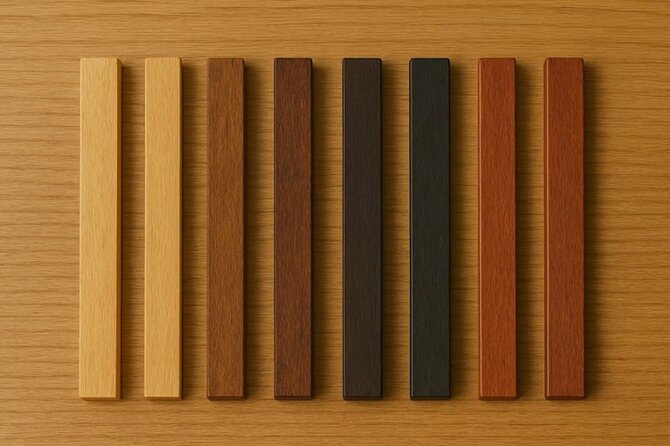
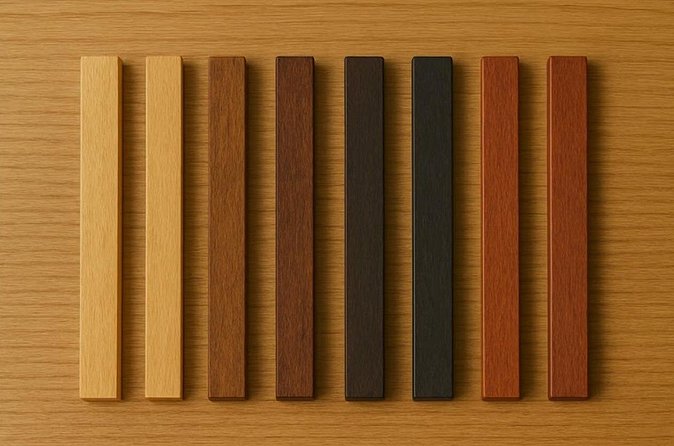
Before shaping begins, you select your wood. The available types differ in natural color, texture, grain, and aroma. You might prefer a light tone, a darker finish, or something in between.
Two standard wood types are included in the base price. Premium woods are available as an optional upgrade, giving you a chance to spend more if the material itself matters to you.
I would keep your expectations practical here. The exact selection may vary on the day. One person found that only one of the advertised two standard choices was available, which can be disappointing if you have already pictured a particular color or grain.
Still, the choice adds meaning to the process. A pair made from wood you selected feels more personal than an item chosen from a display case. Look closely at the grain before you begin, since that natural pattern will remain visible after sanding and oiling.
Learning the Kanna Without Woodworking Experience
You do not need woodworking experience. The English-speaking staff explain each stage and help you use the tools safely and correctly.
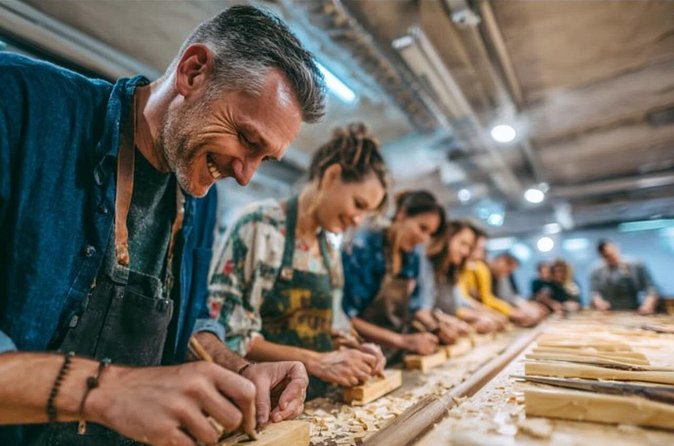
The first lesson is about placing the chopsticks on the stand and guiding the hand plane across them. You will learn how much pressure to use and how to work with the wood rather than force the tool through it.
This is beginner-friendly craft, but it is still active work. Your hands do the shaping, and small adjustments matter. You are not simply watching a demonstration while someone else makes the finished object.
The instruction is especially useful because a hand plane does not behave like an ordinary kitchen tool. The wood grain affects the cut, and the goal is to remove thin layers without spoiling the surface. Patient guidance keeps the task manageable.
The experience has a maximum group size of 32 people. That is large enough that the room may have an organized, workshop-floor feel rather than the intimacy of a private lesson. If you want a quiet, personal craft session, the group size is worth considering. If you enjoy a social activity and clear step-by-step instruction, it should work well.
Sanding Brings Out the Shape
Once the rough shaping is complete, you use sandpaper to smooth the chopsticks. This stage removes rough patches and softens the edges so the pair feels comfortable in your hands.
Sanding may sound less exciting than using the kanna, but it is where the work begins to look finished. It gives you control over the final feel. You can check the surface with your fingers and keep working until it is smooth.
This also helps first-timers understand how much craft lies in the finishing stage. The basic form can be made fairly quickly, but a pleasant pair of chopsticks depends on careful edges and an even surface.
The staff remain available throughout the process. You can ask for help if one chopstick needs more smoothing or if you are unsure how much material to remove.
More hands-on workshops in Kyoto:
- Kyoto: 45-Minute Tea Ceremony Lesson Experience
★ 4.3 · 2,378 reviews - Ramen Cooking Class at Ramen Factory in Kyoto
★ 5.0 · 1,937 reviews - Kyoto: Samurai Sword Class by Experts in Traditional Arts
★ 4.9 · 657 reviews - Kyoto: Ramen Cooking Class at a Ramen Factory with Souvenir
★ 4.9 · 532 reviews
Natural Oil Gives the Pair a Finished Look
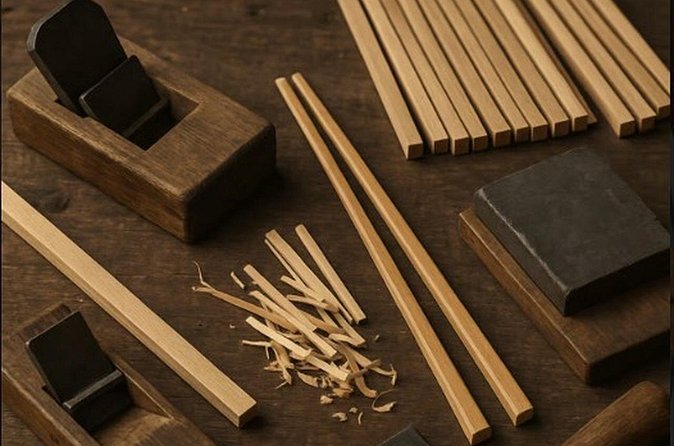
The final standard step is applying natural oil. This protects the wood and brings out its color and grain, giving the chopsticks a soft, polished appearance.
Oil is more than a visual touch. It helps turn the shaped wood into something intended for regular use. You will see the material darken or become more defined as the finish is applied, depending on the wood you selected.
That practical result is a major reason I see value in this workshop. You are creating something functional, but the process also gives you a souvenir with a clear connection to the place and the time you spent making it.
The finished pair remains compact and easy to pack. It will not take up much room in your luggage, and it has a use long after your Kyoto visit.
Add Your Name in Japanese or Your Own Language
Engraving is optional. You can add your name in Japanese or in your native language, making the chopsticks more distinctly yours.
The engraving is one of the most appealing extras, especially if you are making the pair as a gift. It changes the item from a handmade object into a keepsake with a personal mark.
The base price is $15.25 per person, while engraving and premium wood are optional additions. Because the starting price is modest, the workshop offers a reasonable way to add a paid extra without turning the activity into a major expense.
Ask about the engraving choice before the workshop begins if it is important to you. You will want to know what wording and script options are available and whether the extra charge applies to your chosen design.
Why the One-Hour Length Works
The activity lasts about one hour. That is long enough to give you a genuine start-to-finish craft process, but short enough to fit between visits to Gion’s other sights.
I like this length for a Kyoto day. You do not need to give up half a day of sightseeing, and the activity can provide a change of pace after walking through temples, lanes, and shopping streets.
The short format also keeps the process focused. You choose, shape, sand, oil, and finish without a long pause between stages.
The tradeoff is that you should not expect an extended lesson in Japanese woodworking. The instructor has to keep the group moving, and the experience is designed to produce a finished pair within the hour. If you want a slow, highly technical study of tool use, this will feel limited. If you want to make something yourself during a packed Kyoto itinerary, the timing is strong.
What the $15.25 Price Really Buys
At $15.25 per person, the price is low for a guided craft activity in central Kyoto. You are paying for instruction, materials, tool use, and a finished pair of chopsticks. The standard price includes a choice between two wood types, with premium materials and engraving available for extra cost.
The value improves if you care about the process, not only the object. You could buy inexpensive chopsticks elsewhere, but that would not give you the hand-planing, sanding, and oiling experience.
I would budget a little more if you already know you want premium wood or an engraved name. Those additions are not required, but they are the features most likely to make the souvenir feel special.
The price also suits families and mixed-age groups, provided everyone can take part in a hands-on activity. A child or adult who likes making things may get more from this than from another passive sightseeing stop.
Who Will Enjoy This Workshop Most
This is a good choice for first-time crafters, families, couples, and anyone who wants a small but meaningful souvenir from Kyoto. You get clear instruction, English support, and a finished item within roughly an hour.
It also suits people who like practical souvenirs. You can use the chopsticks at home, show how you made them, and remember the activity each time you set the table.
The workshop is less suitable if you want a quiet private session, advanced woodworking, or a wide guarantee of wood choices. The maximum group size is 32, and the available selection can change.
It is also worth choosing only if you are comfortable working with your hands. The activity is easy for beginners, but you still need to plane, sand, and finish the wood yourself.
Getting There and Planning Your Gion Visit
The meeting point is ZEN Chopsticks Making Workshop on Yasaka Koji South in Higashiyama Ward. The location is near public transportation, so it can fit into a wider Gion plan without requiring a separate full-day trip.
The activity starts and ends at the same location. That makes the next step simple: you can continue sightseeing in Gion, head toward another Kyoto stop, or return to your accommodation without arranging a separate pickup.
A mobile ticket is provided, which is useful when you are moving around Kyoto with a phone rather than carrying printed documents. Booking confirmation arrives at the time of booking.
The workshop accepts most participants, but no special accessibility details are provided. If you have a specific mobility or participation need, contact the provider before booking rather than assuming the setup will suit you.
You can cancel for a full refund up to 24 hours before the local start time. Cancellations or changes made less than 24 hours ahead are not accepted for a refund.
The Best Parts, and the Small Friction Points
The strongest feature is the personal nature of the work. You begin with raw wood and leave with an object shaped by your own hands. The staff’s patience and friendly English support help keep the activity relaxed, especially if you have never used a Japanese hand plane.
The engraving is another clear strength. It gives you an easy way to mark the chopsticks with a name and makes the finished pair more suitable as a gift.
The main weaknesses are practical. A group of up to 32 may give the workshop a production-line feel, particularly during the busiest sessions. The standard wood selection may also be narrower than expected on a particular day.
Neither issue ruins the experience, but both affect what you are buying. This is a short, organized craft activity, not a private artisan apprenticeship.
Should You Book the Gion Chopsticks Workshop?
Book it if you want a reasonably priced, beginner-friendly activity that gives you a useful souvenir and a taste of traditional Japanese handwork. The $15.25 starting price is fair, the one-hour format is easy to fit into a Kyoto schedule, and optional engraving adds a strong personal touch.
I would be more cautious if your choice of wood is the main reason for booking. Availability can vary, so do not assume every pictured option will be on hand. Also consider the maximum group size if you prefer a quiet, individualized lesson.
For most visitors, this is a smart Gion add-on: short, practical, easy to understand, and more memorable than simply buying chopsticks from a shop. It earns its place on a Kyoto itinerary because you leave with both the object and the story of making it.
FAQ
Where does the chopsticks workshop take place?
The workshop starts at ZEN Chopsticks Making Workshop on Yasaka Koji South, machi-71-13 Tamamizu, Higashiyama Ward, Kyoto, 605-0851, Japan.
How long does the activity last?
The workshop lasts approximately one hour.
What is the price?
The listed price is $15.25 per person.
Does the price include the wood?
Two standard Japanese wood types are included at no extra cost. Premium wood options may be available for an additional charge.
Do I need woodworking experience?
No. The activity is designed for beginners, and the instructor explains each stage clearly.
What tools will I use?
You will use a traditional kanna Japanese hand plane to shape the chopsticks. You will then use sandpaper and apply natural oil as part of the finishing process.
Is engraving included?
Engraving is optional and costs extra. You can have your name engraved in Japanese or in your native language.
Is the instruction available in English?
English-speaking staff are available to assist you throughout the workshop.
Where does the activity end?
The activity ends back at the workshop’s meeting point.
How large can the group be?
The maximum group size is 32 people.
Can I cancel for a refund?
You can cancel at least 24 hours before the local start time for a full refund. Cancellations or changes made less than 24 hours before the start time are not accepted for a refund.
Just added around Kyoto
- Kyoto: Zen Meditation at a Private Temple with a Monk★ 5.0 · 25 reviews
- Kyoto: Gion Geisha District & Sake-in-Hand Walking Tour★ 5.0 · 37 reviews
- Private Pewter Sake Cup Experience with a Kyoto Artisan★ 5.0 · 31 reviews
- Your Private Vacation Photography Session In Kyoto★ 5.0 · 110 reviews
- Private Guided Traditional Buddhist Cooking in Japan★ 5.0 · 16 reviews
- Kyoto Wagashi(Japanese sweets) Cooking Class near Fushimiinari★ 5.0 · 60 reviews
- Traditional Japanese Music show & Experience Tour in Kyoto★ 5.0 · 57 reviews
- Kyoto:Family-Friendly Kimono & Yukata Experience at WARGO★ 5.0 · 147 reviews
Kyoto Tours, compared.
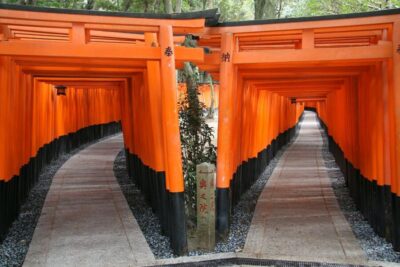
Fushimi Inari, Kinkakuji, Bamboo Grove 1 Day Bus Tour
Read our review →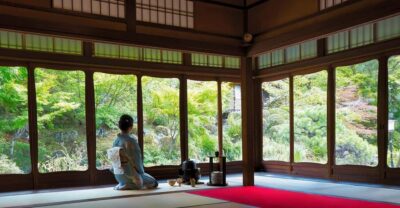
Tea Ceremony in a Traditional Tea House in Kiyomizu
Read our review →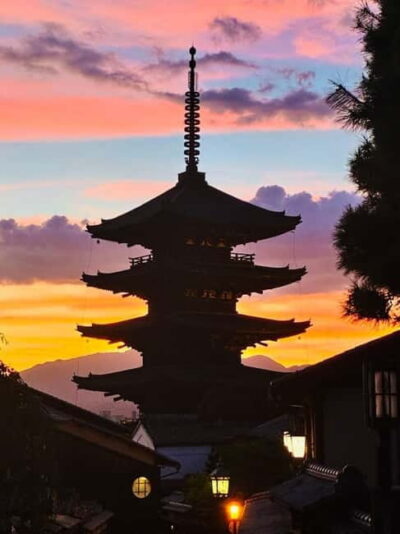
Kyoto Geisha Walking Tour: Gion District & Hidden Gems
Read our review →

Gion Magical Night Walking Tour with Geisha Trivia
Read our review →

Gion Geisha District Walking Tour – Stories of Geisha
Read our review →Browse the lists this tour appears in