
Reviewed · KYOTO TOURS
Skip the lines Basic Ticket at SAMURAI NINJA MUSEUM KYOTO
The most memorable part of this Kyoto experience is not simply looking at swords behind glass. It is getting into the action yourself, with a samurai costume, replica katana, and a round of ninja star throwing. The guide-led visit gives the museum a lively, hands-on feel.
I like the clear introduction to Japan’s feudal society, and I like that the tour works well for families who want more than a quiet display case. The guides, including Naromi, Raito, Saku, and Nobu, are often praised for making the talk easy to follow and fun.
The main caution is size. This is a compact museum in a shopping arcade, and the core tour may take only about an hour. If you expect a large national museum with dozens of rooms and extensive artifacts, this will feel modest.
Key points to know before you book
- Try samurai gear: You can put on a samurai costume, handle a replica sword, and take photos.
- Throw ninja stars: The shuriken activity adds a playful competition to the history lesson.
- Expect a short visit: Plan on roughly one hour, though you may have time to look around afterward.
- Guides shape the experience: Naromi, Raito, Saku, Nobu, and other staff have been praised for lively explanations.
- Good for families: Children have plenty to do, especially during the costume and star-throwing portions.
- Do not assume a large museum: The current site is small, and busy sessions can feel crowded.
What the Kyoto Samurai Ninja Museum actually offers
The Samurai Ninja Museum Kyoto is designed as a guided introduction rather than a long, self-directed museum visit. You make your own way to the central Kyoto location, meet the guide and group, then move through the displays while hearing about samurai and ninja life.
The experience blends history with staged activities. You see swords, armor, and other weapons, learn about the feudal system, and look at a recreation of a samurai house. Then the tone shifts from listening to participation.
I see this as a good first lesson for anyone who knows samurai mainly from films, games, or popular legends. The guide explains the social and political setting behind these figures, rather than presenting them only as heroic warriors. The material is introductory, but it gives you a useful frame for understanding what you see elsewhere in Japan.
The tour is not presented as a scholarly study. It is a friendly overview with props, costumes, and simple explanations. That makes it approachable, but it also means serious students of Japanese history may want a larger museum afterward.
More Samurai and Ninja Experiences in Kyoto
- Kyoto Samurai Experience
★ 5.0 · 1,294 reviews - Kyoto: Kendo and Samurai Experience with Uniform and Gear
★ 4.9 · 815 reviews - Kyoto: Samurai Sword Class by Experts in Traditional Arts
★ 4.9 · 657 reviews
The guided history tour sets the tone
The visit begins with a talk about samurai and ninja culture. Your guide covers Japan’s feudal structure and explains the place of warriors in that society. The exact presentation can vary by guide, but the most praised guides use humor, stories, and audience participation to keep the pace moving.
Nobu, for example, is singled out for combining facts with an entertaining delivery. Raito is praised for making the subject understandable while keeping the shuriken activity lively. Naromi is noted for adding useful details, while Saku is described as friendly and energetic.
That personal style matters here. The museum is not enormous, so the guide is a major part of what you are paying for. A strong presenter turns a small collection into a coherent story. A rushed or crowded session can have the opposite effect.
You should expect an accessible explanation, not a long lecture. The material covers samurai and ninja life, weapons, clothing, and the wider feudal system. If you are bringing children, this balance helps: they can follow the story without needing to sit through an academic talk.
Swords, armor, and the recreated samurai home
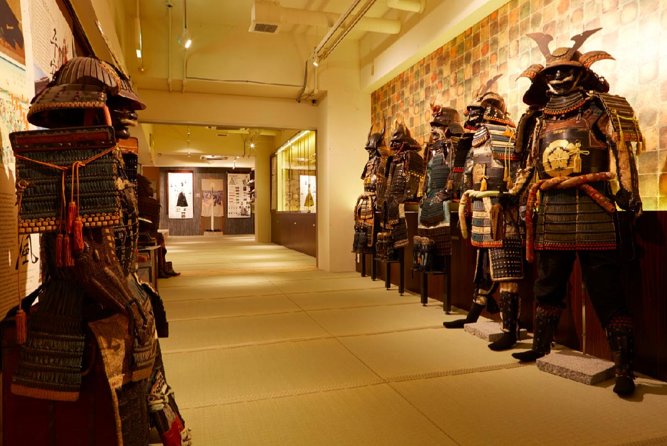
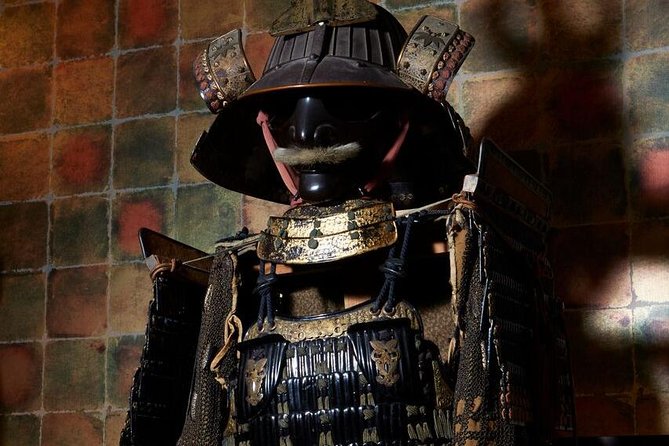
The display area includes ancient swords and other weapons, along with samurai armor and a recreation of a samurai house. These objects give the talk something concrete to focus on. Instead of only hearing about warriors, you can look closely at the equipment connected with them.
The recreated home is especially useful because it shifts attention away from weapons alone. It hints at how samurai life was tied to household structure and social rank. The displays also cover historical, social, and political aspects, according to the stated focus of the exhibits.
Still, keep your expectations in check. The collection is described as small, with some displays centered on swords and armor. One part of the experience is currently spread over two levels in a shopping arcade, so it does not have the scale or quiet of a major museum.
Some visitors have found the costumes worn or the replica weapons less polished than expected, including worn fabric or damaged swords. That does not ruin the educational part, but it is worth knowing if your priority is a high-end theatrical production.
Putting on samurai armor and picking up a replica sword

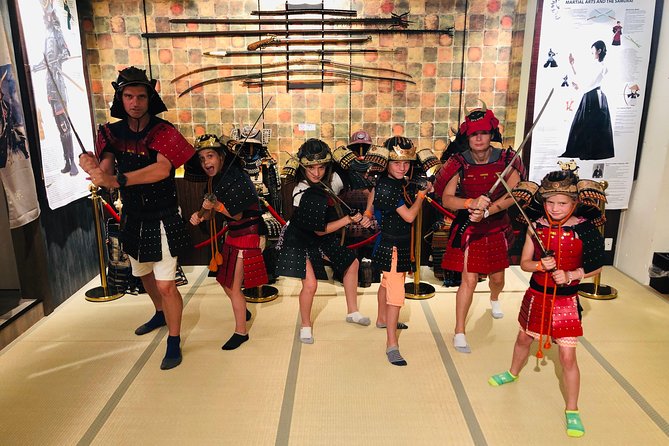
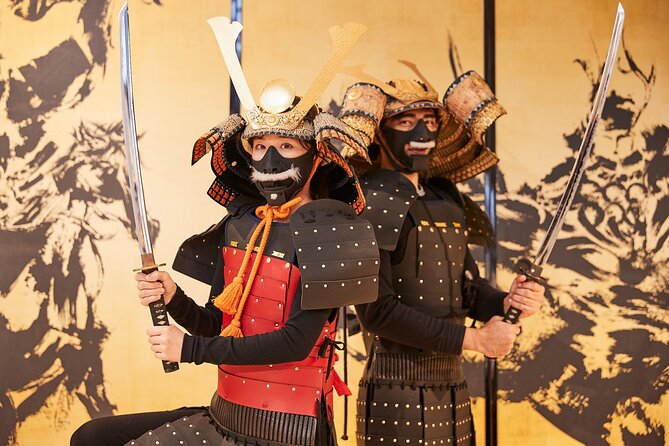
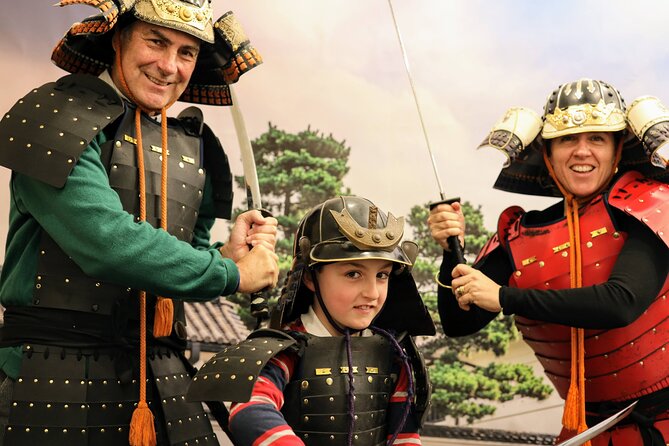
The costume portion is the most useful photo opportunity. You can dress in samurai gear, wear a helmet, hold a replica katana, and pose against a backdrop. The activity gives children and adults a physical connection to the subject that a standard museum display cannot provide.
I would treat this as a quick photo session rather than a full armor demonstration. The number of costume choices may be limited, and busy groups can make the process feel rushed. One account describes only a small selection of outfits, so do not book this expecting every member of a large group to receive a different, elaborate costume.
The optional nature of some samurai armor use is also worth noting. The tour includes a samurai costume, while the katana and armor trial may be presented as optional within the session. Ask the guide if you want to know exactly what you can try on the day.
For a family, this is likely the moment that turns a history stop into a shared memory. For adults traveling without children, it can still be amusing, particularly if you enjoy taking themed photographs. Just see it as a simple interactive extra, not a professional photo shoot.
More samurai and ninja sessions in Kyoto:
- Ninja 1-hour Hands-on Lesson by Japanese master in Kyoto -Entry
★ 5.0 · 489 reviews - Kyoto: Ninja Weapon Forging Experience
★ 4.8 · 478 reviews - Kyoto: Samurai Kenbu Traditional Sword Dancing Show
★ 4.5 · 426 reviews - Samurai Training with Modern day Musashi in Kyoto
★ 5.0 · 256 reviews
The ninja star throwing competition
The shuriken, or ninja star, activity is the other major hands-on feature. You throw replica ninja stars at a target and may take part in a friendly competition. It is one of the most consistently praised parts of the visit because it breaks up the explanations and gives everyone a clear task.
The stars are replicas, so this is a supervised activity rather than a lesson in real weapon use. The competition adds just enough playfulness to keep children involved, while adults can join in without needing any special skill.
I like the way this portion reinforces the difference between watching a demonstration and taking part. You will remember the history talk better if you have just handled the props and tried the target yourself.
The activity can also affect the pace. When the museum is busy, there may not be much time for repeated attempts. If the group is large, the room may feel tight and the presentation less personal. The stated group limit appears inconsistently as either 15 or 30 people, so check the current booking details and prepare for a group rather than a private lesson.
How long the visit takes
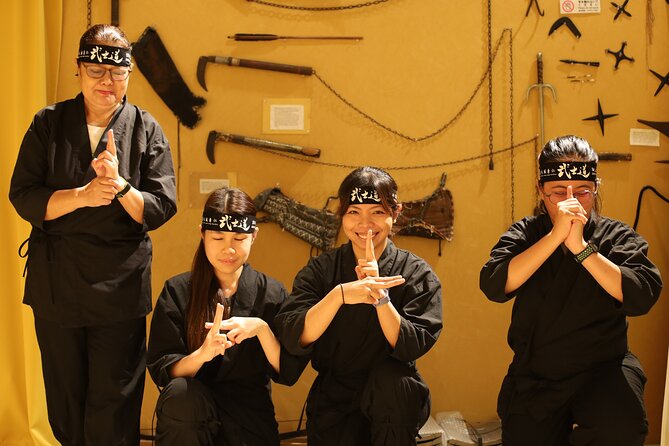
The advertised duration is about one hour. That is enough time for a short history presentation, a look at the displays, the costume activity, and shuriken throwing. Some people find the pace ideal, especially when fitting the museum between other Kyoto sights.
You might spend closer to 60 to 90 minutes if you have time to examine the displays after the guided portion. The museum’s response to one complaint makes clear that visitors can continue exploring rather than being required to leave when the tour ends. Ask the staff if you want more time with the exhibits.
At the same time, do not build your entire afternoon around this stop. If you want a full day of samurai study, this is only one part of it. Its strength is convenience and interaction, not a long sequence of galleries.
Multiple time slots make it easier to place the visit between temples, shopping, and meals. I would choose a quieter-looking time if your schedule allows, since crowding is the biggest factor affecting the experience.
Is $28.52 a fair price?
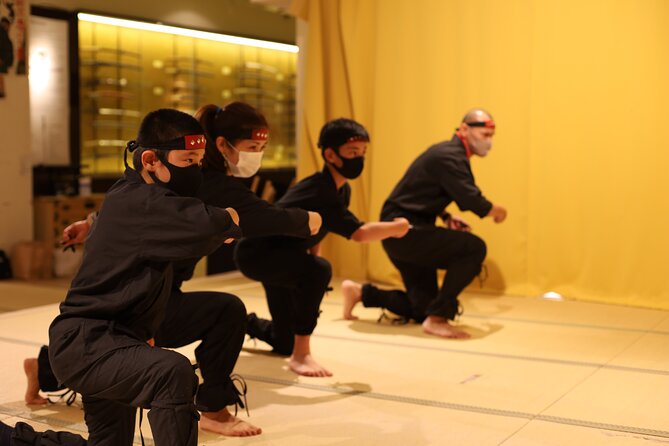
At $28.52 per person, the value depends on what you want from a museum. You are paying for admission, a professional guide, the costume activity, and the ninja star competition. For a family, that package can compare well with a standard attraction that offers only displays.
I think the price is reasonable if you value participation and need a compact activity in central Kyoto. The guided storytelling, photographs, and games give you more than a simple ticket to look at objects.
The value is weaker if your main goal is an extensive collection of original artifacts. The museum is small, and the visit may feel too quick for anyone expecting a major cultural institution. In that case, you may prefer to spend your admission budget on a larger history museum and treat this as a light entertainment stop.
The most important question is not simply how much time you have. It is how much you enjoy dressing up, taking photographs, and joining a group activity. If those features sound fun, the price makes more sense. If you want silence and detailed labels, it may not.
Finding the museum and planning your arrival
You need to make your own way to the museum. Transportation to and from the attraction is not included, but the site is near public transportation. The location can be hard to spot inside the shopping arcade, so use the directions in your booking app and allow time to find the entrance.
The mobile ticket is useful for keeping the confirmation on your phone. Confirmation is provided at booking, and the experience offers multiple start times.
Children must be accompanied by an adult. Most people can take part, and service animals are allowed. An elevator outage is scheduled from January 24, 2026 through February 19, 2026, so anyone who needs elevator access should check the current arrangements before choosing a date.
The experience requires good weather. If poor weather causes cancellation, you can be offered another date or a full refund. Otherwise, you can cancel for a full refund up to 24 hours before the start time. Changes or cancellations inside that 24-hour window are not accepted.
Who will enjoy this most
I would recommend this for families, first-time visitors to Kyoto, and anyone who wants a short activity with clear entertainment value. Children as young as six have enjoyed the costume displays and ninja star throwing, though an adult must accompany them.
It also suits fans of samurai films, Japanese history, and themed photography. The guide gives enough background to make the objects meaningful, while the hands-on sections keep the visit from becoming a passive lecture.
You may want to skip it if you have already studied samurai and ninja history in depth and want rare artifacts, long labels, or a large collection. You should also think twice if crowded rooms and group presentations bother you.
The museum has acknowledged plans to move to a much larger downtown Kyoto facility, described as five to ten times the size with more interactive exhibits. That may change the experience in the future, but you should judge the current location by its present compact format.
Should you book the Samurai Ninja Museum Kyoto?
Book it if you want a short, playful introduction to samurai and ninja culture, especially with children or friends who enjoy themed photographs. The best parts are the guides, the shuriken competition, and the chance to wear samurai gear rather than simply read about it.
Do not book it expecting a grand museum. The current site is small, some sessions can be crowded, and the costumes or props may show wear. At $28.52, I consider it a fair buy for an interactive hour, but not the right choice for a serious, artifact-heavy history visit.
Choose a less busy time if possible, follow the location directions carefully, and leave room in your expectations for a lively group activity. With that mindset, this can be a good change of pace between Kyoto’s temples and formal museums.
FAQ
How long does the Samurai Ninja Museum Kyoto experience last?
The experience lasts approximately one hour. You may be able to continue looking around after the guided portion, since visitors are not required to leave when the tour ends.
What is included in the ticket?
The ticket includes admission, a professional guide, a samurai costume, and a ninja star throwing competition. Transportation to and from the museum is not included.
Can I wear samurai armor?
The visit includes a samurai costume and an armor trial with a replica katana, which may be optional. The exact costume and equipment available can vary.
Can children participate?
Yes. Most people can participate, and children have enjoyed the costume activity and ninja star throwing. Children must be accompanied by an adult.
Is transportation included?
No. You make your own way to the museum. The location is near public transportation.
Is the ticket mobile?
Yes. The experience provides a mobile ticket, and confirmation is received at the time of booking.
What is the cancellation policy?
You can cancel up to 24 hours before the experience start time for a full refund. Cancellations or changes made less than 24 hours in advance are not accepted. If poor weather causes cancellation, you will be offered another date or a full refund.
More Museums in Kyoto
- Kyoto: Tea Museum Tickets and Matcha Grinding Experience
★ 4.9 · 739 reviews - Kyoto : Geiko Maiko Dance of Kyoto & Visits of Gion Museum
★ 4.6 · 415 reviews - Kyoto Sword Experience – includes Museum Ticket/Ninja Experience
★ 4.5 · 149 reviews - Kyoto: Samurai Ninja Museum guided tour
★ 4.8 · 145 reviews
Just added around Kyoto
- Kyoto: Zen Meditation at a Private Temple with a Monk★ 5.0 · 25 reviews
- Kyoto: Gion Geisha District & Sake-in-Hand Walking Tour★ 5.0 · 37 reviews
- Private Pewter Sake Cup Experience with a Kyoto Artisan★ 5.0 · 31 reviews
- Your Private Vacation Photography Session In Kyoto★ 5.0 · 110 reviews
- Private Guided Traditional Buddhist Cooking in Japan★ 5.0 · 16 reviews
- Kyoto Wagashi(Japanese sweets) Cooking Class near Fushimiinari★ 5.0 · 60 reviews
- Traditional Japanese Music show & Experience Tour in Kyoto★ 5.0 · 57 reviews
- Kyoto:Family-Friendly Kimono & Yukata Experience at WARGO★ 5.0 · 147 reviews
Kyoto Tours, compared.
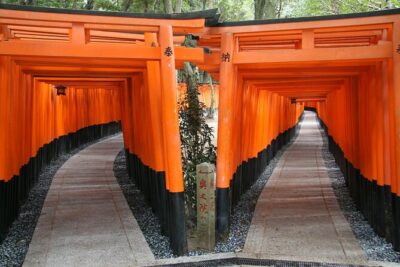
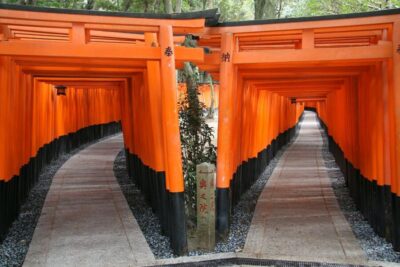
Fushimi Inari, Kinkakuji, Bamboo Grove 1 Day Bus Tour
Read our review →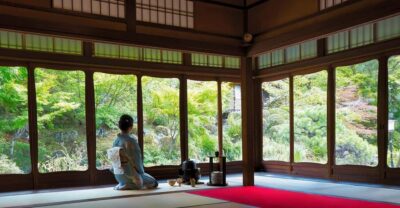
Tea Ceremony in a Traditional Tea House in Kiyomizu
Read our review →
Kyoto Geisha Walking Tour: Gion District & Hidden Gems
Read our review →

Gion Magical Night Walking Tour with Geisha Trivia
Read our review →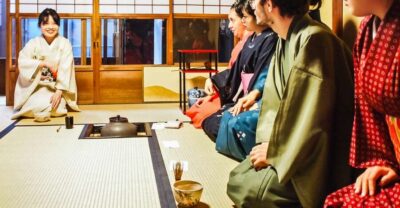

Gion Geisha District Walking Tour – Stories of Geisha
Read our review →Browse the lists this tour appears in