
Reviewed · KYOTO TOURS
Advanced Kyoto Insider Sake Tasting Experience
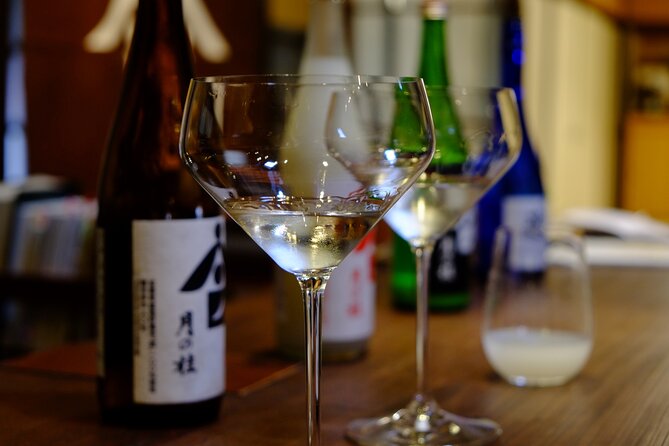
Kyoto’s Advanced Insider Sake Tasting is built around a terrific idea: taste sake by brewing philosophy, not just by broad style. In two hours, you compare 10 carefully chosen pours, including brews made with old methods, unusual fermentation, and local wood.
I like the direct comparison, which makes technical ideas easier to grasp. I also like the practical label-reading lesson, since choosing a bottle in a restaurant can be baffling even after you know a little about sake.
The main catch is simple: food is not included. Have lunch or brunch first, and remember that anyone arriving by car or bicycle cannot be served alcohol. The tasting is for people age 20 and older.
Key Points at a Glance
- Ten contrasting sakes: The tasting is designed to show how much flavor can change with different ingredients, materials, and methods.
- Ancient and experimental brewing: You may taste sake made with older techniques, unusual microorganism-driven fermentation, and local wood.
- Label-reading practice: You work with real bottles and labels used in restaurants, a useful skill for future meals in Japan.
- Certified expert guidance: The session explains sake categories, production, flavor structure, and brewing choices in plain terms.
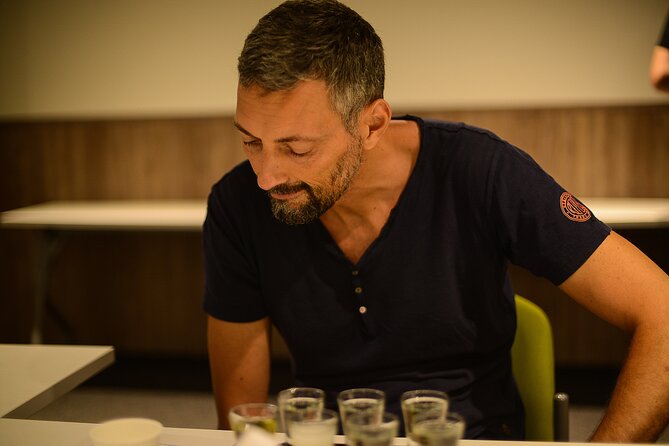
- Small-group setting: The dedicated tasting room accepts a maximum of 12 participants, allowing room for questions.
- Plan your meal carefully: Snacks and food pairings are not included, so eat before the two-hour session.
Why This Is More Than a Standard Sake Flight
Many tastings give you several small glasses and a quick explanation of rice, water, yeast, and polishing. This Kyoto session takes a more thoughtful route. You taste and compare sake made according to noticeably different ideas.
That distinction matters. Sake can change because of the rice used, the degree of polishing, the brewing temperature, the microorganisms involved, the vessel or material used, and the maker’s goals. The point here is not simply to decide which glass tastes best. You learn to ask why it tastes that way.
The selection includes rare and unusual sake made with ancient methods, innovative fermentation approaches, and local wood. Those details give the tasting a sense of discovery without turning it into a drinking contest. You are looking at sake as a crafted food and cultural product, not just as an alcoholic drink.
The class still covers the basics. You will learn about sake production and categories before moving into the more unusual examples. That makes the experience approachable for a newcomer, though the range and technical focus should appeal most to someone who already drinks sake or wants to become more confident ordering it.
More Sake Tastings in Kyoto
- 3-Hour Kyoto Insider Sake Brewery Tour with Tastings & Pairings
★ 5.0 · 917 reviews - Arashiyama Bamboo, Temple, Monkeys, or Secret Sake Brewery
★ 4.8 · 886 reviews - Kyoto: Insider Sake Brewery Tour with Sake and Food Pairing
★ 5.0 · 704 reviews
Starting in Kyoto’s Fushimi Sake Area
The meeting point is at Kyoto Insider Sake Experience, 271-1 Kurumamachi in Fushimi Ward. The location is near public transportation, which is important because you should plan to arrive without driving or cycling if you want to take part in the alcoholic tasting.
Fushimi is one of Japan’s best-known sake districts, so the setting fits the subject. The supplied details do not promise a walking tour, brewery visit, or sightseeing stop, however. You should think of this as a focused indoor class held in a dedicated tasting room, not as a broader tour of Fushimi.
That focused format has a benefit. Instead of spending part of your time moving between locations, you get the full two hours for tasting, explanation, comparison, and questions. It also means you should not book this expecting a visit to production tanks or a look inside a working brewery.
The group size is limited to 12. That is small enough to keep the room from feeling anonymous and gives you a reasonable chance to ask about a flavor, label, or brewing method. The provider is Add Stories Co.,Ltd.
The First Glasses: Sake Fundamentals With a Purpose
The session begins with the foundation you need to understand the more unusual pours. Expect an explanation of how sake is made, the main categories, and the parts of production that affect flavor.
The useful thing is that these basics are not treated as an isolated lecture. They prepare you for the comparisons that follow. Once you understand the role of brewing choices, you can notice how one sake becomes fragrant, dry, earthy, sweet, full-bodied, or sharply different from the next.
If you are new to sake, this opening should give you enough vocabulary to follow the class. If you already know the difference between several familiar styles, the value is in seeing those categories placed beside less conventional examples.
Past participants have found the teaching clear and friendly, with presentations supporting the tasting. The class also has plenty of sake to sample, but the purpose remains comparison. You will get more from it if you pause between pours and pay attention to changes in aroma, texture, sweetness, acidity, and finish.
Ten Pours That Challenge Familiar Ideas
The heart of the experience is the set of 10 selected sakes. The exact bottles can change, so you should not arrive expecting a fixed menu. That flexibility is sensible for an advanced tasting, since unusual products may not always be available.
The important point is the range of brewing approaches. Some pours use ancient methods. Others focus on innovative fermentation, showing the force of microorganisms in shaping the final drink. Another group uses local wood, giving the sake a character linked to its materials and region.
These are not minor variations. Brewing choices can affect the smell, weight, sharpness, sweetness, and overall balance in the glass. You may find that a sake made from familiar ingredients feels completely different because the process changes.
I like this approach because it teaches you to pay attention to cause and effect. Instead of being told that one sake is premium and another is ordinary, you can compare the results of specific choices. That is a better way to build taste than memorizing labels.
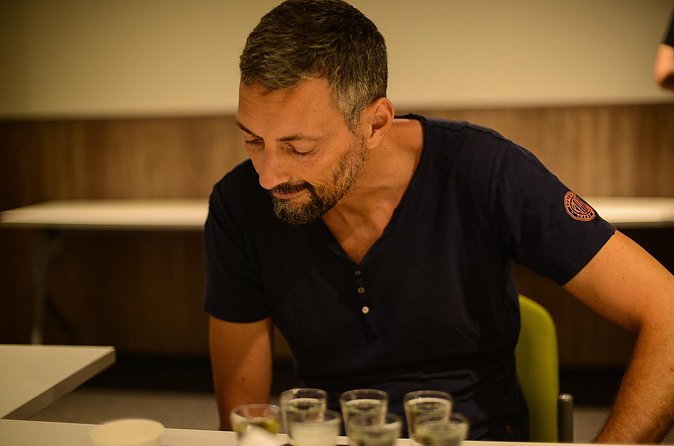
Ten pours is also a generous amount for a two-hour session. It gives you enough samples to see patterns, though the pace may feel brisk if you want to take extensive notes on every glass. Drink slowly and use the tasting notes provided.
More sake tastings around Kyoto:
- Kyoto Sake Brewery & Tasting Walking Tour
★ 5.0 · 623 reviews - Private Tea Ceremony and Sake Tasting in Kyoto Samurai House
★ 5.0 · 163 reviews - Kyoto: Fushimi Sake Brewery Tour – 18 Tastings in 2.5 Hours
★ 4.7 · 36 reviews - Private Sake Tasting in Central Kyoto with Sake Sommelier
★ 5.0 · 32 reviews
Learning to Read a Sake Bottle in a Restaurant
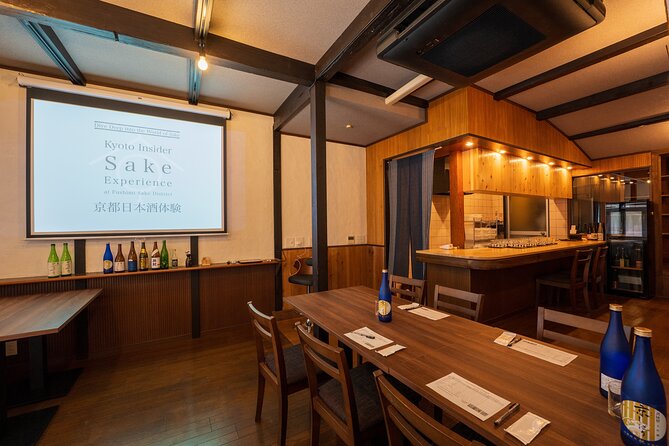
One of the most practical parts is hands-on practice reading real sake bottles and labels used in restaurants. This is the kind of skill that can save you from pointing at a menu and choosing blindly.
Japanese sake labels can contain useful information, but they are not always easy to interpret. A class that puts actual bottles in front of you can help connect the written details with what you taste.
You receive tasting notes and reference materials for continued study. These are useful after the session, especially if you plan to order sake during the rest of your Japan trip or buy bottles to explore later.
The label lesson also makes the experience more useful for repeat sake drinkers. You may already have a favorite style, but understanding the bottle gives you a better chance of finding something similar, or deliberately choosing something very different.
What the Dedicated Tasting Room Adds
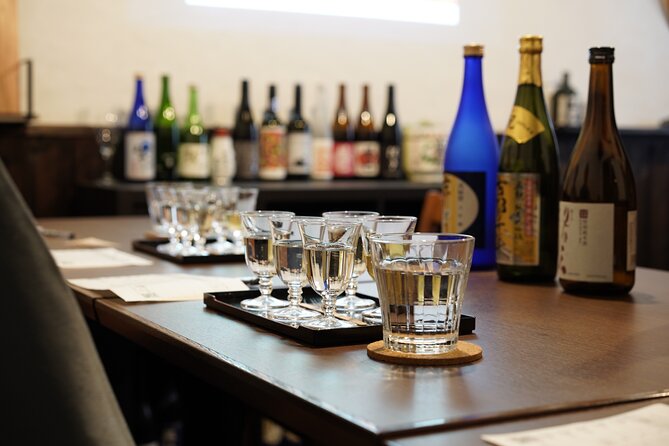
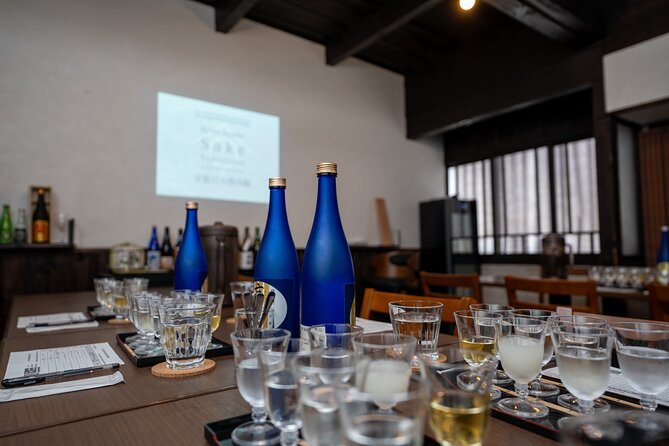
The experience takes place in its own dedicated tasting room. That gives the class a clear purpose and keeps the attention on the bottles, the explanations, and the group discussion.
You should not expect snacks or a food pairing. This is an important difference from tastings built around cheese, small plates, or a full meal. The lack of food allows the sake itself to remain the focus, but it also means you need to manage your meal beforehand.
The advice to eat lunch or brunch before the session is worth following. Ten samples can add up, even when each pour is small. Arriving hungry is uncomfortable, and food is not available as part of the experience.
A good plan is to eat before the start time, drink water during the day, and avoid scheduling another alcohol-heavy activity immediately afterward. The supplied information does not promise a meal, snacks, or a food pairing, so budget for those separately.
How Advanced Is the Class?
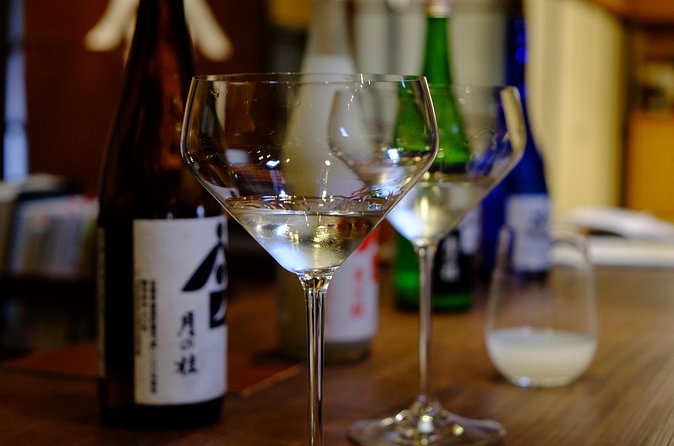
The name suggests a specialist session, but the format is not reserved only for sake professionals. Curious beginners can follow the fundamentals, and the guided comparisons give newcomers a clear path into the subject.
Still, you should choose this over a basic tasting because you want more than a quick introduction. The session spends time on production methods, fermentation, local materials, and flavor structure. If you only want a casual drink and a few broad facts, a shorter tasting may suit you better.
I think it works especially well for three kinds of participants:
- You already drink sake and want to understand why bottles taste different.
- You are planning meals in Japan and want to order with more confidence.
- You enjoy food and drink classes where the method matters as much as the final product.
It can also work for a mixed group. One person can arrive with experience while another is new to sake. The foundation keeps the class accessible, while the unusual bottles give more experienced drinkers something new to consider.
The legal drinking age in Japan is 20. Participants under 20 receive non-alcoholic drinks only. Anyone under 20 still needs a reservation, and people who are not drinking cannot simply join without one.
Price, Timing, and Overall Value
The price is $74.64 per person for about two hours. That works out to roughly $7.46 per tasting, before placing a value on the expert instruction, reference materials, bottle analysis, and dedicated room.
That is not a bargain if you measure the experience only by the volume of alcohol. It becomes a fairer price when you consider the unusual selection and the teaching. Rare sake and small-production bottles can be difficult to compare on your own, especially if you do not know what the label means.
The strongest value comes from what you take away. After the session, you should have a better sense of how brewing methods shape flavor and a more useful way to choose sake in restaurants. That knowledge can continue paying off during the rest of your trip.
The average booking time is 11 days ahead, so it is sensible to reserve before arriving in Kyoto if your schedule is tight. The group limit is 12, and larger parties should contact the provider to ask about current availability.
Getting There Without Losing Your Tasting
The meeting point is near public transportation, but the supplied information does not name a specific station or give a walking time. Check the route carefully before setting out and allow enough time to arrive at 271-1 Kurumamachi.
The alcohol rule is strict for safety and legal reasons. If you arrive by car or bicycle, you will not be served alcoholic sake. Non-alcoholic drinks are available, but you will not receive a refund if you cannot take part in the sake tasting.
That rule makes public transportation the clear choice. It also means you should not plan to cycle around Fushimi and then attend this class. Finish your sightseeing first, or arrange your day around the tasting.
The activity ends back at the meeting point. There is no separate drop-off, hotel transfer, or additional destination included in the supplied details.
What I Like Most, and What I Would Change
The best feature is the comparison. Ten carefully chosen sakes give you enough evidence to notice how dramatically brewing choices affect taste. This is more useful than hearing a long list of terms with only one or two examples in the glass.
I also like the label practice. It turns the class from a pleasant afternoon into a tool you can use at dinner. The explanations of sake history, production methods, and flavor also give the tasting a solid foundation.
The main limitation is the lack of food. Sake without snacks may suit a focused tasting, but you need to plan ahead. The two-hour length and 10 pours also call for moderation, especially if you are not used to tasting several styles in one sitting.
Another consideration is the advanced theme. Beginners are welcome, but anyone wanting a simple, relaxed introduction may find the technical comparisons more than necessary. The class earns its price for people who are genuinely curious about how sake is made.
The cancellation policy is flexible if you act early. You can receive a full refund by canceling at least 24 hours before the start time. Changes or cancellations inside 24 hours are not accepted and are not refunded. The experience may also be canceled because of poor weather or because the minimum number of participants is not met, with another date or a full refund offered.
Should You Book the Advanced Kyoto Sake Experience?
Book it if you want to understand sake rather than simply sample it. The unusual production methods, local-wood examples, 10-pour comparison, and bottle-reading practice make this a strong choice for food-minded visitors and repeat sake drinkers.
It is also a good pick for a mixed group, since the fundamentals help beginners while the rare and experimental bottles give experienced drinkers something to think about. Eat first, use public transportation, and leave room in your schedule for a focused two-hour class.
Skip it if you mainly want a brewery tour, sightseeing walk, meal pairing, or a quick taste of familiar sake. For everyone else, $74.64 is a reasonable investment in a more informed way to drink and order Japan’s classic beverage.
FAQ
Where does the Advanced Kyoto Insider Sake Tasting take place?
It takes place at Kyoto Insider Sake Experience, 271-1 Kurumamachi, Fushimi Ward, Kyoto, 612-8365, Japan.
How long does the sake tasting last?
The experience lasts approximately two hours.
How many sakes will I taste?
You will taste 10 carefully selected sakes chosen for comparison.
Is the tasting suitable for beginners?
Yes. The session covers sake production and categories, while also offering advanced material for people who already know sake.
Is food included?
No. Snacks and food pairings are not included. Having lunch or brunch before the session is recommended.
What will I learn during the experience?
You will learn about sake styles, brewing methods, flavor structure, and how different ingredients and techniques affect taste. You will also practice reading real sake bottles and labels used in restaurants.
What is the minimum age to drink sake in Japan?
The legal drinking age is 20. Participants under 20 are served non-alcoholic drinks only.
Can I join if I arrive by car or bicycle?
You may attend, but alcohol will not be served if you arrive by car or bicycle. Non-alcoholic drinks are available, and no refund is provided if you cannot take part in the sake tasting.
How many people can join the activity?
The maximum group size is 12 participants. If your group is larger than current availability, you can contact the provider.
Can I cancel for a full refund?
Yes. You must cancel at least 24 hours before the experience start time for a full refund. Cancellations or changes made within 24 hours are not accepted and are not refunded.
More Food Tours in Kyoto
- Kyoto Nishiki Market Food and Culture Walking Tour
★ 5.0 · 412 reviews - Kyoto: Gion Food Tour 13 Dishes at 4 Eateries
★ 5.0 · 408 reviews - 1.5-Hour Kyoto Insider Sake Experience with 7 Tastings & Pairings
★ 5.0 · 297 reviews - Kyoto: Insider Sake Experience with 7 Tastings and Snacks
★ 5.0 · 266 reviews
More Drinks-Led Nights in Kyoto
- Kyoto Night Foodie Tour in Gion (9+ dishes + 6 Sake tastings)
★ 5.0 · 1,762 reviews - Kyoto: Izakaya Bars Guided Walking Tour
★ 4.9 · 815 reviews - Kyoto Bar Hopping Night Tour
★ 5.0 · 613 reviews - Kyoto Local Bar Crawl in Kawaramachi Area
★ 5.0 · 378 reviews
Just added around Kyoto
- Kyoto: Zen Meditation at a Private Temple with a Monk★ 5.0 · 25 reviews
- Kyoto: Gion Geisha District & Sake-in-Hand Walking Tour★ 5.0 · 37 reviews
- Private Pewter Sake Cup Experience with a Kyoto Artisan★ 5.0 · 31 reviews
- Your Private Vacation Photography Session In Kyoto★ 5.0 · 110 reviews
- Private Guided Traditional Buddhist Cooking in Japan★ 5.0 · 16 reviews
- Kyoto Wagashi(Japanese sweets) Cooking Class near Fushimiinari★ 5.0 · 60 reviews
- Traditional Japanese Music show & Experience Tour in Kyoto★ 5.0 · 57 reviews
- Kyoto:Family-Friendly Kimono & Yukata Experience at WARGO★ 5.0 · 147 reviews
Kyoto Tours, compared.


Fushimi Inari, Kinkakuji, Bamboo Grove 1 Day Bus Tour
Read our review →
Tea Ceremony in a Traditional Tea House in Kiyomizu
Read our review →
Kyoto Geisha Walking Tour: Gion District & Hidden Gems
Read our review →

Gion Magical Night Walking Tour with Geisha Trivia
Read our review →

Gion Geisha District Walking Tour – Stories of Geisha
Read our review →Browse the lists this tour appears in