
Reviewed · KYOTO TOURS
Kyoto: Gion Food Tour 13 Dishes at 4 Eateries
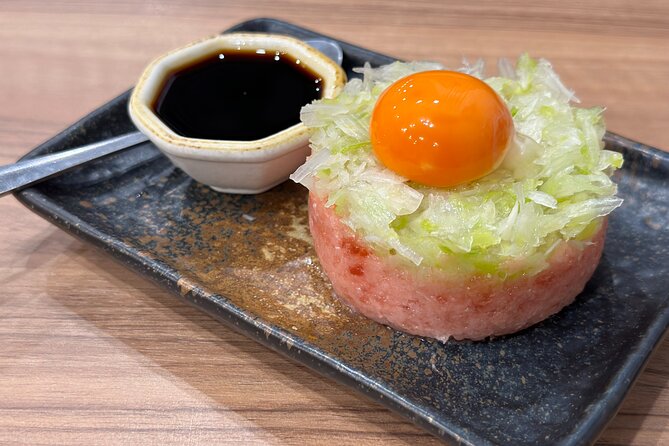
Kyoto’s best food experience here is not one grand dinner. It is a three-hour hop between four small eateries, with lantern-lit Pontocho and Gion providing the setting. You taste about 13 dishes, hear about geisha culture, and get a useful introduction to Kyoto specialties such as obanzai, yuba, takoyaki, sushi, and sweet taiyaki.
I like the small maximum of 10 people, which makes it easier to ask questions and share plates. I also like the mix of food and place: guides such as Yuvia, Alessio, Amy, Pedro, Mehrab, and Maggie have led groups through narrow lanes while explaining what you are eating and why the neighborhood matters.
The main caution is that the tour may cover less of Gion than the name suggests. One participant felt the walk was mostly along a single street, and the route includes a fair amount of walking between stops. You also need to remove your shoes at some restaurants, and this is not suitable for vegans, people with celiac disease, or those needing gluten-free or FODMAP-friendly food.
Key Points to Know Before You Book
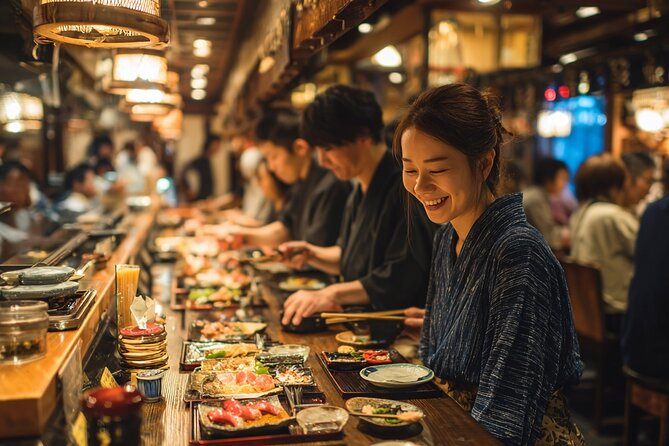
- Four eateries and about 13 dishes: You sample several small portions rather than sit down for one conventional meal.
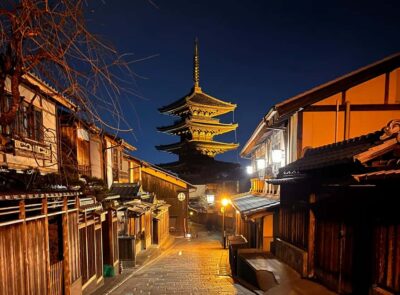
- Pontocho after dark: Lanterns, preserved wooden facades, teahouses, and geisha stories give the walk its strongest sense of place.
- Two included drinks: Each of two eateries provides one alcoholic or non-alcoholic drink, with alcohol available only to people of legal drinking age.
- Guides vary: Yuvia, Alessio, Amy, Pedro, Mehrab, Maggie, Gui, and others have led this experience, with strong praise for their friendliness and food explanations.
- Expect a full evening meal: You are likely to leave comfortably full, so avoid booking a large dinner afterward.
- Food restrictions are a serious issue: No vegan, gluten-free, celiac-safe, or FODMAP option is offered.
Why Pontocho Makes This More Than a Meal
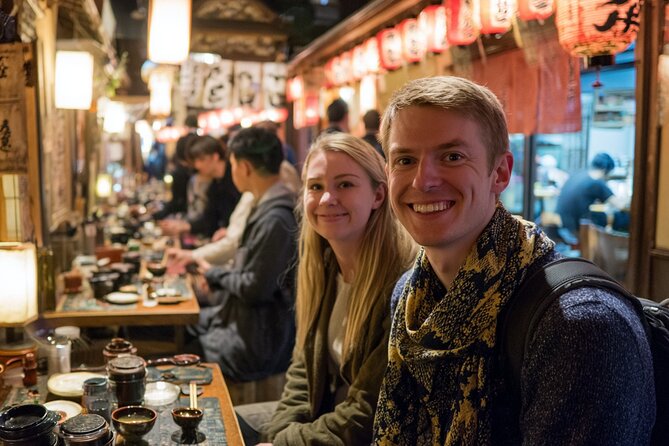
Pontocho is the star of the evening. This narrow preserved alley runs through central Kyoto near the Kamo River, with low wooden buildings, small entrances, and hanging lanterns. At night, it feels far removed from the broad modern streets nearby.
Your guide uses the walk to explain the area’s connection with geisha culture. You may pass traditional teahouses where geisha and maiko still entertain, though the tour is about learning and looking respectfully, not chasing photographs or expecting a performance.
I find this context valuable because Kyoto food can seem mysterious when it arrives in tiny portions with unfamiliar names. A guide can explain the link between seasonal cooking, restrained presentation, and the city’s old dining customs. The food makes more sense when you understand the neighborhood that produced it.
The walk is not a full historical tour of Kyoto. It gives you a focused look at Pontocho and Gion during an evening outing. If you hope to explore every lane in both districts, keep your expectations in check. The route appears to concentrate on the eateries and the immediate streets around them.
More Food Tours in Kyoto
- Kyoto Night Foodie Tour in Gion (9+ dishes + 6 Sake tastings)
★ 5.0 · 1,762 reviews - Kyoto: Gion & Pontocho Food Tour with 13 Dishes
★ 4.9 · 235 reviews - Kyoto: Gion Local Food Tour (Taste 15 Dishes)
★ 5.0 · 171 reviews
Meeting at Sanjo-Ohashi and Settling Into the Group
The meeting point is the Starbucks Coffee near Kyoto Sanjo-Ohashi Bridge, at 113 Nakajimachō, on the first floor of the Omiya Building in Nakagyo Ward. The end point is Gion-Shijo Station, so you finish close to useful public transportation rather than being left at a restaurant with no clear way onward.
The tour lasts about three hours. That sounds short, but four food stops plus neighborhood walking creates a steady pace. You will spend roughly an hour in the Pontocho area, another hour exploring Kyoto and nearby eateries, and about an hour around Gion.
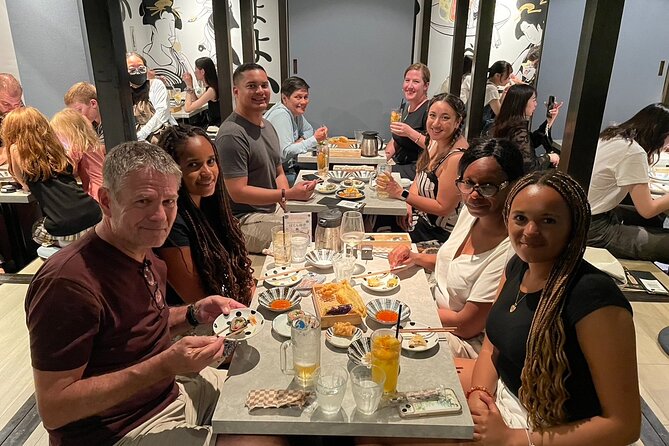
The group can have up to 10 people. That is a good size for shared plates and conversation, though it is not a private tour. You may eat with people from Europe, the United States, South America, and elsewhere, which can add a pleasant social side to the evening.
Guides have included Yuvia, Alessio, Amy, Pedro, Mehrab, Maggie, Gui, and others. The strongest guiding comes when the host explains each dish, talks about local customs, and keeps the group moving without rushing. Several guides received especially warm praise for making people feel included and comfortable trying unfamiliar food.
The quality of the commentary may vary. Some hosts are lively and personal, while others can sound rehearsed or repeat the same points. That is worth knowing if you are booking mainly for deep food instruction rather than for a relaxed group outing.
Stop One: Lanterns, Teahouses, and Kyoto’s Food Traditions
The first part centers on Pontocho District. Walking here early in the tour is smart because it gives you a visual introduction before the food takes over. You see one of Kyoto’s best-preserved narrow lanes, lit by lanterns and lined with traditional buildings.
The guide explains the role of geisha in Japanese culture and points out the teahouse setting where entertainment is arranged. This is a useful distinction: geisha are professional artists trained in traditional performance and hospitality, not simply people in costumes for tourists.
Food may begin with familiar or gently approachable items, then move toward Kyoto specialties. Obanzai, the home-style vegetable dishes associated with Kyoto, can show you a side of Japanese cooking that is less formal than the city’s famous kaiseki meals. Yuba, made from tofu skin, is another local specialty that many people would not think to order alone.
Do not expect every dish to be a dramatic revelation. Some people find the food straightforward rather than exceptional, especially if they already know Japanese cuisine. The value is in tasting a range of items with an explanation, not in receiving a once-in-a-lifetime restaurant meal.
Stop Two: Small Eateries and Familiar Japanese Favorites
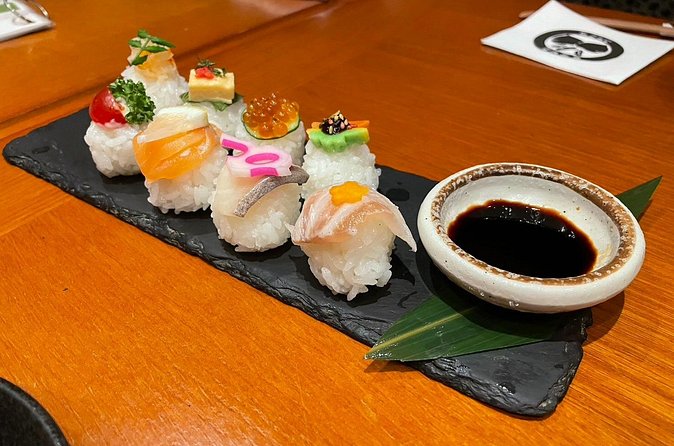
The middle portion takes you through Kyoto streets and nearby eateries. The exact menu can change, but food mentioned by participants includes takoyaki, sushi, tempura, potato salad, and drinks with citrus or mandarin flavors.
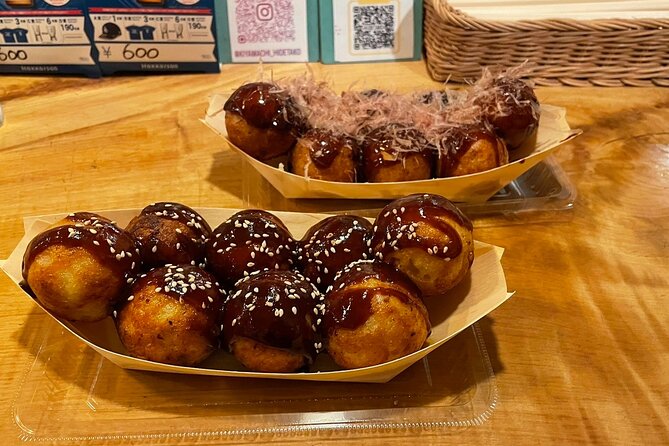
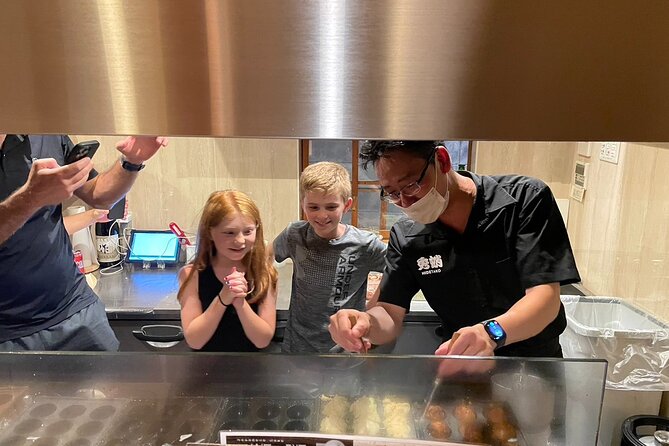
Takoyaki can be a highlight because the preparation itself offers a little theater. You may see a chef turn the small batter balls quickly on the hot plate, then finish them with sauce. The guide may also explain the difference between Kyoto and Osaka styles, giving a simple regional comparison that helps you notice how the dish changes from place to place.
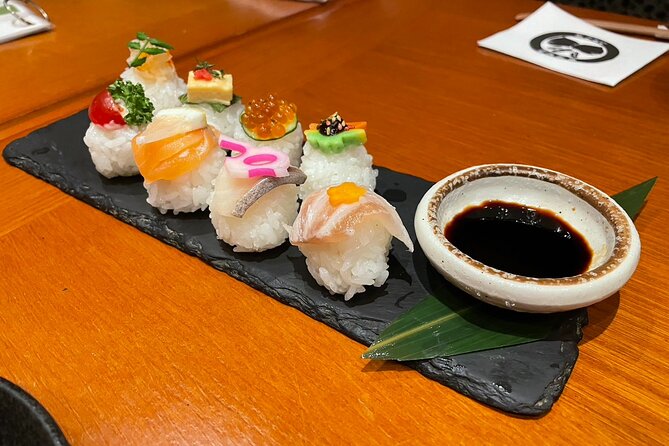
Sushi appears in small, carefully presented portions. Wagyu sushi has also been mentioned as a memorable bite, though you should not treat any single dish as guaranteed. Menus and restaurant assignments can change, so book this for the overall mix rather than for one promised specialty.
The same applies to drinks. Two eateries include one complimentary drink each, alcoholic or non-alcoholic. Some groups have received smooth, lightly sweet drinks, fizzy refreshments, or a citrus-based beverage. Alcohol is served only to people of legal drinking age, and you can choose a non-alcoholic option.
The food is generally served as a series of shared or individual tastes. That format works well if you want variety. It is less ideal if you prefer to control every ingredient or need a carefully managed meal because of allergies.
Same base, a completely different sort of day:
- PERFECT KYOTO 1-Day Bus Tour
★ 5.0 · 13,518 reviews - Kyoto: Fushimi Inari, Kinkakuji, Bamboo Grove 1 Day Bus Tour
★ 4.8 · 4,316 reviews - Kyoto: Tea Ceremony in a Traditional Tea House in Kiyomizu
★ 4.9 · 3,519 reviews - Kyoto Geisha Walking Tour: Gion District & Hidden Gems
★ 4.7 · 3,273 reviews
Stop Three: Gion After Dark
The final section moves through Gion and ends at Gion-Shijo Station. Gion’s lantern-lit streets and traditional architecture provide a fitting close to the night, especially if this is your first evening in Kyoto.
The guide continues to connect the food with local customs and seasonal ingredients. You might hear why timing matters in Japanese cooking, how a dish fits into everyday dining, or what makes Kyoto cuisine different from food in Osaka or Tokyo.
Sweet dishes can appear toward the end. Custard-filled or sweet-potato taiyaki has been especially well received, with its fish-shaped pastry offering a rich finish after the savory dishes. This is the kind of small local snack that works well on a walking food tour: easy to understand, fun to eat, and different from a standard dessert course.
The Gion walk has one limitation. Do not assume you will make a long, sweeping circuit through every famous corner of the district. The experience is built around food stops, and the actual walking section may feel brief to someone booking it as a dedicated Gion sightseeing tour.
What Thirteen Dishes Really Means
The promise of 13 dishes sounds generous, and it can add up to a filling evening. Still, the number probably refers to tasting portions, not 13 full plates. You are sampling across four venues, so each item may be modest in size.
That is a strength for adventurous eaters. You can try yuba, obanzai, takoyaki, sushi, tempura, local snacks, and sweets without committing to a full serving of each. If one dish is not your favorite, the next stop is not far away.
I would not book this expecting a refined multi-course Kyoto dinner. The experience is more casual and social, with small eateries, walking, shared discoveries, and some ordinary comfort food mixed with local specialties. Some people find that selection exciting. Others find it basic if they have already eaten widely in Japan.
The best approach is to arrive hungry but curious. You will get more from the evening if you are willing to try something unfamiliar and listen to the explanation. You will get less from it if you want only famous or luxurious ingredients.
Price and Value at $72.96
At $72.96 per person, the price is fair if you value guidance, variety, and the convenience of visiting four places in one evening. The cost includes the food, an English-speaking guide, and one drink at each of two eateries.
You are also paying for access and confidence. Small Kyoto restaurants can be hard to identify from the street, and menus may not be easy to navigate if you do not read Japanese. A guide removes much of that friction and helps you sample dishes you might otherwise skip.
The value is weaker if you mainly want food quantity. You could likely spend less at casual restaurants on your own, especially if you are comfortable ordering and finding places. You are not buying a luxury dining experience here. You are buying a guided introduction to Kyoto food culture with an atmospheric night walk attached.
The high overall score, listed at 4.9 out of 5 from 409 ratings, reflects strong satisfaction with the combination of food, setting, and hosts. Still, the lower opinions point to two useful limits: the food may feel average to experienced Japan diners, and some commentary may sound repetitive. That balanced view makes the price easier to judge.
Walking, Shoes, and Dietary Limits
Wear comfortable shoes. You will walk between restaurants and through narrow streets for about three hours, with no indication that the route is designed for people with mobility impairments.
You may need to remove your shoes at some restaurants. Choose socks without holes and footwear that comes off easily. This is a small detail, but it can make the evening much more comfortable.
The meal cannot accommodate vegan or gluten-free diets. It is also not suitable for people with celiac disease or those following a FODMAP diet. Do not assume that a minor substitution will solve the problem, since the tour is built around a set sequence of dishes and eateries.
The tour is near public transportation, begins by Sanjo-Ohashi, and ends at Gion-Shijo Station. A mobile ticket is provided, and confirmation arrives when you book. Free cancellation is available up to 24 hours before the start time. Changes or cancellations inside that window are not accepted for a refund.
Who Will Enjoy This Evening Most
I would choose this tour for a first or second night in Kyoto. It gives you food ideas, neighborhood orientation, and enough local background to make later independent meals easier.
It suits couples, solo visitors who like meeting people, and small groups wanting an easy evening without planning four restaurant stops. The maximum group size of 10 keeps it more personal than a large bus-style outing.
It is also a good match for cautious eaters who want a guide to explain unfamiliar dishes. Hosts such as Alessio, Pedro, Amy, Yuvia, and Mehrab have been praised for warmth, clear food explanations, and making the group feel welcome.
I would look elsewhere if you are vegan, gluten-free, celiac, FODMAP-sensitive, or have limited mobility. I would also skip it if your main goal is a long Gion walk, a formal Kyoto dinner, or advanced food study. The evening is social and accessible, but the food is not guaranteed to impress someone already familiar with Japanese cuisine.
Should You Book the Kyoto Gion Food Tour?
Book it if you want four casual food stops, two included drinks, and an atmospheric introduction to Pontocho and Gion without handling the restaurant planning yourself. The strongest part is the combination of small tastes and lantern-lit streets, especially when your guide is engaging and explains the local context well.
Go in expecting variety rather than luxury, tasting portions rather than a single grand meal, and a focused neighborhood walk rather than a full tour of Gion. If those terms fit what you want, $72.96 is a reasonable price for a full evening of food, culture, and easy company.
FAQ
How long does the Kyoto Gion food tour last?
The experience lasts approximately three hours.
How many dishes are included?
The tour includes about 13 dishes served across four eateries.
How many people can join the tour?
The maximum group size is 10 travelers.
Are drinks included?
Yes. One complimentary alcoholic or non-alcoholic drink is included at each of two eateries, for two drinks in total. Alcohol is available only to people of legal drinking age.
Can the tour accommodate vegan or gluten-free diets?
No. The tour cannot cater to vegan or gluten-free diets and is not suitable for people with celiac disease or those following a FODMAP diet.
Where does the tour start and finish?
It starts at Starbucks Coffee near Kyoto Sanjo-Ohashi Bridge and ends at Gion-Shijo Station.
Can I cancel for a full refund?
Yes, if you cancel at least 24 hours before the experience start time. Cancellations or changes made less than 24 hours before the start are not accepted for a refund.
More Geisha Experiences
- Kyoto: Gion Magical Night Walking Tour with Geisha Trivia
★ 4.9 · 2,393 reviews - Kyoto: Gion Geisha District Walking Tour – Stories of Geisha
★ 4.7 · 2,187 reviews - Best of Kyoto: Gion, Geisha, Pagodas & Cobblestones
★ 4.9 · 2,058 reviews - Night Walk in Gion: Kyoto’s Geisha District
★ 4.5 · 2,003 reviews
Just added around Kyoto
- Kyoto: Zen Meditation at a Private Temple with a Monk★ 5.0 · 25 reviews
- Kyoto: Gion Geisha District & Sake-in-Hand Walking Tour★ 5.0 · 37 reviews
- Private Pewter Sake Cup Experience with a Kyoto Artisan★ 5.0 · 31 reviews
- Your Private Vacation Photography Session In Kyoto★ 5.0 · 110 reviews
- Private Guided Traditional Buddhist Cooking in Japan★ 5.0 · 16 reviews
- Kyoto Wagashi(Japanese sweets) Cooking Class near Fushimiinari★ 5.0 · 60 reviews
- Traditional Japanese Music show & Experience Tour in Kyoto★ 5.0 · 57 reviews
- Kyoto:Family-Friendly Kimono & Yukata Experience at WARGO★ 5.0 · 147 reviews
Kyoto Tours, compared.
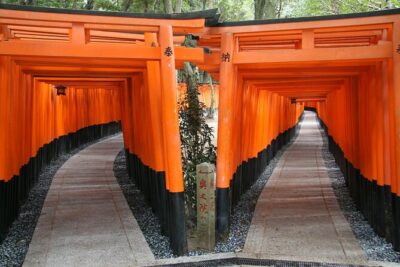
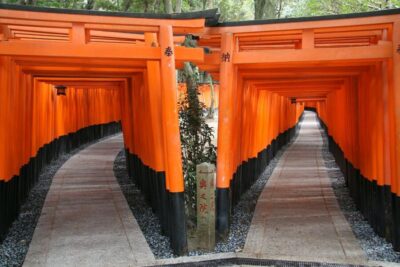
Fushimi Inari, Kinkakuji, Bamboo Grove 1 Day Bus Tour
Read our review →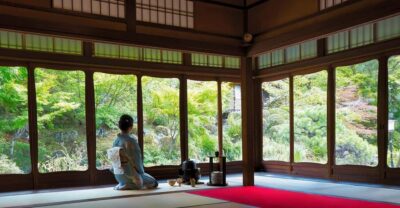
Tea Ceremony in a Traditional Tea House in Kiyomizu
Read our review →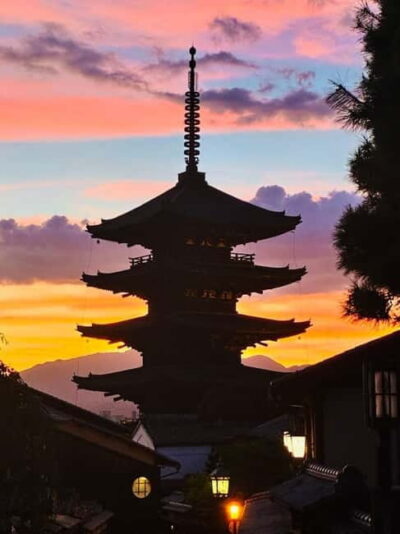
Kyoto Geisha Walking Tour: Gion District & Hidden Gems
Read our review →
Gion Magical Night Walking Tour with Geisha Trivia
Read our review →
Gion Geisha District Walking Tour – Stories of Geisha
Read our review →Browse the lists this tour appears in