

Reviewed · KYOTO TOURS
Best of Kyoto: Gion, Geisha, Pagodas & Cobblestones
Kyoto’s Gion district changes after dark. Lanterns glow on wooden facades, temple grounds grow quiet, and the narrow lanes feel far removed from the daytime crowds. This two-hour evening walk gives you a useful first look at Kyoto’s old center without asking you to commit a full day.
I like the calm timing and the way the walk links shrines, temple lanes, and geisha culture rather than treating them as separate sights. I also like the practical finish: your guide can point you toward a place for a drink or meal. The main consideration is that night brings darker stretches, cold weather in winter, and no guarantee that you will see a geiko or maiko.
Key points at a glance
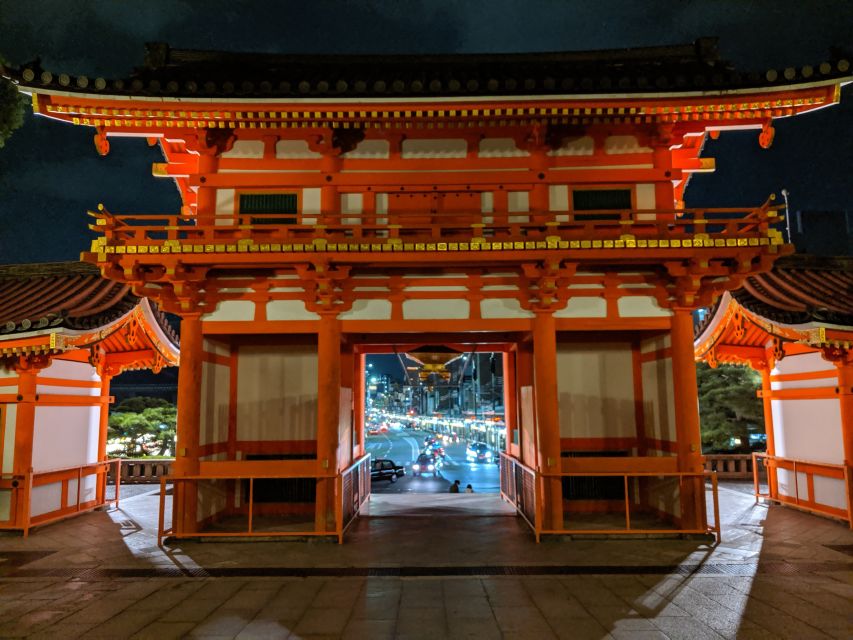
- Lantern-lit Gion after dark: See the old entertainment district when many daytime visitors have gone.
- Four distinct cultural stops: Visit Yasaka Shrine, Ninenzaka, Hōkan-ji Temple, and Yasui Kompira-Gu Shrine.
- Respectful geisha context: Learn about the training and working lives of geiko and maiko, rather than just hunting for photographs.
- Guides with strong personal style: Karim, Kevin, Ben, Janiel, Janelle, and others are praised for clear explanations, humor, and useful local suggestions.
- Good first-night orientation: The walk gives you a compact introduction to Kyoto’s customs, religions, and historic center.
- Low-cost guided experience: At $24 per person, the tour offers solid value if you want context that you would miss while walking alone.
Why Gion works best at night
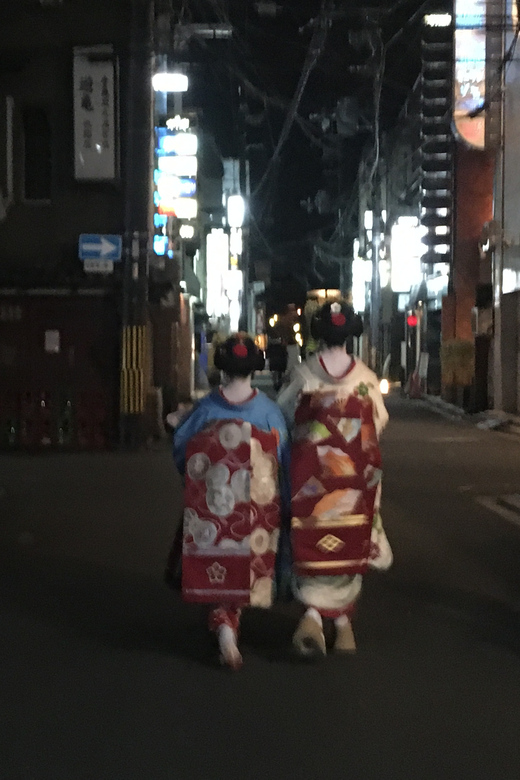
Gion is famous for its wooden machiya buildings, narrow lanes, traditional restaurants, and geisha houses. During the day, the area can feel crowded and photographic opportunities can become awkward. The later timing helps you see the district with more quiet around you.
This is not a theatrical night show. The appeal comes from ordinary streets viewed at a more atmospheric hour. You walk beneath lanterns, pass old buildings, and pause while your guide explains what you are seeing. The setting does much of the work, but the guide helps you understand the difference between a shrine, a temple, a geisha district, and the modern businesses that still operate here.
I especially like this as a first evening in Kyoto. You get a mental map of Gion and Higashiyama, then can return later on your own with a better sense of where you are. Guides such as Karim, Kevin, Ben, and Janiel have been praised for balancing facts with conversation, which matters on a walking tour. Too much lecture can make two hours drag. Here, the best guides keep the pace relaxed and leave room for questions.
The evening schedule has tradeoffs. Some spots are darker than they would be in daylight, and winter nights can be cold. Wear comfortable shoes, bring an extra layer, and keep your phone light available without shining it into homes, shops, or people’s faces.
More geisha-district evenings:
- Kyoto Geisha Walking Tour: Gion District & Hidden Gems
★ 4.7 · 3,273 reviews - Kyoto: Gion Magical Night Walking Tour with Geisha Trivia
★ 4.9 · 2,393 reviews - Kyoto: Gion Geisha District Walking Tour – Stories of Geisha
★ 4.7 · 2,187 reviews
Yasaka Shrine: a strong start in Kyoto’s old quarter
The walk begins from one of two possible meeting points near Kyoto Gion, listed as Tsuruha Drug Yasaka Shrine Store or the nearby FamilyMart. Your exact meeting place depends on the option you book, so check the confirmation carefully before setting out.
Yasaka Shrine receives about 20 minutes of guided attention. It is a useful opening because it places you directly in the cultural heart of the district. Your guide can explain shrine customs, local religious practice, and the role of the site in Kyoto life.
At night, a shrine visit feels different from a daytime sightseeing stop. The lighting is softer, the surrounding streets are less hectic, and you have more space to listen. You should still treat the grounds as an active place of worship, not simply a backdrop for photographs.
This first stop also sets up a theme that runs through the walk: Kyoto’s old districts are not museum pieces. They remain places where people pray, work, eat, live, and move through the city.
Ninenzaka: old lanes with a photographic price
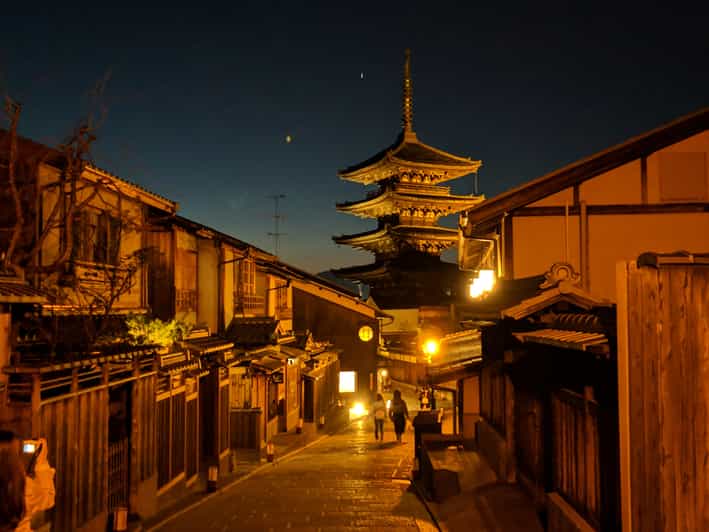
From Yasaka Shrine, the walk continues to Ninenzaka for roughly 20 minutes of explanation. The slope is one of Higashiyama’s best-known pedestrian areas, with traditional-looking buildings and stone paving.
The lane is attractive, but it is also one of the more popular parts of this side of Kyoto. The late timing helps. You may find the streets quieter than during the main daytime hours, though quiet should not be confused with empty.
Your guide’s role here is particularly useful. Instead of only pointing out pretty facades, you can ask about the district’s layout, the way traditional buildings function, and how to behave around private homes and businesses. One guide, Kevin, was praised for pointing out good photography spots while helping visitors avoid accidental disrespect. That kind of small advice improves the experience.
The cobblestones and slopes are manageable for most walkers, but you should choose shoes with a steady grip. This is a walking tour, not a vehicle-based sightseeing circuit, and the route includes uneven traditional streets.
Hōkan-ji Temple and the Yasaka Pagoda
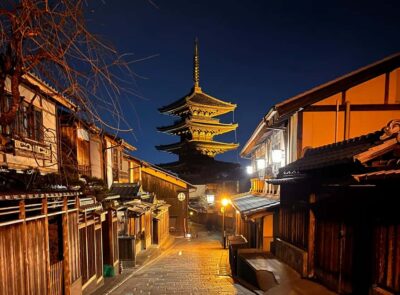
Hōkan-ji Temple receives about 20 minutes as a photo stop. Its five-story Yasaka Pagoda is one of the most recognizable sights in Higashiyama. Lit against the night sky, it provides the tour’s clearest postcard moment.
Calling this a photo stop is helpful. You should expect time to admire and photograph the pagoda, along with an explanation from your guide, rather than an extended temple visit. If you want to explore every detail of Hōkan-ji in daylight, you will need to return separately.
The nighttime view has a clear advantage: the pagoda and surrounding lanes can feel more dramatic under artificial light. The limitation is equally clear: darkness hides some architectural detail. I would treat this as a mood-and-composition stop, then plan a separate daytime return if temple interiors and close architectural study matter to you.
Your guide may also help you frame the building without blocking the lane or disturbing nearby residents. That is worth more than it sounds. These streets are narrow, and a small group that stops carelessly can quickly become a nuisance.
A few more Kyoto half-days to weigh up
- PERFECT KYOTO 1-Day Bus Tour
★ 5.0 · 13,518 reviews - Kyoto: Fushimi Inari, Kinkakuji, Bamboo Grove 1 Day Bus Tour
★ 4.8 · 4,316 reviews - Kyoto: Tea Ceremony in a Traditional Tea House in Kiyomizu
★ 4.9 · 3,519 reviews - Kyoto: Tea Ceremony Ju-An at Jotokuji Temple
★ 4.9 · 3,207 reviews
Yasui Kompira-Gu Shrine and a quieter pause
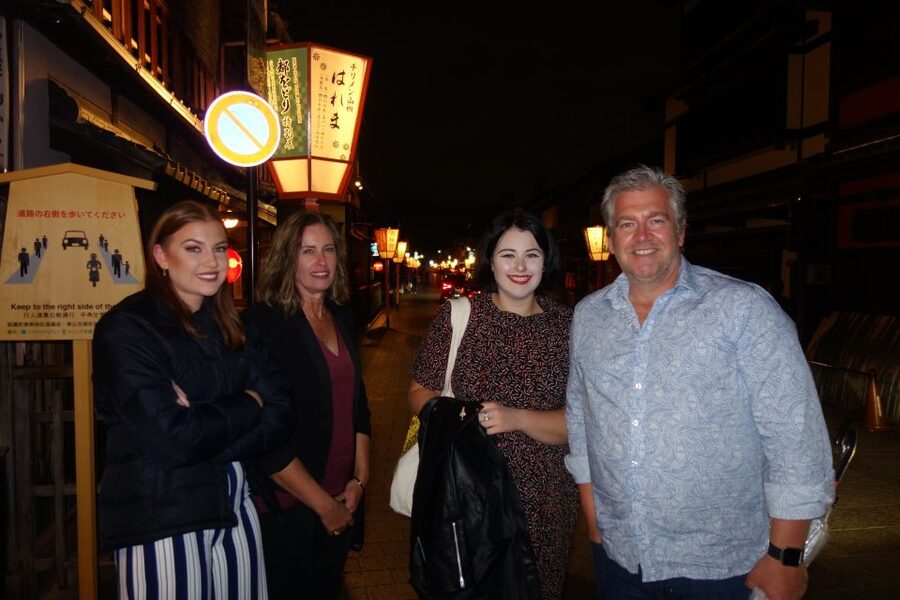
The next stop is Yasui Kompira-Gu Shrine, with about 15 minutes for a visit. Compared with the better-known pagoda and Ninenzaka lanes, this pause can feel more focused and less rushed.
A shrine visit gives your guide another chance to explain Japanese religious customs. The supplied tour details do not promise a particular ritual or ceremony, so you should come ready to observe and listen rather than expecting a scheduled performance.
I like the rhythm of this section. The route moves from a major shrine to a historic lane, then to a famous pagoda, and on to another shrine before spending the longest period in Gion. That prevents the evening from becoming a single long walk through similar-looking streets.
Gion for 45 minutes: the tour’s main conversation
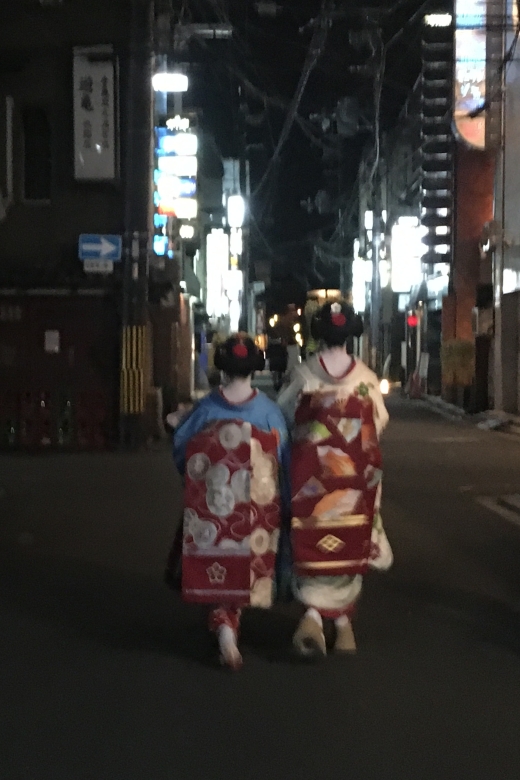
The final 45 minutes take place in Gion, where the guide focuses on the district’s history, customs, and geisha culture. This is the part most likely to shape your understanding of Kyoto’s traditional entertainment world.
A geiko is a professional entertainer trained in music, dance, conversation, and other arts. A maiko is an apprentice. The training is demanding, and the women you may see in costume are going to work, not posing for a public show.
That distinction matters. You might catch sight of a few geiko or maiko near the end of the walk, but the tour does not guarantee a sighting. Even if you see none, the explanation remains worthwhile because it replaces the usual shallow image of geisha with a clearer picture of their education, work, and place in Gion.
Several guides have been praised for discussing the subject with respect. Kevin, in particular, has been noted for explaining the years of training and the cultural importance of geiko and maiko. That approach is exactly what you want here. Keep your distance, do not block a doorway, and follow your guide’s advice about photography and conduct.
The final stretch can also be the most social. Guides including Karim, Ben, and Janelle have been described as easy to talk with and willing to answer questions beyond the basic route. If you want to ask about Kyoto food, evening plans, or places to visit next, save those questions for this part of the walk.
What the guides add to the price
At $24 per person, this is inexpensive for a two-hour guided walk in one of Kyoto’s most visited districts. You are not paying for entry to a major attraction, transport, food, or a performance. You are paying for orientation, interpretation, and company while walking through streets that can be confusing at night.
That is good value if you are visiting Kyoto for the first time and want to understand what you are seeing. It is less useful if you prefer to wander alone, already know Gion well, or want a formal geisha performance.
The guide quality is important because the route itself is easy to find with a map. The added value comes from the stories, explanations, cultural cautions, and recommendations. Karim is repeatedly praised for his warmth, humor, and clear information. Kevin is praised for pacing, broad knowledge, and thoughtful answers. Ben has used visuals on a tablet to explain history and culture. Janiel, Janelle, Hina, Diana, Salomé, and others are also singled out for making the walk engaging and relaxed.
Because the guide roster can vary, you cannot book a specific personality based on the information supplied. You can, however, expect the format to suit questions and conversation better than an audio guide.
Private and small-group options
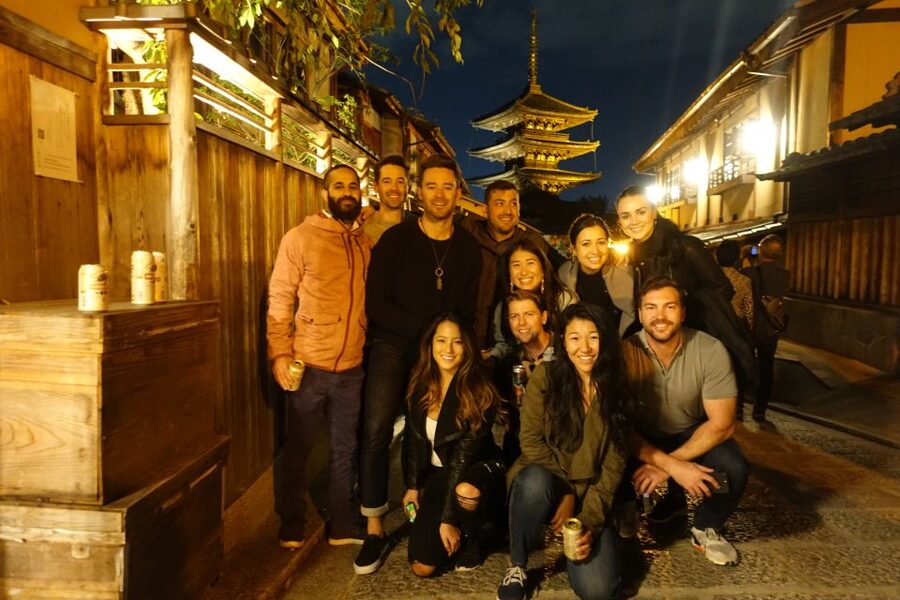
Private or small-group arrangements are available. This matters in Gion, where narrow lanes and quiet residential areas reward a less crowded group.
A small group can make it easier to hear explanations, ask questions, and adjust the pace. One particularly small outing was able to see a little more during the two hours because the guide did not have to manage a large crowd. That is not something every booking will guarantee, but it shows why group size can affect the feel of the evening.
If your booking offers a choice, think about your priorities. A private option may suit families, couples, or anyone with many questions. A small shared group usually keeps the cost lower while still providing the social benefit of a guide.
The tour is offered in English and French. Check the language and group type at the time of booking, since the meeting point may also change with the selected option.
Timing, clothing, and practical planning
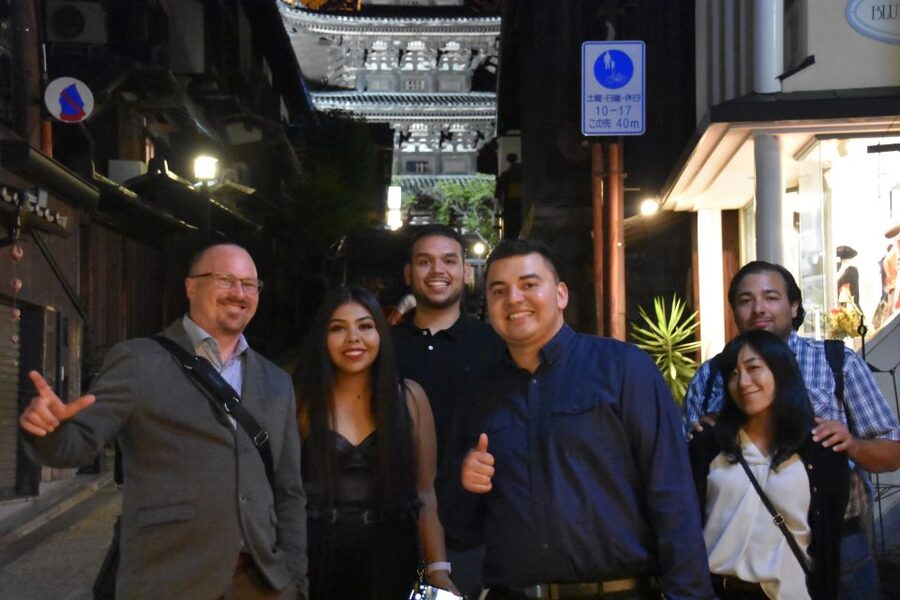
The tour lasts two hours, and starting times depend on availability. A late afternoon option may still include some daylight, while a later evening start should give you the quietest atmosphere. The exact balance depends on the season and the time slot you choose.
Winter can be cold. One outing in February was described as excellent despite freezing conditions, but that should be taken as a reminder to dress properly, not as a reason to ignore the weather. Comfortable walking shoes are essential for stone and cobbled streets, and a warm layer will make the final 45 minutes much more pleasant.
Food and drinks are not included. That is not a problem, since the guide can offer suggestions for somewhere to eat or have a drink afterward. It is a useful feature for your first night, when you may still be unsure which streets have suitable options.
Arrive early at the correct meeting point. The meeting location can vary, and customers who arrive late or cannot find the guide are not refunded. You receive the guide’s phone number, and WhatsApp is recommended if you have trouble locating the starting place. Contact the guide at least ten minutes before the tour begins if something goes wrong.
The booking terms are flexible: you can cancel up to 24 hours in advance for a full refund, and the reserve-now, pay-later option lets you hold a place without paying immediately.
Who will enjoy this Kyoto night walk
I would choose this tour for a first or second day in Kyoto, especially if you want cultural context before exploring on your own. It also suits anyone interested in Japanese religion, traditional architecture, local customs, or the real working world behind geisha imagery.
It is a good match for travelers who enjoy walking and conversation. You will get more from it if you ask questions and stay alert to the small details around you.
I would be more cautious about booking if you need step-free sightseeing, dislike uneven streets, or want extensive access inside temples. The route includes outdoor walking, slopes, cobblestones, and darker sections. It also cannot promise a geiko or maiko sighting, so do not make that your only reason for going.
Should you book Best of Kyoto: Gion, Geisha, Pagodas & Cobblestones?
Yes, if you want an affordable and thoughtful introduction to Kyoto’s historic center. The route covers the right mix of shrine grounds, old lanes, a lit pagoda, and Gion’s geiko and maiko culture. The quiet evening timing is the real advantage.
Book it early in your Kyoto stay so the guide’s recommendations can shape the rest of your visit. Go with sensible shoes, warm clothing in cool months, and realistic expectations about seeing geisha. At $24, the experience earns its price through explanation and local guidance, not through entry tickets or spectacle.
FAQ
How long does the tour last?
The guided walk lasts two hours.
How much does the tour cost?
The listed price is $24 per person.
Which areas does the walking tour cover?
The route covers Gion and Higashiyama, including Yasaka Shrine, Ninenzaka, Hōkan-ji Temple, Yasui Kompira-Gu Shrine, and Gion.
Is the tour held at night?
The experience is designed as an evening walk, when the streets and historic buildings are quieter and lantern-lit.
Will I definitely see a geisha, geiko, or maiko?
No. You may catch a glimpse of women in full costume toward the end of the tour, but a sighting is not guaranteed.
What languages are available?
The tour is available with a live guide in English or French.
Can I book a private tour?
Private and small-group options are available, depending on the option selected.
Are food and drinks included?
No. Food and drinks are not included, though the guide can provide suggestions for a place to eat or have a drink afterward.
What should I do if I cannot find the meeting point?
The guide’s phone number will be shared with you. If you are having trouble, call at least ten minutes before the start time, with WhatsApp recommended. The meeting point may vary by booking, and late arrivals or customers unable to find the guide are not refunded.
Just added around Kyoto
- Kyoto: Zen Meditation at a Private Temple with a Monk★ 5.0 · 25 reviews
- Kyoto: Gion Geisha District & Sake-in-Hand Walking Tour★ 5.0 · 37 reviews
- Private Pewter Sake Cup Experience with a Kyoto Artisan★ 5.0 · 31 reviews
- Your Private Vacation Photography Session In Kyoto★ 5.0 · 110 reviews
- Private Guided Traditional Buddhist Cooking in Japan★ 5.0 · 16 reviews
- Kyoto Wagashi(Japanese sweets) Cooking Class near Fushimiinari★ 5.0 · 60 reviews
- Traditional Japanese Music show & Experience Tour in Kyoto★ 5.0 · 57 reviews
- Kyoto:Family-Friendly Kimono & Yukata Experience at WARGO★ 5.0 · 147 reviews
Kyoto Tours, compared.
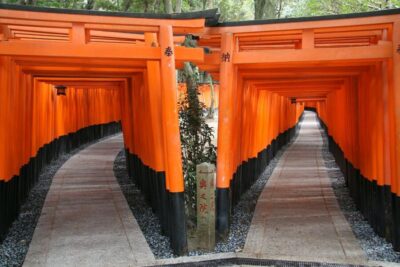
Fushimi Inari, Kinkakuji, Bamboo Grove 1 Day Bus Tour
Read our review →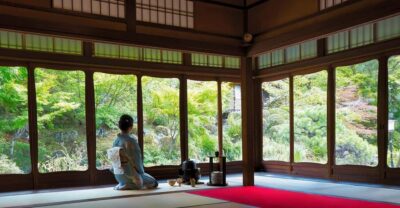
Tea Ceremony in a Traditional Tea House in Kiyomizu
Read our review →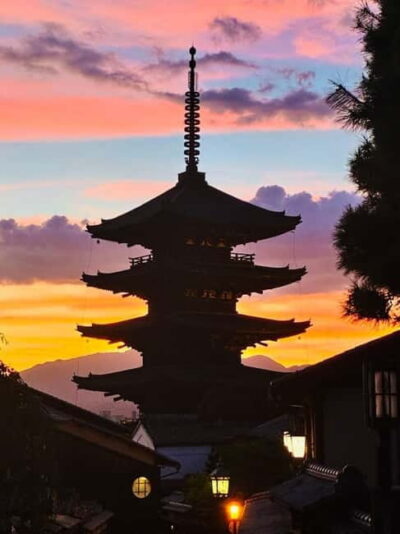
Kyoto Geisha Walking Tour: Gion District & Hidden Gems
Read our review →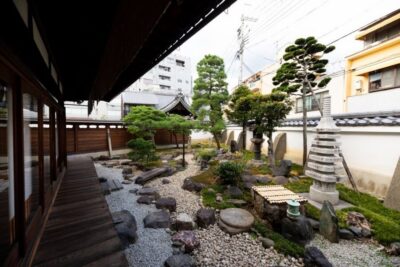
Gion Magical Night Walking Tour with Geisha Trivia
Read our review →
Gion Geisha District Walking Tour – Stories of Geisha
Read our review →Browse the lists this tour appears in