
Reviewed · KYOTO TOURS
Kyoto Nishiki Market Food and Culture Walking Tour
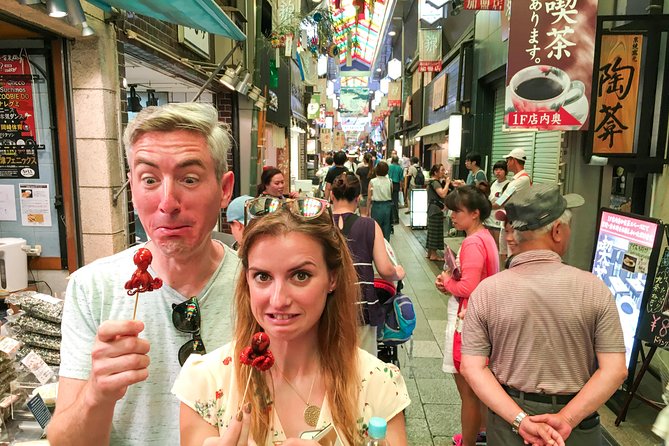
Kyoto’s Nishiki Market is a narrow, five-block food street with about 130 shops, and its crowded lanes can be hard to read on your own. This tour gives you a guide, a planned route, and plenty of chances to try unfamiliar foods, from yuba and pickles to minced-meat sandwiches and local sweets. I especially like the market context and the visit to Nishiki Tenmangu Shrine. The small groups, capped at six, also make it easier to ask questions and pause at shops.
The main concern is value. At $80.92 per person, the tour costs more than simply walking through Nishiki Market and buying a few bites yourself. The number of included tastings can vary, and some people find the food generous while others expect more stops for the price.
Key points at a glance
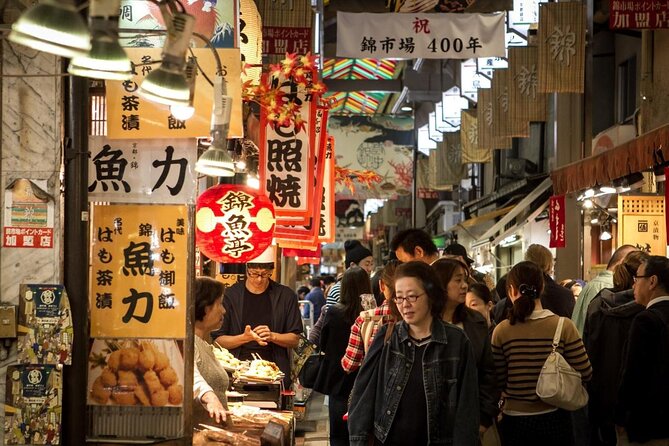
- About 10 tastings may be included, with food intended to replace a meal, though the exact selection can vary.
- Nishiki Market takes up about 1 hour and 40 minutes, giving you time to eat, browse, and learn how the market works.
- The group is limited to six people, which suits solo visitors and families who want direct help.
- The route adds shrines and shopping streets, including Nishiki Tenmangu, Shinkyogoku, Teramachi-dori, and Takoyakushido Eifukuji.
- Guides can shape the experience around your interests, with past guides including Keiko, Takuma, Annie, Toshi, Atsu, Akiko, and many others.
- Dietary restrictions cannot be accommodated, including vegetarian, halal, kosher, gluten-free, and allergy-related requests.
Why Nishiki Market works best with a guide
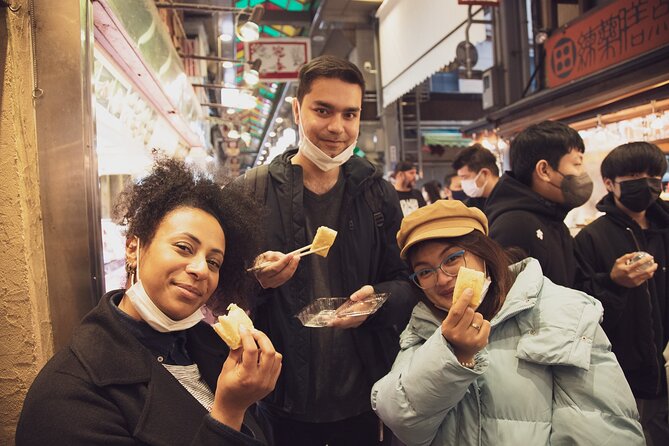
Nishiki Market looks simple on a map. In practice, it is a tight corridor packed with food shops, souvenir stalls, prepared foods, seafood, sweets, and small places selling ingredients that may be unfamiliar to you. The market has operated for about 400 years, and its nickname, Kyoto’s Kitchen, is well earned.
I like that this experience does not treat the market as just a place to grab snacks. Your guide explains what you are seeing and helps you decide what is worth trying. That matters in a market where menus may be written in Japanese, portions may look small, and some foods are hard to identify until you taste them.
The tour also avoids the need for restaurant reservations. You move from shop to shop, sampling selected foods as you go, then continue into the streets around the market. This is a good setup for your first full day in Kyoto, when you want an introduction to local food but do not yet know where to begin.
The group limit of six is a real advantage. A guide can answer your questions, adjust the pace, and spend more time with a solo participant or a small family group. Several guides, including Takuma, Toshi, Annie, and Atsu, have been singled out for clear English, friendly manners, and useful explanations.
Still, you should set your expectations carefully. This is not necessarily a stop-at-every-stall eating marathon. The operator describes the food as enough to fill you in place of a meal, and one detailed account listed ten food and drink samples. Other accounts describe fewer paid tastings, with extra opportunities to buy food independently. Your exact route and menu may depend on the day, the shops, and the guide.
More food tours in Kyoto:
- Kyoto Night Foodie Tour in Gion (9+ dishes + 6 Sake tastings)
★ 5.0 · 1,762 reviews - 3-Hour Kyoto Insider Sake Brewery Tour with Tastings & Pairings
★ 5.0 · 917 reviews - Arashiyama Bamboo, Temple, Monkeys, or Secret Sake Brewery
★ 4.8 · 886 reviews
The 1-hour-40-minute walk through Nishiki Market
The longest part of the tour takes place inside Nishiki Market. You have about 1 hour and 40 minutes to take in the smells, colors, narrow passage, and constant flow of shoppers.
This timing gives you more than a quick pass through the arcade. You can stop to examine ingredients, ask what a product is used for, and learn which foods are associated with Kyoto. The market is also a practical place to shop for edible souvenirs. Past participants have left with items such as matcha salt and drink concentrates, things you might easily miss if you simply wandered past the displays.
Food samples can include a broad mix. Specific examples from the experience include yuba, soy doughnuts, omelet, pickled cucumbers, gyoza, wheat starch, honey yuzu lemonade, minced-meat sandwiches, and tempura conger eel. Kobe-style minced-meat pies have also been a favorite. These examples show the appeal of the tour: you are not limited to one familiar dish.
Some stops may be seafood-focused, while others introduce Kyoto ingredients, sweets, fried foods, or seasonings. You may also receive small samples offered by vendors in addition to the food arranged through the tour. That can make the experience feel like a full lunch, especially if you arrive hungry.
The drawback is that the market can be extremely crowded. If you bring a stroller, tell the operator in advance. The narrow passage is not ideal for pushing through with bulky equipment, especially at busy times. You should also stay close to your guide and avoid stopping in the middle of the walkway while taking photographs.
The market is free to enter, but that does not mean the tour is unnecessary. You are paying for the guide’s time, the organized tastings, explanations, and help making choices. If you already feel comfortable ordering from Japanese food stalls, you may prefer to spend the $80.92 directly on food and shopping.
Nishiki Tenmangu Shrine and everyday worship
The 15-minute visit to Nishiki Tenmangu changes the rhythm of the tour. After the food stalls, you step into a local Shinto setting and learn what you are seeing at the shrine.
Your guide explains basic shrine features and how to pray. You also learn about worship in everyday Japanese life, rather than only hearing about grand temples and famous landmarks. That makes this short stop useful for first-time visitors who may otherwise feel unsure about what to do at a shrine.
I like this addition because it connects food and daily life. Kyoto’s market culture is not separate from its religious traditions. A small shrine beside a shopping area shows how temples and shrines fit into ordinary neighborhoods.
The stop is brief, so do not expect a full shrine tour or a long lesson in Shinto. It works as a clear introduction, especially if you have not yet visited a shrine in Japan. You may also visit another shrine depending on how your guide shapes the route, but the listed stop is Nishiki Tenmangu.
Shinkyogoku’s 20 minutes of shopping
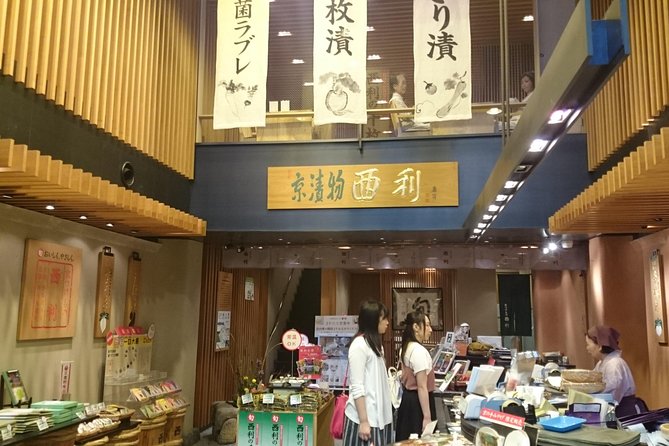
Next comes Shinkyogoku Shopping District, a pedestrian shopping arcade that mixes older Kyoto touches with modern commercial life. The scheduled time is about 20 minutes.
This is less about formal sightseeing and more about seeing where local shopping happens. The arcade gives you a different feel from the food market. You may find clothing, small goods, snacks, and souvenir shops, along with the everyday movement of downtown Kyoto.
The brief stop can help you place Nishiki Market in its wider setting. You are not visiting an isolated attraction. You are walking through a central shopping area where food, religion, retail, and city life sit close together.
Twenty minutes is enough for a look, but not enough for serious shopping. If you see something you want, ask your guide about returning later. One useful feature of this tour is that guides may point out products and shops you would not have noticed alone, while still leaving some time for you to browse.
Same base, a completely different sort of day:
- PERFECT KYOTO 1-Day Bus Tour
★ 5.0 · 13,518 reviews - Kyoto: Fushimi Inari, Kinkakuji, Bamboo Grove 1 Day Bus Tour
★ 4.8 · 4,316 reviews - Kyoto: Tea Ceremony in a Traditional Tea House in Kiyomizu
★ 4.9 · 3,519 reviews - Kyoto Geisha Walking Tour: Gion District & Hidden Gems
★ 4.7 · 3,273 reviews
Takoyakushido Eifukuji, a small temple beside the shops
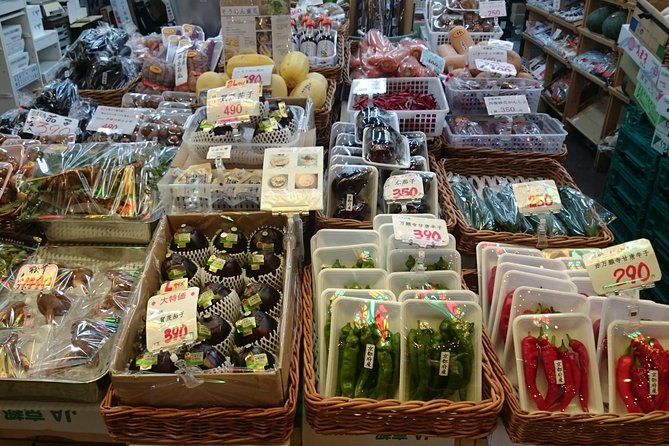
The 10-minute stop at Takoyakushido Eifukuji Temple is short and local in character. This is a small Buddhist temple at the corner of a shopping street, not one of Kyoto’s major temple complexes.
That modest setting is the point. Kyoto has temples woven into ordinary neighborhoods, and you can sometimes pass one without realizing what it is. Your guide helps you notice how religious sites exist beside stores, arcades, and daily errands.
Do not come expecting elaborate gardens or a large complex. You get a quick look and a simple cultural explanation. For many people, that is enough to make the city feel more understandable without adding another long temple visit to an already full sightseeing schedule.
Teramachi-dori and the final stretch
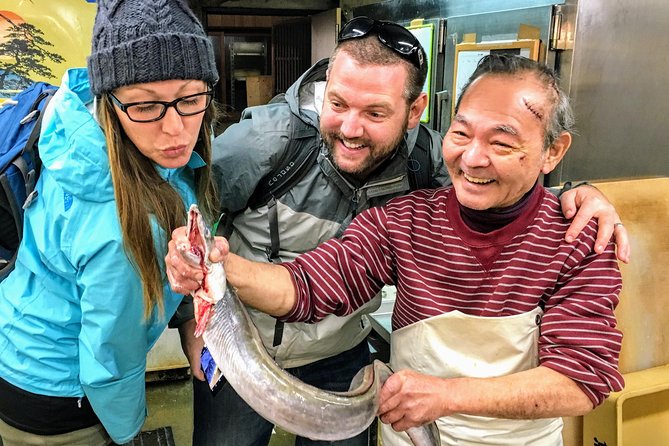
The last listed stop is Teramachi-dori Street, with about 15 minutes for walking and browsing. The street has a mix of long-established shops and newer businesses, making it a useful final look at Kyoto’s commercial side.
This part of the route can also be practical. Your guide may help you identify foods, seasonings, or small gifts to take home. If you are overwhelmed by the choice in downtown Kyoto, a local guide can narrow things down based on what you actually like.
The tour may run a little longer than three hours if the group stops often or spends extra time shopping. That is not necessarily a problem, but you should avoid booking a tight appointment immediately afterward. The pacing includes both walking and sitting, which can make the outing easier on your back than a nonstop market crawl.
The food value at $80.92
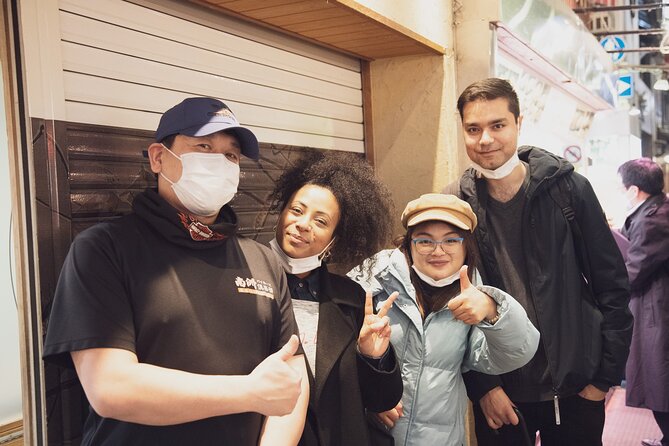
The price deserves a close look. $80.92 per person is a premium for a three-hour walking tour, especially because Nishiki Market itself has no admission fee and is easy to reach by public transportation.
The fee makes more sense if you value guidance and want a meal’s worth of samples without choosing each item yourself. You are also paying for cultural explanations, help with ordering, a route through nearby shopping streets, and a small group. If your guide introduces you to foods you would not recognize or helps you find a useful souvenir such as matcha salt, the service can save time and reduce guesswork.
The food count is the uncertain part. One account describes ten samples, including several substantial bites and a drink. Another describes three market items plus three at a sit-down restaurant and felt that the amount was too limited. The provider has also explained that some outings visit five shops and provide around ten samples.
I would think of the food as a planned tasting meal, not an unlimited buffet. You may finish full, but you should not assume every tour includes the same number or type of items. If eating is your only goal, self-guided Nishiki Market sampling may cost less and let you try more. If you want explanations and a clear route, the price is easier to justify.
Guides make the largest difference
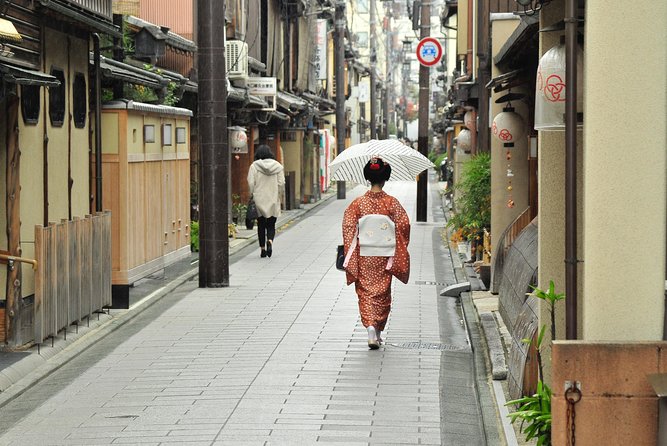
The guide is central to this experience. Names associated with the tour include Keiko, Takuma, Miku, Toshi, Naoko, Annie, Atsu, Akiko, Eric, Saeko, Nagi, Taisei, Taka, Yasuko, Yoko, and Chizuko.
That list matters because the outing is not a fixed performance with identical stops every time. Guides may adjust the route to your interests, recommend foods to try or skip, explain local expressions, or give you time to shop. One guide introduced the Kyoto dialect phrase okini, a local way to say thank you. Another helped a participant find matcha salt to take home.
The strongest pattern is personal attention. Guides have helped multigenerational groups, solo participants, and people who wanted more cultural information alongside the food. If your group has curious children, older relatives, or very different tastes, mention those interests at the start.
English ability appears to vary by guide, but specific praise has gone to guides described as clear and easy to understand. You should still ask questions. The best value comes when you treat the tour as a conversation, not simply a line of tastings.
Who should book this Kyoto food walk?
I would recommend it most strongly to first-time visitors who feel unsure about Japanese markets. You get an introduction to foods, shopping manners, shrine customs, and downtown Kyoto without having to plan each stop.
It also suits solo visitors. A maximum of six people keeps the group from feeling anonymous, and a guide can make the market less intimidating when you are alone. Families can benefit too, especially if everyone is willing to try unfamiliar foods.
This tour is less suitable for strict food planning. The operator cannot accommodate vegetarian, halal, kosher, gluten-free, or allergy-related requests. If you have a serious restriction, do not book this expecting the menu to be changed for you.
It may also disappoint experienced Japan visitors who already know how to order at markets. You can walk through Nishiki Market independently, buy small portions, and spend less. The tour earns its cost through context and convenience, not exclusive access.
Practical details before you reserve
The tour lasts approximately three hours and operates rain or shine. The experience requires good weather, so if poor weather causes cancellation, you are offered another date or a full refund.
You receive confirmation when booking, and the route is near public transportation. Most people can participate, but the market’s tight spaces deserve consideration if you have mobility concerns or bring a stroller.
Check the meeting point carefully. There has been confusion when map information showed two locations, and one reported problem involved directions that appeared to point to the endpoint. Contact Japan Wonder Travel directly if anything looks unclear before the start time, rather than relying only on map pins.
Plan to arrive hungry, but not desperate. The food may fill you, and you may want room for items you choose to buy yourself. Alcohol is not the focus, and Japan’s legal drinking age is 20.
Free cancellation is available up to 24 hours before the start time for a full refund. Cancellations or changes made within 24 hours are not refunded or accepted. Transportation, hotel pickup, extra food and drinks, and personal purchases are not included.
Should you book the Nishiki Market tour?
Book it if you want help making sense of Kyoto food culture, especially on your first visit. The small group, shrine stops, shopping streets, and guide-led tastings give you more than a simple meal.
Skip it if you are comfortable exploring markets alone or if you judge food tours mainly by the number of bites per dollar. At $80.92, the value depends heavily on your guide and the day’s tastings.
My practical choice would be to schedule it early in your Kyoto stay. You can use the guide’s food and shopping suggestions for the rest of your trip, then return to Nishiki Market on your own if you find something worth a second look.
FAQ
How long is the Kyoto Nishiki Market Food and Culture Walking Tour?
The experience lasts approximately three hours.
How many people can join the tour?
The maximum group size is six travelers.
How much does the tour cost?
The listed price is $80.92 per person.
Is food included?
Yes. The tour includes food samples intended to be enough to fill you in place of a meal. The exact number and selection can vary.
Can the tour accommodate dietary restrictions?
No. The operator cannot accommodate vegetarian, halal, kosher, gluten-free, or allergy-related requests.
What places are included on the route?
The route includes Nishiki Market, Nishiki Tenmangu Shrine, Shinkyogoku Shopping District, Takoyakushido Eifukuji Temple, and Teramachi-dori Street.
Is Nishiki Market admission included?
Nishiki Market has free admission, and the listed tour stops do not require an admission ticket.
Does the tour run in bad weather?
The tour takes place rain or shine, but if poor weather causes cancellation, you will be offered a different date or a full refund.
What is the cancellation policy?
You can cancel at least 24 hours before the start time for a full refund. Cancellations or changes made less than 24 hours before the start time are not accepted or refunded.
More Shopping in Kyoto
- Kyoto: Nishiki Market and Depachika Food Tour with a Local
★ 4.7 · 76 reviews - Kyoto: Nishiki Market Tour with a Local Foodie & Tastings
★ 4.5 · 67 reviews - Nishiki Market Lunch Tour
★ 5.0 · 47 reviews - Nishiki Market Food Tour with Cooking Class
★ 4.9 · 42 reviews
More Markets in Kyoto
- Nishiki Market Brunch Walking Tour (7 Tastings + Brunch)
★ 5.0 · 1,355 reviews - Kyoto: Nishiki Market Tea Ceremony with Koto Performance
★ 4.8 · 294 reviews - Kyoto: Nishiki Market Brunch Walking Tour-7 Tastings+Brunch
★ 4.8 · 197 reviews - Kyoto: Local Food Tasting Tour at the Nishiki Market
★ 4.7 · 135 reviews
Just added around Kyoto
- Kyoto: Zen Meditation at a Private Temple with a Monk★ 5.0 · 25 reviews
- Kyoto: Gion Geisha District & Sake-in-Hand Walking Tour★ 5.0 · 37 reviews
- Private Pewter Sake Cup Experience with a Kyoto Artisan★ 5.0 · 31 reviews
- Your Private Vacation Photography Session In Kyoto★ 5.0 · 110 reviews
- Private Guided Traditional Buddhist Cooking in Japan★ 5.0 · 16 reviews
- Kyoto Wagashi(Japanese sweets) Cooking Class near Fushimiinari★ 5.0 · 60 reviews
- Traditional Japanese Music show & Experience Tour in Kyoto★ 5.0 · 57 reviews
- Kyoto:Family-Friendly Kimono & Yukata Experience at WARGO★ 5.0 · 147 reviews
Kyoto Tours, compared.
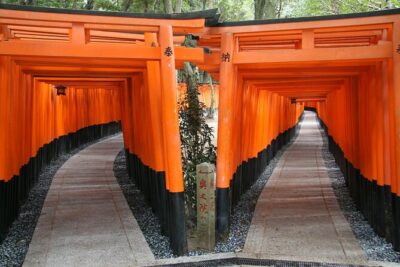
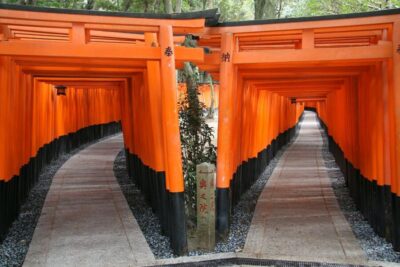
Fushimi Inari, Kinkakuji, Bamboo Grove 1 Day Bus Tour
Read our review →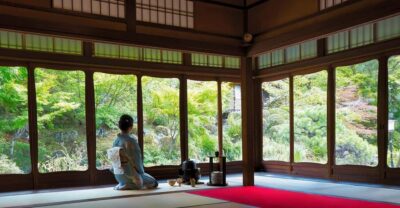
Tea Ceremony in a Traditional Tea House in Kiyomizu
Read our review →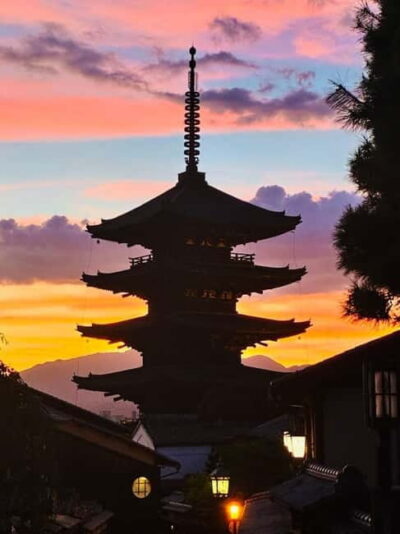
Kyoto Geisha Walking Tour: Gion District & Hidden Gems
Read our review →
Gion Magical Night Walking Tour with Geisha Trivia
Read our review →
Gion Geisha District Walking Tour – Stories of Geisha
Read our review →Browse the lists this tour appears in