
Reviewed · KYOTO TOURS
Kyoto: Nishiki Market Tea Ceremony with Koto Performance
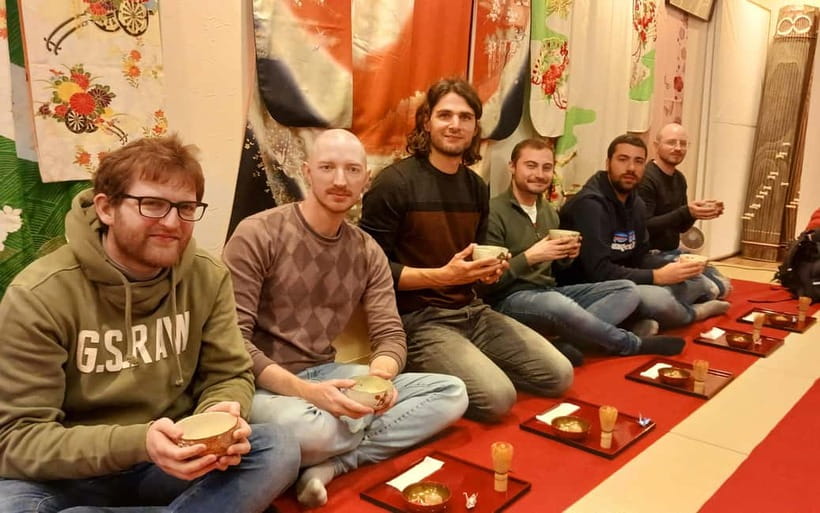
Kyoto’s tea ceremony is often presented as a quiet display you watch from the edge. At KOTOLILY KYOTO, you make your own matcha instead, then sip it while Yurika plays the koto, a traditional Japanese string instrument. That hands-on format gives the hour more warmth than a formal demonstration alone.
I like the pairing of tea and live music, since the koto performance gives the session a strong sense of place. I also like the small group size, limited to eight people, and the central spot near Nishiki Market. The main consideration is time: one hour goes quickly, and kimono photography or a koto lesson costs extra rather than forming part of the $56 ticket.
Key points at a glance
- You whisk your own matcha: Yurika explains the steps and helps you make a smooth tea with less bitterness.
- Live koto music shapes the hour: The performance takes place before and after the tea ceremony, with explanations about the instrument and its music.
- The studio is near Nishiki Market: You can combine this calm indoor activity with food stalls and shopping nearby.
- Small groups make the teaching personal: The experience is limited to eight participants and is offered in English or Japanese.
- Kimono photos are optional: You can pay on-site to wear a kimono and arrange photos and video.
- Plan for shoes-off etiquette: Leave large bags elsewhere if possible, and wear comfortable, clean socks.
A calm hour beside Nishiki Market
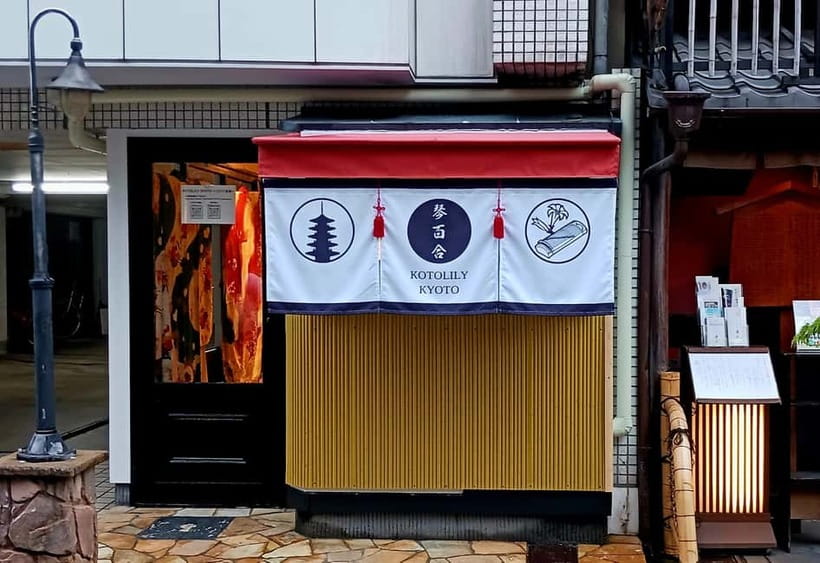
KOTOLILY KYOTO is in central Kyoto, next to KINMATA Restaurant and opposite Hotel GOCO stay. The meeting instructions are simple but worth reading carefully: go inside the shop itself, and do not wait at the hotel across the street.
The location works well in Kyoto’s changeable weather. You are close to Nishiki Market, shopping streets, and places to eat, but the activity takes place indoors. I would book it for the middle of a busy sightseeing day, when an hour of sitting quietly sounds better than another temple gate.
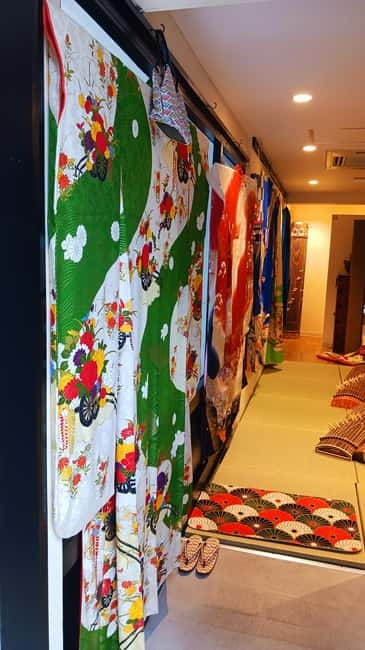
The room is small and decorative, with kimono displayed along the walls. That setting gives you useful photo opportunities even before paying for the optional kimono package. It is not a grand tea house or a large performance hall. The appeal is its intimate, personal scale.
You will remove your shoes at the entrance. A large backpack was manageable for one participant, but the room does not offer much spare space for suitcases or heavy shopping bags. Bring a camera if you like, but flash photography is not allowed.
More Tea Ceremonies in Kyoto
- Kyoto: Tea Ceremony in a Traditional Tea House in Kiyomizu
★ 4.9 · 3,519 reviews - Kyoto: Tea Ceremony Ju-An at Jotokuji Temple
★ 4.9 · 3,207 reviews - Kyoto: 45-Minute Tea Ceremony Lesson Experience
★ 4.3 · 2,378 reviews
Meeting Yurika and hearing the koto
The host, identified in the experience information as Yurika, leads the session in English or Japanese. Her English is described as strong enough for detailed explanations, questions, and cultural background. The experience works best because she does more than list instructions. She explains why the movements matter and places the tea within Japanese custom.
The koto is a long, zither-like instrument played horizontally. It has a clear, delicate sound, and the music changes the mood of the room before the tea preparation begins. Yurika performs at several points, including before and after the ceremony. The program can include traditional music as well as recognizable pieces such as Childhood and Summer.
I like this structure. The music is not tacked on as a short extra at the end. It gives the hour a gentle rhythm: listen, learn, make tea, taste the sweets, and listen again. If you are interested in Japanese music, this may be as important to you as the tea itself.
The host also explains the koto’s background and her years of study. That personal connection matters. You are not simply hearing recorded music while holding a bowl of matcha. You are watching a trained performer play in the same small room where you are learning.
Making matcha instead of only watching
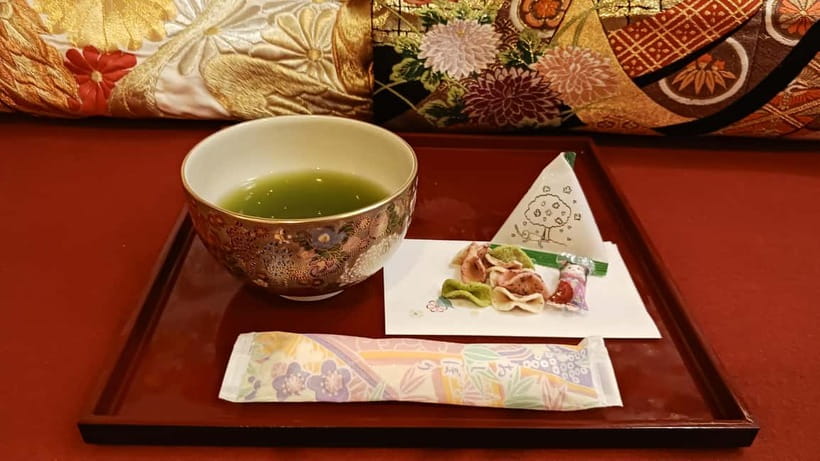
The central part of the activity is preparing your own matcha. Yurika guides you through the process, from adding the tea and water to whisking it into a creamy drink. The goal is a smoother, less bitter cup, and the instructions are designed for beginners.
This is a good choice if you have never attended a tea ceremony. You do not need to know the gestures in advance, and you are not expected to perform a complicated ritual perfectly. The teaching keeps the ceremony approachable while still showing the care behind each step.
You also learn about green tea and tea etiquette. The ceremony is not reduced to a quick lesson in using a bamboo whisk. The pauses, movements, and manner of serving help explain why tea preparation has such a respected place in Japanese culture.
The sweets served with the tea are part of the experience, not a full meal. They provide a pleasant contrast to the matcha and help balance its taste. If you are not normally fond of matcha, the careful preparation may make it easier to enjoy, but people with food allergies should not book this activity. The experience is specifically listed as unsuitable for people with food allergies.
You may prepare more than one type of green tea, depending on the session. The focus remains practical: you participate, taste what you made, and learn how the tea is meant to be enjoyed.
Why the koto and tea combination works
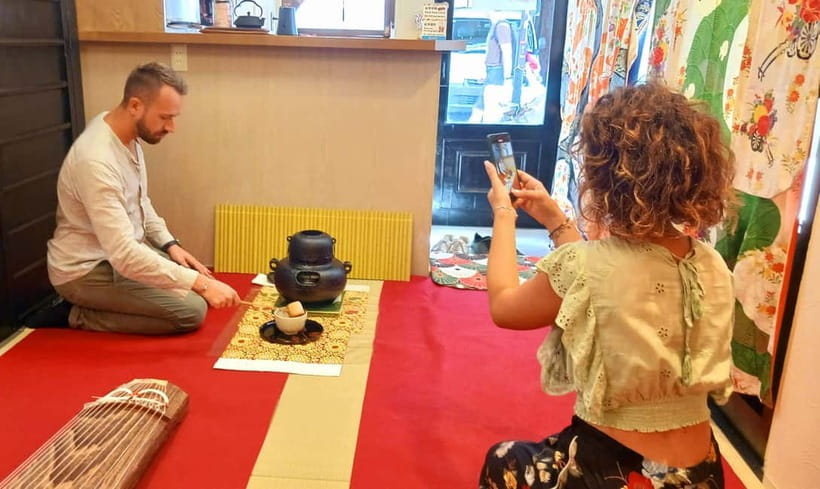
A tea ceremony and a koto performance could easily feel like two separate activities placed back to back. Here, they complement each other. Both ask you to slow down and notice small details, from the sound of the strings to the texture of the whisked tea.
The music also gives the ceremony emotional range. The tea preparation is precise and instructional, while the koto pieces create space for simple listening. Several performances are included, rather than one brief tune, so the musical side feels substantial for a one-hour session.
I would choose this experience over a basic matcha workshop if you want cultural context and atmosphere in the same booking. It is also a useful option for someone who has already attended a tea ceremony and wants a different angle. The koto performance makes it more than a repeat of the standard tea-and-sweets format.
That said, do not book it expecting a full concert. The music supports the tea ceremony, and the hour is divided between performance, explanation, preparation, and tasting. If your priority is an extended koto recital, a dedicated music event would suit you better.
Same base, a completely different sort of day:
- PERFECT KYOTO 1-Day Bus Tour
★ 5.0 · 13,518 reviews - Kyoto: Fushimi Inari, Kinkakuji, Bamboo Grove 1 Day Bus Tour
★ 4.8 · 4,316 reviews - Kyoto Geisha Walking Tour: Gion District & Hidden Gems
★ 4.7 · 3,273 reviews - Kyoto: Gion Magical Night Walking Tour with Geisha Trivia
★ 4.9 · 2,393 reviews
Optional kimono photographs and koto lesson
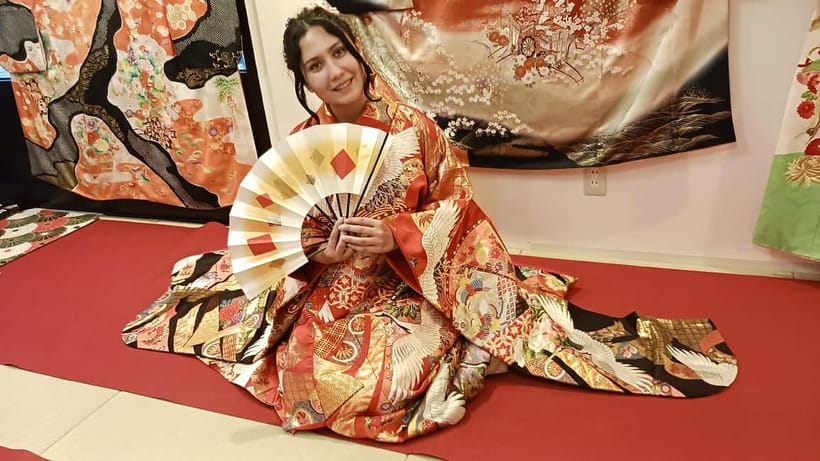
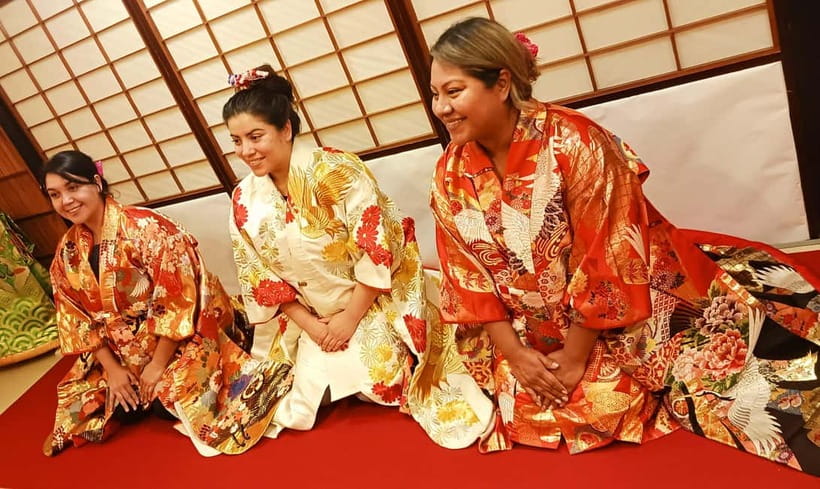
Kimonos are available at the studio for an additional fee. You can choose a garment, add traditional hair accessories, and arrange photos and video. The kimono display helps make the room feel especially photogenic, and the photos can give you a lasting souvenir of the afternoon.
The optional package is separate from the $56 admission. You make an offer or ask the staff about it after the tea ceremony. This timing gives you a chance to decide after seeing the setting rather than paying for it automatically when you book.
Be clear about what you want. The basic activity includes the tea ceremony, matcha preparation, sweets, and koto performance. It does not include kimono rental, photos, video, or a koto lesson.
A short koto-playing experience is also available for an extra charge. It is a good add-on for curious musicians or anyone who wants more than listening. Since the standard visit is only an hour, ask about the lesson after the ceremony so you can judge how much extra time and money you want to spend.
One practical point: the kimono option may be used mainly for photographs after the tea rather than throughout the ceremony. If wearing the kimono while drinking matcha is important to you, ask the staff about the exact arrangement before committing to the add-on.
Is $56 a fair price?
At $56 per person, this is not the cheapest way to drink matcha in Kyoto. You can find tea shops where a bowl and sweet cost much less. The value here comes from the guided preparation, cultural explanation, small group format, and live koto performance.
You are effectively combining two short cultural activities in one central booking. The tea portion gives you something to do with your hands, while the music offers a polished performance. That combination makes the price reasonable for a first-time introduction to Kyoto traditions, especially if you prefer structured activities to simply observing from a counter.
The value is stronger when you use the location well. Visit Nishiki Market before or after the session, and the booking becomes an easy part of a larger central Kyoto outing. Transportation is not included, so you will need to reach the shop yourself.
I would be less enthusiastic about the price if you only want to sample matcha or if you dislike group instruction. The room is compact, and the session follows a set structure. You are paying for the full cultural presentation, not just the drink.
Who will enjoy this most
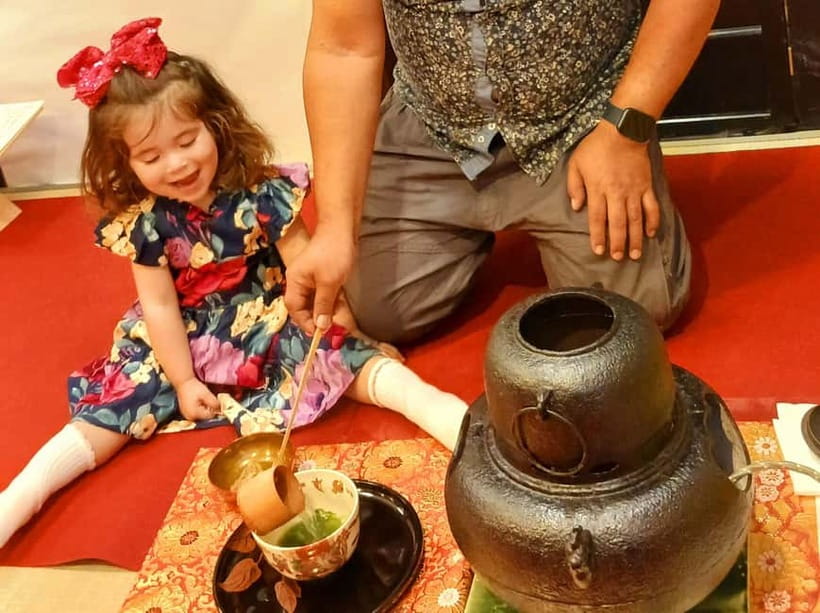
I would recommend this for couples, families with older children, solo visitors, and first-time visitors who want a manageable introduction to Japanese customs. The limited group size helps the host answer questions and guide each person through the whisking process.
It also suits people who want a quiet break from sightseeing. One family described the hour as a peaceful shared activity for adult children, and that makes sense: everyone can take part without needing special fitness or prior knowledge.
Children under eight are not suitable for this experience. Wheelchair users should also choose another activity, since the venue is not listed as wheelchair accessible. Comfortable clothes are advised, especially if you plan to add a kimono session or sit for the tea preparation.
Music lovers have an extra reason to book. Yurika’s playing is repeatedly described as a major part of the experience, and the performance gives you access to an instrument you might not encounter during ordinary sightseeing.
If you want a highly formal ceremony with strict silence and an elaborate tea house setting, this may feel more relaxed and tourist-friendly than you expect. That is not a flaw, but it is useful to know. The aim is teaching and participation, not a lengthy ceremonial performance.
Timing and practical advice
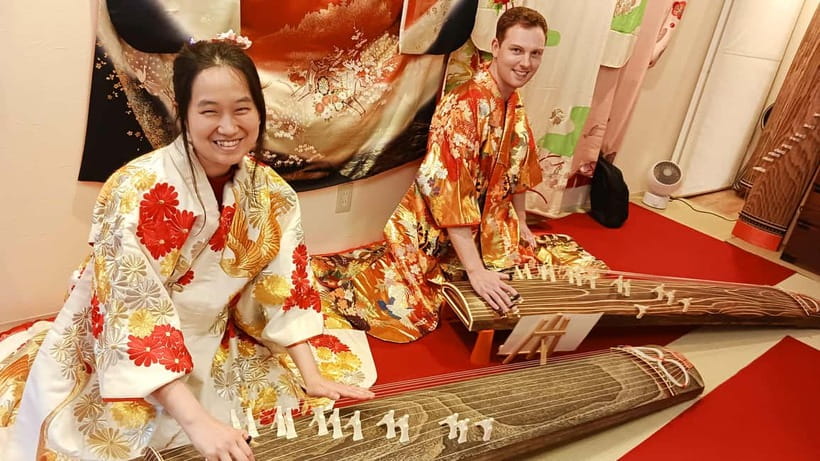
The activity lasts one hour. Check the available start times when booking, then arrive at KOTOLILY KYOTO rather than waiting outside the nearby hotel. The shop is next to KINMATA Restaurant and opposite Hotel GOCO stay.
I would arrive a few minutes early. Shoes come off at the door, and a small studio works better when you are not rushing in with a large bag. Clean socks are a sensible detail, since you will be barefoot or in socks during the session.
Bring a camera, but keep the flash switched off. Ask before recording the koto performance, since the stated rule specifically prohibits flash photography, and the small room can make equipment awkward.
English and Japanese are available. The small group limit is eight people, though some time slots may feel more intimate than others depending on bookings. Free cancellation is available up to 24 hours before the activity, and the reserve-now, pay-later option is useful if your Kyoto schedule is still shifting.
Should you book KOTOLILY KYOTO?
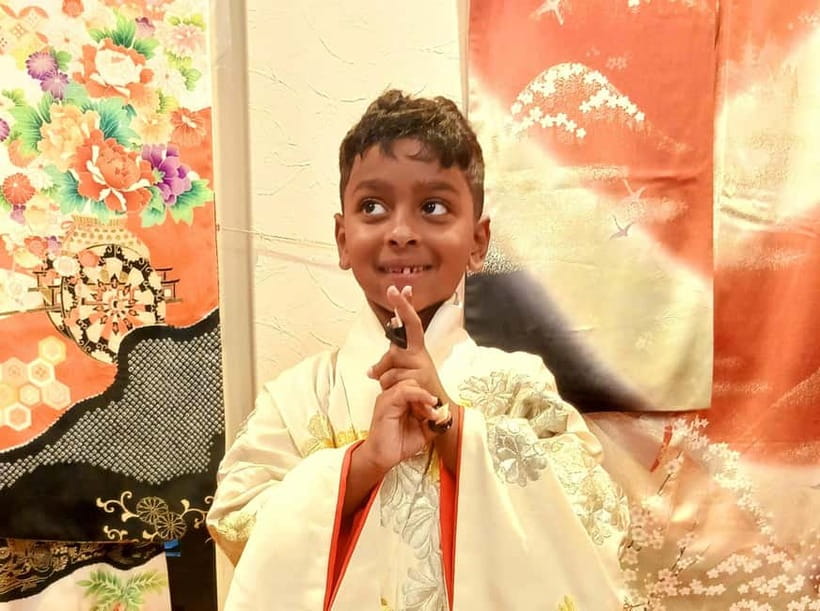
Book it if you want to make matcha yourself, hear live koto music, and learn the meaning behind tea etiquette without giving up half a day. The central location, one-hour length, and small group size make it easy to fit into a Kyoto itinerary.
I would especially choose it for a first tea ceremony, a rainy afternoon near Nishiki Market, or a couple looking for a calm cultural activity. Add the kimono photographs if you want a polished souvenir, or the koto lesson if the instrument catches your interest.
Skip it if you need wheelchair access, have food allergies, are traveling with children under eight, or want an extended formal ceremony. For most other visitors, $56 buys more than a cup of tea: you get instruction, sweets, music, and a personal introduction to two Japanese traditions in one compact visit.
FAQ
Where does the Kyoto tea ceremony take place?
It takes place inside KOTOLILY KYOTO in central Kyoto. The shop is next to KINMATA Restaurant and opposite Hotel GOCO stay, near Nishiki Market.
How long does the experience last?
The tea ceremony and koto performance last one hour.
What does the $56 price include?
The price includes the tea ceremony, matcha preparation, tea sweets, and live koto performance.
Is transportation included?
No. You must arrange your own transportation to and from KOTOLILY KYOTO.
Is the activity offered in English?
Yes. The instructor offers the experience in English and Japanese.
Can I wear a kimono during the experience?
Kimono rental, photos, and video are available on-site for an additional fee. Ask the staff about the details after the tea ceremony.
Can I try playing the koto?
Yes. A koto-playing lesson is available for an additional fee at the location. Ask the staff after the tea ceremony.
Is the activity suitable for children and wheelchair users?
The experience is not suitable for children under eight or wheelchair users. It is also not suitable for people with food allergies.
More Shopping in Kyoto
- Kyoto: Nishiki Market and Depachika Food Tour with a Local
★ 4.7 · 76 reviews - Kyoto: Nishiki Market Tour with a Local Foodie & Tastings
★ 4.5 · 67 reviews - Nishiki Market Lunch Tour
★ 5.0 · 47 reviews - Nishiki Market Food Tour with Cooking Class
★ 4.9 · 42 reviews
More Markets in Kyoto
- Nishiki Market Brunch Walking Tour (7 Tastings + Brunch)
★ 5.0 · 1,355 reviews - Kyoto Nishiki Market Food and Culture Walking Tour
★ 5.0 · 412 reviews - Kyoto: Nishiki Market Brunch Walking Tour-7 Tastings+Brunch
★ 4.8 · 197 reviews - Kyoto: Local Food Tasting Tour at the Nishiki Market
★ 4.7 · 135 reviews
Just added around Kyoto
- Kyoto: Zen Meditation at a Private Temple with a Monk★ 5.0 · 25 reviews
- Kyoto: Gion Geisha District & Sake-in-Hand Walking Tour★ 5.0 · 37 reviews
- Private Pewter Sake Cup Experience with a Kyoto Artisan★ 5.0 · 31 reviews
- Your Private Vacation Photography Session In Kyoto★ 5.0 · 110 reviews
- Private Guided Traditional Buddhist Cooking in Japan★ 5.0 · 16 reviews
- Kyoto Wagashi(Japanese sweets) Cooking Class near Fushimiinari★ 5.0 · 60 reviews
- Traditional Japanese Music show & Experience Tour in Kyoto★ 5.0 · 57 reviews
- Kyoto:Family-Friendly Kimono & Yukata Experience at WARGO★ 5.0 · 147 reviews
Kyoto Tours, compared.
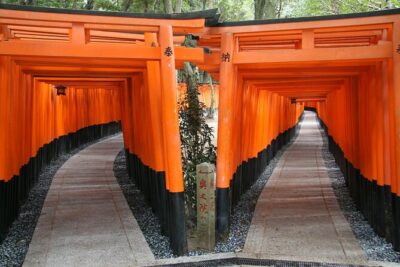
Fushimi Inari, Kinkakuji, Bamboo Grove 1 Day Bus Tour
Read our review →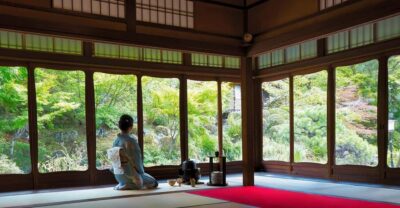
Tea Ceremony in a Traditional Tea House in Kiyomizu
Read our review →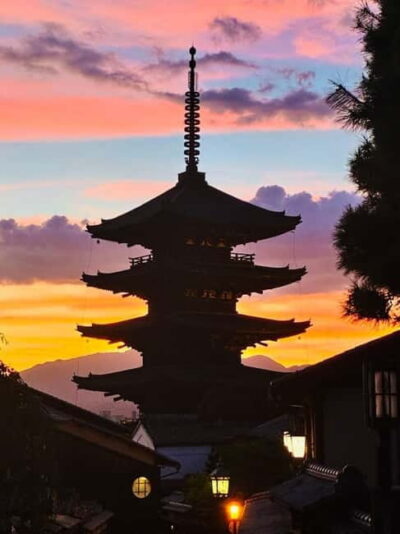
Kyoto Geisha Walking Tour: Gion District & Hidden Gems
Read our review →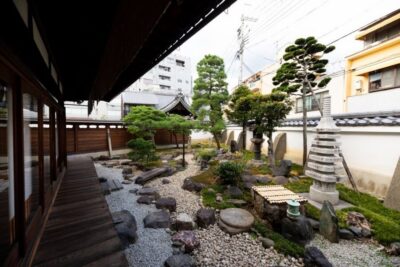
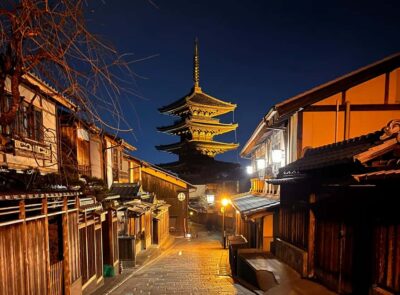
Gion Magical Night Walking Tour with Geisha Trivia
Read our review →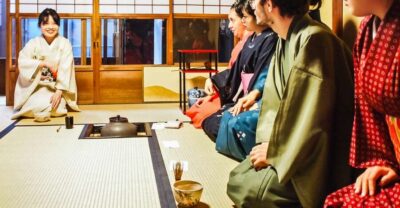
Gion Geisha District Walking Tour – Stories of Geisha
Read our review →Browse the lists this tour appears in