
Reviewed · HAKONE TOURS
Hike Hakone Hachiri
Hakone Hachiri gives you a rare look at old Japan on foot. You follow a preserved section of the Tokaido Highway, the road that once linked Edo, now Tokyo, with Kyoto and Osaka, passing tea houses, cedar avenues, checkpoints, and castle ruins along the way.
I like the visit to Amazake Chaya, where Mr. Yamamoto represents the thirteenth generation of his family to run the tea house. I also like the private format with Tony, who provides Japanese translation and can adjust the day when weather turns rough. The main caution is simple: this is a serious 12-kilometer hike, not a gentle sightseeing walk.
Key points to know before booking
- Four centuries of cedar trees: Walk below towering Japanese cedars planted during the Edo period.
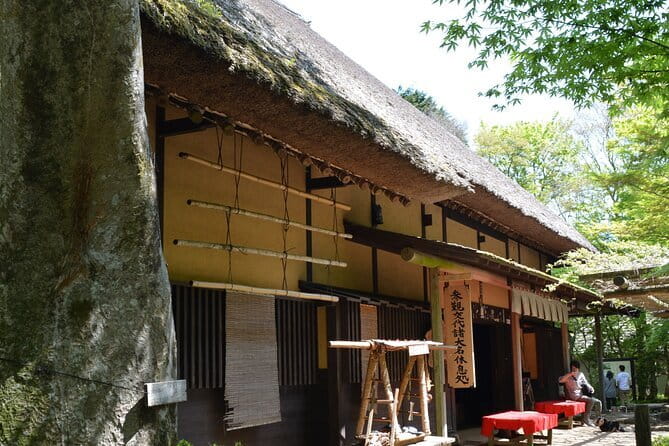
- A living tea-house tradition: Meet the family behind Amazake Chaya, one of the few old Tokaido tea houses still operating.
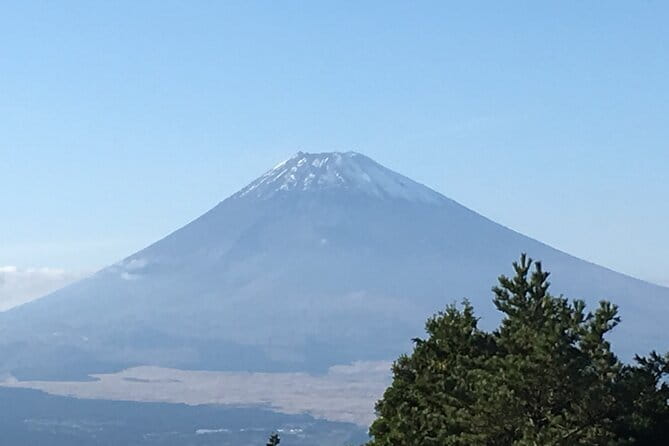
- Mt Fuji views depend on weather: Yamanaka Castle Ruins can offer striking views, but clouds may close the curtain.
- Private guiding with Tony: Your group hikes alone, with a guide who can explain Japanese history and translate at the tea house.
- A demanding stone trail: Sturdy, comfortable shoes matter, especially in rain.
- Plan for a full day: The tour lasts about nine hours and begins and ends at Mishima Station.
Walking the road that shaped old Japan
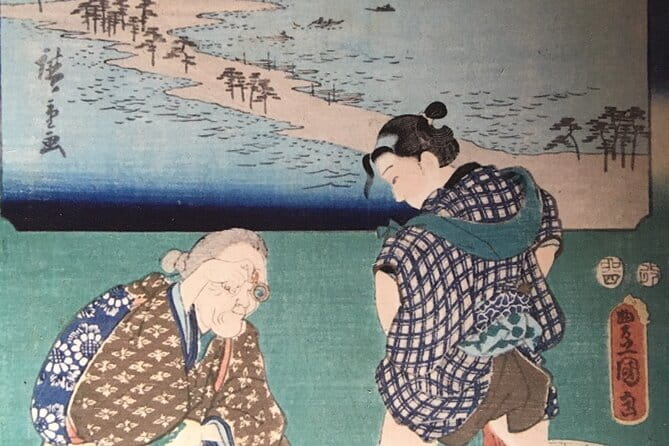
The old Tokaido was more than a scenic route. It carried officials, merchants, pilgrims, and ordinary people between the shogun’s capital and the imperial capitals farther west. Hakone was one of the difficult sections, with steep mountain routes and a checkpoint designed to control movement toward Edo.
Today, Hakone Hachiri is recognized as a Japan Heritage Area. That label matters because the appeal here comes from several parts working together: the road itself, the old trees, the tea house, the checkpoint, the castle defenses, and the waterway in Mishima.
You are not simply walking through woodland. You are following a route shaped by government power, trade, travel, and local life. Tony’s role is important because the meaning of the sites can be easy to miss when you see only a stone path or a line of trees.
The day is private, so only your group takes part. That allows the pace and explanations to feel more personal than they would on a large bus outing. It also means the experience depends heavily on your group’s fitness and interests. If you enjoy asking questions and taking time at historic sites, this format has real value.
More walks and treks around Hakone:
- Hike Japan Heritage Hakone Hachiri with certified mountain guide
★ 5.0 · 46 reviews - Traverse Outer Rim of Hakone Caldera and Enjoy Onsen Hiking Tour
★ 5.0 · 30 reviews - Hakone Hachiri: Old Tokaido Highway Hiking Tour
★ 4.9 · 22 reviews
Amazake Chaya and a 13-generation family tradition
Amazake Chaya is one of the day’s most memorable stops. The small tea house is managed by Mr. Yamamoto, whose family has run it for thirteen generations. His son and daughter may represent the fourteenth generation, keeping the family story tied to the old highway.
The tea house gives the hike a human center. Trees and ruins can tell you about the past, but a family business still serving people along the route makes that past feel close at hand. Tony’s Japanese fluency and translation help you understand the encounter rather than simply passing through for a quick photograph.
You have about an hour here, with admission included. Coffee and tea are not included in the tour price, so budget separately for anything you order. The exact food or drink experience is not specified, but the stop is clearly intended as more than a roadside pause.
I would pay attention to the setting and the family connection instead of rushing. This is one of the places where the tour’s cultural side balances the physical work of the trail.
Lake Ashi, red torii, and a well-earned lunch break
The route includes an hour by Lake Ashi, the crater lake often associated with Hakone. A red torii gate sits in the water, creating one of the area’s familiar views.
Lunch is not included, so you should plan to pay for your own meal. The stop gives you time to rest before more walking, which is useful on a day with roughly five hours devoted to the old highway section.
The lake stop also adds visual variety. The day moves from forest roads and historic structures to open water, with Mt Fuji possible in the wider Hakone area when conditions cooperate. Keep expectations realistic, though. Fuji views are weather-dependent, and even the best route cannot control cloud cover.
Because the tour begins at 8:30 a.m. and runs about nine hours, this is not a casual late-start outing. The lunch break is part of the day’s rhythm, but it is not a substitute for carrying what you need for a long hike.
Cedar Avenue, where the road becomes a corridor of trees
Cedar Avenue is one of the strongest sections for atmosphere. About four hundred years ago, Tokugawa Hidetada, the second Edo-period shogun, ordered Japanese cedars, known as sugi, planted along both sides of the Tokaido.
The trees provided shade for people using the road. Today, their age and height make the path feel enclosed and monumental without the need for a grand building or museum display.
You spend around 30 minutes here. That may sound short, but the avenue is part of the broader walking route, not a separate garden visit. Tony can connect the trees to the political and practical reasons behind their planting.
This is also a good place to notice the difference between a road designed for people and a modern attraction designed for sightseeing. The trees were useful first. Their beauty is a lasting bonus.
A few more Hakone half-days to weigh up
- Hakone 6 hour Private Tour with Government-Licensed Guide
★ 5.0 · 218 reviews - Custom Private Tour in Hakone with a Certified Local Guide
★ 5.0 · 91 reviews - Hakone 8 hour Private Tour with Government-Licensed Guide
★ 5.0 · 63 reviews - Private Tour – Hakone Day Trip! A Tour to Explore All Must-Sees!
★ 5.0 · 58 reviews
Hakone Sekisho and the power of the checkpoint
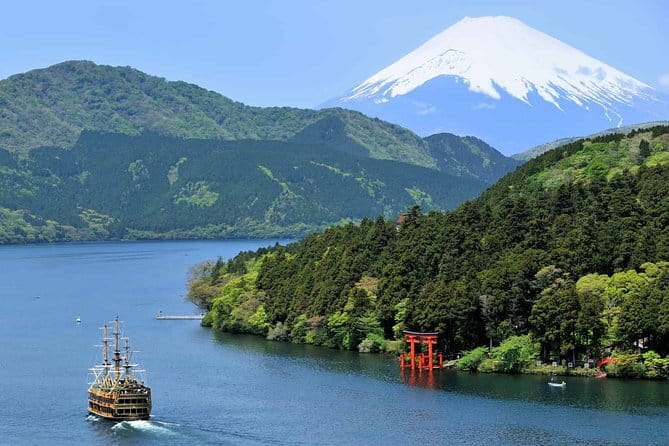
The Hakone checkpoint controlled movement on the Tokaido. Its job was to confirm that people had a legitimate reason to travel and to help protect the shogun in Edo.
Because Hakone was the closest major checkpoint to Edo, it was heavily policed. The stop includes Hakone Sekisho and the Hakone Sekisho Museum, with about 30 minutes set aside.
That short visit works best if you want a clear explanation of how travel was regulated. It is not a full-day museum experience. Instead, it adds political context to the road you are walking.
I find this kind of stop useful because it changes how you see the route. The Tokaido was not simply a pleasant mountain path. It was watched, managed, and tied to the security of the shogunate.
Yamanaka Castle Ruins and the chance of Mt Fuji

Yamanaka Castle Ruins reach back to 1590, when the Hojo family used the castle to protect its western boundary. The name means castle in the middle of the mountain, which fits the site’s position.
The remains are noted for earthworks rather than grand surviving stone buildings. That is worth knowing before you arrive. You are visiting a defensive site where the shape of the ground and the engineered banks tell much of the story.
The stop lasts about 30 minutes and can provide views of Mt Fuji when the weather is clear. This is one of the day’s biggest visual rewards, but it is not guaranteed. Clouds, rain, and poor visibility can change the experience completely.
Still, the ruins are worthwhile even without Fuji. Their location helps you understand why the site mattered. The mountain setting was part of the defense, not just a backdrop.
Five hours on the old Tokaido Foot Highway
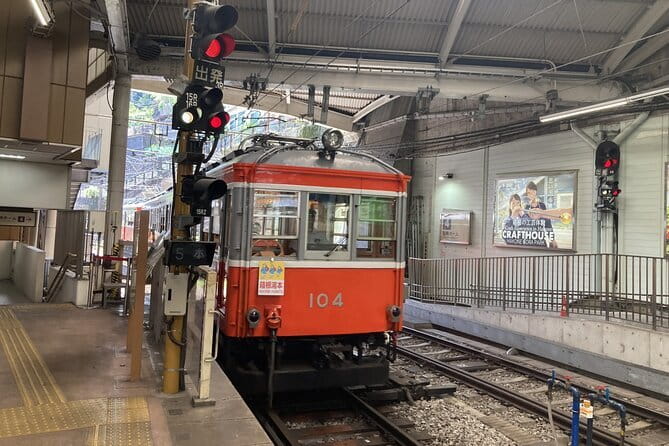
The main hike covers a 12-kilometer stretch between Odawara and Mishima, preserved as part of the Japan Heritage Area. The schedule allows about five hours for this portion, making it the physical heart of the tour.
Expect a moderate to challenging day rather than an easy walk. Several people who enjoyed the experience described the hike as rigorous, and one highlighted the stone sections. Rain can make those surfaces more demanding, so sturdy, comfortable shoes are essential.
The route includes forest, large trees, waterfalls, historic road sections, and open views. Those details give the hike variety, but they also mean you should not expect a smooth urban path.
You need a moderate level of physical fitness. The tour information does not provide a detailed elevation profile or exact trail-surface breakdown, so anyone with concerns about hills, uneven stones, or long walking should ask the operator before booking.
Tony’s guiding style appears especially useful here. He brings history into the walk, keeps an eye on the group, and can alter the plan when conditions become unpleasant. On a rainy day, the route may be adjusted, but the hike does not become effortless.
If you want exercise away from busy sightseeing areas, this is a strong match. If you prefer short walks with frequent vehicle transfers, it is the wrong choice.
Ending in Mishima beside the Genbegawa waterway
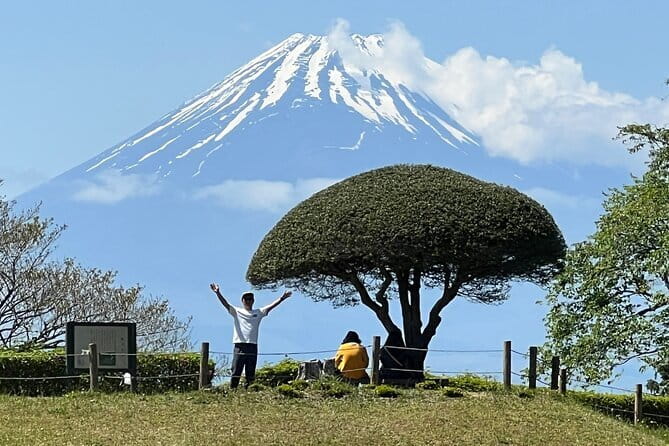
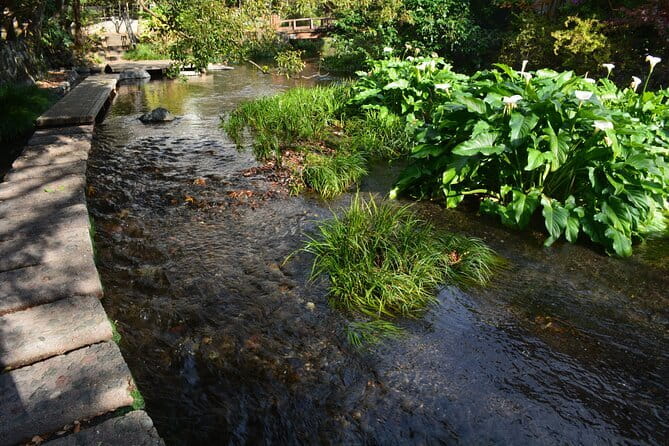
The day finishes in Mishima with a 30-minute walk along the Genbegawa World Water Heritage Area. This provides a gentler closing section after the main trail.
The ending is also practical. You return to Mishima Station, the same place where the tour begins. The listed meeting point is 16-1 Ichibanchō, Mishima, Shizuoka, and the start time is 8:30 a.m.
The fixed station meeting point makes the day easier to plan if you are using public transportation. The tour is near public transit, and no air-conditioned vehicle is included. That means you should think of this as a walking experience with station-based logistics, not a drive-and-stop excursion.
Returning to Mishima keeps the start and finish simple, but the full schedule means you should avoid booking tight onward plans. The tour lasts about nine hours, and mountain weather or walking pace can affect the day.
What the $231.18 price buys you
At $231.18 per person, this is not a budget hike. The price covers the guide fee, while lunch, coffee, and tea are extra. No private air-conditioned vehicle is included.
The value comes from the private format and the depth of interpretation. You are paying for a full day with Tony, Japanese translation at the tea house, guidance over a historic route, and help making sense of sites that could otherwise seem disconnected.
The cost is easier to justify for a small group that wants a dedicated guide. Group discounts may improve the per-person value, so check the available rate for your party size.
It is less attractive if you only want scenery. You could spend less on a self-guided walk, but you would give up the explanations, translation, route support, and personal attention.
The price also reflects the day’s unusual mix. Few outings combine a 13-generation tea house, 400-year-old cedar trees, a shogunate checkpoint, castle earthworks, Lake Ashi, and a long section of the old Tokaido.
How weather changes the day
Good weather is required. If poor weather forces cancellation, you are offered another date or a full refund.
That policy is important because rain affects more than the views. The trail includes stone sections, and wet conditions can make the hike harder. One rainy outing was adjusted because of severe weather, but the guide still kept the day moving where possible.
I would check the forecast before setting out and wear footwear with a reliable grip. Bring clothing suitable for a long outdoor day. Since lunch and drinks are not included, plan for those costs as well.
Clear weather improves the chances of seeing Mt Fuji from Yamanaka Castle Ruins, but Fuji should be treated as a bonus rather than the main reason to book.
Who will enjoy this hike most
This tour suits you if you like history delivered while walking, rather than in a formal lecture. It is also a good fit if you want a private day, enjoy old roads and ruins, and welcome a physical challenge.
Families with adults and mixed interests may appreciate the variety. The day includes culture, scenery, historic defenses, water, and exercise rather than one long stretch of identical trail.
You should think twice if you dislike uneven paths, need a light walking schedule, or want transport between every stop. The moderate fitness requirement is real, and the five-hour highway section is the core of the day.
The tour is also best for people who value local contact. The Amazake Chaya visit, with the Yamamoto family’s long connection to the road, is not a generic refreshment stop. It is one of the few moments where the old Tokaido still feels connected to a living household.
Booking details worth keeping in mind
The tour is usually booked about 31 days ahead, so advance planning is sensible. Confirmation arrives when you book, and the activity is private for your group.
The experience is non-refundable and cannot be changed for personal reasons. Since weather can cancel the hike, review the cancellation terms carefully before paying.
The strongest praise focuses on Tony’s personal attention, history explanations, Japanese translation, and ability to adapt the plan. Those qualities matter more here than flashy extras. The route is the attraction, and the guide helps you understand what you are seeing.
Should you book Hakone Hachiri?
Book it if you want to earn your Hakone scenery on foot and prefer an informed private guide to a standard sightseeing circuit. The old Tokaido, Amazake Chaya, cedar avenue, checkpoint, and Yamanaka Castle Ruins create a full day with real variety.
Skip it if your ideal Hakone outing is short, easy, and vehicle-based. The $231.18 price, extra meal costs, nine-hour schedule, and demanding trail require commitment.
For hikers who want history under their boots, this is one of the more distinctive ways to experience Hakone. Pack sturdy shoes, leave room for weather changes, and treat the Mt Fuji view as a welcome reward rather than a promise.
FAQ
Where does the Hakone Hachiri tour begin and end?
It begins and ends at Mishima Station, located at 16-1 Ichibanchō, Mishima, Shizuoka 411-0036, Japan.
What time does the tour start?
The scheduled start time is 8:30 a.m.
How long does the experience last?
The tour lasts approximately nine hours.
How far is the main hike?
The main walking section covers 12 kilometers of the old Tokaido Foot Highway between Odawara and Mishima.
Is lunch included?
No. Lunch is not included, and you should budget separately for your meal.
Are coffee and tea included?
No. Coffee and tea are not included in the tour price.
Is this a private tour?
Yes. Only your group participates in the private activity.
What happens if poor weather cancels the tour?
If poor weather causes cancellation, you are offered a different date or a full refund.
Just added around Hakone
- Traverse Outer Rim of Hakone Caldera and Enjoy Onsen Hiking Tour★ 5.0 · 30 reviews
- Private Hakone Half-day Car Tour with Hotel Pickup – Local Guide★ 5.0 · 48 reviews
- Hike Japan Heritage Hakone Hachiri with certified mountain guide★ 5.0 · 46 reviews
- Hike Japan Heritage Hakone Hachiri (Half Day)★ 5.0 · 18 reviews
- Easygoing Nature Walk in Hakone Tour★ 5.0 · 15 reviews
- Odawara: Guided Ninja & Samurai Tour of Odawara Castle★ 5.0 · 25 reviews
- Odawara: Odawara Castle Tenshukaku Entrance Ticket★ 4.2 · 30 reviews
- Kowakien Yunessun Hot Springs Entry Ticket★ 4.2 · 23 reviews
Hakone Tours, compared.
Hakone 6 hour Private Tour with Government-Licensed Guide
Read our review →
Custom Private Tour in Hakone with a Certified Local Guide
Read our review →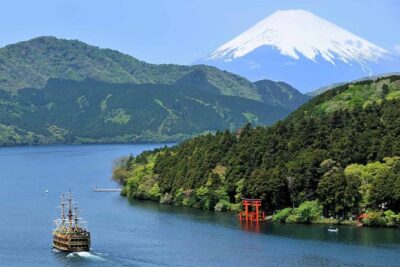
Hakone 8 hour Private Tour with Government-Licensed Guide
Read our review →
Private Tour – Hakone Day Trip! A Tour to Explore All Must-Sees!
Read our review →
Private Hakone Half-day Car Tour with Hotel Pickup – Local Guide
Read our review →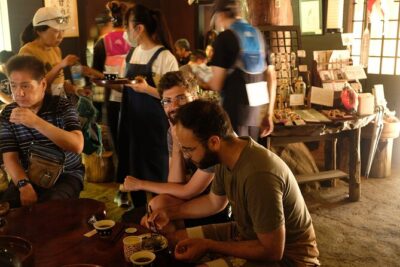
Hike Japan Heritage Hakone Hachiri with certified mountain guide
Read our review →
Odawara: Odawara Castle Tenshukaku Entrance Ticket
Read our review →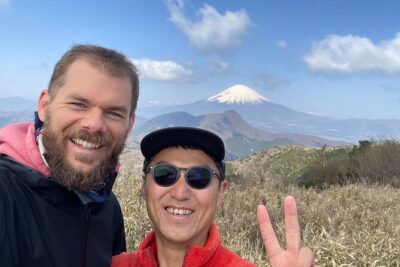
Traverse Outer Rim of Hakone Caldera and Enjoy Onsen Hiking Tour
Read our review →Browse the lists this tour appears in