
Reviewed · HAKONE TOURS
Hakone 8 hour Private Tour with Government-Licensed Guide
Hakone is easiest to enjoy when someone helps you connect its scattered sights. This eight-hour private tour lets you choose four or five stops, then shape the day around your interests, from black eggs at Owakudani to a cruise across Lake Ashi or a quiet walk beneath old cedar trees. Guides such as Yoshi, Hide, Ryuta, Fumiko, and Hiro have adapted days for families, bad weather, hot afternoons, and art lovers.
I like the freedom to set the pace, and I like having a local guide explain the customs behind an onsen, the story of Hakone Shrine, or the science of its volcanic ground. The main caution is cost: at $201.46 per person, you still pay for trains, buses, boats, ropeways, meals, and most entrance tickets. Since this is a walking tour rather than a car tour, Hakone’s hills and transfer points matter.
Key points to know before booking
- Choose four or five sights: You can focus on nature, art, temples, transport, or a mix of all four.
- Expect a walking day: Pickup takes place on foot within the designated Hakone area, with no private vehicle included.
- Use the guide to manage connections: Ropeways, cable cars, buses, trains, and boats may be part of your day, but fares are extra.
- Owakudani adds volcanic drama: See steaming ground and try the famous black boiled eggs, when conditions permit.
- Weather affects the views: Mount Fuji may appear at Lake Ashi, but clear skies are never promised.
- Private means flexible: Your group travels alone, so you can ask questions, slow down, or change emphasis during the day.
Why a private day helps in spread-out Hakone
Hakone is not one compact sightseeing district. Its attractions are scattered around mountains, a lake, hot-spring towns, museums, and volcanic valleys. The classic circuit can involve a train, cable car, ropeway, boat, and bus, with queues and timetable changes along the way.
That is where this tour earns its keep. A good guide can help you decide which sights fit together, explain how to reach them, and change the plan when rain, heat, or crowds interfere. One guide helped a family use shaded parts of the old Tokaido route on a 95-degree day. Another moved an art museum earlier when heavy rain made outdoor stops unpleasant.
You meet an English-speaking, government-licensed local guide on foot in the designated Hakone area. The day is private, so only your own party takes part. That makes it easier to stop for a pharmacy, help an older relative, find a suitable lunch, or spend longer at a place that catches your interest.
Do not mistake private for all-inclusive. The guide’s fee is included, but transportation, lunch, personal expenses, the Hakone Freepass, and most entrance fees are not. The experience is best viewed as expert planning and company, not a private bus with tickets bundled in.
More licensed-guide days in Hakone:
- Hakone 6 hour Private Tour with Government-Licensed Guide
★ 5.0 · 218 reviews - Tokyo 6hr Private Tour with Government-Licensed Guide
★ 5.0 · 3,902 reviews - Tokyo 4hr Private Tour with Government-Licensed Guide
★ 5.0 · 1,394 reviews
Lake Ashi and Hakone Shrine: the classic opening
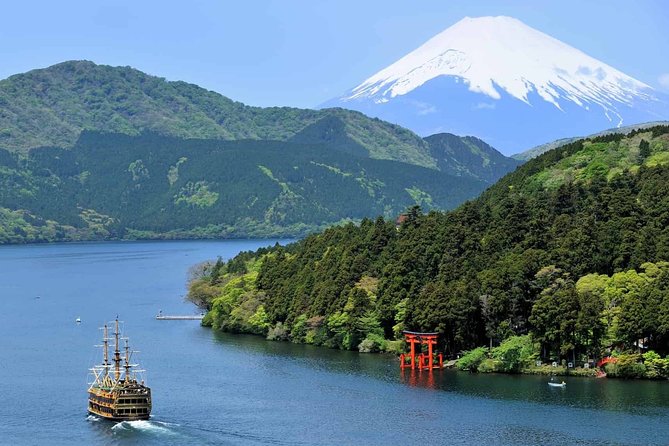
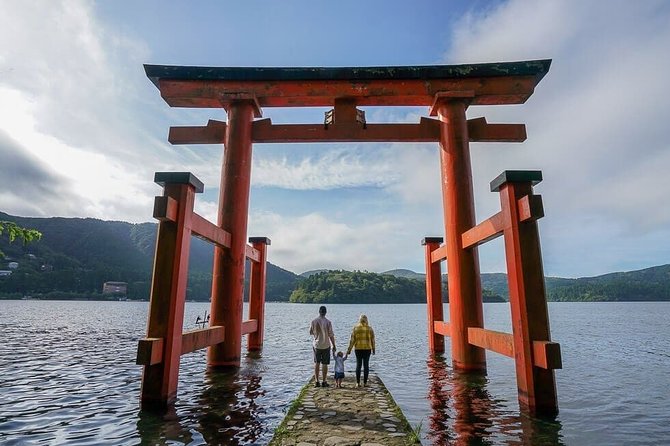
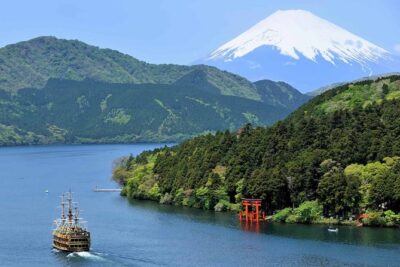
Lake Ashi, also called Ashinoko, occupies the old volcanic caldera of Mount Hakone. It is the image most people carry in mind when they think of Hakone: blue water, wooded slopes, the red torii gate of Hakone Shrine, and, on a clear day, Mount Fuji in the distance.
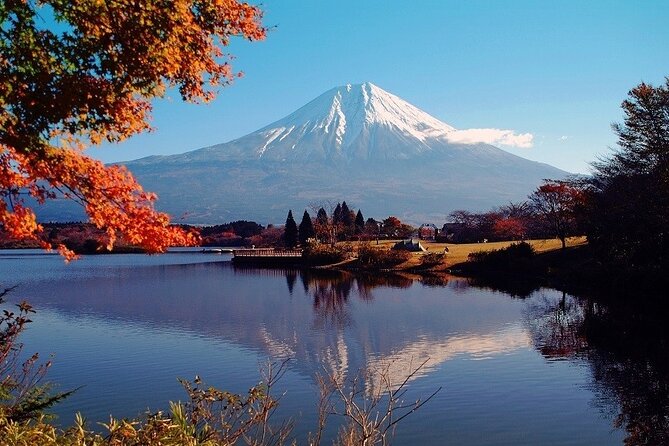
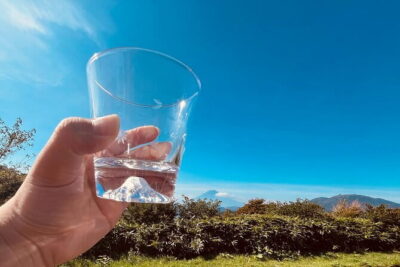
The lake stop itself is listed as free and brief, but your guide can help you decide how much time the view deserves. The Fuji outlook is weather-dependent. Several successful days included a clear view, while other outings had no Fuji sight at all because of rain or cloud. Book this tour for the scenery and context, not for a guaranteed photograph.
Hakone Shrine sits among tall trees near the lake. Its worship began more than 12 centuries ago, and the shrine has been rebuilt several times after fires. The setting is peaceful, but the famous lakeside torii can attract a long photo line. One account describes a 30-minute wait, so ask your guide if the picture is worth the time on your particular day.
A private guide can also explain how to behave at the shrine rather than treating it as a quick photo stop. If you want a calmer visit, say so before the day begins. The shrine is free, but its approach includes steps and walking.
Owakudani’s steam vents and black eggs
Owakudani is the tour’s most dramatic nature stop. This active volcanic area supplies heat to Hakone’s hot springs, and the ground shows the evidence with sulfurous steam and barren volcanic slopes. The famous black boiled eggs are cooked in the area’s mineral-rich hot water. Their shells turn dark, while the inside remains a familiar boiled egg.
The eggs are a small purchase, not an included admission. Their local story says that eating one adds seven years to your life, which gives your guide an easy opening to discuss Japanese food customs and the way folklore becomes part of a destination.
The regular Owakudani visit may be paired with the Hakone Ropeway. There is also an Owakudani Nature Research Trail, a more involved option with close views of geothermal activity. It takes about 40 minutes, requires advance reservation, and costs 800 yen. Confirm availability before building your whole day around it.
Owakudani can be affected by volcanic conditions, weather, and operating restrictions. The supplied details do not promise access in every circumstance, so treat it as a requested stop rather than a certainty. If you have breathing sensitivities, ask practical questions before booking.
Ropeway, cable car, and boat connections
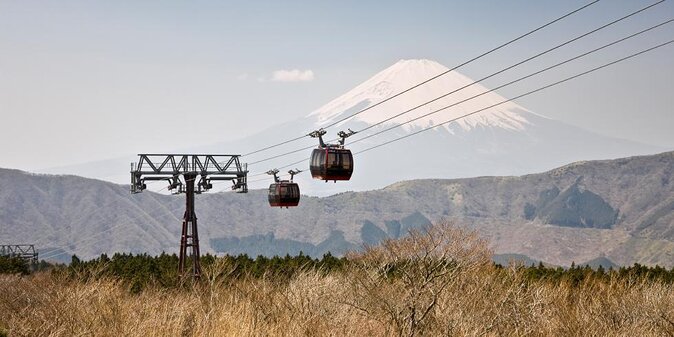
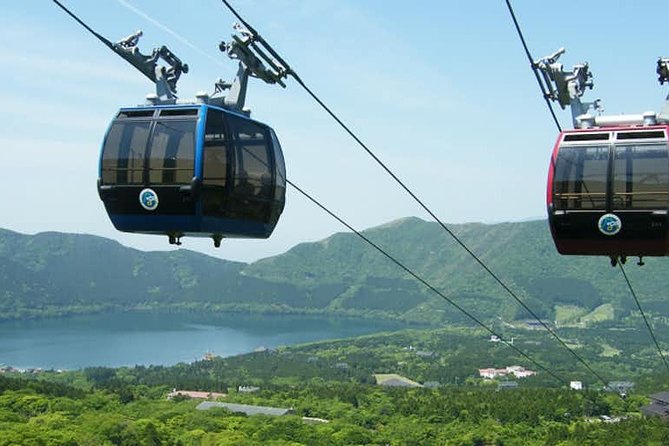
Hakone’s transport is part of the sightseeing. The Hakone Ropeway crosses the mountain area between Sounzan and Togendai, linking with the Hakone Tozan Cablecar at one end and Lake Ashi at the other. From the cabins, you can see thick forest and, near Owakudani, the stark volcanic zone.
The short listed stop of 10 minutes does not describe the whole ride. It refers to time at the attraction, while the actual trip and waiting time depend on your route and the day’s conditions. Your guide can help arrange the sequence, but you pay the fare yourself.
Some private tours also use the cable car and the sightseeing boat on Lake Ashi. One family rode up from Gora, crossed the mountain by gondola, tasted black eggs, then boarded the pirate-style boat across the lake. They finished with another cable-car ride and a tea-house treat.
This sounds fun, and it is a good fit for families and first-time visitors. But transport can consume a surprising amount of the day. Queues form at popular stations, and one poorly timed itinerary left a group stuck in a long bus line at the far end of the lake. Start early if you want several transport modes, and ask your guide to be honest about what should be cut.
A few more Hakone half-days to weigh up
- Custom Private Tour in Hakone with a Certified Local Guide
★ 5.0 · 91 reviews - Private Tour – Hakone Day Trip! A Tour to Explore All Must-Sees!
★ 5.0 · 58 reviews - Private Hakone Half-day Car Tour with Hotel Pickup – Local Guide
★ 5.0 · 48 reviews - Hike Hakone Hachiri
★ 5.0 · 48 reviews
Choosing between Hakone’s museums
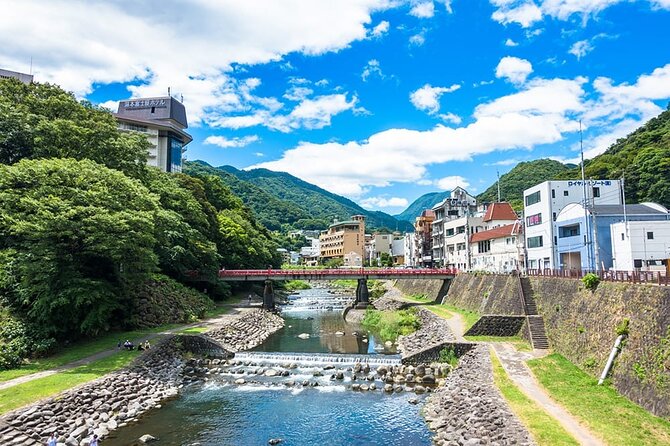
Hakone has enough museums to fill several separate visits. Your four or five choices should reflect what you actually like, rather than trying to collect every famous name.
The Hakone Open-Air Museum is a natural choice for a first visit. It places sculpture across a large outdoor setting of roughly 70,000 square meters, combining art with mountain scenery. It works well for families and for anyone who wants a break from indoor galleries. Allow more than a quick 15-minute look if art is central to your day, since the grounds are extensive.
The Hakone Museum of Art, founded in 1952, presents Japanese art and includes garden settings. The Okada Museum of Art, opened in 2013, displays works from antiquity through the modern period and has a listed visit time of 30 minutes. The POLA Museum of Art focuses on a private collection assembled by the founder of the cosmetics company.
The Hakone Venetian Glass Museum uses Italian-style buildings, galleries, shops, and a garden beside a canal-like pond. It has a more decorative, storybook mood than the larger Japanese art museums.
The Narukawa Art Museum, overlooking the Lake Ashi area, is devoted to nihonga, or Japanese-style painting. The Dollhouse Museum offers a smaller, unusual collection of centuries-old dollhouses from around the world.
All these museums charge separate admission. The short suggested times are useful for planning, but they are not a promise that you will see a museum properly in 15 minutes. Tell the guide if you prefer one serious museum visit over several quick stops.
Gardens, wetlands, and quiet temples
Sengokuhara is known for its pampas grass field, especially attractive in autumn. It is a seasonal choice rather than a year-round must-see. The open setting can be beautiful in good weather, but it offers less shelter on a wet or scorching day.
Hakone Shisseikaen, the Botanical Garden of Wetlands, preserves highland plants within Fuji Hakone Izu National Park. It suits visitors who enjoy plants and gentle walking, though it may be less rewarding if your main goal is Hakone’s big views or cultural sites.
Gora Park is a western-style garden on the steep slope above Gora Station. It gives you a place to slow down, enjoy planted grounds, and take in the surrounding area. Its hillside position is worth noting if someone in your party has trouble with steep walking.
Choanji Temple, a Soto Zen temple founded in 1356, offers a quieter stop in the Sengokuhara area. It is atmospheric and free, with a small collection of stone Buddhist figures in the grounds. This is the kind of place that benefits from a guide who can explain what you are seeing without turning the visit into a rushed checklist.
These stops are useful for balancing the famous circuit. If you have already seen major museums or dislike queues, ask for a plan built around Choanji, Gora Park, Sengokuhara, and a section of the old Tokaido path.
What the eight hours really feel like
Eight hours sounds generous, but Hakone’s geography can use it quickly. The advertised plan is four or five selected sites, even though the possible menu includes 16 attractions. You are not expected to visit them all.
A stop may be listed as 15 minutes, but that does not include every transfer, queue, meal, ticket purchase, or unexpected photo break. A realistic day might include a lake view, shrine, ropeway, volcanic valley, and one museum, or it might trade the museum for a boat ride and an old-road walk.
The strongest guides have been flexible. Hide slowed the pace for a mother-in-law, found a coffee-shop table, and took the rest of the family on a short temple walk. Yoshi helped a group with transport, a pharmacy visit, and station connections. Yukie met a family at its ryokan, arranged lunch, helped with the menu, and escorted them to the station afterward.
That level of help matters most when you are tired, traveling with children, or using Hakone as a stop between Tokyo and another city. It matters less if you already understand the transport network and want to wander without a schedule.
Guide quality and communication
The experience uses a pool of guides, so your exact style will vary. Names connected with especially strong days include Ryuta, also called Dragon, Akey, Yoshi, Hide, Hiro, Atsushi, Fumiko, Shuji, Yoko, Ami, Coco, Kappa, Keisuke, Toshio, and Seky.
Many guides are praised for clear explanations of Japanese history, social customs, onsen etiquette, local food, and the sights themselves. Several planned detailed days around personal interests, and one guide adjusted the route for cold rain by moving indoors.
Communication is important in a private tour. Most of the available feedback is very positive, but one day involved an English-speaking guide who was difficult to understand and walked too far ahead. Another guide was pleasant but new to Hakone and had limited local explanation. When you book, state your interests clearly and ask about the guide’s familiarity with the specific places you want to visit.
The guide is there to improve your day, not replace your judgment. If you dislike rushing, say so. If you want a museum explained in detail, say so. If your priority is Fuji, nature, food, or transport, put that first.
Price, extra costs, and overall value
At $201.46 per person, this is a serious purchase, particularly for a couple or family. The price becomes easier to justify for a larger private group if group discounts apply, because the guide’s planning and time are shared across your party.
You still need to budget for transportation, admissions, lunch, snacks, and personal purchases. Ropeway, boat, cable-car, train, and bus fares can add up, and the Hakone Freepass is not included. Museum tickets and the 800-yen Owakudani research trail fee are also extra.
The value is not in saving money on entrance tickets. It is in using one full day well, avoiding some navigation mistakes, getting answers in English, and having someone adapt the plan when weather or mobility changes your priorities.
For a first Hakone visit with limited time, that can be worthwhile. For independent visitors who enjoy working out routes, reading signs, and accepting missed connections, the price may feel high. Compare the cost with the number of people in your group and the stress you hope to avoid.
Practical details before you commit
Pickup is offered only on foot within a designated Hakone area. There is no private vehicle, and you cannot combine separate tour groups. Most people can take part, and service animals are allowed. The activity is near public transportation, but you should expect a full day of walking and transfers.
Choose a morning start time from the available options. An early beginning is sensible if you want Lake Ashi, Owakudani, the ropeway, and a museum in one day. It also gives you a better chance of reaching popular transport points before the heaviest lines.
Wear shoes suited to hills and steps. Bring water and rain protection, since Hakone weather can change and outdoor stops may be exposed. If you are traveling with an older relative or young children, tell the guide in advance so the route can include rests and fewer steep sections.
Free cancellation is available until at least 24 hours before the local start time. Within 24 hours, the payment is not refunded and changes are not accepted.
Who should book this Hakone day?
Book it if you have one full day, want a private guide, and would rather see four or five meaningful places than follow a fixed group route. It is especially useful for families, first-time visitors, people staying at a ryokan, and anyone who wants help with Japanese food, hot springs, transport, or cultural questions.
I would also consider it for a weather-sensitive day. The guide can shift attention toward museums, gardens, or shaded paths when Fuji disappears or rain settles in.
I would skip it if you mainly want a low-cost ride around Hakone, a guaranteed Mount Fuji photograph, or a private car. You will pay extra for every major transport leg, and queues can still affect the day.
For the best result, contact the operator with three priorities and one thing you do not care about. Ask the guide to build a route around those choices, then leave room for the unexpected black egg, tea stop, or fine view across Lake Ashi.
FAQ
Is this a private tour?
Yes. Only your own group participates, and the tour does not combine multiple parties.
How many sights can I choose?
You can customize the day around four to five sites from the available Hakone attractions.
Is transportation included?
No. Transportation fees are separate, and the tour does not include a private vehicle or the Hakone Freepass. Your day may use public transportation such as trains, buses, cable cars, ropeways, or boats.
Are entrance tickets included?
Most entrance fees are not included. The guide’s entry fees are covered only for sights listed under the tour’s stated expectations. The Owakudani Nature Research Trail has an 800-yen fee and requires advance reservation.
Can I see Mount Fuji?
You may see Mount Fuji from Lake Ashi when the weather is clear, but the view is not guaranteed.
What is the cancellation policy?
You can cancel for a full refund up to 24 hours before the experience start time. Cancellations or changes made less than 24 hours in advance are not accepted for a refund.
Just added around Hakone
- Private Hakone Half-day Car Tour with Hotel Pickup – Local Guide★ 5.0 · 48 reviews
- Hike Japan Heritage Hakone Hachiri with certified mountain guide★ 5.0 · 46 reviews
- Traverse Outer Rim of Hakone Caldera and Enjoy Onsen Hiking Tour★ 5.0 · 30 reviews
- Hike Japan Heritage Hakone Hachiri (Half Day)★ 5.0 · 18 reviews
- Hike Hakone Hachiri★ 5.0 · 48 reviews
- Easygoing Nature Walk in Hakone Tour★ 5.0 · 15 reviews
- Odawara: Guided Ninja & Samurai Tour of Odawara Castle★ 5.0 · 25 reviews
- Odawara: Odawara Castle Tenshukaku Entrance Ticket★ 4.2 · 30 reviews
Hakone Tours, compared.
Hakone 6 hour Private Tour with Government-Licensed Guide
Read our review →
Custom Private Tour in Hakone with a Certified Local Guide
Read our review →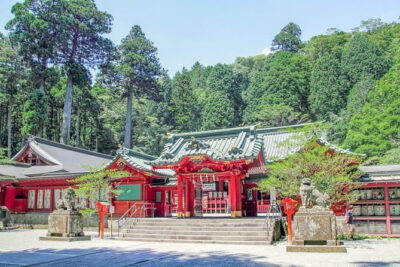
Private Tour – Hakone Day Trip! A Tour to Explore All Must-Sees!
Read our review →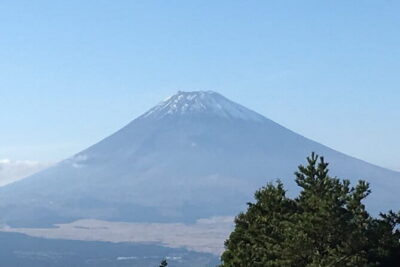
Private Hakone Half-day Car Tour with Hotel Pickup – Local Guide
Read our review →
Hike Japan Heritage Hakone Hachiri with certified mountain guide
Read our review →
Odawara: Odawara Castle Tenshukaku Entrance Ticket
Read our review →
Traverse Outer Rim of Hakone Caldera and Enjoy Onsen Hiking Tour
Read our review →Browse the lists this tour appears in