
Reviewed · NAGANO TOURS
Nagano: Tateyama-Kurobe Guided Walking Tour
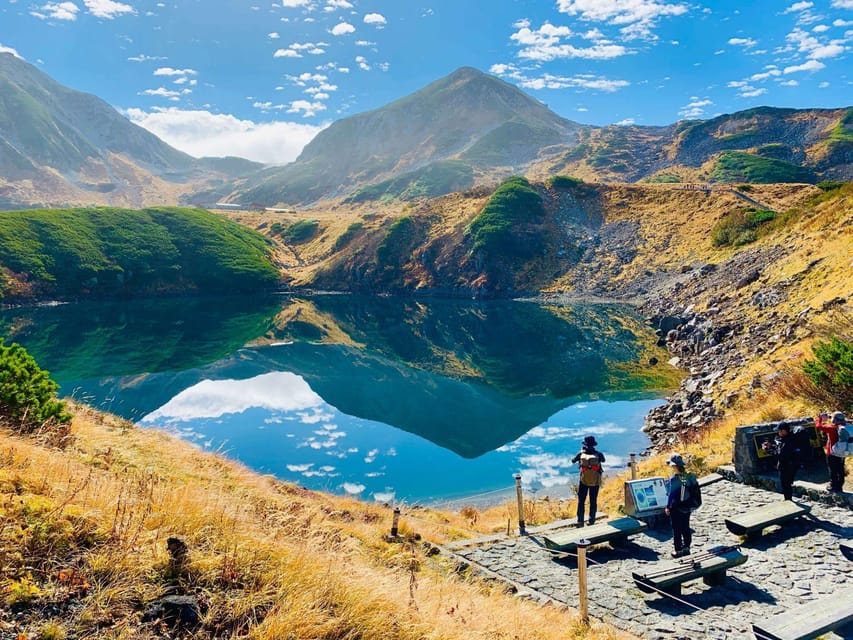
The Tateyama-Kurobe Alpine Route is less a simple sightseeing ride than a full mountain day, with buses, trolley buses, an electric car, and a ropeway carrying you to Japan’s high alpine country. The prize is Murodo at 2,450 meters, where a guided walk takes you below Mount Tate among summer flowers or autumn colour.
I like the mix of grand engineering and quiet mountain paths. Kurobe Dam gives you a powerful human-made spectacle, while Murodo offers a slower hour on foot and time to explore at your own pace. The possible drawback is the amount of transport and the long day, roughly 8:15 in the morning until 6:00 to 7:00 in the evening, with lunch not included.
Key points to know before booking
- Four kinds of mountain transport: Reach Murodo by bus, Kanden Tunnel trolley bus, Tateyama Ropeway, and electric car.
- A high-altitude walking stop: The guided trail at Murodo takes about one hour and suits people of reasonable fitness.
- Kurobe Dam is part of the story: You get around 30 minutes to see Japan’s highest dam and its mountain setting.
- Season changes the experience: July and August bring alpine flowers, while September and October bring strong autumn colour.
- Cold weather needs respect: Daytime temperatures can range from 11 to 18°C in summer, 3 to 15°C in autumn, and below freezing in November.
- A guide adds real value: Guides including Kieron, Orlando, Jans, and Luki have been praised for clear English, patience, local insight, and careful transfer timing.
Why this route makes a memorable day from Nagano
Japan’s Tateyama-Kurobe Alpine Route crosses the Northern Japan Alps through a chain of transport links. You do not simply board one coach and look out the window. You change vehicles as the route climbs, moving through tunnels and across the mountain until you reach Murodo, Japan’s highest station.
That progression is part of the fun. The different vehicles make the ascent feel like a small expedition, even though the route is organized and comfortable. It also means you can enjoy dramatic mountain scenery without needing to climb to the summit of Mount Tate.
The route’s two strongest contrasts are easy to appreciate. At Kurobe, you see a huge dam built between 1956 and 1963 with the labor of as many as 10 million people. At Murodo, the scale shifts from concrete and tunnels to alpine meadows, flowers, shrubs, and mountain traditions.
You pay $232 per person, so this is not a bargain day trip. Still, the price includes transport from Nagano to Ogizawa and back, the return ticket for the Alpine Route, and an English-speaking guide. Buying all the route connections and managing the transfers yourself would require careful planning, especially on a one-day schedule. For a solo visitor or anyone who wants help with the complicated connections, the cost can make sense.
More walking tours in Nagano:
- Food & Cultural Walking Tour around Zenkoji temple in Nagano
★ 5.0 · 58 reviews - Matsumoto Castle Town Walking Tour
★ 4.8 · 58 reviews - Matsumoto Discovery – Half Day Walking Tour
★ 5.0 · 43 reviews
Starting at Nagano Station at 8:15
Meet your guide at 8:15 in front of the Information Board at JR Nagano Station, directly opposite the shinkansen ticket gates. This is a useful meeting point, but give yourself time to find it. Nagano Station is straightforward once you know which side of the ticket gates to use, yet an early arrival will make the morning calmer.
The tour does not include your shinkansen ticket to Nagano. You need to arrange that separately, along with any accommodation in Nagano. The bus ride from Nagano toward Ogizawa takes about 115 minutes, so this first stretch gives you time to settle in before the mountain connections begin.
The guided format is especially helpful for solo visitors. One solo booking was specifically possible on this tour, and small-group departures can make it easier to meet people without the feel of a large coach excursion. Guides such as Kieron and Jans have been singled out for friendly, patient handling of the day.
Ogizawa and the first climb
The bus reaches Ogizawa Station at about 9:45. Your guide gives you around 25 minutes to prepare before the ascent. Use this pause to add a layer, organize water and snacks, and make sure you have what you need close at hand.
From Ogizawa, you board the Kanden Tunnel trolley bus. The tunnel is more than a useful way to get uphill. It reflects the engineering behind the Alpine Route, which was built through difficult mountain terrain and uses several carefully linked transport systems.
You will make more transfers later, so keep your ticket and belongings easy to reach. One of the guide’s most useful jobs is keeping everyone together and making sure nobody misses the next departure. That matters here because the route follows fixed transport schedules rather than a flexible private-car plan.
Kurobe Dam, Japan’s highest dam
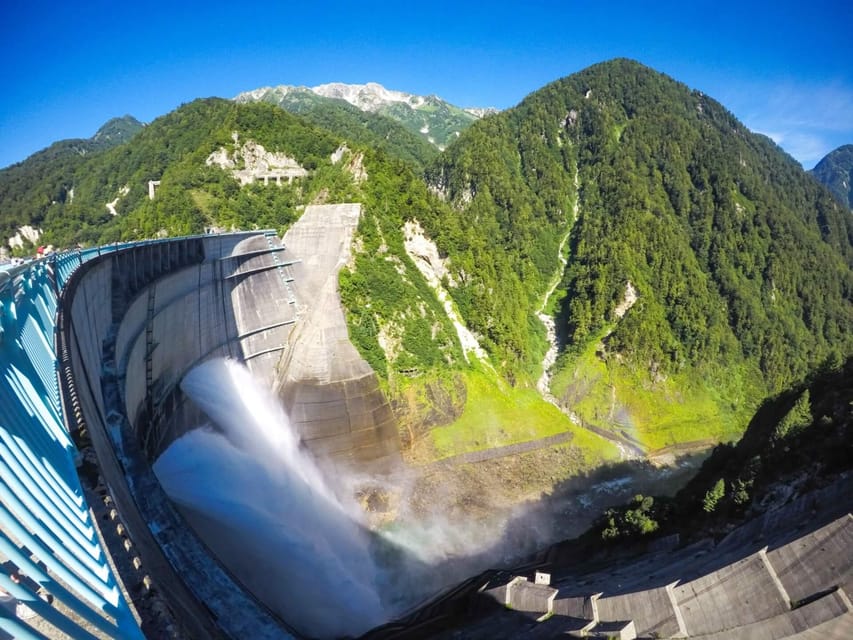
The first major stop is Kurobe Dam. You have about 30 minutes for a guided visit, sightseeing, and a short break. That is enough for the main views, but not enough for a leisurely wander in every direction.
The dam was constructed from 1956 to 1963 and required the work of up to 10 million people. It remains Japan’s highest dam, and its scale is startling when set against the surrounding peaks. You get a clear example of Japan’s postwar engineering ambition, with a structure built to conquer a difficult mountain site.
I like this stop because it keeps the day from becoming only a nature outing. The Alpine Route is also a story about roads, tunnels, electricity, and the determination needed to connect remote mountain areas. Your guide can add context about that effort while pointing out the views.
Do not treat Kurobe Dam as a full morning visit. The stop is brief, and the route continues upward. If you want photographs, take them promptly, then listen for instructions about the next connection.
A few more Nagano half-days to weigh up
- 1-Day Snow Monkeys, Zenko-ji Temple & Sake in Nagano
★ 5.0 · 1,020 reviews - Nagano: Snow Monkeys, Zenkoji Temple & Sake Day Trip
★ 4.9 · 833 reviews - From Tokyo: Snow Monkey 1 Day Tour with Beef Sukiyaki Lunch
★ 4.6 · 295 reviews - Tokyo: Snow Monkey & Nagano Customiseable Private Day Tour
★ 4.8 · 138 reviews
The ropeway ride toward Daikanbo
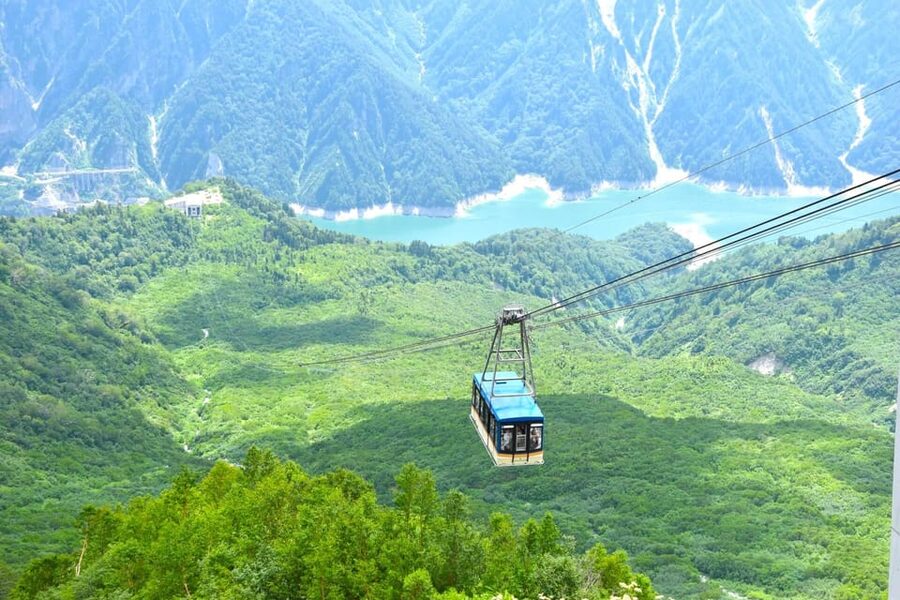
The Tateyama Ropeway is one of the day’s highlights. It spans about 1,700 meters and carries you upward toward Daikanbo, with mountain views opening as you gain height.
The ropeway is also your best chance to see the changing vegetation below. In September and October, forests lower on the route can show autumn colour while the higher meadows take on their own shades of red, orange, and brown. The view changes quickly as the elevation rises, so keep your camera ready, but do not spend the whole ride looking at a screen.
At Daikanbo, you take the final trolley bus to Murodo. The trip is carefully staged, yet it still feels varied because each section gives you a different view of the mountain and a different way to travel through it.
Murodo at 2,450 meters
Murodo is the high point of the day and the gateway to the alpine plateau below Mount Tate. At 2,450 meters, the weather can feel very different from Nagano City, even during summer. The supplied daytime averages are 11 to 16°C in July, 12 to 18°C in August, 9 to 15°C in September, 3 to 10°C in October, and minus 5 to 2°C in November.
That range tells you how seriously to take clothing. In July and August, bring a warm layer even if Nagano feels mild. In October, gloves and a proper jacket may be useful. In November, expect winter conditions rather than a crisp autumn outing.
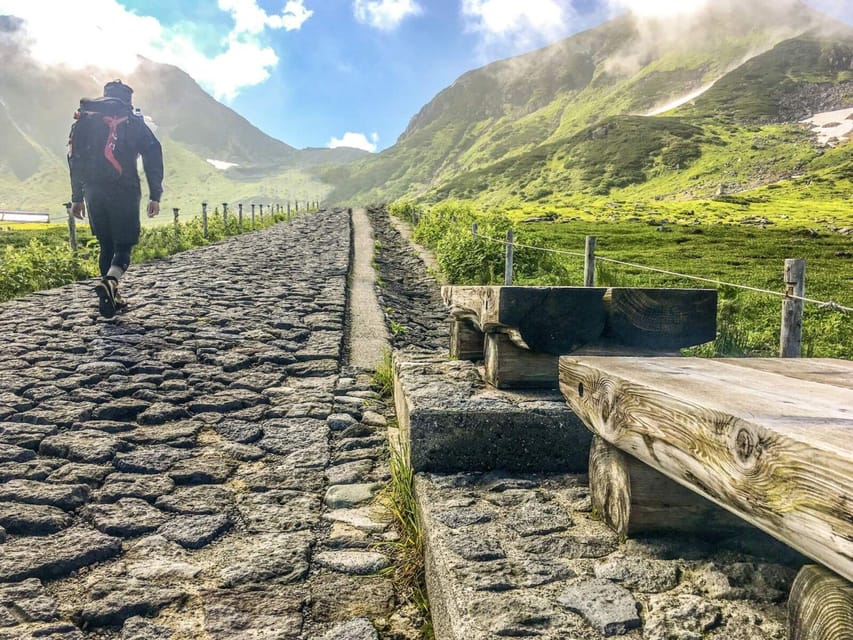
The guided walk lasts about one hour and is described as leisurely, suitable for anyone of reasonable fitness. This is not a summit climb. You walk on trails beneath Mount Tate, with the guide explaining the plants, the importance of the high country, and the place of mountains in Japanese worship.
That cultural element adds depth. You are not only looking at alpine flowers or colored shrubs. You are learning why mountains have long held spiritual importance in Japan. The guide’s explanation helps connect the scenery to local tradition instead of leaving you with a collection of pretty photographs.
You may also choose to explore independently during the available free time and meet the guide again at the appointed time. That is a good arrangement for mixed groups. Follow the guided walk if you want context and a steady pace, or use the free period for your own photographs and quiet time.
Summer flowers, autumn colour, and November snow
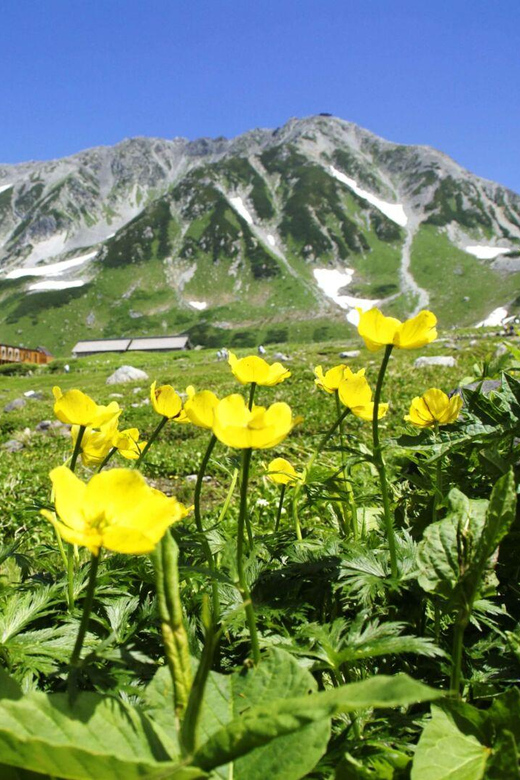
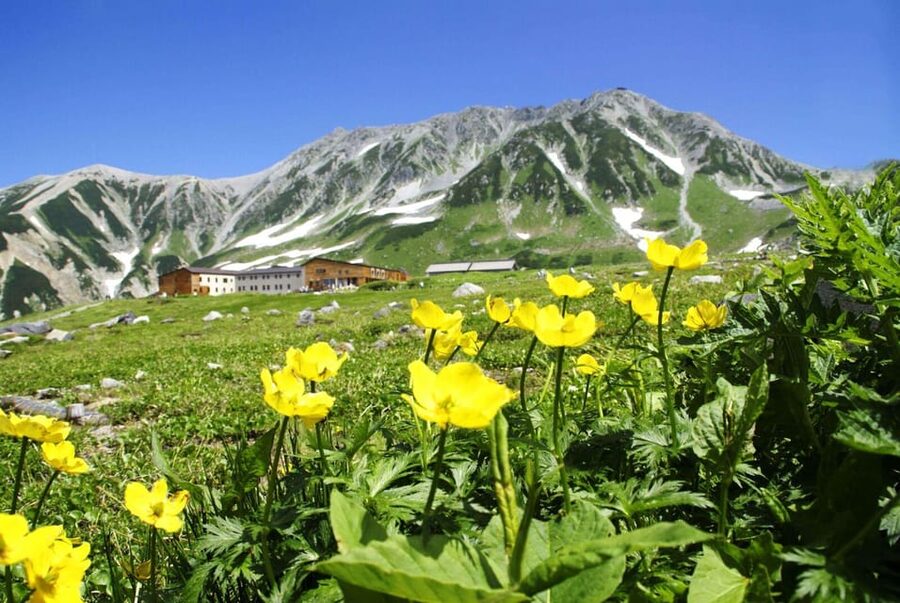
The best month depends on what you want from Murodo. July and August are the clearest choice for alpine flowers and a greener summer setting. The high meadows offer a different view of Japan from the temples, cities, and coastal areas most people associate with the country.
September and October shift the mood. Grasses and shrubs turn red, orange, and brown, while forests below the ropeway add another layer of colour. October brings a stronger risk of cold weather, so do not pack only for the season you expect in Nagano City.
November can bring snow and ice. One November visit found snow at the top, and the paths were icy enough that traction overshoes with spikes would have been useful. If you visit late in the season, bring suitable footwear if you have it, and expect the walking portion to require more care.
A separate sighting of monkeys was reported along the road during one November outing. That is not something the tour can promise, but it shows how quickly the day can shift from engineering to wildlife and alpine conditions.
The long journey back to Nagano
Between 3:00 and 3:30 in the afternoon, your guide gathers the group for the return journey. You retrace the route down to Ogizawa, using the electric car and other Alpine Route connections before boarding the waiting tour bus.
The schedule lists about two hours for the electric-car and route return portion, followed by roughly one and a half hours by bus. Arrival back at Nagano Station is expected between 6:00 and 7:00 in the evening.
This is a full day, not a quick side trip. You should avoid booking an evening train or restaurant reservation too tightly after the estimated return. Delays, crowded transport, or weather can affect mountain connections, and the tour provider notes that individual activities remain subject to availability.
The return bus is useful because you do not have to solve the final connection back to Nagano after a tiring day. It also lets you rest after the walking and repeated boarding process. The tradeoff is that the route takes most of the day, so this tour works best when you can give it a full place in your Nagano schedule.
What the guide adds
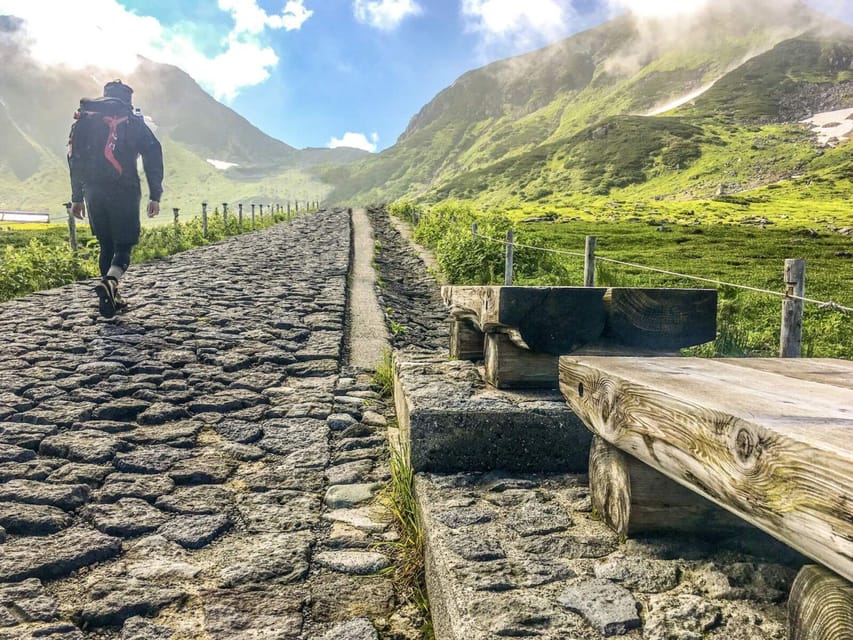
The English-speaking guide is a major reason to consider this tour instead of arranging the route alone. You need to move through several transport changes, and a guide reduces the chance of confusion at Ogizawa, Kurobe, Daikanbo, and Murodo.
Kieron has been praised for being friendly, patient, polite, and attentive to every person in the group. Orlando has been credited with handling the day well in good weather. Luki has been described as warm, clear in English, and helpful throughout the route. Jans has also guided a memorable solo booking.
The names are useful because they show that the quality of the day depends partly on the individual guide assigned. The common strengths are practical rather than showy: clear English, careful timing, local information, and help at each transfer.
That support matters most when weather turns cold or the route is busy. A guide can explain where to go next, keep the group moving, and provide cultural context during the walk. You still need to watch the clock and follow meeting instructions, but you are not managing the entire Alpine Route by yourself.
Who should book this tour
I would recommend this experience to you if you want high mountain scenery but do not want a serious climb. The walk is gentle, the transport does the hard uphill work, and the guide explains both the natural setting and mountain worship.
It also suits solo visitors, English-speaking people, and anyone who values a set plan. Families may find the transport exciting, and infants aged 0 to 5 are free, though they may need to sit on an adult’s lap.
The tour is less suited to you if you dislike early starts, repeated transfers, or a long day on the move. It is also not ideal if you want a slow picnic-style day at one mountain viewpoint. Lunch, snacks, and drinks are not included, so you need to bring or buy your own food where possible.
The activity is listed as wheelchair accessible, but the route includes a walking trail and several mountain transport changes. If you use a wheelchair, confirm the exact arrangements for the walking section and each transfer before booking.
What to bring for the high country
Pack for Murodo, not for the warmer city where you start. A warm layer is useful even in July and August, and autumn visitors should prepare for cold wind and rapidly changing conditions.
Bring lunch, snacks, and drinks because food is not included. Keep them accessible during the transfer periods rather than burying them in a larger bag.
For late October and November, choose sturdy footwear. Ice can appear on the paths, and traction overshoes with spikes may be useful. The route is described as suitable for reasonable fitness, but cold, ice, and elevation can make a gentle trail more demanding than it sounds.
Also bring a small amount of patience. The day depends on fixed connections, and the reward for that structure is access to a high mountain area without arranging every ticket and transfer yourself.
Is $232 good value?
At $232, this is a premium day trip from Nagano. The price is easier to justify when you consider what is bundled: transport between Nagano and Ogizawa, the return Alpine Route ticket, and an English-speaking guide.
The route is the expensive part to arrange casually, and missing one connection could spoil the day. The guide also saves you from sorting out the sequence of bus, trolley bus, ropeway, and electric car while trying to read signs and watch departure times.
The value is strongest for solo visitors and first-time users of the Alpine Route. A confident independent visitor who already understands the connections may prefer more freedom, but the tour gives you structure, local explanation, and a direct return to Nagano.
Final decision: book it for the route, not just the walk
Book this tour if you want to see the Tateyama-Kurobe route in one organized day and enjoy a gentle high-altitude walk without arranging the transport yourself. The combination of Kurobe Dam, the ropeway, Murodo, seasonal colour, and mountain culture gives the experience real range.
Choose July or August for alpine flowers, September or October for autumn colour, and November only if you are ready for snow and icy paths. Bring food, warm clothing, and sensible shoes, then leave room in your evening schedule for a return closer to 7:00.
I would skip it only if you want a relaxed, low-cost outing or dislike changing vehicles several times. For everyone else, $232 buys access to one of Japan’s most unusual mountain journeys, with a guide who can make the complicated parts feel manageable.
FAQ
Where does the tour meet?
Meet at JR Nagano Station at 8:15, in front of the Information Board directly opposite the shinkansen and bullet train ticket gates.
How long does the tour last?
It is a full-day experience. The tour begins at 8:15, and the return to Nagano Station is expected between 6:00 and 7:00 in the evening.
What transport is used on the Alpine Route?
You use a bus or coach, the Kanden Tunnel trolley bus, the Tateyama Ropeway, and an electric car as you travel between Nagano, Ogizawa, Kurobe Dam, Daikanbo, and Murodo.
How high is Murodo?
Murodo is at 2,450 meters above sea level and is Japan’s highest station.
Is lunch included?
No. Lunch, snacks, and drinks are not included, so you should plan to bring or purchase your own food.
What should I wear?
Dress for cool mountain weather. Average daytime temperatures range from 11 to 18°C in July and August, 9 to 15°C in September, 3 to 10°C in October, and minus 5 to 2°C in November. Late-season visitors should prepare for snow and ice.
Can I cancel the booking?
You can cancel up to 24 hours in advance for a full refund. The tour also offers a reserve-now, pay-later option.
Just added around Nagano
- Snow Monkeys, Hokusai & Sake: A Perfect Day in Nagano★ 5.0 · 19 reviews
- Wasabi Farm Walking Tour & Lunch★ 4.5 · 20 reviews
- 1-Day Tateyama-Kurobe Tour: Walking on the ‘Roof of Japan’★ 5.0 · 20 reviews
- Snow Monkey & Shibu Onsen Afternoon Tour (Depart: Iiyama & Nozwa)★ 5.0 · 54 reviews
- Snow Monkey Park, Soba Lunch and Shibu Onsen Tour★ 5.0 · 12 reviews
- Snow Monkey Park & Miso Production Day Tour from Nagano★ 5.0 · 18 reviews
- Ski or Snowboard Lesson in Shiga Kogen (4Hours)★ 5.0 · 34 reviews
- Nagano Spring: 1-Day Cherry Blossoms & Snow Monkeys Guided Tour★ 5.0 · 31 reviews
Nagano Tours, compared.
1-Day Snow Monkeys, Zenko-ji Temple & Sake in Nagano
Read our review →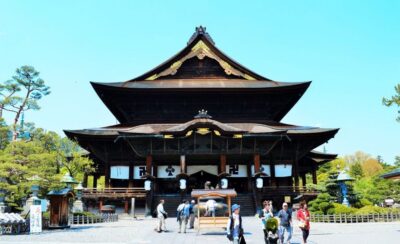
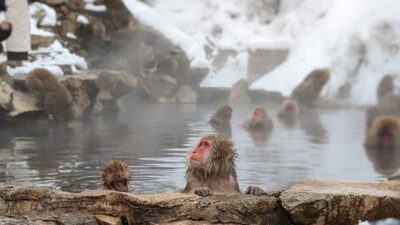
Snow Monkey 1 Day Tour with Beef Sukiyaki Lunch
Read our review →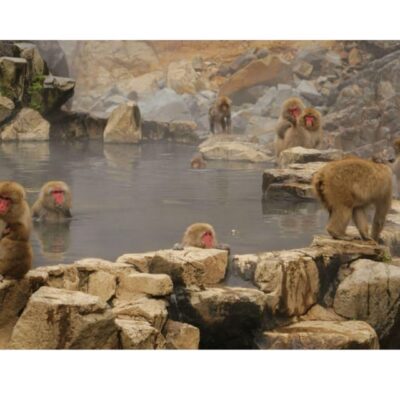
1-Day Tour from Nagano and Matsumoto Kamikochi & Matsumoto Castle
Read our review →
1-Day Snow Monkeys & Snow Fun in Shiga Kogen Tour
Read our review →
Wild Japanese Flying Squirrel Watching Tour in Nagano
Read our review →Browse the lists this tour appears in