
Reviewed · HOKKAIDO TOURS
Sapporo: Hokkaido, Noboribetsu and Lake Toya Day Tour
The most striking part of this full-day Hokkaido outing is how much ground you cover in one ride from Sapporo. Steam-filled Noboribetsu, broad Lake Toya, a volcanic cone, brown bears, and Lake Shikotsu give you a fast introduction to the region’s volcanic west.
I like the chance to see places that are awkward to connect by public transport, and I like the clear structure for a short stay. Guides such as Lisa have earned warm praise for being friendly, attentive, and good at keeping the day moving. The tradeoff is simple: you spend many hours on the bus, and several stops are brief photo visits rather than slow explorations.
Key points to know before booking
- Noboribetsu Hell Valley: Walk beside steaming vents and sulfur-scented ground in one of Hokkaido’s most unusual natural sights.
- Lake Toya lunch stop: Use your free time for local food, a lakeside walk, or a foot bath in Toya Onsen Town.
- Seasonal route: Cape Chikyu and Lake Shikotsu appear in the general program, while the winter version can include Silo Observatory, Nakayama Pass, and Mitsui Outlet Park.
- Extra admission costs: Showa Shinzan Bear Farm and the Usuzan Ropeway are not included, and lunch is also your responsibility.
- English support varies: English and Japanese tours are offered, but some departures may give more attention to another language.
- A long, packed day: This works best when you value wide coverage over generous time at each stop.
What this Sapporo day trip is really like
At $66 per person, this tour is priced as a practical way to reach several far-flung places in southern Hokkaido. The bus, guide, and route planning are included, so you avoid piecing together separate train, bus, and taxi rides.
That price is good value if your priority is seeing a lot in one day. It is less attractive if you prefer lingering over lunch, taking long walks, or asking detailed questions at every stop. The schedule is built around coverage, not a slow pace.
The route is also seasonal. The supplied program describes Cape Chikyu and Lake Shikotsu, while the winter itinerary highlights snowy Nakayama Pass, Silo Observatory, Toya Onsen Town, Showa Shinzan, Noboribetsu Hell Valley, and shopping at Mitsui Outlet Park Kitahiroshima. Check the exact route for your date, especially if one particular stop matters to you.
A few more Hokkaido half-days to weigh up
- Sapporo Bar Hopping Food Tour
★ 5.0 · 232 reviews - Hokkaido Seasonal: Lake Toya & Noboribetsu Jigokudani Valley
★ 4.7 · 173 reviews - Sapporo Private Tour with a Local – Highlights & Hidden Gems
★ 5.0 · 91 reviews
Noboribetsu Hell Valley and its sulfur steam
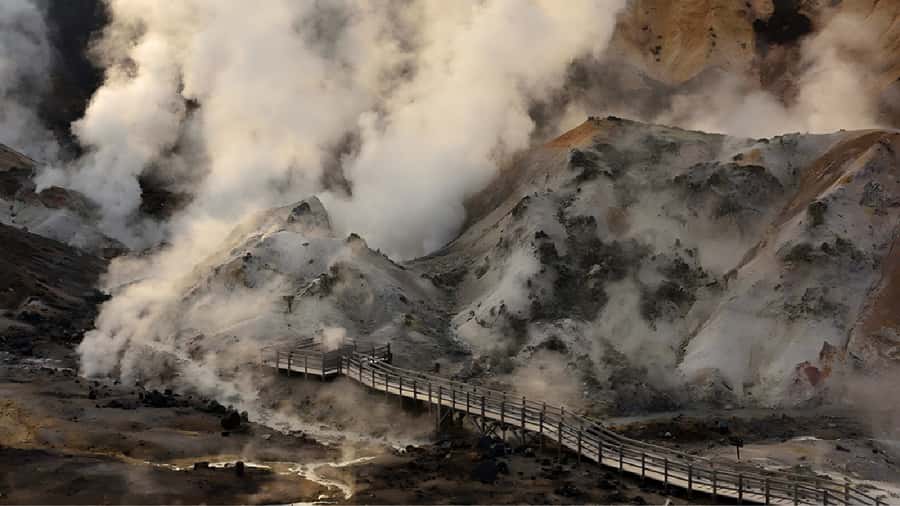
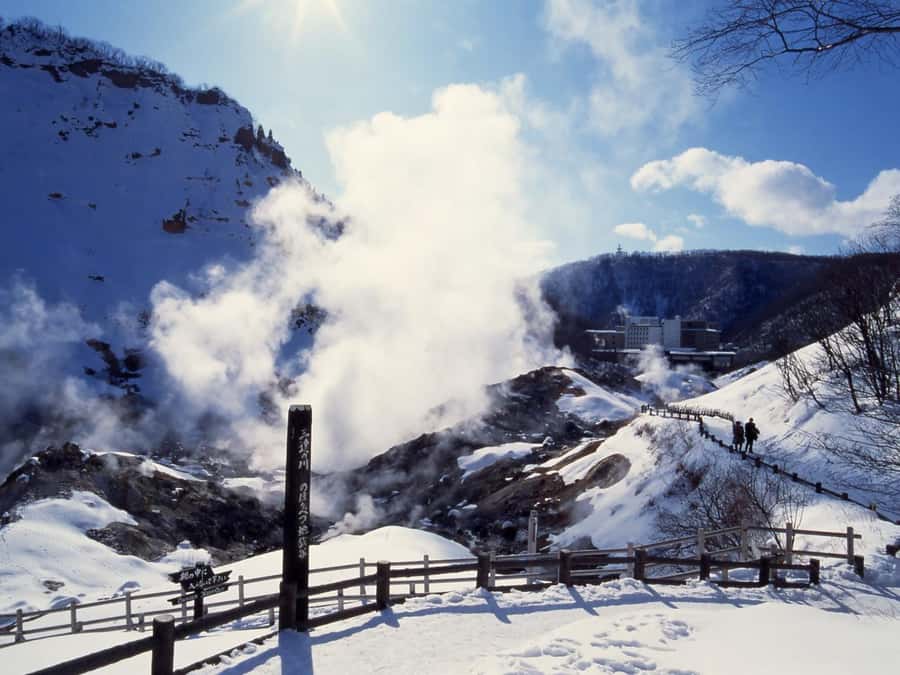
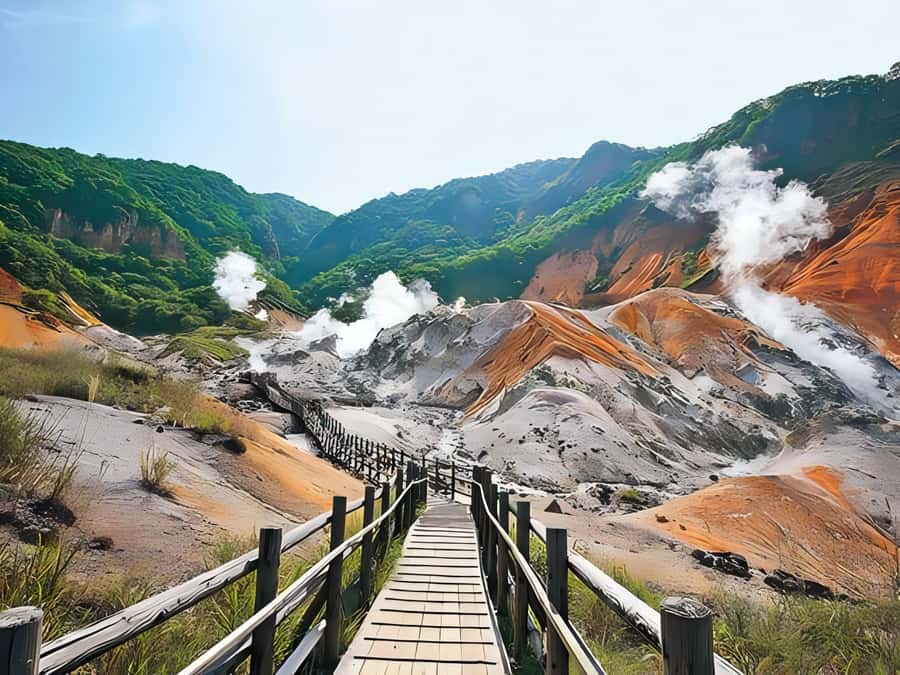
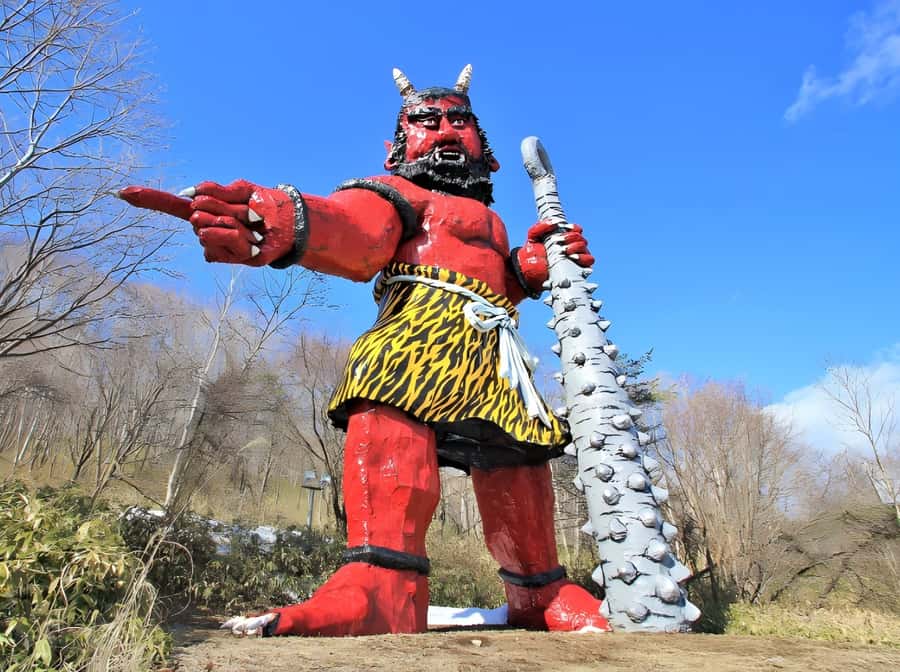
Noboribetsu Hell Valley is the day’s most atmospheric stop. This volcanic crater was shaped by geothermal activity, and steam rises from vents in the ground while sulfur hangs in the air. The name is dramatic, but the setting is also a useful lesson in how active volcanic forces have shaped Hokkaido.
You can follow well-maintained paths for close views of the steaming ground. The walking portion is not presented as a major hike, but comfortable shoes still matter, especially in winter when snow and ice can affect footing.
I would give this stop your full attention. It is more than a quick scenic overlook, yet the available time may still feel short if you want to walk every path or study the geothermal features. The sulfur smell is strong, so anyone sensitive to it should be prepared.
Noboribetsu is also a good example of the tour’s basic rhythm: the bus takes you a long way, you get a concentrated burst of scenery, and then you return to the bus for the next destination.
Cape Chikyu and its high Pacific view
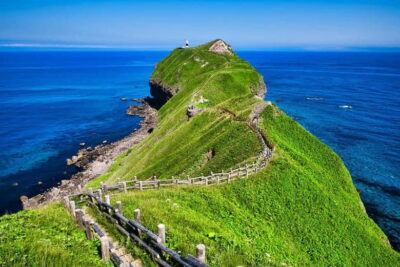
Cape Chikyu, or Earth Cape, sits about 131 meters above sea level on a cliff above the Pacific Ocean. The name comes from the Ainu word for cliff, and the viewpoint gives you a wide, open sea view that feels very different from the enclosed volcanic scenes at Noboribetsu.
A white lighthouse marks the cape. Its light is visible up to 44 kilometers away, and the area is also used by peregrine falcons and other birds along a migratory route. If you enjoy coastal views, seabirds, and dramatic headlands, this is one of the most appealing stops.
The cape was voted Hokkaido’s top natural scenic spot in a poll by the Asahi Shimbun, though a ranking alone should not determine your expectations. Weather will shape the experience. On a clear day, the ocean view can be excellent. In poor weather, the stop may feel more like a quick viewpoint visit.
The program does not promise a long walk or extended birdwatching session. Think of Cape Chikyu as a scenic pause, not a coastal trek.
Showa Shinzan and the brown bear farm
Showa Shinzan is a volcanic formation, and the nearby bear farm keeps around 100 Hokkaido brown bears. You can pay extra to enter and watch the bears, with feeding available as an activity.
For families, this may be one of the easiest stops to understand. The bears are large, powerful animals, and their behavior can also look surprisingly playful or comic. The farm gives you a close view that you would not get from a normal walk through Hokkaido’s forests.
Still, I would approach this stop with clear eyes. One serious concern raised about the attraction is the condition of the enclosures, described as narrow concrete spaces. If animal welfare is important to you, research the bear farm before booking and decide if the visit fits your standards.
Admission is not included in the $66 price. The Usuzan Ropeway is also excluded, so you should expect additional costs if you choose either paid option. The tour provides access to the area, but it does not bundle every attraction into the base fare.
Same base, a completely different sort of day:
- Sapporo: Sumo Show Experience with Japanese food & Photo
★ 4.9 · 81 reviews - From Sapporo: Hokkaido Highlights Day Trip
★ 4.6 · 56 reviews - Sapporo: Furano Flower Sea & Biei Blue Pond Tour w/ Pickup
★ 4.0 · 40 reviews - Hokkaido│Noboribetsu & Lake Toya Tour with Ropeway Ticket
★ 4.4 · 32 reviews
Lake Toya Onsen Town and the best lunch break
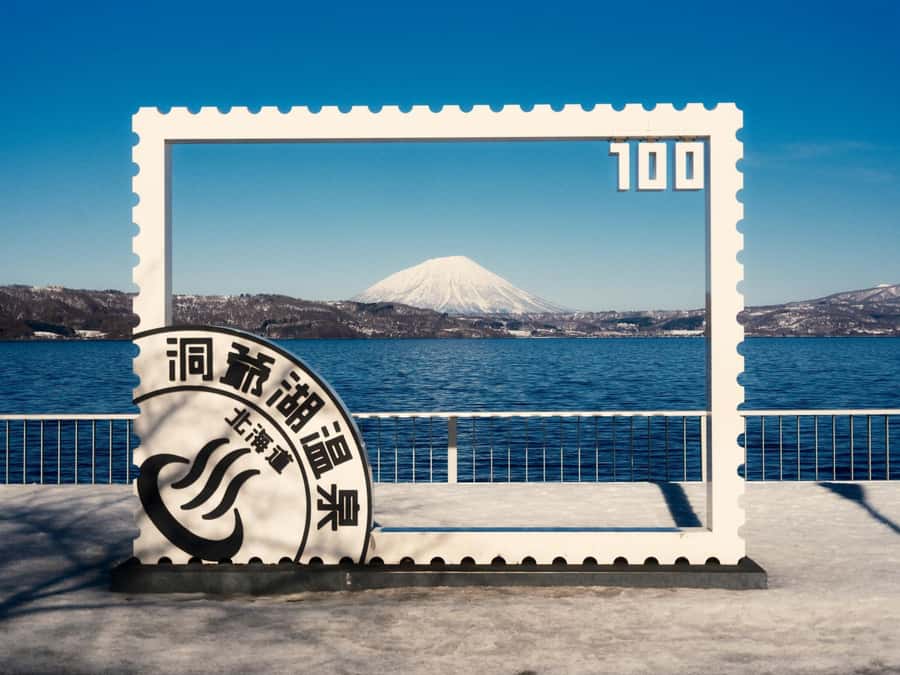
Lake Toya Hot Spring Town is the most flexible part of the day. You get free time for lunch, and the local restaurants offer Hokkaido specialties. Since food is not included, you can choose how much to spend rather than being tied to a fixed group meal.
This is also your chance to slow down. Walk along the lakeshore, take in the cool air, or use one of the free foot baths by the lake. The foot baths are particularly useful in winter, when your feet may be cold after time outdoors.
I would treat this stop as the tour’s breathing space. The natural views are attractive, but the town gives you a little independence after several guided stops. You can eat, walk, shop, or simply sit and enjoy the water.
The drawback is timing. Since lunch and free time share one scheduled break, you may need to choose between a relaxed meal and a longer lakeside stroll. If you want to sample several Hokkaido dishes, use the time carefully.
Silo Observatory and the wide Lake Toya view
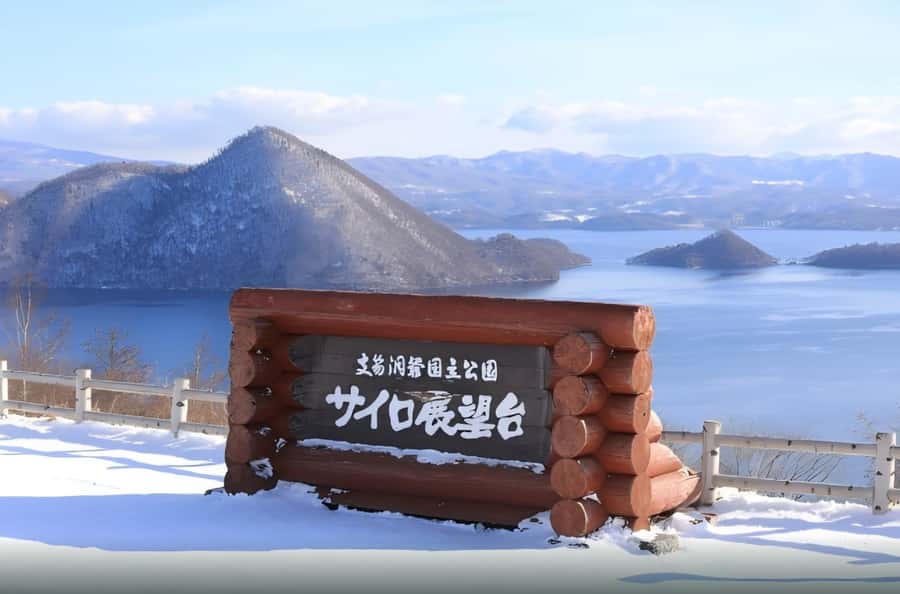
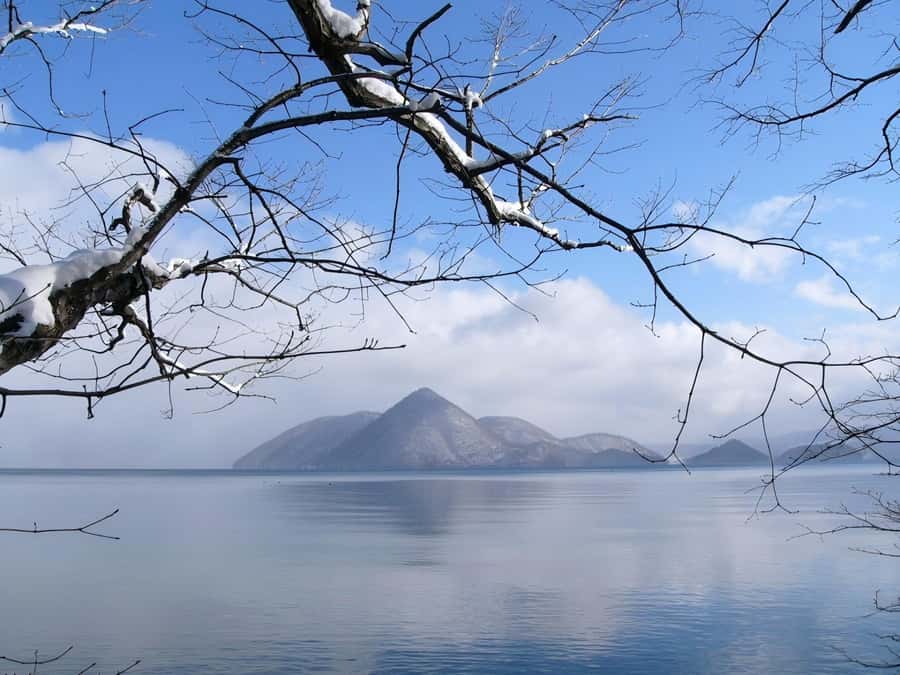
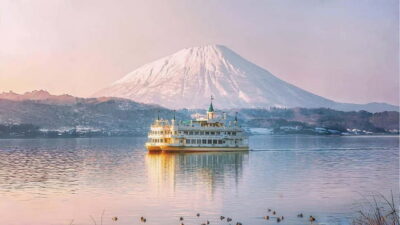
The winter route includes Silo Observatory, which offers a high view over Lake Toya and its surrounding scenery. This is the kind of stop that helps you understand the scale of the area. From above, the lake reads as one broad natural shape rather than a series of separate roadside views.
The outlook is especially useful for photography. Snow can give the scene a clean, bright look, while clear weather allows the lake and surrounding terrain to show their full form. As with Cape Chikyu, the quality of the view depends heavily on visibility.
Do not confuse the observatory with a long visit to the lake itself. It is a viewpoint stop, while the longer free period comes in Toya Onsen Town. Together, the two stops give you both a high panorama and time closer to the lakeside.
Lake Shikotsu, depth, birds, and autumn color
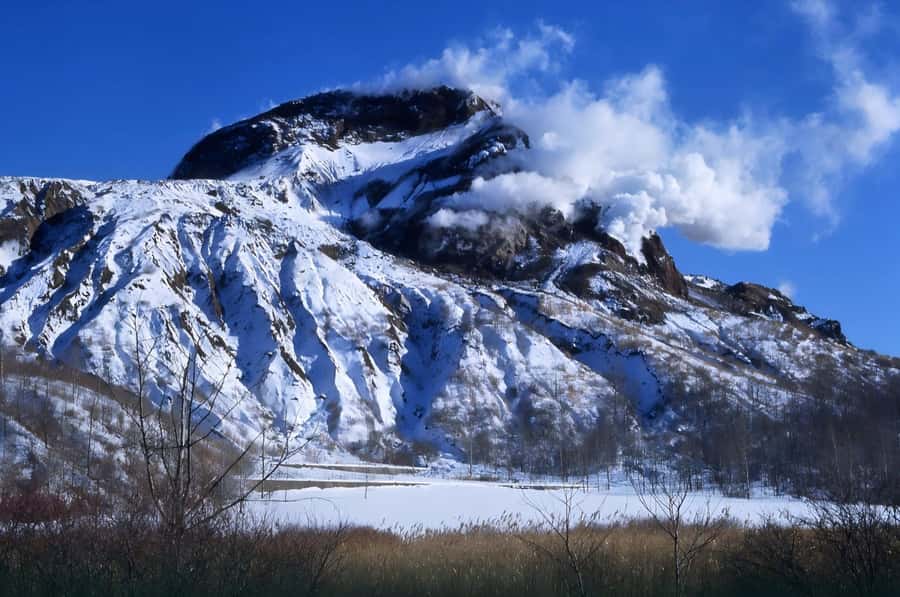
Lake Shikotsu lies west of Chitose inside Shikotsu-Toya National Park. It has an average depth of 265 meters and is Japan’s second-deepest lake. It is also the northernmost lake in Japan that does not freeze in winter.
Those facts make the lake more than a pretty photo stop. Its depth and geothermal setting help explain why it remains open through cold weather. In summer, migratory birds use the area, making it appealing to birdwatchers. In autumn, colorful foliage surrounds the lake, and sunset can be particularly striking.
The stop is best for broad scenery and quiet observation. You might enjoy it most if you like taking photographs or simply want a calm final natural sight after a busy day. But the schedule may limit how much time you have to explore the shore.
If your main goal is birdwatching, this tour may move too quickly for you. If you want a clear look at another major lake in western Hokkaido without arranging a separate excursion, it can be a useful addition.
Winter roads, shopping, and the long bus day
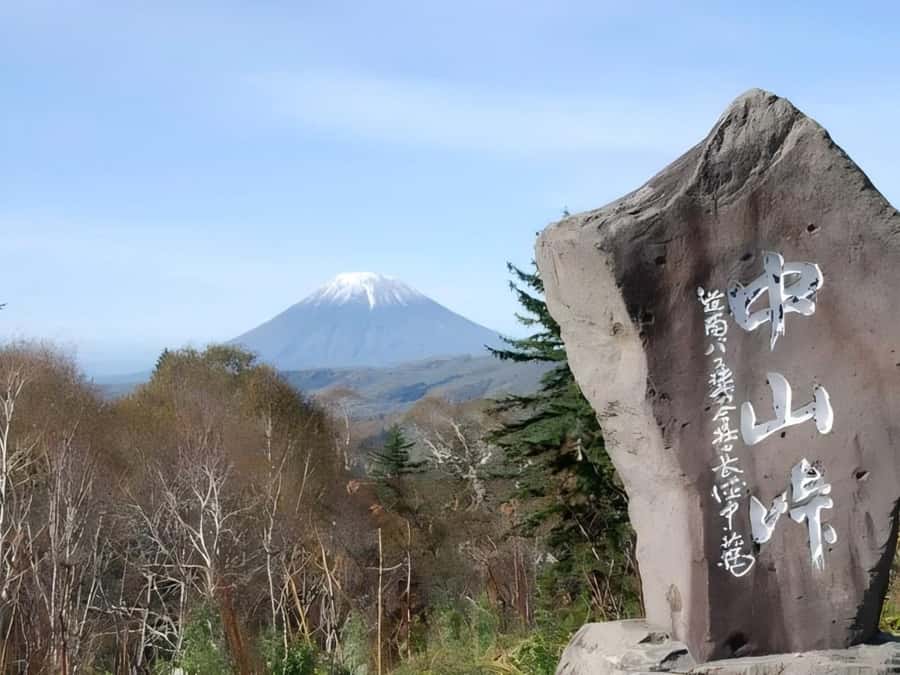
Winter changes the character of the tour. Snowy Nakayama Pass becomes part of the journey, and the route can finish with shopping at Mitsui Outlet Park Kitahiroshima. The outlet adds a commercial stop after a day centered on volcanoes, lakes, and coastal views.
That final shopping visit will appeal to some people and disappoint others. If you want local scenery from morning to night, time at an outlet may feel like a weak ending. If you enjoy browsing stores or want a practical break before returning to Sapporo, it gives the day a different pace.
The bus is the key convenience and the main limitation. You can reach Noboribetsu, the Toya area, and Lake Shikotsu without changing trains or arranging local transport. But the distances between these places are significant, so several hours will be spent riding.
Some departures include a lot of commentary, including talk about products available at stops. If you prefer quiet rides and uninterrupted views, this may wear on you. Other people appreciate having information and clear instructions throughout a busy day.
Guides, language, and group communication
Tours are offered in English and Japanese. That is useful, but you should not assume every departure will feel like a fully detailed English-language guiding experience.
Lisa received especially strong praise for being friendly, attentive, and clear in English. At the same time, one departure had most of its commentary in Chinese, with shorter English explanations. Another English-speaking participant found that Lisa was kind and helpful but sometimes explained more in her first language when communication became difficult.
This means the guide can shape the day. A good guide helps you understand where to go, when to return, and how to use short breaks. That practical direction matters on a packed route, even when the sightseeing commentary is brief.
If you want a tour built around detailed interpretation, ask about the language arrangement before you reserve. If you mainly need transport, basic explanations, and help with timing, the format may suit you well.
What to bring and what the price leaves out
Wear comfortable shoes and comfortable clothing. You will move between volcanic paths, viewpoints, lakeside areas, and possibly snowy ground, so practical clothing is more useful than anything stylish but restrictive.
Bring cash for lunch, admission fees, and any purchases. The tour includes the bus and guide, but not food, the Usuzan Ropeway, or Showa Shinzan Bear Farm admission.
Food and drinks are not allowed in the vehicle, and smoking is prohibited. Alcohol and drugs are also not allowed. These rules are easy to follow, but they matter on a long bus day.
The tour is not suitable for pregnant women, people over 75, or babies under one year old. You also need to arrive at the stated meeting point on time because the guide will not contact you in advance. Cancellation is allowed up to 24 hours before departure for a full refund, which gives you some useful flexibility.
Who will get the most from this tour
I would recommend this trip to you if you have limited time in Sapporo and want a broad look at Hokkaido without planning several separate day trips. It is also a good fit if you enjoy scenic viewpoints, volcanic features, lakes, and a clear schedule.
Families may like the variety, particularly the bear farm and the short, easy-to-understand stops. Photographers will find plenty of subjects, from Hell Valley steam to Lake Toya and autumn sunsets at Lake Shikotsu.
I would be more cautious if you want long walks, quiet nature time, or detailed cultural discussion. You should also think carefully about the bear farm’s animal enclosures before paying the extra admission fee.
The overall rating of 4.1 from 88 ratings reflects that split. The strongest praise centers on friendly guides, good time management, clear instructions, and the sheer number of places covered. The weaker experiences focus on long bus rides, short stop times, sales-oriented commentary, and uneven language support.
Should you book the $66 Hokkaido day tour?
Book it if your main goal is efficient sightseeing. For $66, the bus and guide can save you the work of connecting several distant destinations, and the route gives you volcanoes, lakes, a Pacific viewpoint, bears, hot spring town scenery, and possibly winter shopping in one day.
Skip it if you want depth rather than breadth. The schedule can feel like get off, take photographs, and get back on, with little room for an unplanned walk or a long meal. I would also confirm the exact seasonal route and language setup before paying.
For a first look at Hokkaido from Sapporo, this is a useful, busy sampler. Just board expecting a full day of driving and short visits, not a leisurely countryside escape.
FAQ
How much does the tour cost?
The tour costs $66 per person.
What does the tour price include?
The price includes the tour bus and a guide.
Is lunch included?
No. You have free time for lunch in Lake Toya Hot Spring Town, but you pay for your own meal.
Are the Bear Farm and Usuzan Ropeway included?
No. Admission to Showa Shinzan Bear Farm and the Usuzan Ropeway is not included.
What languages are available?
The tour is offered in English and Japanese.
Does the itinerary change by season?
Yes. The itinerary changes with Hokkaido’s seasons. The winter route may include snowy Nakayama Pass, Silo Observatory, Toya Onsen Town, Showa Shinzan, Noboribetsu Hell Valley, and Mitsui Outlet Park Kitahiroshima. The general program also lists Cape Chikyu and Lake Shikotsu.
What should I bring?
Bring comfortable shoes, comfortable clothing, and cash.
Is the tour suitable for everyone?
It is not suitable for pregnant women, people over 75, or babies under one year old.
Can I cancel for a refund?
You can cancel up to 24 hours in advance for a full refund.
Just added around Hokkaido
- 3.5hours Primeval Forest Snowshoe hike and Wildlife Watching Tour★ 5.0 · 14 reviews
- Snowshoe Adventures and Onsen Bliss Winter Escape in Furano★ 5.0 · 12 reviews
- Half Day – Snow View Rafting in Niseko★ 5.0 · 13 reviews
- 3hours Primeval Forest and Stunning Views of Cliff Trekking Tour★ 5.0 · 20 reviews
- Hakodate 6hr Private Tour with Government-Licensed Guide★ 5.0 · 17 reviews
- SkyExpress Private Transfer: New Chitose Airport – Niseko (8 Pax)★ 5.0 · 15 reviews
- Chitose Airport to Niseko Private Transfer | Licensed Driver★ 5.0 · 19 reviews
- Sapporo Winter : Asahiyama Zoo (Penguin Fun & Snowmobile)★ 5.0 · 28 reviews
Hokkaido Tours, compared.
Hokkaido Seasonal: Lake Toya & Noboribetsu Jigokudani Valley
Read our review →
Sapporo Private Tour with a Local – Highlights & Hidden Gems
Read our review →

Furano Flower Sea & Biei Blue Pond Tour w/ Pickup
Read our review →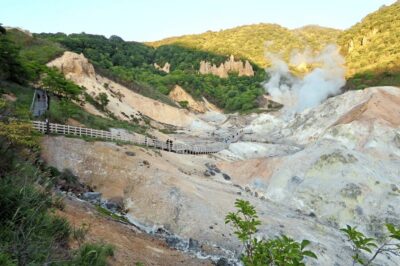
Hokkaido│Noboribetsu & Lake Toya Tour with Ropeway Ticket
Read our review →
Browse the lists this tour appears in