

Reviewed · OKINAWA TOURS
Zodiac Shrines and Naha Backstreets Cycling Tour
Naha’s most revealing sights are often reached by turning off the main road. This four-hour e-bike ride takes you through quiet lanes and uphill neighborhoods to shrines, temples, sacred springs, and royal sites tied to Okinawa’s Ryukyu Kingdom past. You see worship as a living part of local life, not just as a photo stop.
I like the small maximum of five people, which gives the guide room to explain customs and help with photos. I also like the electric bikes: they make Shuri’s hills manageable, while the route still feels active and personal rather than bus-bound.
The main drawback is traffic. Some riding takes place on busy streets, and the weather can change the plan. This is best for confident cyclists who are comfortable sharing roads and for visitors willing to trade a little road stress for access to places ordinary city tours skip.
Key points to know before you book
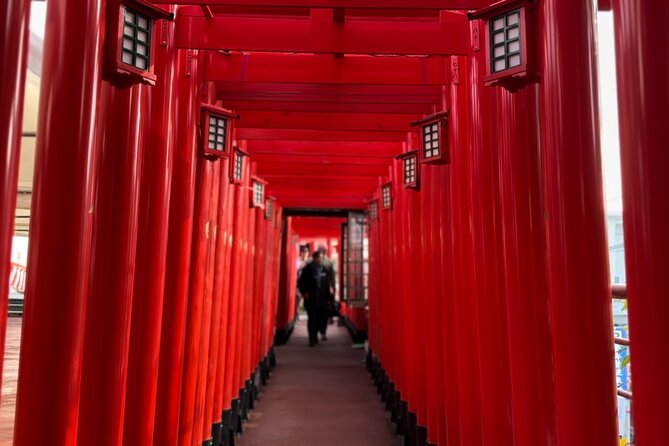
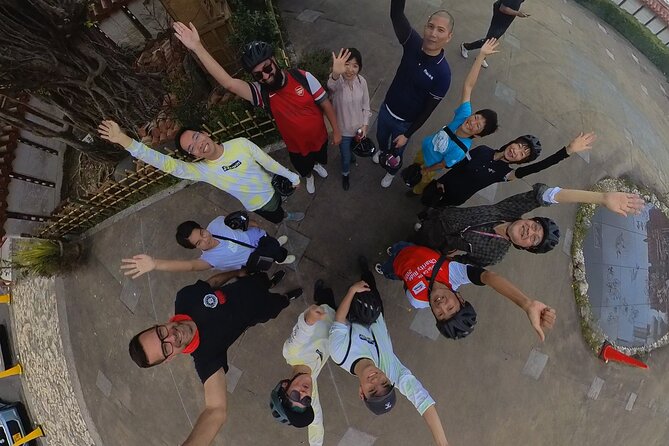
- A small group of no more than five makes it easier to ask questions and keep the ride at a sensible pace.
- Electric bicycles help on Naha and Shuri’s hills, but you still need to ride on public streets.
- The route links living religious sites, including Shuri Kannondo, Ankoku-ji, Sairaiin, and Seikoji.
- A goshuin-cho pilgrim’s book and snacks are included, while bottled water is not.
- The tour begins and ends near Makishi Monorail Station, making it easy to fit into a day in central Naha.
- Rain matters here: if the precipitation chance is above 70 percent or severe weather is expected, the route may change.
Why this ride reaches the Naha most visitors miss
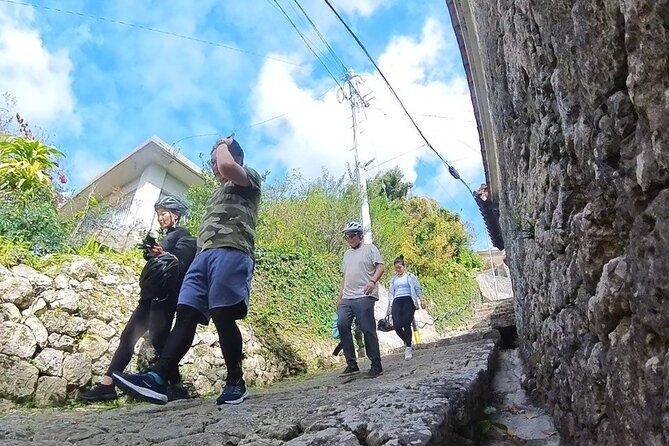
Naha is easy to reduce to Kokusai Street, the market district, and Shuri Castle. Those places are worth seeing, but they do not tell the whole Okinawan story. The side streets reveal older houses, hillside temples, small religious corners, and traces of a kingdom that blended local beliefs with Buddhism and royal ceremony.
This cycling route gives you a useful middle ground. You are not sitting behind a bus window, but you are also not facing a full-day cycling challenge. The electric bicycle lets you cover ground between Naha and Shuri without making every hill a test of endurance.
The theme is a pilgrimage to zodiac-related sacred places. Along the way, you encounter shrines, temples, a royal mausoleum area, and a spring connected with an Okinawan princess. The point is not simply to count monuments. It is to see how people still pray to bodhisattvas, ancestors, and local deities in places shaped by the Ryukyu Kingdom era.
The included goshuin-cho adds a nice sense of purpose. It gives the outing a personal record rather than making it just another sequence of photographs. Ask the guide how it is used at the sites you visit, since religious customs can differ from one place to another.
More bike days around Naha:
- Afternoon Adventure: Okinawa Local Cycling with Spectacular Views
★ 5.0 · 92 reviews - Naha: Guided E-Bike Tour of the 12 Zodiac Temples
★ 4.9 · 50 reviews - E-Bike Nature Tour in Shuri
★ 5.0 · 25 reviews
Starting at Makishi with an electric bicycle
Meet at the shop at 3-chōme-13-20 Makishi, about a one-minute walk from Makishi Monorail Station. The first 20 minutes are set aside for collecting the electric bicycles and receiving a short safety briefing.
This beginning is practical, not wasted time. You will want to adjust the seat, understand the electric assist, and get comfortable with the brakes before entering Naha’s streets. The bikes do not remove the need for attention, especially where traffic is busy or the road narrows.
The tour supplies an included cycling helmet. It does not include bottled water, so bring your own. A phone holder and camera mount are also not provided, which matters if you plan to follow a map or film while riding. You should keep your phone safely stored until you stop.
Past outings have featured guides named Maria, Jojo, Sally, and Reija. Guide assignments can vary, but the experience depends heavily on clear explanations and steady street management. Jojo has been especially helpful with questions and photographs, while Maria has received praise for explaining Okinawan culture and guiding the group through traffic.
Shuri Kannondo and the guardian of the kingdom
The first major stop is Shuri Kannondo, a bright vermilion temple with views over Shuri. Here you can see Kannon Bodhisattva, described as the guardian deity of the Ryukyu Kingdom, along with carved details and colorful ornaments.
The 20-minute visit is short enough to keep the route moving but long enough to take in the building and city view. This is a good place to begin because it establishes the religious side of the tour before the route shifts to royal gates, old neighborhoods, and sacred water.
Look closely at the decorative work rather than rushing straight to the best photo angle. The color is striking, but the value of the stop is the connection between Buddhist practice and the old kingdom. Your guide can help explain what you are seeing and how the site fits the pilgrimage theme.
Ankoku-ji and the old streets of Naha
The ride to Ankoku-ji passes through a local part of Naha where some traditional houses remain. This stretch may be as useful as the temple itself. You get a sense of how older residential areas sit beside modern roads and city services.
Ankoku-ji has practiced Okinawan Buddhism for more than 500 years. The tour allows about 20 minutes here, enough to appreciate the temple’s age and atmosphere without turning the stop into a long formal visit.
This is where a good guide matters. A building can look quiet and simple if you do not know what makes it important. Listen for the link between Okinawan Buddhism, local worship, and the wider history of Shuri. The route is not built around long museum-style explanations, so ask questions while you have the chance.
A few more Naha half-days to weigh up
- Official Street Go-Kart Tour – Okinawa Shop
★ 5.0 · 699 reviews - Naha: North Okinawa Sightseeing Tour & Churaumi Aquarium
★ 4.4 · 472 reviews - Okinawa: From Naha: Kerama Islands 1-day snorkeling tour
★ 4.4 · 423 reviews - From Naha: Tokashiki Island Day Trip by Boat
★ 4.3 · 385 reviews
Shuri Castle’s vermilion gate

At Shuri Castle, the focus is a ceremonial gate rather than an extended castle visit. You can take a photograph with your bicycle in front of the vivid vermilion structure, whose balanced design makes it one of Okinawa’s most recognizable scenes.
That distinction is important when planning your day. This cycling tour gives you a taste of the castle area and a memorable photo stop, but it is not a substitute for setting aside separate time to explore Shuri Castle in detail.
The bicycle adds a pleasing touch here. Instead of arriving by a large vehicle and moving on with a crowd, you roll into the area under your own power. The stop also breaks up the religious visits with one of Okinawa’s major royal symbols.
Sairaiin, the Daruma Temple
Sairaiin is known as the Daruma Temple, and its red Daruma dolls give the stop a different visual character. People visit to pray for good health and pregnancy and to give thanks for their present lives.
You have about 20 minutes to look around. The bright red figures are easy to notice, but try to pay attention to the purpose behind them. This is not only a colorful temple stop. It shows how prayer, gratitude, family hopes, and everyday concerns remain part of religious practice.
The site may be especially meaningful if you are interested in how modern Okinawans use traditional places of worship. You do not need to share the same beliefs to understand the human wishes expressed here. Keep your behavior respectful, since this is an active religious place rather than a decorative attraction.
Seikoji beneath the monorail
Seikoji provides one of the route’s sharpest changes in mood. You cross a main street, pass beneath the monorail running above, and then reach a temple with a quieter feel.
The newer temple was rebuilt after the war, while an older Japanese camphor tree nearby offers a direct link to an earlier time. That contrast is worth noticing. Okinawa’s past is not preserved in a single untouched zone. It appears in pieces beside rebuilt structures, rail lines, roads, and ordinary city life.
The stop lasts about 20 minutes. It is a good reminder that historical value does not always come in grand form. Sometimes it is a tree, a surviving object, or a small sacred space that carries the strongest sense of continuity.
Shuritobarucho and the spring in the woods
Shuritobarucho is described as a miraculous spring found deep in the forest after an Okinawan princess noticed waterfowl nearby. The story gives the water a human and royal connection, while the setting offers a pause from traffic and buildings.
You spend about 15 minutes here. That is enough for a brief look and explanation, but not a long nature walk. The appeal is the combination of place and story: water, forest, royal memory, and a belief that still has meaning today.
Do not expect a major waterfall or a large park attraction. This is a modest sacred site, and its interest lies in the connection it creates with Okinawan tradition. If you enjoy small details and local legends, it may become one of the more memorable stops.
The downhill ride to Sogenji-dori
The route then includes a downhill ride along Sogenji-dori toward a sacred area where successive Ryukyu kings were entombed. The downhill stretch sounds fun, but keep your speed under control and follow the guide closely.
The former royal burial area is now a city park with clean air and a calmer setting. A stone gate and an old banyan tree remain as visible reminders of the site’s purpose. Here, the tour shifts from temples and springs to royal ancestors and the obligations of remembrance.
This is a strong ending to the sightseeing portion because it brings several themes together: the kingdom, sacred ground, nature, and present-day Naha. It also gives you a quieter place to reflect before riding back to the shop.
What four hours really gives you
The advertised duration is about four hours, including the bicycle briefing, riding time, and eight stops. Each listed stop lasts about 15 to 20 minutes, so the tour is active and well paced rather than slow and meditative.
Some outings have finished in roughly two and a half hours, depending on the route and conditions. That means you should keep your day flexible instead of scheduling a tight reservation immediately afterward. The pace may change with traffic, group ability, weather, or a route adjustment.
The maximum group size of five is one of the strongest practical features. A small group can stop without the long delay that comes with a large tour, and the guide can respond to questions about religious customs, architecture, or local history.
The route also mixes exertion with short sightseeing breaks. You ride between places, climb with electric assistance, stop to listen, then ride again. If you want a full workout, this may feel too easy. If you want to see more than you could comfortably walk in a morning, it makes good sense.
Price, inclusions, and the real value
At $108.72 per person, this is not the cheapest way to see Naha. You are paying for more than bicycle rental, though. The price includes the electric bicycle, helmet, guide service, snacks, and a goshuin-cho pilgrim’s book.
The value comes from access and interpretation. You could visit some of these places independently, but reaching several of them by public transport or on foot would take more planning. You would also lose the local explanation that connects a temple, a spring, a royal burial site, and zodiac worship into one experience.
The cost makes the most sense for a first visit to Naha when you want orientation beyond the usual center. It is less compelling if you already have a bicycle, know the back streets, and prefer to set your own pace.
Bring water and do not count on using the bicycle as a mobile camera platform. Since phone holders and camera mounts are not included, plan to stop before taking pictures. The guide can help with photos at scenic points, but your phone should remain secure while riding.
Who will enjoy this most
I would choose this tour if you want:
- A small-group outing with plenty of chances to ask questions
- A practical way to handle Shuri’s hills
- Religious sites and local history instead of only major landmarks
- A guided introduction to Naha’s back lanes
- A four-hour activity that leaves the rest of your day open
- A personal souvenir in the form of a pilgrim’s book
Families should ask the staff about child seats. Children aged 1 to 5 can have a seat attached to a parent’s bicycle, but arrangements require consultation before the ride.
The tour is not ideal if you dislike cycling in traffic, need a completely sheltered activity, or want a long visit inside Shuri Castle. It also may not suit anyone hoping for a slow spiritual retreat. You cover ground and make many stops in a limited time.
Weather is a real planning point. If the precipitation probability exceeds 70 percent or severe weather is expected, the operator may change the plan and will contact you the day before. If poor weather cancels the activity, you can choose another date or receive a full refund.
Should you book the Zodiac Shrines ride?
Book it if you want to connect Naha’s everyday streets with Okinawa’s royal and religious past, and if you are comfortable riding in city traffic. The electric bicycle, tiny group, and named local guides such as Maria, Jojo, Sally, and Reija make this a more personal choice than a standard sightseeing loop.
Skip it if your priority is a full Shuri Castle visit, a leisurely walking tour, or complete freedom from roads and weather concerns. For the right visitor, though, this is a smart four-hour introduction to the parts of Naha that are easiest to miss and hardest to understand without local guidance.
Free cancellation is available up to 24 hours before the start time. Changes or cancellations inside that window are not refunded, so check the forecast and leave room in your schedule.
FAQ
Where does the cycling tour begin?
It begins at 3-chōme-13-20 Makishi, Naha, Okinawa 900-0013, Japan. The shop is about a one-minute walk from Makishi Monorail Station.
Where does the tour finish?
The ride ends back at the shop where you return the bicycle. You can then continue exploring Naha independently.
How long does the experience last?
The scheduled duration is about four hours. The exact pace can vary, and some outings have taken about two and a half hours.
How many people can join?
The maximum is five participants.
Is the bicycle included?
Yes. The tour includes use of an electric bicycle and an installed cycling helmet.
Are snacks and water provided?
Snacks are included. Bottled water is not included, so bring your own.
Can young children join?
Children aged 1 to 5 can have a child seat attached to a parent’s bicycle. You should consult the staff about arrangements before booking.
What happens if the weather is poor?
If the precipitation probability exceeds 70 percent or severe weather is expected, the operator may change the plan and contact you the day before. If the activity is canceled due to poor weather, you can receive a full refund or choose another date.
Just added around Naha
- Tokashiki Island Day Trip from Naha★ 4.0 · 15 reviews
- E-Bike Nature Tour in Shuri★ 5.0 · 25 reviews
- Port Pick-Up: Naha Private Tour Licensed Guide& Vehicle★ 4.5 · 16 reviews
- Kintsugi Experience in Naha, Okinawa – Art from Broken Pieces!★ 5.0 · 28 reviews
- Sushi Making Experience Class in Naha Makishi Public Market★ 5.0 · 35 reviews
- Okinawa 2-Hours Genuine Kendo/Samurai Experience in Japan★ 5.0 · 28 reviews
- Okinawa:Kerama Islands experience Diving/Snorkeling/WhaleWatching★ 4.5 · 16 reviews
- Naha: Full-Day Snorkeling Experience in the Kerama Islands, Okinawa★ 5.0 · 128 reviews
Okinawa Tours, compared.


North Okinawa Sightseeing Tour & Churaumi Aquarium
Read our review →
From Naha: Kerama Islands 1-day snorkeling tour
Read our review →

Naha, Okinawa: Keramas Island Snorkeling Day Trip with Lunch
Read our review →![[Miyako Island/Half Day] Sea Turtle Snorkeling](https://media3.thejapanesetraveller.com/wp-content/uploads/miyako-island-half-day-sea-turtle-snorkeling-400x267.jpg)


Snorkeling in the Blue Cave area【Okinawa Prefecture: Free feeding & photo images!English and Chinese speaking guide available!
Read our review →Browse the lists this tour appears in