
Reviewed · OKINAWA TOURS
Sushi Making Experience Class in Naha Makishi Public Market
Makishi Public Market is more than a place to buy lunch. In this hands-on sushi class, you walk through the fish stalls, see which seafood is available that day, and then turn those ingredients into your own meal. That market-to-table link is the best reason to book.
I like two things here: you get a close look at Okinawan fish, and you make eight pieces of sushi rather than simply watching a demonstration. The friendly instructor and interpreter also help bridge the language gap, making the class easy to follow.
The main drawback is the price, $164.72 per person, which is high for a two-and-a-half-hour meal. Alcohol costs extra, aprons are not provided, and the fish selection changes with the season, so you should book this for the cultural experience, not just the food.
Key points to know before you book
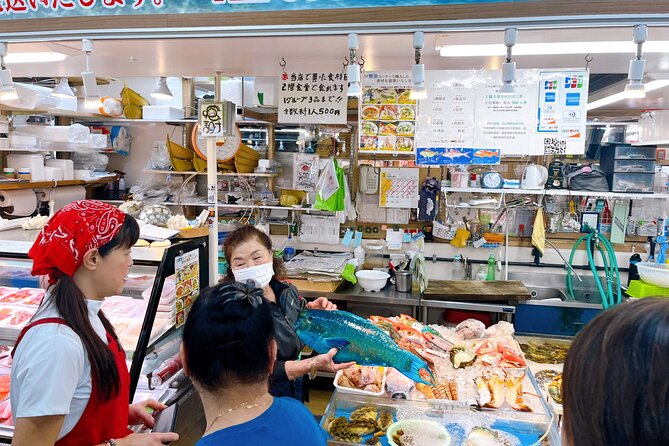
- Fresh fish from Makishi Market: Your sushi ingredients are bought from the market stalls you visit at the start.
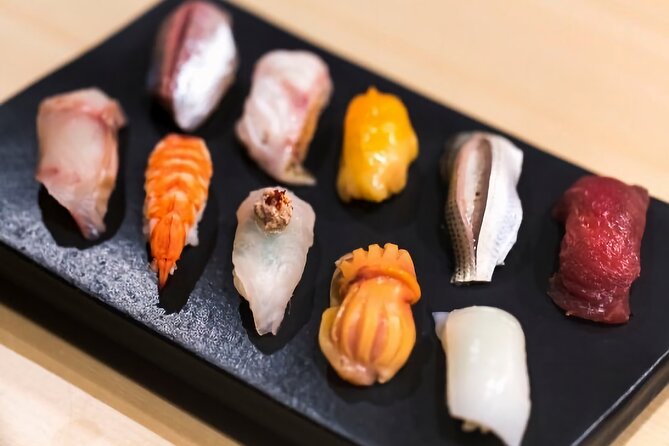
- Eight pieces of handmade sushi: Fish may include mibai, red machi, irabucha, local bonito, local tuna, kubushimi, salmon, and other seasonal choices.
- A market lesson and a meal in one: You learn about local seafood, prepare your food, and eat it at the same meeting point.
- A patient instructor and interpreter: The class is designed to be accessible even if you do not speak Japanese.
- Small enough to feel personal: The maximum group size is 20 people, with discounts available for groups.
- Extra drinks and no apron: Sake starts at 1,000 yen and beer at 500 yen. Bring your own apron if you want one.
Starting at Makishi Public Market in Naha
The class begins at Makishi Public Market, at 2-chōme-10-1 Matsuo in Naha. This central market is an excellent setting for a food class because you do not begin with ingredients prepared in a back room. You first see the seafood being sold, then learn how it reaches your plate.
The schedule is simple: reception, a market tour, sushi preparation, and a shared meal. The total time is about two hours and 30 minutes, so you get a focused activity without giving up an entire day in Naha.
You will want to arrive ready to walk through a working market. Fish stalls can be wet, crowded, and full of unfamiliar names. That is part of the point. The guide helps explain what you are seeing and identifies the fish chosen for the class.
The activity is near public transportation, which makes it practical to fit into a day exploring Naha. It ends back at the same meeting point, so you do not need to arrange a separate ride from a distant restaurant or cooking studio.
More sushi classes in Naha:
- Sushi Making Tokyo Roll and Authentic Japanese Sushi Class
★ 5.0 · 3,971 reviews - Tokyo: Roll and Authentic Sushi Making Class in Asakusa
★ 4.9 · 1,957 reviews - Tokyo: Sushi Making Class in a Happi Coat near a Famous Spot
★ 4.9 · 1,377 reviews
Seeing Okinawan fish before it becomes sushi
The market walk gives the class its local flavor. Instead of treating sushi as a generic Japanese food, the experience connects it to Okinawa and the seafood sold in Naha.
The fish list can include mibai, red machi, irabucha, stew machi, local bonito, local tuna, kubushimi, and salmon. Some of those names may be new to you, and the guide can give you a better sense of what makes local fish different from the standard tuna and salmon found on many sushi menus.
You should expect the selection to change with the season. That is good for freshness, but it means you cannot count on a particular fish. If you have your heart set on one type of sushi, this class may disappoint. If you enjoy seeing what is available that day, the changing menu becomes part of the experience.
I like this part because it gives you a reason to pay attention at the market. You are not simply passing fish counters on the way to a lesson. You are seeing the source of your meal and then using that information moments later.
The market visit also offers a small look at daily life in Naha. You can interact with local sellers and see the ingredients that feed the city. It is a modest experience, not a full food tour of Okinawa, but it gives you more context than a meal in a hotel restaurant.
Learning to shape eight pieces of sushi
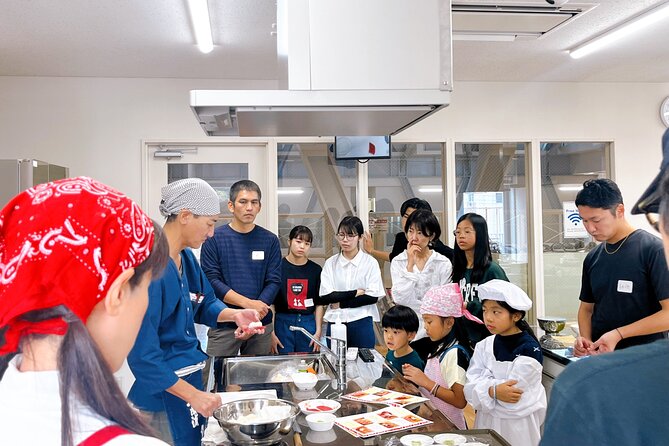
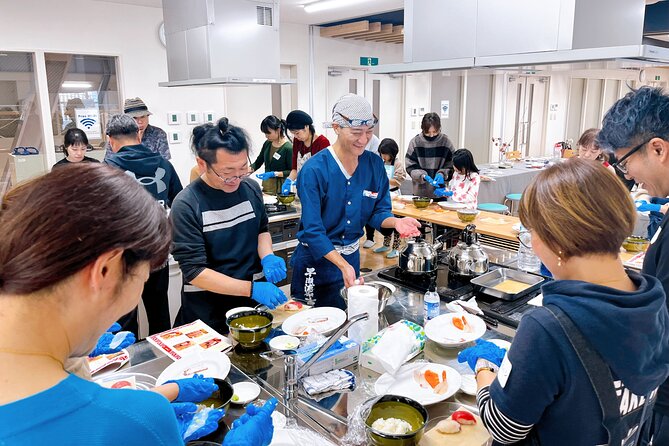
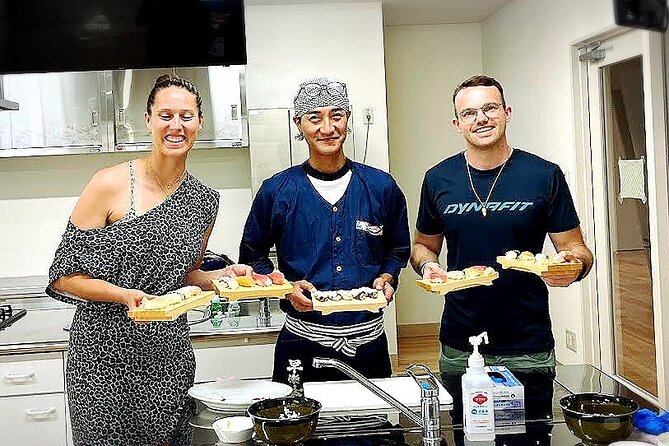
After the market tour, the instructor shows you how to make your sushi. The class is aimed at participation, so you should expect to handle the ingredients and prepare your own pieces rather than watch a chef do all the work.
You make eight pieces of sushi. The exact fish depends on the season and the market supply, but the choices can include several local varieties along with familiar options such as salmon and tuna.
Eight pieces is a useful amount. You have enough food to feel that you made a proper meal, but not so much that the class becomes a long production line. It also gives you several chances to practice the technique.
The instructor’s manner matters here. The class has received strong praise for its patient, fun teaching style, and the interpreter has been described as an important bridge between the group and the instructor. That is especially useful in a practical lesson, where small instructions about rice, fish, or hand position can otherwise get lost.
An instructor identified in English as I has been singled out for being fun, patient, and well informed about the task. The exact guide may vary, but you can expect a team approach rather than a lesson conducted only in Japanese.
The class is also suitable for a group that wants to do something together. You are not split off into separate private sessions. The maximum is 20 people, so the atmosphere can be social, though the size may feel less intimate than a tiny cooking lesson.
Eating the sushi you prepared
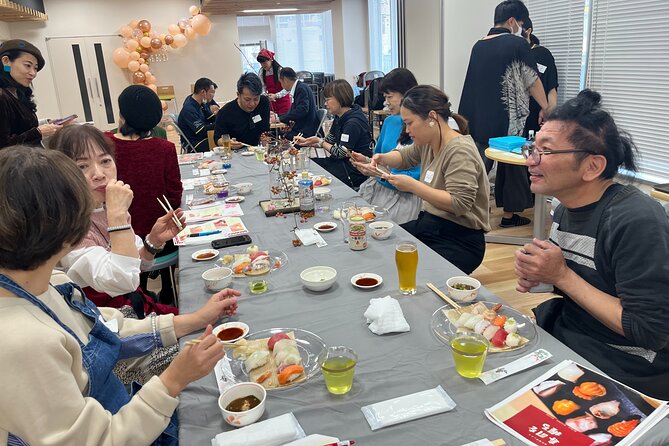
Once the sushi is ready, everyone eats the pieces they made. The meal comes with red soup stock, gari, and green tea, so the experience includes more than the sushi itself.
There is a particular satisfaction in eating food you prepared, even when the technique is simple. You can compare your finished pieces with those made by the rest of the group, and the meal gives you time to talk about the market visit.
The class does not promise a long tasting menu or a luxury dining service. The value is in the process: choosing or learning about local fish, preparing it with instruction, and eating the result in the same place.
Sake and beer are available for an extra fee. Sake begins at about 1,000 yen, and beer at about 500 yen. The minimum drinking age is 18. If you want a drink with your meal, budget for it separately rather than assuming it is covered in the booking price.
Green tea and the included soup make the meal feel complete without requiring an extra purchase. If you do not drink alcohol, you will still have the central food experience.
More market mornings in Naha:
- Tokyo Tsukiji Fish Market Food and Culture Walking Tour
★ 5.0 · 3,184 reviews - Tokyo: Tsukiji Fish Market Food and Walking tour
★ 5.0 · 1,724 reviews - Tokyo: Tsukiji Fish Market Guided Walking Tour
★ 4.9 · 1,397 reviews - Nishiki Market Brunch Walking Tour (7 Tastings + Brunch)
★ 5.0 · 1,355 reviews
Is $164.72 a fair price?
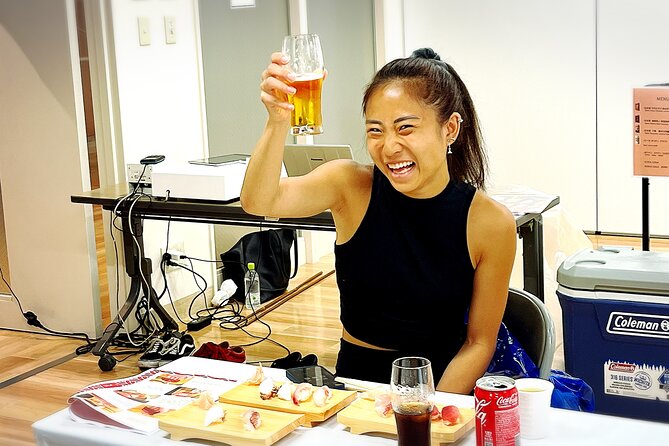
At $164.72 per person, this is not a bargain cooking class. You are paying a premium for the combination of a market visit, an instructor-led activity, a meal, taxes and fees, and a distinctive Okinawan setting.
The price makes more sense if you value experiences that connect food with place. A standard sushi meal may cost less, but it will not give you the market walk or the chance to prepare eight pieces yourself. A cheaper cooking lesson may teach technique, but it may not begin with seafood bought from a public market.
The included original RYUKYUMONO tenugui towel is a pleasant bonus. A tenugui is a traditional Japanese cloth that can be useful during the rest of your trip, though it should not be the reason you choose the class.
Group discounts may improve the value for families or friends booking together. If your main goal is simply to eat excellent sushi, compare the price with local restaurants before booking. If you want a shared activity and a food story you can take home, the cost is easier to justify.
What the class does especially well
The strongest feature is the combination of local market access and active participation. You see ingredients in their original setting and then learn how to prepare them. That sequence gives the experience a clear sense of place.
The instructors are another major strength. A fun, patient teacher can make a hands-on food class work for beginners, and the interpreter helps make the directions clear. This matters more than fancy equipment or a long menu.
The class also works well for people who want a cultural activity without committing to a full day. Two and a half hours is enough time to learn, eat, and enjoy the market while leaving room for other Naha plans.
The experience has a 4.9 rating and a 94 percent recommendation rate from 35 ratings. Those figures suggest that the teaching, market visit, and meal generally deliver what people expect. Still, the rating does not remove the practical concerns: the price is substantial, the schedule depends on a minimum number of participants, and the fish menu can change.
What may not suit you
This is not the best choice if you dislike raw fish, want complete control over the menu, or prefer a quiet private lesson. The ingredients are seasonal, and the class is shared with other participants.
It may also be a poor fit if you are looking for a low-cost meal. The $164.72 price covers the activity and food, but alcohol is extra and an apron is not supplied. Bring an apron if you want to protect your clothes.
The experience is non-refundable and cannot be changed for any reason after booking. If the minimum number of participants is not reached and the provider cancels, you will be offered another date or experience, or receive a full refund. That rule makes travel insurance or careful scheduling worth considering, especially on a short Okinawa visit.
The group can reach 20 people. That is still manageable for a guided class, but it is not the same as having a chef work privately with two or three people.
Who should book this Makishi Market class?
I would recommend it to first-time visitors who want a clear connection between Okinawa’s food and everyday market life. It is also a good pick for couples, families, and friend groups who prefer making lunch together to sitting through a formal food tour.
It suits curious eaters who want to try fish beyond the usual tuna and salmon. The changing menu is a benefit if you like seasonal food and a drawback if you need predictable choices.
The class is particularly useful for anyone who wants an organized cultural activity in Naha. You have a fixed meeting point, a guide, an interpreter, and a meal built into the schedule. That removes much of the guesswork from visiting Makishi Public Market.
I would skip it if your budget is tight, you already have several sushi meals planned, or you want a private cooking lesson. You can find cheaper ways to eat sushi in Naha, but not with this same market-to-table format.
Practical details for a smooth visit
The meeting point and ending point are both Makishi Public Market, at 2-chōme-10-1 Matsuo, Naha, Okinawa 900-0014. Public transportation is nearby, so you can build the class into a day around central Naha.
The activity lasts about two hours and 30 minutes. Allow a little extra time around the scheduled start so you are not rushing into the market tour.
All fees and taxes are included, as is use of the galley or food-preparation area. Your sushi meal includes eight pieces, red soup stock, gari, and green tea.
Alcohol is not included. Sake costs from about 1,000 yen and beer from about 500 yen, with the minimum drinking age set at 18.
Bring an apron if you want one. The provider does not supply aprons, and sushi preparation can be messy enough to make a protective layer useful.
Should you book it?
Book this class if you want more than a meal. The market tour, seasonal Okinawan fish, hands-on preparation, and patient instruction create a useful two-and-a-half-hour introduction to Naha’s food culture.
Skip it if $164.72 feels too high for a short activity or if you need a fixed fish menu. For everyone else, especially groups and curious first-time visitors, this is a well-focused way to experience Makishi Public Market and leave with a tenugui towel, a full stomach, and a better sense of where Okinawan sushi begins.
FAQ
Where does the sushi-making experience begin?
It begins at Makishi Public Market, at 2-chōme-10-1 Matsuo, Naha, Okinawa 900-0014, Japan.
Where does the activity end?
The activity ends back at the meeting point at Makishi Public Market.
How long does the sushi class last?
The experience lasts approximately two hours and 30 minutes.
How many pieces of sushi will I make?
You will make eight pieces of sushi. The fish may include mibai, red machi, irabucha, stew machi, local bonito, local tuna, kubushimi, salmon, and other seasonal choices.
Are drinks included?
Green tea is included, along with red soup stock and gari. Sake, beer, and other alcoholic drinks cost extra. Sake starts at about 1,000 yen, and beer starts at about 500 yen.
Is an apron provided?
No. Aprons are not provided, so bring your own if you want one.
Can I cancel or change my booking?
The experience is non-refundable and cannot be changed for any reason. If the minimum number of participants is not reached and the provider cancels, you will be offered another date or experience, or a full refund.
More Workshops in Naha
- Kintsugi Workshop in Naha, Okinawa
★ 5.0 · 79 reviews - Kyoto: 45-Minute Tea Ceremony Lesson Experience
★ 4.3 · 2,378 reviews - Ramen Cooking Class at Ramen Factory in Kyoto
★ 5.0 · 1,937 reviews - Tokyo Shinjuku Chopsticks Making Class
★ 5.0 · 1,763 reviews
More Shopping in Naha
- Tsukiji Fish Market Guided Tour and Sushi Making with Pro Chef
★ 5.0 · 775 reviews - Tokyo: Tsukiji Fish Market Food and Culture Walking Tour
★ 4.7 · 757 reviews - Tsukiji Fish Market: Street Food & Culture Walking Tour
★ 5.0 · 669 reviews - Tsukiji Fish Market Small-Group Food Walking Tour
★ 5.0 · 621 reviews
Just added around Naha
- E-Bike Nature Tour in Shuri★ 5.0 · 25 reviews
- Zodiac Shrines and Naha Backstreets Cycling Tour★ 5.0 · 29 reviews
- Tokashiki Island Day Trip from Naha★ 4.0 · 15 reviews
- Kintsugi Experience in Naha, Okinawa – Art from Broken Pieces!★ 5.0 · 28 reviews
- Port Pick-Up: Naha Private Tour Licensed Guide& Vehicle★ 4.5 · 16 reviews
- Okinawa 2-Hours Genuine Kendo/Samurai Experience in Japan★ 5.0 · 28 reviews
- Okinawa:Kerama Islands experience Diving/Snorkeling/WhaleWatching★ 4.5 · 16 reviews
- Naha: Full-Day Snorkeling Experience in the Kerama Islands, Okinawa★ 5.0 · 128 reviews
Okinawa Tours, compared.


North Okinawa Sightseeing Tour & Churaumi Aquarium
Read our review →
From Naha: Kerama Islands 1-day snorkeling tour
Read our review →

Naha, Okinawa: Keramas Island Snorkeling Day Trip with Lunch
Read our review →![[Miyako Island/Half Day] Sea Turtle Snorkeling](https://media3.thejapanesetraveller.com/wp-content/uploads/miyako-island-half-day-sea-turtle-snorkeling-400x267.jpg)


Snorkeling in the Blue Cave area【Okinawa Prefecture: Free feeding & photo images!English and Chinese speaking guide available!
Read our review →Browse the lists this tour appears in