
Reviewed · OKINAWA TOURS
Kintsugi Workshop in Naha, Okinawa
Broken pottery gets a second life in this two-hour kintsugi workshop in Naha. You choose a ceramic piece, repair it with gold or silver, and leave with a small work of art made by your own hands. The shortened method is designed for beginners, so you do not need craft experience.
I like the calm, small-group setting, limited to five people, and the patient help from instructors such as Mayo and Aya. I also like that the class explains the longer, traditional process, including natural urushi glue, rather than treating kintsugi as a quick craft trick. The main point to consider is that your finished piece is decorative only. It cannot be used for eating or drinking.
Key points to know
- A six-step beginner class: You work through a simplified version of kintsugi with an instructor beside you.
- Choose your own ceramic piece: Options mentioned include small plates, bowls, pendants, bracelets, and necklaces.
- A peaceful Naha activity: The studio has comfortable seating and air conditioning, making this a welcome break from sightseeing.
- Small groups matter: With no more than five participants, you can ask for help without waiting long.
- Take-home art, not tableware: Your repaired piece is intended for display and makes a personal souvenir.
- A useful culture lesson: You learn about traditional urushi methods, which can take weeks to dry and produce food-safe pottery.
What kintsugi means beyond the gold lines
Kintsugi is the Japanese art of repairing broken pottery so the damage becomes part of the object’s design. Instead of hiding cracks, the repair highlights them with gold or silver. That simple idea gives this workshop more weight than a standard souvenir-making class.
You are not just buying an Okinawan object from a shop. You are spending two hours making something imperfect and personal. The result will not look factory-made, and that is part of its charm.
The class uses a shortened process suited to a short holiday visit. Traditional kintsugi can involve natural urushi lacquer and long drying periods. One participant learned that the traditional method may take weeks to dry and can produce a food-safe finished piece. This workshop does not attempt to reproduce that entire process in two hours.
That distinction matters. You get a practical introduction to the craft, not a professional apprenticeship. You also get a finished decorative object without waiting weeks for each stage to set.
More hands-on workshops in Naha:
- Sushi Making Experience Class in Naha Makishi Public Market
★ 5.0 · 35 reviews - Sushi Making Tokyo Roll and Authentic Japanese Sushi Class
★ 5.0 · 3,971 reviews - Kyoto: 45-Minute Tea Ceremony Lesson Experience
★ 4.3 · 2,378 reviews
Inside Urushi Studio Kodemari in Naha
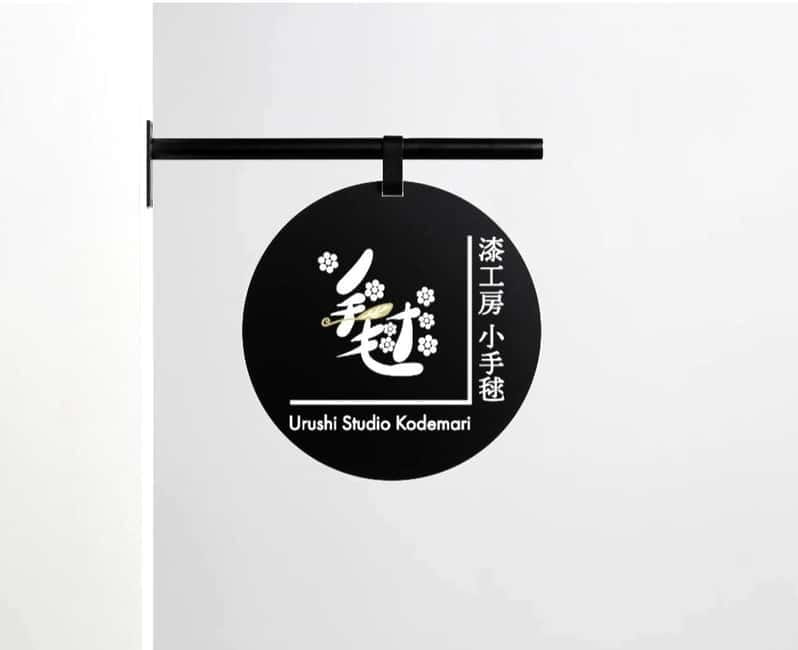
The experience takes place at Urushi Studio Kodemari, a small studio in Naha. The space has comfortable seating, tables, and air conditioning. Those details may sound minor, but they shape the mood of the class. You are working with your hands and focusing on fine lines, so a quiet, cool room helps.
The group is limited to five participants. I consider that one of the strongest features here. Kintsugi requires careful handling, and beginners often need a second look at a crack or a little help with a tool. In a large class, you could spend much of the session waiting. Here, the instructors can give more direct attention.
The workshop is available in English and Japanese. English-speaking visitors have described the instructions as clear, and the teaching team includes Mayo and Aya. Other descriptions identify Maio and her daughter as the people leading the session, so names may be presented slightly differently when you book. The important point is that the class has English support and personal instruction.
You may also be offered tea and a cookie at the end. Food and drinks are not part of the listed inclusions, so treat this as a possible courtesy rather than something to count on.
Choosing your piece before the repair begins
A pleasant part of the workshop is selecting the object you will repair. Ceramic bowls and small plates are mentioned as choices, while pendants are another option. The studio also sells pendants, bracelets, and necklaces.
Your choice changes the feel of the activity. A plate or bowl gives you a larger surface and lets you see the repaired lines clearly. A pendant is smaller and may suit you if you want a compact keepsake. If you are taking the class with a partner, choosing different objects gives you two distinct souvenirs rather than matching pieces.
Ask what options are available when you arrive. The exact selection may vary. If you already know you want a bowl, plate, or pendant, it is sensible to confirm that choice before booking or at the start of the class.
The object is supplied as part of the activity, along with the other materials. You do not need to bring broken pottery from home. That keeps the class simple, especially if you are flying onward with limited luggage.
The six-step hands-on process
The workshop teaches a shortened six-step process. You work with the piece in front of you while the instructor explains what to do next. No prior experience is required, and the teaching style is meant to keep the work approachable.
The first stage is understanding the broken form and preparing the area that will be repaired. From there, the class guides you through joining and finishing the piece. The final effect comes from the visible metallic repair lines, which turn the former break into the main design feature.
Do not expect to work entirely alone. The instructors are there to demonstrate, check your progress, and lend a hand when a step feels fiddly. That support is especially useful when you are trying to control a small tool or apply material along an uneven crack.
You should also expect the result to be your own attempt, not a perfect replica of a studio master’s work. That is a benefit, not a flaw. The piece records your choices and your patience. A slightly irregular line can make the finished object feel more handmade and more connected to the idea behind kintsugi.
The class also gives you a look at the longer traditional method. Natural urushi glue is part of that tradition, and it takes much longer to dry than the materials used in this shortened program. Learning that difference helps you understand why professional kintsugi is a serious craft rather than a fast repair job.
A few more Naha half-days to weigh up
- Official Street Go-Kart Tour – Okinawa Shop
★ 5.0 · 699 reviews - Naha: North Okinawa Sightseeing Tour & Churaumi Aquarium
★ 4.4 · 472 reviews - Okinawa: From Naha: Kerama Islands 1-day snorkeling tour
★ 4.4 · 423 reviews - From Naha: Tokashiki Island Day Trip by Boat
★ 4.3 · 385 reviews
Why the quiet pace works
This is an unusually calm activity for a city visit. The work asks you to slow down, watch the surface, and focus on one small task at a time. Several people describe the process as peaceful, mindful, or therapeutic.
That does not mean the class is silent or formal. You receive explanations, ask questions, and get help along the way. The calm comes from the pace of the work. You are not rushing between sights or trying to capture a photo before moving on.
I would pair this with a busy day in Naha. After markets, shopping, or other city activities, two hours at a table can reset your attention. It also suits solo visitors, couples, and friends. The small group makes it social without turning the class into a noisy group event.
Families should check the booking details before assuming the class is suitable for young children. The available information confirms that no experience is needed, but it does not give a minimum age.
What your finished piece can and cannot do
You take home the item you repair. That gives the activity a lasting value that a temporary demonstration does not have. Each time you see the plate, bowl, or pendant, you will remember the time spent making it in Naha.
The finished work is for display only. It cannot be used for eating or drinking. Do not treat it as a functional bowl or plate, even if the shape looks ready for the table.
This limitation is the clearest practical drawback. If you want a food-safe vessel repaired with traditional materials, this short workshop is not the right choice. The traditional urushi process can create a food-safe result, but that is not what this two-hour experience provides.
For most visitors, the display-only rule is easy to accept. You are paying for an introduction to the art and a personal souvenir, not for a restored piece of kitchenware. If you choose a pendant, the same advice applies: confirm how the finished item is intended to be handled before wearing it.
Is $55 a fair price?
At $55 per person, the workshop sits in a reasonable range for a two-hour cultural activity in Japan. The price includes the pottery, tools, other materials, and instruction. You do not need to buy supplies or prepare anything in advance.
The value comes from the combination of teaching and making. A ready-made souvenir may cost less, but it will not carry your own repair marks or the memory of learning the process. A longer traditional kintsugi course would involve more time and a different level of commitment. This class gives you a manageable introduction during a holiday.
The small group strengthens the value. With a maximum of five people, the instructors can watch your work and answer questions. That matters more here than it would in a simple painting class, since the repair work is precise.
The price does not include transportation, food, or drinks. Plan your route to the studio separately, and do not assume refreshments are part of the booking. Tea and a cookie may be offered, but the workshop’s core price covers the activity itself.
Who should book this workshop?
You should consider it if you want a souvenir with a story and prefer making something to simply shopping for it. It is also a good fit if you enjoy Japanese arts, careful handwork, sustainability, or quiet activities with a cultural angle.
It works well for a couple looking for something different from the usual sightseeing schedule. Solo visitors can also book without feeling out of place, since the group is small and the instructors provide guidance.
You may want to skip it if you need an immediately usable plate or bowl, dislike detailed handwork, or want a full traditional kintsugi course. The shortened method is honest about its limits. It gives you the spirit and basic practice of the art, but not every stage of the traditional craft.
If you are unsure, choose a smaller object such as a pendant. If you want the repair lines to be the main visual feature, a plate or bowl may give you more room to work.
Booking and timing tips for Naha
The activity lasts two hours, with starting times based on availability. That fixed length makes it easy to place between other plans, but allow enough time to reach the studio since transportation is not included.
The group size is capped at five, so booking ahead is sensible if you have a narrow schedule. The reserve-now, pay-later option lets you hold a place without paying at the time of booking. You can cancel up to 24 hours in advance for a full refund.
Wear something that lets you work comfortably at a table. The supplied information does not require special clothing or equipment, and all workshop materials are included. If you are carrying the finished piece on a flight, pack it carefully as a fragile display object.
Do not plan to eat from your new pottery when you get home. Find a shelf, desk, or cabinet where the repaired lines can be seen.
Should you book the Naha kintsugi workshop?
I would book this if you want a personal, low-key cultural experience rather than another quick photo stop. The strongest reasons are the small five-person group, patient English and Japanese instruction, and the chance to make a souvenir yourself.
The important caveat is the simplified method and display-only result. You are not completing the full traditional process, and you are not restoring usable tableware. But for $55 and two hours, you get practical instruction, a thoughtful look at Japanese craft, and an object that carries your own effort.
Choose a plate or bowl for a visible home display, or ask about a pendant if you prefer something smaller. For a relaxed afternoon in Naha, this is a thoughtful choice with real hands-on value.
FAQ
Where does the workshop take place?
The workshop takes place at Urushi Studio Kodemari in Naha, Okinawa.
How long is the kintsugi class?
The class lasts two hours. Starting times depend on availability.
How much does the experience cost?
The price is $55 per person.
Is the workshop suitable for beginners?
Yes. No prior experience is required, and an instructor guides you through each step.
What languages are available?
Instruction is available in English and Japanese.
How many people can join the class?
The workshop is a small-group experience limited to five participants.
What can I repair during the workshop?
You can choose from available ceramic items such as a small plate or bowl. Pendants are also mentioned as an option. The exact selection may vary.
Can I eat or drink from the repaired pottery?
No. The piece made during this shortened workshop is for display only and cannot be used for eating or drinking.
Are materials and transportation included?
All workshop materials and expert instruction are included. Transportation to and from the studio, along with food and drinks, is not included.
Just added around Naha
- Tokashiki Island Day Trip from Naha★ 4.0 · 15 reviews
- E-Bike Nature Tour in Shuri★ 5.0 · 25 reviews
- Zodiac Shrines and Naha Backstreets Cycling Tour★ 5.0 · 29 reviews
- Kintsugi Experience in Naha, Okinawa – Art from Broken Pieces!★ 5.0 · 28 reviews
- Sushi Making Experience Class in Naha Makishi Public Market★ 5.0 · 35 reviews
- Port Pick-Up: Naha Private Tour Licensed Guide& Vehicle★ 4.5 · 16 reviews
- Okinawa 2-Hours Genuine Kendo/Samurai Experience in Japan★ 5.0 · 28 reviews
- Okinawa:Kerama Islands experience Diving/Snorkeling/WhaleWatching★ 4.5 · 16 reviews
Okinawa Tours, compared.


North Okinawa Sightseeing Tour & Churaumi Aquarium
Read our review →
From Naha: Kerama Islands 1-day snorkeling tour
Read our review →

Naha, Okinawa: Keramas Island Snorkeling Day Trip with Lunch
Read our review →![[Miyako Island/Half Day] Sea Turtle Snorkeling](https://media3.thejapanesetraveller.com/wp-content/uploads/miyako-island-half-day-sea-turtle-snorkeling-400x267.jpg)


Snorkeling in the Blue Cave area【Okinawa Prefecture: Free feeding & photo images!English and Chinese speaking guide available!
Read our review →Browse the lists this tour appears in