
Reviewed · OSAKA TOURS
Osaka Dotonbori: Hand Roll Sushi Experience
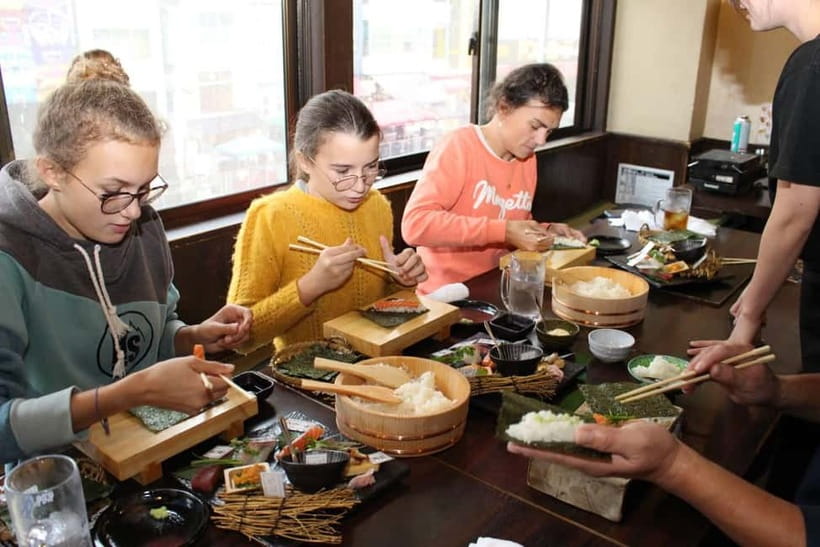
Dotonbori is famous for neon signs, street food, and crowds, but upstairs at Kaisen Monogatari you get a quieter look at Japanese food culture. In a tatami room above the Dotonbori River, a chef leads you through sushi rice, real wasabi, and hand-rolled sushi using seasonal seafood.
I like the way this experience explains the small details that make sushi work, especially the balance of vinegar and rice. I also like the hands-on format: you do not just watch a chef prepare food, you make the rolls and eat them as you go.
The main drawback is limited choice. The seafood is selected for you, so you may receive an ingredient you do not enjoy. If you want to make a full platter and compare all your rolls at the end, this session may feel a little rushed.
Key points to know before booking
- Two-hour sushi lesson: Sessions begin at 12 pm and 2 pm, giving you an easy fit for a central Osaka day.
- Real wasabi tasting: You sample the aroma and heat of authentic Japanese wasabi, not just the familiar green paste.
- Tatami room setting: The room overlooks the Dotonbori River while remaining close to the district’s main action.
- Food is prepared and eaten during the class: You taste your work as you go, so arrive ready to eat.
- English-language instruction: A chef and assistant guide you through the process and help with questions.
- 8,000 yen per person: The fee includes ingredients, tools, instruction, and one soft drink, but not transportation or extra drinks.
A calm sushi lesson above Dotonbori
Dotonbori can be a lot to take in. Giant signs, packed sidewalks, arcade noise, and restaurants compete for your attention at street level. This experience gives you a different view of the area without sending you far from the action.
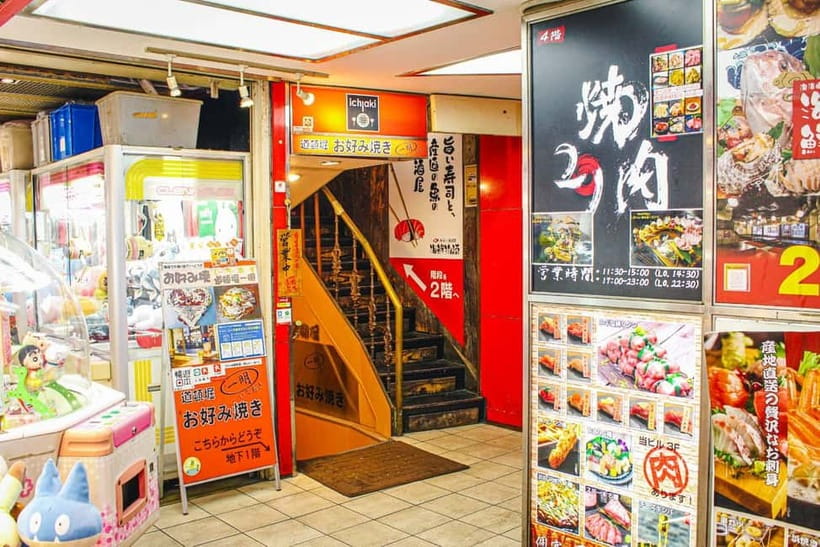
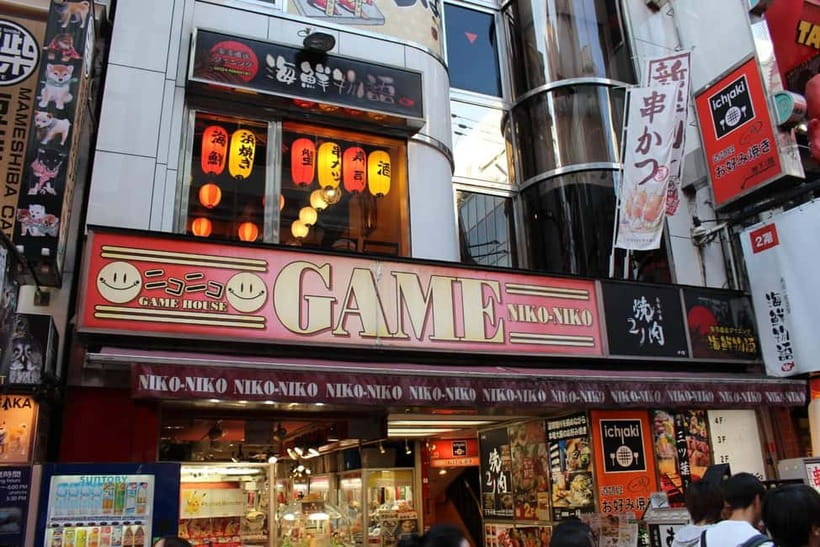
You enter from the main street and head to the second floor of the Nico Building at 1-6-12 Dotonbori, Chuo-ku. The first floor is a game arcade, so do not expect a quiet storefront entrance. Look for the building and go upstairs to Kaisen Monogatari Dotonbori.
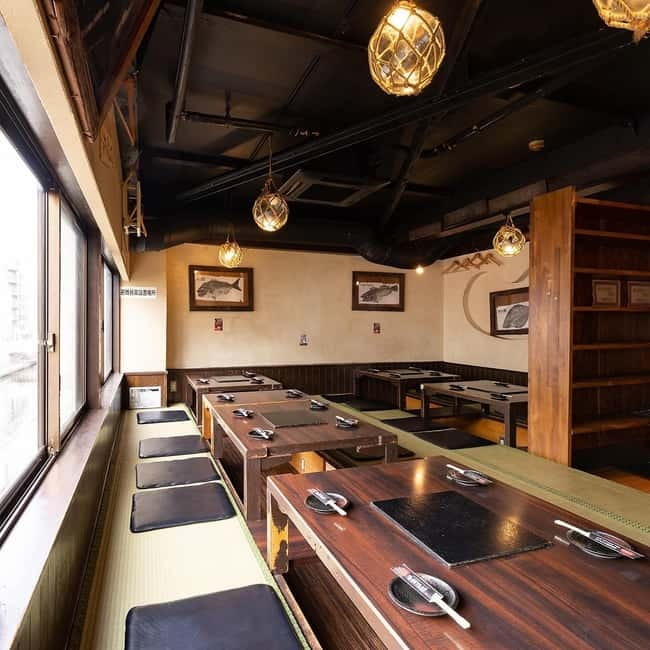
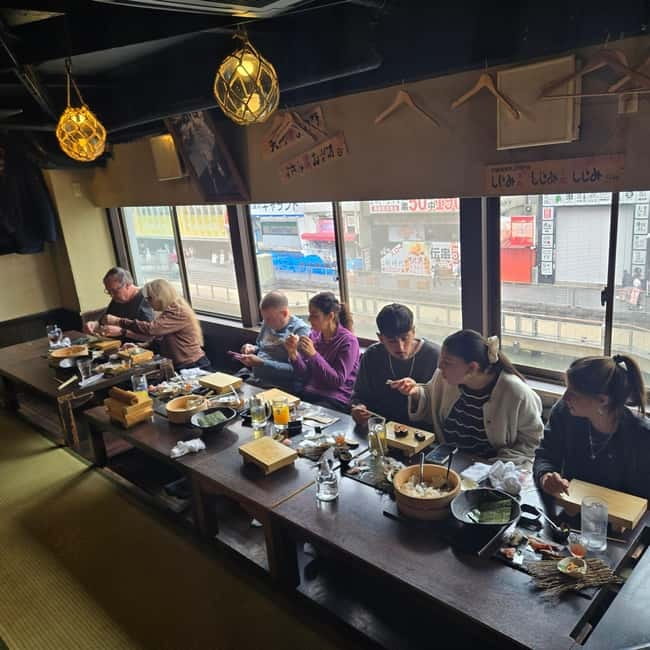
Once inside, the setting shifts. You sit in a traditional tatami room with views toward the Dotonbori River. That contrast is part of the appeal: you are in one of Osaka’s busiest districts, yet the meal has a more settled, distinctly Japanese feel.
I would not book this as a formal restaurant dinner. It is a food lesson held in a restaurant, with a chef and assistant helping you make sushi. The atmosphere is friendly and intimate, and the staff put real effort into answering questions and helping with each step.
A few more Osaka half-days to weigh up
- Osaka Go Karting Tour with Funny Costume
★ 5.0 · 2,658 reviews - Osaka Castle: Museum and Tower Entry Ticket
★ 4.5 · 2,380 reviews - Osaka: Shinsekai Food Tour with 13-15 Dishes at 5 Eateries
★ 4.8 · 2,204 reviews
Starting with sushi basics and seasonal seafood
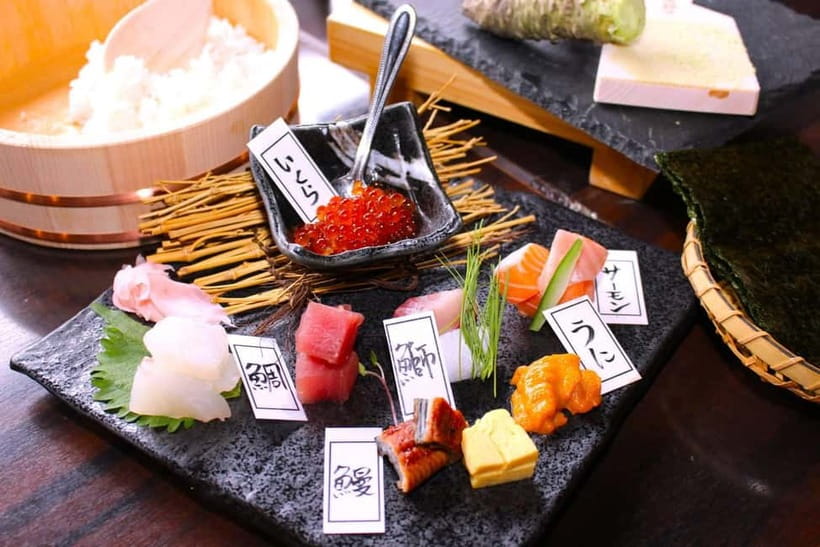
The class begins with an introduction to sushi and the ingredients in front of you. The focus is on the flavors of seasonal Japanese seafood, giving you some context before you start assembling anything.
That introduction matters because sushi is not only about raw fish. The taste also depends on the rice, the vinegar mixture, the temperature, the texture, and the balance of toppings and condiments. You get a better sense of why a simple-looking roll can require careful handling.
The seafood is selected for the session rather than chosen individually by each participant. This allows the chef to build the lesson around available seasonal ingredients, but it also means you should not expect a completely custom menu.
If you have strong dislikes, allergies, or dietary restrictions, the supplied information does not promise substitutions. I would ask before booking rather than assume the chef can change the ingredients. This is one of the most important practical limits of the experience.
Why the sushi rice lesson matters
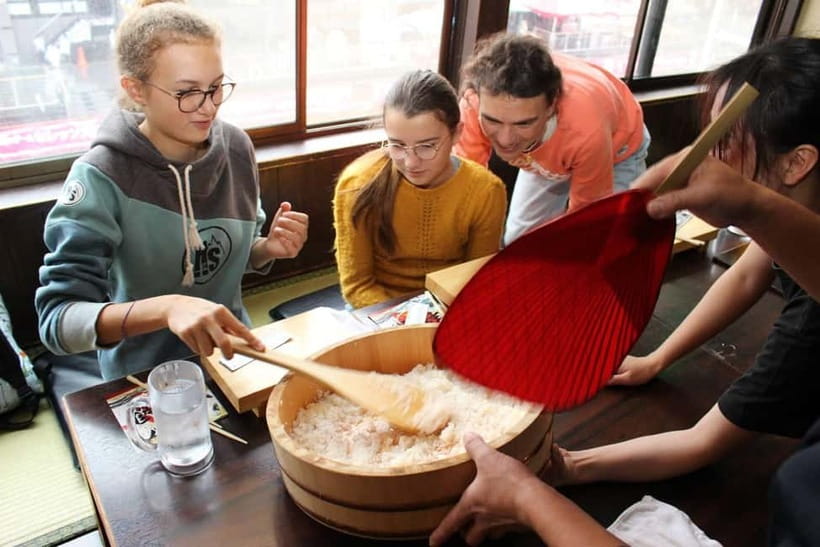
The rice session is one of the more useful parts of the class. You learn about Japanese rice and how to mix it with vinegar, rather than treating rice as a neutral base that can be prepared any old way.
That lesson helps explain the difference between homemade sushi and the carefully balanced rice served by a sushi chef. Too much vinegar can overpower the seafood. Too little can leave the rice flat. The texture also needs to hold together without becoming heavy.
You will work through the process before making the hand rolls. The instruction is designed for beginners, so you do not need prior sushi-making experience. The chef and assistant can help you with the practical movements, and the friendly staff make it easier to ask questions when your first attempt does not look quite right.
The class is not presented as professional chef training. Think of it as a clear introduction to a Japanese kitchen skill that you can understand and try yourself.
The real wasabi tasting
The wasabi tasting is a memorable part of the session because it shows how different fresh wasabi can be from the standard paste many people know.
You taste the aroma first, then notice the quick, clean heat. Real wasabi has a distinctive fragrance and a different character from the strong, lingering burn associated with many prepared products. For anyone curious about Japanese ingredients, this short tasting adds useful context to the meal.
Wasabi also shows why small quantities matter. A little can sharpen the seafood. Too much can cover its flavor. The chef uses the tasting to help you notice that difference instead of simply handing you a tube and telling you to squeeze it onto your sushi.
If you are sensitive to spicy food, take a cautious amount. The experience is about tasting and learning, not proving how much heat you can handle.
Same base, a completely different sort of day:
- Osaka Food Tour: 13 Dishes at 5 Local Eateries
★ 5.0 · 2,149 reviews - Hungry Osaka Street Food Tour:15 Tastings & 3 Drinks with a Local
★ 5.0 · 1,727 reviews - Osaka: teamLab Botanical Garden Entry Ticket
★ 4.5 · 1,710 reviews - Osaka: Tea Ceremony Experience
★ 4.9 · 1,426 reviews
Making your own hand-rolled sushi
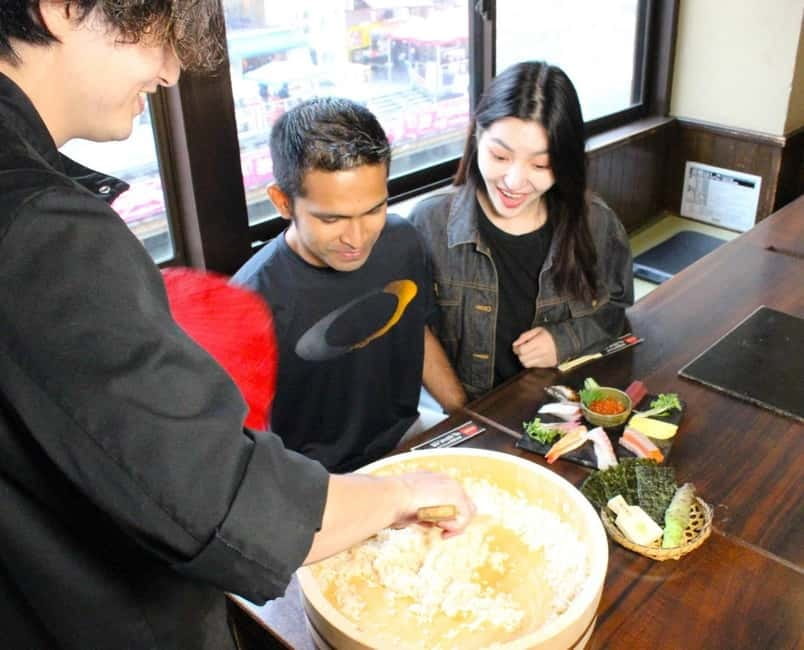
The main activity is assembling and rolling your own sushi. You work with the ingredients provided, follow the chef’s instructions, and adjust your fillings and presentation as you go.
This is a good format for families, couples, and first-time sushi makers because the lesson stays active. You are not sitting through a long demonstration before finally getting a turn. The assistant helps with the process, which is especially useful when you are trying to shape a roll while keeping the filling in place.
The food is eaten during the class rather than saved for one large final platter. That has two effects. First, you get immediate feedback and can enjoy each roll while it is fresh. Second, you do not end with a display showing every attempt from beginning to end.
I understand why some people prefer the first approach. Eating as you work keeps the session relaxed and prevents food from piling up. But if you want to examine your improvement, or photograph a complete spread of sushi, you may find the format less satisfying.
The variety of ingredients gives you room to create different combinations, but the seafood itself is not fully flexible. You can make choices within what is supplied, yet you are not selecting every fish from a menu.
Fresh ingredients, soy sauce, and the value of eating your work
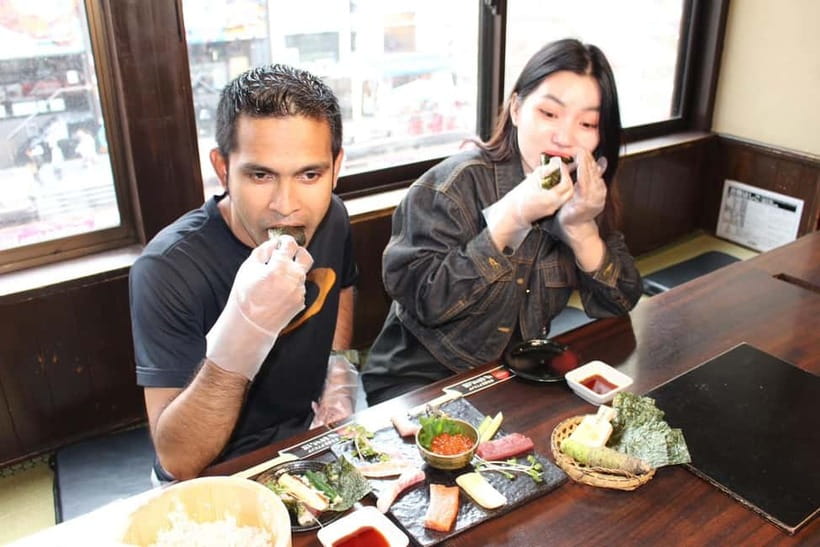
The ingredients are described as fresh, and the class gives you a generous amount of food for the price. One especially nice touch is the chef’s homemade soy sauce, which is served with the rolls.
That kind of detail helps turn the lesson into a meal rather than a craft activity with a token tasting at the end. You should arrive hungry. The food you prepare is part of the session, and the portions can make this a substantial midday experience.
The included soft drink is useful, but the package does not cover other meals or unspecified drinks. If you are planning a full evening in Dotonbori, you may still want dinner later, but the two-hour class should give you plenty to eat at lunchtime.
At $54 per person, or 8,000 yen including tax, the value depends on how you view the experience. You are paying for instruction, ingredients, tools, a soft drink, a traditional setting, and a central location. Compared with simply ordering sushi, the extra cost buys participation and explanation.
I consider it fair value for visitors who want a guided food activity. It is less compelling if you only want the largest possible meal or the cheapest sushi in Osaka.
The tatami room and Dotonbori River view
The room adds atmosphere without requiring a separate sightseeing trip. From the tatami setting, you can look toward the Dotonbori River and enjoy a slower moment in the middle of a very active part of Osaka.
The view is not the main reason to book. The sushi lesson is the core experience. Still, the river-facing room gives the session a stronger sense of place than a generic cooking studio would.
You also get a glimpse of Japanese dining customs through the floor seating and the focus on careful preparation. This does not turn the class into a full cultural lecture, but it gives the food a suitable setting.
The location is particularly handy if you are already visiting Dotonbori, Namba, or nearby shopping streets. You do not need to spend much of your day reaching the activity, since transportation to and from the venue is not included.
Timing, meeting point, and what to bring
The experience runs twice daily, at 12 pm and 2 pm. Each session lasts two hours. The midday timing works well as a planned lunch, while the 2 pm start can fit after an earlier meal if you prefer a lighter tasting.
You meet at 海鮮物語道頓堀店, Kaisen Monogatari Dotonbori, on the second floor of the Nico Building. Since the entrance is on the main street and an arcade occupies the first floor, allow a little time to identify the building before the session begins.
Wear comfortable clothes. You will be handling food and sitting in a tatami room, so practical clothing is more useful than anything formal. A hat, camera, and water are listed as recommended items.
The class is offered in English. That makes it suitable if you want instruction without relying on translation, though the exact level of detail will depend on the chef and assistant leading your session.
The activity ends back at the meeting point. You will need to arrange your own way there and onward travel. Dotonbori’s central location makes this simple, but transportation is not part of the fee.
Who will enjoy this experience most
I would choose this for you if you want a food activity with a clear local setting and a chance to make something yourself. It suits families especially well because the process is visual, practical, and easy to share.
Couples and small groups can also enjoy the informal atmosphere. The staff are described as friendly and helpful, and the assistant is available to answer questions while the chef demonstrates the techniques.
It is also a good choice for anyone curious about Japanese ingredients. The rice explanation and wasabi tasting offer more substance than a simple roll-making class.
You may want to skip it if you have strict dietary needs that require ingredient substitutions, since the seafood is selected for you. It may also disappoint if you want a polished sushi presentation, a quiet fine-dining meal, or a final platter showing all your work.
The class is not aimed at people seeking advanced knife skills or professional culinary training. Its strength is the approachable introduction and the chance to understand what you are eating.
How the $54 price compares with the experience
The price includes nearly everything needed for the activity: sushi instruction, the rice lesson, wasabi tasting, ingredients, tools, hands-on preparation, and one soft drink. You are not paying extra for equipment or a separate tasting menu.
The central Dotonbori setting also saves time. You can combine the class with sightseeing in the area instead of traveling across Osaka for a cooking school.
Still, the value depends on your appetite for participation. If you would rather sit down and order a finished sushi meal, 8,000 yen may feel high. If you want food, instruction, and a memory you can recreate at home, the fee is easier to justify.
The cancellation terms are practical: you can cancel up to 24 hours in advance for a full refund. You can also reserve and pay later, which helps if your Osaka schedule is not fixed.
Should you book the Dotonbori hand-roll sushi experience?
I would book this if you want a friendly, two-hour introduction to sushi in the middle of Osaka. The strongest reasons are the real wasabi tasting, the explanation of sushi rice, the fresh ingredients, and the chance to eat what you make.
Go in with the right expectations. You will not choose every piece of seafood, and you may eat the rolls as they are prepared rather than taking home a grand final platter. For most beginners, that keeps the session moving and gives you plenty of food to enjoy.
Families, first-time sushi makers, and visitors staying near Namba should find the combination of location and practical instruction useful. If your priority is complete menu control or a formal sushi dinner, choose a restaurant instead.
FAQ
Where does the sushi experience take place?
It takes place at Kaisen Monogatari Dotonbori, on the second floor of the Nico Building at 1-6-12 Dotonbori, Chuo-ku, Osaka. The entrance is on the main street, and a game arcade is on the first floor.
How long does the activity last?
Each session lasts two hours.
What time does the experience begin?
Sessions begin at 12 pm and 2 pm.
Is the experience offered in English?
Yes. The activity is offered in English.
What is included in the price?
The price includes an introduction to sushi, a sushi rice-making session, a wasabi tasting, hands-on hand-rolled sushi preparation, all materials and tools, and one soft drink.
Is transportation included?
No. Transportation to and from the activity location is not included.
Can I choose all of the seafood?
The seafood is selected for the experience, so you should not expect to choose every fish yourself. The available information does not promise substitutions.
How much does the experience cost?
The cost is 8,000 yen per person, including tax. The listed price is also approximately $54 per person, depending on the booking currency and exchange rate.
Just added around Osaka
- Discover Real Osaka: A Cultural Walk with Food & Drink★ 5.0 · 13 reviews
- From Osaka/Kyoto: Kyoto & Nara Day Trip with Optional Lunch★ 4.5 · 79 reviews
- Osaka 6hr Private Walking Tour with Government Licensed Guide★ 5.0 · 174 reviews
- Private Airport transfer Kansai Intl. Airport(KIX) to OSAKA CITY★ 4.5 · 12 reviews
- Osaka: Namba Local Food Walking Tour (Taste 15 Dishes)★ 5.0 · 20 reviews
- Osaka Delights: Traditional Japanese Food Tour★ 4.5 · 33 reviews
- Badminton in Osaka & Kyoto with Locals!★ 5.0 · 15 reviews
- From Osaka or Kyoto: Kyoto and Nara 1-Day Bus Tour★ 3.5 · 141 reviews
Osaka Tours, compared.


Shinsekai Food Tour with 13-15 Dishes at 5 Eateries
Read our review →
Osaka Food Tour: 13 Dishes at 5 Local Eateries
Read our review →
Hungry Osaka Street Food Tour:15 Tastings & 3 Drinks with a Local
Read our review →



Hotspots & Hidden Gems Walking Tour Private or Group
Read our review →Browse the lists this tour appears in