
Reviewed · OSAKA TOURS
Osaka: Kamigata Ukiyo-e Museum Admission Ticket
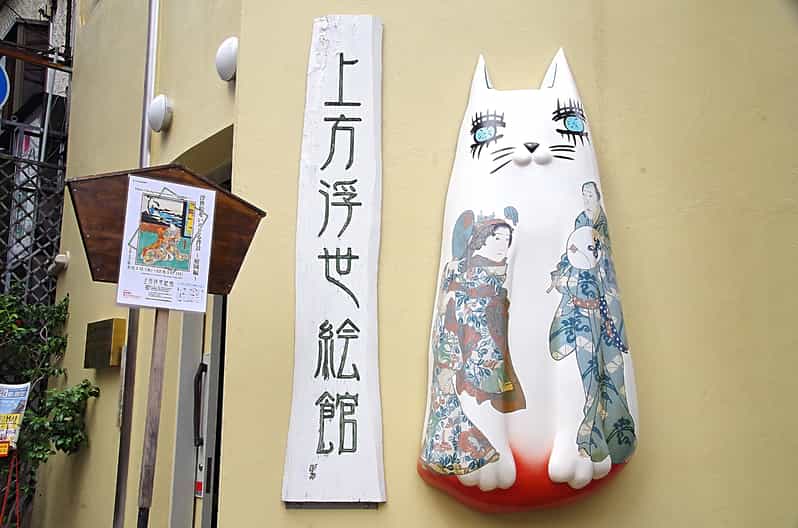
Osaka’s Kamigata ukiyo-e gives you a different view of Japanese printmaking. Instead of focusing mainly on the famous scenes and landscapes associated with Edo, these works spotlight kabuki actors who performed in Dotonbori, the city’s historic theater quarter.
I like two things right away: the museum sits in the same district that shaped these prints, and the admission price is only $4.51 per person. You can connect the art to Osaka’s theater culture without giving up much time or money. The main consideration is size and scope. This is a small, focused museum, not a full-day art institution, and the separate woodblock printing course costs extra.
Key points
- Actor prints tied to Dotonbori: See portraits of kabuki performers linked to Osaka’s theater district.
- Osaka’s own ukiyo-e style: Learn how Kamigata prints differ from Edo ukiyo-e.
- Metallic decoration: Look closely for gold, silver, and copper powders used to add sparkle and status.
- Low-cost cultural stop: At $4.51, the museum is easy to add to a Dotonbori visit.
- Open ticket flexibility: Use the ticket within three months of purchase without choosing a fixed participation date.
- Printing course not included: Admission covers the museum only, so check carefully if you want a hands-on activity.
Why Kamigata ukiyo-e feels distinctly Osaka
Ukiyo-e is often introduced through the art of Edo, the city now called Tokyo. Osaka’s Kamigata prints tell a different story. They are closely tied to kabuki theater, and their subjects are the actors who appeared on stages in Osaka and nearby Kyoto.
That connection matters when you visit. You are not simply looking at decorative Japanese prints. You are seeing images made for a theater culture that had its own stars, fashions, rivalries, and loyal audiences.
The museum focuses on these actor portraits from the Edo and Meiji periods. They show how printmaking served popular entertainment long before modern celebrity photography. A fan could buy an image of a favorite performer much as you might buy a poster of a beloved actor today.
This focus also keeps the museum easy to understand. You do not need a large background in Japanese art to see the point. Start by noticing the actors, costumes, poses, and expressions. Then look for the information explaining how the image was produced and why Kamigata prints developed their own character.
More museums and galleries in Osaka:
- Osaka Castle: Museum and Tower Entry Ticket
★ 4.5 · 2,380 reviews - Kamigata Ukiyoe Museum:Ukiyo-e Woodblock Printing Experience
★ 4.9 · 79 reviews - Osaka: Cup Noodles Museum Guided Tour (90 Minutes)
★ 4.8 · 38 reviews
Finding the museum in Dotonbori
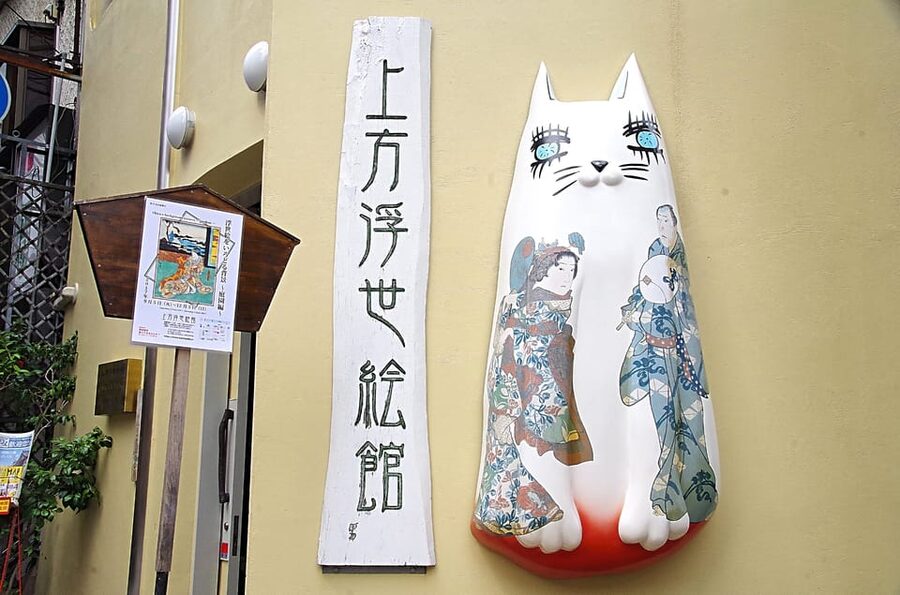
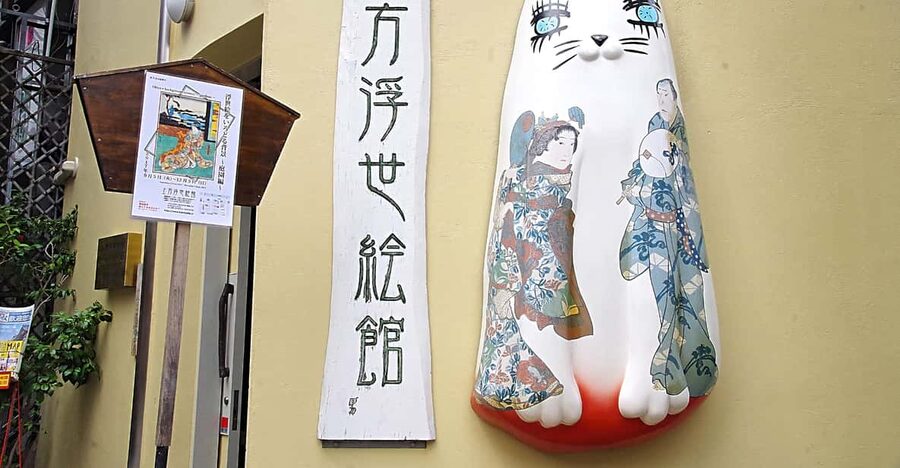
The museum is in Dotonbori, Osaka’s best-known theater and food district. This is a useful location for a short cultural stop because you can pair the visit with time in one of the city’s most recognizable neighborhoods.
Dotonbori can be noisy and crowded, especially at popular hours. That contrast is part of the appeal. Outside, you are surrounded by bright signs, restaurants, and modern Osaka energy. Inside, the museum turns your attention to actors who drew audiences to this same district centuries ago.
I would not make the museum your only reason to visit Dotonbori. Instead, treat it as a calm, specific stop during a wider walk through the area. The museum works well before a meal, after exploring the canal area, or during a break from the district’s louder streets.
You should allow for a possible wait at busy times. The information provided does not give a typical waiting period, so I would avoid scheduling the museum between two tightly timed activities. Its open-ticket format helps here, since you do not have to commit to one exact participation date.
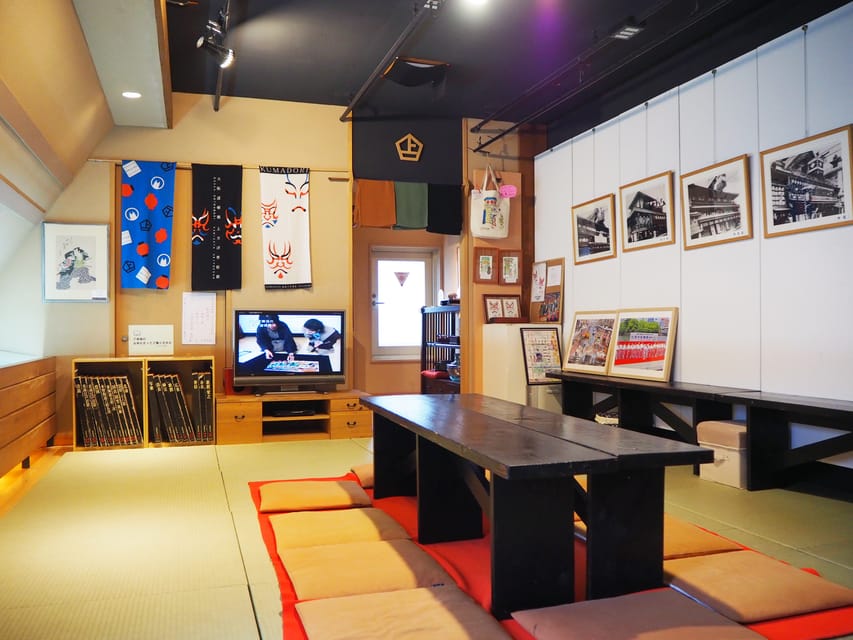
What you see inside the small museum
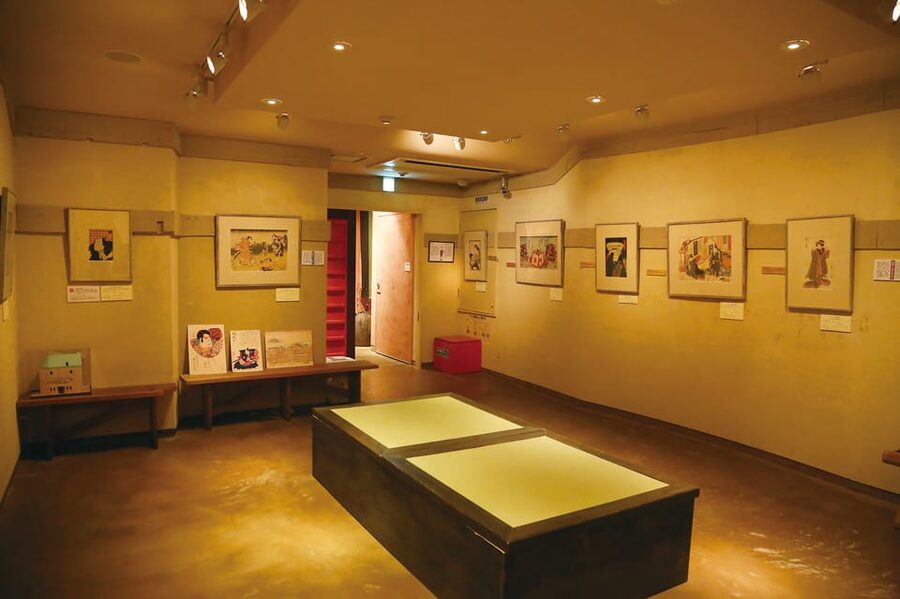
The central display is a selection of Kamigata ukiyo-e prints featuring kabuki actors. These are the works to study first, since they explain what makes the museum different from a general ukiyo-e collection.
Look at the faces and costumes, but also consider the purpose of the prints. They were linked to live performances and recognizable stage personalities. The art is connected to public entertainment, not just private decoration.
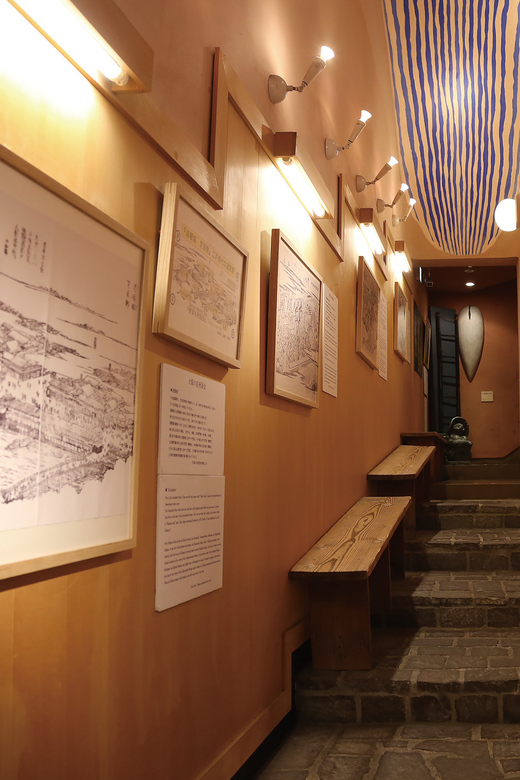
The museum also explains the production process behind woodblock prints. A finished print may look simple at first glance, but the image depends on careful carving, ink application, and printing. Multiple blocks can be used to build up the final design, with each color or detail requiring control.
The displays are intended to make these techniques understandable. You can spend time comparing the finished images with explanations of the work behind them. This is especially useful if you have seen ukiyo-e before but never thought about how the print moved from a design to a physical sheet of paper.
Do not rush through the room simply because the museum is small. The value lies in looking closely. A few minutes with one print can reveal small details in the line work, the actor’s expression, and the decorative finish.
Gold, silver, and copper details worth a closer look
Some of the prints are decorated with gold, silver, and copper powders. These materials give the images a different feel from flat, single-color reproductions.
Metallic powder could draw attention to clothing, accessories, or other selected details. It also gave the finished image a sense of luxury. When you view these works, look at how the metallic areas catch the light rather than treating them as ordinary printed color.
This is one of the museum’s most appealing details for people who enjoy craft. You can see that the print was not only about the main drawing. Surface, texture, and visual effect mattered too.
The powders also help explain why a close look is worthwhile. From a distance, you may notice the actor and broad design. At close range, the surface treatment becomes part of the story. Take your time, especially if you enjoy decorative arts, textiles, costume design, or traditional techniques.
Photography is allowed, but flash and large equipment are prohibited. That lets you record some impressions, though your photographs may not fully capture the metallic effect. Keep your camera settings respectful of the space and spend more time viewing than photographing.
A few more Osaka half-days to weigh up
- Osaka Go Karting Tour with Funny Costume
★ 5.0 · 2,658 reviews - Osaka: Shinsekai Food Tour with 13-15 Dishes at 5 Eateries
★ 4.8 · 2,204 reviews - Osaka Food Tour: 13 Dishes at 5 Local Eateries
★ 5.0 · 2,149 reviews - Hungry Osaka Street Food Tour:15 Tastings & 3 Drinks with a Local
★ 5.0 · 1,727 reviews
Understanding the printmaking process
The museum’s exhibits introduce the history and methods of Kamigata ukiyo-e. The process is an important part of the visit because it turns the prints from attractive images into carefully planned objects.
A woodblock print requires more than one simple act of pressing paper onto ink. The design, carving, coloring, and registration all affect the final result. Small errors could change the look of a face, costume, or pattern.
You might find the technical explanations most useful if you have never visited a print museum. They give you a way to read the works. Instead of saying only that a print is beautiful, you can ask how the artist created its lines, how the colors were placed, and where the metallic powder was added.
The museum also helps connect technique to Osaka culture. Kamigata ukiyo-e was not an isolated art form. It grew around the performers and theaters of the region. That makes the prints useful records of popular taste as well as examples of skilled craft.
The displays are described as engaging, but no guide is included. You will explore on your own. That is fine for a visitor who likes to set their own pace, though anyone hoping for a detailed personal explanation should know that the admission ticket does not include a guide.
Admission value at $4.51
At $4.51 per person, this is an easy purchase to justify if you already plan to spend time in Dotonbori. The price is low enough that you do not need a large collection or a long visit to receive reasonable value.
The museum is particularly worthwhile for three kinds of visitors. First, it suits anyone interested in Japanese art who wants more than a quick look at famous ukiyo-e images. Second, it fits kabuki fans who want to see how actors were represented before modern publicity photography. Third, it works for families and mixed-interest groups because the visit is short, focused, and inexpensive.
The value is less obvious if you want a full workshop. The Ukiyo-e Woodblock Printing Experience Course is not included. Your ticket covers museum admission only, along with the opportunity to study the displays. A hands-on printing session may be available as a separate product, but you should not assume it comes with this ticket.
One recent booking included a basic printing activity, which shows that a hands-on option can be part of some visits or bookings. Still, the stated inclusions clearly separate the course from admission. Check the exact product before paying if printing your own image is important to you.
How long to plan for your visit
The ticket is valid for one day, but the supplied information does not give a fixed visit length. Since this is a small specialist museum, I would plan it as a short cultural stop rather than a half-day commitment.
Your time inside will depend on how closely you study the prints and explanations. A quick visit can give you the main idea: Osaka actor portraits, Kamigata style, and woodblock production. A slower visit lets you compare designs, examine metallic details, and read the technical material.
The ticket itself has an unusually flexible format. It is an open ticket, so you do not need to specify a participation date when booking. The voucher expires three months after purchase, giving you room to fit the museum around changing plans.
That flexibility is useful in Osaka, where weather, shopping, meals, and crowded streets can alter your schedule. You can keep the museum in your plan without locking it to a particular day. The museum is closed every Monday. If Monday is a public holiday, it closes the following day instead, so check the calendar before setting out.
Practical details for families and students
Children under three enter free. Preschool children aged six and under are also listed as free, so the age wording suggests that young children do not need a paid ticket. Because the information uses both age categories, confirm the applicable rule at booking if your child is close to the cutoff.
Children under 13 must be accompanied by a guardian. This is straightforward, but it matters if older children are visiting as part of a school or youth group.
Elementary, junior high, and high school students must show a student ID or other proof of age. Bring the document if you are relying on a child or student admission category.
The museum can suit families who want a manageable cultural activity in central Osaka. Younger children may appreciate the visual prints, while older children can follow the explanations of carving and printing. The separate course could be more engaging for a child who needs to make something, but it is not part of this admission ticket.
Booking, cancellation, and arrival advice
You show the e-voucher at the ticket window and receive a physical admission ticket. Keep the QR code ready on your phone, and do not rely on a screenshot unless the booking system confirms that it is accepted.
Free cancellation is available up to 24 hours before the visit if the ticket remains unused and is still within its expiration period. If you have already used it, or if the three-month validity period has passed, cancellation and refund are not allowed.
The reserve-now, pay-later option can help if your Osaka schedule is still shifting. You can secure the booking without paying immediately, then fit the visit into your plans later.
There is no transportation, food, drink, guide, or personal expense included. Since the museum is in Dotonbori, you will need to arrange your own route and budget separately for a meal or snack. That is not a serious drawback, since the district gives you plenty of choices, but it is worth keeping the ticket’s narrow scope in mind.
Who will enjoy this museum most
I would recommend this museum most strongly to you if you like traditional Japanese art with a local connection. Kamigata ukiyo-e is not presented as a generic national style. The museum ties it to Osaka, its theater district, and its performers.
It is also a good choice if you want a low-cost indoor activity. At $4.51, the financial risk is small, and the open ticket gives you room to choose the right day. The museum can add substance to a Dotonbori visit without taking over your itinerary.
Kabuki enthusiasts should pay special attention to the actor portraits. Even if you do not know the performers by name, the displays show how theater shaped popular art in Osaka.
Art students and craft-minded visitors may get the most from the explanations of technique. The gold, silver, and copper powders add a decorative surprise, while the production displays show the planning behind each finished print.
You might want to skip it if you are looking for a large museum with many periods, famous international masterpieces, or a long guided program. This is a focused stop. Its appeal comes from specificity, not size.
Should you book the Kamigata Ukiyo-e Museum?
Book it if your Osaka plans already include Dotonbori and you want a short, affordable look at the city’s own print tradition. The combination of actor portraits, theater connections, metallic decoration, and printing explanations gives the visit a clear purpose.
I especially like the open-ticket format and low price. You can keep the museum flexible, visit at a convenient point during your Dotonbori walk, and avoid paying for a large attraction when you want only a focused cultural experience.
Skip or reconsider it if you expect a full printmaking workshop. The course is separate, and no guide or transportation is included. For everyone else, this is a sensible small museum visit that adds historical depth to one of Osaka’s most famous districts.
FAQ
Where is the Kamigata Ukiyo-e Museum?
It is located in Dotonbori, Osaka, the city’s historic theater district.
What kind of art is displayed?
The museum displays Kamigata ukiyo-e woodblock prints, with a focus on kabuki actors connected to Osaka’s theater culture during the Edo and Meiji periods.
Are the gold, silver, and copper details printed on the works?
The prints include decoration made with gold, silver, and copper powders, which add distinctive metallic effects.
Is the woodblock printing course included?
No. The Ukiyo-e Woodblock Printing Experience Course is not included with the admission ticket.
Can I cancel the ticket for a refund?
You can cancel up to 24 hours in advance for a full refund if the ticket is unused and remains within its three-month expiration period. Used or expired tickets cannot be canceled or refunded.
Is the museum open every Monday?
No. The museum is closed every Monday. If Monday is a holiday, it is closed the following day.
Just added around Osaka
- Discover Real Osaka: A Cultural Walk with Food & Drink★ 5.0 · 13 reviews
- Private Airport transfer Kansai Intl. Airport(KIX) to OSAKA CITY★ 4.5 · 12 reviews
- From Osaka/Kyoto: Kyoto & Nara Day Trip with Optional Lunch★ 4.5 · 79 reviews
- Osaka 6hr Private Walking Tour with Government Licensed Guide★ 5.0 · 174 reviews
- Osaka: Namba Local Food Walking Tour (Taste 15 Dishes)★ 5.0 · 20 reviews
- Osaka Delights: Traditional Japanese Food Tour★ 4.5 · 33 reviews
- Badminton in Osaka & Kyoto with Locals!★ 5.0 · 15 reviews
- From Osaka or Kyoto: Kyoto and Nara 1-Day Bus Tour★ 3.5 · 141 reviews
Osaka Tours, compared.


Shinsekai Food Tour with 13-15 Dishes at 5 Eateries
Read our review →
Osaka Food Tour: 13 Dishes at 5 Local Eateries
Read our review →
Hungry Osaka Street Food Tour:15 Tastings & 3 Drinks with a Local
Read our review →



Hotspots & Hidden Gems Walking Tour Private or Group
Read our review →Browse the lists this tour appears in