
Reviewed · OSAKA TOURS
Osaka: Traditional Japanese Ceramics Private Experience
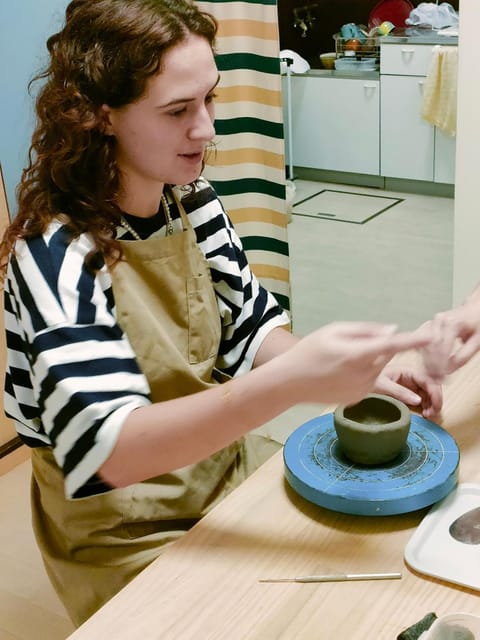
The most appealing part of this Osaka experience is that you leave with more than a purchased souvenir. You make a Japanese ceramic piece by hand, using Shigaraki clay and country-specific glazes, in a century-old house outside the usual sightseeing circuit. Anna guides you step by step, while conversation turns naturally to Japanese food, pottery, and daily life.
I like the private format, which gives beginners time to ask questions and lets experienced potters receive more tailored instruction. I also like the thoughtful gift: a small sushi dish with a traditional pattern and a Sakura-shaped chopstick holder, both made by the instructor. The main drawback is practical: your own piece cannot come home with you immediately. Shipping takes about a month and a half, and the postage is extra.
Key points to know before booking
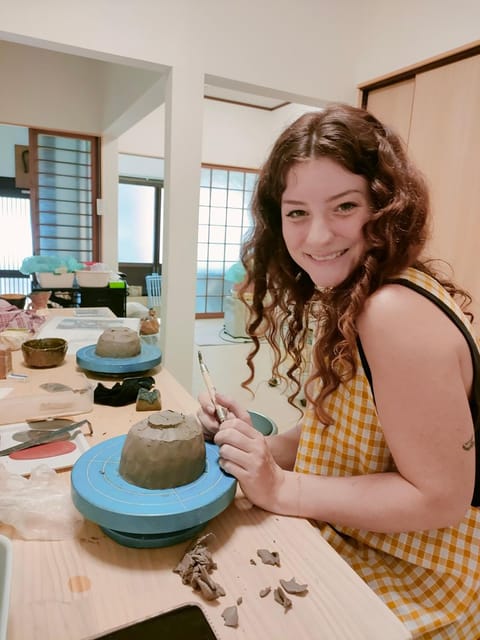
- Three food-related projects: Choose a sake set, sushi plate with chopstick holder, or chawan tea bowl.
- A genuine local setting: Meet at JR Teradacho Station and walk to a century-old, two-story house beside local food shops.
- Private, personal teaching: Anna can slow down for a first-timer or adjust the lesson for someone with previous pottery experience.
- Useful language choice: The class is available in English, Spanish, Catalan, or Japanese.
- A take-home plan is required: Your finished pottery is shipped after firing, usually in about one and a half months, with shipping costs paid separately.
- A small handmade gift is included: You receive a patterned sushi dish and Sakura-shaped chopstick holder made by your instructor.
From Teradacho Station to an old Osaka house

Your meeting point is the north exit of JR Teradacho Station. Look for the guide holding a sign marked Ceramics Tocoton. This simple arrangement matters in Osaka, where a clear station meeting point can save you from wandering around an unfamiliar neighborhood with clay tools and a phone in hand.
From the station, the guide walks with you away from the main tourist areas. The route leads toward a street lined with shops selling local food, then on to a century-old, two-story house that serves as the workshop and family home.
That short walk is part of the experience. You are not being taken straight from a major attraction into a polished activity center. Instead, you see an ordinary side of Osaka before sitting down to work. The house offers a look at the Showa era, the period from 1926 to 1989 that shaped much of modern Japanese daily life.
The setting will appeal to you if you prefer neighborhood texture to a tightly packaged sightseeing stop. It may be less suitable if you want a large, purpose-built studio with a gallery-like finish. This is a personal home workshop, and that is central to its character.
Anna has been praised for meeting visitors promptly at the station and making the walk useful, often chatting about Japanese culture and local places along the way. The walk also gives you a chance to ask basic questions before the clay comes out.
A few more Osaka half-days to weigh up
- Osaka Go Karting Tour with Funny Costume
★ 5.0 · 2,658 reviews - Osaka Castle: Museum and Tower Entry Ticket
★ 4.5 · 2,380 reviews - Osaka: Shinsekai Food Tour with 13-15 Dishes at 5 Eateries
★ 4.8 · 2,204 reviews
Choosing between a sake set, sushi set, and chawan
Once inside, Anna introduces the materials and explains the three objects available. Each choice connects to Japanese food or drink, so you are not simply making a random bowl or tile.
You can choose from:
- A sake set, made up of a small bottle and a glass
- A sushi set, consisting of a sushi plate and chopstick holder
- A chawan, the traditional bowl used for tea
The sake set is the most ambitious option because it involves more than one item. It also makes a memorable choice if you enjoy Japanese food and want a souvenir with a clear connection to the country’s dining culture.
The sushi set is practical and visually appealing. A sushi plate gives you a broad surface for shaping and decoration, while the chopstick holder adds a smaller detail. Several participants have chosen this option and looked forward to seeing how the glaze changed the finished plate after firing.
The chawan is likely the simplest choice in overall form, but it carries strong cultural meaning. A tea bowl is meant to feel good in the hand as well as look attractive, so shaping the rim and body becomes part of the lesson. If you want to focus on one substantial piece, this is a sensible pick.
Ask about the time and effort involved in each option before you begin. The activity includes one of the three sets, and the private format gives you room to make an informed choice rather than selecting in a hurry.
Shigaraki clay and the feel of hand-building
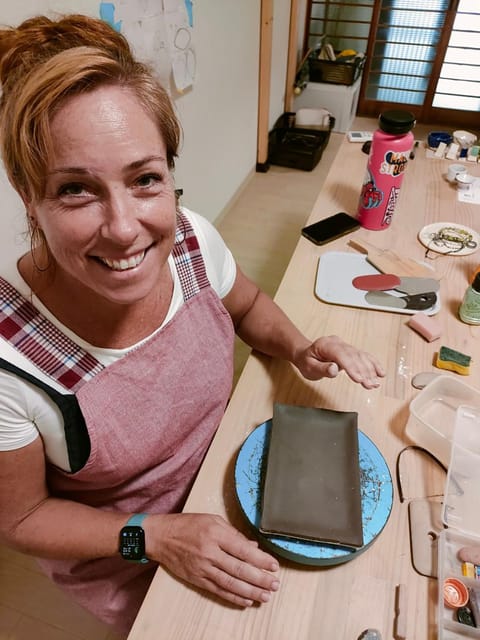
The clay comes from the Shigaraki area, one of Japan’s established pottery-producing regions. That detail gives the class a direct link to Japanese ceramics rather than treating pottery as a generic craft activity.
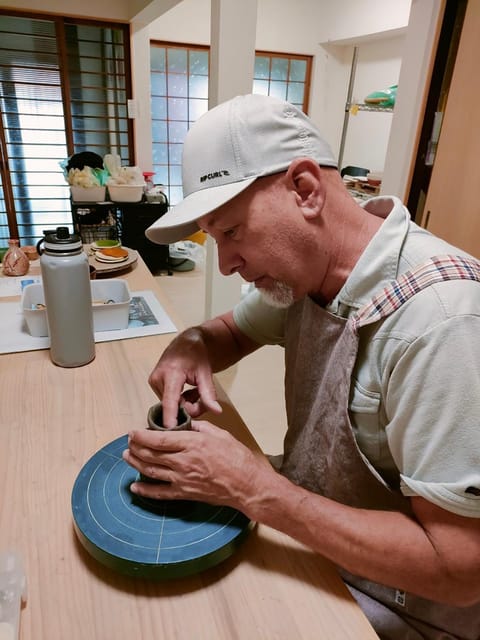
You will work by hand, molding and shaping the clay with Anna’s demonstrations and instructions. The process is suitable for people who have never taken a ceramics class, and it can also be adjusted for people with some previous experience.
This is not presented as a wheel-throwing lesson. You should expect hand-building, with attention to form, thickness, edges, and surface details. That makes the class approachable for a first attempt, while still giving experienced potters something to think about.
The pace is one of the strongest reasons to choose a private class. Anna can correct your technique without taking over the piece. That distinction matters. You want to bring home something that shows your own decisions, not an object quietly completed by the instructor.
The materials include typical Japanese glazes, and you choose the glaze finish for your piece as part of the workshop. The final colors and surface will only become clear after the pottery has been fired, so you should accept a little uncertainty. Handmade ceramics are not factory-perfect, and small changes in shape or glaze are part of the result.
Learning the meaning behind Japanese ceramic forms
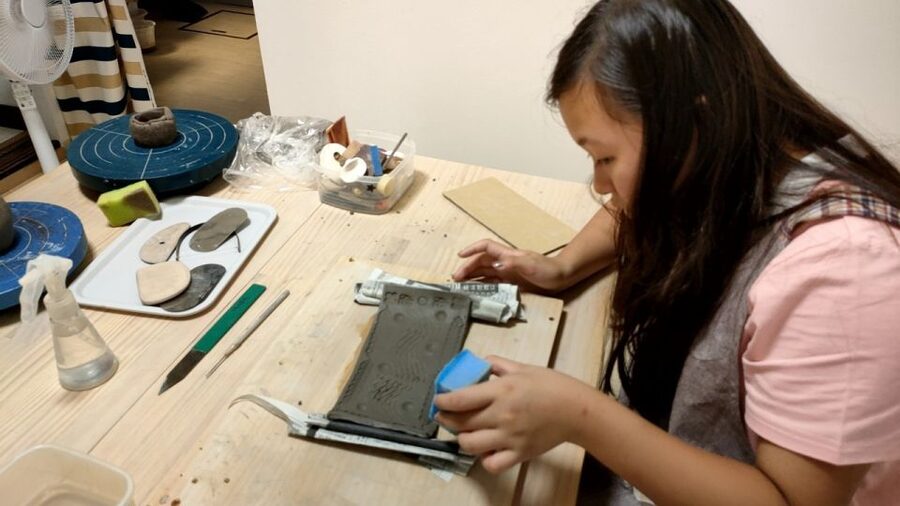
The workshop is not only about making an object. Anna explains Japanese ceramic techniques and discusses how certain forms and designs connect with Japanese culture and cuisine.
The conversation can cover pottery, food, local customs, and Osaka itself. Past participants have found the cultural discussion especially useful because it adds meaning to the project. You learn why a chawan is shaped as it is, why sake vessels come as a pair, and how serving pieces relate to Japanese meals.
Anna has studied ceramic making in Osaka and Barcelona. That background gives her a broad base for explaining both Japanese methods and the practical choices involved in forming clay.
Her teaching style, as described through the experience, is patient and clear. She demonstrates each stage, then lets you try it yourself. You can ask questions in English, Spanish, Catalan, or Japanese, making this one of the more useful options in Osaka for visitors who need instruction in a language other than Japanese.
The tone is informal rather than academic. Expect plenty of conversation and light humor along with the pottery lesson. That balance helps if you want cultural context without sitting through a long lecture.
Same base, a completely different sort of day:
- Osaka Food Tour: 13 Dishes at 5 Local Eateries
★ 5.0 · 2,149 reviews - Hungry Osaka Street Food Tour:15 Tastings & 3 Drinks with a Local
★ 5.0 · 1,727 reviews - Osaka: teamLab Botanical Garden Entry Ticket
★ 4.5 · 1,710 reviews - Osaka: Tea Ceremony Experience
★ 4.9 · 1,426 reviews
A private class that works for beginners and families
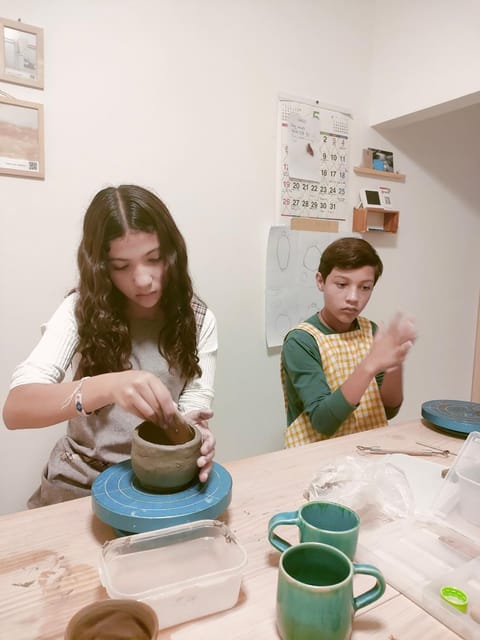
The class is a private group experience, so you are not sharing the table with a large mixed crowd. That can make a big difference when you are learning a hands-on skill. You can work slowly, ask for another demonstration, and spend more time on a detail that matters to you.
Beginners appear to be a particularly good match. Several people with no previous pottery experience found the molding process easy to follow once Anna showed them how to start. If you are nervous about making something that looks good, the private guidance takes away much of that pressure.
Experienced potters can also benefit. Anna has adjusted the lesson for people who already had some pottery practice, offering more room to work on technique rather than repeating only the basics.
Families can book this experience too, though children under five are not suitable. A family group of five has taken part, and the private format allowed everyone to share a quiet period together during a busy Osaka sightseeing schedule.
The two-hour length feels right for a focused craft session. It is long enough to understand the materials, make your object, decide on a glaze, and clean up, but short enough to fit into a day with other plans. You should still avoid booking it immediately before a tightly timed train or dinner reservation. Meeting late by more than 15 minutes is treated as a no-show, and the activity asks you to contact the provider if you expect to be delayed.
What happens after you finish the clay
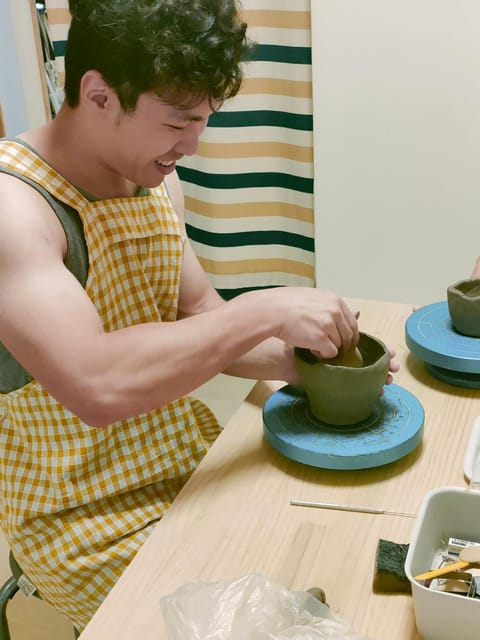
At the end of the class, you will choose the glaze finish and complete the arrangements for your pottery. The piece then needs to be fired before it can be sent to you.
Shipping takes about one and a half months. Postage is not included in the $96 price, so include that extra cost in your budget before booking. The delayed arrival is the clearest compromise of the experience, especially if you are traveling for a special occasion and hoped to carry the finished piece around Japan.
You may still take home a useful reminder on the day itself. Anna gives each participant a small dish with a traditional Japanese pattern and a Sakura-shaped chopstick holder. These gifts are handcrafted by the instructor, so they offer a modest souvenir even while your main piece remains in the studio.
The shipping process also means you need to provide the details required for delivery before leaving. Check those arrangements carefully, especially if your trip includes several hotels or a move to another country.
Is $96 a fair price in Osaka?
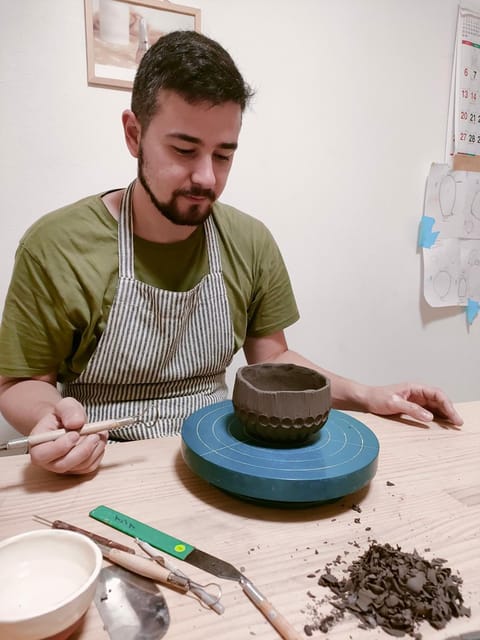
At $96 per person, this is not the cheapest craft activity you will find in Japan. The price makes more sense when you look at what it includes: a private two-hour lesson, materials, the finished ceramic product, station pickup, cultural conversation, and two handmade gifts.
You are also paying for personal instruction rather than a quick group demonstration. If you want a low-cost activity where you simply paint a ready-made object, this will feel expensive. If you value making a piece from clay and having an instructor correct your technique, the cost is easier to justify.
The private format is the key value. A shared class can be cheaper, but you may have less time with the teacher and fewer chances to shape the project around your interests. Here, Anna can explain the history of your chosen object and adjust the instruction to your skill level.
Remember that transportation to Teradacho Station is not included, and your pottery’s shipping fee is separate. The station pickup means you receive help from the meeting point onward, but you are still responsible for reaching the station.
How this compares with a typical Osaka souvenir
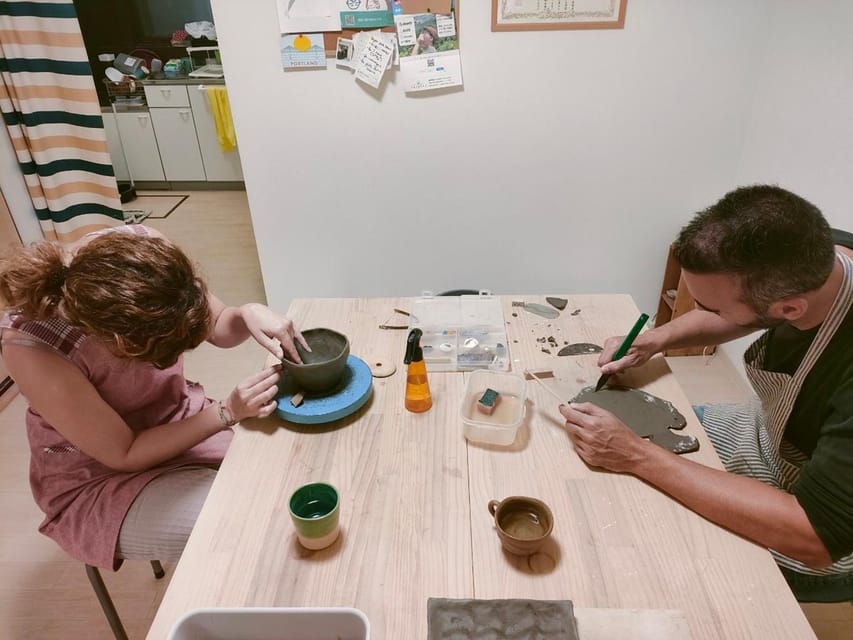
Osaka is full of easy-to-buy souvenirs, from food gifts to character goods. Those items are convenient, but they do not preserve the memory of an afternoon spent learning a local craft.
This workshop gives you a direct connection to Japanese gastronomy. A sake set recalls drinking culture, a sushi plate relates to presentation and dining, and a chawan points toward tea practice. You make choices about shape and glaze, so the final object has a personal story attached to it.
The house, the walk from the station, and the conversation with Anna add value too. You are seeing a quieter part of Osaka rather than spending another day moving between major attractions.
Still, this is not the right choice for everyone. If luggage space, shipping costs, or delayed delivery are serious concerns, a ready-made ceramic from a shop may be more practical. You should also choose another activity if you dislike messy handwork or want a tour built around many sights rather than one focused task.
Practical advice for getting the most from the class
Arrive early at JR Teradacho Station’s north exit. The guide carries the Ceramics Tocoton sign, but giving yourself a few minutes makes the meeting calm and protects you against the no-show rule.
Think about your project before you arrive, but stay open to Anna’s explanation. If you want a pair of objects and enjoy a larger challenge, consider the sake set. If you prefer a broad serving surface, choose the sushi set. For one classic tea-related piece, select the chawan.
Wear clothes you can work comfortably in. The provided information does not list a dress code, but clay work is hands-on, and you should not wear anything you would worry about getting dirty.
Use the private setting to ask about details that interest you. You can discuss Japanese designs, food customs, Osaka recommendations, or the difference between your chosen piece and other ceramic forms.
Finally, take photographs during the process if you want a record of the experience. The class is about learning how to make the object, not just receiving it later in the mail. The finished piece is wonderful, but the memory of shaping it is part of what you are paying for.
Who should book this ceramics experience?
I would recommend this class to couples, families with older children, solo visitors, and anyone who wants a quieter break from Osaka’s major sights. It is especially well suited to first-time potters because Anna gives clear demonstrations and stays close to your work.
It also fits people who care about food culture, Japanese design, and useful souvenirs. The choice of sake set, sushi set, or chawan gives the activity a stronger local connection than a general clay class.
You should think twice if you need to take your souvenir home the same day, want to avoid shipping fees, or prefer a large class with other international visitors. The century-old home studio is personal and relaxed, not a formal attraction with a fixed gallery display.
Should you book Ceramics Tocoton?
Book it if you want to spend two hours making something with your own hands and learning about Japan from Anna, rather than simply buying another souvenir. The private instruction, Shigaraki clay, Japanese glazes, and local Teradacho setting give the experience real substance.
The delayed shipping and extra postage are the only major practical drawbacks. For many people, the wait is worth it because the final piece carries the shape of their own effort. If you can accept that delay, this is a thoughtful, personal addition to an Osaka itinerary.
FAQ
Where does the ceramics class meet?
Meet your guide at the north exit of JR Teradacho Station. Look for a guide carrying a sign with the studio name, Ceramics Tocoton.
How long does the experience last?
The workshop lasts two hours. Starting times vary, so you need to check availability when booking.
What can I make during the class?
You can make one of three options: a sake set with a small bottle and glass, a sushi set with a sushi plate and chopstick holder, or a chawan tea bowl.
Which languages are available?
The instructor can teach in English, Catalan, Spanish, or Japanese.
Can I take my pottery home after the class?
Your finished pottery can be sent to your home after firing. Shipping takes about one and a half months, and the shipping fee is not included.
Is the experience suitable for young children?
Children under five are not suitable for this activity. The experience is offered as a private group class.
Just added around Osaka
- Discover Real Osaka: A Cultural Walk with Food & Drink★ 5.0 · 13 reviews
- Osaka 6hr Private Walking Tour with Government Licensed Guide★ 5.0 · 174 reviews
- Private Airport transfer Kansai Intl. Airport(KIX) to OSAKA CITY★ 4.5 · 12 reviews
- From Osaka/Kyoto: Kyoto & Nara Day Trip with Optional Lunch★ 4.5 · 79 reviews
- Osaka: Namba Local Food Walking Tour (Taste 15 Dishes)★ 5.0 · 20 reviews
- Osaka Delights: Traditional Japanese Food Tour★ 4.5 · 33 reviews
- Badminton in Osaka & Kyoto with Locals!★ 5.0 · 15 reviews
- From Osaka or Kyoto: Kyoto and Nara 1-Day Bus Tour★ 3.5 · 141 reviews
Osaka Tours, compared.


Shinsekai Food Tour with 13-15 Dishes at 5 Eateries
Read our review →
Osaka Food Tour: 13 Dishes at 5 Local Eateries
Read our review →
Hungry Osaka Street Food Tour:15 Tastings & 3 Drinks with a Local
Read our review →



Hotspots & Hidden Gems Walking Tour Private or Group
Read our review →Browse the lists this tour appears in