
Reviewed · OSAKA TOURS
Kamigata Ukiyoe Museum:Ukiyo-e Woodblock Printing Experience
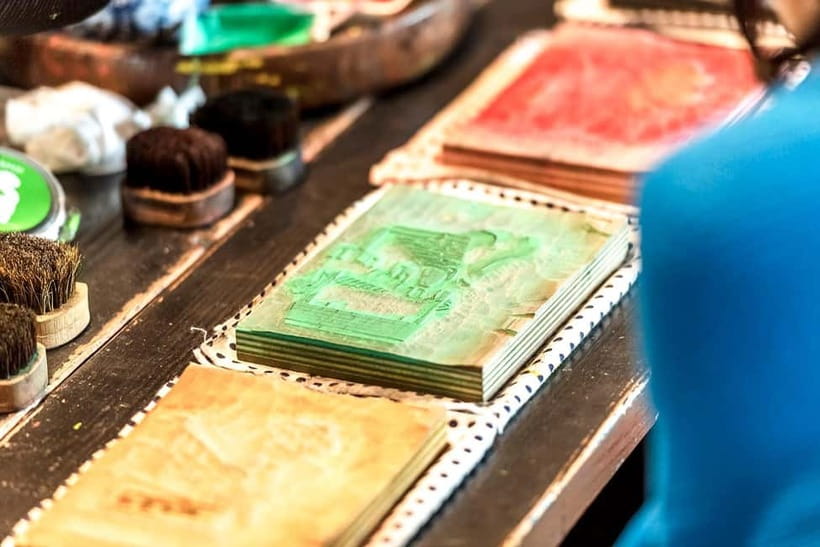
The best part of this Kamigata Ukiyo-e Museum workshop is that you do not just look at an old print behind glass. You help make one. Using the museum’s original woodblocks, you paint, press, and rub several layers onto Japanese paper, then carry the finished work home in a clear file.
I like the low $5 price and the private-class format, which gives you patient guidance instead of a rushed turn at a crowded table. I also like how the hands-on process changes the way you see ukiyo-e, especially when you realize how much precision is needed to line up several colors. The main drawback is that the session can be quick, and it is more practical than a full art lecture.
Key points at a glance
- Print with original museum woodblocks: Use the same basic tools and methods that make multi-color ukiyo-e possible.
- Choose your difficulty: Beginner, intermediate, and advanced courses let you match the activity to your interest and confidence.
- Expect three or four colors: Each layer adds another part of the image and shows why registration and pressure matter.
- Work in a tatami room: The class takes place on the fourth floor, where you sit on a zabuton cushion or use one of the limited small stools.
- Take home a real souvenir: Your finished print goes into an original clear file, with quality Japanese paper used during the activity.
- Pair it with the museum visit: Seeing the collection before or after gives the workshop much more meaning.
Why this small Osaka workshop is worth your time
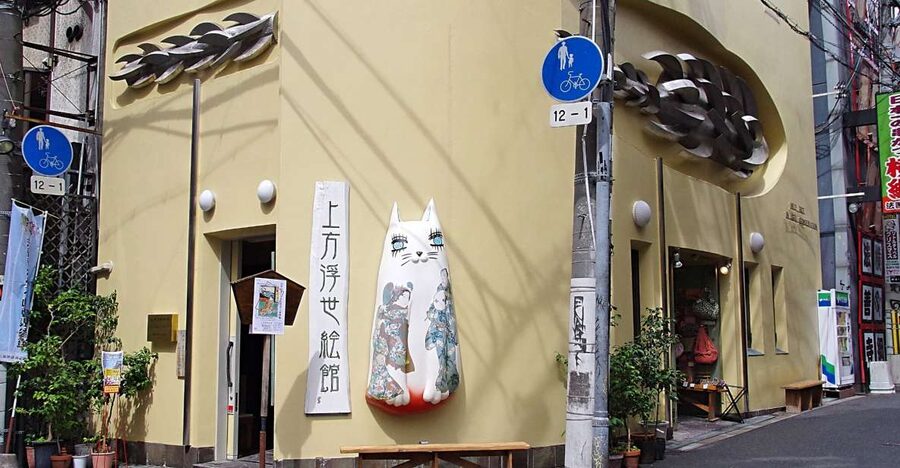
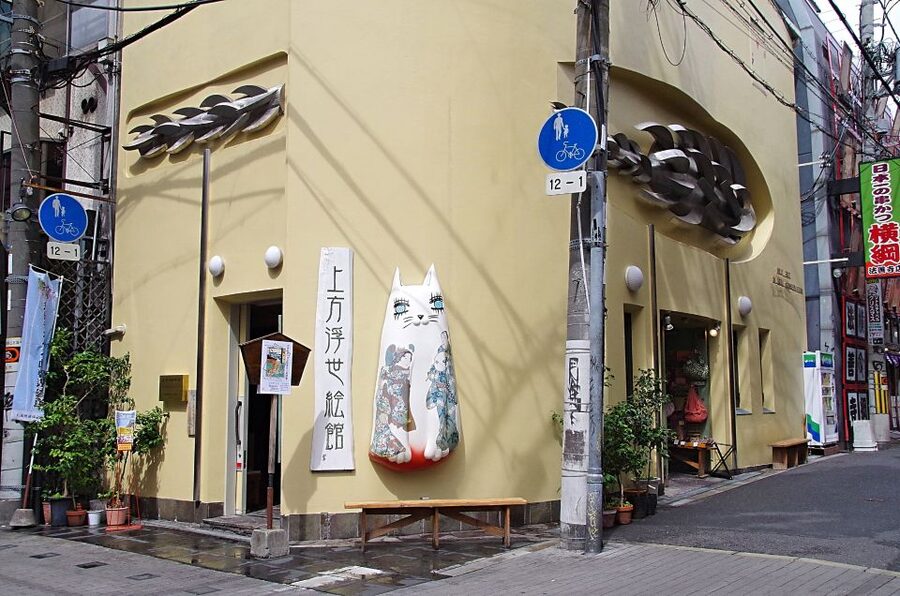
Kamigata ukiyo-e is associated with Osaka and the surrounding Kamigata region, rather than Tokyo’s better-known Edo tradition. That makes this a useful stop if you want to see a side of Japanese printmaking tied to Osaka itself.
The workshop focuses on printing, not only on drawing or painting. That distinction matters. A finished ukiyo-e may look like one flat image, but its color and detail come from separate carved blocks and carefully repeated impressions. At the museum, you get to feel that process in your own hands.
For about $5 per person, this is unusually good value. The fee covers the printing activity and an instructor who can teach in English or Japanese. You must pay the museum admission separately, but the combined cost still makes this an easy addition to an Osaka sightseeing day.
I would not book it expecting a long seminar. The session lasts about 30 minutes to one hour, depending on the course and pace. Instead, think of it as a short craft lesson with a finished piece at the end.
More museums and galleries in Osaka:
- Osaka Castle: Museum and Tower Entry Ticket
★ 4.5 · 2,380 reviews - Osaka: Cup Noodles Museum Guided Tour (90 Minutes)
★ 4.8 · 38 reviews - Osaka: Kamigata Ukiyo-e Museum Admission Ticket
★ 4.7 · 30 reviews
Entering the fourth-floor tatami exhibition room
The activity takes place in a Japanese-style exhibition room on the fourth floor. You sit on a zabuton cushion in a tatami room, which adds a traditional touch but also affects comfort and mobility.
Small stools are available, though the supply is limited. If sitting on the floor is difficult, keep that in mind before booking. The class is private, with only one group scheduled for each session, so the setting should feel focused rather than crowded.
That small group format is one of the strongest features here. You have room to ask questions, watch the instructor’s hand position, and get help when a print does not come out as planned. The experience is especially friendly for couples, families, or a small group of friends who want to make something together.
The museum sits in the old part of Osaka, just behind Dotonbori. That location makes it easy to fit into a day of exploring central Osaka. You can eat nearby, walk through the older streets, and then spend less than an hour learning a traditional craft.
Choosing between beginner, intermediate, and advanced
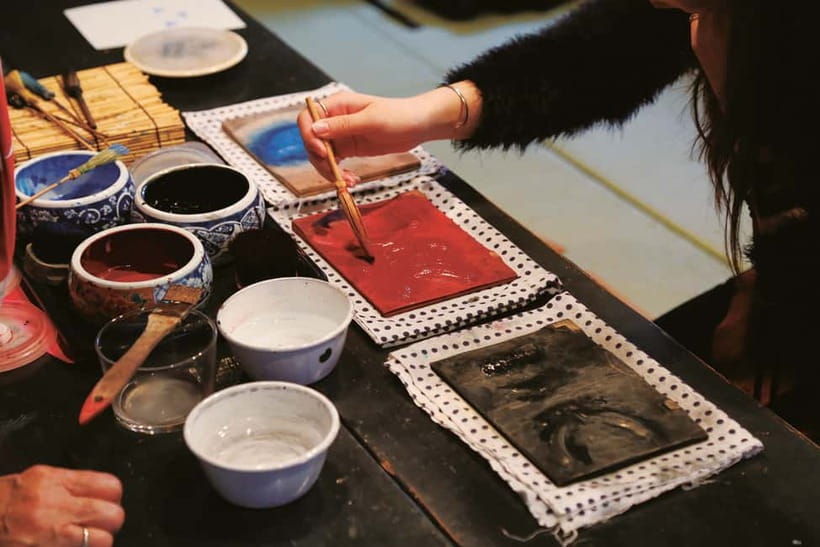
You can choose from three courses: beginner, intermediate, and advanced. All use the same basic idea, but the higher levels add more colors and more steps.
The beginner course is the sensible starting point if you have never handled a woodblock print. You learn how to apply the color, position the paper, and use a baren to rub the back of the paper. The instructor guides you through pressure and placement, so you do not need art training.
The intermediate course adds a greater challenge. One participant took it without previous woodblock painting experience and still found the instructions clear and manageable. That suggests you should not reject the intermediate option simply because you are new, but you should expect to pay closer attention.
The advanced course is not merely a longer beginner class. It uses more colors and requires more steps. One participant found it challenging but enjoyable, which is a fair description. If you enjoy careful handwork and want a fuller sense of the process, advanced may be the most rewarding choice.
The courses are built around the same method, so you do not necessarily need to complete beginner first. The main difference is the number of colors and the amount of work involved. If you want the easiest first taste, choose beginner. If you like a challenge and can follow precise directions, intermediate or advanced may suit you from the start.
Painting, rubbing, and building the image layer by layer
Your instructor first helps you understand the woodblock and the image you are about to print. You then work with the color for each block and place the Japanese paper in the correct position.
The baren is a traditional rubbing tool. You hold it over the back of the paper and use controlled pressure to transfer the ink or paint from the block. Too little pressure can leave a weak image. Too much or uneven pressure can affect the result. This simple motion gives you a direct lesson in how handcraft and repeatable technique work together.
The print is built from three or four colors. Each pass adds another section of the design. You begin to see why a finished ukiyo-e requires more than one carved block and why the printer’s job is so important.
This is where the activity gains its real value. You are not trying to produce a museum masterpiece in half an hour. You are learning how small decisions affect the final image. The pressure of your hand, the way you apply the color, and the accuracy of each placement all matter.
The instructor remains involved throughout the process. The teacher named in several accounts is Mrs. Saya, who has been described as warm, patient, encouraging, and attentive to small details. English and Japanese instruction is available, and even a slight language barrier need not prevent you from following the physical demonstration.
A few more Osaka half-days to weigh up
- Osaka Go Karting Tour with Funny Costume
★ 5.0 · 2,658 reviews - Osaka: Shinsekai Food Tour with 13-15 Dishes at 5 Eateries
★ 4.8 · 2,204 reviews - Osaka Food Tour: 13 Dishes at 5 Local Eateries
★ 5.0 · 2,149 reviews - Hungry Osaka Street Food Tour:15 Tastings & 3 Drinks with a Local
★ 5.0 · 1,727 reviews
What the completed print tells you about ukiyo-e
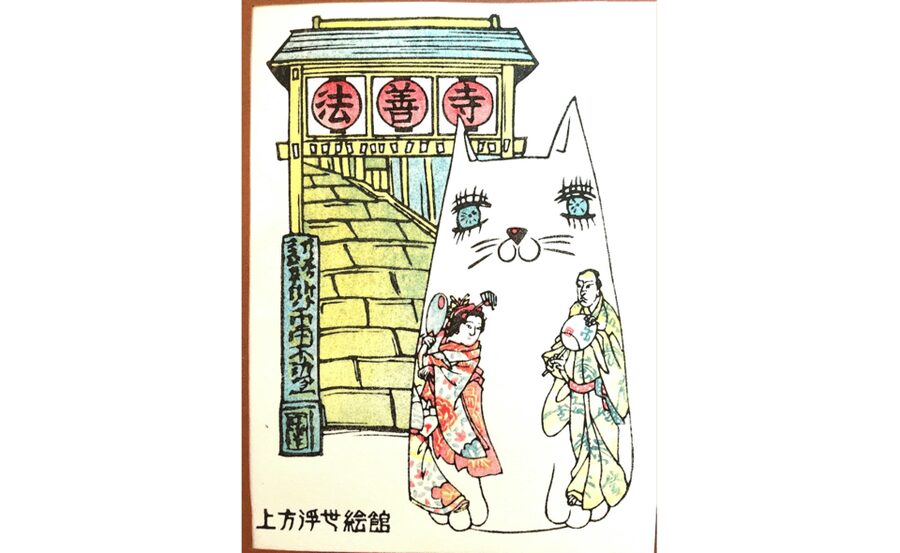
Your finished print will be simpler than the large, intricate works displayed in the museum. That difference is useful. After handling three or four blocks yourself, you can look at the gallery pieces with a much better sense of their technical demands.
Some ukiyo-e images require many separate blocks and careful alignment across several colors. Your workshop print gives you a small, practical lesson in that process. You start noticing the division between color areas, the importance of clean edges, and the role of the person doing the printing.
I recommend visiting the museum collection before the workshop if you have time. The displays give you a visual framework, so the class becomes more than a pleasant craft project. You can first see what finished ukiyo-e looks like, then try a modest version yourself.
Visiting afterward works well too. Several people find that the finished artwork makes the gallery more interesting because they now understand what goes into each printed layer. The best order depends on your schedule, but pairing both activities is the smart choice.
A souvenir that is actually connected to your visit
The workshop gives you a finished artwork to take home. It is placed in an original clear file, which protects the paper during the rest of your trip and makes it easier to pack.
This is a better souvenir than a generic shop purchase because you made it at the museum. The print may show small differences in color or pressure, and that is part of its charm. You are taking home a record of your own attempt, not just an image made by someone else.
The use of high-quality Japanese paper also improves the experience. You can feel the paper as you work, and the finished print has a more meaningful connection to the traditional process than a quick souvenir card.
Do not expect every print to look identical. The point is to understand the method and make a personal version. If you are careful, you should leave with something attractive, but the instructor’s help does not remove the hands-on nature of the work.
Timing, cost, and the practical details
The listed price is about $5 per person, and the session lasts from 30 minutes to one hour. The exact duration depends on the starting time and the course you select.
That short format makes the workshop easy to fit between other Osaka plans. It is long enough to learn the basic process, but not so long that it takes over your day. If you are building a packed itinerary around Dotonbori, this is a manageable cultural stop.
Remember that the museum admission ticket is not included. You need to pay a separate admission fee to take part in the course. I would budget time for both the workshop and the collection, since the museum visit adds the historical and artistic context that the short practical session cannot provide on its own.
The activity is offered as a private group, with one group in each class. That matters if you dislike large demonstrations or want the instructor to watch your technique closely.
Arrive on time. If you have not arrived within 30 minutes of your reservation time, the booking is treated as canceled and no refund is provided. The experience is unavailable from December 29 through January 3 for the New Year holiday.
You can cancel up to 24 hours ahead for a full refund, and a reserve-now, pay-later option helps if your Osaka schedule is still changing.
Who will enjoy this most
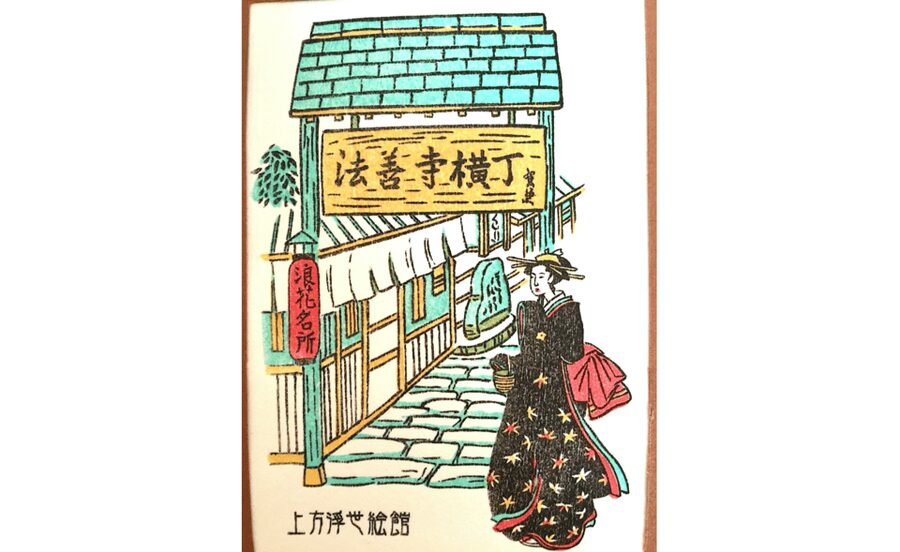
I would recommend the workshop to anyone who wants a short, creative activity with a strong link to Japanese culture. It suits first-time visitors who want more than sightseeing, as well as art lovers who want to understand the making process behind the museum’s collection.
Families and couples should find the private format comfortable. The activity is also a good choice for people who do not consider themselves artistic, since the instructor leads you through each stage and the image is already guided by the woodblock.
Beginners should not feel intimidated. The activity is designed for them, and the physical process is easier to understand once you watch a demonstration. If you are comfortable with detailed instructions, you can also consider intermediate or advanced.
I would be more cautious if you want a long explanation of ukiyo-e history or a major studio tour. The workshop is mainly practical. One participant wanted more background information and found that the teacher answered questions rather than giving a long formal talk.
The floor seating may also be a concern. A few small stools are available, but they are limited. Consider your comfort before booking, especially if you cannot sit on a cushion for the length of the activity.
My verdict on the Kamigata Ukiyo-e printing experience
You should book this workshop if you want an affordable, hands-on Osaka activity that leaves you with a personal souvenir. The private class, friendly English and Japanese instruction, original woodblocks, and three-course choice give it more substance than a basic tourist craft stop.
The best plan is to visit the museum collection as well. The class is short and practical, but the gallery helps you understand why ukiyo-e printing demands such care. Choose beginner for a relaxed introduction, or try intermediate or advanced if you want more colors and more steps.
At $5, the risk is small. Just remember the separate museum admission, tatami floor seating, limited stools, and strict late-arrival rule. For most visitors interested in Japanese art, this is an easy activity to fit into a Dotonbori day and one of the more memorable ways to take a piece of Osaka home.
FAQ
How much does the Ukiyo-e printing experience cost?
The experience costs $5 per person. Museum admission is separate and is not included in the workshop fee.
How long does the workshop last?
The activity takes about 30 minutes to one hour. Starting times and exact duration depend on availability and the course selected.
Which courses are available?
You can choose from beginner, intermediate, and advanced courses. The higher-level options use more colors and involve additional steps.
Do I need previous woodblock printing experience?
No. Beginners can take part, and the instructor guides you through painting, paper placement, baren rubbing, and pressure application.
Can I take my finished print home?
Yes. You receive your completed artwork in an original clear file. The activity uses high-quality Japanese paper.
Is instruction available in English?
Yes. The instructor can teach in English or Japanese. The class is held for one private group at a time.
Where does the workshop take place?
The experience takes place in a Japanese-style exhibition room on the fourth floor. You sit on a zabuton cushion in a tatami room, and a limited number of small stools are available.
Just added around Osaka
- Discover Real Osaka: A Cultural Walk with Food & Drink★ 5.0 · 13 reviews
- From Osaka/Kyoto: Kyoto & Nara Day Trip with Optional Lunch★ 4.5 · 79 reviews
- Osaka 6hr Private Walking Tour with Government Licensed Guide★ 5.0 · 174 reviews
- Private Airport transfer Kansai Intl. Airport(KIX) to OSAKA CITY★ 4.5 · 12 reviews
- Osaka: Namba Local Food Walking Tour (Taste 15 Dishes)★ 5.0 · 20 reviews
- Osaka Delights: Traditional Japanese Food Tour★ 4.5 · 33 reviews
- Badminton in Osaka & Kyoto with Locals!★ 5.0 · 15 reviews
- From Osaka or Kyoto: Kyoto and Nara 1-Day Bus Tour★ 3.5 · 141 reviews
Osaka Tours, compared.


Shinsekai Food Tour with 13-15 Dishes at 5 Eateries
Read our review →
Osaka Food Tour: 13 Dishes at 5 Local Eateries
Read our review →
Hungry Osaka Street Food Tour:15 Tastings & 3 Drinks with a Local
Read our review →



Hotspots & Hidden Gems Walking Tour Private or Group
Read our review →Browse the lists this tour appears in