
Reviewed · OSAKA TOURS
Osaka: Visit the must-see places.
Osaka’s best sights are scattered across the city, but this Spanish-language tour links them into one ambitious day. You’ll move from Toyotomi Hideyoshi’s castle to ancient Buddhist temples, then on to neon streets, food stalls, and the famous signs of Dotombori. Guide Manuel Pérez leads the route and explains the history in clear, detailed Spanish.
I like the mix of major sights and everyday Osaka. You get temples and political history, but also kushikatsu in Shinsekai, fresh food at Kuromon Market, and the noisy pleasures of Namba. I also like the personal touch: Manuel is known for staying attentive, offering food suggestions, and adjusting explanations to the group.
The tradeoff is simple: this is an ambitious walking and subway day, not a gentle sightseeing stroll. You’ll need comfortable shoes, cash or an ICOCA, SUICA, or PASMO card, and enough energy for several neighborhoods. The tour is not suitable for wheelchair users or baby carriages.
Key points at a glance
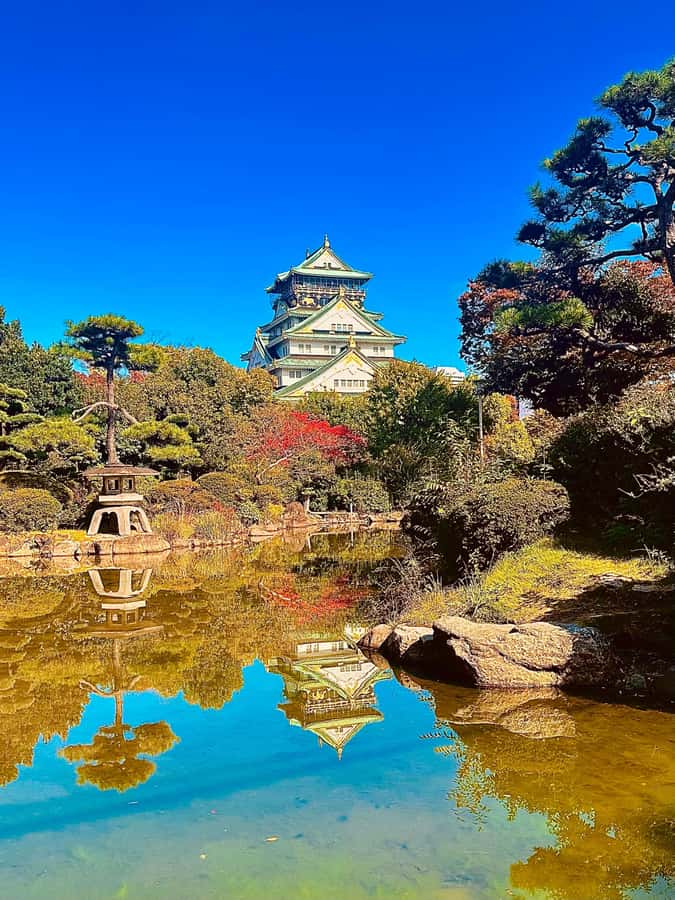
- Osaka Castle begins the day with 16th-century political drama, Toyotomi Hideyoshi, and a large park to explore.
- Shitennoji and Isshin-ji show two very different sides of Japanese Buddhism, from Japan’s oldest Buddhist temple to unusual memorial statues made with human ashes.
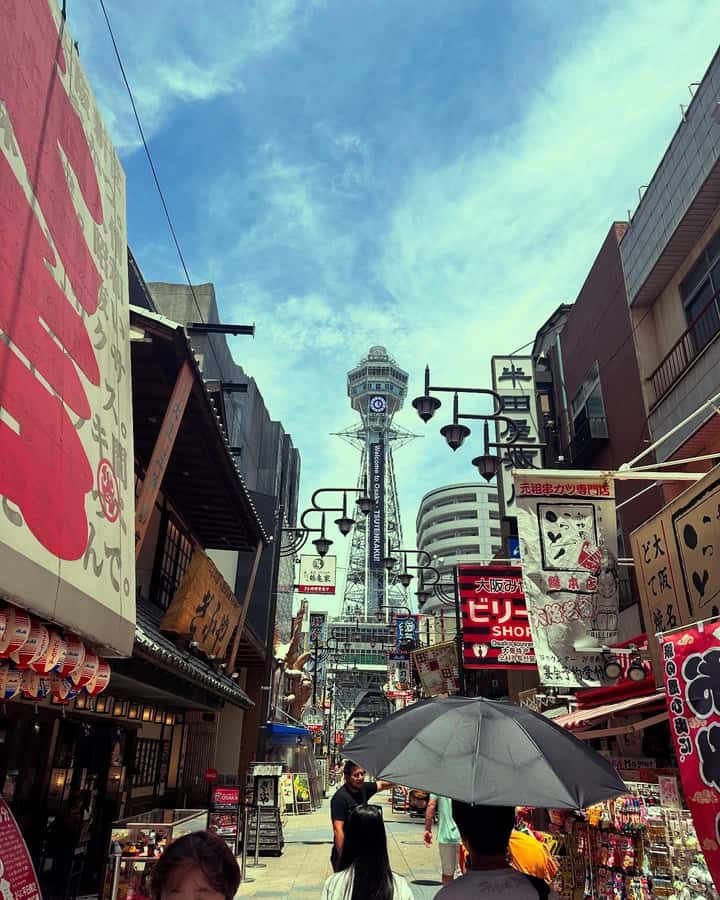
- Shinsekai brings retro Osaka flavor, including Tsutenkaku Tower and the local specialty kushikatsu.
- Kuromon Market is the food stop, with sushi, seafood, wagyu beef, and other local specialties available for purchase.
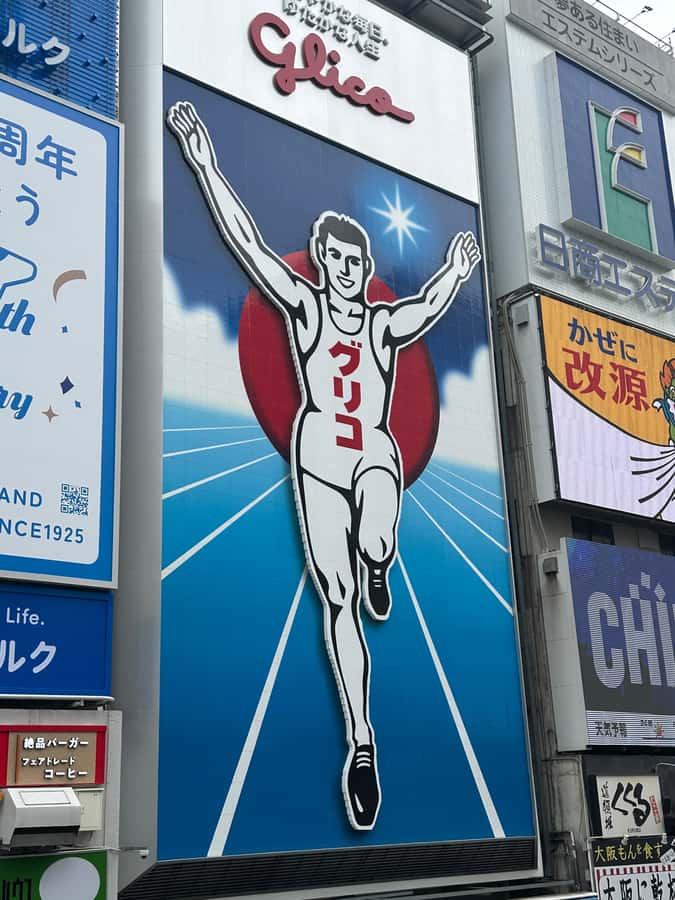
- Namba and Dotombori finish the route in classic Osaka fashion, with bright signs, the Glico Man, and Kani Doraku’s moving crab.
- Manuel Pérez provides the tour in Spanish, with detailed explanations and practical restaurant recommendations.
Why this route works for a first day in Osaka
Osaka can feel confusing at first. Its important sights are spread between different districts, and the city’s appeal is split between grand history, religious sites, shopping streets, and food-centered nightlife. This route gives you a broad first look instead of keeping you in one area.
You begin in the east at Osaka Castle, move south through the Tennoji area and Shinsekai, and finish around Namba and Dotombori. That progression makes sense. The atmosphere changes as you go, from open parkland and castle walls to temple courtyards, old entertainment streets, market counters, and glowing canal-side signs.
I would choose this experience if you have limited time and want context along with sightseeing. A guide can explain why Osaka Castle matters, what makes Shitennoji unusual, and how kushikatsu fits the character of Shinsekai. You can then return to the neighborhoods you like best on your own.
The route also suits families who can manage a full day on foot and public transport. Manuel has worked attentively with a family including a seven-year-old child, keeping an eye on everyone and helping the day run smoothly. Still, the number of stops means younger children may need breaks.
A few more Osaka half-days to weigh up
- Osaka Go Karting Tour with Funny Costume
★ 5.0 · 2,658 reviews - Osaka Castle: Museum and Tower Entry Ticket
★ 4.5 · 2,380 reviews - Osaka: Shinsekai Food Tour with 13-15 Dishes at 5 Eateries
★ 4.8 · 2,204 reviews
Osaka Castle and the story of Toyotomi Hideyoshi
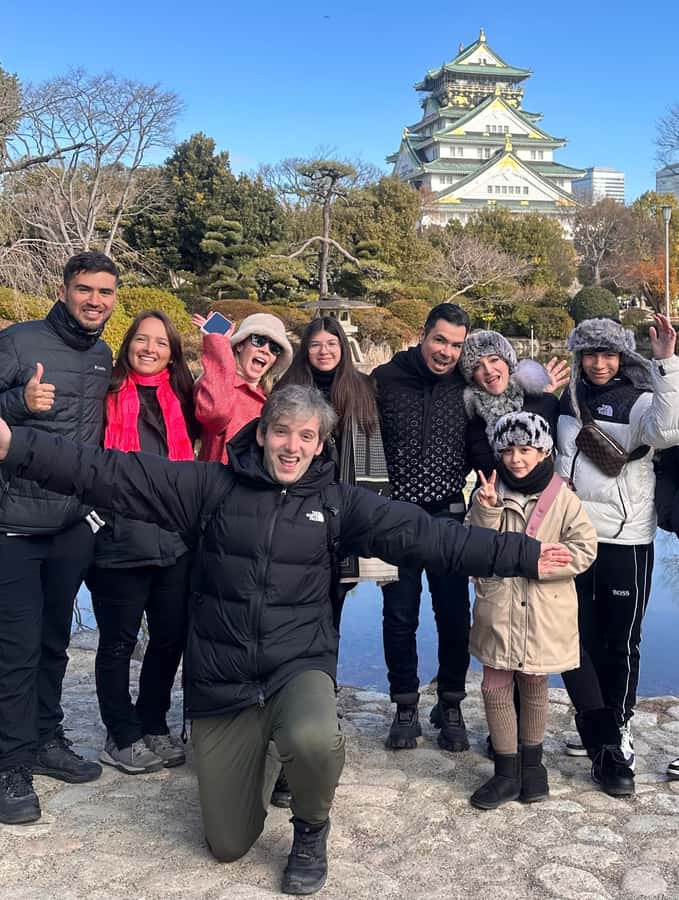
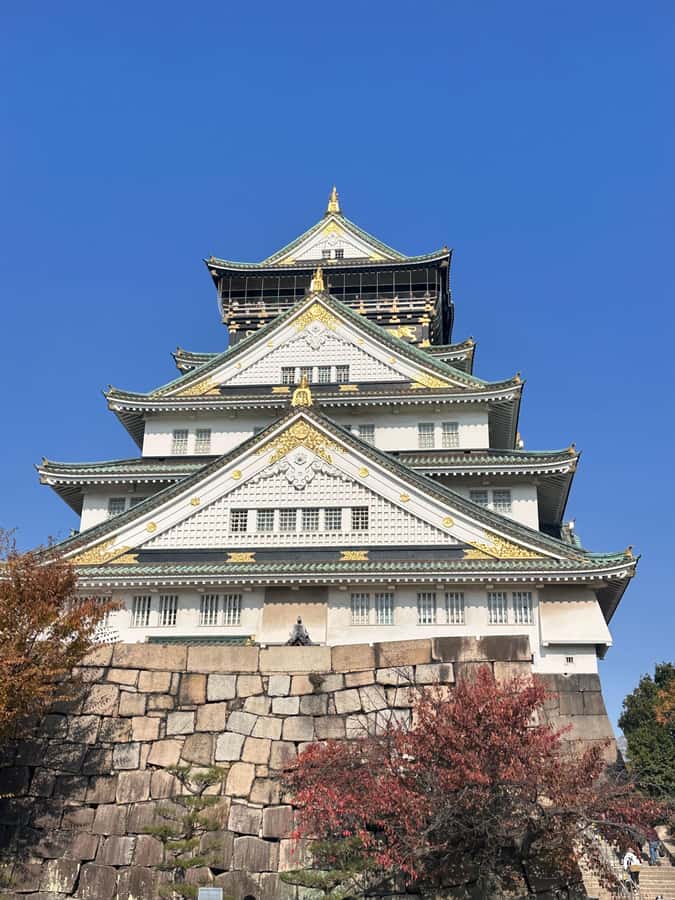
Osaka Castle is the grand opening scene, and it earns that position. Toyotomi Hideyoshi built the original castle in the 16th century, during the Sengoku period, when Japan was divided by warfare and rival military leaders. The castle became a symbol of Hideyoshi’s power and his attempt to bring the country under one rule.
The tour focuses on the castle grounds and surrounding park, so you can take in the setting as well as the structure. The park gives you space after the subway ride and provides a useful introduction to Osaka’s past before the day turns toward religion and food.
I like starting here because the story is easy to connect to the rest of Japan. If you are also visiting Kyoto, Nara, or Hiroshima, the political and religious changes introduced here will help place later sights in context. Manuel’s historical explanations are one of the strongest reasons to choose a guided visit rather than simply taking photos outside.
Be aware that Osaka Castle is a major city sight, so this is not a quiet introduction to Japan. The grounds are extensive, and you will be walking before the route gets more demanding. Wear shoes with good support, especially in hot weather.
Shitennoji Temple and Japan’s Buddhist beginnings
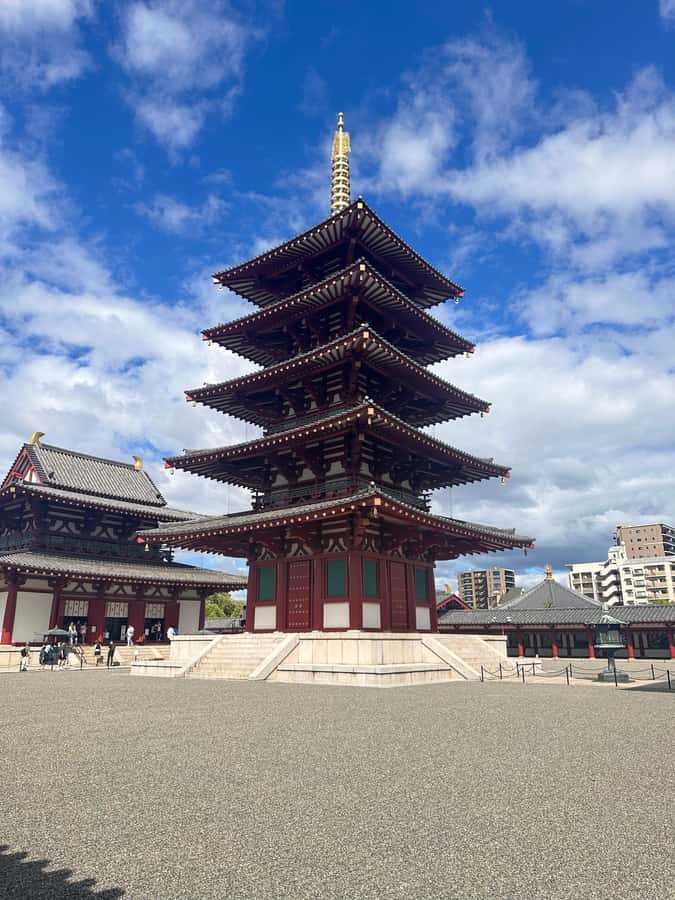
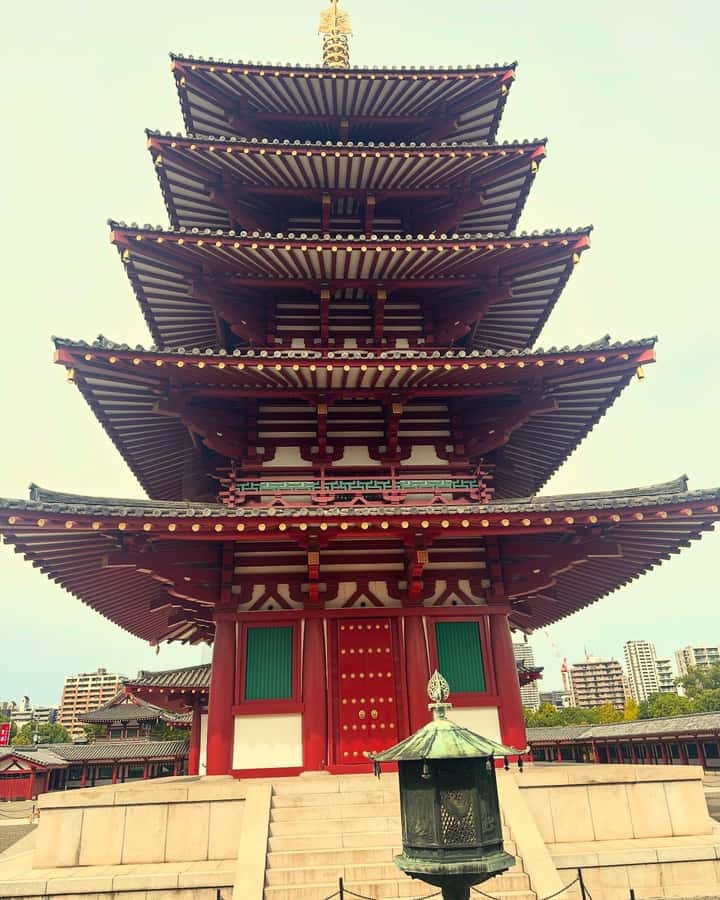
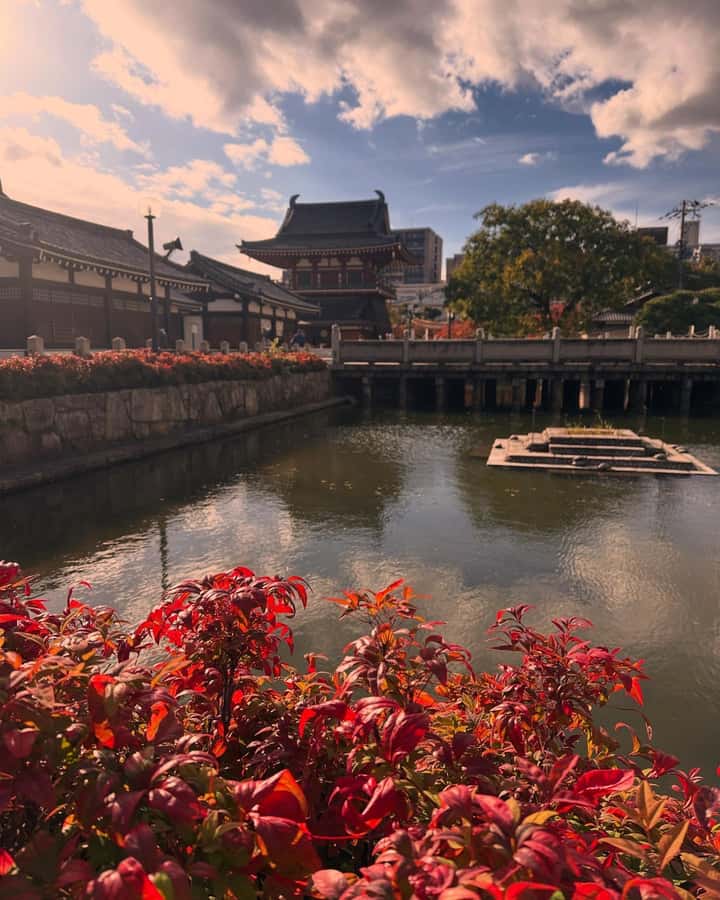
The next major stop is Shitennoji, founded in 593 and recognized as Japan’s oldest Buddhist temple. Its importance is not only architectural. The site helps explain how Buddhism arrived in Japan and how religious ideas began to shape Japanese culture.
You’ll walk through the temple area and its serene garden, with the five-story pagoda providing the most recognizable view. After the open park around Osaka Castle, Shitennoji changes the pace. The setting is more reflective, and the guide’s explanation gives the buildings meaning beyond their visual appeal.
This is a good place to ask questions. Japanese temples can look similar when you first arrive in the country, and a Spanish-speaking guide can clarify the difference between a temple and a Shinto shrine, along with the broader role of Buddhism in Japanese life. The tour description specifically frames Shitennoji as a place to understand Japan’s religious development, not just another photo stop.
The time here is valuable for visitors who want culture without committing to a separate temple tour. If your main interest is shopping and street food, though, this portion may feel slower. That contrast is part of the route’s purpose: Osaka is more than neon signs and restaurant windows.
Isshin-ji and a striking memorial tradition
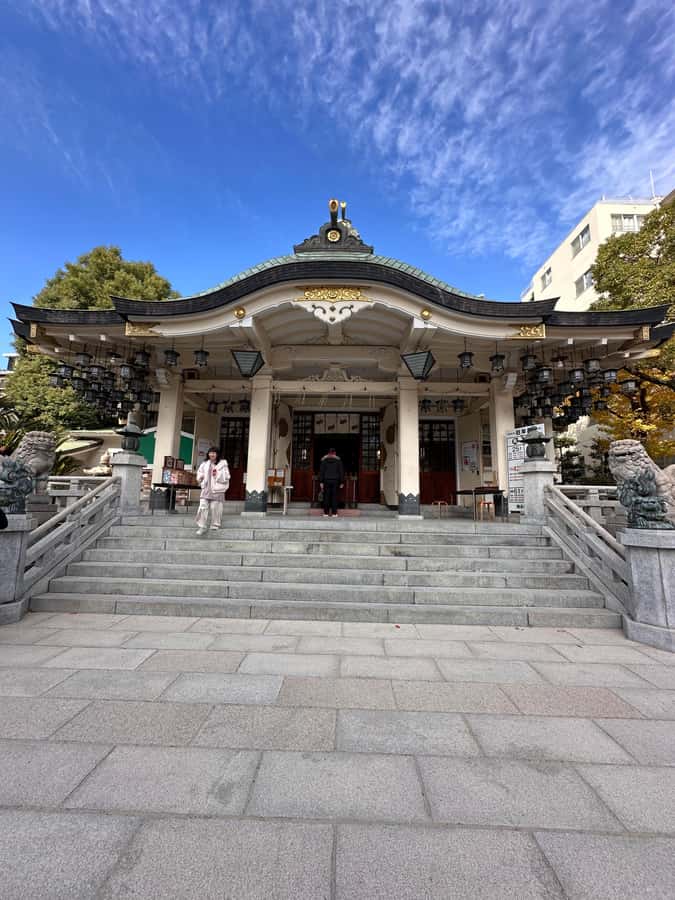
Isshin-ji Temple offers a very different religious experience. The temple is known for Buddhist statues made from human ashes, created as a way to honor the deceased. It is an unusual and serious stop, and it introduces a connection between Buddhist practice and funeral culture in Japan.
I appreciate the inclusion because it avoids presenting religion as decoration. Isshin-ji gives you a chance to see how remembrance and spiritual practice can be linked in a physical way. Manuel can explain the tradition in Spanish, which matters here because the subject deserves more than a quick glance and a photograph.
This stop may not suit every mood. The memorial theme is more solemn than the lively areas later in the day, and some people may find the statues confronting. I would approach it with respect and an open mind. It is one of the most distinctive parts of the route because it shows a less familiar side of Japanese religious life.
The tour also gives you a useful comparison between Shitennoji and Isshin-ji. One presents a major early Buddhist institution and its architecture. The other focuses on personal remembrance and the treatment of the dead.
Same base, a completely different sort of day:
- Osaka Food Tour: 13 Dishes at 5 Local Eateries
★ 5.0 · 2,149 reviews - Hungry Osaka Street Food Tour:15 Tastings & 3 Drinks with a Local
★ 5.0 · 1,727 reviews - Osaka: teamLab Botanical Garden Entry Ticket
★ 4.5 · 1,710 reviews - Osaka: Tea Ceremony Experience
★ 4.9 · 1,426 reviews
Shinsekai, Tsutenkaku, and the taste of kushikatsu
From the temples, the route turns toward Shinsekai, a neighborhood known for neon lights, traditional restaurants, and a retro feel. This is where Osaka’s playful, informal personality comes forward.
Tsutenkaku Tower is the district’s main visual marker. The area around it is associated with kushikatsu, skewered food coated and fried before being served. Meals are not included, so any tasting here is at your own cost, but this is the natural place to try one of Osaka’s best-known specialties.
Kushikatsu is more than a convenient snack. It fits Shinsekai’s casual restaurant culture and gives you a taste of the city’s preference for hearty, accessible food. Manuel can point you toward places to eat and provide recommendations for later meals, which is useful if you want to make the most of Osaka’s food scene after the tour.
Do not expect this stop to feel polished or hushed. Shinsekai’s appeal comes from its signs, narrow restaurant fronts, and old-fashioned entertainment atmosphere. You might like it immediately, or you might prefer the calmer temples. Either reaction is fair, and the route is better for showing both sides.
Kuromon Market and Osaka’s food culture
Kuromon Market is the main food-focused stop. The market is known for fresh produce and specialties such as sushi, seafood, and wagyu beef. You can browse the counters, choose something to eat, and see how Osaka’s food culture is presented in a busy market setting.
Since meals and drinks are not included, bring cash for anything you want to buy. Prices will vary by item, and the market is best treated as a chance to sample rather than as a formal group lunch. If you are traveling with children or have different tastes in your party, the range of choices makes this easier than sitting down at one fixed restaurant.
The guide adds value here by helping you understand what you are seeing and by giving practical suggestions. A market can be hard to read when labels are unfamiliar. Manuel’s food recommendations, praised by several people who took his tour, can help you choose with more confidence.
There is also a practical limitation. Kuromon Market is a popular destination, and browsing food counters takes time. If you stop at every tempting item, the rest of the route may feel rushed. I would decide in advance if you want a quick taste or a proper snack and keep some cash ready.
Namba and Dotombori after dark energy
The tour ends in Namba and Dotombori, the city’s best-known entertainment and dining center. This is where the route reaches its loudest and most colorful point, with illuminated signs, restaurants, shops, and crowds along the canal area.
The photo stops are classic Osaka: the Glico Man sign and the animated crab of Kani Doraku. They are familiar images, but seeing them in person helps you understand how Osaka turns food and advertising into public spectacle. The contrast with the morning’s castle and temples is exactly what makes the itinerary work.
Namba is also practical. After the tour, you are in one of Osaka’s main areas for food and entertainment, with plenty of options for continuing your evening. Manuel’s recommendations can be especially useful here, since choosing a restaurant in Dotombori can be difficult when every facade competes for attention.
This final section can feel crowded and noisy. If you prefer quiet streets, you may enjoy the temples more. If you want a lively finish and a chance to see Osaka’s famous signs in one place, Namba and Dotombori deliver.
Getting around by subway and on foot
The guide leads the transportation during the route, but your own subway fares are not included. You must carry cash or use an ICOCA, SUICA, or PASMO card. This detail matters because the tour covers several parts of Osaka and relies on the city’s subway system rather than private transportation.
Meet at Exit 3B of Morinomiya subway station. The activity ends back at the meeting point, so plan your evening with that return in mind. The exact timing is not provided, but the route includes seven major areas and is described as an extensive way to see Osaka in a day.
You should wear comfortable clothing and walking shoes. The combination of castle grounds, temple areas, market browsing, and station transfers requires more stamina than a bus-based sightseeing trip. In hot weather, take water breaks when you can and tell Manuel if you need a slower pace. He has been attentive to heat and the needs of families, which is reassuring, but you still need to arrive prepared.
Baby carriages are not allowed, and the experience is not suitable for wheelchair users. If mobility access is important to you, this is a reason to choose a different format.
Is $73 a fair price?
At $73 per person, the value depends on how much help you want with Osaka’s layout and history. You are not paying for meals, drinks, entrance extras, or your subway fares. The price covers the guided experience and the work of connecting several major areas in Spanish.
For a first-time visitor, that can be a fair deal. Seeing Osaka Castle, Shitennoji, Isshin-ji, Shinsekai, Kuromon Market, Namba, and Dotombori independently would require route planning, station research, and time spent deciding what each place means. The tour puts those pieces into one organized day.
The value is strongest if you want detailed historical explanation or need Spanish-language guidance. Manuel offers more than basic directions, with background on Japanese culture and practical food suggestions. Several people who took the tour specifically valued his clear explanations, punctuality, personal attention, and recommendations.
The value is weaker if you already know Osaka well, speak Japanese comfortably, or prefer to linger at one market or temple. This is a broad survey. You see many places, but you will not have unlimited free time at each one.
Who should book this Osaka tour?
I would recommend it to first-time visitors who want a strong overview in Spanish. It is also a good match for couples, families with older children, and anyone who wants history and food in the same day.
You should book it if these points matter to you:
- You want a Spanish-speaking guide rather than an audio guide.
- You prefer a planned route through several Osaka districts.
- You enjoy learning the background behind temples, monuments, and local customs.
- You want help choosing food at Shinsekai or Kuromon Market.
- You can manage subway travel and plenty of walking.
I would skip it if you need wheelchair access, are traveling with a baby carriage, or want a slow day built around one neighborhood. I would also think twice if you dislike group schedules and would rather spend an hour sampling food at your own pace.
Cancellation is flexible up to 24 hours before the activity for a full refund, and you can reserve now and pay later. Those terms help if your Japan itinerary is still changing.
FAQ
Where does the Osaka tour begin?
The tour begins at Exit 3B of Morinomiya subway station.
Where does the activity end?
The activity ends back at the meeting point.
Is the tour conducted in Spanish?
Yes. The tour is conducted in Spanish, with Manuel Pérez serving as the guide.
What transportation is used?
The tour uses Osaka’s subway system, with the guide leading the way. Your own transportation costs are not included.
Do I need cash or a transportation card?
Yes. You must bring cash or a transportation card such as ICOCA, SUICA, or PASMO for subway travel. Cash is also useful for food and personal purchases.
Are meals and drinks included?
No. Meals, drinks, and personal expenses are not included. You can buy food at places such as Shinsekai and Kuromon Market at your own cost.
Is the tour suitable for wheelchair users or baby carriages?
No. The activity is not suitable for wheelchair users, and baby carriages are not allowed.
Should you book it?
Book this tour if you want to understand Osaka quickly, in Spanish, and do not mind a full route with subway rides and substantial walking. The combination of Osaka Castle, two very different temples, Shinsekai’s kushikatsu culture, Kuromon Market, and the lights of Dotombori gives you a useful first portrait of the city.
The strongest reason to choose it is Manuel Pérez’s personal guidance. His detailed history, attention to families and heat, and practical food suggestions add real value to a route that could otherwise become a rushed list of famous stops. At $73, it is a sensible choice for a first Osaka day, provided you arrive with comfortable shoes, a transit card or cash, and an appetite for a busy schedule.
Just added around Osaka
- Discover Real Osaka: A Cultural Walk with Food & Drink★ 5.0 · 13 reviews
- From Osaka/Kyoto: Kyoto & Nara Day Trip with Optional Lunch★ 4.5 · 79 reviews
- Osaka 6hr Private Walking Tour with Government Licensed Guide★ 5.0 · 174 reviews
- Private Airport transfer Kansai Intl. Airport(KIX) to OSAKA CITY★ 4.5 · 12 reviews
- Osaka: Namba Local Food Walking Tour (Taste 15 Dishes)★ 5.0 · 20 reviews
- Osaka Delights: Traditional Japanese Food Tour★ 4.5 · 33 reviews
- Badminton in Osaka & Kyoto with Locals!★ 5.0 · 15 reviews
- From Osaka or Kyoto: Kyoto and Nara 1-Day Bus Tour★ 3.5 · 141 reviews
Osaka Tours, compared.


Shinsekai Food Tour with 13-15 Dishes at 5 Eateries
Read our review →
Osaka Food Tour: 13 Dishes at 5 Local Eateries
Read our review →
Hungry Osaka Street Food Tour:15 Tastings & 3 Drinks with a Local
Read our review →



Hotspots & Hidden Gems Walking Tour Private or Group
Read our review →Browse the lists this tour appears in