
Reviewed · HOKKAIDO TOURS
Sapporo: The Indigenous Ainu People & Jozankei walking tour
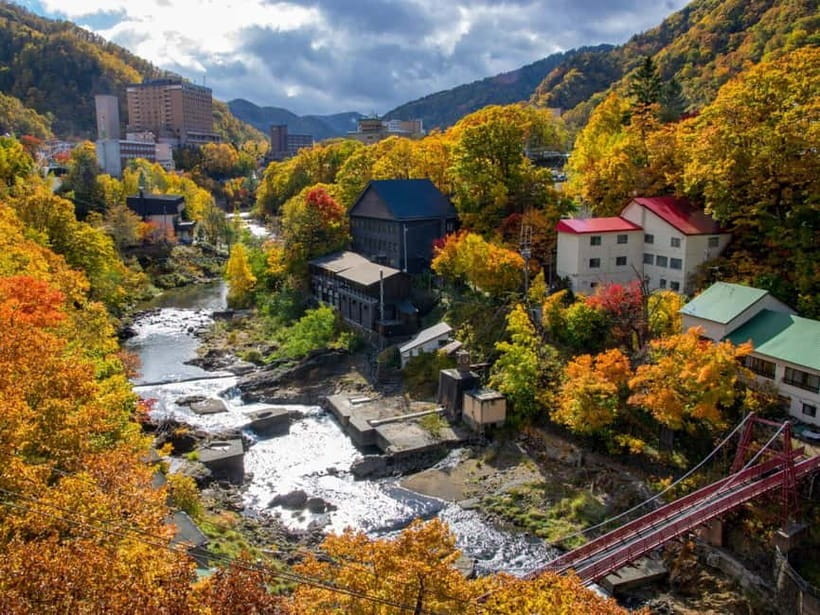
The best thing about this Sapporo day trip is its pairing of two very different sides of Hokkaido: the Ainu people’s living culture and Jozankei’s volcanic hot spring tradition. You begin with crafts, objects, and stories connected to Hokkaido’s Indigenous people, then spend the afternoon walking through a mountain village before bathing at Hotel Shika no Yu.
I like the hands-on approach at the Ainu Cultural Center, where you can feel and examine traditional craftwork instead of simply looking through glass. I also like the generous Jozankei portion, which includes the shrine, temple, parks, suspension bridge, footbath, and a full two-hour onsen visit.
The main drawback is the long day, lasting 570 minutes, with public transport and possible waiting time between stops. Winter can be especially cold, and several paths may be uneven or slippery, so comfortable shoes and sensible clothing matter.
Key points to know before booking
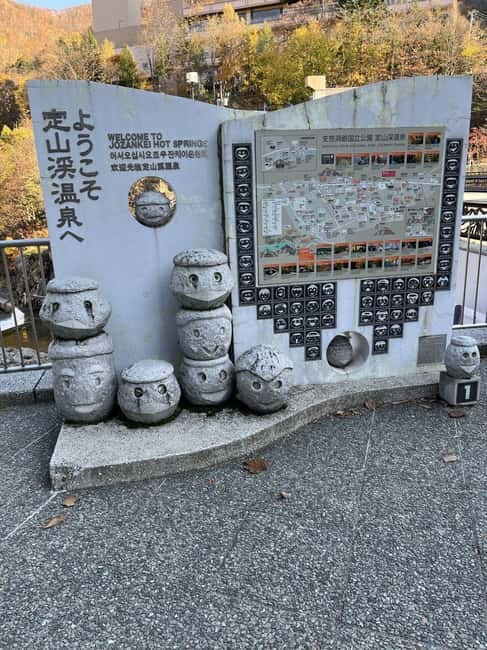
- Ainu culture comes first: Spend about 90 minutes learning about Hokkaido’s Indigenous people through objects and crafts made by Ainu artisans.
- Jozankei gets real walking time: The afternoon includes Jozankei Shrine and Temple, Gesen Park, Futami Park, and the Futami Tsuribashi Suspension Bridge.
- The final stop is a proper bath: Hotel Shika no Yu provides a two-hour day-bath experience, with a footbath option available.
- Guide Scott leads the English tour: His explanations cover both the Ainu displays and local sights around Jozankei.
- Public transport is part of the day: Allow for an 80-minute train journey, a one-hour bus ride, and a 75-minute return bus trip.
- Pack for an active day: Bring comfortable shoes, water, a towel, and a change of clothes for the onsen.
Why this day trip works so well
Many excursions from Sapporo focus on scenery, food, or shopping. This one gives you a stronger sense of place by connecting Hokkaido’s Indigenous past with one of its best-known hot spring towns.
The Ainu section gives the day cultural weight. Jozankei then supplies fresh air, streams, wooded paths, religious sites, and hot water. That change of pace keeps the tour from feeling like a museum visit followed by another indoor attraction.
I especially like that the day does not treat the onsen as a quick add-on. You have up to two hours at Hotel Shika no Yu, enough time to understand the bathing routine and relax without rushing straight back onto a bus.
The 4.9 rating from 25 bookings reflects the tour’s strongest qualities: clear explanations, a personable guide, and a good mix of learning and relaxation. Scott is repeatedly singled out for his local knowledge, easy conversation during travel time, and thoughtful approach to the group.
More walking tours in Sapporo:
- Sapporo Walking Tour
★ 4.9 · 17 reviews - Sapporo Highlights: Golden Route Morning Guided Walking Tour
★ 4.9 · 16 reviews - Kyoto Geisha Walking Tour: Gion District & Hidden Gems
★ 4.7 · 3,273 reviews
Meeting Scott at Sapporo Station
The meeting point is Myomu, the circular white stone structure near the South Exits of Sapporo Station. After passing through the main JR gates, turn left and walk a short distance toward the south side of the station.
The guide is scheduled to meet you at 9 a.m. and wears a Snow Monkey Resorts tour tag. Give yourself extra time to find the South Exits, especially if Sapporo Station is new to you. This is not a hotel pickup, so you need to reach the station on your own.
From there, the day uses public transportation. The outward train journey takes about 80 minutes. That is a substantial travel block, but it also means you see how the surrounding area connects with Sapporo rather than spending the entire day inside a private vehicle.
One practical point: the exact transport pattern means you should expect a full day rather than a tightly compressed sightseeing circuit. One part of the journey includes a bus ride of about an hour, and the return bus takes roughly 75 minutes.
The Sapporo Ainu Culture Promotion Center
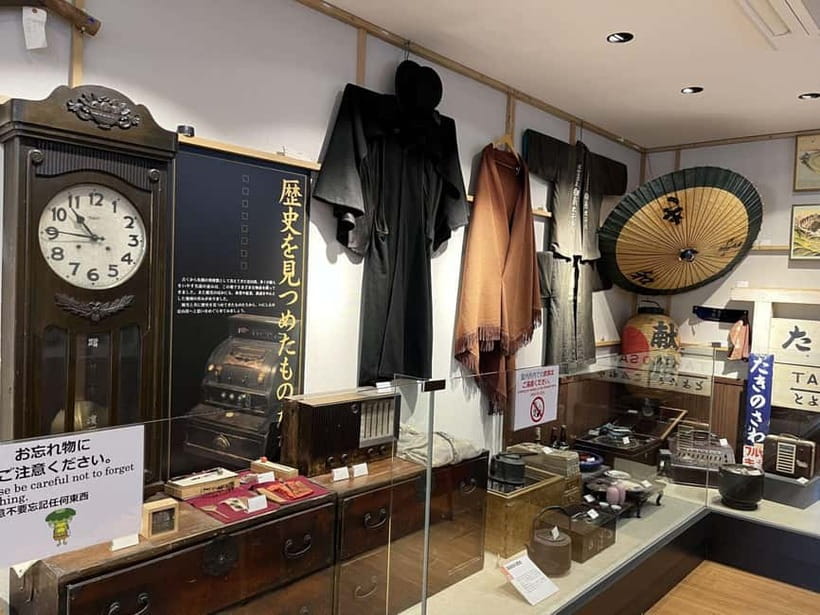
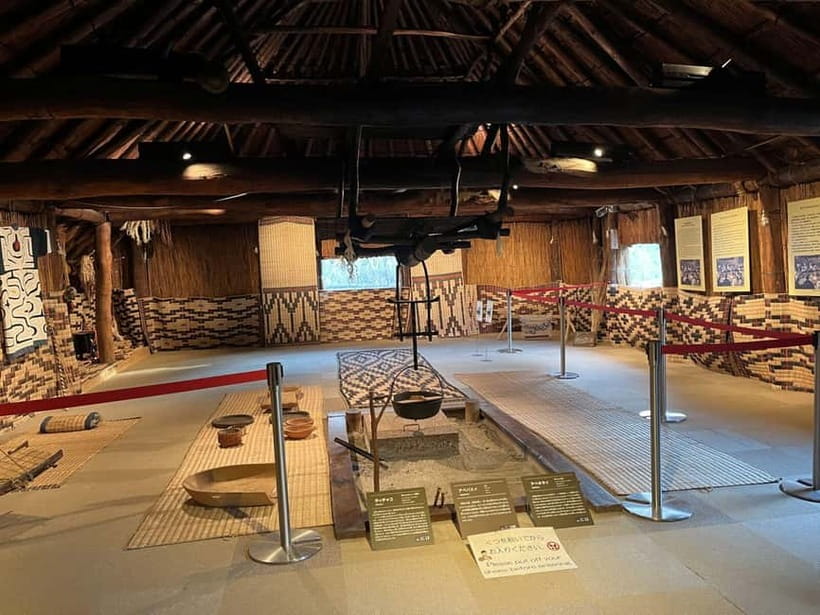
Your first major stop is the Sapporo Ainu Culture Promotion Center, where you spend about an hour and a half.
The Ainu are the Indigenous people of Hokkaido. Their culture developed separately from the traditions that many visitors associate with Japan’s main islands, and the center introduces their lifestyle, history, and art through displays and traditional objects.
The most useful feature here is the chance to feel and examine selected craftwork made by Ainu artisans. That physical connection makes the visit more immediate. You are not simply reading labels or studying items behind glass. You can pay attention to texture, construction, and the skill involved in the work.
Guide Scott adds context as you move through the center. His explanations are especially helpful if you have little prior knowledge of Ainu culture. He has been praised for explaining the artifacts clearly and for making the subject easy to discuss during the visit.
This stop deserves your attention rather than a quick photo session. Look closely at the objects, listen for the connections between daily life and artistic work, and ask questions while you have the guide beside you.
The 90-minute visit is long enough for a useful introduction, but not so long that the cultural part overwhelms the rest of the day. If Ainu culture is your main reason for booking, keep your expectations in proportion: this is a focused introductory visit, not a full multi-day study of Ainu communities.
The road to Jozankei
After leaving the center, you travel by bus for about an hour to Jozankei. The village lies within Shikotsu-Toya National Park, an area shaped by volcanic activity over many years.
That geological setting explains Jozankei’s hot spring tradition. Underground heat produces mineral water that has made the town a popular bathing destination, while the surrounding hills and waterways give the village its quiet outdoor character.
The journey takes time, and public buses can involve waiting. In winter, schedules may be less frequent, so the day can feel slower than a private tour. One booking noted longer waits caused by the winter timetable. That is worth considering if you prefer constant movement.
Still, the public transport format keeps the price from rising further and gives you a practical look at local travel. Just keep a layer handy and bring water. You will appreciate both during a long day outside.
A few more Sapporo half-days to weigh up
- Sapporo Bar Hopping Food Tour
★ 5.0 · 232 reviews - Hokkaido Seasonal: Lake Toya & Noboribetsu Jigokudani Valley
★ 4.7 · 173 reviews - Sapporo Private Tour with a Local – Highlights & Hidden Gems
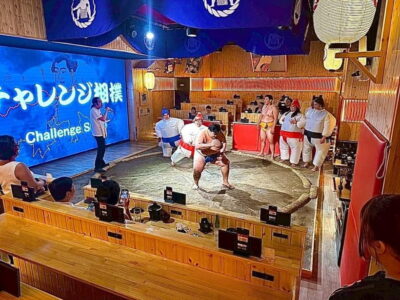
★ 5.0 · 91 reviews - Sapporo: Sumo Show Experience with Japanese food & Photo
★ 4.9 · 81 reviews
Walking through Jozankei’s shrines and parks
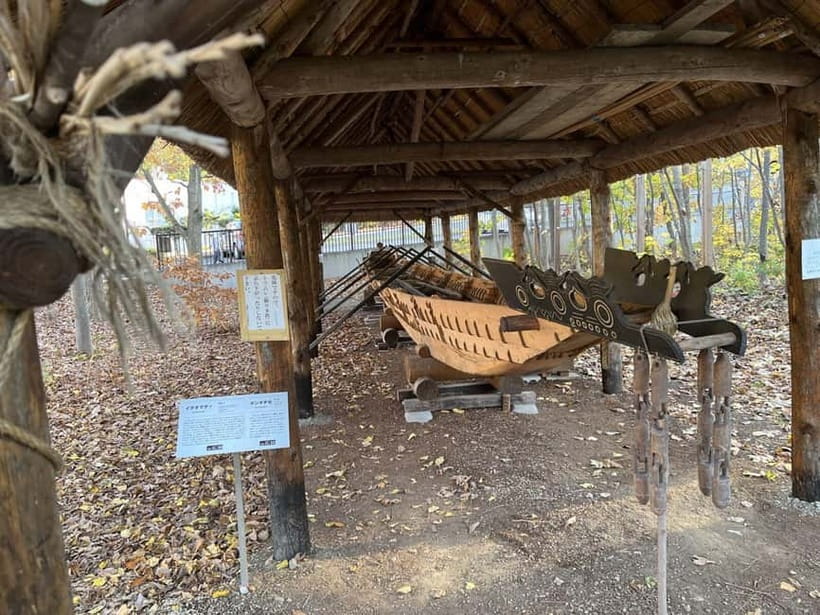
Jozankei is not presented as a single viewpoint. The walking portion links several smaller sights, giving you a better feel for the village.
Jozankei Shrine and Temple provide the cultural stops. They are useful places to see how religious buildings fit into a hot spring community surrounded by wooded slopes and volcanic terrain. The tour guide can explain what you are seeing, which is more helpful than simply passing by on a bus.
Gesen Park includes a footbath, giving you an early chance to rest your feet and sample the town’s hot spring culture without a full change of clothes. This is a simple stop, but it helps break up the walking and gives you a taste of what Jozankei is known for.
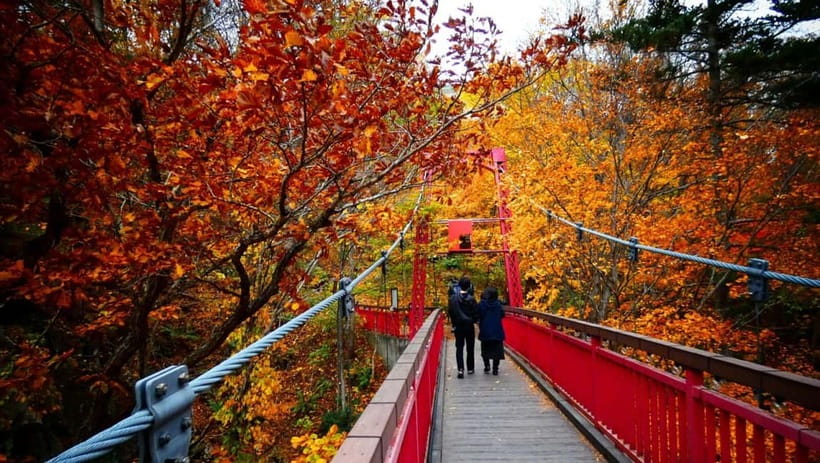
Futami Park brings more natural scenery into the afternoon. The route then continues toward the Futami Tsuribashi Suspension Bridge, one of the more memorable visual points in the village.
The walking surface can be uneven, and winter conditions may make footing harder. Comfortable shoes are not a minor suggestion here. If you have back problems or find long walks difficult, this tour may not suit you.
You get about four hours and 15 minutes in Jozankei, including sightseeing and free time. That is generous by day-trip standards. You should have room to take photographs, follow the guide’s explanations, pause at the footbath, and enjoy the village without racing from one stop to the next.
Crossing Futami Tsuribashi Suspension Bridge
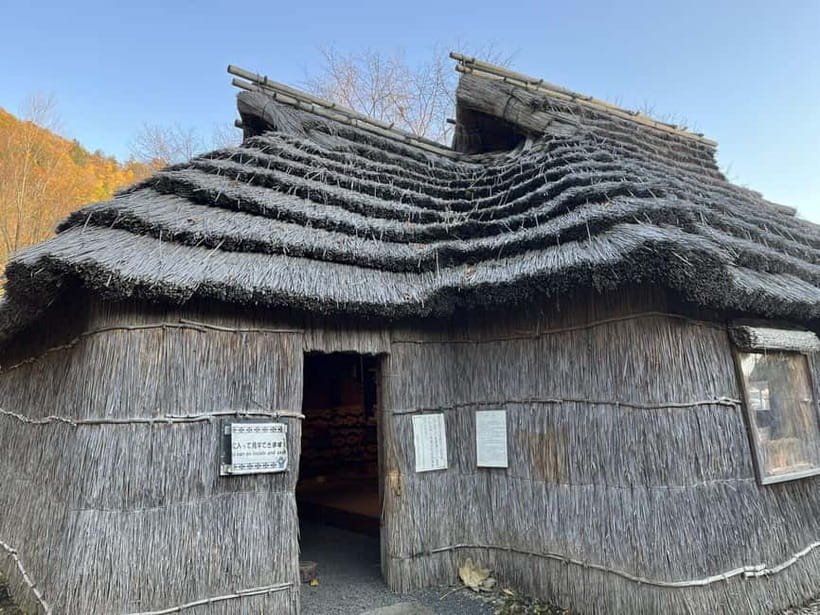
The Futami Tsuribashi Suspension Bridge gives the walking tour a clear high point. A suspension bridge naturally offers a different view from street level, and the surrounding Jozankei scenery is especially striking in autumn colors and winter snow.
The bridge may not suit anyone uneasy with height or movement underfoot. The supplied information does not describe its exact length or height, so you should think of it as a scenic walking stop rather than a major adventure attraction.
This part of the tour works best when you take your time. Pause for the view, notice the contrast between the bridge and the wooded setting, and let the guide point out features you might otherwise miss.
Season matters. Winter gives Jozankei a crisp, snow-covered appearance, but cold temperatures and slippery surfaces make the walk more demanding. Autumn offers changing foliage, while warmer months make the outdoor section easier. One booking specifically suggested spring or autumn for people who do not handle cold well.
The Hotel Shika no Yu onsen
The day finishes at Hotel Shika no Yu, where you can use the hot spring bath for two hours.
This is a traditional bathing experience, not a swimming session. You must follow onsen etiquette, and the guide explains the rules before you enter. Bring a towel and a change of clothes, as advised for the activity.
The practical routine matters. You need to understand the bathing expectations, prepare properly, and respect the shared space. If you have never visited an onsen, the guide’s instructions remove much of the uncertainty.
The tour information also mentions a footbath option. That gives you an alternative if a full bath is not right for you, although the activity is built around the hot spring visit.
A two-hour allowance is generous. You can take your time, rest after the walk, and enjoy the therapeutic waters without watching the clock every few minutes. This is also where the tour feels most connected to ordinary Jozankei life. Hot spring bathing is not just a sightseeing image here. It is one of the village’s central traditions.
You should check your comfort level before booking. The tour is not suitable for people with back problems, and you need to be prepared to follow bathing etiquette. A towel, water, and spare clothes are essential items.
What the $170 price gets you
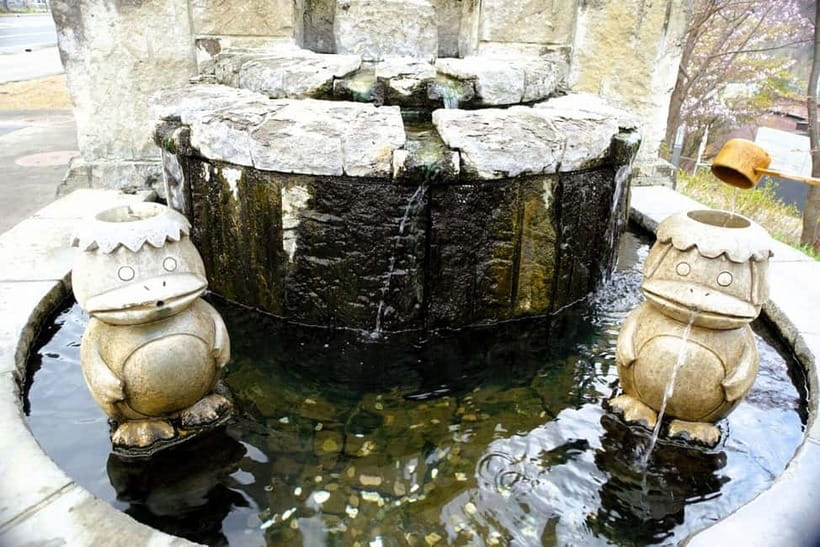
At $170 per person, this is not the cheapest way to reach Jozankei. The value comes from how much is combined into one guided day.
The price includes an English-speaking guide, transport from Sapporo Station to the listed destinations, and admission tickets for the scheduled attractions and sightseeing stops. You do not need to arrange separate transport to the cultural center or Jozankei, and you do not have to work out the onsen routine alone.
Lunch is not included. Plan to bring money or food for the day, though the supplied details do not specify a particular lunch stop. Since the schedule is long, do not leave Sapporo without thinking about when you will eat.
Private transport would make the day more convenient, and one booking specifically suggested it. Still, replacing trains and buses with a private vehicle would likely make the experience more expensive. For many people, the current format offers a fair balance between cost, guidance, and the number of stops included.
I would consider the price worthwhile if you want all three of these elements: an introduction to Ainu culture, a guided Jozankei walk, and a long onsen visit. If you only want a bath or a quick look at the village, you can probably find a simpler outing.
The best season for this experience
Jozankei changes with the seasons, and the tour’s character changes with it.
Winter offers snow-covered scenery and a memorable contrast between cold outdoor air and hot spring water. It also brings shorter daylight, colder waits for transport, and potentially slippery paths. You need warm clothing, good footwear, water, and patience with winter schedules.
Autumn is likely the easiest season for a walking-focused visit. The supplied information specifically points to spring and autumn as comfortable alternatives for people who struggle with cold. The parks and bridge should also feel more accessible when snow and ice are not a concern.
Spring and warmer months make the outdoor portion less demanding, though the tour still requires a full day and walking on uneven surfaces. The cultural center and onsen remain the main anchors in every season.
Who should book this tour?
I would recommend it to you if you want more than a standard city tour and enjoy learning through a mix of museums, walking, local customs, and scenery.
It suits first-time visitors to Hokkaido who want an accessible introduction to the Ainu people, particularly if you value a guide who can explain objects and answer questions in English. It also works well for anyone curious about Japanese bathing culture but unsure how to approach an onsen alone.
The day is a good match for people who are comfortable with public transport and a long schedule. Scott’s conversational style is a plus during the travel sections, when the group has time to ask questions and discuss the area.
I would hesitate to recommend it if you have back problems, use a wheelchair, dislike uneven paths, or want private door-to-door transport. It is also a poor fit if you want a relaxed half-day outing. This is a substantial commitment from a 9 a.m. meeting to the return to Sapporo.
FAQ
Where does the tour meet in Sapporo?
You meet at Myomu, the circular white stone structure near the South Exits of Sapporo Station. After exiting the main JR gates, turn left and walk toward the South Exits. The guide wears a Snow Monkey Resorts tour tag, and the meeting time is 9 a.m.
How long does the full tour last?
The activity lasts 570 minutes, or about nine and a half hours. The listed return journey brings you back to Myomu in Sapporo.
Is the tour conducted in English?
Yes. The tour includes a live English-speaking guide. Scott is the guide named in the supplied booking information and is described as providing explanations and conversation throughout the day.
How much time is spent at the Ainu Cultural Center?
You spend about one and a half hours at the Sapporo Ainu Culture Promotion Center. The visit covers Ainu lifestyle, history, art, and traditional craftwork made by Ainu artisans.
What places do you see in Jozankei?
The walking portion includes Jozankei Shrine and Temple, Gesen Park and its footbath, Futami Park, and the Futami Tsuribashi Suspension Bridge. You also have free time in Jozankei.
Is the hot spring visit included?
Yes. The tour includes a two-hour day-bath experience at Hotel Shika no Yu. A footbath option is also available, and you must follow the bathing etiquette explained for the onsen.
What should you bring?
Bring comfortable shoes, water, a towel, and a change of clothes for the onsen. You should also be prepared for uneven walking surfaces and cold conditions, particularly in winter.
Should you book it?
Book this tour if you want a full Hokkaido day that connects Ainu culture, Jozankei scenery, and hot spring bathing in one plan. The strongest reason to choose it is the balance: a hands-on cultural center, several village sights, and enough time at the onsen to relax properly.
Skip it if you need private transport, cannot manage uneven walking, or prefer a short and simple excursion. For everyone else, the $170 price is reasonable for the guiding, transport, admissions, and full-day structure, especially if you want an English explanation of both the Ainu displays and onsen customs.
Just added around Sapporo
- Sapporo Winter : Asahiyama Zoo (Penguin Fun & Snowmobile)★ 5.0 · 28 reviews
- Sapporo: Otaru Asarigawa Ski Resort Day Trip with Gear★ 4.9 · 27 reviews
- Sapporo Walking Tour★ 4.9 · 17 reviews
- Sapporo: Sumo Show Experience with Japanese food & Photo★ 4.9 · 81 reviews
- Sapporo: Furano Flower Sea & Biei Blue Pond Tour w/ Pickup★ 4.0 · 40 reviews
- Sapporo TV Tower Admission Ticket★ 4.7 · 21 reviews
- Sapporo Highlights: Golden Route Morning Guided Walking Tour★ 4.9 · 16 reviews
- Sapporo: Furano Lavender & Biei Blue Pond Tour with Lunch★ 4.6 · 13 reviews
Hokkaido Tours, compared.
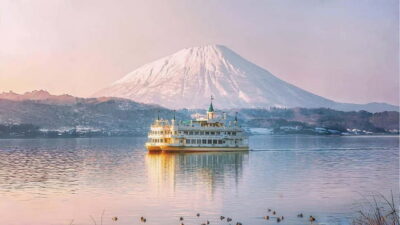
Hokkaido Seasonal: Lake Toya & Noboribetsu Jigokudani Valley
Read our review →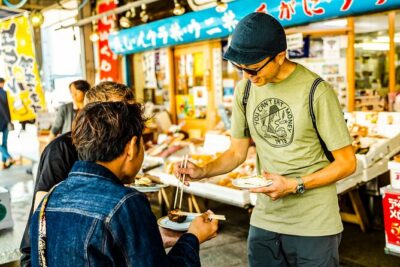
Sapporo Private Tour with a Local – Highlights & Hidden Gems
Read our review →
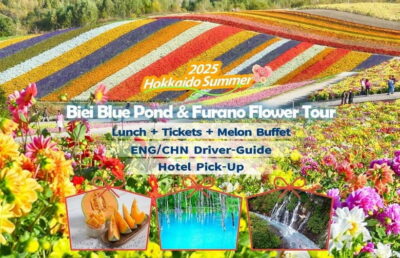
Furano Flower Sea & Biei Blue Pond Tour w/ Pickup
Read our review →
Hokkaido│Noboribetsu & Lake Toya Tour with Ropeway Ticket
Read our review →Browse the lists this tour appears in