
Reviewed · HOKKAIDO TOURS
Sapporo Walking Tour
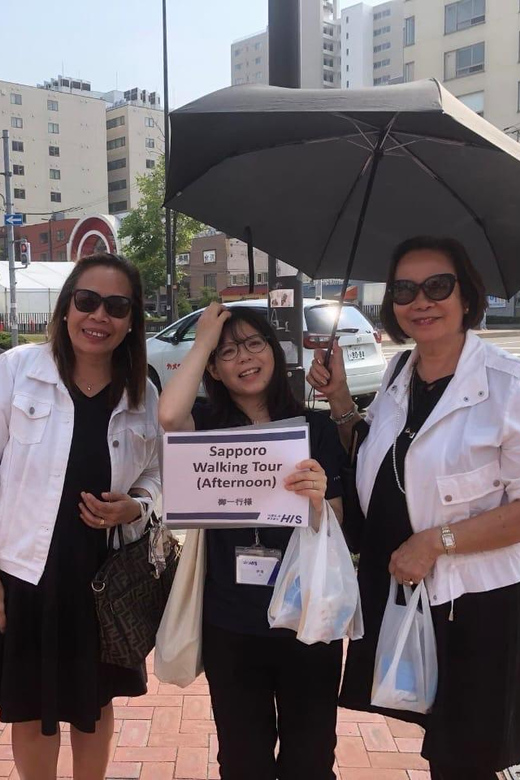
Sapporo’s best introduction may be a walk that links its main sights with the everyday advice you cannot get from a guidebook. With a local H.I.S. guide such as Jessica or Hiro, you move from Sapporo Station through old government buildings, parks, markets, and shopping streets, while having time to ask where to eat later.
I like the small groups of up to eight, which should make questions and conversation easy. I also like that the TV Tower observation ticket is included, giving you a clear view over the city after seeing it at street level.
The main consideration is weather. Snow can shrink sidewalks to narrow strips, so the route may shift into underground walkways. Winter visitors need warm clothes, proper boots, and patience with a walking pace that may be slower than expected.
Key points at a glance
- Local guides Jessica and Hiro: Expect an English-speaking guide who can explain Sapporo’s past and offer practical ideas for food and further sightseeing.
- A useful first-day route: The walk connects Sapporo Station, the Red Brick Office, Clock Tower, Odori Park, and the TV Tower.
- Winter route changes: Heavy snow can send the group underground for safety instead of keeping to narrow sidewalks.
- Afternoon extras: Afternoon departures include Tanuki Koji Shopping Street and Nijo Fish Market.
- TV Tower ticket included: You get an elevated city view without paying a separate admission fee.
- Guaranteed operation: The tour runs on scheduled dates even if only one person books.
A smart first look at central Sapporo
At $58 per person, this is not simply a sightseeing walk. You are paying for a local guide, a planned route, and admission to the Sapporo TV Tower Observatory. The real value comes from how quickly the walk can help you understand central Sapporo and decide where to spend the rest of your stay.
The advertised duration is three hours, with availability and starting times depending on the option you choose. That makes the experience easy to fit into a first morning or afternoon. It is long enough to cover the central sights, but not so long that you lose an entire day.
I would book this early in your Sapporo visit. The route gives you a useful city outline, and the chance to ask about restaurants or other places can help shape the days that follow. If you already know Sapporo well, the walk will be less about discovery and more about conversation with a local.
The tour is limited to eight people. That matters in a city where street crossings, underground passages, and snowy pavements can make a large group awkward. A small party also gives you a better chance to ask Jessica, Hiro, or another assigned guide about the details that interest you.
More walking tours in Sapporo:
- Sapporo: The Indigenous Ainu People & Jozankei walking tour
★ 4.9 · 25 reviews - Sapporo Highlights: Golden Route Morning Guided Walking Tour
★ 4.9 · 16 reviews - Kyoto Geisha Walking Tour: Gion District & Hidden Gems
★ 4.7 · 3,273 reviews
Starting at Sapporo Station
Sapporo Station is a practical place to begin because it puts you close to the city’s main central sights. The exact meeting point can vary with the option booked, so read the confirmation carefully rather than assuming the group will gather outside the station.
One useful warning comes from the meeting instructions: at least one person found the gathering point unclear because it was inside a building rather than outside. Arrive with enough time to check the location. If you do not appear by the meeting time, the company may call you.
From the station, the guide can help you see how Sapporo’s central area fits together. This is one reason the walk works well at the start of a visit. You are not being whisked from one isolated sight to another. You are walking between them and getting a sense of distance, direction, and the city’s orderly center.
Wear comfortable shoes from the start. Even in good weather, three hours on foot is enough to make poor footwear a mistake. In winter, ordinary walking shoes may not offer enough warmth or grip.
The Red Brick Office and Sapporo’s early government
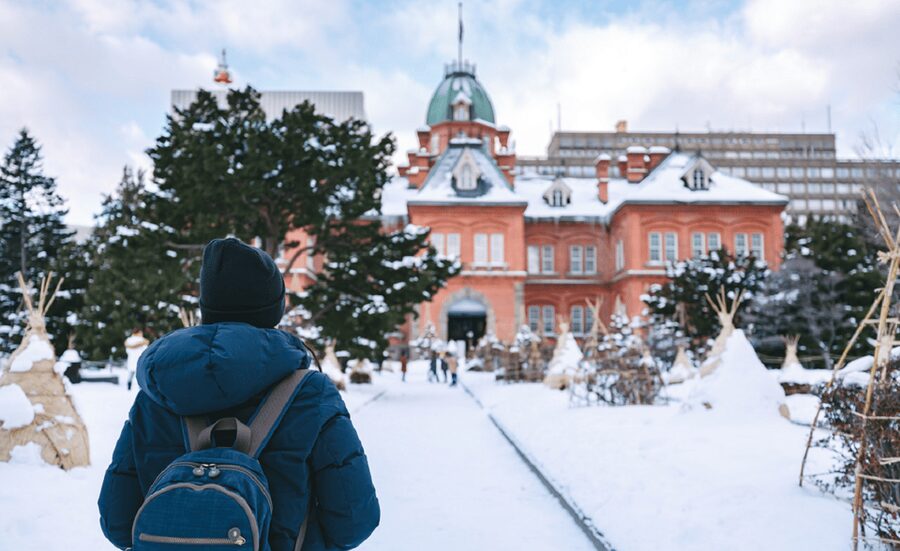
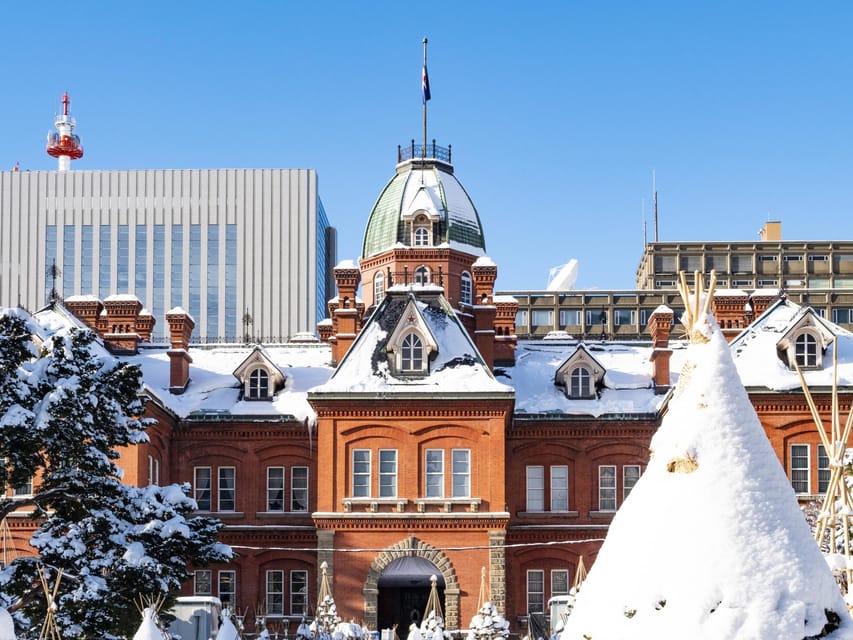
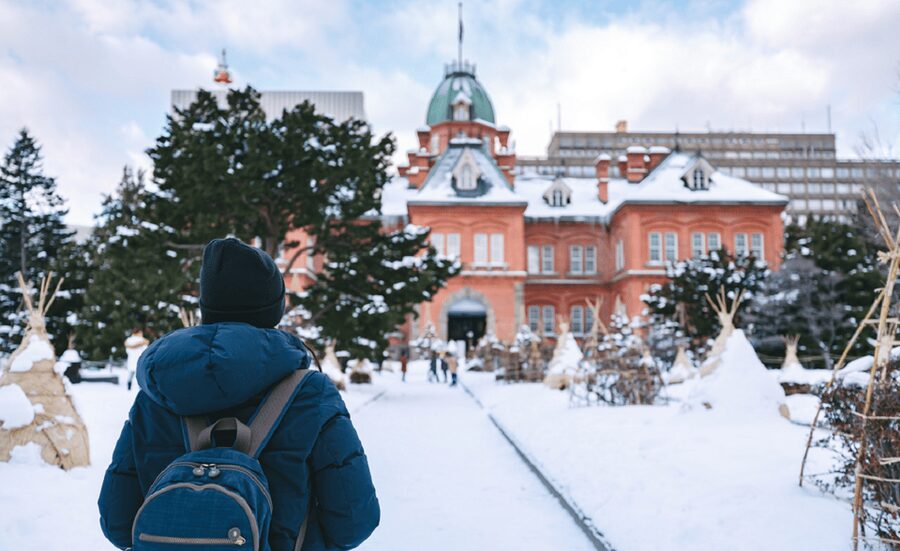
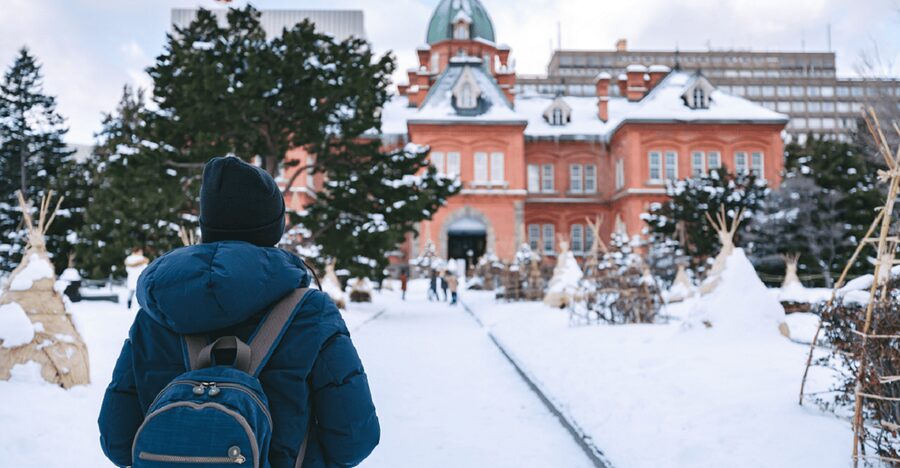
The Former Hokkaido Government Office Building, usually called the Red Brick Office, gives the tour a strong historical stop near the beginning. Its red-brick exterior is one of the familiar images of Sapporo, and the building helps explain the city’s role in the development of Hokkaido.
The value here is not just a quick photograph. A guide can put the building into the story of Sapporo and Hokkaido, helping you connect the architecture with the city’s growth. The stop also breaks up the walk nicely: you move from the modern transport center at Sapporo Station to an older civic landmark.
The visit may be especially useful for people who want more than a list of dates. Guides such as Jessica have been praised for explaining the background of Sapporo’s buildings in clear English. You can ask follow-up questions instead of trying to absorb information from a sign.
Do not expect a full museum visit to dominate the tour. The experience is built around walking through central Sapporo and seeing several highlights, not spending long periods inside each one. If you prefer a slow architectural study, you may want to return to the Red Brick Office on your own.
Sweets at Kitakaro or Snow Brand Parlor
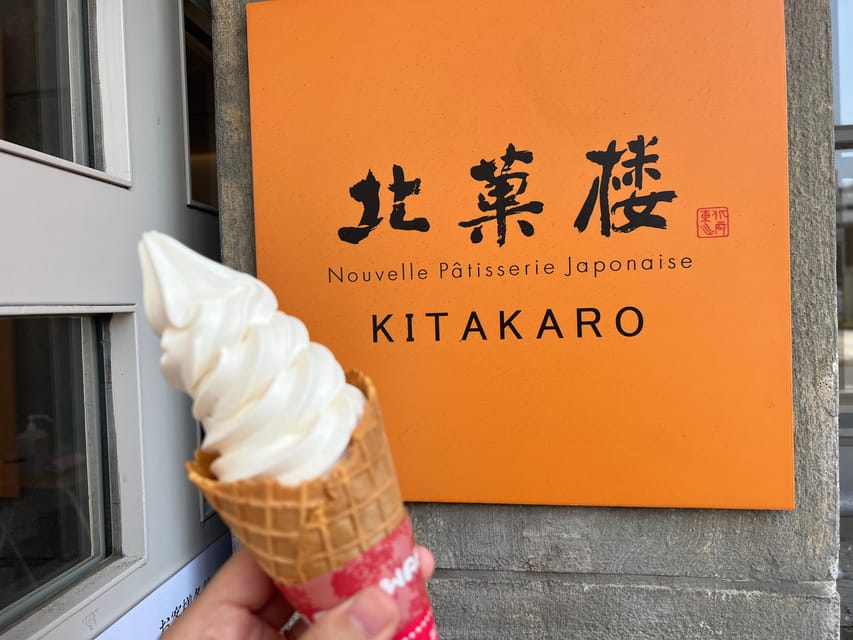
The sweets stop adds a pleasant local pause to a route otherwise filled with civic sights and city views. Depending on the day, the group may visit Kitakaro, Snow Brand Parlor, or another sweets shop chosen by the guide.
This is a small part of the tour, and food or drinks are not included in the $58 price. Still, the stop gives you a chance to ask what local treats are worth trying and to make your own purchase if something catches your eye.
The flexibility is useful. A guide’s recommendation can reflect opening conditions, timing, or what fits the group best. It also prevents the itinerary from feeling too rigid. You are not locked into one shop under every condition.
Keep your expectations measured. This is not a dedicated food tour, and you should budget separately for anything you buy. Think of the sweets stop as a short introduction and a chance to pause, not a full tasting session.
A few more Sapporo half-days to weigh up
- Sapporo Bar Hopping Food Tour
★ 5.0 · 232 reviews - Hokkaido Seasonal: Lake Toya & Noboribetsu Jigokudani Valley
★ 4.7 · 173 reviews - Sapporo Private Tour with a Local – Highlights & Hidden Gems
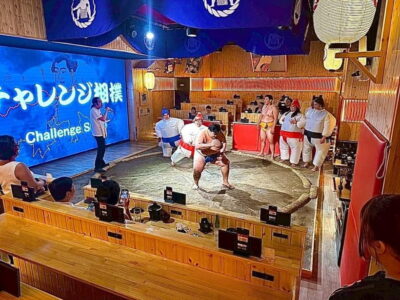
★ 5.0 · 91 reviews - Sapporo: Sumo Show Experience with Japanese food & Photo
★ 4.9 · 81 reviews
The Clock Tower and the city’s compact center
Sapporo Clock Tower is one of the city’s most recognizable landmarks. It is smaller than some first-time visitors expect, but that is part of its charm. The building is easy to see as part of a central walking route, and its scale makes it feel like a real piece of the city rather than a distant monument.
Your guide can help explain why the Clock Tower matters and how it fits with the other early Sapporo buildings. This is where a guided walk earns its keep. A quick stop on your own might give you a photograph, while a local explanation can give you a reason to remember the place.
The Clock Tower also shows how close many of central Sapporo’s sights are to one another. You are not spending the tour on long transfers. You are using your own feet to connect the landmarks, which keeps the pace active and helps you recognize the center later.
The drawback is that the tour has several stops to cover. If you want extensive time at every attraction, three hours will feel brisk. I would treat the walk as an orientation, then return to the places that deserve more of your attention.
Odori Park, Sapporo’s central green strip

Odori Park cuts across the center of Sapporo and gives the walking route some breathing room. After the buildings and streets, the open park makes the city easier to read. It also provides a natural link to the Sapporo TV Tower.
The experience here changes with the season. Snow affects the route and the ease of walking, while other weather conditions can influence how long you want to remain outdoors. The tour continues in rain or snow when conditions permit, so bring suitable protection rather than assuming the walk will move indoors.
In winter, the group may use underground walkways instead of the outdoor sidewalks. This is a practical safety choice, not a minor change. Snow can make pavements narrow, and walking beside traffic on reduced paths is not worth the risk. The underground route may mean less open-air sightseeing, but it can also keep the tour moving in difficult conditions.
Odori Park is likely to be one of the places where you most notice the contrast between the planned city center and the weather that shapes daily life in Hokkaido. Warm clothing, dry feet, and shoes made for winter are important here.
The Sapporo TV Tower view
The Sapporo TV Tower Observatory is the clearest value included in the ticket price. After walking through the center, you can look down on the streets and Odori Park and see the layout from above.
That change in viewpoint matters. From ground level, Sapporo’s blocks and parks can seem like separate stops. From the tower, the city’s central design becomes easier to understand. You can also get your bearings for later wandering.
The tower is a highlight for visitors who like views, photographs, and a simple visual sense of place. It is also a good finish for the main daytime sightseeing portion because it gives you a quiet pause after several streetside stops.
The tower should not be mistaken for a long attraction in itself. The included admission is valuable because it removes an extra cost and adds variety to the walking route, but the visit is one part of a broader city introduction. If you dislike heights or observation decks, the other stops still provide the main value.
Afternoon tours add Tanuki Koji and Nijo Market
The afternoon option includes two stops that shift the tour toward shopping and food: Tanuki Koji Shopping Street and Nijo Fish Market. These additions make the afternoon route especially useful if you want help finding places to browse or eat after the formal sightseeing ends.
Tanuki Koji gives you a look at one of Sapporo’s established shopping areas. It is a practical place to ask the guide about souvenirs, local products, or shops that match your interests. Since the tour does not include personal purchases, bring your own spending budget if you want to shop.
Nijo Fish Market adds a food-focused stop. You can see where seafood fits into Sapporo’s visitor culture and ask for advice about restaurants or dishes to try later. Food and drinks are not included, so treat the market as a place to look, ask, and decide rather than an included meal.
The afternoon itinerary may suit you better if you want the tour to finish with commercial and food stops. The morning route, by contrast, may feel cleaner for first-time orientation because it centers on the main civic sights and the TV Tower. Check the selected option carefully, since Tanuki Koji and Nijo Market are listed for afternoon tours only.
What the guides add to the walk
The guide is the heart of this experience. Jessica has led tours that combine Sapporo’s local history with an easy conversation, and Hiro has also guided visitors through the city’s buildings and TV Tower view. The precise guide depends on the date and assignment, but the important feature is direct contact with someone based in Sapporo.
You can ask about restaurants, later sightseeing, shopping, or anything else that comes to mind. That open question period may be more useful than another prepared speech. A guide can help you turn a general interest in Sapporo into a practical plan for the next meal or free afternoon.
English is the listed language. Clear communication matters on a walking tour because you need to hear instructions while moving through streets and understand explanations at outdoor stops. Jessica has been described as easy to talk with and clear in English, which is helpful for visitors who want relaxed conversation rather than a formal lecture.
The tour runs even if only one person books. That makes it a dependable choice if you are visiting alone, though a solo booking can also change the feel and pace of the walk. With up to eight people, the experience remains small enough for questions without promising a private tour every time.
Winter planning and route changes
Snow is the biggest practical issue. Sidewalk width can become very narrow, and the guide may use underground passages instead of outdoor paths for safety. You should see this as a sensible adjustment, but understand that the route may feel less scenic in poor conditions.
Bring warm clothes and boots in winter. The instructions specifically recommend protection from the cold, and comfortable footwear is important in every season. In rain or snow, bring an umbrella and rain shoes as needed.
The tour continues in wet or snowy weather when conditions allow. That means you should not book it expecting a last-minute indoor substitute. If you want the best chance of walking the full outdoor route, choose a day with favorable conditions, though the exact weather cannot be guaranteed.
Is $58 a fair price?
The price makes sense if you value local context and want several central sights handled in one compact outing. The TV Tower Observatory admission is included, and you also get an English-speaking guide for a small group. Those features make the cost easier to justify than a basic self-guided walk.
The value is weaker if you are comfortable navigating Sapporo alone and mainly want to photograph the Clock Tower, Odori Park, and Red Brick Office. Most of the route is in the central city, so independent visitors can reach the sights without a complicated transport plan.
For a first visit, I think the price is reasonable because the guide can answer questions that are hard to settle quickly on your own. Restaurant suggestions, winter route advice, and an explanation of how the sights relate to each other can save you time later.
Food, drinks, and personal spending are extra. Keep that in mind at the sweets shop, Nijo Fish Market, and Tanuki Koji. The tour is best viewed as a guided introduction, not an all-inclusive day out.
Who should book this Sapporo walk?
I would recommend it to a first-time visitor who wants to see the main central sights without spending hours planning a route. It also suits solo visitors, couples, and small groups who prefer questions and conversation over a large coach tour.
It is a good match for anyone interested in Sapporo’s buildings, city planning, and local advice. The afternoon option is better for you if shopping and the fish market matter as much as formal landmarks.
You may want to skip it if you prefer to move at your own pace, spend a long time inside each attraction, or avoid outdoor walking in uncertain weather. The route is active, and snow can change the outdoor portion.
Book with the meeting point in mind, arrive early, and wear shoes you trust. Cancel up to 24 hours before the start for a full refund, and you can reserve now while paying later, which helps if your Sapporo schedule is still shifting.
FAQ
How long does the Sapporo Walking Tour last?
The activity is listed as lasting three hours to one day, depending on the option booked. Check availability for the exact starting time and duration of your chosen option.
Is the tour available in English?
Yes. The host or greeter and guide language are English.
How many people can join the tour?
The tour is a small-group experience limited to eight participants. It is also confirmed to run on scheduled dates even if only one person books.
Which sights are included?
The route includes Sapporo Station, the Former Hokkaido Government Office Building, a sweets shop such as Kitakaro or Snow Brand Parlor, Sapporo Clock Tower, Odori Park, and Sapporo TV Tower. Afternoon tours also include Tanuki Koji Shopping Street and Nijo Fish Market.
Is admission to the Sapporo TV Tower included?
Yes. The Sapporo TV Tower Observatory admission ticket is included. Food, drinks, and personal expenses are not included.
What should I bring in winter or bad weather?
Bring comfortable shoes in every season. In winter, wear warm clothes and boots or other cold-weather protection. In rain or snow, bring an umbrella and rain shoes as needed. The route may use underground walkways when snow makes outdoor sidewalks too narrow.
Just added around Sapporo
- Sapporo Winter : Asahiyama Zoo (Penguin Fun & Snowmobile)★ 5.0 · 28 reviews
- Sapporo: Sumo Show Experience with Japanese food & Photo★ 4.9 · 81 reviews
- Sapporo: Otaru Asarigawa Ski Resort Day Trip with Gear★ 4.9 · 27 reviews
- Sapporo: Furano Flower Sea & Biei Blue Pond Tour w/ Pickup★ 4.0 · 40 reviews
- Sapporo: The Indigenous Ainu People & Jozankei walking tour★ 4.9 · 25 reviews
- Sapporo TV Tower Admission Ticket★ 4.7 · 21 reviews
- Sapporo Highlights: Golden Route Morning Guided Walking Tour★ 4.9 · 16 reviews
- Sapporo: Furano Lavender & Biei Blue Pond Tour with Lunch★ 4.6 · 13 reviews
Hokkaido Tours, compared.
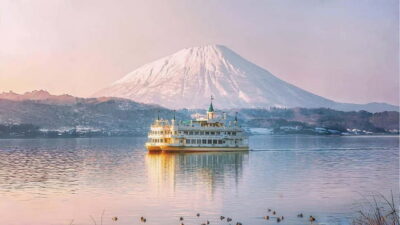
Hokkaido Seasonal: Lake Toya & Noboribetsu Jigokudani Valley
Read our review →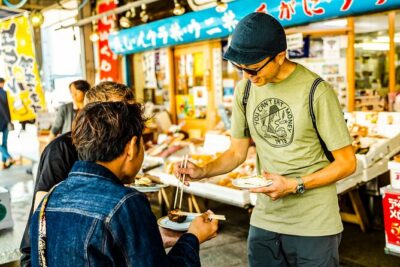
Sapporo Private Tour with a Local – Highlights & Hidden Gems
Read our review →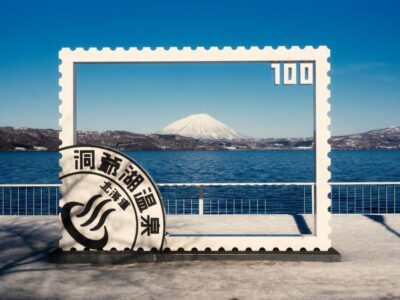

Furano Flower Sea & Biei Blue Pond Tour w/ Pickup
Read our review →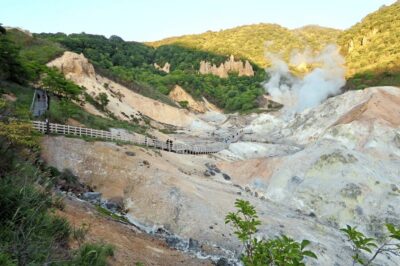
Hokkaido│Noboribetsu & Lake Toya Tour with Ropeway Ticket
Read our review →Browse the lists this tour appears in